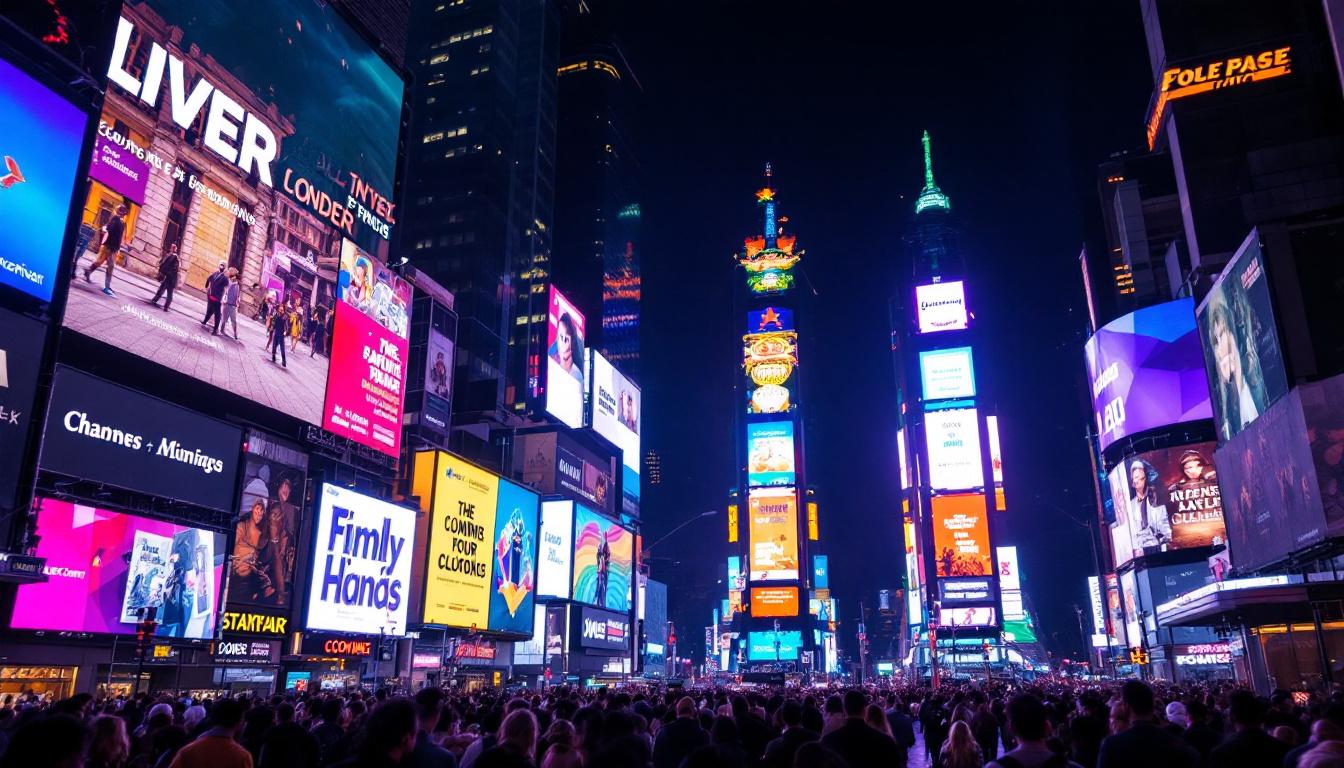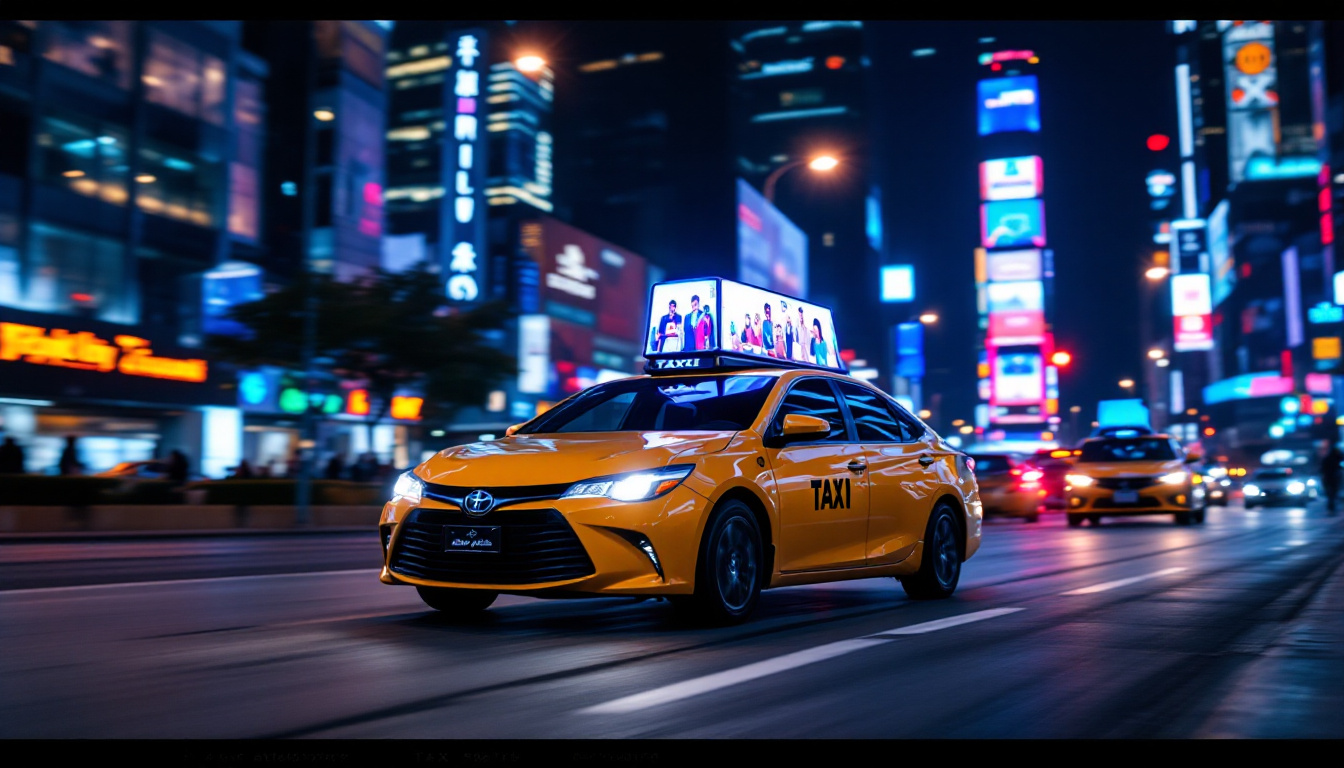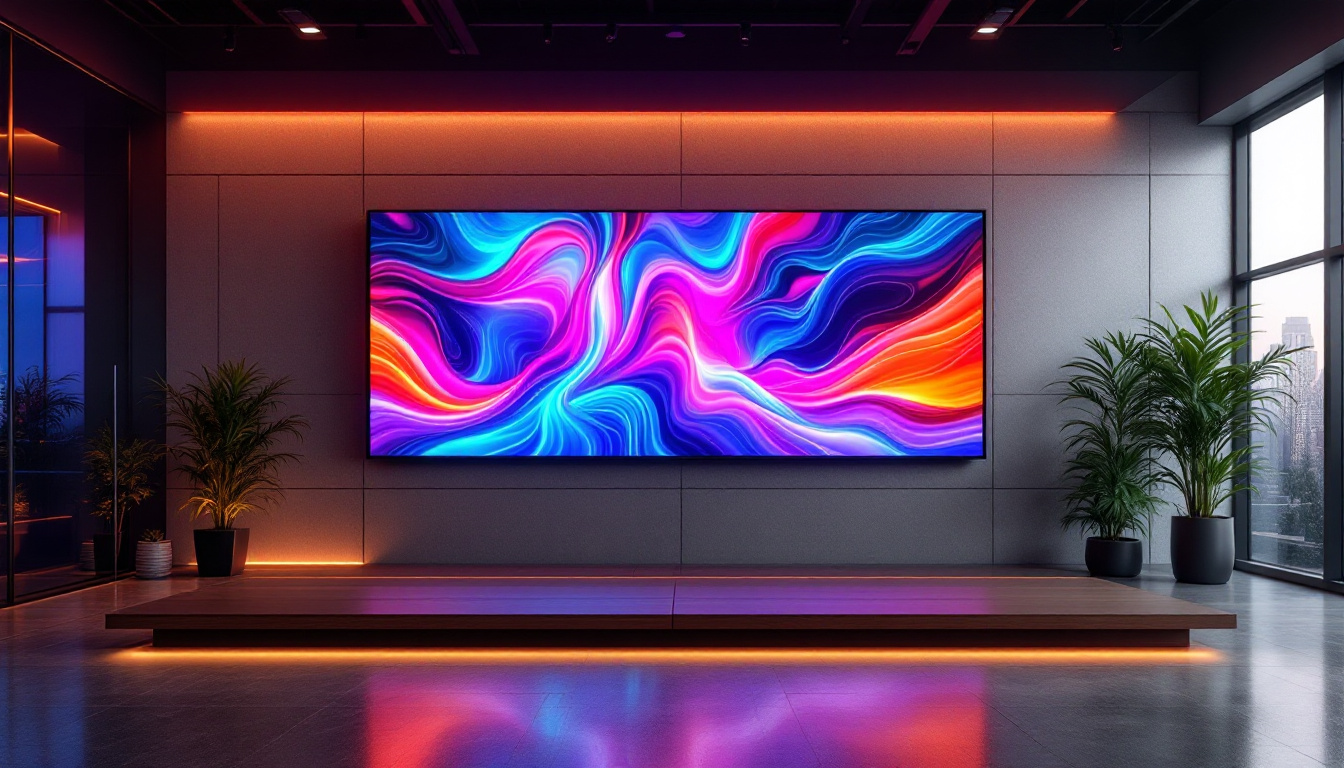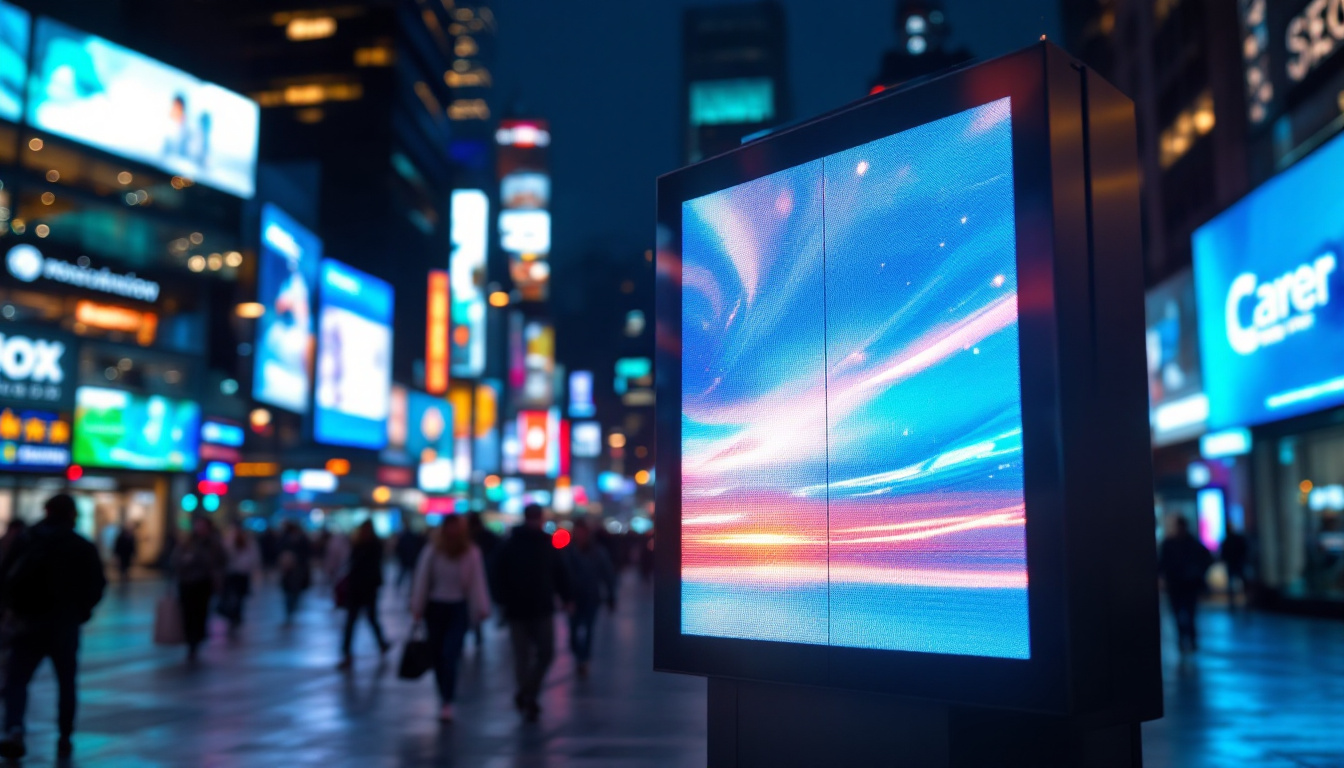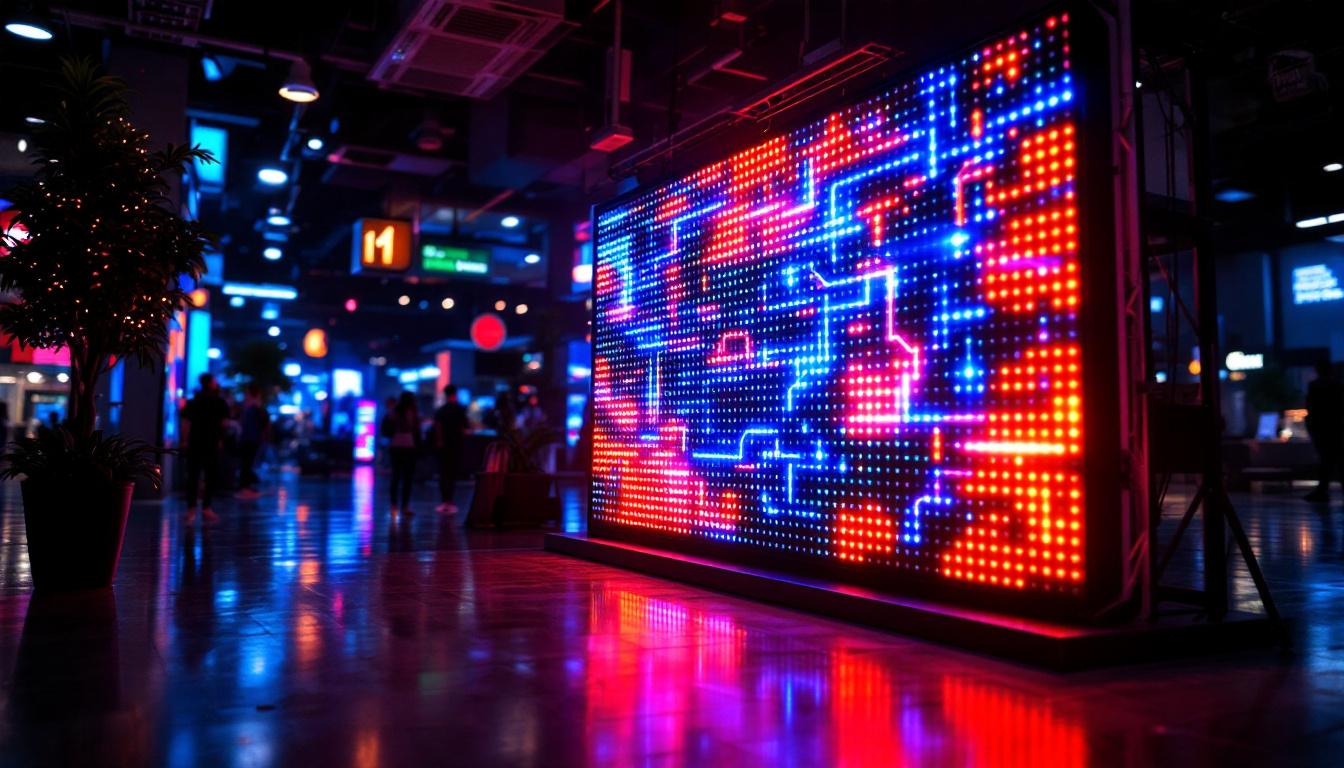
In today’s fast-evolving digital landscape, LED displays have become an indispensable part of communication, advertising, and information dissemination. From towering billboards in Times Square to dynamic digital signage in retail stores, LED technology offers vibrant, energy-efficient, and versatile solutions. One of the key enablers of modern LED display systems is Power over Ethernet (PoE), a technology that simplifies installation and operation by delivering both power and data over a single cable.
This article delves into the fundamentals of LED displays, the role of PoE in their deployment, and why this combination is transforming industries ranging from advertising to smart city infrastructure. By understanding the technical and practical aspects of Offering PoE LED displays, businesses and technology enthusiasts alike can make informed decisions about integrating these systems into their environments.
Understanding LED Displays: Technology and Applications
What Are LED Displays?
LED stands for Light Emitting Diode, a semiconductor device that emits light when an electric current passes through it. LED displays use an array of these tiny diodes to create images, videos, or text by controlling the brightness and color of each diode. Unlike traditional LCD or plasma screens, LED displays offer superior brightness, contrast, and energy efficiency, making them ideal for both indoor and outdoor use.
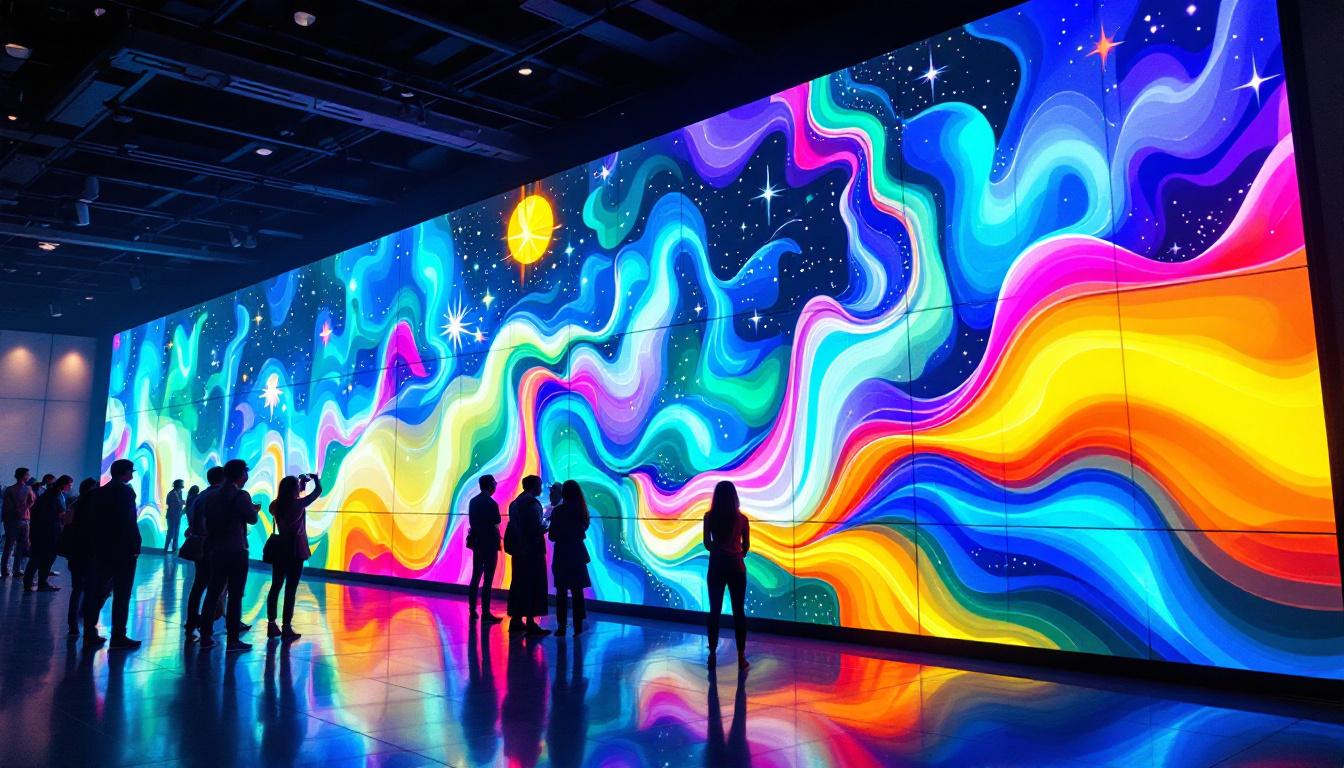
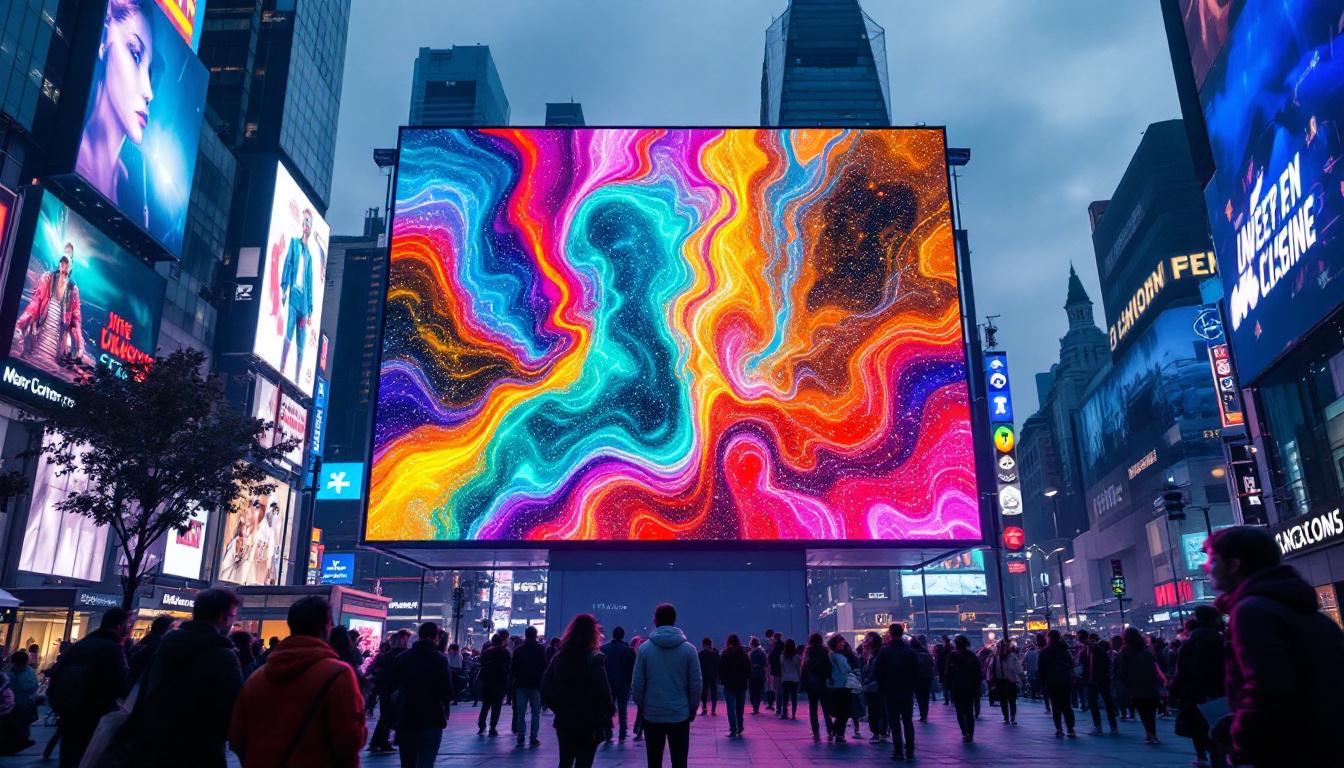
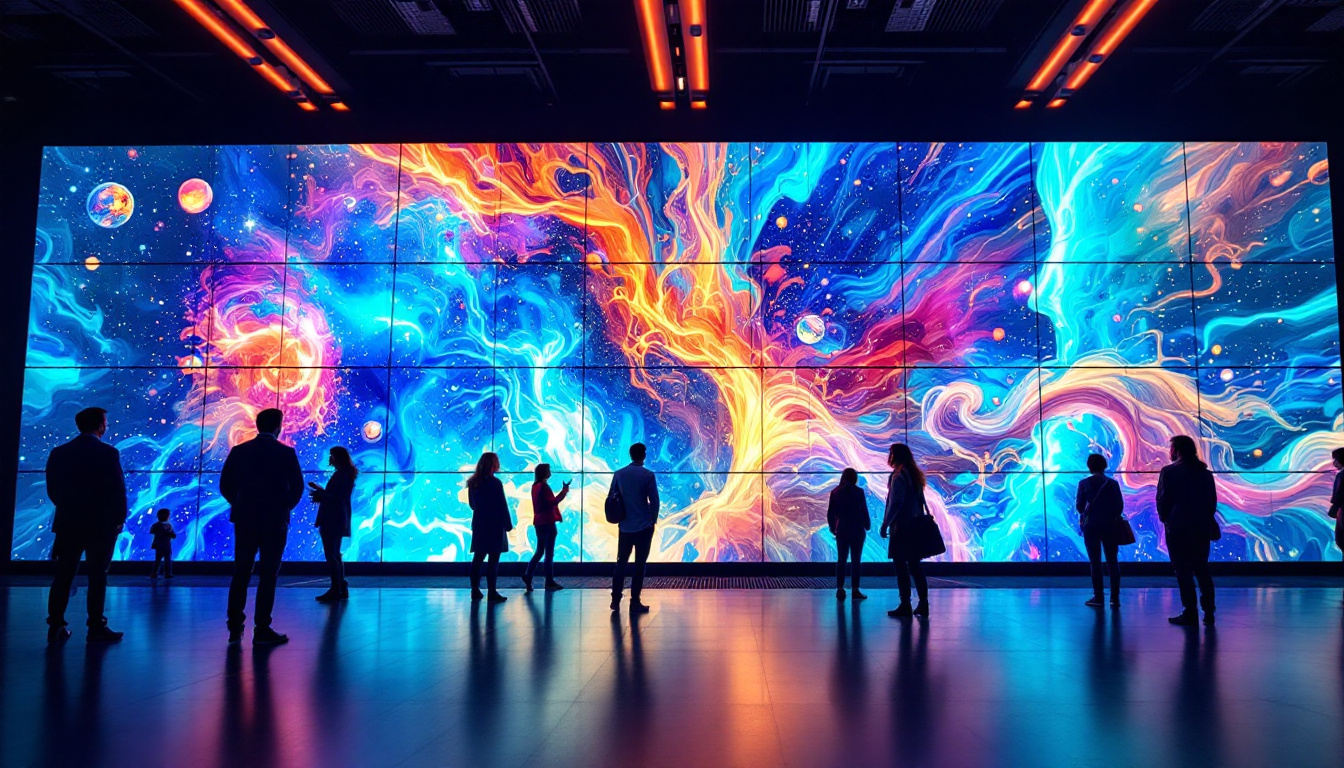
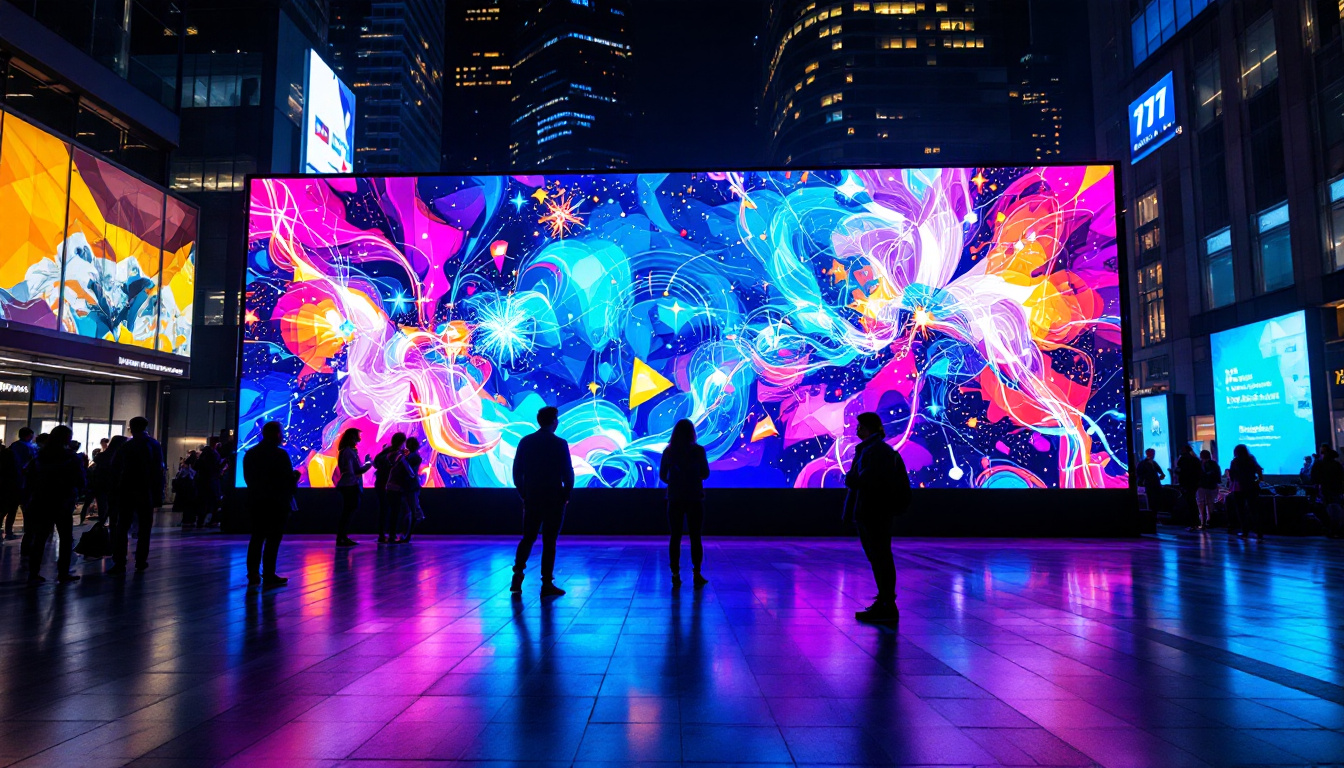
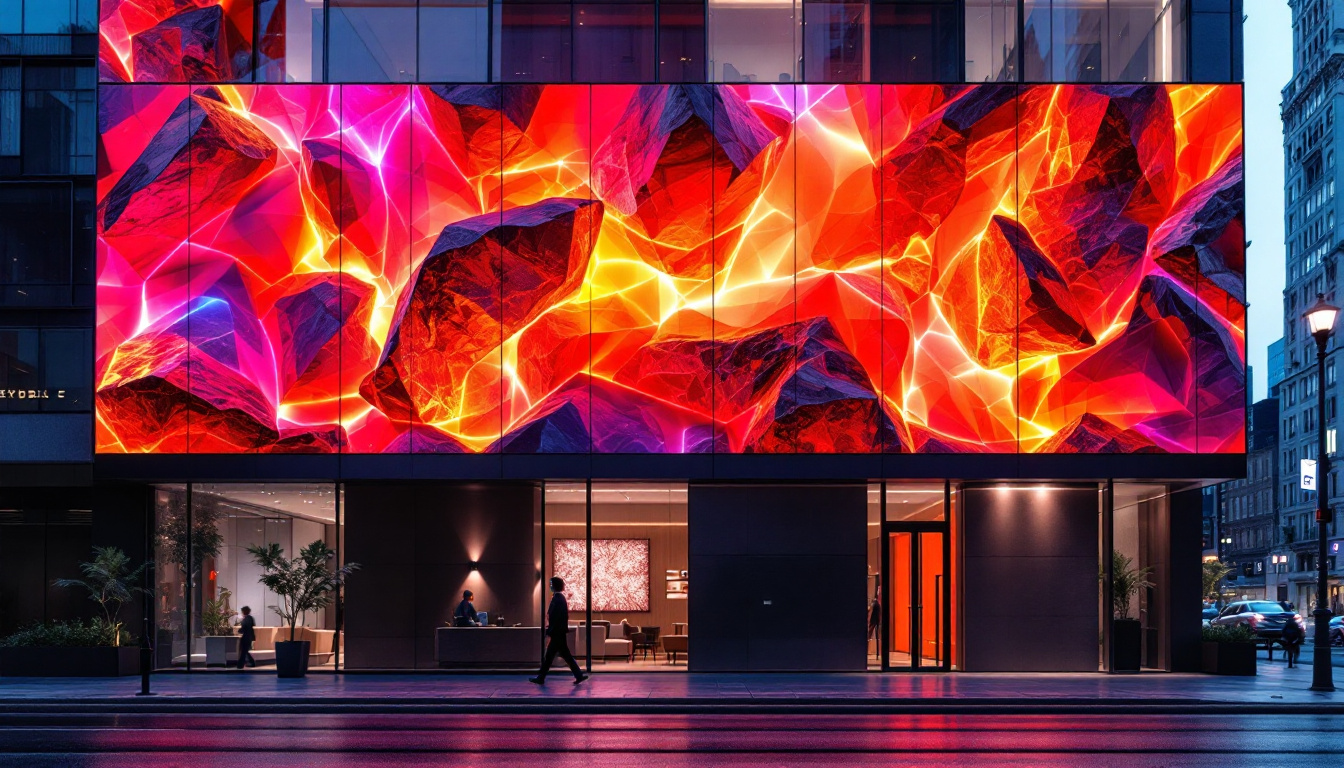
Modern LED displays vary widely in size and resolution—from small digital signage screens in retail environments to massive outdoor video walls used in sports arenas and public spaces. Their modular design allows for scalability and customization, ensuring that content can be displayed vividly regardless of viewing distance or ambient lighting conditions. Furthermore, advancements in technology have led to the development of flexible LED displays that can be curved or shaped to fit unconventional spaces, opening up new possibilities for creative installations in architecture and design.
Key Applications of LED Displays
LED displays are ubiquitous across multiple sectors:
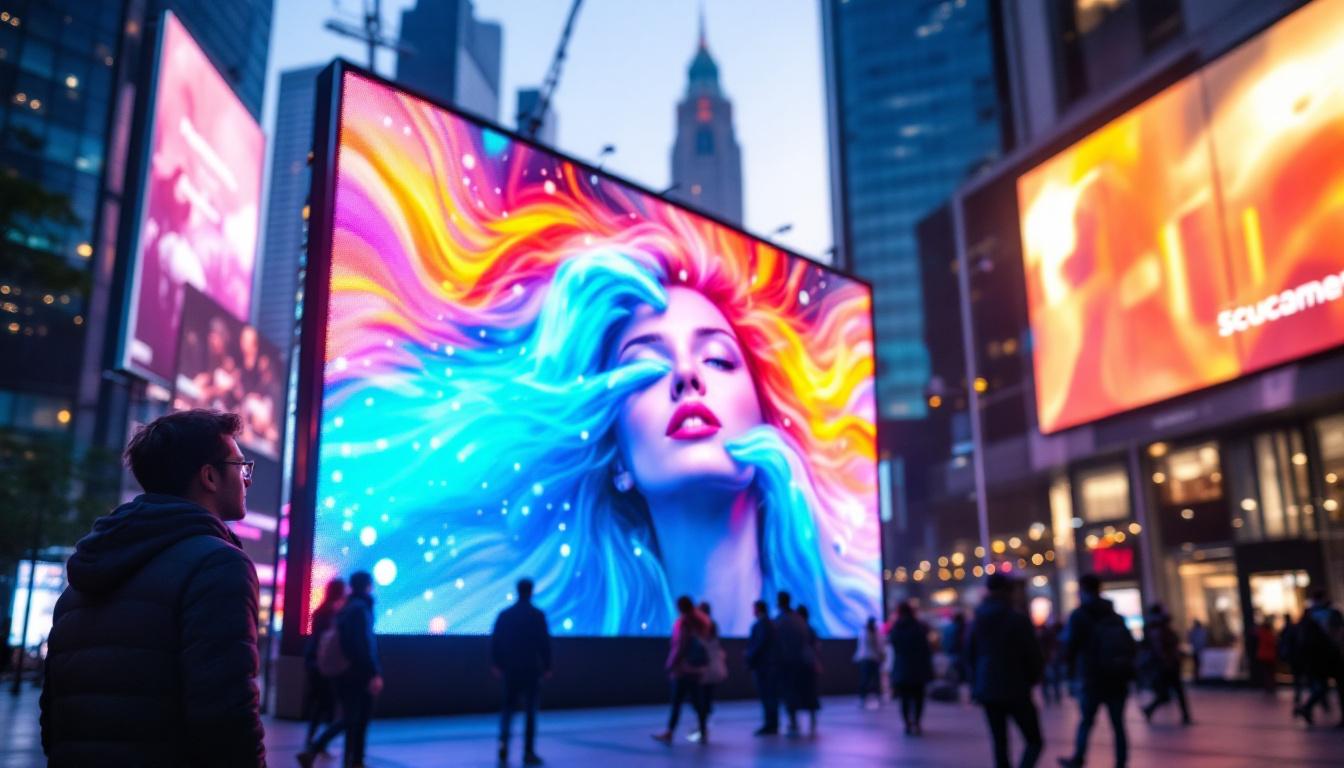
- Advertising and Marketing: Digital billboards and storefront displays captivate audiences with dynamic content that can be updated in real time.
- Transportation: Real-time information boards in airports, train stations, and bus stops improve passenger experience.
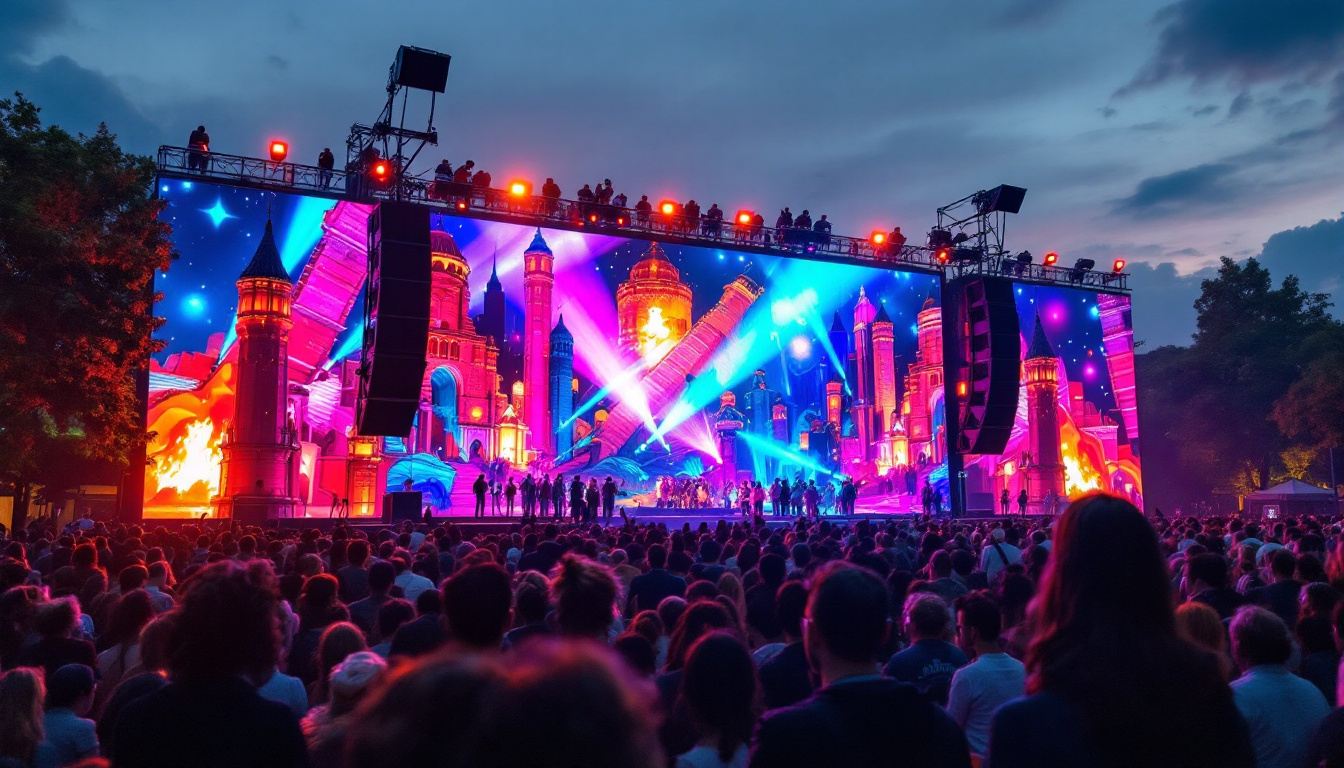
- Entertainment: Concerts, theaters, and sports venues use LED screens for immersive visual effects and live broadcasting.
- Corporate and Education: Conference rooms and lecture halls employ LED displays for presentations and interactive learning.
- Smart Cities: Public information displays and traffic management systems leverage LED technology for efficient communication.
With the increasing demand for digital transformation, the versatility of LED displays continues to expand, driving innovation in both hardware and software solutions. In the realm of retail, for instance, LED displays are not only used for advertising but also for enhancing customer engagement through interactive touchscreens that provide product information and promotions. This interactivity can lead to increased sales and improved customer satisfaction as shoppers can easily access the information they need without having to seek assistance from staff.
Moreover, the integration of LED displays with smart technologies, such as IoT (Internet of Things), allows for real-time data analytics and content personalization. For example, smart LED displays can adjust their content based on the demographics of the audience, such as displaying different advertisements based on the age or gender of passersby. This level of customization not only maximizes the effectiveness of advertising campaigns but also enhances the overall viewer experience, making LED displays a vital component in the modern digital landscape.
Power over Ethernet (PoE): Simplifying LED Display Deployment
What Is Power over Ethernet?
Power over Ethernet (PoE) is a technology that enables Ethernet cables to carry electrical power alongside data. This eliminates the need for separate power supplies and outlets for devices such as IP cameras, wireless access points, and increasingly, LED displays. By consolidating power and data transmission into a single cable, PoE reduces installation complexity, cost, and potential points of failure.
The Institute of Electrical and Electronics Engineers (IEEE) standardized PoE under the 802.3af and later 802.3at and 802.3bt specifications, allowing for power delivery ranging from 15.4 watts to up to 90 watts per port. This range supports a wide variety of devices, including many LED display modules.
Advantages of Using PoE for LED Displays
Integrating PoE with LED displays offers several tangible benefits:
- Streamlined Installation: With just one cable for power and data, installation is faster and less labor-intensive, especially in locations where power outlets are scarce or difficult to access.
- Cost Efficiency: Reduced wiring and infrastructure requirements lower both material and labor costs.
- Flexibility and Scalability: PoE enables easy relocation and expansion of LED displays without extensive rewiring.
- Enhanced Safety: Low-voltage power delivery reduces electrical hazards and complies with strict safety standards.
- Centralized Management: Power and data can be monitored and controlled remotely, facilitating maintenance and energy management.
These advantages make PoE an attractive option for businesses and municipalities aiming to deploy LED displays efficiently and sustainably.
Technical Considerations for Offering PoE LED Displays
Power Requirements and Limitations
While PoE simplifies power delivery, it is crucial to understand its limitations relative to LED display demands. High-brightness, large-format LED displays can require substantial power, sometimes exceeding the maximum wattage provided by standard PoE switches. In such cases, specialized PoE++ (802.3bt) devices or hybrid power solutions may be necessary.
Designers must carefully calculate the total power consumption of the LED modules, including peak loads during brightness surges or animation sequences. This ensures that the PoE infrastructure can reliably support the display without voltage drops or overheating.
Data Bandwidth and Signal Integrity
LED displays often rely on high-resolution video streams and real-time content updates, which demand robust data transmission capabilities. Ethernet cables used in PoE setups must support sufficient bandwidth—typically Cat5e or higher—to maintain signal integrity and minimize latency.
Moreover, the network architecture should account for potential interference and ensure proper shielding, especially in outdoor or industrial environments. Employing managed PoE switches with Quality of Service (QoS) features can prioritize LED display traffic, guaranteeing smooth and uninterrupted content delivery.
Environmental and Installation Factors
LED displays installed outdoors or in harsh environments require weatherproof and ruggedized components. PoE-enabled LED modules and connectors must meet relevant Ingress Protection (IP) ratings to withstand moisture, dust, and temperature extremes.
Additionally, cable runs should be planned to avoid physical damage and electromagnetic interference. Using conduit or armored cables may be necessary in certain installations to protect the PoE infrastructure and ensure longevity.
Real-World Examples of PoE LED Display Deployments
Smart City Information Panels
Several cities worldwide have adopted PoE-powered LED displays for public information systems. For example, urban centers in Europe have implemented PoE LED kiosks that provide real-time transit schedules, weather updates, and emergency alerts. These installations benefit from simplified wiring, enabling rapid deployment across multiple locations without extensive electrical work.
Such systems also integrate with centralized management platforms, allowing city officials to update content remotely and monitor power consumption, enhancing operational efficiency and sustainability.
Retail Digital Signage
Retail chains increasingly use PoE LED displays to create engaging in-store experiences. By leveraging PoE, stores can install digital signage in areas where traditional power sources are unavailable or inconvenient, such as glass storefronts or temporary pop-up locations.
This flexibility enables dynamic marketing campaigns that can be updated in real time, responding to customer behavior and seasonal trends. Retailers report increased customer engagement and sales uplift as a direct result of deploying PoE-enabled LED signage.
Corporate and Educational Environments
In corporate offices and educational institutions, PoE LED displays facilitate interactive presentations and digital noticeboards. The reduced cabling complexity supports clean, clutter-free environments and allows for easy reconfiguration of spaces.
For instance, universities have installed PoE LED panels in hallways and common areas to broadcast announcements, event schedules, and emergency notifications, improving communication efficiency campus-wide.
Future Trends and Innovations in PoE LED Displays
Integration with IoT and Smart Technologies
The convergence of PoE LED displays with Internet of Things (IoT) devices is paving the way for smarter, more responsive environments. Sensors integrated with LED panels can adjust brightness based on ambient light, detect motion to trigger content changes, or gather data on viewer engagement.
These capabilities enable personalized advertising, energy savings, and enhanced user experiences. As IoT ecosystems mature, PoE LED displays will become more intelligent, adaptive, and interactive.
Advancements in Power Delivery and Efficiency
Emerging PoE standards and power management technologies are expanding the possibilities for LED displays. Higher wattage PoE++ solutions support larger and brighter screens, while innovations in LED efficiency reduce overall power consumption.
Additionally, developments in cable technology and network protocols will improve data throughput and reliability, enabling ultra-high-definition content and complex animations without compromising performance.
Environmental Sustainability
With growing emphasis on sustainability, PoE LED displays contribute to reducing carbon footprints through energy-efficient operation and simplified infrastructure. Future designs are expected to incorporate recyclable materials and smart energy-saving features, aligning with global environmental goals.
Organizations adopting PoE LED technology position themselves as leaders in corporate social responsibility, appealing to eco-conscious consumers and stakeholders.
Conclusion: Why Offering PoE LED Displays Matters
Power over Ethernet is revolutionizing the way LED displays are deployed and managed. By combining power and data transmission into a single, efficient cable, PoE reduces installation complexity, lowers costs, and enhances system flexibility. This makes it an ideal solution for a wide range of applications—from urban smart city projects to dynamic retail environments and corporate communications.
Understanding the technical nuances and practical benefits of Offering PoE LED displays empowers decision-makers to implement cutting-edge digital signage solutions that are scalable, reliable, and future-proof. As technology advances, the synergy between PoE and LED displays will continue to unlock new opportunities for vibrant, connected, and sustainable visual communication.
Discover LumenMatrix’s Innovative LED Solutions
Embrace the future of visual communication with LumenMatrix’s comprehensive range of LED display technologies. Whether you’re looking to enhance your brand’s visibility with an Indoor LED Wall Display, captivate passersby with an Outdoor LED Wall Display, or create immersive experiences with Custom and All-in-One LED Displays, LumenMatrix has the solution. Our mission is to empower your business with digital signage that not only engages but also leaves a lasting impression. Check out LumenMatrix LED Display Solutions today and see how our state-of-the-art products can transform your visual storytelling.