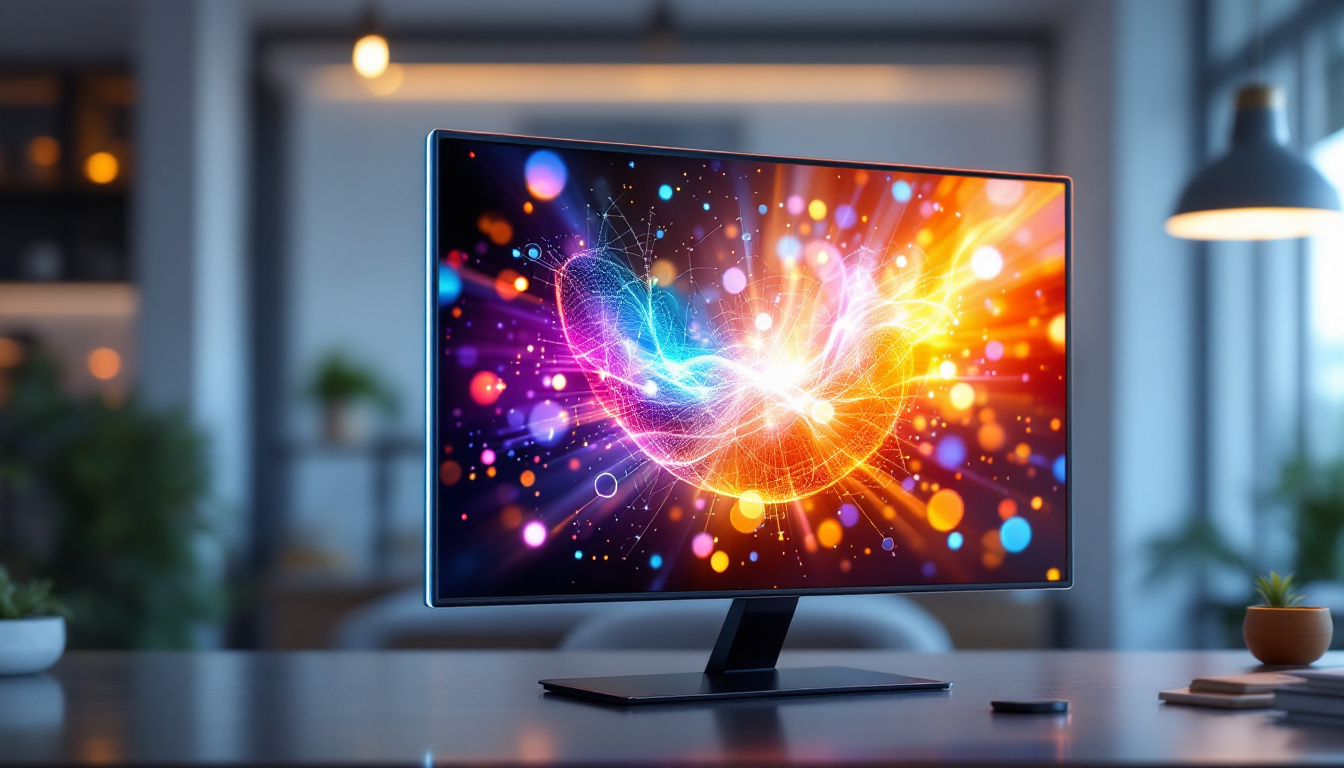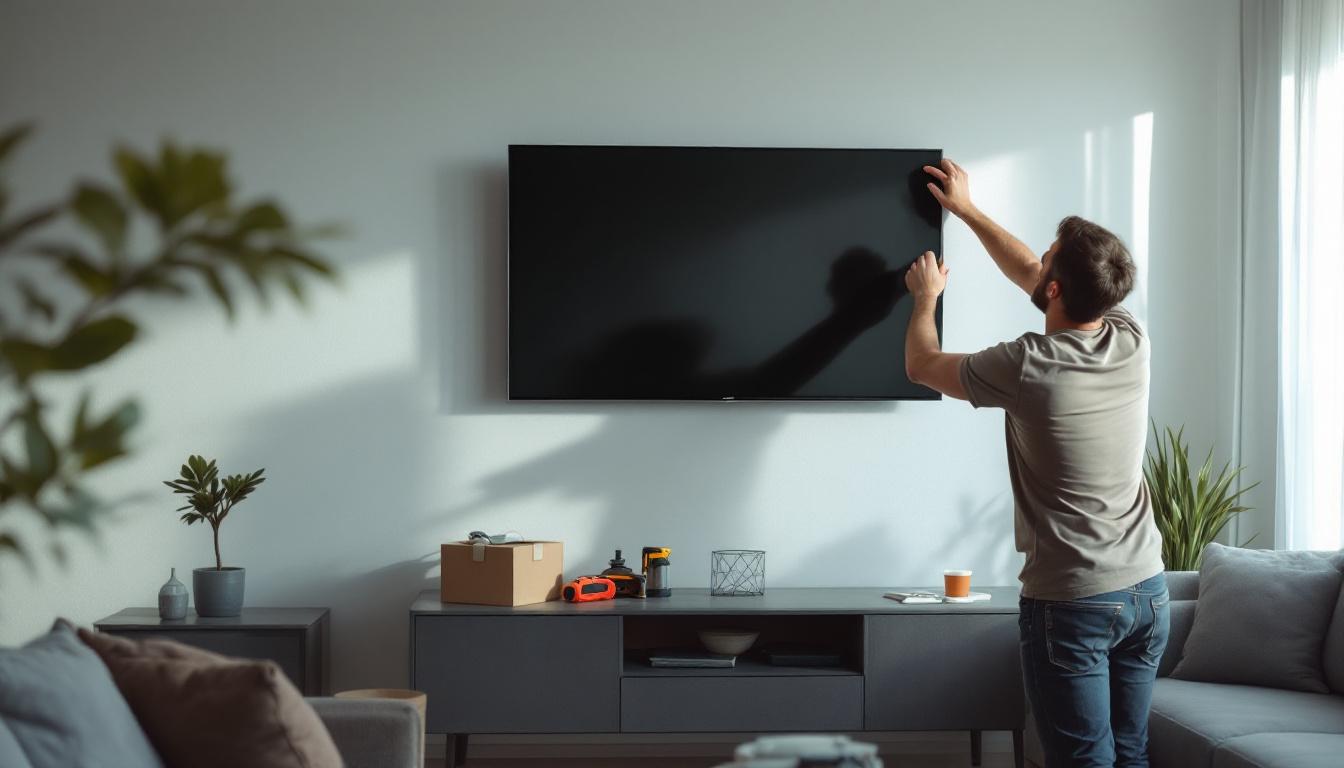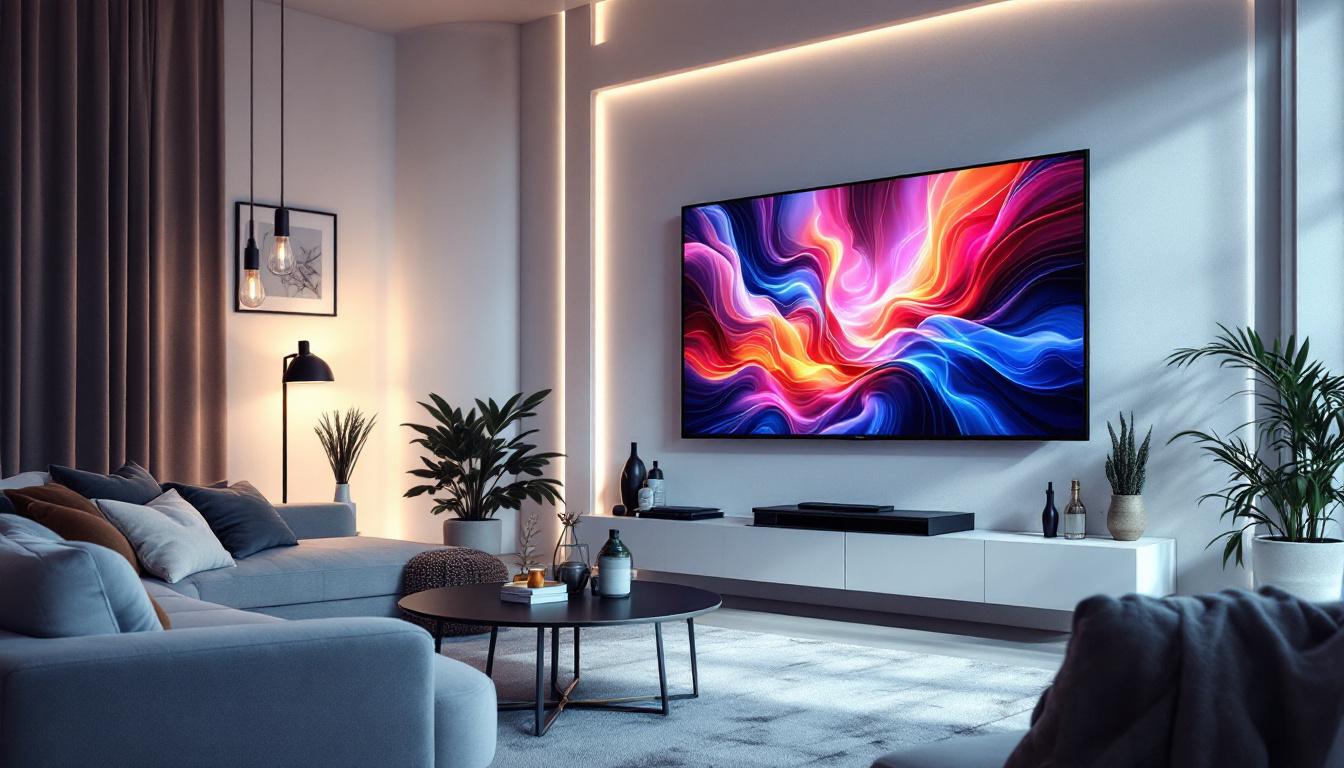
Mounting a TV on the wall has become a popular choice for modern living spaces, offering a sleek, clutter-free look and an enhanced viewing experience. Among the various types of television displays, LED technology stands out as one of the most widely adopted and continually evolving. This article explores the fundamentals of LED displays, their advantages, the technology behind them, and considerations for mounting an LED TV on the wall.
Understanding LED Display Technology
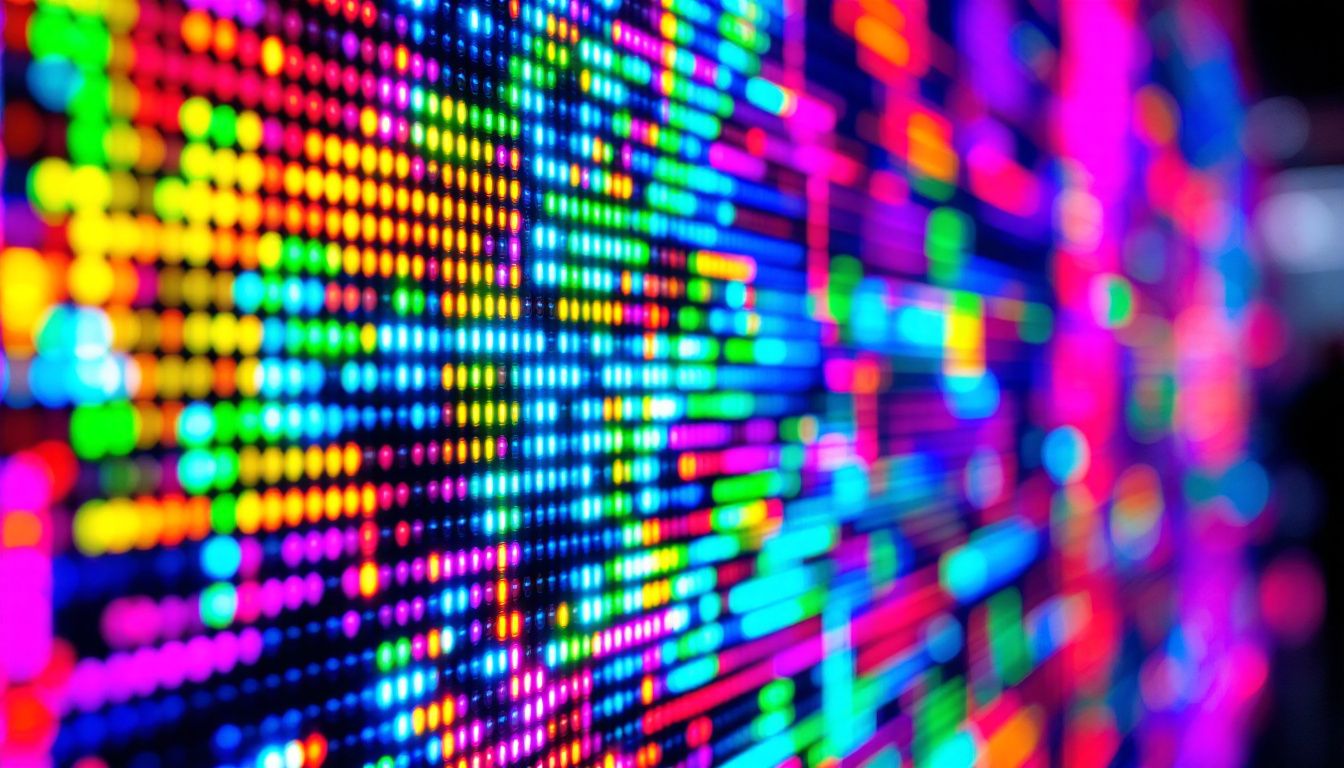
LED, or Light Emitting Diode, displays have revolutionized the way we consume visual content. Unlike older technologies such as CRT or plasma, LED TVs use tiny light-emitting diodes to illuminate the screen, resulting in brighter images, better contrast, and improved energy efficiency. The shift to LED technology has not only enhanced the viewing experience but has also contributed to a more sustainable approach to electronics, as LED displays consume significantly less power than their predecessors.
At its core, an LED TV is essentially an LCD (Liquid Crystal Display) panel backlit by LEDs. This combination allows for precise control over brightness and color, enhancing picture quality significantly compared to traditional LCD TVs that used fluorescent backlighting. The ability to produce a wider color gamut means that viewers can enjoy more vibrant and lifelike images, making everything from movies to video games more immersive and engaging.
Types of LED Backlighting
There are two primary types of LED backlighting used in TVs: edge-lit and full-array. Edge-lit LED TVs position the LEDs along the edges of the screen, which allows for thinner designs but can sometimes lead to uneven brightness. This design choice is often favored for its sleek appearance, making it a popular option for modern living spaces. However, consumers may notice that certain scenes, particularly those with dark backgrounds, can appear less uniform due to the limitations of edge lighting.
Full-array LED TVs distribute LEDs evenly behind the entire screen, enabling better local dimming and contrast. This method allows for a more consistent brightness across the entire display, making it ideal for watching in various lighting conditions. Local dimming is a feature where specific zones of LEDs can be dimmed or brightened independently, improving black levels and overall picture depth. Full-array LED TVs with local dimming are often preferred by enthusiasts seeking superior image quality, as they can deliver stunning visuals that bring out the finest details in both shadows and highlights.
Mini-LED and Micro-LED Innovations
Recent advancements have introduced Mini-LED and Micro-LED technologies, which use much smaller LEDs to increase the number of dimming zones dramatically. Mini-LED TVs can have thousands of dimming zones, offering near-OLED level contrast while maintaining the brightness advantages of LED technology. This innovation allows for a more dynamic range of colors and deeper blacks, making it easier for viewers to appreciate the nuances in cinematic visuals or the intricate details in nature documentaries.
Micro-LED, still emerging in the consumer market, replaces traditional backlighting entirely by using microscopic LEDs as individual pixels. This technology promises exceptional brightness, contrast, and longevity but remains costly and limited to premium models. The potential for modular designs in Micro-LED displays means that consumers could one day customize their screen sizes and shapes, paving the way for innovative home theater setups. As production methods improve and costs decrease, Micro-LED technology may soon become more accessible, transforming the landscape of personal and professional display solutions.
Benefits of LED TVs Mounted on the Wall
Wall mounting an LED TV is more than just an aesthetic choice; it offers several practical benefits that enhance the viewing experience and optimize living space.
Space Efficiency and Aesthetics
One of the most compelling reasons to mount a TV on the wall is the space-saving advantage. By eliminating the need for bulky TV stands or cabinets, wall-mounted TVs free up floor space, making rooms feel larger and less cluttered. This is especially valuable in smaller living rooms or apartments where maximizing space is essential.
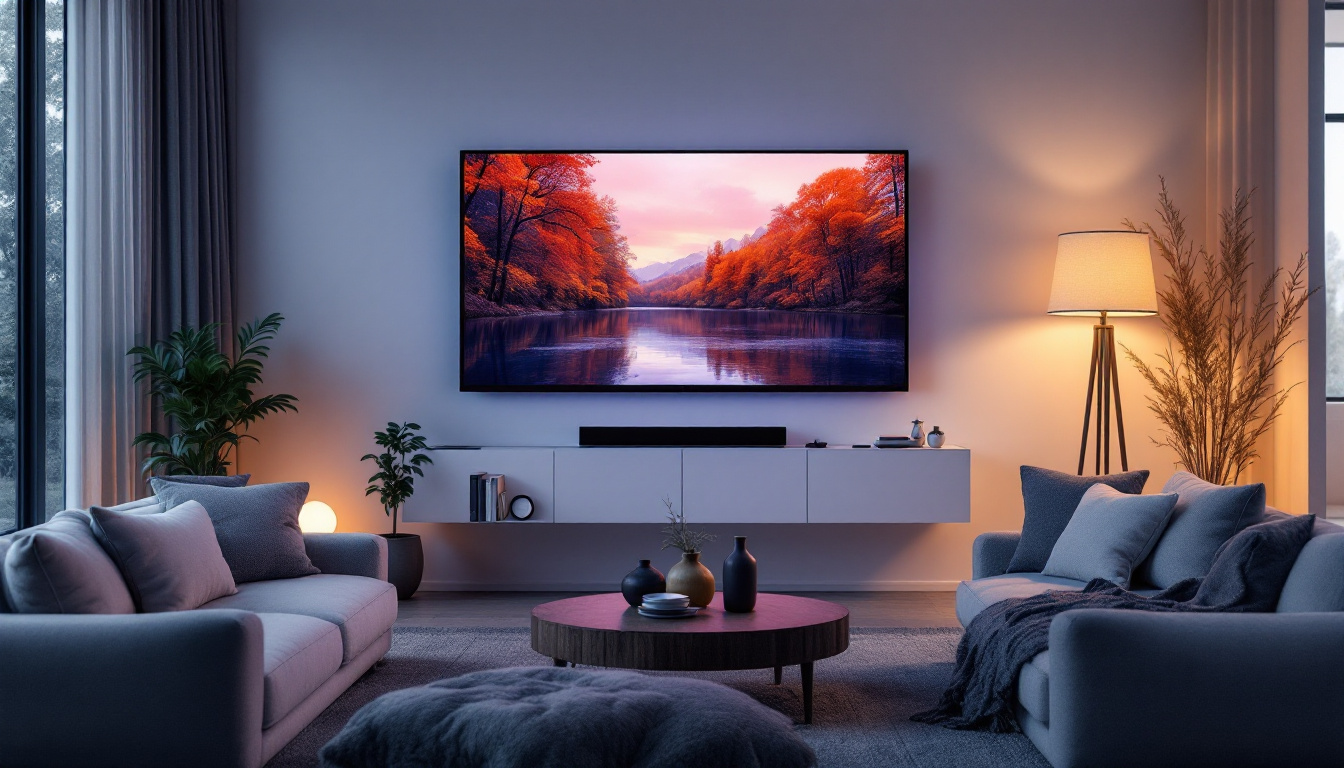
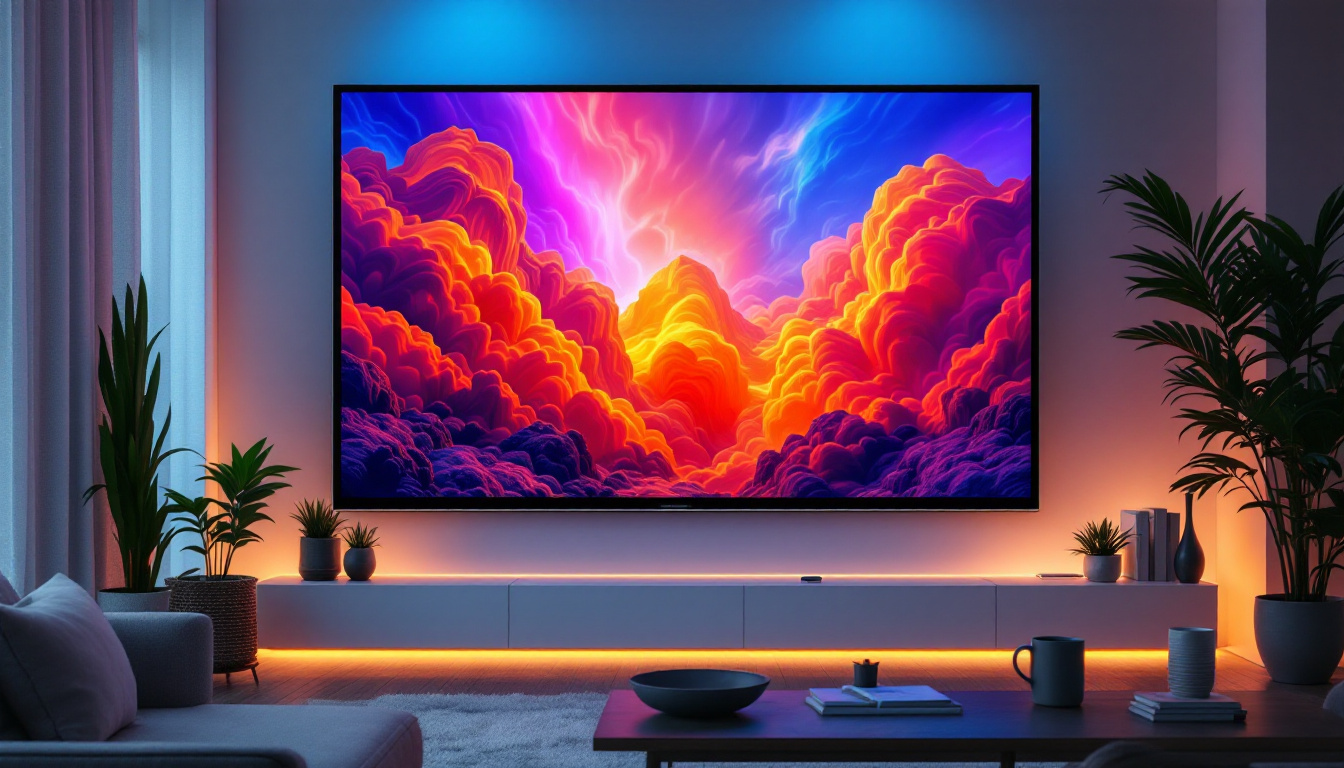
Additionally, a wall-mounted LED TV creates a modern, minimalist look that blends seamlessly with contemporary interior designs. It allows homeowners to position the TV at an ideal height and angle, contributing to a comfortable and immersive viewing environment.
Improved Viewing Angles and Safety
Properly mounting an LED TV on the wall ensures optimal viewing angles, reducing glare and reflections that can detract from picture quality. Adjustable wall mounts offer tilt and swivel functions, enabling viewers to customize the screen position according to seating arrangements.
Wall mounting also enhances safety, especially in homes with children or pets, by securing the TV firmly and preventing accidental tipping or falls. This stability is crucial for protecting expensive electronics and avoiding injuries.
Key Considerations When Choosing an LED TV for Wall Mounting
Selecting the right LED TV for wall mounting involves more than just screen size and resolution. Several factors influence compatibility, performance, and installation ease.
Screen Size and Viewing Distance
Choosing the appropriate screen size depends largely on the room size and viewing distance. As a general guideline, the ideal viewing distance is approximately 1.5 to 2.5 times the diagonal screen size. For example, a 55-inch LED TV is best viewed from about 6.5 to 11 feet away.
Oversized TVs in small rooms can cause eye strain, while too small screens in large rooms may reduce immersion. Measuring the wall space beforehand ensures the TV fits comfortably without overwhelming the room.
Weight and Mount Compatibility
LED TVs vary in weight depending on size and build quality. It is essential to verify the weight of the TV and ensure the wall mount can support it safely. Most manufacturers provide weight specifications and recommend compatible mounts.
Additionally, the mounting pattern, known as VESA (Video Electronics Standards Association) standard, must match between the TV and the wall mount. Common VESA patterns include 200×200 mm, 400×400 mm, and larger for bigger TVs.
Wall Type and Installation Requirements
The type of wall—drywall, concrete, brick, or plaster—affects the mounting hardware and installation process. Drywall requires anchors or studs for secure mounting, while masonry walls need specialized drill bits and anchors.
Professional installation is often recommended to ensure safety and proper alignment. Incorrect mounting can lead to damage to the wall, TV, or pose safety hazards.
Enhancing the LED TV Experience with Accessories
Beyond the TV and mount, several accessories can elevate the wall-mounted LED TV experience, combining convenience, aesthetics, and functionality.
Cable Management Solutions
Visible cables can detract from the clean look of a wall-mounted TV. Cable management systems, such as raceways, in-wall cable kits, or conduit covers, help conceal wires and maintain a tidy appearance.
Some advanced solutions allow cables to run behind the wall, creating a seamless installation that looks professionally done. This not only improves aesthetics but also reduces the risk of tripping or accidental unplugging.
Soundbars and Audio Systems
While many LED TVs have built-in speakers, their slim profiles often limit audio quality. Adding a soundbar or external audio system significantly enhances sound clarity, bass response, and overall immersion.
Soundbars can be mounted below the TV or placed on a nearby shelf, complementing the minimalist wall-mounted setup without taking up much space.
Smart Home Integration
Modern LED TVs often come with smart features, including voice assistants and compatibility with home automation systems. Integrating the TV with smart lighting, blinds, or speakers can create a cohesive entertainment environment controlled from a single interface.
This integration enhances convenience, allowing users to adjust settings, launch apps, or control other devices hands-free.
Common Myths and Misconceptions About LED TVs on Walls
Despite their popularity, several myths surround LED TVs and wall mounting that can confuse consumers. Addressing these misconceptions helps make informed decisions.
Myth: Wall-Mounted TVs Are Hard to Install
While installation requires some technical know-how, many modern wall mounts come with detailed instructions and mounting templates. With the right tools and preparation, many homeowners can complete the installation themselves.
However, for larger TVs or complex wall types, professional installation is advisable to ensure safety and optimal positioning.
Myth: LED TVs Overheat When Mounted on Walls
LED TVs are designed with ventilation systems that function effectively whether the TV is placed on a stand or mounted on a wall. Proper installation ensures adequate airflow around the TV, preventing overheating.
It is important to avoid enclosing the TV in tight cabinets or recessed spaces without ventilation, as this can cause heat buildup.
Myth: Wall Mounting Damages the TV
When done correctly, wall mounting does not harm the TV. Using compatible mounts and following manufacturer guidelines ensures the TV is securely supported without stress on the frame or screen.
Damage typically occurs due to improper mounting hardware, incorrect installation, or accidental impacts, not from the wall mounting itself.
Future Trends in LED TV Technology and Wall Mounting
The LED TV market continues to evolve rapidly, driven by consumer demand for better picture quality, thinner designs, and smarter features.
Rollable and Transparent Displays
Emerging technologies such as rollable LED displays promise to redefine wall-mounted TVs by allowing screens to retract into compact units when not in use. This innovation maximizes space efficiency and offers new design possibilities.
Transparent LED displays are also being developed, enabling TVs that blend into windows or walls, creating futuristic living environments.
Increased Integration with Augmented Reality (AR)
Future LED TVs may incorporate AR capabilities, overlaying digital content onto the physical environment. This integration could transform entertainment, gaming, and productivity by blending real and virtual worlds seamlessly.
Eco-Friendly and Energy-Efficient Designs
As sustainability becomes a priority, manufacturers are focusing on reducing the environmental impact of LED TVs through energy-efficient components, recyclable materials, and longer product lifespans.
Wall-mounted LED TVs with low power consumption contribute to greener homes without compromising performance.
Conclusion
LED TVs mounted on the wall offer a perfect blend of aesthetic appeal, space efficiency, and superior picture quality. Understanding the technology behind LED displays, from basic backlighting to cutting-edge Mini-LED and Micro-LED innovations, empowers consumers to make informed choices tailored to their needs.
Careful consideration of screen size, mounting compatibility, and installation requirements ensures a safe and satisfying setup. Complementing the TV with accessories such as cable management systems and soundbars enhances the overall experience.
As LED technology continues to advance, wall-mounted TVs will remain a central feature in modern homes, delivering immersive entertainment with style and convenience.
Discover the Future of Visual Entertainment with LumenMatrix
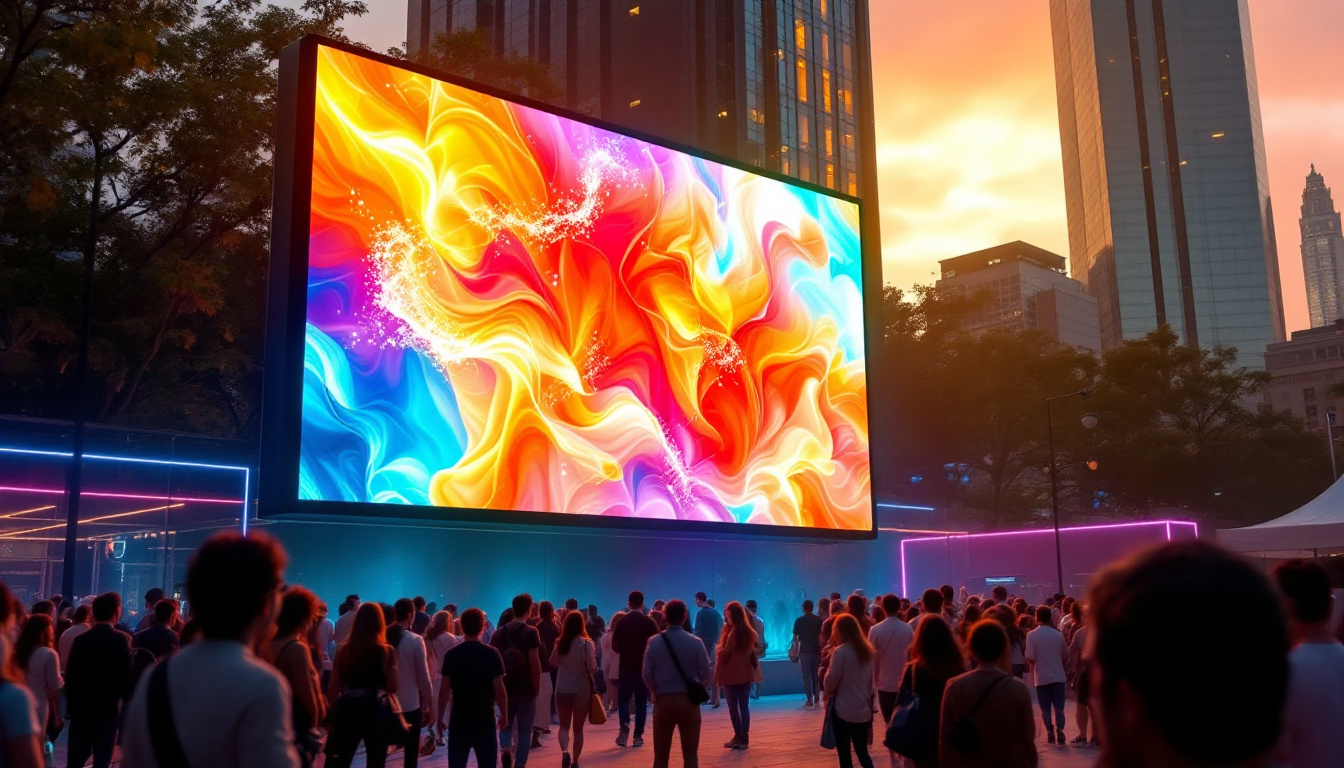
Ready to elevate your home entertainment to new heights? LumenMatrix is at the forefront of LED display innovation, offering a wide array of solutions that bring your viewing experience to life. From the comfort of your living room to the excitement of outdoor events, our Indoor and Outdoor LED Wall Displays, along with specialized options like Vehicle, Sports, and Floor LED Displays, ensure that you enjoy unparalleled picture quality and engagement. Embrace the future of visual communication with our Custom, All-in-One, and Transparent LED Displays, designed to captivate and mesmerize. Check out LumenMatrix LED Display Solutions today and transform the way you watch, play, and interact.