In the rapidly evolving world of computer technology, touch screen monitors with LED displays have become increasingly prevalent. From professional workstations to personal entertainment setups, these devices offer a blend of functionality and visual clarity that traditional monitors often struggle to match. Understanding the technology behind LED touch screen monitors is essential for consumers, IT professionals, and businesses aiming to make informed purchasing decisions.
What Is an LED Display?
LED, or Light Emitting Diode, displays are a type of flat-panel display technology that uses an array of light-emitting diodes to produce images. Unlike older LCD monitors that rely on cold cathode fluorescent lamps (CCFL) for backlighting, LED displays use LEDs, which provide several advantages in terms of brightness, energy efficiency, and color accuracy.
LED technology can be broadly categorized into two types: edge-lit and direct-lit (or full-array). Edge-lit LED monitors position LEDs around the edges of the screen, using light guides to illuminate the display evenly. Direct-lit monitors, on the other hand, place LEDs directly behind the screen, offering better contrast and uniformity but often at a higher cost.
Advantages of LED Displays Over Traditional LCDs
LED displays have become the preferred choice for computer monitors due to their superior performance. They offer higher brightness levels, which is particularly beneficial in brightly lit environments or outdoor settings. Additionally, LED backlighting allows for thinner and lighter monitor designs, contributing to better ergonomics and portability.
Energy efficiency is another critical advantage. According to the U.S. Department of Energy, LED-backlit monitors consume up to 30% less power than CCFL-backlit LCDs, making them more environmentally friendly and cost-effective over time. This efficiency also translates into less heat generation, which can prolong the lifespan of the monitor components.
Furthermore, LED displays are known for their exceptional color reproduction capabilities. With the ability to produce a wider color gamut, they can display more vibrant and accurate colors, making them ideal for graphic design, photography, and video editing. This enhanced color fidelity is achieved through advanced technologies such as quantum dots and local dimming, which further improve the viewing experience by providing deeper blacks and brighter whites.
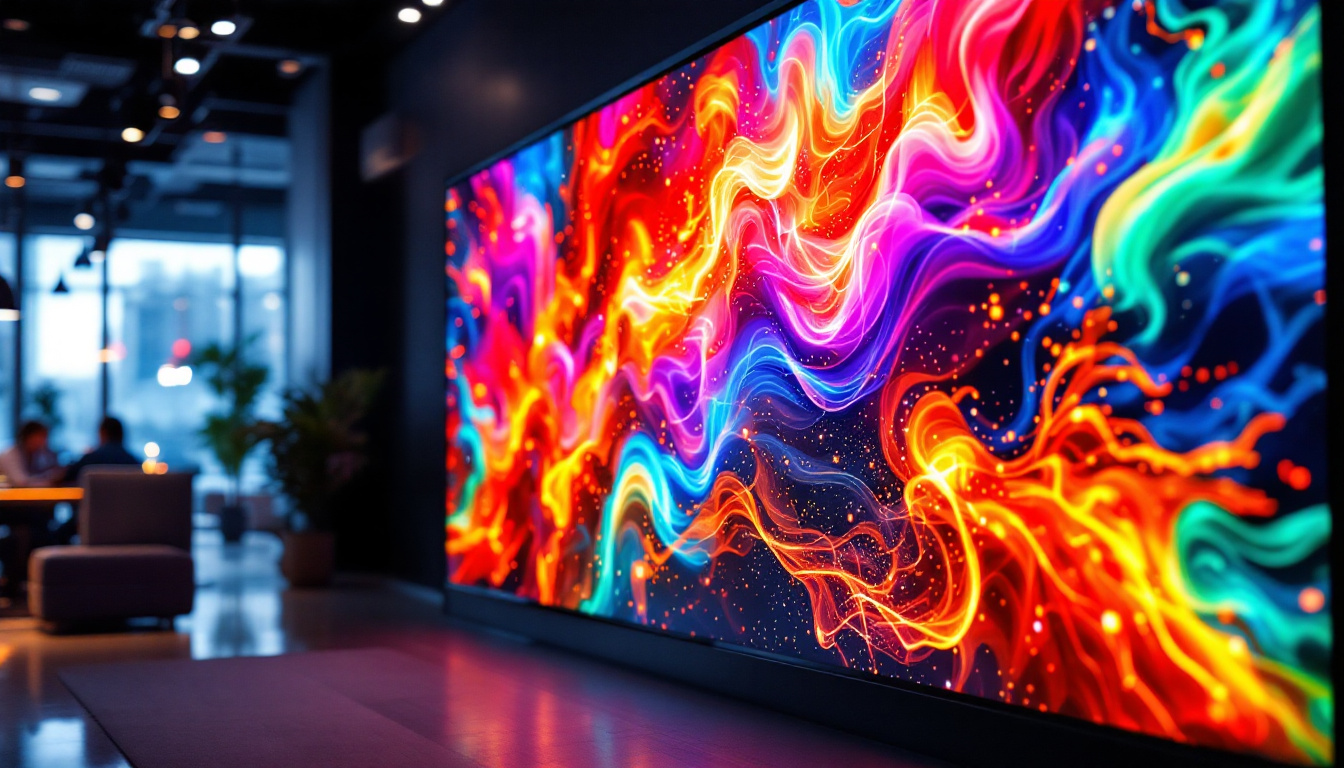
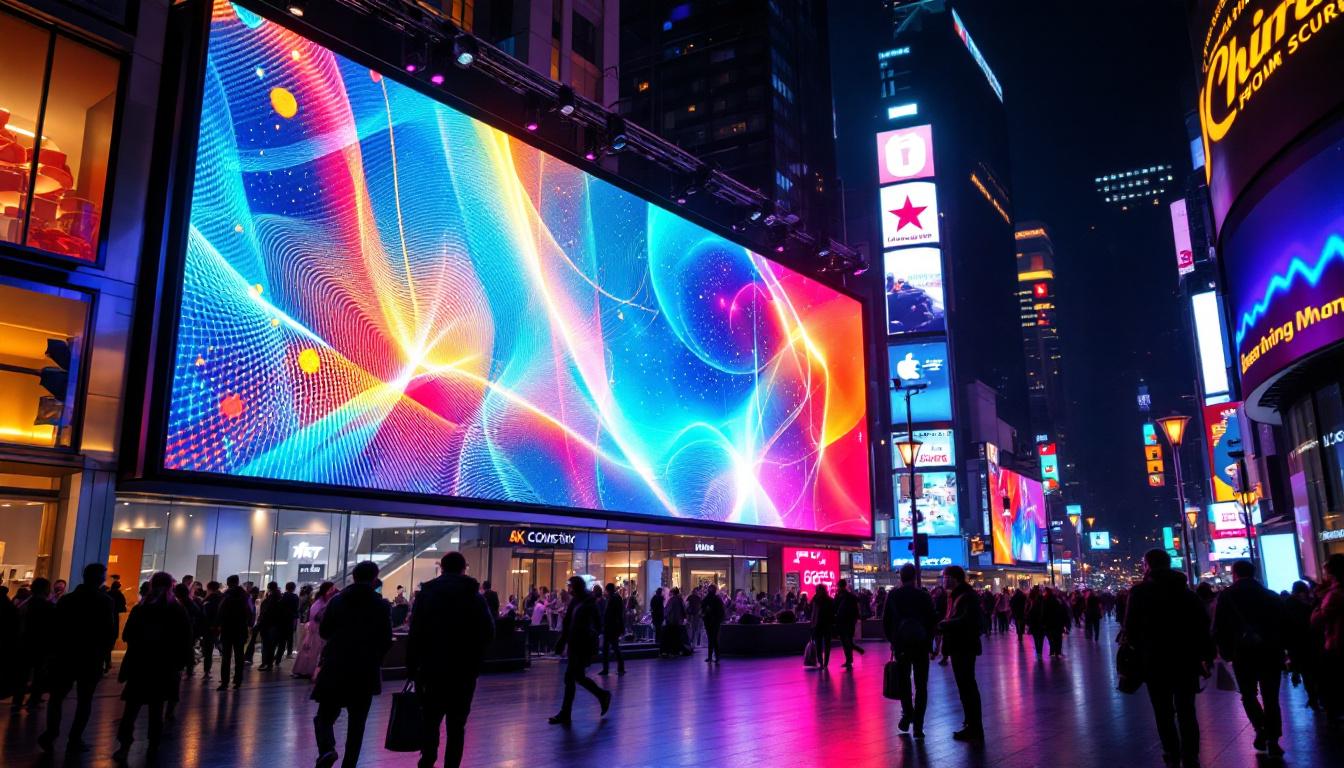
Another noteworthy aspect of LED displays is their versatility in application. They are not only used in personal computing but also in commercial settings, such as digital signage and advertising. The ability to create large-scale video walls with seamless integration makes LED technology a popular choice for events, concerts, and public displays. As technology continues to evolve, we can expect even more innovative uses for LED displays, further solidifying their place in the future of visual technology.
Understanding Touch Screen Technology in Monitors
Touch screen monitors combine display technology with touch-sensitive input, allowing users to interact directly with the screen using fingers or a stylus. This interaction model has transformed user experiences across various sectors, including education, healthcare, retail, and industrial applications. The ability to manipulate data and navigate interfaces with a simple touch has made these monitors indispensable in environments where speed and efficiency are paramount.
Types of Touch Screen Technologies
There are several touch screen technologies commonly integrated with LED monitors, each with unique characteristics:
- Resistive Touch Screens: These screens consist of multiple layers that detect pressure applied by a finger or stylus. They are cost-effective and work well with any input device but tend to have lower clarity and durability compared to other types.
- Capacitive Touch Screens: These use the electrical properties of the human body to detect touch. They offer higher clarity, multi-touch capabilities, and better durability, making them popular in consumer electronics.
- Infrared Touch Screens: Infrared sensors detect touch by interrupting light beams across the screen surface. They provide excellent image clarity and can detect any input object but are more susceptible to dirt and environmental interference.
- Surface Acoustic Wave (SAW) Touch Screens: These use ultrasonic waves on the glass surface to detect touch. They offer high image clarity and durability but are sensitive to contaminants on the screen.
Among these, capacitive touch technology is the most widely used in modern LED touch screen monitors due to its responsiveness and multi-touch support. This technology not only enhances user interaction but also enables innovative applications, such as gesture recognition and advanced gaming experiences, further enriching the digital landscape.
In addition to the types of touch screen technologies, the integration of touch screens into various devices has led to significant advancements in user interface design. For instance, touch screens have facilitated the development of intuitive applications that allow users to perform complex tasks with simple gestures, such as pinching to zoom or swiping to navigate. This evolution has been particularly impactful in educational settings, where interactive whiteboards and tablets have made learning more engaging and interactive. Furthermore, in the healthcare sector, touch screens have streamlined patient management systems, allowing healthcare professionals to access and input data quickly, which ultimately enhances patient care and operational efficiency.
How LED Touch Screen Monitors Work
Integrating LED display technology with touch screen functionality involves a combination of hardware and software components. The LED panel provides the visual output, while the touch sensor layer detects user input.
In a typical capacitive LED touch screen monitor, a transparent conductive layer is placed over the LED display. When a finger touches the screen, it disturbs the electrostatic field at that point, which the controller interprets as a touch event. This data is then processed by the monitor’s firmware and sent to the connected computer as input commands.
Key Components of LED Touch Screen Monitors
Understanding the internal components helps clarify why these monitors perform as they do:
- LED Backlight: Provides illumination behind the LCD panel, enhancing brightness and color.
- LCD Panel: Displays the image by controlling light passage through liquid crystals.
- Touch Sensor Layer: Detects touch input, often made from indium tin oxide (ITO) coated glass for transparency and conductivity.
- Controller Board: Processes touch data and manages display signals.
- Protective Glass: A durable outer layer that protects the screen and provides a smooth surface for touch interaction.
Applications of LED Touch Screen Monitors
The versatility of LED touch screen monitors has led to their adoption across diverse industries. Their intuitive interface and vivid displays make them suitable for a wide range of use cases.
Professional and Creative Workspaces
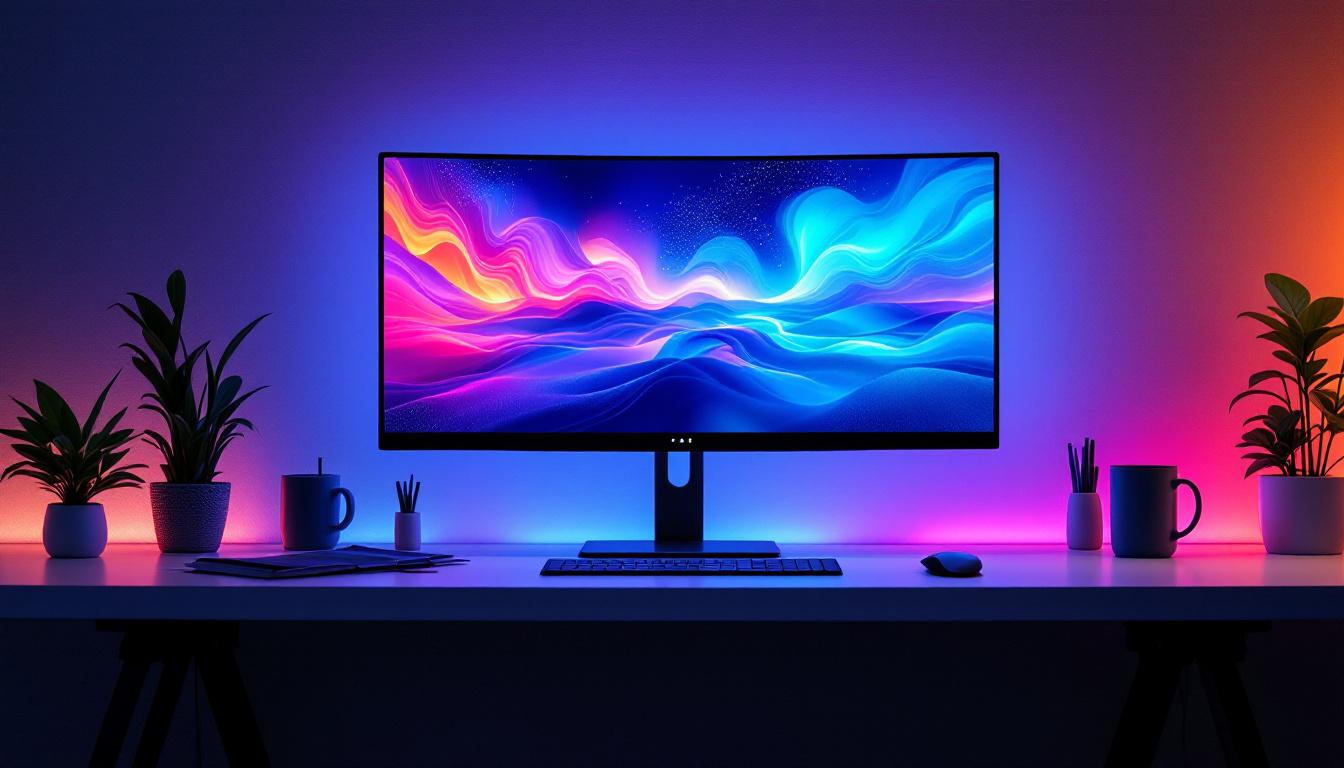
Graphic designers, video editors, and architects benefit from the precision and color accuracy of LED touch screen monitors. The ability to manipulate images and designs directly on the screen enhances workflow efficiency and creativity. Many professional-grade monitors now offer 4K resolution and wide color gamut support, catering to demanding visual tasks.
Education and Training
Interactive whiteboards and touch screen monitors have revolutionized classroom environments. They facilitate dynamic teaching methods, enabling students to engage directly with digital content. The durability and responsiveness of LED touch screen monitors make them ideal for frequent use in educational settings.
Retail and Hospitality
Point-of-sale (POS) systems increasingly rely on touch screen monitors for faster transactions and improved customer interaction. LED displays ensure that product images and menus are clear and attractive, enhancing the overall user experience.
Healthcare
In medical environments, touch screen monitors assist in patient record management, imaging, and diagnostics. The combination of high-resolution LED displays and touch input allows healthcare professionals to access and manipulate critical information quickly and accurately.
Choosing the Right LED Touch Screen Monitor
Selecting the appropriate LED touch screen monitor depends on several factors, including intended use, budget, and technical requirements. Understanding these considerations ensures that users receive the best value and performance.
Display Size and Resolution
Monitor size typically ranges from 15 to 32 inches for touch screen models. Larger screens provide more workspace but may be less portable. Resolution is equally important; Full HD (1920×1080) is standard, but 4K (3840×2160) displays are gaining traction for their superior detail, especially in professional applications.
Touch Technology and Responsiveness
Capacitive touch screens are preferred for general use due to their responsiveness and multi-touch support. However, environments requiring stylus input or where users wear gloves might benefit from resistive or infrared touch technologies. Response time and touch accuracy should also be evaluated, particularly for gaming or design work.
Connectivity Options
Modern LED touch screen monitors offer a variety of connectivity ports, including HDMI, DisplayPort, USB-C, and legacy VGA. USB ports are often included for touch data transmission and peripheral connections. Ensuring compatibility with existing hardware is crucial for seamless integration.
Durability and Build Quality
Touch screen monitors in public or industrial environments must withstand frequent use and potential abuse. Features like tempered glass, anti-glare coatings, and water/dust resistance ratings (e.g., IP65) enhance durability and usability in challenging conditions.
Future Trends in LED Touch Screen Monitors
The technology behind LED touch screen monitors continues to advance, driven by demands for better performance, integration, and user experience.
Increased Adoption of OLED and Mini-LED
While LED displays dominate the market, OLED (Organic LED) and Mini-LED technologies are emerging as strong contenders. OLED offers superior contrast ratios and color accuracy by emitting light from organic compounds without backlighting. Mini-LED, a refinement of traditional LED, uses thousands of tiny LEDs for more precise local dimming, enhancing image quality.
Enhanced Multi-Touch and Gesture Recognition
Future touch screen monitors are expected to support more advanced multi-touch gestures and even air gestures, allowing users to interact without physical contact. This development could improve hygiene and accessibility, especially in public spaces.
Integration with Artificial Intelligence
AI-powered touch screen monitors may adapt interfaces based on user behavior, optimize display settings automatically, and provide contextual assistance. Such smart features will further personalize and streamline user interactions.
Conclusion
LED touch screen monitors represent a significant leap in display and input technology, combining vibrant visuals with intuitive interaction. Their advantages in brightness, energy efficiency, and responsiveness make them suitable for a wide range of applications, from creative work to education and healthcare.
As technology progresses, these monitors will continue to evolve, incorporating innovations like OLED panels, advanced touch capabilities, and AI integration. For consumers and professionals alike, understanding the underlying technology and key considerations is essential to selecting the right device that meets their needs now and in the future.
Discover LumenMatrix’s Advanced LED Display Solutions
Ready to experience the future of LED touch screen technology? LumenMatrix is at the forefront of innovation, offering a wide array of LED display solutions tailored to your specific needs. Whether you’re looking to enhance your creative workspace, elevate educational engagement, or captivate customers in retail and hospitality, our Indoor and Outdoor LED Wall Displays, Vehicle LED Displays, and more, are designed to deliver unparalleled visual impact. Embrace the cutting-edge of visual communication and check out LumenMatrix LED Display Solutions today to see how we can help you share your message with clarity and vibrancy.