Audio Vision USA: LED Display Explained
In today’s fast-paced digital world, LED displays have become an indispensable part of visual communication. From massive outdoor billboards to indoor event screens, LED technology offers vibrant, dynamic, and energy-efficient solutions that captivate audiences. Audio Vision USA, a leader in audio-visual solutions, leverages cutting-edge LED display technology to enhance the visual experience across various industries.
This comprehensive guide explores the fundamentals of LED displays, their advantages, types, and applications, with a particular focus on how Audio Vision USA integrates these displays to meet diverse client needs.
Understanding LED Display Technology
What is an LED Display?
LED stands for Light Emitting Diode, a semiconductor device that emits light when an electric current passes through it. An LED display is a flat panel display that uses an array of LEDs as pixels to create images and videos. Unlike traditional LCD or plasma screens, LED displays provide superior brightness, contrast, and color accuracy, making them ideal for both indoor and outdoor use.
The basic structure of an LED display consists of numerous tiny LEDs arranged in a grid. Each LED acts as a single pixel, and by controlling the intensity and color of each LED, the display can render complex images with high resolution and clarity.
How LED Displays Work
LED displays operate by illuminating individual diodes in varying intensities and colors. These diodes can be red, green, and blue (RGB), and by mixing these primary colors at different levels, the display can produce a full spectrum of colors. This RGB system is fundamental to creating vibrant and accurate images.
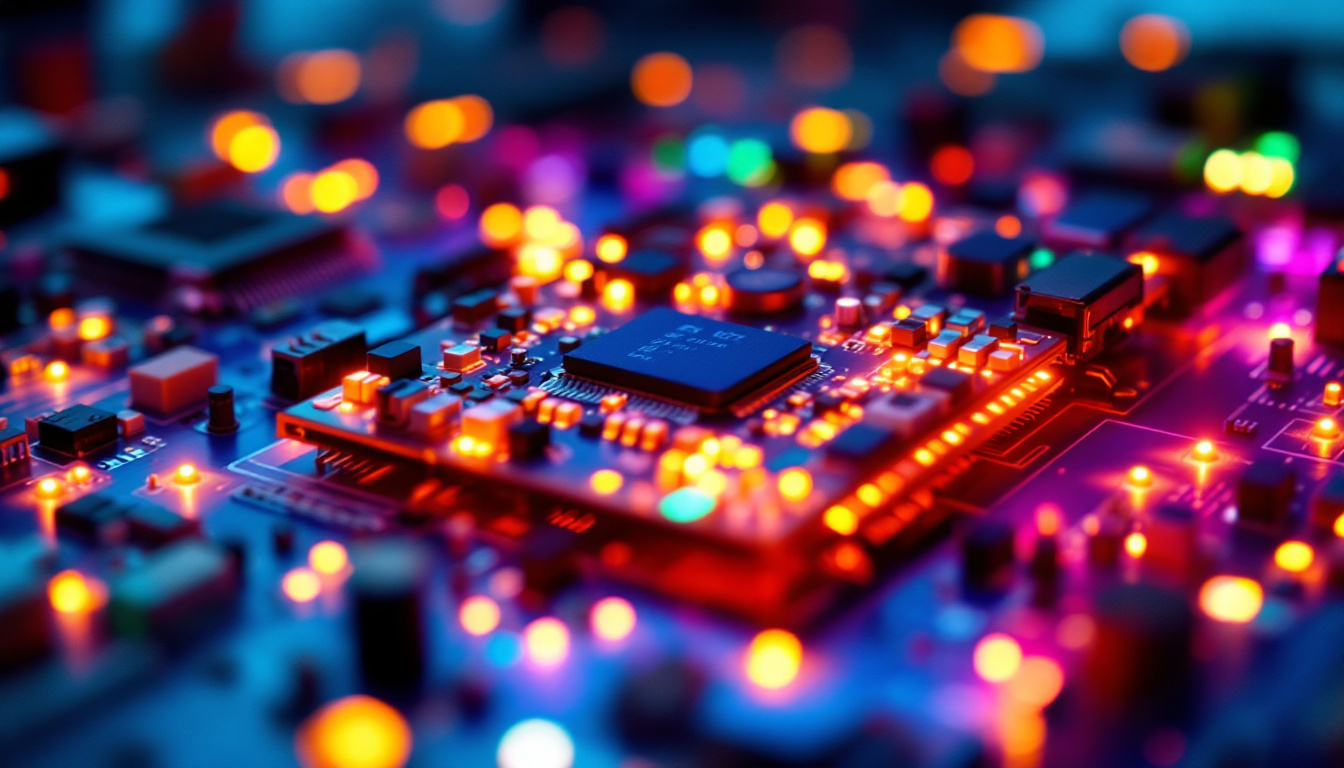
Modern LED displays use surface-mounted device (SMD) technology, where LEDs are mounted directly onto the circuit board. This allows for smaller pixel pitches—the distance between the centers of two adjacent pixels—which translates to higher resolution and finer image detail, especially important for close viewing distances.
Types of LED Displays
Indoor vs. Outdoor LED Displays
One of the primary distinctions in LED display technology is between indoor and outdoor models. Indoor LED displays typically have a smaller pixel pitch, ranging from 0.9mm to 4mm, enabling high-resolution images suitable for close viewing distances such as conference rooms, retail stores, and control centers.
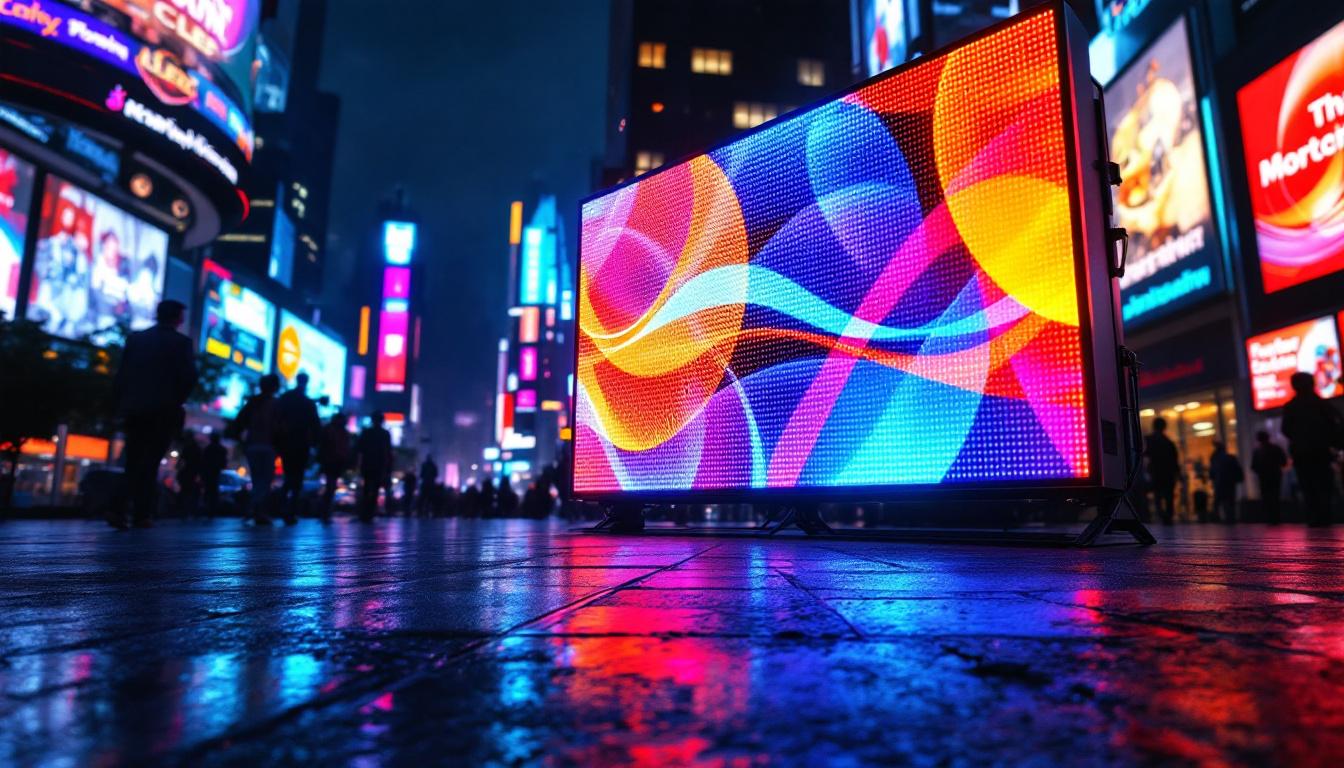
Outdoor LED displays, on the other hand, require higher brightness levels—often exceeding 5,000 nits—to remain visible under direct sunlight. Their pixel pitch is usually larger, from 4mm to 20mm or more, since they are viewed from greater distances. These displays are weatherproof and designed to withstand harsh environmental conditions, making them perfect for billboards, stadium screens, and transportation hubs.
Fixed vs. Rental LED Displays
Fixed LED displays are permanently installed in a specific location, such as a corporate lobby or stadium. These displays are tailored to the environment and often customized in size and shape. Their durability and long-term performance are critical, and they typically offer higher resolutions and brightness levels.
Rental LED displays, by contrast, are designed for portability and quick setup. They are commonly used for concerts, trade shows, and temporary events. These displays prioritize modularity and ease of assembly, allowing for flexible configurations and rapid deployment.
Transparent LED Displays
Transparent LED displays are an innovative subset that combine visibility with transparency. These displays use specially designed LEDs spaced to allow light to pass through, making them ideal for storefront windows and glass facades. They provide advertising and information without obstructing natural light or the view from inside.
Advantages of LED Displays
Brightness and Visibility
One of the most significant advantages of LED displays is their exceptional brightness. With brightness levels ranging from 1,000 to over 10,000 nits, LED displays remain clear and legible even in direct sunlight, unlike traditional LCD screens that struggle outdoors. This makes them the preferred choice for outdoor advertising and public information systems.
Energy Efficiency and Longevity
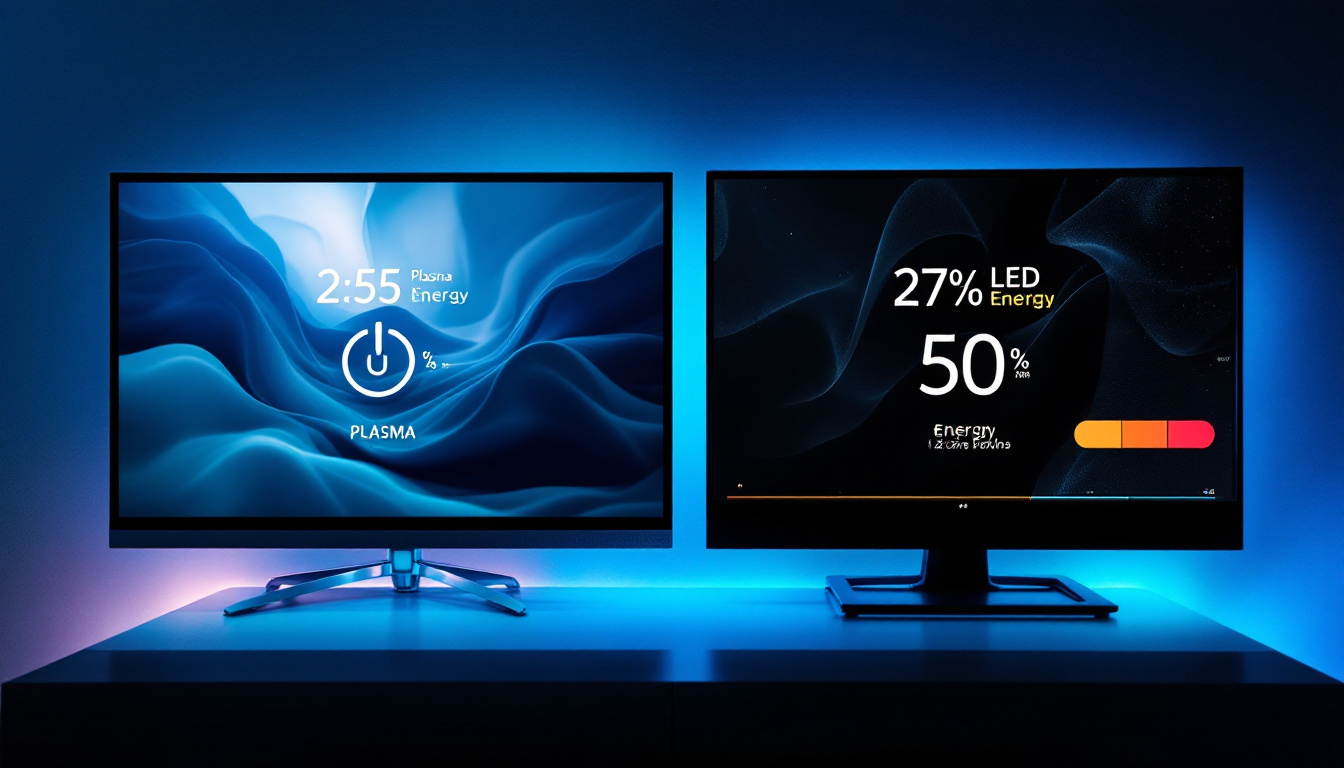
LED technology is highly energy efficient compared to older display technologies. LEDs consume less power and generate less heat, reducing operational costs and environmental impact. Additionally, LED displays have a long lifespan, often exceeding 100,000 hours of operation, which translates to years of reliable service with minimal maintenance.
Color Accuracy and Image Quality
With precise control over individual LEDs, LED displays deliver superior color accuracy and contrast ratios. This results in vivid images with deep blacks and bright whites, enhancing the overall viewing experience. High refresh rates and fast response times also ensure smooth video playback without motion blur.
Scalability and Customization
LED displays are highly scalable and customizable. Panels can be combined to create screens of virtually any size and shape, from small digital signage to massive stadium displays. This flexibility allows businesses to tailor their visual communications to specific spaces and audience needs.
Applications of LED Displays
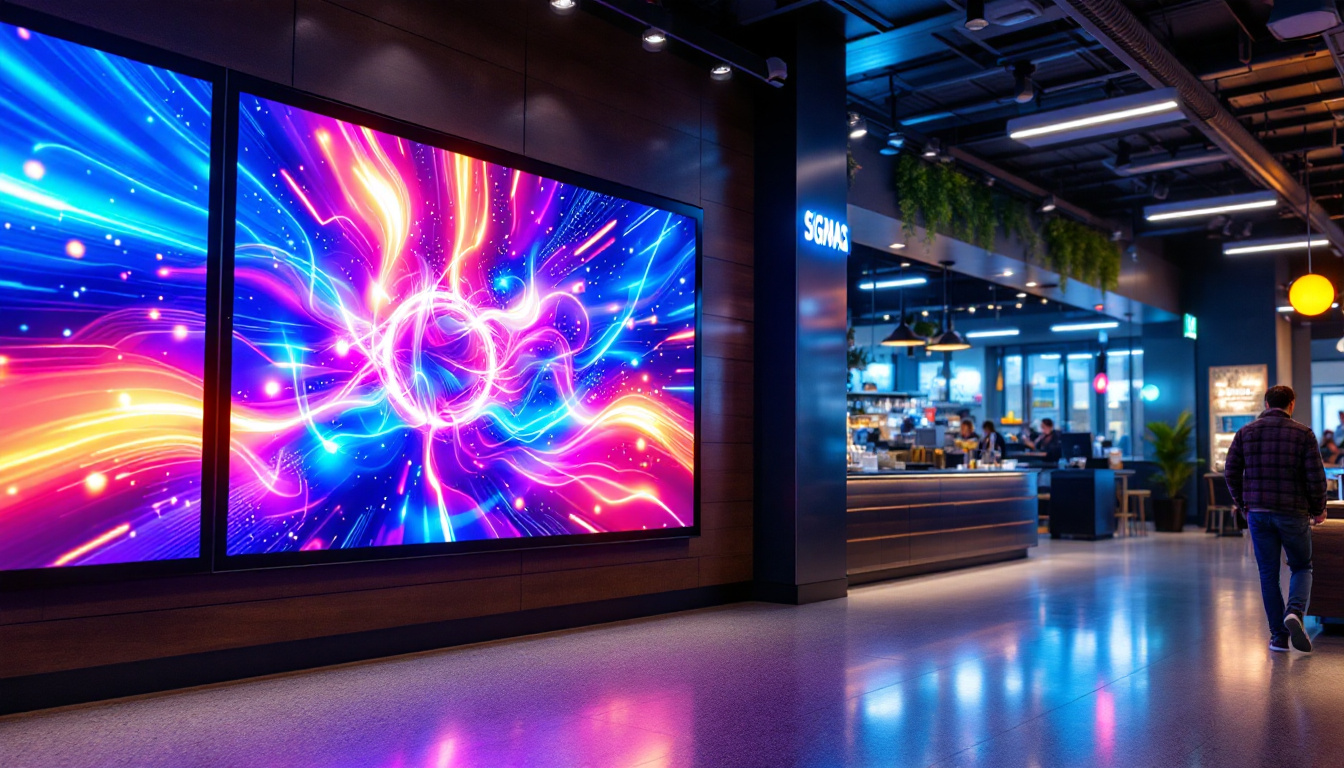
Advertising and Digital Signage
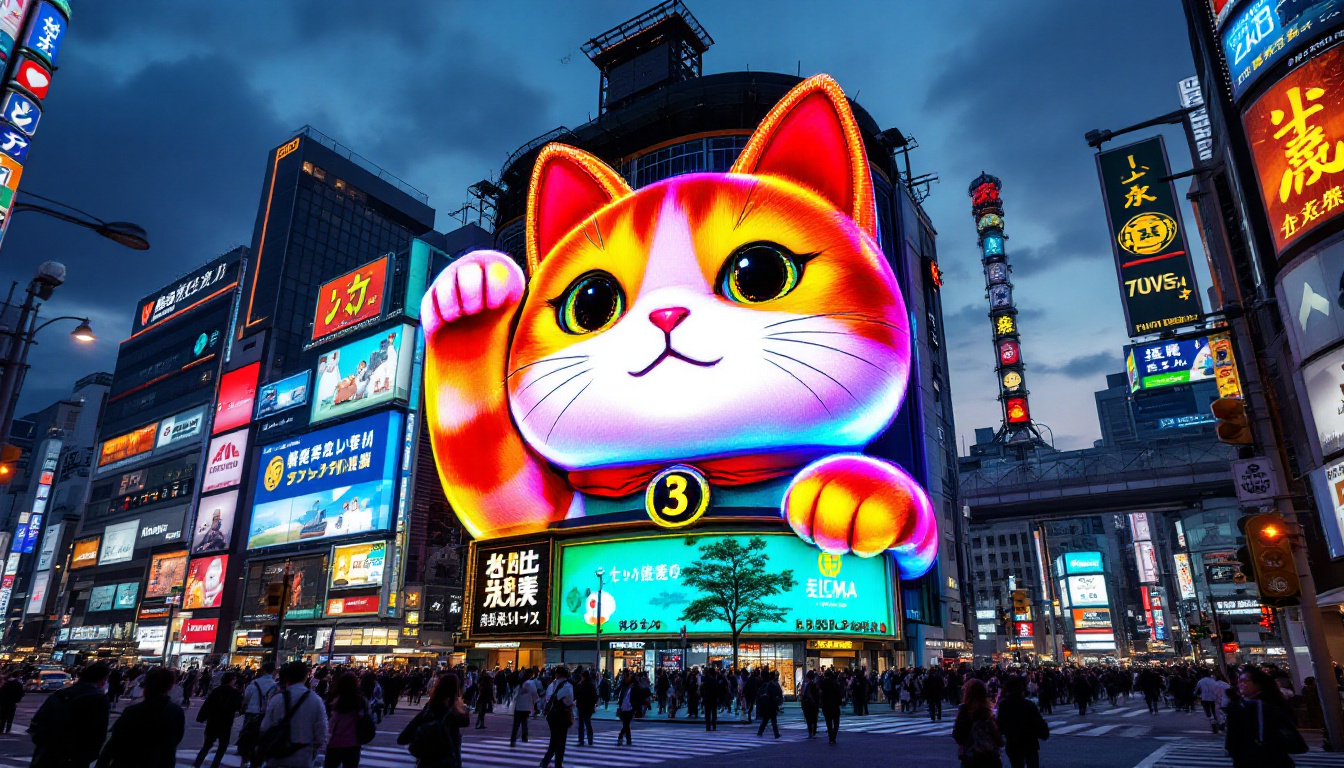
LED displays have revolutionized advertising by enabling dynamic, eye-catching content that can be updated in real-time. Retailers, shopping malls, and urban centers use LED signage to attract customers and promote products effectively. According to a 2023 report by Grand View Research, the global digital signage market is expected to reach $31 billion by 2028, driven largely by the adoption of LED technology.
Events and Entertainment
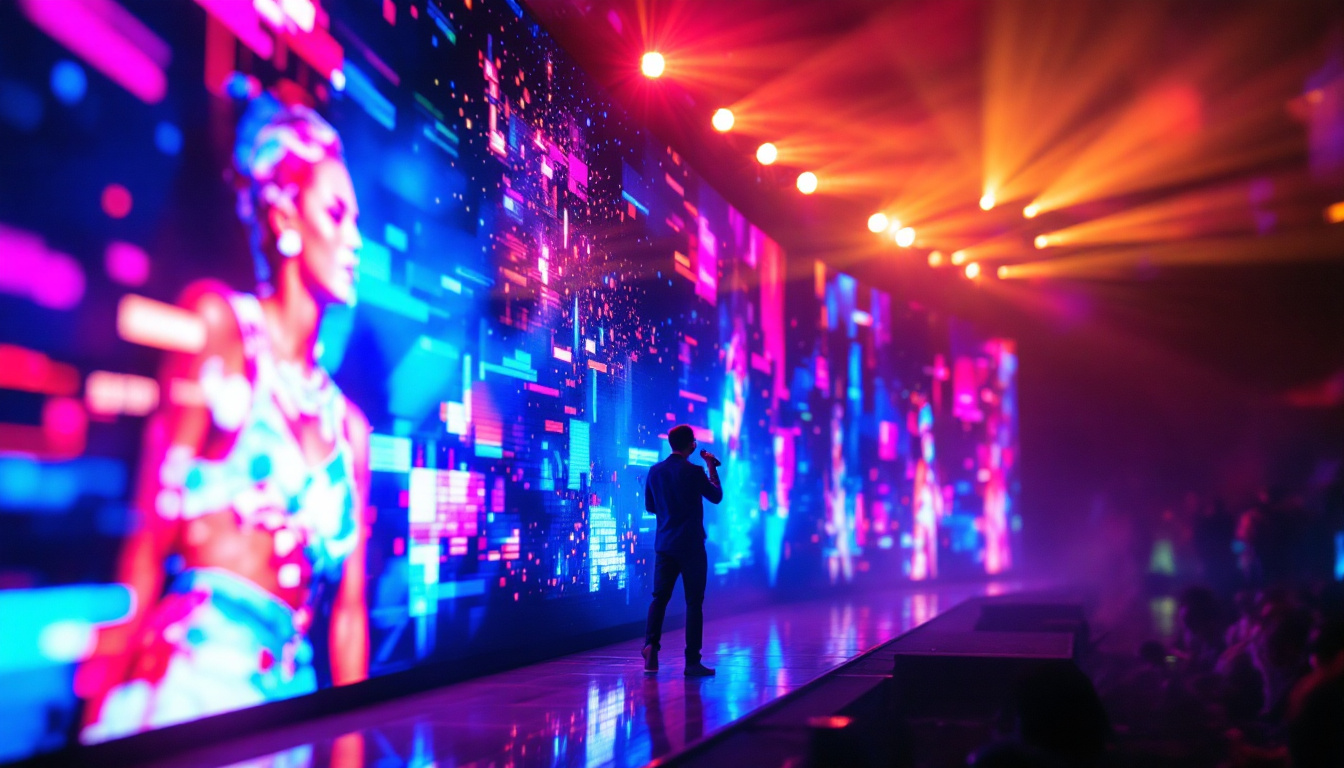
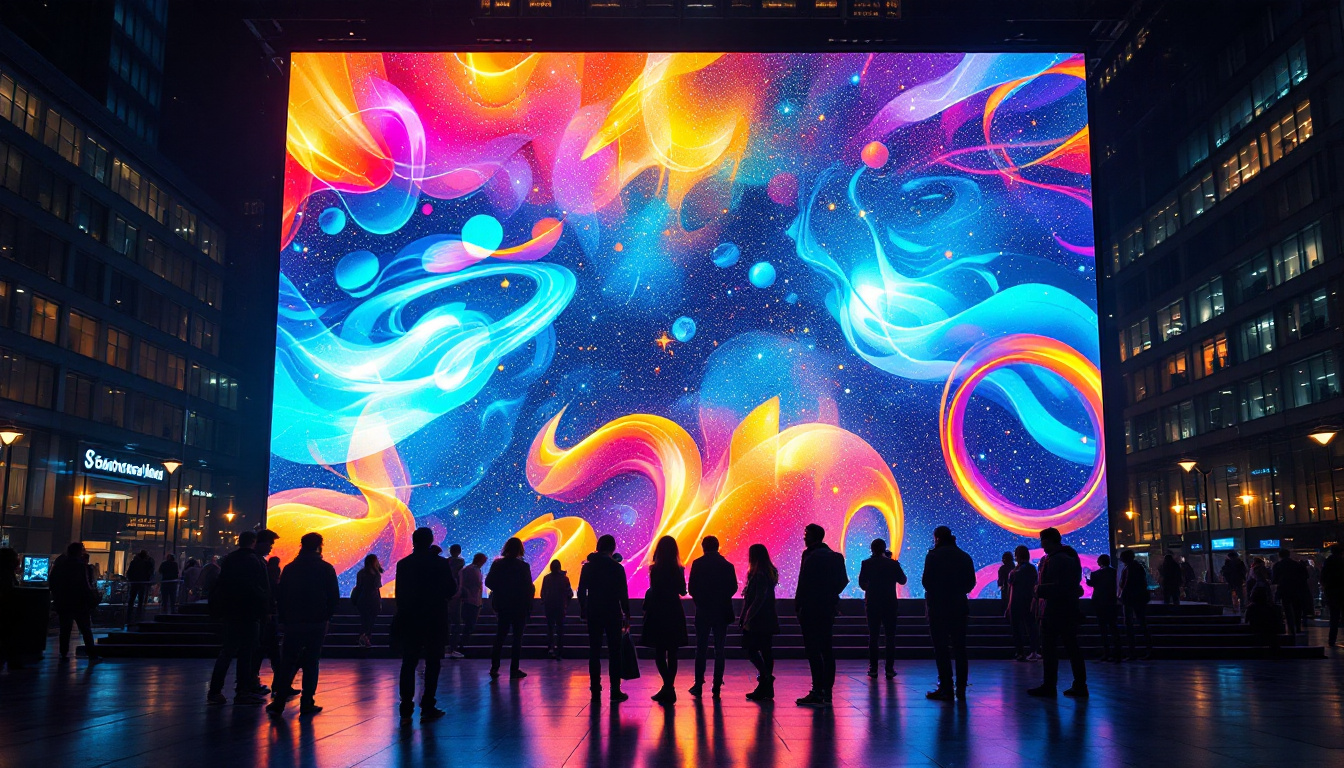
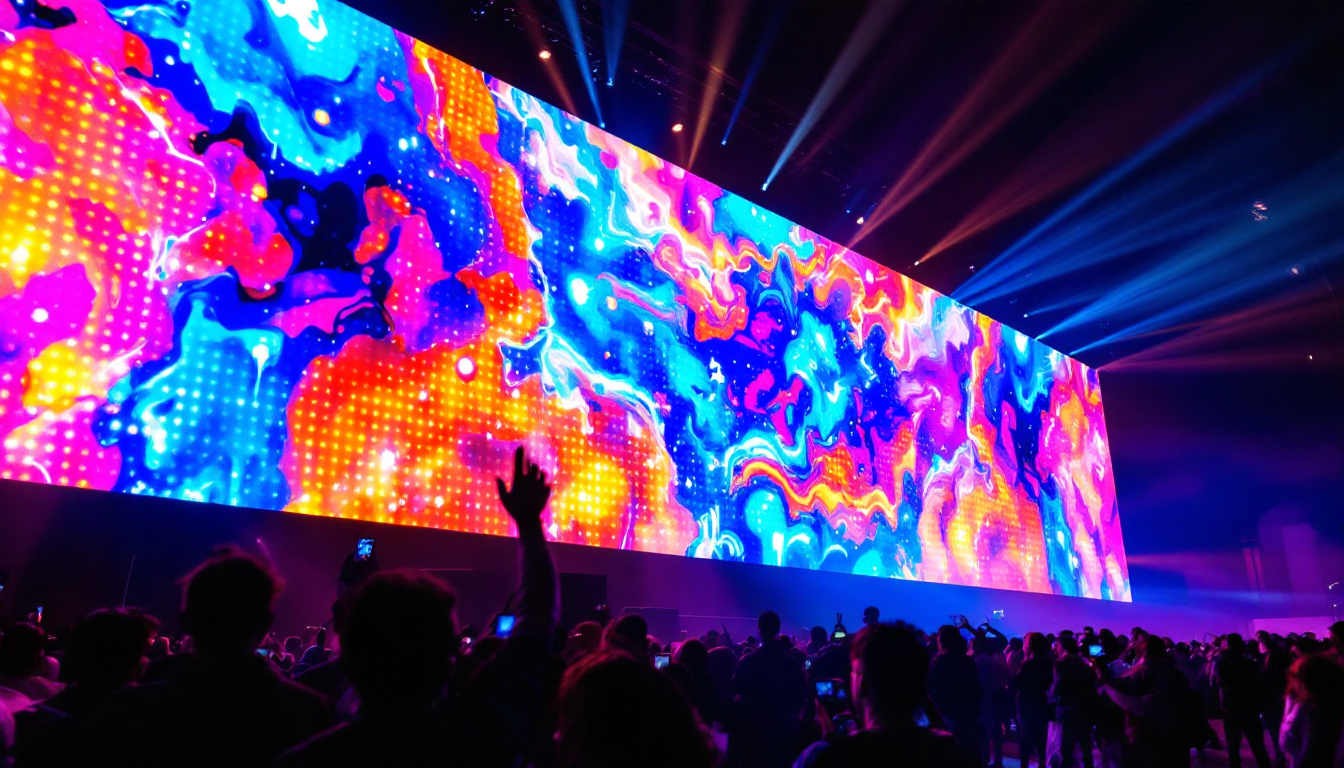
Concerts, sports arenas, and theaters rely heavily on LED displays to engage audiences. Large-scale LED video walls provide immersive visuals that enhance performances and deliver real-time information such as scores and announcements. Audio Vision USA specializes in designing and deploying LED solutions tailored to the unique demands of live events, ensuring seamless integration with audio and lighting systems.
Corporate and Educational Environments
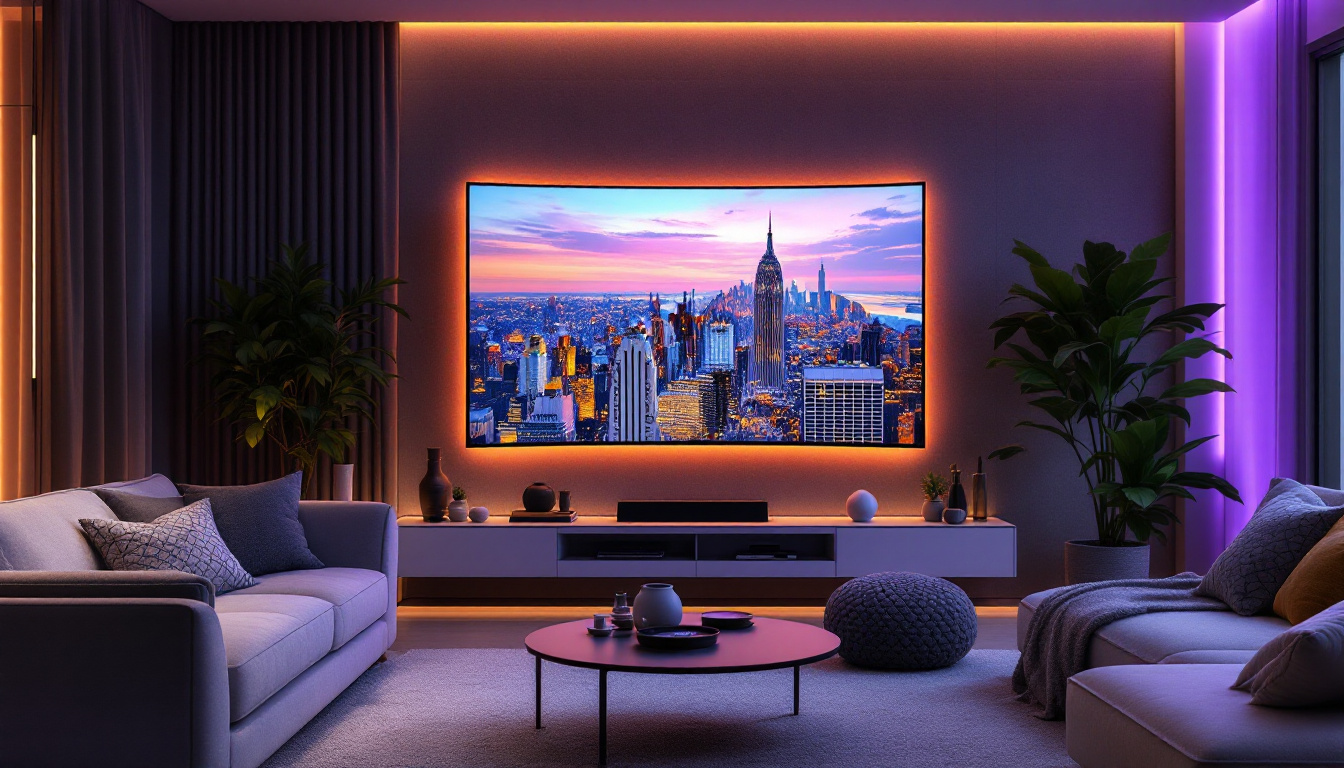
In corporate settings, LED displays facilitate presentations, video conferencing, and digital collaboration. Educational institutions use LED walls for interactive learning and campus communications. The clarity and flexibility of LED displays support a wide range of content formats, improving information sharing and engagement.
Transportation and Public Spaces
LED displays are increasingly used in transportation hubs like airports, train stations, and bus terminals for real-time updates and wayfinding. Public spaces such as city squares and parks utilize LED screens for community announcements, emergency alerts, and entertainment, enhancing urban experiences.
Audio Vision USA’s Approach to LED Display Solutions
Customized Solutions for Every Client
Audio Vision USA prides itself on delivering tailored LED display solutions that align with client objectives and environments. Whether it’s a high-resolution indoor video wall for a corporate headquarters or a robust outdoor billboard for a retail chain, the company assesses each project’s unique requirements to recommend the most suitable technology and design.
Integration with Audio and Control Systems
Recognizing that visual impact is amplified when combined with quality audio, Audio Vision USA integrates LED displays with advanced sound systems and control platforms. This holistic approach ensures synchronized content delivery and streamlined operation, enhancing the overall user experience.
Expert Installation and Support
Proper installation is critical to the performance and longevity of LED displays. Audio Vision USA employs experienced technicians who follow industry best practices to ensure precise alignment, secure mounting, and optimal calibration. Post-installation, the company offers ongoing maintenance and technical support to maximize uptime and display quality.
Emphasis on Innovation and Sustainability
Staying at the forefront of technology, Audio Vision USA continuously evaluates emerging LED display advancements such as micro-LED and mini-LED technologies. The company also prioritizes sustainability by recommending energy-efficient products and recycling programs, helping clients reduce their environmental footprint.
Choosing the Right LED Display: Key Considerations
Viewing Distance and Pixel Pitch
One of the foremost factors in selecting an LED display is the viewing distance. A smaller pixel pitch is necessary for close-range viewing to ensure sharp images without visible pixelation. Conversely, larger pixel pitches are acceptable for displays viewed from afar, such as highway billboards.
Brightness and Environment
Understanding the ambient lighting conditions is essential. Outdoor displays require higher brightness and weatherproofing, while indoor displays can focus more on resolution and color accuracy. Audio Vision USA conducts thorough site assessments to determine the optimal specifications.
Content Type and Usage
The nature of the content—whether static images, video, or interactive media—affects the choice of display technology and control systems. For dynamic content with frequent updates, LED displays with robust processing capabilities and network connectivity are preferred.
Budget and Total Cost of Ownership
While initial costs vary based on size and technology, it’s important to consider the total cost of ownership, including energy consumption, maintenance, and potential upgrades. Audio Vision USA helps clients balance upfront investment with long-term value.
The Future of LED Display Technology
Emerging Trends
Advancements such as micro-LED and mini-LED promise even higher resolutions, improved energy efficiency, and thinner form factors. Flexible and curved LED displays are gaining traction, enabling innovative architectural integrations. Additionally, AI-driven content management systems are enhancing personalization and interactivity.
Impact on Industries
As LED technology evolves, industries from retail to transportation will benefit from more immersive and responsive visual communication tools. Smart cities are increasingly incorporating LED displays into infrastructure for real-time data visualization and public engagement.
Audio Vision USA’s Vision
Committed to innovation, Audio Vision USA continues to invest in research and partnerships to bring the latest LED display technologies to clients. By combining technical expertise with creative solutions, the company aims to set new standards in visual experiences.
Conclusion
LED displays represent a transformative technology that enhances how businesses and organizations communicate visually. Their brightness, versatility, and energy efficiency make them suitable for a wide range of applications, from advertising and entertainment to corporate and public spaces.
Audio Vision USA’s expertise in LED display technology ensures clients receive customized, high-quality solutions that meet their unique needs. By understanding the fundamentals of LED displays, their types, advantages, and applications, stakeholders can make informed decisions to maximize impact and return on investment.
As LED technology continues to advance, the possibilities for dynamic and engaging visual communication will only expand, making LED displays a cornerstone of modern audio-visual strategies.
Discover LumenMatrix’s Innovative LED Solutions
Ready to elevate your visual communication strategy with the latest in LED technology? LumenMatrix is at the forefront of creating immersive and dynamic visual experiences. From vibrant Indoor and Outdoor LED Wall Displays to specialized solutions like Vehicle LED Displays, LED Sports Displays, and even Custom LED Displays, we have the technology to bring your vision to life. Experience the future of digital signage with our All-in-One and Transparent LED Displays, designed to captivate your audience and amplify your message. Check out LumenMatrix LED Display Solutions today and see how we can transform your space with clarity and impact.