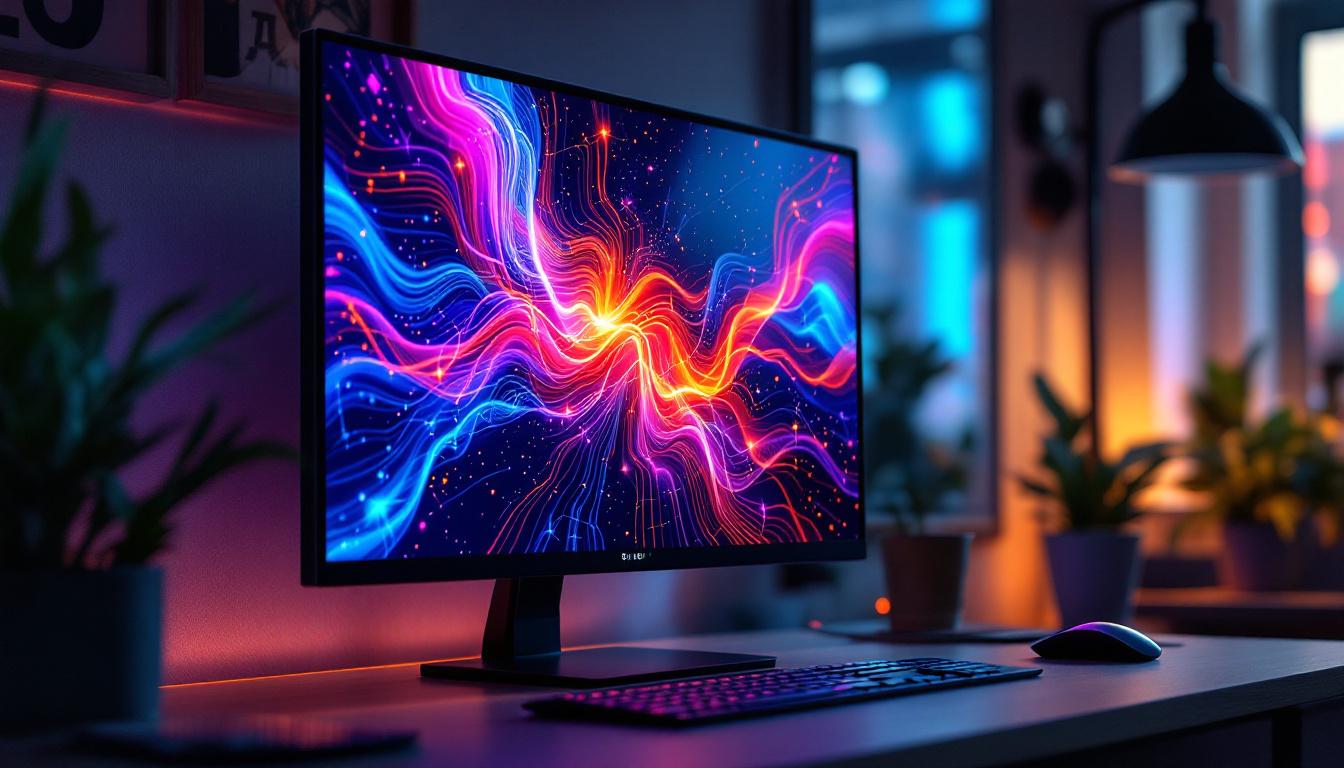
In today’s fast-paced digital world, touch screen monitors have become an essential tool across various industries and personal use cases. From interactive kiosks and point-of-sale systems to home offices and creative studios, the demand for responsive, affordable, and high-quality touch screen monitors continues to grow. Among the many technologies powering these devices, LED displays stand out for their efficiency, clarity, and cost-effectiveness.
This article explores the fundamentals of LED touch screen monitors, breaking down how they work, their advantages, and what to consider when purchasing an affordable model. Whether you’re a business owner looking to upgrade your equipment or a tech enthusiast seeking a budget-friendly yet reliable display, understanding LED technology is key to making an informed decision.
Understanding LED Technology in Touch Screen Monitors
What is an LED Display?
LED stands for Light Emitting Diode, a semiconductor device that emits light when an electric current passes through it. In the context of monitors, LED displays use an array of these tiny diodes to illuminate the screen. Unlike traditional LCD monitors that rely on cold cathode fluorescent lamps (CCFL) for backlighting, LED displays utilize LEDs to provide brighter, more energy-efficient illumination.
This shift to LED backlighting has revolutionized display technology by enabling thinner screens, improved color accuracy, and better contrast ratios. Additionally, LED displays tend to have longer lifespans and lower power consumption, making them an attractive option for both manufacturers and consumers. The advancements in LED technology have also led to the development of various types of LED displays, including OLED (Organic Light Emitting Diode) and Mini-LED, each offering unique advantages such as enhanced color depth, faster refresh rates, and improved viewing angles. These innovations continue to push the boundaries of what is possible in visual display technology, catering to a wide range of applications from gaming to professional graphic design.
How Touch Screen Technology Integrates with LED Displays
Touch screen monitors combine a display panel with a touch-sensitive surface that detects user input. The most common touch technologies integrated with LED displays include capacitive, resistive, and infrared touch systems.
Capacitive touchscreens, widely used in smartphones and modern monitors, rely on the electrical properties of the human body to detect touch. These are highly responsive and support multi-touch gestures but tend to be more expensive. Resistive touchscreens, on the other hand, consist of two flexible layers that register touch through pressure. They are more affordable and work well with gloves or styluses, though they may lack the responsiveness of capacitive screens. This makes them particularly useful in industrial settings or environments where users may be wearing protective gear. Furthermore, resistive screens can be more resilient to environmental factors, such as dust and moisture, which can be a significant advantage in certain applications.
Infrared touchscreens use a grid of infrared beams across the screen surface to detect touch points. They offer excellent durability and can detect any input type but are often bulkier and less common in affordable monitors. These screens are particularly favored in large-format displays, such as interactive kiosks and digital signage, where multiple users may interact simultaneously. The versatility of infrared technology allows for a seamless user experience, enabling gestures like swiping and pinching without the need for direct contact, which can be beneficial in public spaces where hygiene is a concern. As touch technology continues to evolve, we can expect further innovations that enhance interactivity and user engagement across various platforms.
Benefits of LED Touch Screen Monitors
Energy Efficiency and Environmental Impact
One of the most significant advantages of LED displays is their energy efficiency. Compared to CCFL-backlit LCDs, LED monitors consume up to 30-40% less power. This reduction in energy use not only lowers electricity bills but also contributes to a smaller carbon footprint, aligning with growing environmental sustainability goals.
For businesses operating multiple touch screen kiosks or digital signage, the cumulative energy savings can be substantial. Moreover, LED monitors generate less heat, reducing the need for additional cooling and enhancing overall device longevity.
Enhanced Visual Quality and User Experience
LED displays offer superior brightness and contrast, which translates into sharper images and more vibrant colors. This clarity is crucial for touch screen monitors used in retail, healthcare, and design, where accurate color representation and readability can impact decision-making and user satisfaction.
Additionally, LED technology supports higher refresh rates and faster response times, reducing motion blur and improving the smoothness of touch interactions. This responsiveness is especially important for applications requiring precision input, such as graphic design or interactive presentations.
Durability and Design Flexibility
LED technology allows manufacturers to create thinner, lighter, and more durable monitors. The absence of bulky backlighting components enables sleek designs that fit seamlessly into modern workspaces and public environments.
Furthermore, LED touch screen monitors often feature robust glass surfaces that resist scratches and impact, making them suitable for high-traffic areas. The durability combined with aesthetic appeal makes these monitors a practical and attractive choice for various settings.
Choosing an Affordable LED Touch Screen Monitor
Key Features to Consider
When searching for an affordable LED touch screen monitor, it’s important to balance cost with features that meet your specific needs. Here are some critical factors to evaluate:
- Screen Size and Resolution: Larger screens provide more workspace but usually come at a higher price. Full HD (1920×1080) resolution is standard for clear images, while 4K options are available at a premium.
- Touch Technology: Decide between capacitive and resistive touch based on your usage. Capacitive offers better responsiveness and multi-touch support, while resistive is more budget-friendly and versatile with different input types.
- Connectivity Options: Ensure the monitor supports the ports you need, such as HDMI, DisplayPort, USB-C, or VGA. USB ports are also useful for connecting peripherals or powering the touch interface.
- Durability and Build Quality: Look for monitors with tempered glass and sturdy frames, especially if the device will be used in public or industrial environments.
- Compatibility and Drivers: Verify that the monitor is compatible with your operating system and that drivers are readily available to ensure smooth installation and operation.
Top Affordable LED Touch Screen Monitors in 2024
Several models stand out for delivering excellent value without compromising quality. For instance, the Dell P2418HT offers a 24-inch Full HD capacitive touch screen with wide viewing angles and solid build quality, typically priced under $300. Another notable option is the ViewSonic TD2230, a 22-inch monitor featuring a responsive projected capacitive touch panel and versatile connectivity, often found around the $250 mark.
For those requiring resistive touch technology, the ELO 1515L is a compact 15-inch monitor known for its rugged design and affordability, making it ideal for industrial or retail applications. Prices for such models generally range between $200 and $350, depending on features and vendor.
Common Applications of Affordable LED Touch Screen Monitors
Retail and Point-of-Sale Systems
Touch screen monitors have revolutionized retail environments by streamlining checkout processes and enhancing customer interaction. Affordable LED touch screen monitors enable small and medium-sized businesses to implement efficient point-of-sale (POS) systems without a hefty investment.
The bright, clear displays improve visibility in various lighting conditions, while responsive touch technology speeds up transactions and reduces errors. Additionally, these monitors can support inventory management and customer loyalty applications, making them versatile tools for retail operations.
Education and Training
Interactive learning is increasingly important in modern education. Affordable LED touch screen monitors facilitate engaging lessons by allowing students and teachers to interact directly with digital content. These monitors support collaborative activities, digital whiteboarding, and multimedia presentations.
Many educational institutions benefit from the durability and ease of use of LED touch screen monitors, which can withstand frequent handling and provide consistent performance over time. Their energy efficiency also helps schools manage operational costs.
Healthcare and Medical Use
In healthcare settings, touch screen monitors improve workflow efficiency by enabling quick access to patient records, imaging, and diagnostic tools. Affordable LED touch screen monitors are particularly valuable in clinics and smaller medical facilities where budget constraints exist but reliability and clarity remain critical.
The monitors’ hygienic glass surfaces are easy to clean and disinfect, meeting strict healthcare standards. Moreover, the accurate color representation aids in interpreting medical images and data, supporting better patient outcomes.
Tips for Maintaining Your LED Touch Screen Monitor
Cleaning and Care
Maintaining the clarity and responsiveness of your touch screen monitor requires regular cleaning with appropriate materials. Use a microfiber cloth and screen-safe cleaning solutions to avoid damaging the glass or touch sensors. Avoid abrasive cleaners or excessive moisture, which can cause permanent damage.
Software Updates and Calibration
Keep the monitor’s firmware and drivers up to date to ensure optimal performance and compatibility with your operating system. Periodic calibration of the touch interface can also improve accuracy, especially in resistive touchscreens where pressure sensitivity may drift over time.
Protecting Against Physical Damage
While LED touch screen monitors are designed for durability, avoid exposing them to extreme temperatures, direct sunlight, or impacts. Using screen protectors or enclosures can extend the lifespan of your device, particularly in demanding environments.
Conclusion: Making the Most of Affordable LED Touch Screen Monitors
Affordable LED touch screen monitors offer a compelling combination of performance, efficiency, and versatility. By understanding the underlying LED technology and evaluating key features, buyers can select devices that meet their specific needs without overspending.
Whether used in retail, education, healthcare, or personal computing, these monitors enhance interactivity and productivity through vibrant displays and responsive touch capabilities. With proper care and maintenance, an affordable LED touch screen monitor can serve as a reliable and long-lasting component of any digital workspace.
Discover LumenMatrix’s Advanced LED Display Solutions
Ready to elevate your digital experience with the latest in LED display technology? Look no further than LumenMatrix, a pioneer in crafting immersive visual solutions that transform any space. From vibrant Indoor and Outdoor LED Wall Displays to innovative options like Vehicle, Sports, and Floor LED Displays, LumenMatrix offers an extensive range of products tailored to your unique needs. Embrace the future of visual communication with our Custom, All-in-One, and Transparent LED Displays, designed to captivate and engage. Don’t miss out on the opportunity to amplify your brand’s presence and message. Check out LumenMatrix LED Display Solutions today and witness the impact of cutting-edge technology on your business.