In the rapidly evolving world of digital displays, LED technology has become a cornerstone for delivering vibrant, high-quality visuals across various industries. Among the many technical aspects that influence LED display performance, the concept of “direct light” plays a crucial role. Understanding what direct light means in the context of LED displays is essential for professionals in advertising, event management, retail, and digital signage to make informed decisions about the technology they use.
Understanding LED Displays: A Brief Overview
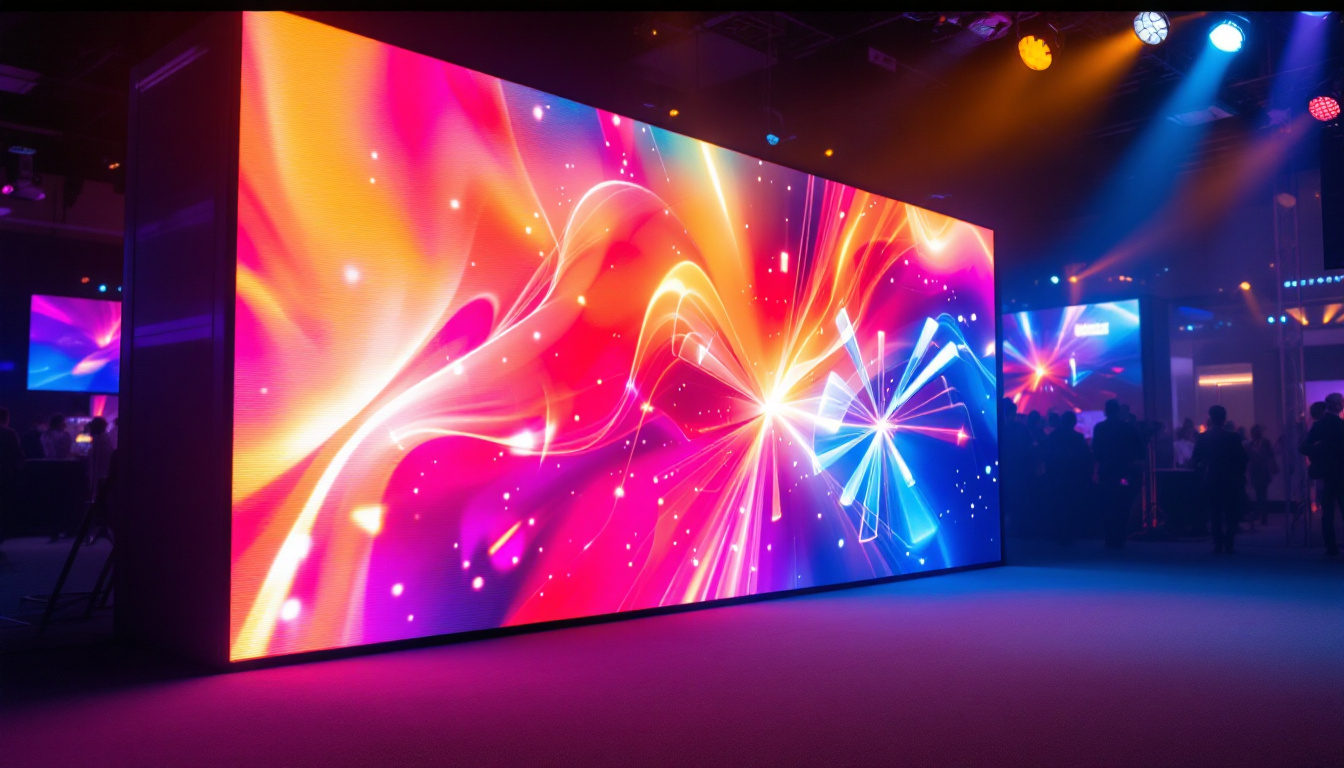
Light Emitting Diode (LED) displays have revolutionized how images and videos are presented in public and private spaces. Unlike traditional LCD or plasma screens, LED displays use an array of tiny light-emitting diodes to create images. These diodes emit light directly, which is why LED displays are often praised for their brightness, color accuracy, and energy efficiency.
LED displays come in various forms, including direct view LED panels, LED-backlit LCD screens, and microLED displays. The key differentiator is how the light is produced and managed within the display. Direct light, in this context, refers to the light emitted straight from the LED diodes to the viewer without the need for additional backlighting or filtering layers.
One of the most exciting advancements in LED technology is the development of flexible LED displays. These innovative screens can bend and shape to fit various surfaces, allowing for creative installations in architecture and design. Imagine a building façade that can change its appearance or a stage set that adapts dynamically to performances. This flexibility opens up new avenues for artistic expression and functional design, making LED displays not just a tool for communication but also a medium for creativity.
Moreover, the integration of smart technology with LED displays has further enhanced their functionality. Many modern LED displays are equipped with sensors and connectivity options that allow them to interact with their environment. For instance, they can adjust brightness based on ambient light conditions or display tailored content based on audience demographics. This interactivity not only improves user engagement but also provides businesses with valuable data insights, enabling them to optimize their advertising strategies and enhance customer experiences.
What Is Direct Light in LED Displays?
Defining Direct Light
Direct light in LED displays refers to the illumination that comes straight from the LED elements themselves. Each LED acts as a tiny light source that emits photons directly towards the viewer. This contrasts with other display technologies, such as LCDs, which rely on a backlight shining through liquid crystals and color filters to produce the image.
Because the light originates directly from the LEDs, these displays can achieve higher brightness levels and better contrast ratios. The direct emission of light also means that the colors are more vivid and the image quality remains consistent even under strong ambient lighting conditions.
How Direct Light Differs from Other Lighting Methods
In traditional LCD displays, a backlight panel provides illumination, which then passes through layers of liquid crystals and color filters to create the final image. This indirect lighting method can lead to light leakage, reduced contrast, and lower brightness, especially in brightly lit environments.
Direct light LED displays eliminate these issues by having each pixel emit its own light. This results in deeper blacks, as pixels can be completely turned off, and higher dynamic range. Additionally, direct light systems tend to have faster response times, which is critical for applications such as live video broadcasting or gaming.
Advantages of Direct Light LED Displays
Superior Brightness and Visibility
One of the most significant benefits of direct light LED displays is their exceptional brightness. Typical LED displays can achieve brightness levels exceeding 1,000 nits, with some outdoor models reaching up to 5,000 nits or more. This makes them ideal for environments with high ambient light, such as outdoor billboards, stadium screens, and retail storefronts.
Because the light is emitted directly from the LEDs, the display remains clearly visible even in direct sunlight, a feat that many LCD and projection-based systems struggle to accomplish.
Enhanced Color Accuracy and Contrast
Direct light LED displays offer superior color reproduction due to the precise control over each LED’s brightness and color output. This allows for a wider color gamut and more accurate color rendering, which is essential for branding, advertising, and content where color fidelity matters.
Moreover, the ability to turn off individual LEDs completely results in true blacks and an impressive contrast ratio. This capability enhances the overall viewing experience by providing more depth and detail in both dark and bright scenes.
Energy Efficiency and Longevity
LED technology is inherently energy-efficient compared to other lighting and display technologies. Direct light LED displays consume less power because they do not require additional backlighting components. This efficiency translates into lower operating costs, especially for large-scale installations that run continuously.
Additionally, LEDs have a longer lifespan, often exceeding 100,000 hours of use before significant brightness degradation occurs. This durability reduces maintenance costs and downtime, making direct light LED displays a cost-effective solution in the long term.
Applications of Direct Light LED Displays
Outdoor Advertising and Digital Billboards
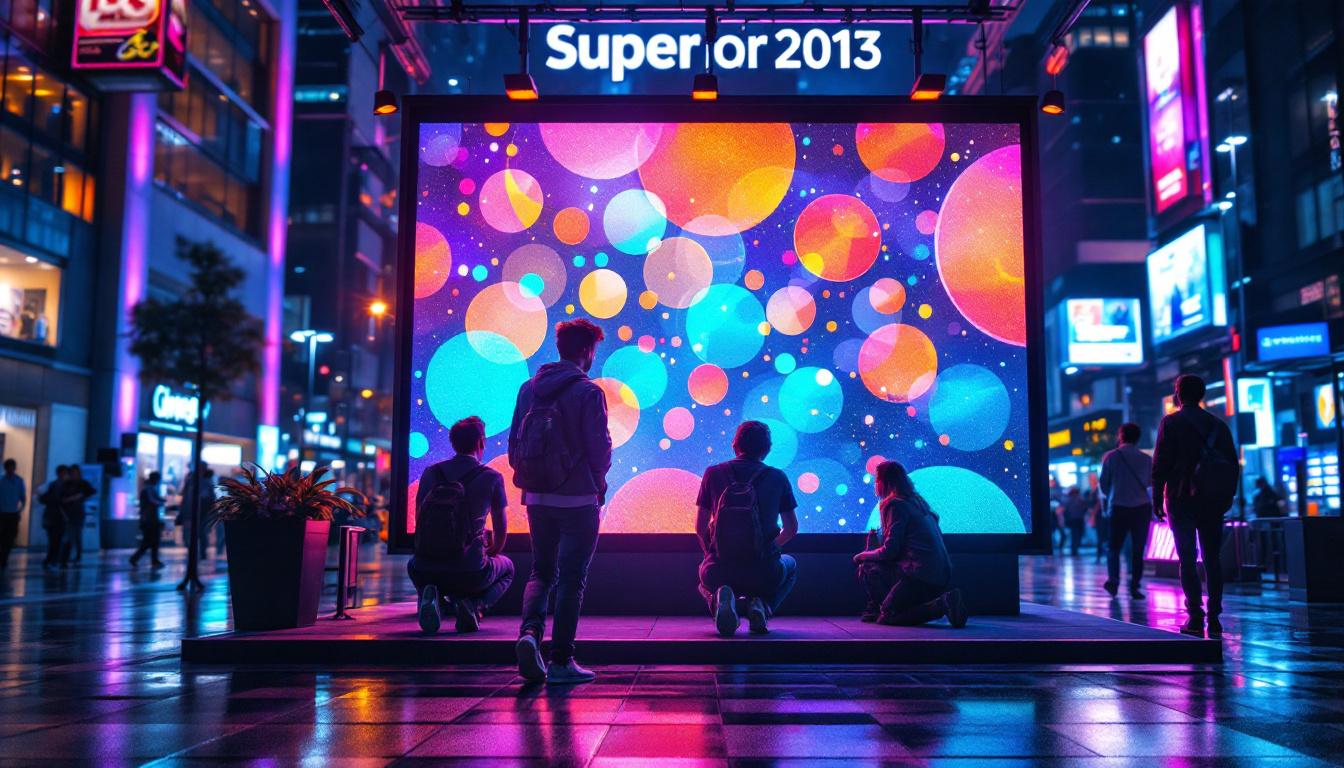
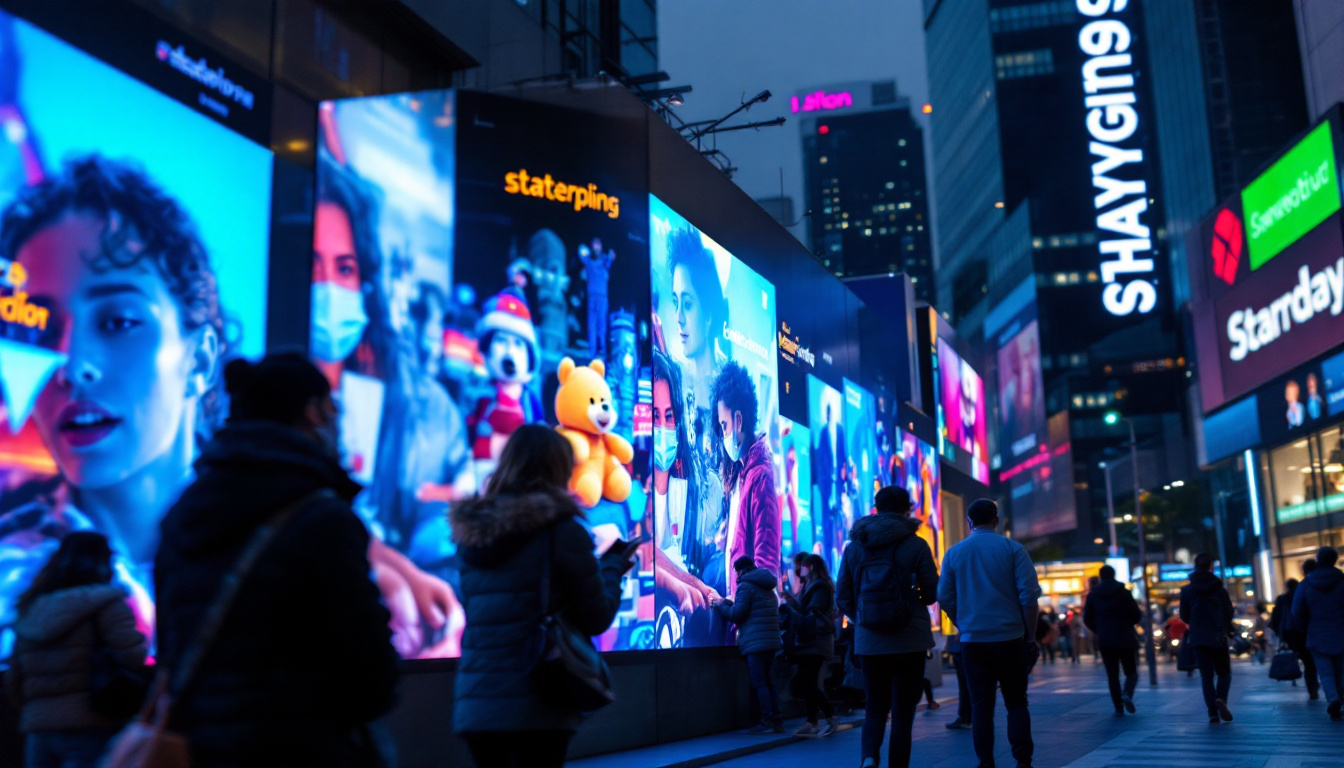
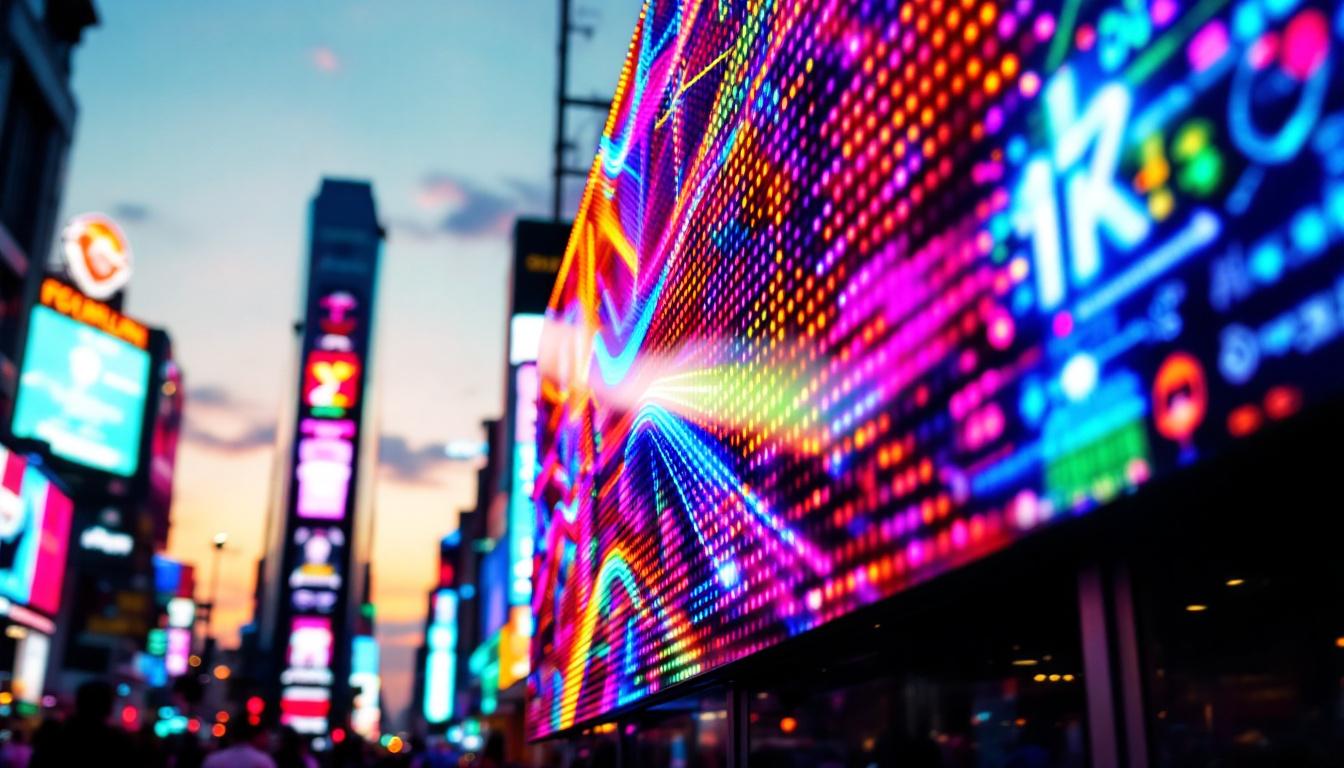
Direct light LED displays dominate the outdoor advertising industry due to their high brightness and weather resistance. These displays can withstand harsh environmental conditions while delivering clear, eye-catching visuals that attract attention from great distances.
Major cities around the world feature LED billboards that utilize direct light technology to showcase dynamic advertisements, public information, and event promotions. Their ability to operate 24/7 with minimal maintenance makes them a preferred choice for advertisers.
Indoor Digital Signage and Retail Displays
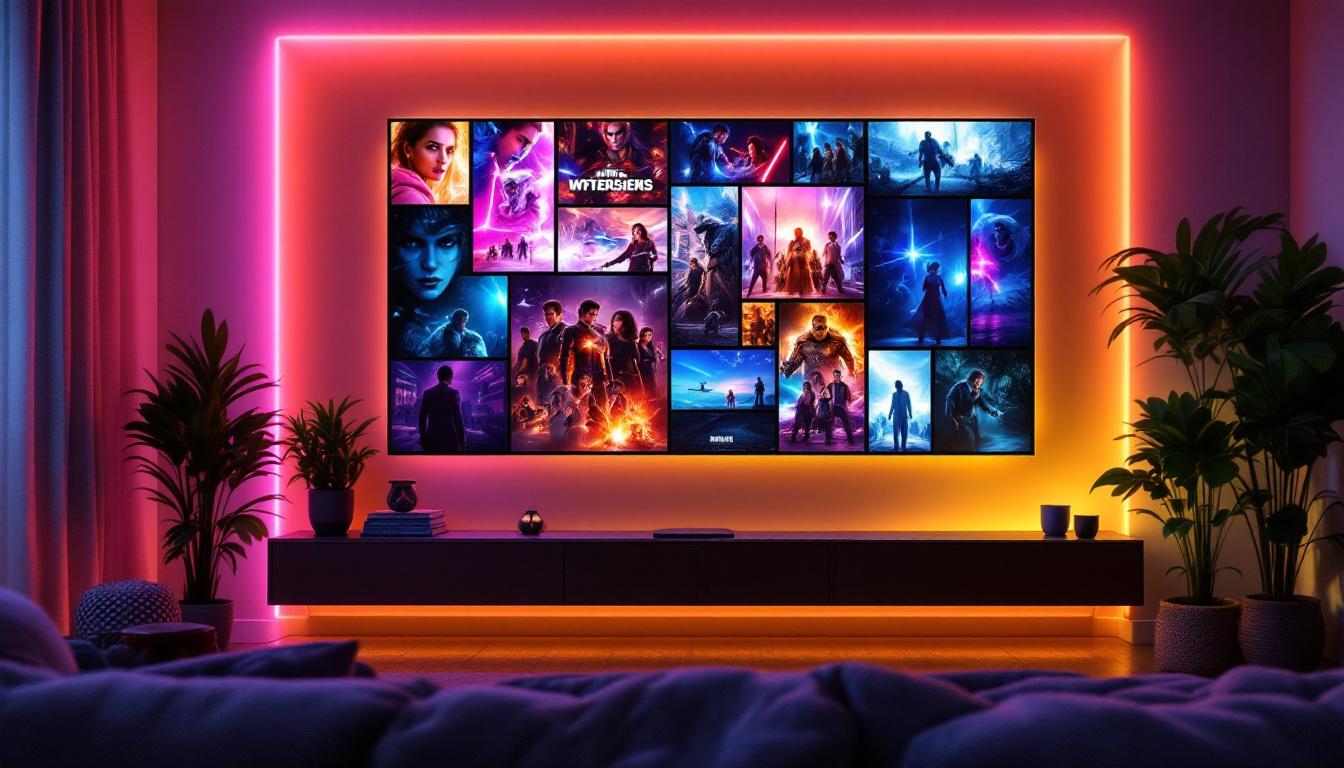
In retail environments, direct light LED displays enhance customer engagement by providing vibrant, dynamic content that stands out in busy spaces. From interactive kiosks to large video walls, these displays improve brand visibility and create immersive shopping experiences.
Retailers benefit from the flexibility of direct light LED technology, which can be customized in size and shape to fit various architectural designs and marketing needs.
Entertainment and Event Production
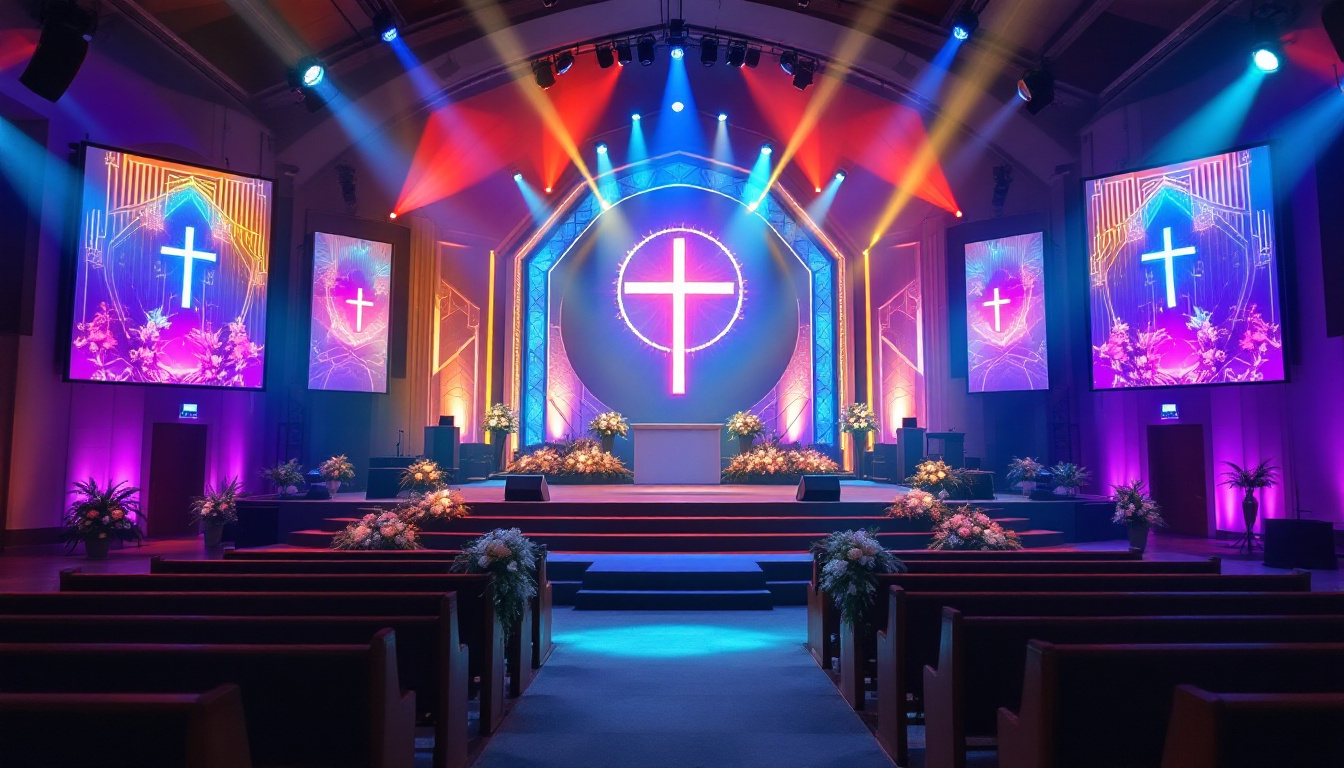
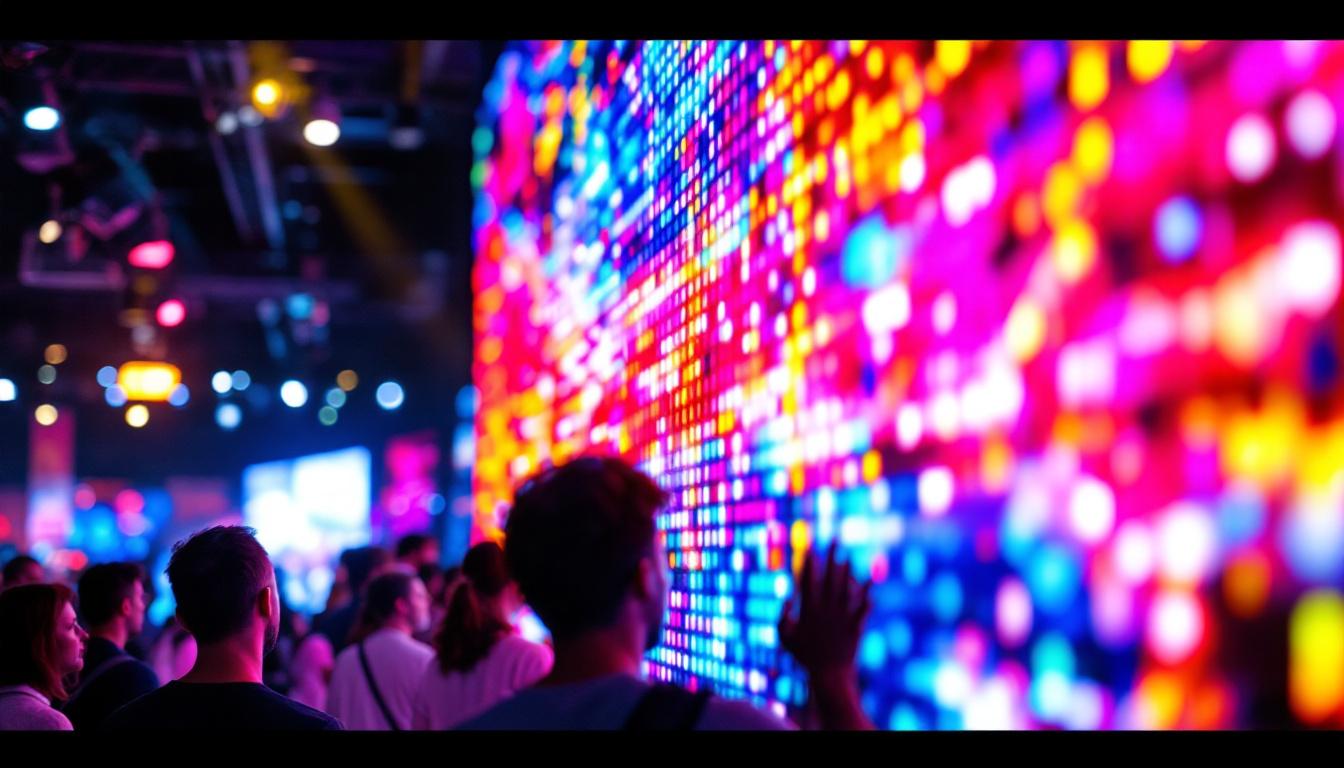
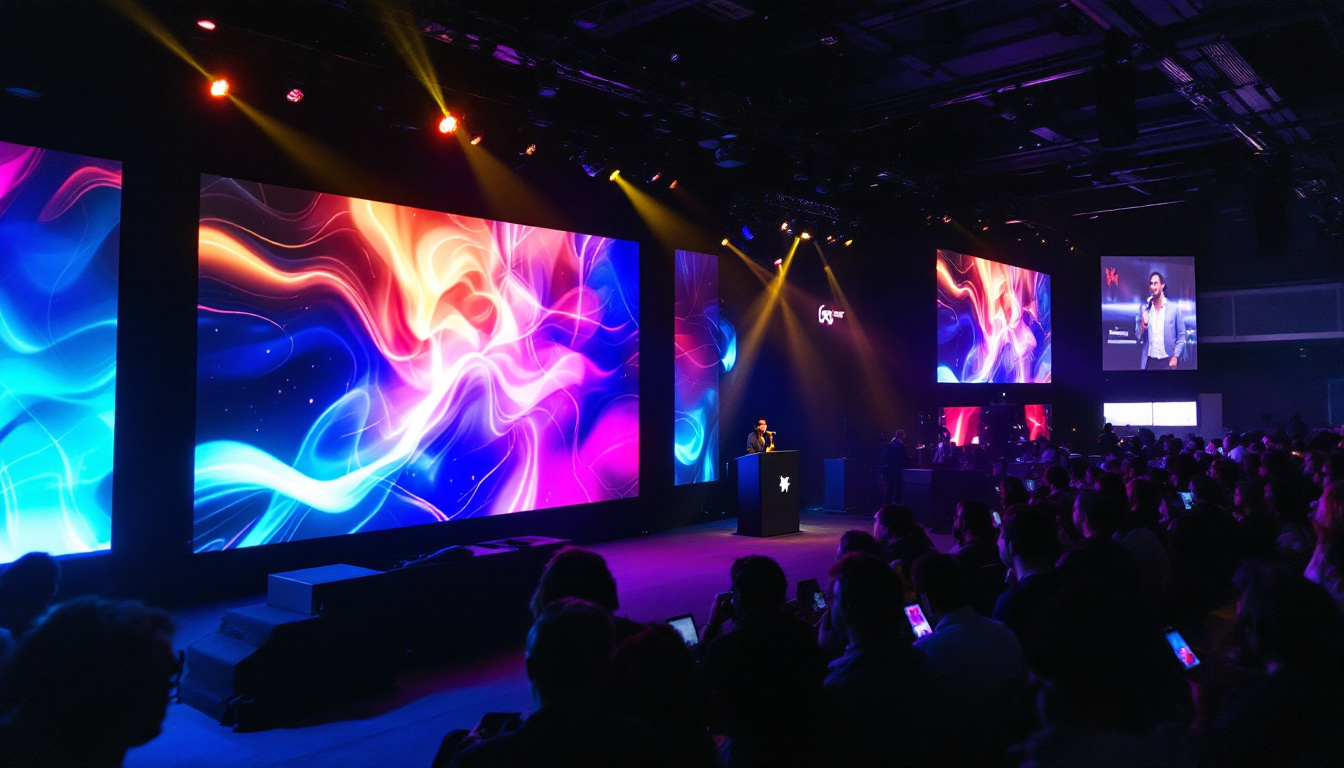
Concerts, sports arenas, and live events frequently use direct light LED displays for stage backdrops, scoreboards, and audience engagement screens. The high refresh rates and vivid colors ensure that content looks stunning from any viewing angle, even in large venues.
Event producers rely on the scalability and modularity of LED panels to create seamless, large-format displays that can be quickly assembled and disassembled, meeting the demanding schedules of live productions.
Technical Considerations When Choosing Direct Light LED Displays
Pixel Pitch and Resolution
Pixel pitch, the distance between the centers of two adjacent LEDs, is a critical factor in determining the resolution and viewing distance of a direct light LED display. Smaller pixel pitches result in higher resolution and sharper images, suitable for close-up viewing environments like retail stores or control rooms.
Larger pixel pitches are more cost-effective for large-scale outdoor displays where viewers are farther away. Selecting the appropriate pixel pitch ensures optimal image quality and cost efficiency.
Brightness and Contrast Requirements
Understanding the ambient lighting conditions where the display will be installed is essential. High brightness levels are necessary for outdoor or brightly lit indoor environments, while lower brightness may suffice for dimmer settings, reducing power consumption and extending LED lifespan.
Contrast ratio also plays a vital role in image clarity, especially for content with dark scenes or fine details. Direct light LED displays typically offer excellent contrast, but it is important to verify specifications based on the intended use case.
Viewing Angle and Uniformity
Direct light LED displays generally provide wide viewing angles, often up to 160 degrees or more horizontally and vertically. This ensures that the image remains consistent and vibrant regardless of the viewer’s position.
Uniform brightness and color across the entire display surface are crucial for professional applications. High-quality LED modules and careful calibration help maintain uniformity, preventing distracting hotspots or color shifts.
Future Trends in Direct Light LED Display Technology
MicroLED and MiniLED Innovations
Emerging technologies like MicroLED and MiniLED are pushing the boundaries of direct light LED displays. MicroLEDs are significantly smaller than traditional LEDs, allowing for ultra-high resolution and even thinner display panels. This technology promises improved energy efficiency, brightness, and color accuracy.
MiniLEDs, while larger than MicroLEDs, offer enhanced local dimming capabilities, improving contrast and black levels in hybrid display systems. Both technologies are gaining traction in premium TVs, monitors, and commercial displays.
Integration with Smart Technologies
Direct light LED displays are increasingly integrated with smart sensors and IoT (Internet of Things) technologies to optimize performance. Ambient light sensors can automatically adjust brightness to save energy and enhance viewing comfort.
Moreover, networked LED displays enable dynamic content management and real-time data integration, allowing businesses to deliver personalized and context-aware messaging to their audiences.
Sustainability and Environmental Impact
As sustainability becomes a priority, manufacturers are focusing on eco-friendly materials and energy-efficient designs for direct light LED displays. Advances in LED chip technology and power management contribute to reducing the carbon footprint of digital signage solutions.
Recyclability and responsible disposal of LED modules are also gaining attention, ensuring that the environmental impact of these displays is minimized throughout their lifecycle.
Conclusion
Direct light LED displays represent a powerful and versatile technology that delivers superior brightness, color accuracy, and energy efficiency. Their ability to emit light directly from each pixel sets them apart from traditional display technologies, making them ideal for a wide range of applications—from outdoor advertising to immersive event experiences.
Understanding the principles of direct light, along with the technical considerations and emerging trends, empowers businesses and professionals to select the right LED display solutions that meet their specific needs. As LED technology continues to advance, direct light displays will remain at the forefront of delivering captivating visual experiences in an increasingly digital world.
Discover LumenMatrix’s Innovative LED Solutions
Ready to elevate your visual displays with the brilliance of direct light LED technology? LumenMatrix is at the forefront of this transformative medium, offering a diverse range of LED display modules tailored to your unique needs. From the vibrancy of an Indoor LED Wall Display to the dynamic impact of an Outdoor LED Wall Display, and the mobility of a Vehicle LED Display to the interactive allure of a Floor LED Display, our solutions are designed to captivate and engage. Experience the revolution in visual communication with LumenMatrix’s cutting-edge digital signage and LED displays. Check out LumenMatrix LED Display Solutions and see how we can help you share your message with unparalleled clarity and impact.