In the world of modern display technology, terms like LCD and LED are often used interchangeably, yet they refer to distinct concepts. Understanding what LCD stands for and how LED displays work is essential for consumers, tech enthusiasts, and professionals alike. This article delves into the intricacies of LCD and LED technologies, exploring their differences, applications, and the future of display screens.
What Does LCD Stand For?
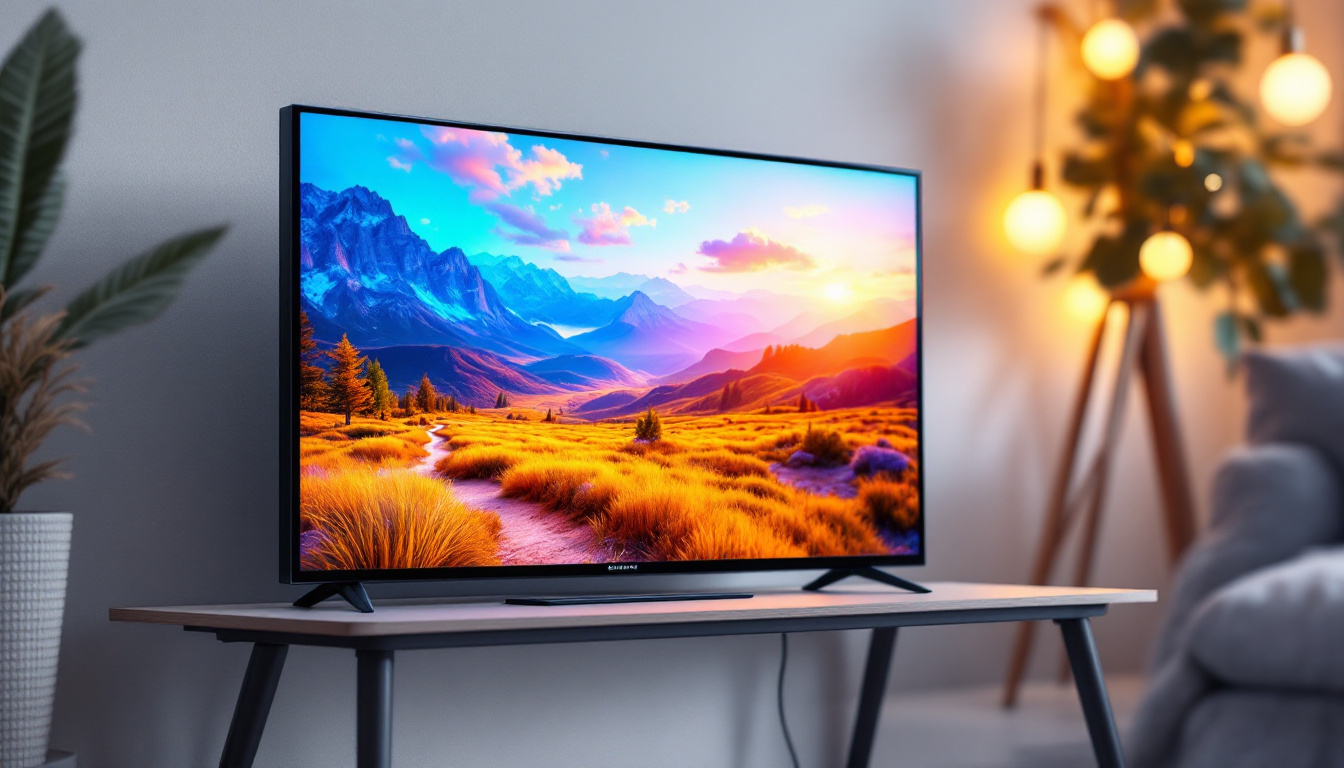
LCD stands for Liquid Crystal Display. It is a flat-panel display technology that uses liquid crystals combined with polarizers to produce images. Unlike older cathode ray tube (CRT) monitors, LCDs are thinner, lighter, and consume less power, making them ideal for a wide range of devices such as televisions, computer monitors, smartphones, and digital watches. The evolution of LCD technology has led to a significant reduction in the size and weight of displays, allowing for sleek designs that fit seamlessly into modern lifestyles.
The liquid crystals themselves do not emit light. Instead, they manipulate light passing through them to create images. This manipulation is achieved by adjusting the alignment of the crystals when an electric current is applied, controlling the amount of light that passes through each pixel. This characteristic allows for high-resolution displays that can show vibrant colors and sharp details, which is why LCDs have become a standard in both consumer electronics and professional applications.
How LCD Technology Works
At the heart of an LCD panel are millions of tiny pixels, each made up of sub-pixels in red, green, and blue. These sub-pixels use liquid crystals to control light. When an electric current is applied, the crystals twist and untwist, modulating light from a backlight source to produce the desired color and brightness. The precision with which these crystals can manipulate light is what enables LCDs to achieve impressive color accuracy and contrast ratios, making them suitable for everything from graphic design to gaming.
Because LCDs rely on a backlight, the quality and type of this backlight significantly affect the display’s performance. Early LCDs used cold cathode fluorescent lamps (CCFLs) for backlighting, but modern displays predominantly use LEDs for this purpose. LED backlighting not only enhances the brightness and energy efficiency of LCDs but also allows for features like local dimming, which improves contrast by adjusting the brightness of specific areas of the screen. This advancement has led to the development of various types of LCDs, including IPS (In-Plane Switching) and TN (Twisted Nematic) panels, each offering unique benefits in terms of viewing angles, response times, and color reproduction, catering to different user needs and preferences.
Understanding LED Displays
The term LED stands for Light Emitting Diode. In the context of displays, LED refers to a type of backlighting technology used in LCD panels or to displays that use LEDs themselves as the pixels.
LED as Backlighting for LCDs
Most so-called “LED TVs” are actually LCD TVs with LED backlighting. This means the display panel is an LCD, but the light source behind it is made up of LEDs instead of CCFLs. LED backlighting offers several advantages:
- Energy Efficiency: LEDs consume less power than CCFLs, leading to lower electricity usage.
- Improved Brightness and Contrast: LED backlights can be locally dimmed to create deeper blacks and brighter whites, enhancing picture quality.
- Thinner Panels: LEDs are smaller and more flexible, allowing for slimmer and lighter displays.
- Longer Lifespan: LEDs generally last longer than CCFLs, reducing maintenance and replacement costs.
Because of these benefits, LED-backlit LCDs have become the industry standard for televisions and monitors. Furthermore, advancements in LED technology have led to the development of various backlighting techniques, such as edge-lit and full-array local dimming. Edge-lit displays use LEDs positioned along the edges of the screen, while full-array local dimming incorporates a grid of LEDs behind the panel, allowing for more precise control over brightness and contrast in different areas of the image. This innovation has significantly improved the viewing experience, making it more immersive and visually striking.
True LED Displays: OLED and MicroLED
Beyond LED-backlit LCDs, there are displays where LEDs themselves form the pixels. These include technologies like OLED (Organic Light Emitting Diode) and MicroLED. Unlike LCDs, these displays do not require a backlight because each LED emits its own light.
OLED displays offer superior contrast ratios, faster response times, and wider viewing angles compared to traditional LCDs. However, they are typically more expensive and can suffer from burn-in issues over time. This phenomenon occurs when static images remain on the screen for prolonged periods, causing uneven wear on the organic materials that produce light. Manufacturers have been working on solutions, such as pixel shifting and screen savers, to mitigate this issue and enhance the longevity of OLED displays.
MicroLED is an emerging technology that promises the benefits of OLED without some of its drawbacks, such as burn-in. It uses tiny inorganic LEDs to create each pixel, providing high brightness, longevity, and excellent color accuracy. The modular nature of MicroLED technology also allows for customizable screen sizes and shapes, which could revolutionize how displays are integrated into various environments, from home theaters to large-scale advertising. As research continues, MicroLED displays are expected to become more accessible and affordable, potentially leading to widespread adoption in the consumer market.
Key Differences Between LCD and LED Displays
Given the overlap in terminology, it is crucial to clarify the differences between LCD and LED displays to avoid confusion.
Backlighting vs. Pixel Illumination
LCD displays require a backlight because liquid crystals do not emit light. The backlight can be CCFL or LED-based. When LED is used for backlighting, the display is often marketed as an LED TV or monitor, but the screen itself is still an LCD.
In contrast, true LED displays like OLED and MicroLED have self-emitting pixels, meaning each pixel produces its own light. This fundamental difference affects picture quality, power consumption, and design possibilities.
Picture Quality and Performance
LED-backlit LCDs have improved significantly over the years, offering vibrant colors and high resolutions. However, they still rely on backlighting, which can cause issues like light bleed and limited contrast ratios.
True LED displays such as OLED provide perfect blacks because pixels can be turned off individually. This results in superior contrast and more lifelike images, especially in dark scenes.
Cost and Availability
LED-backlit LCDs are widely available and generally more affordable than OLED or MicroLED displays. This makes them the preferred choice for budget-conscious consumers and large-screen applications.
OLED and MicroLED displays are typically found in premium devices due to higher manufacturing costs, though prices have been decreasing steadily as production scales up.
Applications of LCD and LED Technologies
Both LCD and LED technologies have found extensive applications across various industries, each suited to different needs and environments.
Consumer Electronics
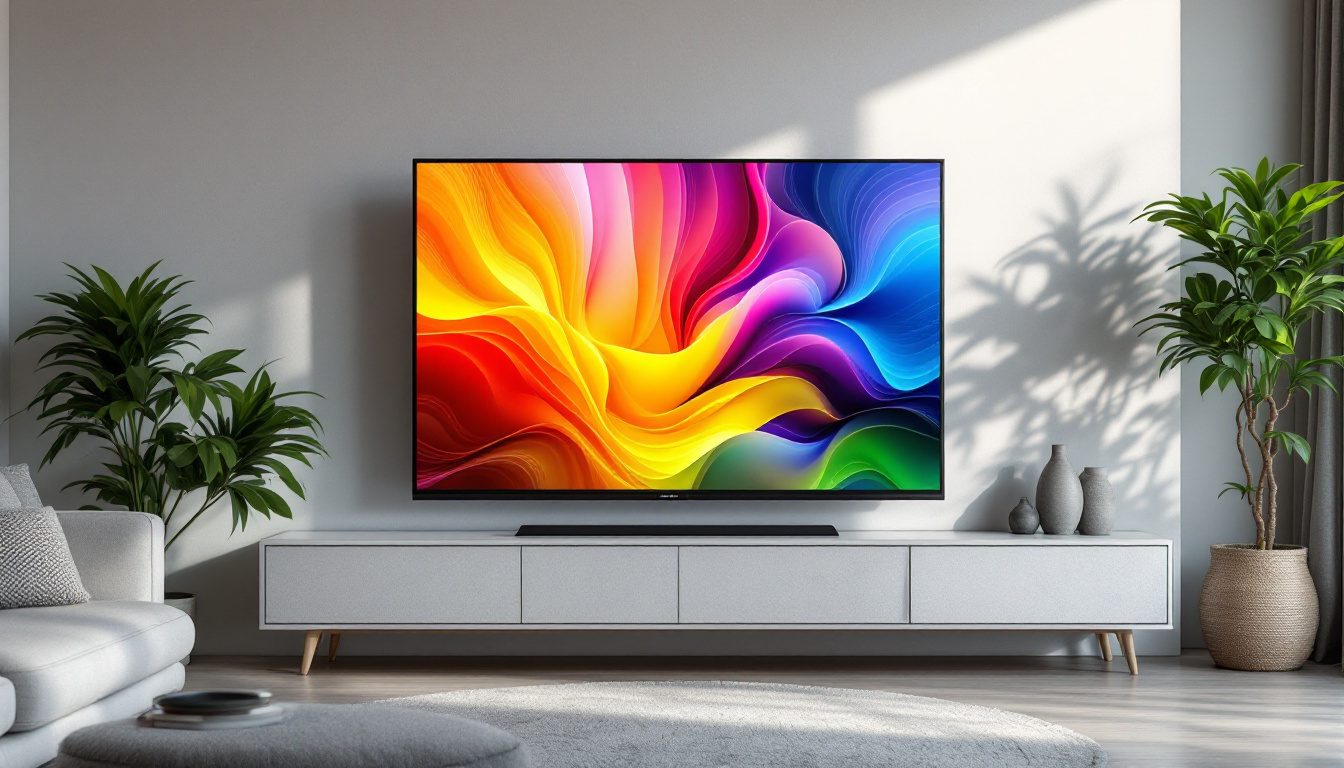
LCDs with LED backlighting dominate the consumer electronics market, powering televisions, computer monitors, laptops, tablets, and smartphones. Their balance of cost, performance, and energy efficiency makes them ideal for everyday use.
Premium smartphones and high-end televisions increasingly use OLED displays for their superior image quality and thin form factors.
Commercial and Industrial Uses
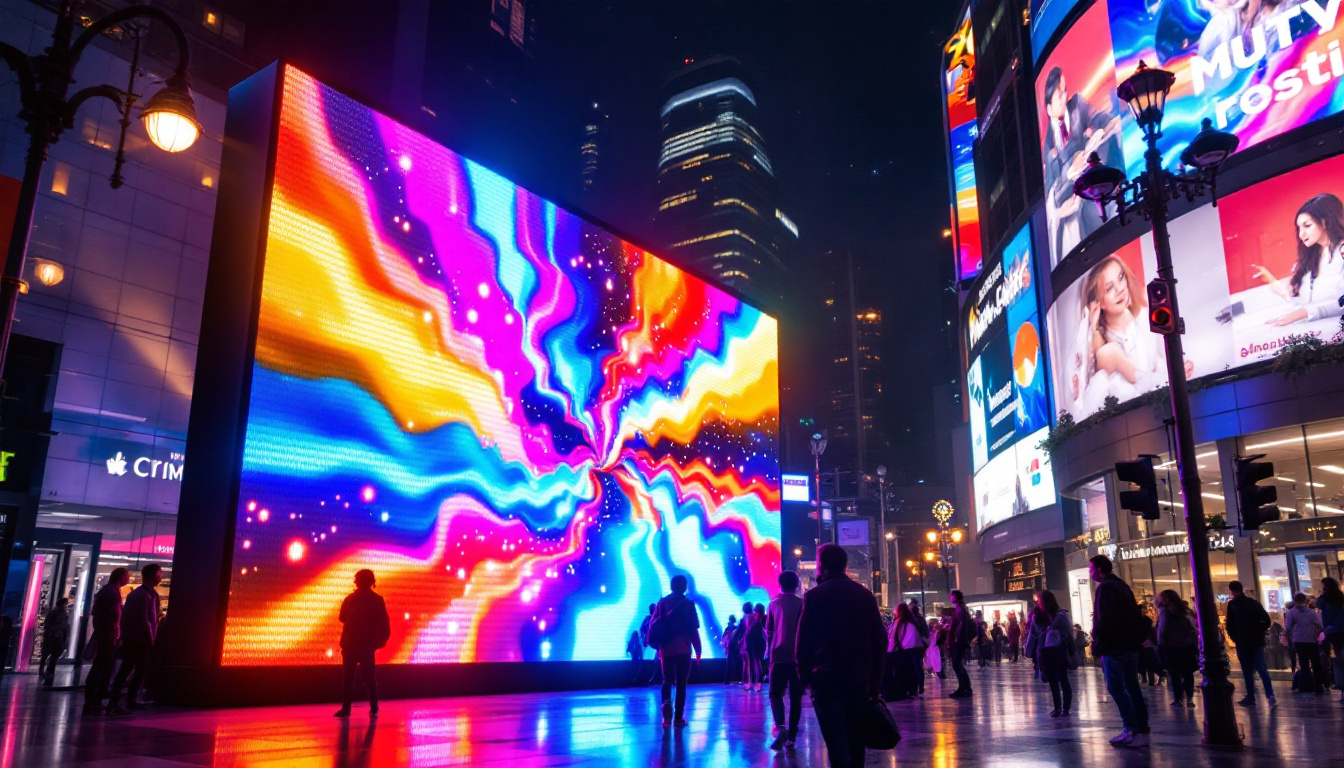
Large-scale LED displays are common in advertising, sports arenas, and public information systems. These displays use arrays of LEDs to create bright, durable, and scalable screens visible even in direct sunlight.
LCD panels are also widely used in industrial control systems, medical devices, and automotive dashboards due to their reliability and clarity.
Emerging Technologies and Future Trends
MicroLED technology is gaining traction as a potential successor to both LCD and OLED displays, combining the best features of each. Its high brightness, energy efficiency, and longevity make it suitable for next-generation TVs, augmented reality devices, and wearable technology.
Flexible and transparent LCD and OLED displays are also expanding the possibilities for innovative product designs, including foldable smartphones and heads-up displays.
Choosing Between LCD and LED Displays
When selecting a display, understanding the distinctions between LCD and LED technologies helps make an informed decision based on specific needs and preferences.
Considerations for Consumers
For most users, an LED-backlit LCD display offers excellent value, combining good picture quality with affordability and energy efficiency. They are suitable for everyday tasks, gaming, and media consumption.
If superior image quality, deeper blacks, and wider viewing angles are priorities, investing in an OLED display may be worthwhile, especially for home theaters or professional content creation.
Environmental Impact
LED-backlit LCDs consume less power than older CCFL-backlit models, contributing to lower energy bills and reduced environmental footprint. OLED and MicroLED displays can be even more energy-efficient, depending on usage patterns.
Recycling and disposal of displays remain important considerations, as both LCD and LED components contain materials that require proper handling.
Conclusion
In summary, LCD stands for Liquid Crystal Display, a technology that manipulates light through liquid crystals to create images. LED, or Light Emitting Diode, commonly refers to the backlighting used in modern LCD screens or to self-emitting pixel technologies like OLED and MicroLED.
Understanding these distinctions clarifies the capabilities and limitations of different display types. As technology advances, the lines between LCD and LED displays continue to blur, offering consumers a range of options tailored to various applications and budgets.
Whether choosing a new television, monitor, or mobile device, knowing what LCD and LED stand for and how they function empowers better purchasing decisions and appreciation of the technology behind the screens we use every day.
Discover Cutting-Edge LED Displays with LumenMatrix
Ready to experience the future of display technology? LumenMatrix is at the forefront of LED innovation, offering a wide array of LED display solutions that bring your content to life. From vibrant Indoor and Outdoor LED Wall Displays to dynamic Vehicle and Sports LED Displays, our products are designed to maximize brand visibility and audience engagement. Explore our LED Poster Displays, Floor LED Displays, and Custom LED solutions that cater to your unique needs. Embrace the revolution in visual communication with our All-in-One and Transparent LED Displays. Don’t just take our word for it; check out LumenMatrix LED Display Solutions today and see how we can transform your space into a captivating visual experience.