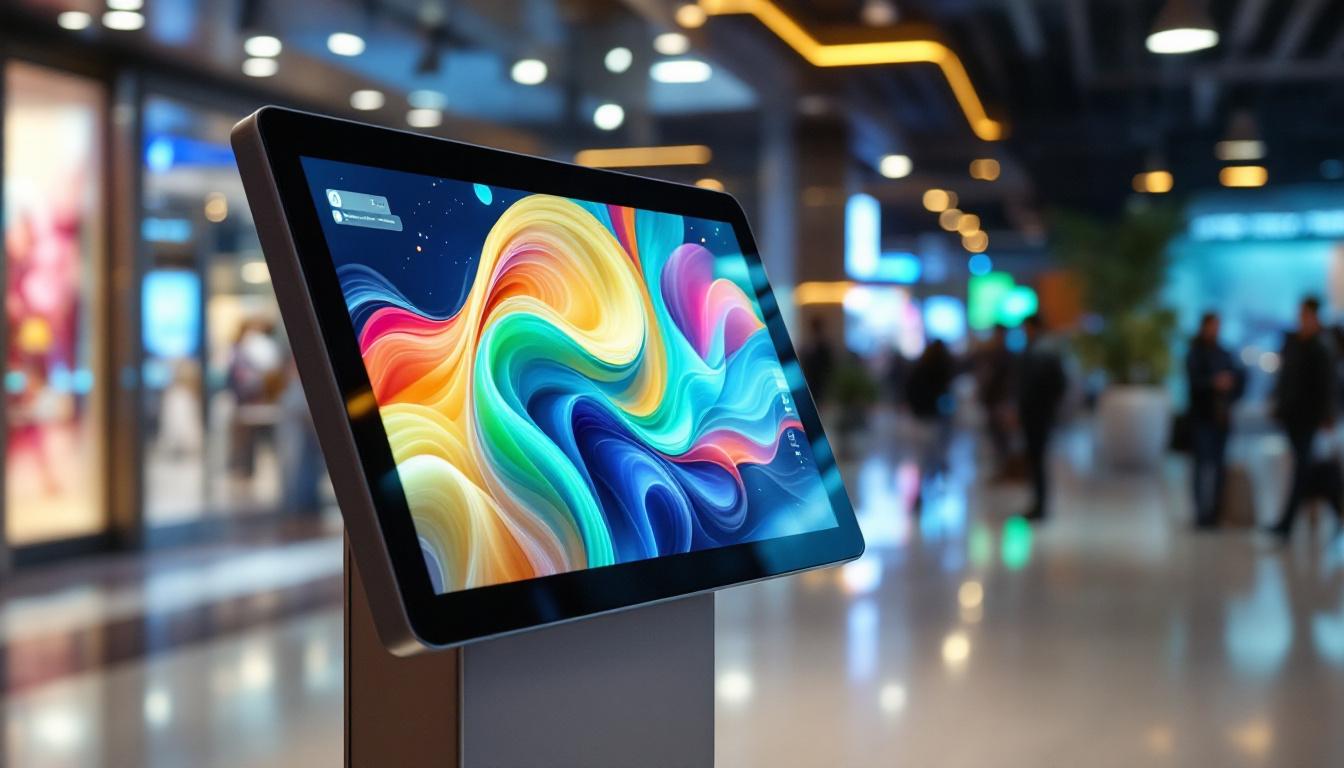
Touch screen kiosks have become an integral part of modern businesses, revolutionizing customer interaction across retail, hospitality, healthcare, and many other industries. At the heart of these kiosks lies the display technology, which directly influences user experience, durability, and ultimately, the cost of the unit. Among the various display technologies available, LED displays have emerged as a popular choice for touch screen kiosks due to their vibrant visuals and energy efficiency.
This article delves into the factors influencing touch screen kiosk prices, with a particular focus on LED display technology. Understanding these elements can help businesses make informed decisions when investing in kiosks that balance cost, performance, and longevity.
Understanding Touch Screen Kiosk Components and Pricing
Before exploring LED displays specifically, it’s essential to grasp the components that contribute to the overall price of a touch screen kiosk. A kiosk typically consists of the display panel, touch interface, enclosure, internal computing hardware, software, and connectivity modules.
Each component varies in quality and specification, affecting the final price. For instance, a kiosk with a high-resolution display and advanced touch technology will cost more than a basic model. Similarly, rugged enclosures designed for outdoor use increase manufacturing costs.
Display Panel Quality and Size
The display panel is often the most significant cost driver in a kiosk. Larger screens with higher resolutions and superior color accuracy command premium prices. Common sizes range from 10 inches for compact kiosks to over 55 inches for large-format digital signage.
LED displays, especially those using IPS (In-Plane Switching) technology, offer better viewing angles and color reproduction, which are crucial for kiosks in public spaces. The price per inch of LED panels has decreased over the past decade due to technological advancements, but high-end panels still represent a notable investment. Additionally, the brightness of the display is a critical factor, particularly for outdoor kiosks that must remain visible in direct sunlight. Displays with higher nits ratings are more expensive but provide better visibility and user engagement.
Touch Technology Variants
Touch interfaces include resistive, capacitive, infrared, and surface acoustic wave technologies. Capacitive touchscreens, which are typically paired with LED displays, provide multi-touch capabilities and higher sensitivity, enhancing user experience but increasing costs.
Resistive touchscreens, while cheaper, offer less clarity and durability, making them less suitable for high-traffic kiosks. The choice of touch technology directly impacts the kiosk’s price and usability. Furthermore, advancements in touch technology have led to the development of hybrid systems that combine the best features of different types, offering enhanced performance and durability at a premium price point. Such innovations can be particularly beneficial in environments where kiosks are subject to heavy use or potential damage.
Enclosure and Environmental Considerations
Kiosk enclosures must be designed to protect internal components from environmental factors such as dust, moisture, and vandalism. Outdoor kiosks require weatherproof and often temperature-controlled enclosures, which significantly elevate costs.
Materials like stainless steel or reinforced aluminum are common in durable kiosks, adding to the price but ensuring longevity and reduced maintenance. Additionally, the design of the enclosure can influence user interaction; for instance, kiosks with ergonomic designs that consider user height and accessibility features can enhance the overall experience. Custom branding options for enclosures also play a role in pricing, as businesses often seek to incorporate their logos and colors into the kiosk’s design to create a cohesive brand presence in public spaces. This not only adds to the aesthetic appeal but can also justify a higher price point due to increased visibility and marketing potential.
What Makes LED Displays Stand Out in Touch Screen Kiosks?
LED (Light Emitting Diode) displays have become the preferred choice for many kiosk manufacturers due to their unique advantages over traditional LCD or plasma displays. Understanding these benefits clarifies why LED technology influences kiosk pricing.
Brightness and Visibility
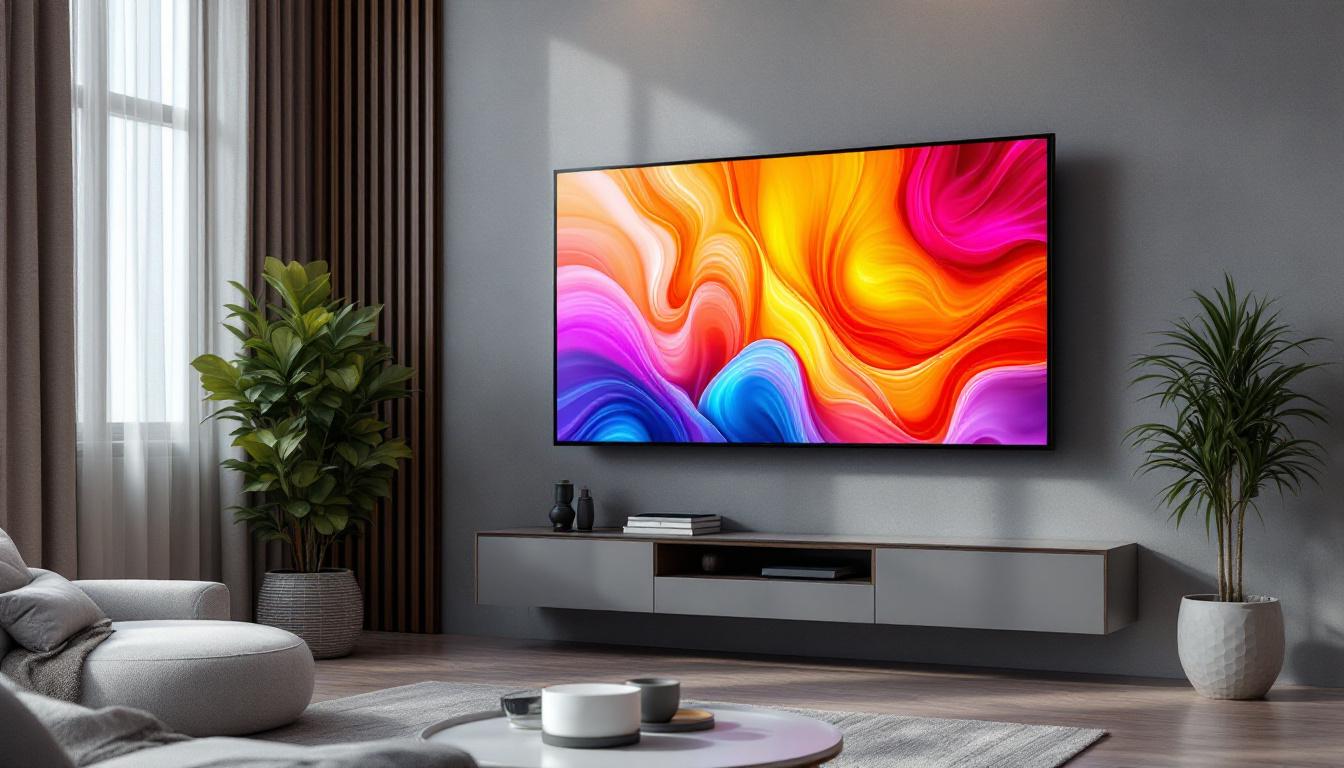
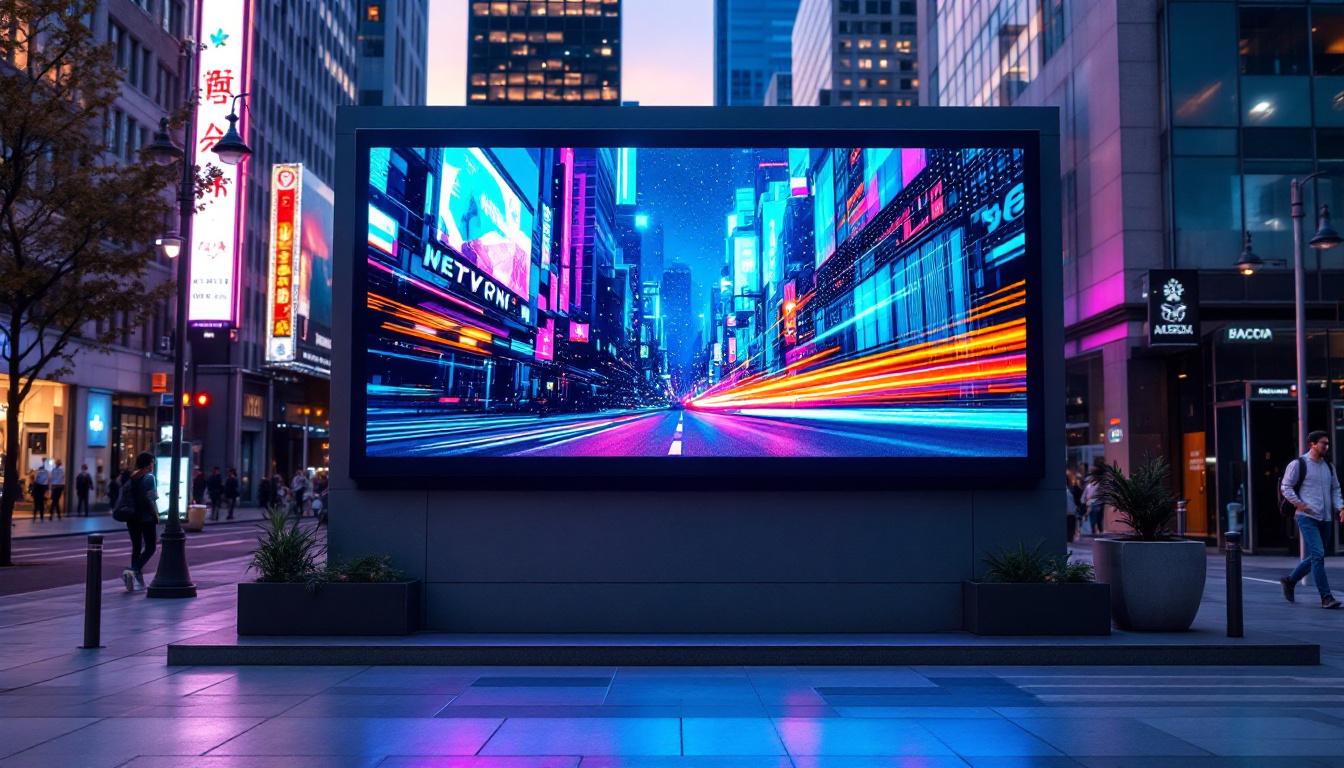
LED displays provide superior brightness levels, often exceeding 500 nits, which is essential for kiosks placed in brightly lit environments such as shopping malls or outdoor locations. This enhanced brightness ensures content remains visible and engaging regardless of ambient lighting conditions.
In comparison, older LCD technologies without LED backlighting struggle to maintain clarity under direct sunlight, limiting their usability in certain settings.
Energy Efficiency and Longevity
One of the most significant advantages of LED displays is their energy efficiency. LEDs consume less power than traditional backlighting methods, reducing operational costs over the kiosk’s lifespan. This efficiency is particularly beneficial for businesses deploying multiple kiosks or operating them continuously.
Additionally, LED displays boast longer lifespans, often rated for 50,000 to 100,000 hours of use, minimizing replacement frequency and maintenance expenses.
Color Accuracy and Contrast
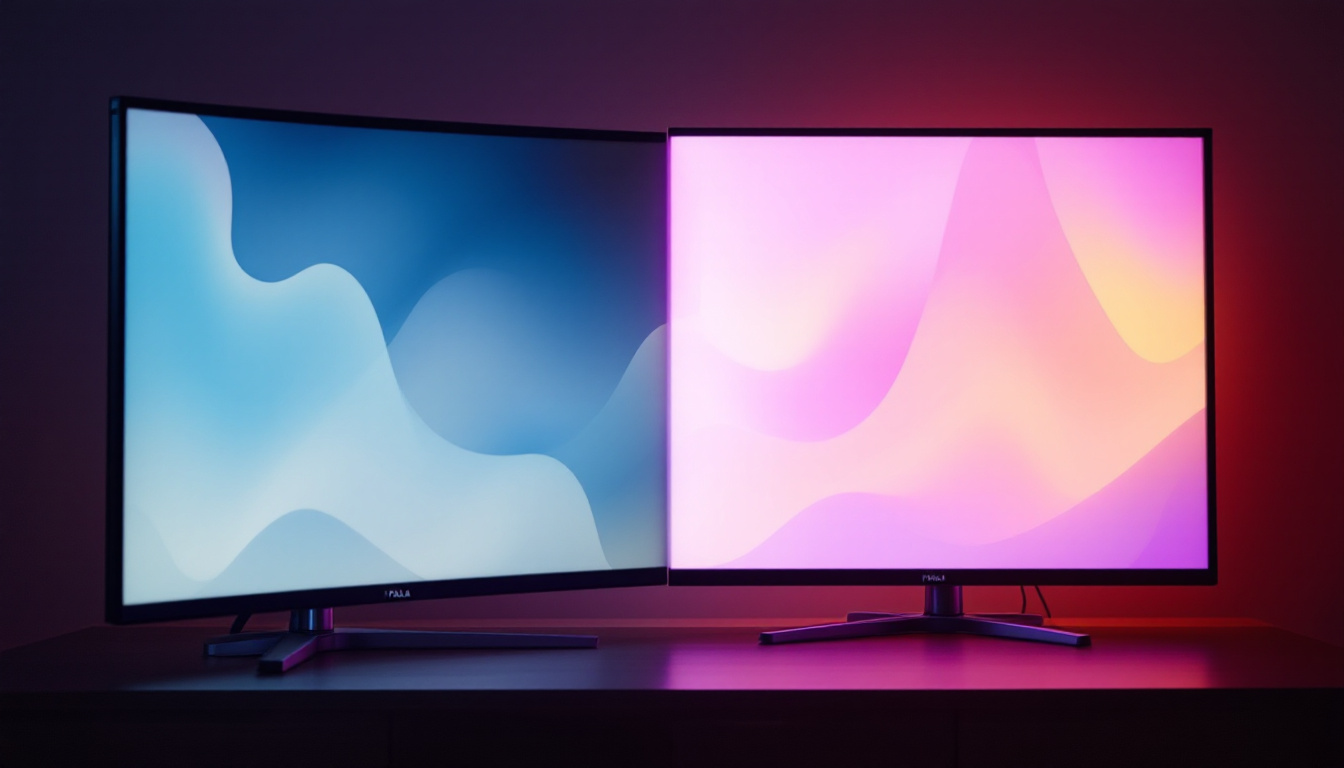
LED technology delivers better color accuracy and higher contrast ratios, which contribute to sharper images and more vibrant content. This quality is vital for kiosks used in advertising, product showcases, or informational displays where visual appeal drives engagement.
Improved contrast also enhances readability, reducing eye strain for users and making interactions more intuitive.
Factors Influencing the Price of LED Touch Screen Kiosks
While LED displays provide numerous advantages, they also contribute to the overall cost of touch screen kiosks. Several factors determine how much a kiosk with an LED display will cost.
Screen Size and Resolution
Larger LED screens with higher resolutions naturally cost more. For example, a 32-inch LED touch screen kiosk with Full HD (1920×1080) resolution may range from $1,500 to $3,000, whereas a 55-inch 4K (3840×2160) model can exceed $7,000 depending on additional features.
Businesses must balance the need for screen size and resolution against budget constraints and intended use cases.
Touchscreen Technology and Sensitivity
Capacitive touchscreens with multi-touch capabilities are more expensive than single-touch or resistive alternatives. The integration of advanced touch sensors, such as projected capacitive (PCAP) technology, adds to the cost but significantly improves user experience.
For kiosks requiring precise input or gesture recognition, investing in superior touch technology is justified despite the higher price.
Durability and Environmental Protection
Outdoor LED kiosks require additional features such as anti-glare coatings, waterproof seals, and temperature regulation systems. These enhancements increase manufacturing complexity and cost.
For instance, an outdoor-rated LED kiosk can cost 30-50% more than an indoor counterpart due to these ruggedization requirements.
Hardware and Software Integration
The internal computing hardware, including processors, memory, and storage, influences the kiosk’s price. High-performance components enable smoother operation of interactive applications but add to costs.
Moreover, customized software solutions tailored to specific business needs can raise the overall investment but provide better functionality and return on investment.
Market Trends and Pricing Insights for LED Touch Screen Kiosks
The touch screen kiosk market has witnessed steady growth, driven by increasing demand for self-service solutions and digital transformation initiatives. According to recent industry reports, the global kiosk market is expected to grow at a compound annual growth rate (CAGR) of approximately 9.5% between 2023 and 2028.
This growth fuels innovation in LED display technology, leading to improved features and more competitive pricing.
Price Evolution Over Time
Over the past decade, LED display prices have decreased by nearly 40%, making high-quality touch screen kiosks more accessible to small and medium-sized businesses. This trend is attributed to advancements in manufacturing processes and economies of scale.
However, supply chain disruptions and rising raw material costs in recent years have introduced some price volatility, emphasizing the importance of timely procurement and vendor relationships.
Customization and Scalability
Many kiosk manufacturers now offer modular designs that allow businesses to customize LED display sizes, touch technologies, and enclosure types. While customization can increase upfront costs, it ensures the kiosk aligns closely with operational requirements, maximizing value.
Scalable solutions also enable phased deployments, spreading investment over time and reducing financial risk.
Choosing the Right LED Touch Screen Kiosk for Your Business
Selecting the appropriate LED touch screen kiosk involves balancing price with performance, durability, and user experience. Understanding the specific needs of the business environment is crucial.
Assessing Use Case and Environment
Indoor kiosks used for wayfinding or ticketing may prioritize screen resolution and touch responsiveness over ruggedness. Conversely, outdoor kiosks require weatherproofing and anti-glare displays, which affect pricing and maintenance.
Evaluating foot traffic, user demographics, and intended applications helps define the optimal kiosk specifications.
Budget Considerations and Total Cost of Ownership
While initial purchase price is important, businesses should consider total cost of ownership (TCO), including energy consumption, maintenance, software updates, and potential downtime. LED displays’ energy efficiency and longevity often reduce TCO despite higher upfront costs.
Engaging with reputable vendors who provide warranties and support services can further protect the investment.
Future-Proofing and Integration
Choosing kiosks with flexible connectivity options and software compatibility ensures adaptability to evolving business needs. LED displays that support emerging technologies such as 4K content, touchless interaction, or AI-driven analytics can provide competitive advantages.
Investing in scalable and upgradeable kiosks mitigates obsolescence and maximizes long-term value.
Conclusion
LED display technology plays a pivotal role in determining the price and performance of touch screen kiosks. Its advantages in brightness, energy efficiency, color accuracy, and durability make it a preferred choice for many applications, albeit at a higher initial cost compared to older technologies.
Understanding the factors influencing kiosk pricing—from screen size and touch technology to environmental protection and software integration—enables businesses to make informed purchasing decisions. By carefully assessing operational requirements and considering total cost of ownership, organizations can select LED touch screen kiosks that deliver excellent user experiences, operational efficiency, and long-term value.
As the kiosk market continues to evolve, staying informed about technological advancements and market trends will help businesses capitalize on the benefits of LED displays while managing investment costs effectively.
Discover the Future of Visual Engagement with LumenMatrix
Ready to elevate your customer interactions and enhance your brand’s visual impact? Explore LumenMatrix’s comprehensive range of LED display solutions tailored to meet your business needs. From captivating Indoor LED Walls to dynamic Outdoor Displays and innovative Custom LED solutions, LumenMatrix is at the forefront of transforming spaces with exceptional clarity and immersive experiences. Don’t miss the opportunity to redefine your visual communication strategy. Check out LumenMatrix LED Display Solutions today and step into the future of digital signage.