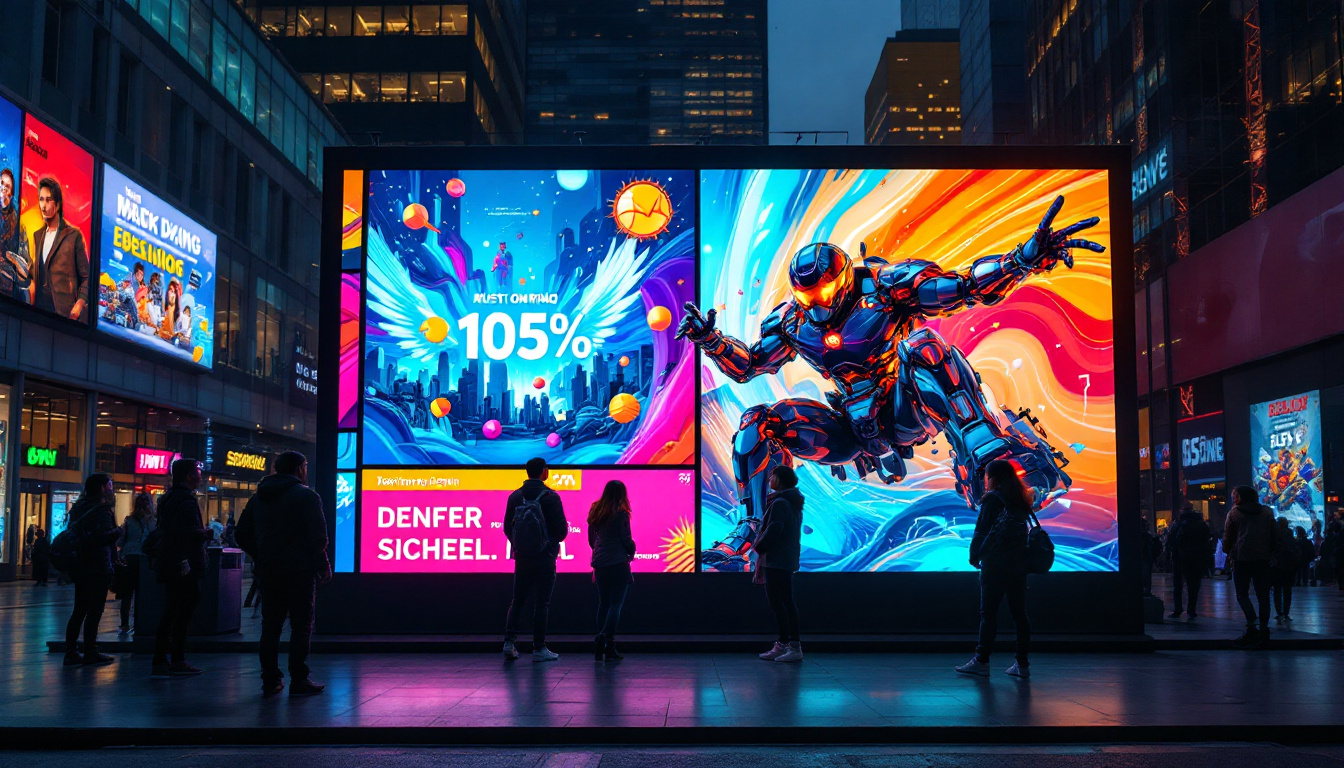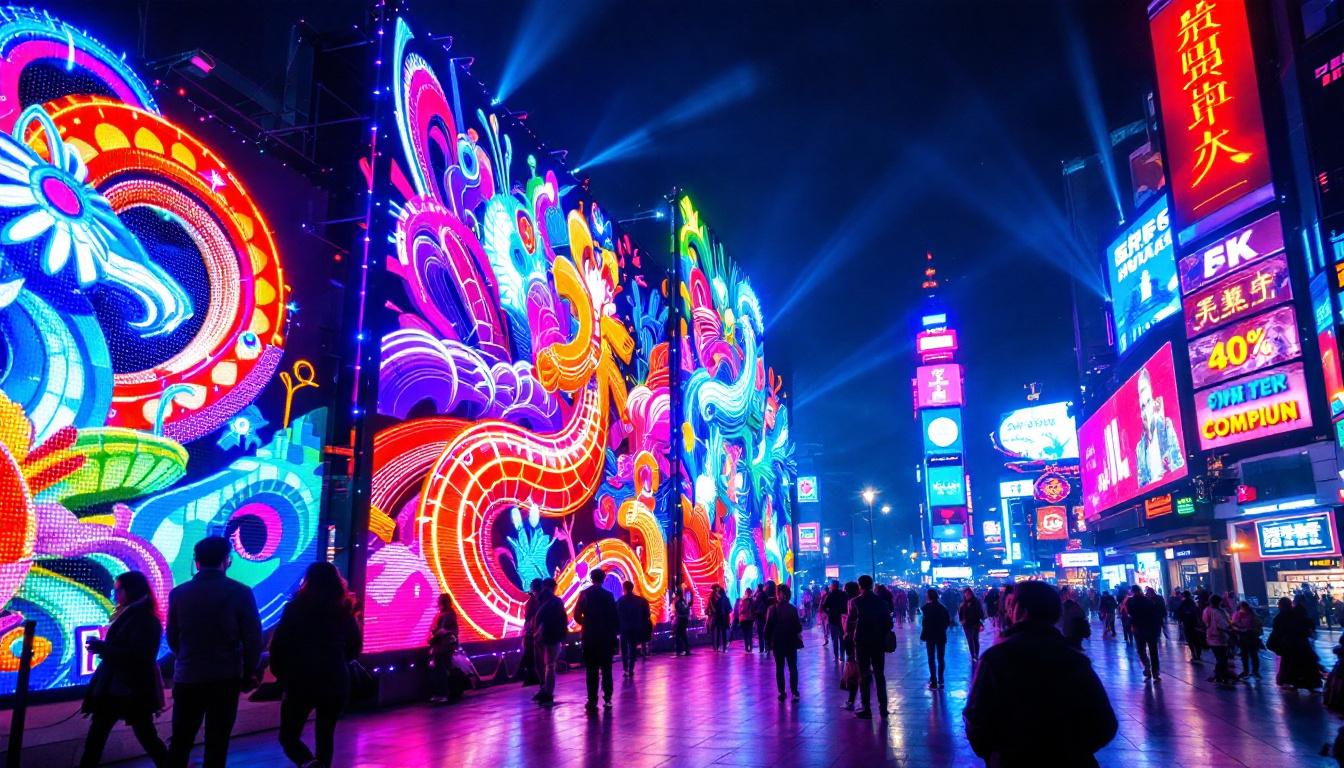
In today’s fast-paced world, capturing consumer attention is more challenging than ever. Traditional billboards and static signage have given way to dynamic, eye-catching digital displays that can adapt in real time. Among these, outdoor digital advertising screens using LED technology have emerged as a dominant force. This article explores the fundamentals of LED displays, their advantages, and why they are revolutionizing outdoor advertising.
What is an Outdoor LED Display?
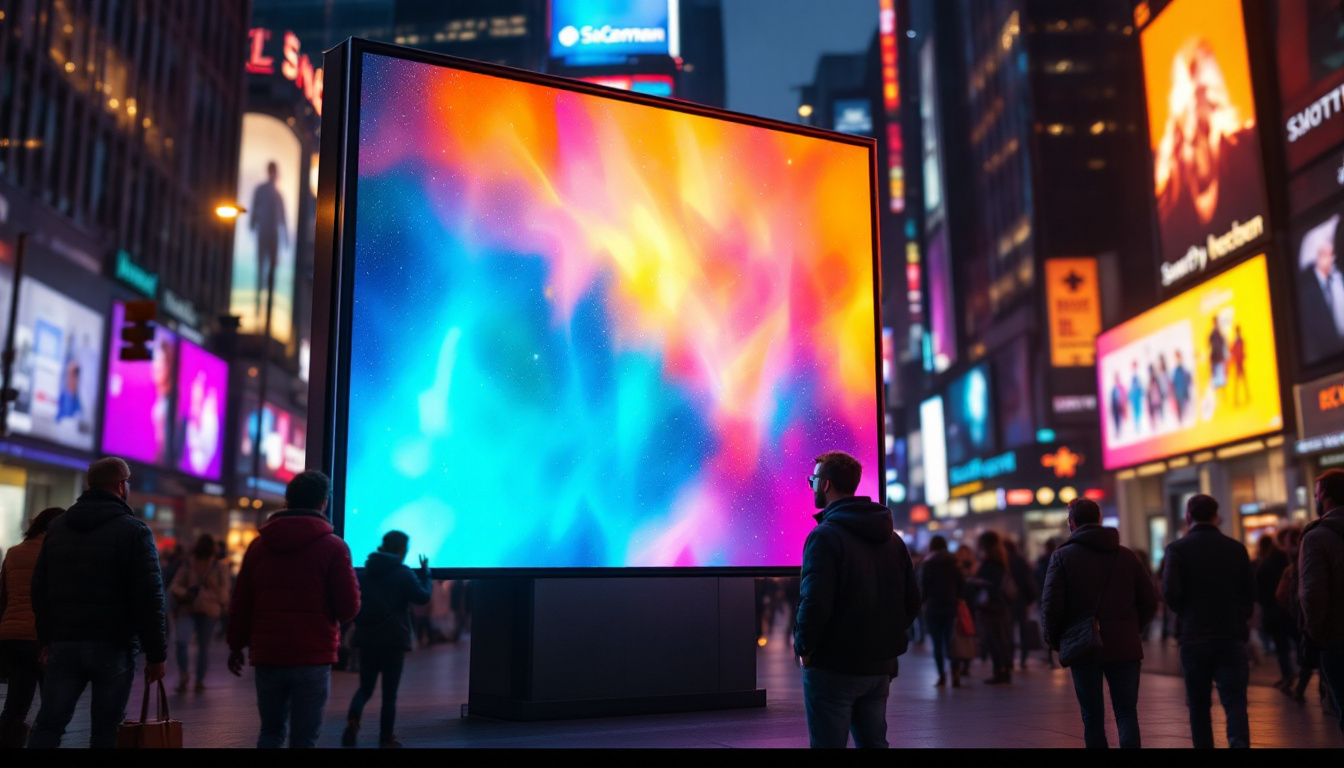
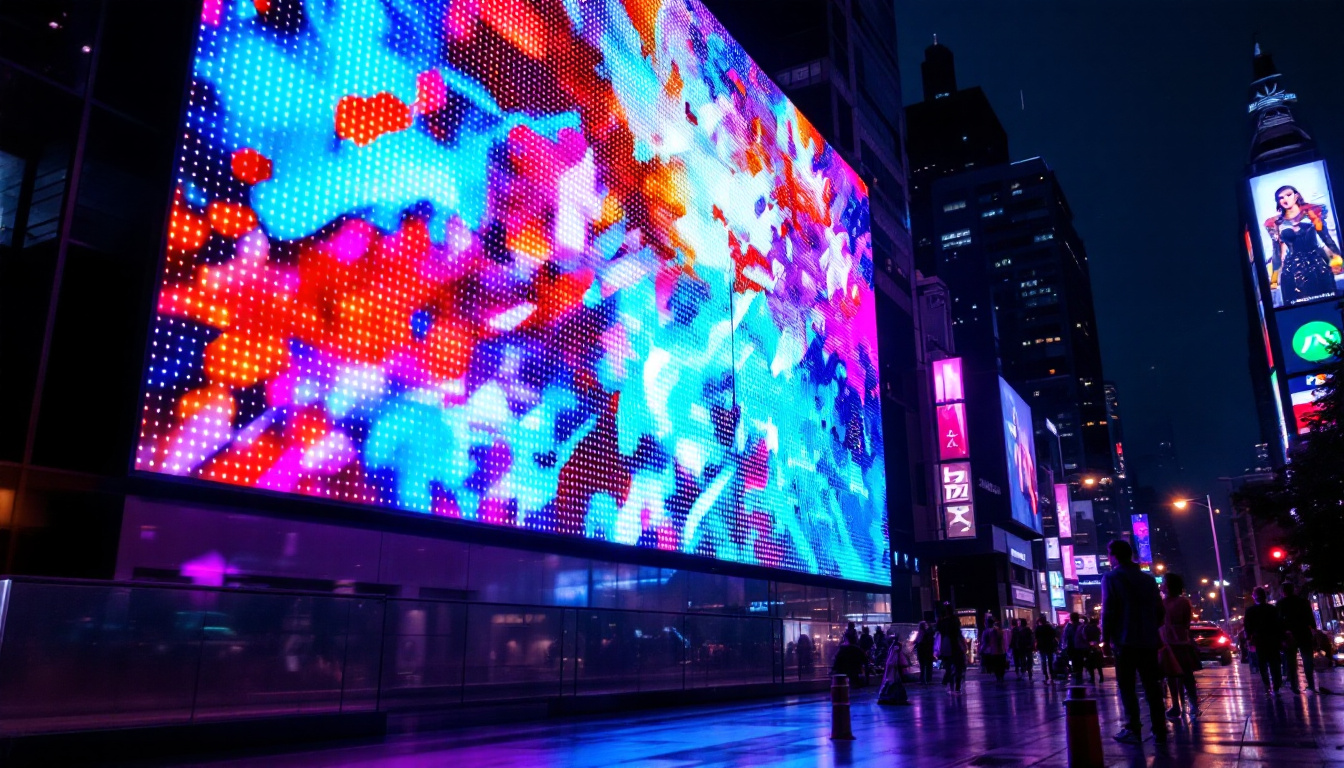
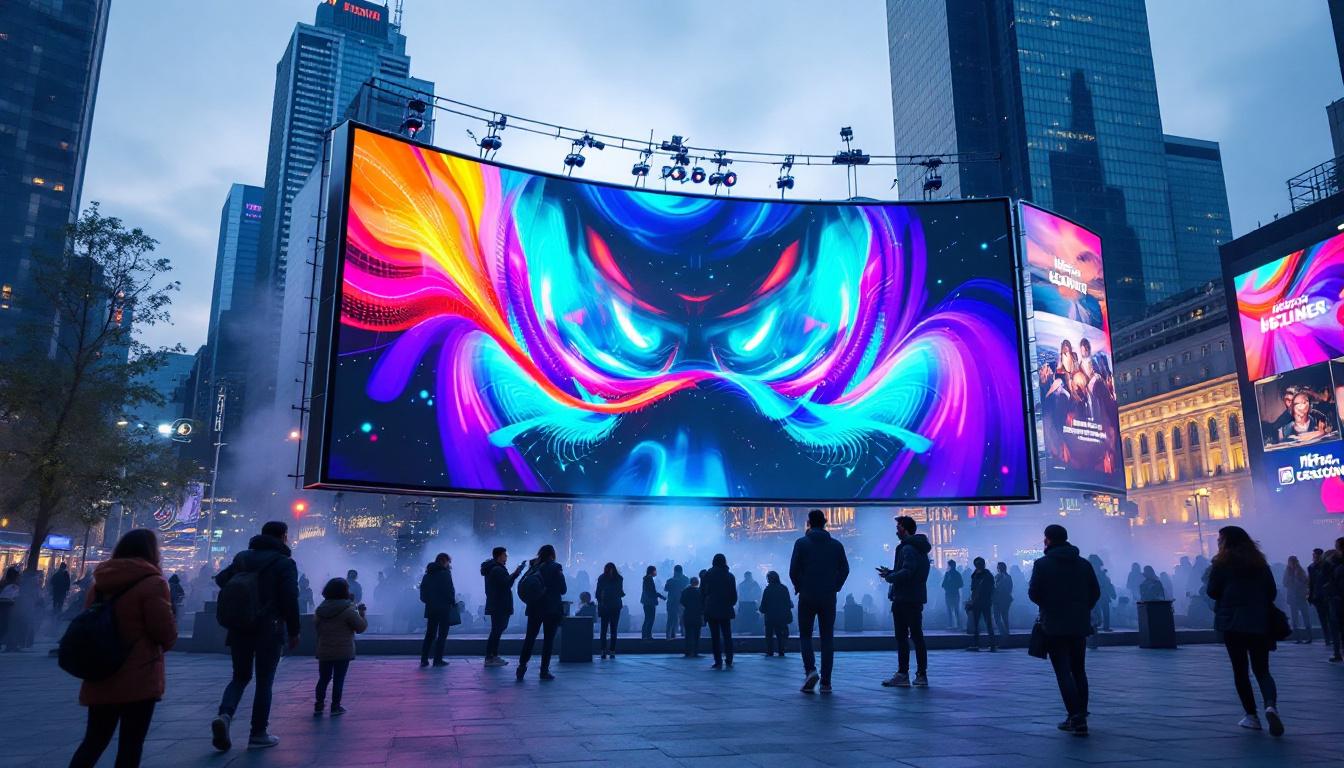
An outdoor LED display is a large-format digital screen composed of light-emitting diodes (LEDs) arranged in a matrix to display images, videos, and text. Unlike traditional printed billboards, LED displays can change content instantly, offering advertisers flexibility and creative freedom. This capability allows businesses to tailor their messages in real-time, adapting to different audiences and times of day, which can significantly enhance engagement and drive foot traffic.
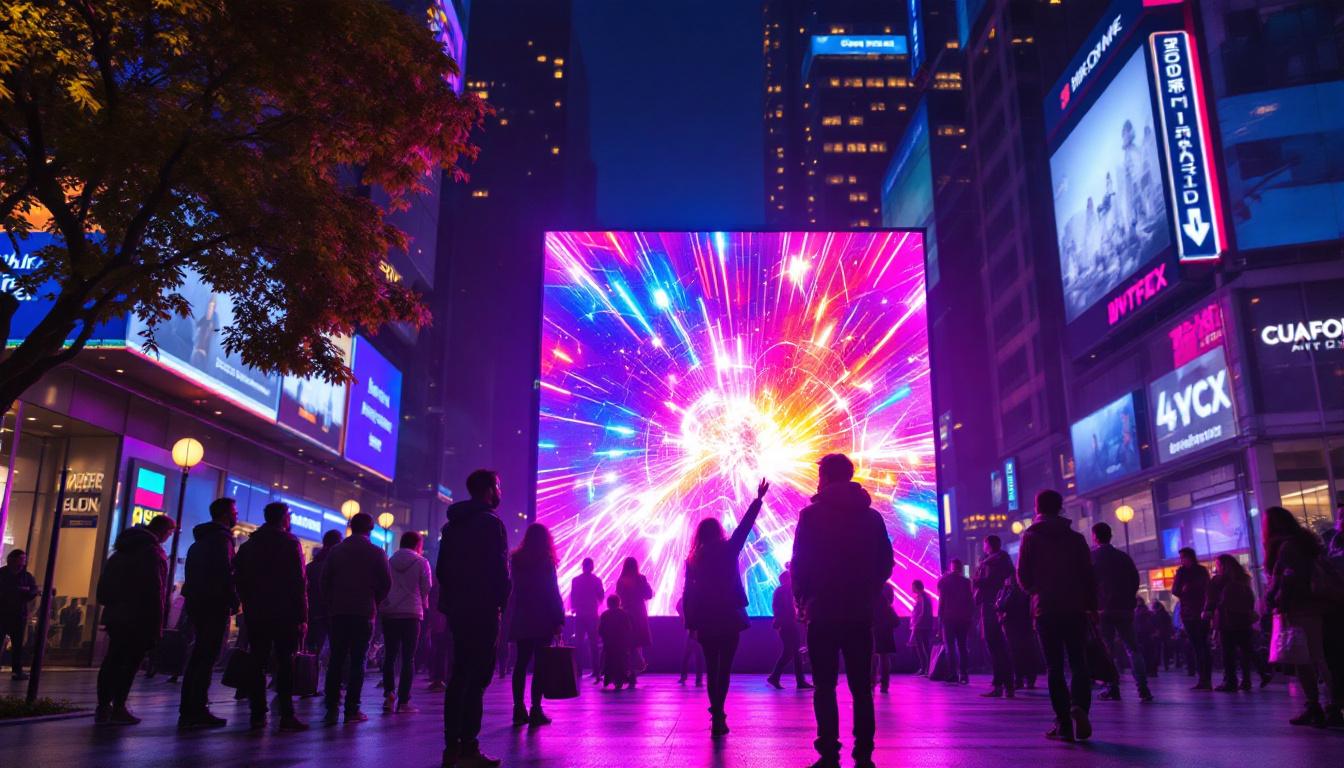
These screens are specifically designed to withstand outdoor conditions such as rain, wind, dust, and extreme temperatures. Their brightness levels are significantly higher than indoor screens, ensuring visibility even in direct sunlight. Outdoor LED displays come in various sizes and resolutions, from small digital signs outside retail stores to massive screens in stadiums and urban centers. The versatility of these displays makes them ideal for various applications, including advertising, public announcements, and entertainment, effectively capturing the attention of passersby and creating memorable visual experiences.
How LED Technology Works
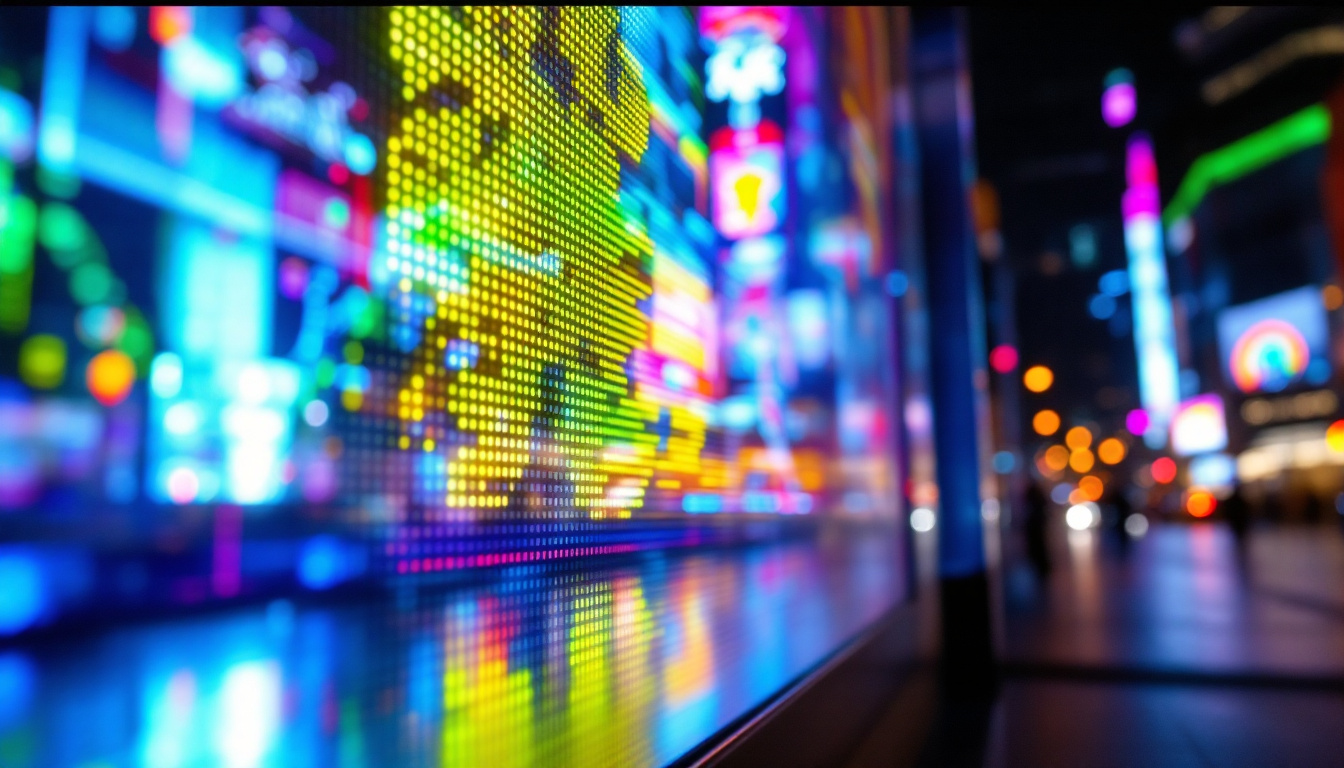
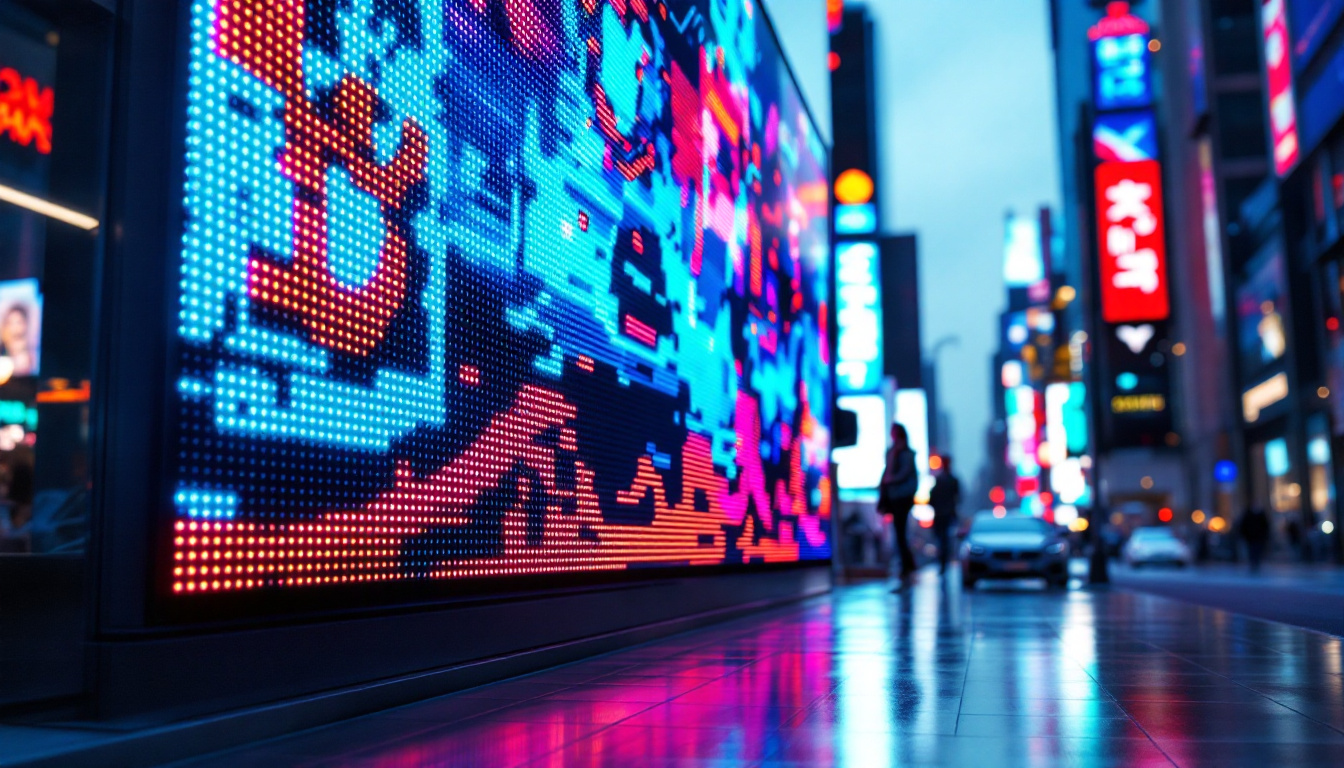
LEDs are semiconductor devices that emit light when an electric current passes through them. In an LED display, thousands or even millions of these tiny diodes are grouped into pixels. Each pixel typically contains red, green, and blue LEDs, which combine to produce a full spectrum of colors through varying intensities. This color mixing capability allows for vibrant and dynamic visuals that can convey a wide range of messages and emotions, making them an effective medium for storytelling and brand promotion.
The screen’s controller manages these pixels to render images and videos. Because LEDs emit their own light, they do not require backlighting like LCDs, resulting in better contrast, energy efficiency, and durability. Additionally, advancements in LED technology have led to the development of high-definition displays that offer sharper images and smoother video playback. Features such as pixel pitch, which refers to the distance between the centers of adjacent pixels, play a crucial role in determining the display’s resolution and viewing distance, allowing for tailored solutions that meet specific project requirements.
Key Advantages of Outdoor LED Advertising Screens
Outdoor LED displays offer numerous benefits over traditional advertising methods and other digital technologies. These advantages explain their growing popularity among marketers and city planners alike.
High Visibility and Brightness
One of the most critical factors for outdoor advertising is visibility. LED displays can reach brightness levels of up to 8,000 nits or more, which is several times brighter than typical indoor screens. This ensures content remains clear and vibrant even under direct sunlight, a crucial feature for outdoor environments.
Moreover, many LED screens come with automatic brightness adjustment sensors that adapt the display’s luminance based on ambient light conditions, optimizing visibility while conserving energy.
Dynamic and Flexible Content
Unlike static billboards, LED screens allow advertisers to update content instantly and remotely. This flexibility enables real-time promotions, event announcements, and interactive campaigns that can respond to current events or consumer behavior.
For example, a retail chain can display different advertisements throughout the day, targeting morning commuters with coffee deals and evening shoppers with dinner specials. This adaptability maximizes advertising impact and return on investment.
Durability and Weather Resistance
Outdoor LED displays are engineered to withstand harsh weather conditions. They are typically encased in weatherproof housings rated with an IP65 or higher standard, protecting against dust and water ingress.
Additionally, these screens are designed to operate reliably across a wide temperature range, often from -20°C to 50°C (-4°F to 122°F), making them suitable for diverse climates worldwide.
Energy Efficiency
Compared to older lighting technologies like neon or incandescent bulbs, LEDs consume significantly less power. Advances in LED technology have further improved energy efficiency, reducing operational costs for advertisers and municipalities.
Some LED displays incorporate energy-saving features such as motion sensors that dim the screen when no one is nearby or during low-traffic hours, further enhancing sustainability.
Types of Outdoor LED Displays
Understanding the different types of LED displays helps advertisers select the right solution for their specific needs and environments.
Fixed Outdoor LED Screens
Fixed LED screens are permanently installed at a specific location, such as building facades, stadiums, or highway billboards. These installations are ideal for long-term advertising campaigns and brand visibility.
Because they are stationary, fixed screens often have higher resolution and pixel density, delivering crisp images and detailed content that can be viewed from varying distances.
Mobile LED Displays
Mobile LED displays are mounted on vehicles or trailers, allowing advertisers to bring their message to different locations. These are popular for events, festivals, and temporary promotions where flexibility and mobility are essential.
Though typically smaller than fixed screens, mobile LED displays still offer excellent brightness and visibility, making them effective for capturing attention on the move.
Transparent LED Screens
Transparent LED screens are a newer innovation that integrates LED panels with glass surfaces. These screens can be installed on storefront windows or building exteriors without blocking natural light or views.
This technology enables advertisers to create immersive digital experiences that blend seamlessly with architectural elements, offering a futuristic approach to outdoor advertising.
Choosing the Right Outdoor LED Display
Selecting the appropriate LED display involves evaluating several factors to ensure the investment meets marketing goals and operational requirements.
Pixel Pitch and Resolution
Pixel pitch refers to the distance between the centers of adjacent pixels, usually measured in millimeters. A smaller pixel pitch means higher resolution and sharper images, which is essential for displays viewed up close.
For outdoor advertising, pixel pitch typically ranges from 4mm to 20mm. For example, a billboard visible from a highway might use a 16mm pitch, while a screen outside a retail store might require a 6mm pitch for detailed visuals.
Screen Size and Viewing Distance
The size of the LED screen should correspond to the intended viewing distance. Larger screens are necessary for locations where viewers are far away, such as highways or stadiums. Conversely, smaller screens work well in urban settings where pedestrians are closer.
Calculating the optimal screen size and resolution ensures content is legible and impactful without unnecessary expense.
Brightness and Weather Protection
Outdoor screens must have sufficient brightness to overcome ambient light, especially in sunny environments. Choosing a display with adjustable brightness and high nit levels is crucial.
Additionally, verifying the screen’s IP rating and build quality guarantees it will endure local weather patterns, reducing maintenance and downtime.
Installation and Maintenance
Consideration should be given to the installation process, including structural support, electrical requirements, and accessibility for maintenance. Some LED displays offer modular designs that simplify repairs and upgrades.
Regular maintenance, such as cleaning and software updates, is essential to keep the display functioning optimally and prolong its lifespan.
Impact of Outdoor LED Advertising on Marketing
Outdoor LED advertising has transformed how brands communicate with consumers in public spaces. Its dynamic nature and high visibility create unique opportunities for engagement.
Increased Engagement and Recall
Studies have shown that digital billboards and LED displays increase consumer engagement by up to 400% compared to static signs. The ability to display motion, video, and vibrant colors captures attention more effectively.
Moreover, dynamic content enhances message recall, making it more likely that viewers remember the brand or promotion.
Real-Time and Targeted Campaigns
With remote content management, advertisers can deploy real-time campaigns that respond to weather, traffic conditions, or social events. For instance, a coffee shop might advertise hot drinks on a cold morning or promote ice-cold beverages during a heatwave.
This level of targeting increases relevance and improves conversion rates.
Environmental and Economic Benefits
While digital displays consume electricity, their ability to consolidate multiple messages into one screen reduces the need for printed materials and frequent replacements, lowering environmental impact.
Economically, LED advertising offers a higher return on investment through enhanced flexibility, reduced production costs, and greater audience reach.
Future Trends in Outdoor LED Advertising
The outdoor LED advertising industry continues to evolve rapidly, driven by technological advancements and changing consumer expectations.
Integration with Artificial Intelligence and Data Analytics
Emerging LED displays are incorporating AI and data analytics to optimize content delivery. These systems analyze audience demographics, traffic patterns, and environmental data to tailor advertisements in real time, maximizing effectiveness.
Interactive and Augmented Reality Experiences
Interactive LED screens that respond to touch, gesture, or mobile devices are gaining popularity. Augmented reality (AR) integration allows brands to create immersive experiences that blend digital content with the physical environment, enhancing consumer engagement.
Energy Harvesting and Sustainable Technologies
Future LED displays may incorporate solar panels or energy harvesting technologies to reduce reliance on grid power, aligning with global sustainability goals. Advances in LED efficiency will continue to lower operational costs and environmental impact.
Conclusion
Outdoor digital advertising screens powered by LED technology represent a powerful tool for modern marketers. Their brightness, flexibility, and durability make them ideal for capturing attention in diverse outdoor environments. By understanding the technology, types, and strategic considerations, businesses can leverage LED displays to create impactful campaigns that resonate with audiences and drive results.
As innovations continue to emerge, outdoor LED advertising will remain at the forefront of digital marketing, offering exciting possibilities for creativity and engagement in public spaces.
Discover LumenMatrix’s Innovative LED Solutions
Ready to elevate your outdoor advertising strategy with the latest in LED technology? Look no further than LumenMatrix, a pioneer in crafting LED display modules that not only boost your brand’s visibility but also captivate your audience with mesmerizing visual experiences. From versatile Indoor and Outdoor LED Wall Displays to Mobile Vehicle LED Displays, and from engaging LED Sports Displays to Custom and All-in-One LED solutions, LumenMatrix is at the forefront of redefining visual communication. Experience the transformative power of our LED displays and let your message shine with unparalleled clarity and impact. Check out LumenMatrix LED Display Solutions today and join the revolution in digital marketing.