In the rapidly evolving world of digital displays, LED technology continues to dominate due to its versatility, brightness, and energy efficiency. Among the many terms associated with LED screens, “Pixel Matrix Mesh” stands out as a critical concept that influences display quality, flexibility, and application. This article delves into the fundamentals of pixel matrix mesh, exploring its structure, function, and impact on LED display performance.
Understanding the Basics: What Is a Pixel Matrix Mesh?
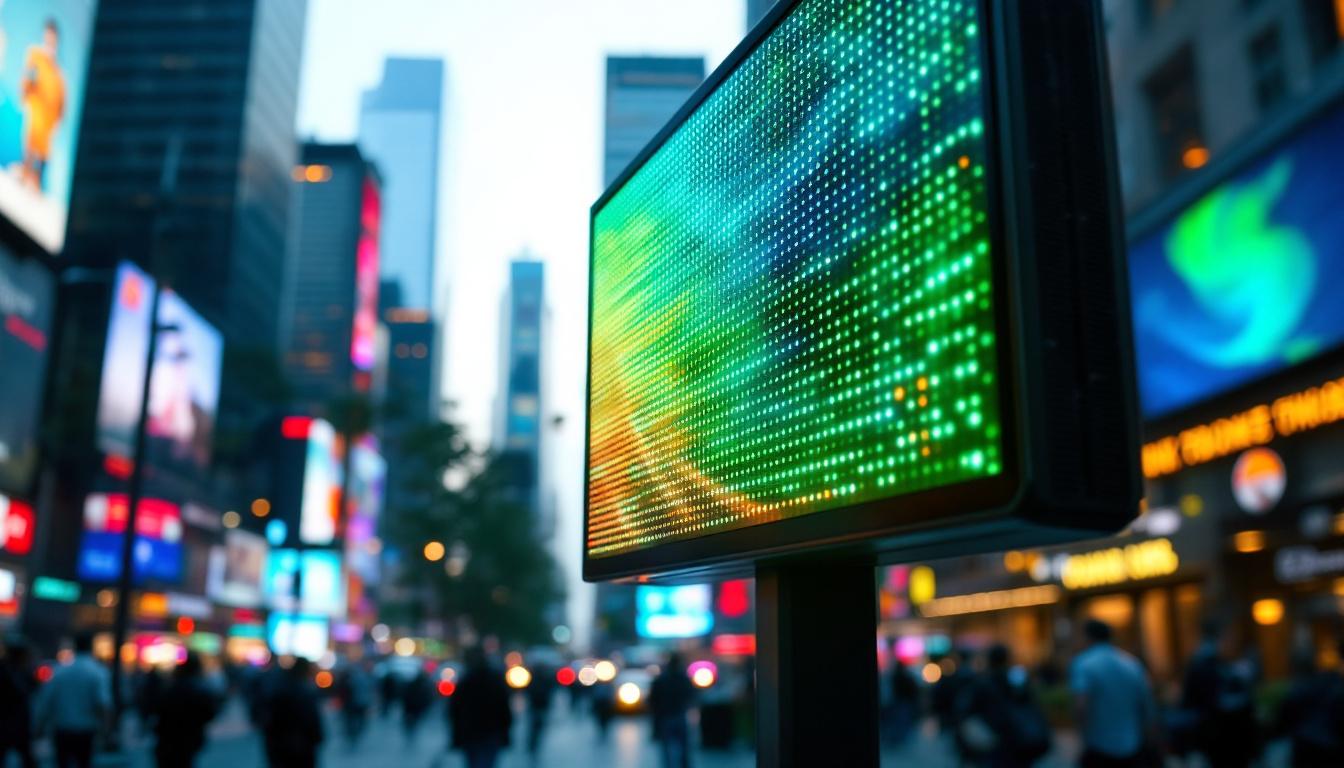
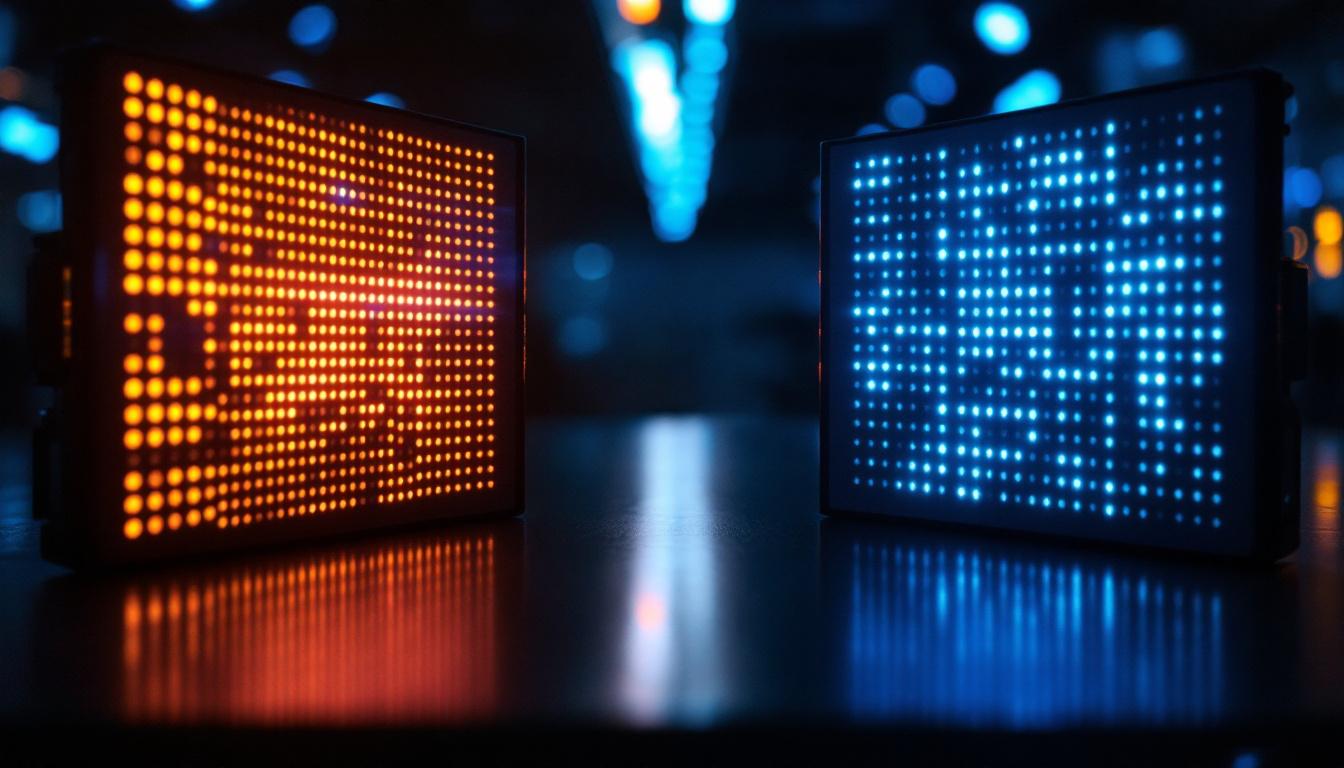
The term “pixel matrix mesh” refers to the arrangement of pixels—tiny light-emitting elements—organized in a grid-like pattern to form an LED display. Each pixel acts as a single point of light, which, when combined with thousands or millions of others, creates images, videos, and dynamic content.
At its core, a pixel matrix is a two-dimensional array where rows and columns intersect to define the position of each pixel. The “mesh” aspect emphasizes the interconnectedness of these pixels, often linked via wiring or circuitry that controls their illumination and color output. This mesh must be precisely engineered to ensure consistent brightness, accurate color reproduction, and seamless image rendering.
LED displays rely on this pixel matrix to deliver high-resolution visuals. The density of pixels—commonly measured in pixels per inch (PPI) or pixel pitch (the distance between pixels)—directly affects the display’s sharpness and clarity. A finer pixel pitch means more pixels per unit area, resulting in crisper images, especially important for close viewing distances.
Pixel Pitch: The Key to Visual Quality
Pixel pitch is a critical metric in the pixel matrix mesh design. It defines the physical distance between the centers of two adjacent pixels, usually measured in millimeters. For example, a pixel pitch of 1.5 mm indicates very tight pixel spacing, ideal for indoor displays where viewers are close to the screen.
Conversely, larger pixel pitches (such as 10 mm or more) are common in outdoor LED displays, where viewers are typically farther away. These displays prioritize brightness and durability over ultra-fine resolution. Understanding pixel pitch helps designers and buyers select the right LED display for specific use cases, balancing cost, quality, and viewing distance.
How Pixel Matrix Mesh Influences LED Display Performance
The configuration of the pixel matrix mesh has a profound impact on several performance aspects of LED displays, including resolution, brightness uniformity, color accuracy, and refresh rate. Each of these factors plays a vital role in delivering an immersive and visually appealing experience.
Resolution and Image Clarity
Resolution is determined by the total number of pixels arranged in the matrix. A higher resolution means more pixels are packed into the display, allowing for finer detail and smoother images. For instance, a 1920×1080 pixel matrix mesh contains over two million pixels, enabling full HD video playback with excellent clarity.
In large-format LED displays, such as stadium screens or digital billboards, achieving high resolution requires sophisticated pixel matrix designs that balance pixel density with physical size and cost. Manufacturers often use modular panels that can be combined to form larger displays without compromising pixel alignment.
Brightness and Uniformity
Brightness is a hallmark advantage of LED displays, often measured in nits (cd/m²). The pixel matrix mesh must ensure that each pixel emits consistent light intensity to avoid patchiness or uneven brightness across the screen. This uniformity is achieved through precise calibration and high-quality LED components.
Outdoor LED displays, for example, may reach brightness levels exceeding 5,000 nits to remain visible under direct sunlight. The pixel matrix mesh design must accommodate thermal management and power distribution to maintain such performance without degrading pixel lifespan.
Color Accuracy and Gamut
Each pixel in an LED display typically consists of red, green, and blue sub-pixels. By varying the intensity of these sub-pixels, the display can produce a wide range of colors. The pixel matrix mesh must support fine control over these sub-pixels to achieve accurate color reproduction and a broad color gamut.
Advancements in LED materials and driver technology have expanded the color capabilities of pixel matrices, enabling vibrant, true-to-life images. This is especially crucial in applications like digital signage, retail displays, and broadcast studios, where color fidelity influences viewer engagement and brand perception.
Refresh Rate and Motion Handling
The refresh rate, measured in hertz (Hz), indicates how many times per second the display updates its image. A higher refresh rate reduces motion blur and flicker, essential for displaying fast-moving content such as sports or video games.
The pixel matrix mesh must be engineered to support these high refresh rates without introducing latency or artifacts. Modern LED displays often feature refresh rates of 3,000 Hz or higher, achieved through advanced driver ICs and optimized data transmission protocols within the pixel mesh.
Types of Pixel Matrix Mesh in LED Displays
Various pixel matrix mesh designs cater to different LED display applications. Understanding these types helps in selecting the appropriate display technology for specific needs.
Standard Rigid Pixel Matrix
The most common pixel matrix mesh is the rigid, fixed-grid design found in traditional LED panels. These panels consist of tightly packed pixels arranged on a solid substrate, providing stability and consistent image quality. They are widely used in indoor and outdoor signage, event screens, and control rooms.
While offering excellent image fidelity, rigid pixel matrices are limited in flexibility and shape, making them less suitable for curved or irregular surfaces.
Flexible and Curved Pixel Matrix Mesh
Recent innovations have introduced flexible pixel matrix meshes that allow LED displays to bend and curve. These are constructed using flexible circuit boards and smaller, lightweight LED modules. Such displays are ideal for architectural installations, wearable tech, and creative advertising where unconventional shapes enhance visual impact.
Flexible pixel matrices maintain pixel pitch consistency while adapting to curves, though they may require specialized mounting and calibration to ensure uniform brightness and color.
Transparent Pixel Matrix Mesh
Transparent LED displays utilize a pixel matrix mesh designed to allow light and visibility through the screen. This is achieved by spacing pixels apart or using transparent materials in the mesh structure. These displays are popular for retail windows, museums, and automotive applications where maintaining visibility behind the screen is important.
Despite their see-through nature, transparent pixel matrices still deliver bright, colorful content, leveraging high-efficiency LEDs and precise control systems to overcome ambient light challenges.
Applications of Pixel Matrix Mesh in Modern LED Displays
The flexibility and performance of pixel matrix mesh technology have enabled LED displays to flourish across diverse sectors. Here are some prominent applications demonstrating the technology’s versatility.
Advertising and Digital Signage
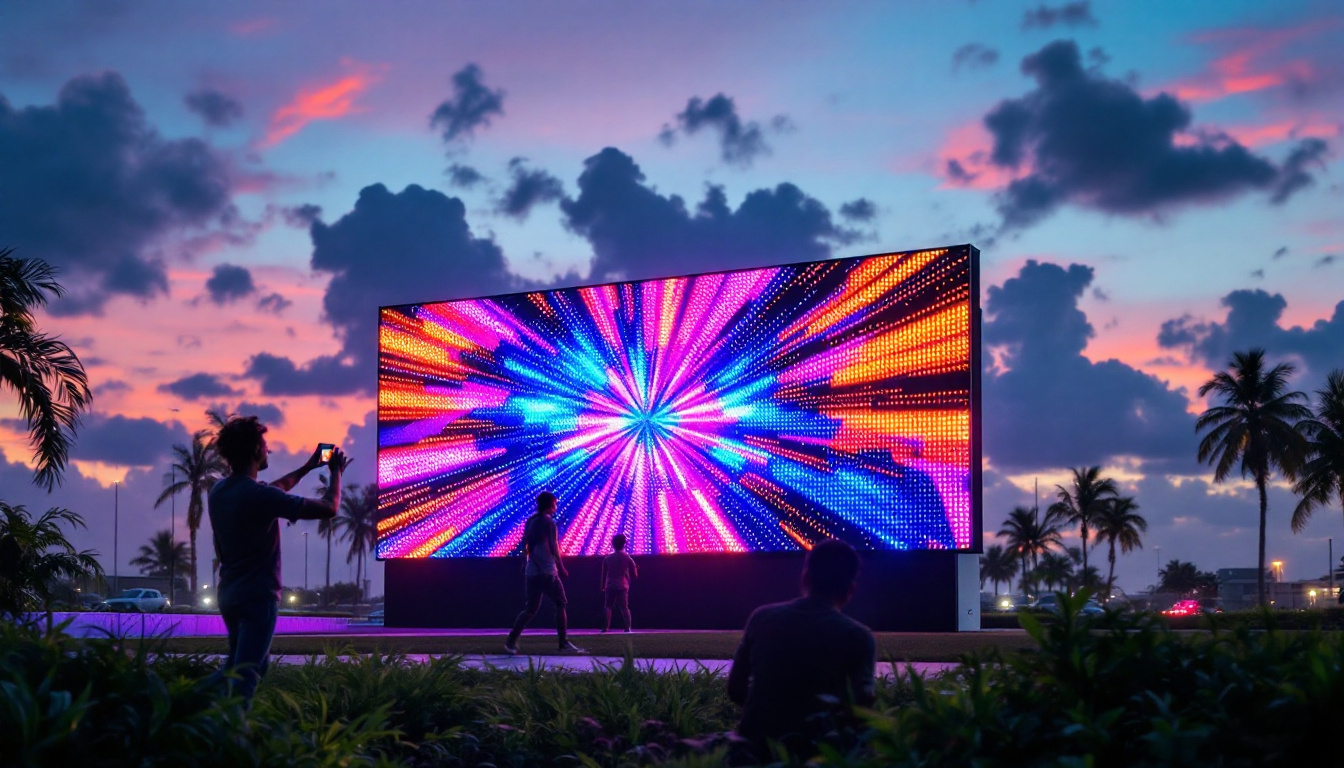
Outdoor billboards and indoor digital signage rely heavily on pixel matrix mesh designs to attract attention with vivid visuals. High brightness, weather resistance, and scalability make LED displays the preferred choice for advertisers seeking dynamic content delivery.
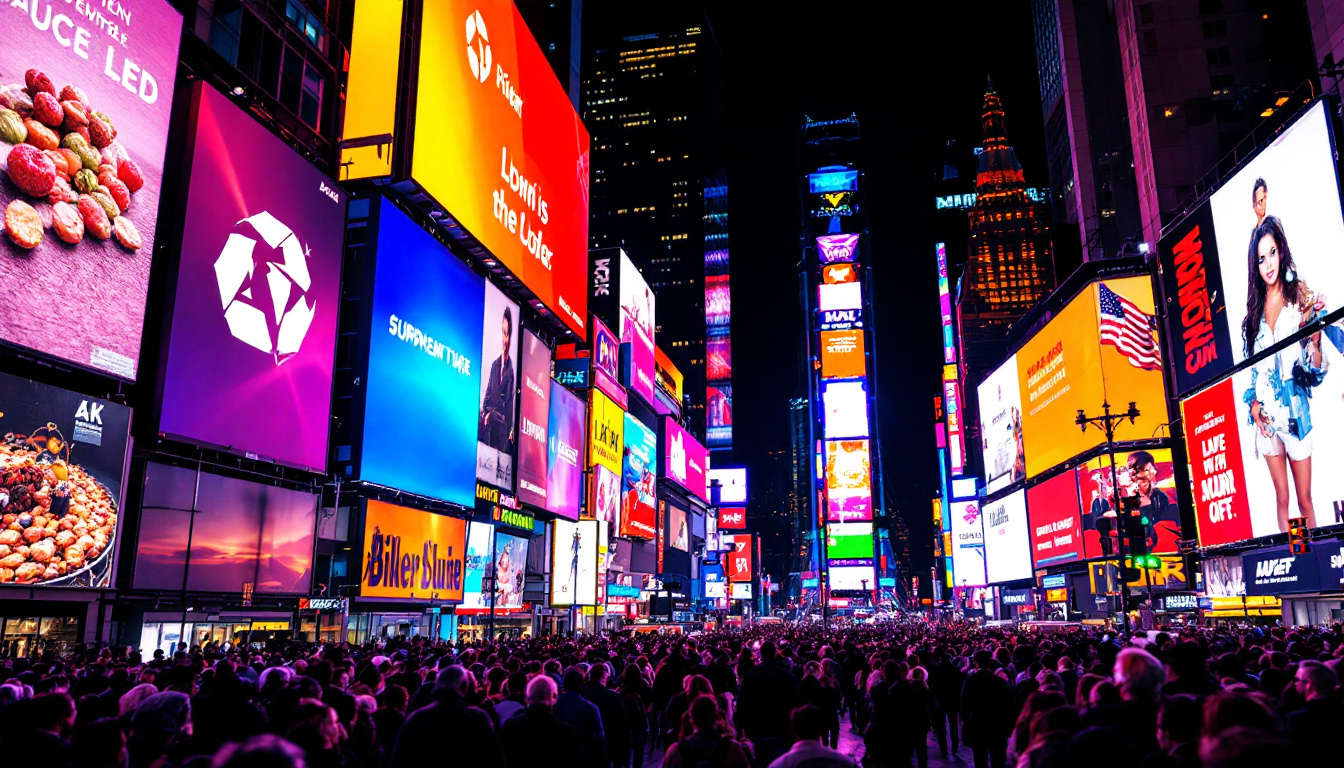
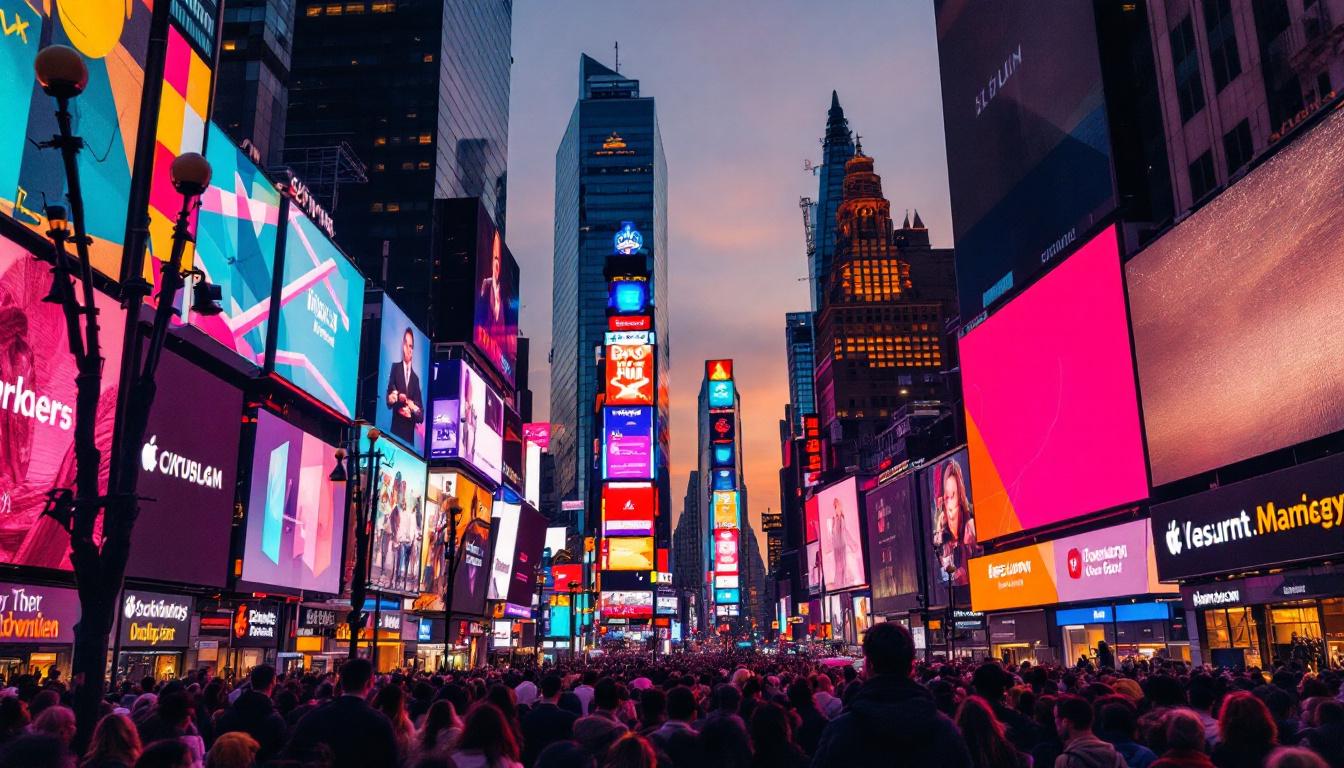
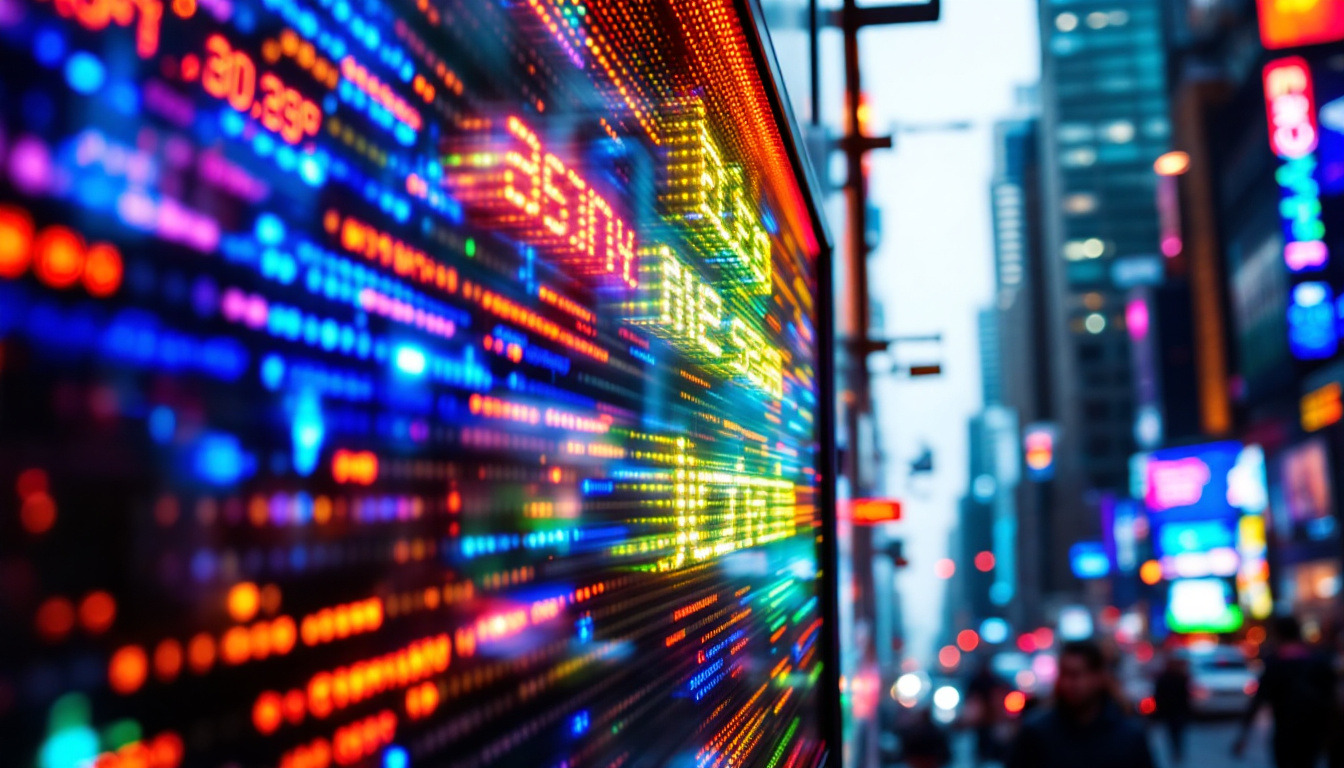
For example, Times Square in New York City features massive LED billboards with pixel matrices optimized for high resolution and brightness, capable of captivating millions of viewers daily.
Entertainment and Events
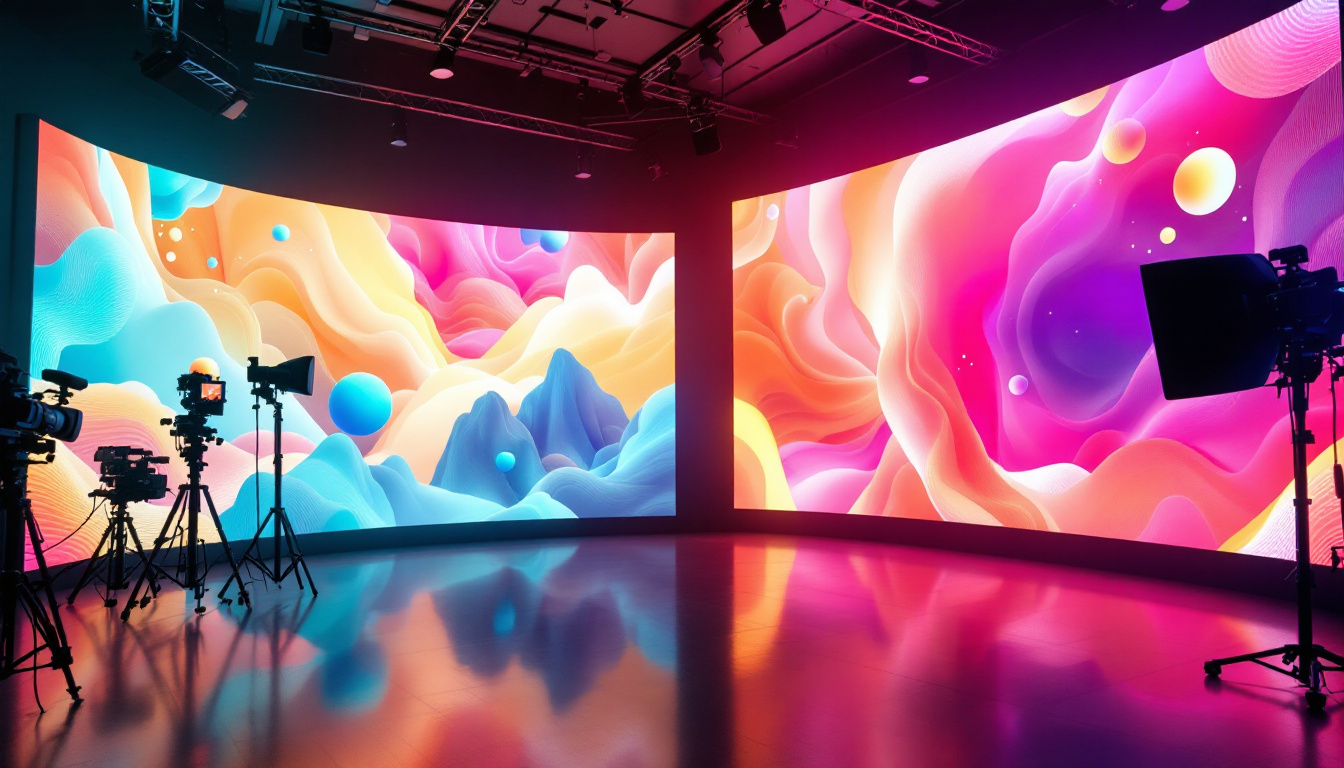
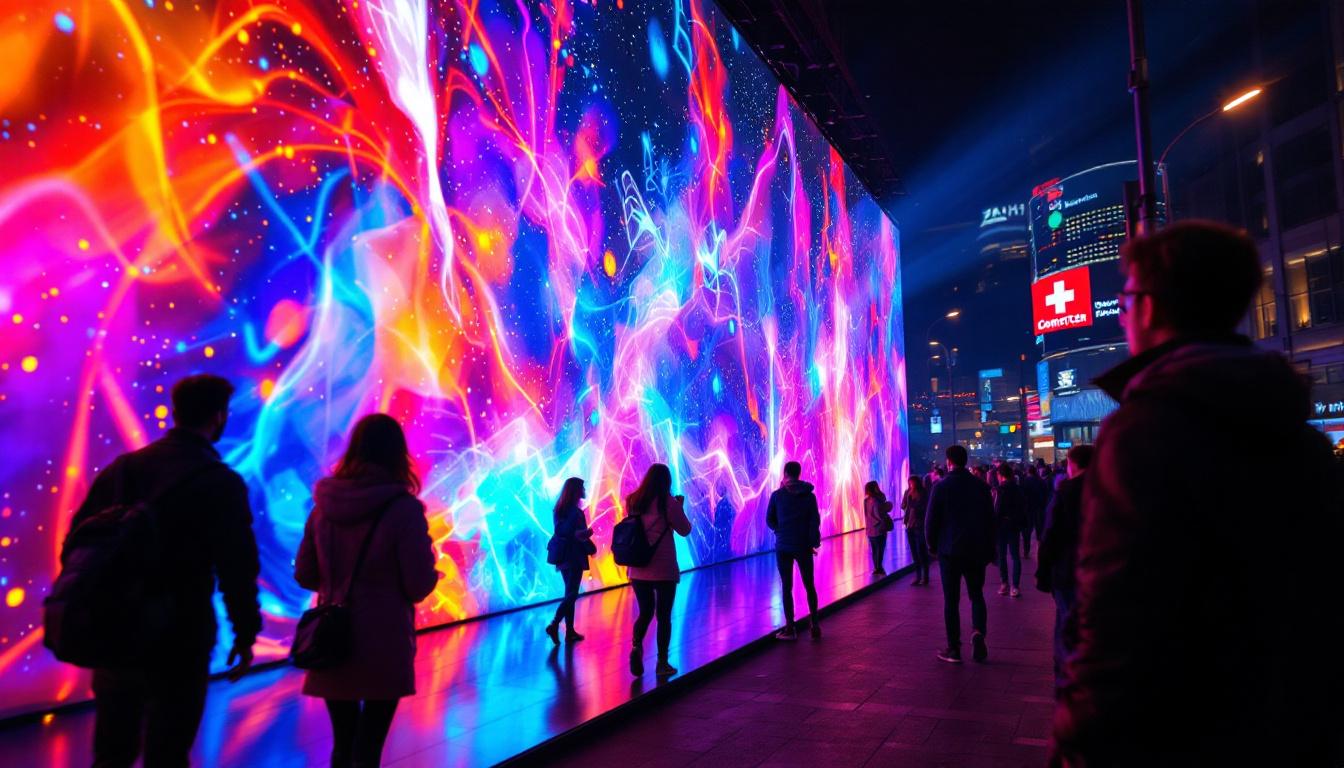
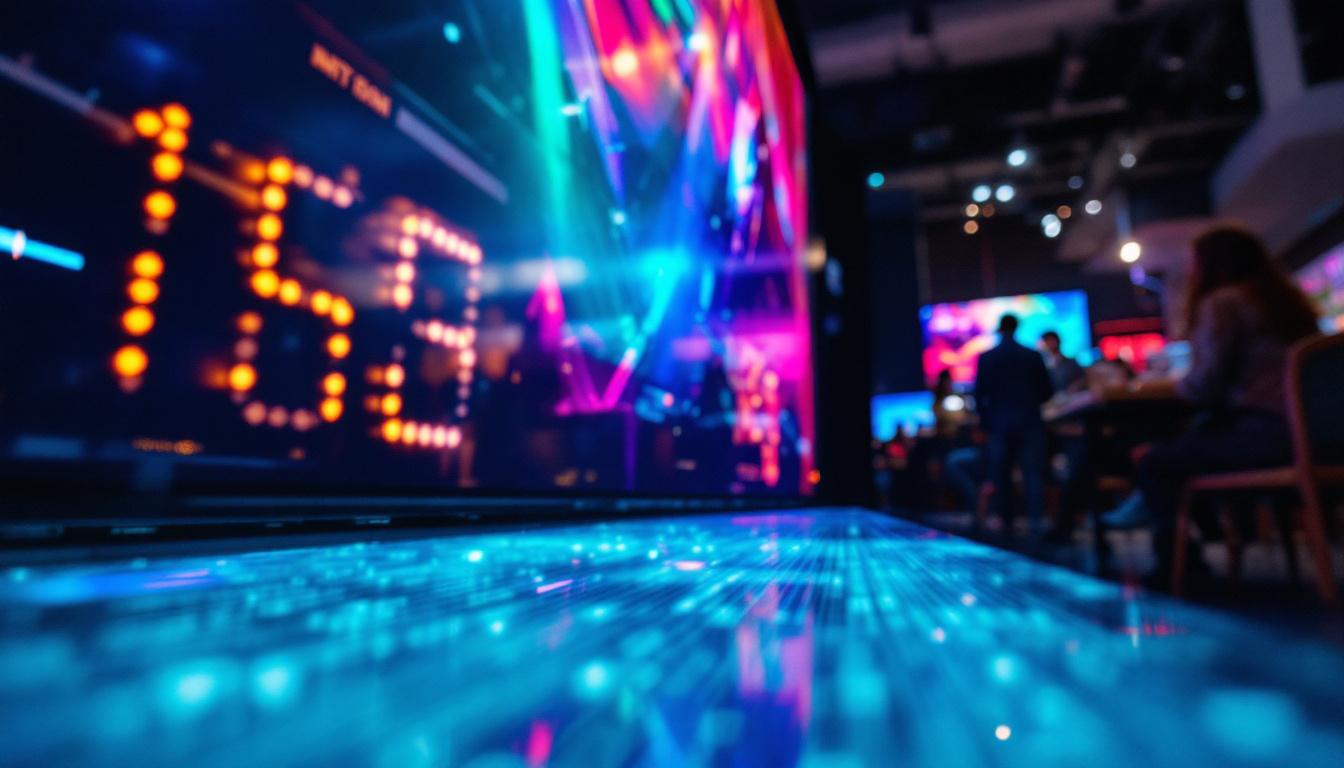
Concerts, sports arenas, and festivals use large LED screens with advanced pixel matrix meshes to enhance audience experience. These displays provide real-time video, graphics, and interactive content, often configured in curved or irregular shapes to fit stage designs.
Pixel matrix mesh technology enables seamless content transitions and high refresh rates, critical for live event broadcasting and immersive visuals.
Retail and Corporate Environments
In retail stores and corporate lobbies, LED displays with fine pixel pitch matrices create engaging brand experiences. Transparent and flexible pixel matrices are increasingly used to integrate screens into windows, walls, and product displays without obstructing sightlines.
These installations combine aesthetics with functionality, delivering targeted messaging and interactive features that drive customer engagement.
Transportation and Public Information
Airports, train stations, and bus terminals employ LED displays with pixel matrix meshes designed for high visibility and durability. These screens provide real-time updates, wayfinding, and emergency alerts, often in challenging lighting conditions.
Robust pixel matrix designs ensure reliability and clarity, essential for public safety and efficient passenger flow.
Future Trends in Pixel Matrix Mesh and LED Display Technology
The evolution of pixel matrix mesh technology continues to push the boundaries of LED display capabilities. Emerging trends promise even greater flexibility, resolution, and integration possibilities.
MicroLED and MiniLED Innovations
MicroLED and MiniLED technologies represent the next generation of pixel matrix meshes, featuring significantly smaller pixel sizes and enhanced brightness. MicroLED displays, in particular, offer self-emissive pixels with exceptional color accuracy and energy efficiency, rivaling OLED screens in performance.
These advances will enable ultra-high-resolution displays suitable for smartphones, TVs, and augmented reality devices, expanding the applications of pixel matrix mesh technology.
AI-Driven Calibration and Control
Artificial intelligence is increasingly integrated into pixel matrix mesh management systems to optimize display performance. AI algorithms can dynamically adjust brightness, color balance, and refresh rates based on ambient conditions and content type, ensuring consistently superior visuals.
This intelligent control reduces maintenance costs and enhances user experience by adapting the pixel matrix mesh in real time.
Seamless Integration with Smart Environments
As smart cities and IoT ecosystems grow, pixel matrix mesh-enabled LED displays will become integral components of connected environments. Interactive displays capable of responding to user inputs, environmental data, and network commands will transform public spaces and commercial venues.
Future pixel matrix meshes will support modular, scalable designs that integrate smoothly with sensors, cameras, and communication networks, creating immersive and responsive visual platforms.
Conclusion
The pixel matrix mesh is the foundational architecture behind LED displays, dictating their resolution, brightness, color fidelity, and overall performance. Understanding this concept is essential for anyone involved in selecting, designing, or deploying LED display solutions.
From rigid panels to flexible and transparent designs, pixel matrix mesh technology continues to evolve, enabling innovative applications across advertising, entertainment, retail, and public information sectors. With ongoing advancements in microLED technology and AI-driven control systems, the future of pixel matrix meshes promises even more dynamic, efficient, and immersive LED displays.
For businesses and professionals seeking to leverage LED display technology, a deep appreciation of pixel matrix mesh principles ensures informed decisions that maximize impact and return on investment.
Explore Cutting-Edge LED Displays with LumenMatrix
Ready to transform your space with the latest in LED display technology? LumenMatrix is at the forefront of innovation, offering a wide array of LED display solutions tailored to your needs. From captivating Indoor LED Walls to dynamic Outdoor LED Displays, and from versatile Vehicle LED Displays to sleek LED Poster Displays, our products are designed to make your brand shine. Experience the revolution in visual communication with our LED Sports Displays, interactive Floor LED Displays, and the stunning clarity of our LED Transparent Displays. Don’t just share your message—make it resonate with impact and clarity. Check out LumenMatrix LED Display Solutions today and see how we can help you create unforgettable visual experiences.