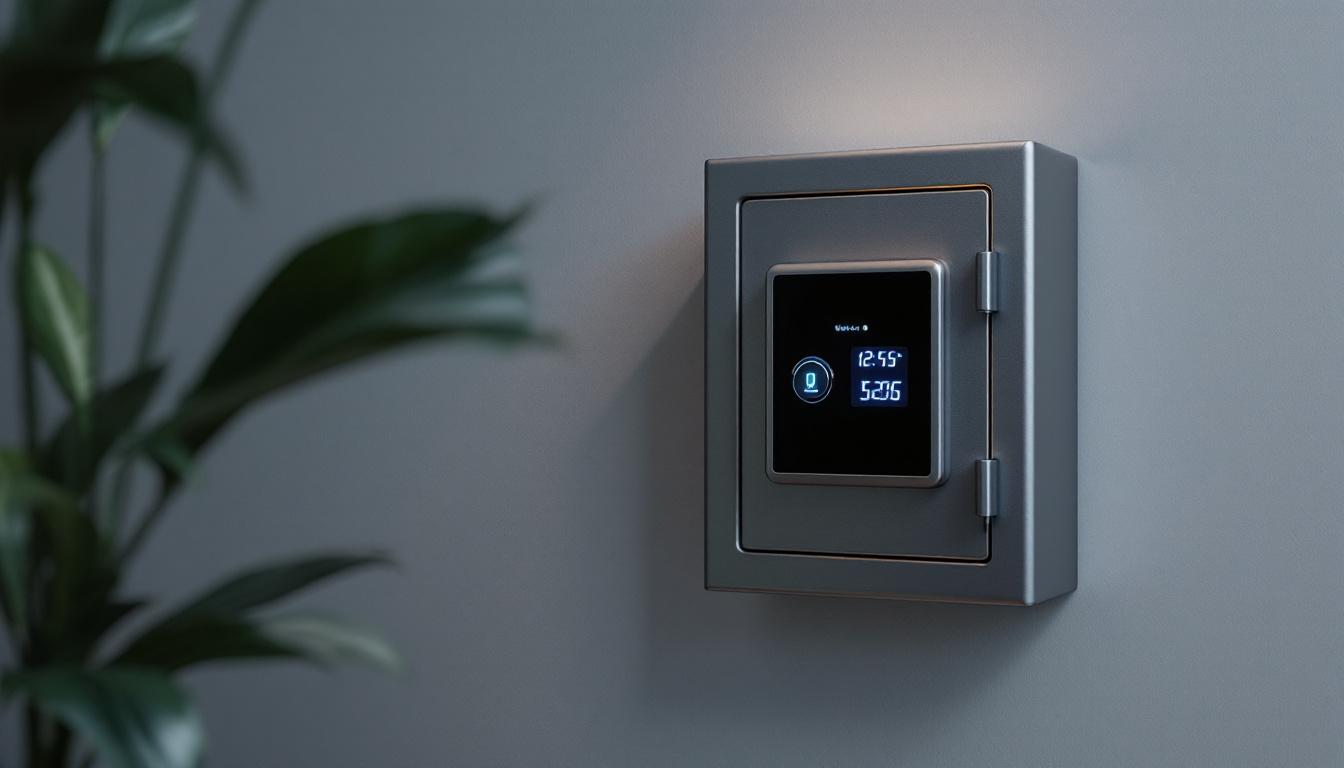
In today’s world, securing valuables at home or in the office is more critical than ever. Small wall safes have become an increasingly popular choice for discreet, reliable protection of important documents, jewelry, cash, and other personal items. Among the various features that enhance their usability and security, LED displays stand out as a modern, user-friendly technology. This article delves into the role of LED displays in small wall safes, explaining their functionality, benefits, and what to consider when choosing a safe with this feature.
Understanding Small Wall Safes
Small wall safes are compact security containers designed to be mounted within a wall cavity, providing a hidden and secure storage option. Their size makes them ideal for limited spaces, while their installation within the wall adds an extra layer of concealment compared to standalone safes. Typically, these safes are used to protect items such as passports, firearms, cash, and confidential documents.
With the rise in home security concerns, the demand for small wall safes has grown significantly. According to a 2023 report by Statista, the home safe market has seen a steady annual growth rate of around 6%, driven by increased awareness of burglary risks and the need for quick access to valuables during emergencies. Homeowners are increasingly recognizing the importance of safeguarding their assets, leading to a surge in the installation of these discreet security solutions.
Moreover, the versatility of small wall safes makes them suitable for various environments beyond just residential homes. They are increasingly being utilized in offices, retail establishments, and even in vehicles, where space is at a premium but security remains a top priority. This adaptability has broadened their appeal, allowing individuals and businesses alike to secure sensitive information and valuable items without compromising on space or aesthetics.
Types of Locking Mechanisms
Small wall safes come with various locking mechanisms, including traditional key locks, mechanical combination dials, and electronic locks. The electronic locks, often paired with LED displays, offer enhanced convenience and security features. These digital locks allow users to program personalized access codes and monitor safe activity more effectively.
The LED display plays a pivotal role in these electronic locking systems by providing clear, real-time feedback to users. This feature not only improves ease of use but also adds a modern touch to the overall design of the safe. Additionally, some advanced models include biometric locks that utilize fingerprint recognition technology, offering an even higher level of security. This feature is particularly appealing for those who prioritize quick access without the hassle of remembering combinations or carrying keys.
Furthermore, the construction materials of small wall safes are designed to withstand various forms of attack, including drilling and prying. Many models feature solid steel bodies and pry-resistant doors, ensuring that your valuables remain protected even in the event of a break-in. The combination of robust locking mechanisms and durable materials makes small wall safes a reliable choice for anyone looking to enhance their security measures at home or in the workplace.
The Role of LED Displays in Small Wall Safes
LED (Light Emitting Diode) displays in small wall safes serve as the interface between the user and the locking mechanism. Unlike traditional mechanical dials or keyholes, the LED display offers a digital readout that can show a variety of information, from code entry to battery status.
Enhanced User Interface
One of the primary advantages of an LED display is its intuitive user interface. The display guides users through the unlocking process with clear prompts, reducing the risk of input errors. For example, when entering a passcode, the LED screen can indicate how many digits have been entered, confirm successful code acceptance, or alert the user to an incorrect entry.
This clarity is especially beneficial in low-light conditions or for individuals who may have difficulty manipulating traditional mechanical locks. The backlit nature of LED displays ensures visibility regardless of ambient lighting, making access easier and faster.
Security Features and Alerts
LED displays also enhance security by providing immediate feedback on the safe’s status. Many models incorporate features such as lockout timers that activate after multiple incorrect code attempts, with the LED display showing countdowns or warning messages. This discourages unauthorized access attempts and helps safeguard the contents.
Additionally, some advanced safes use the LED display to indicate tampering or forced entry attempts. Alerts such as flashing lights or error codes can notify the owner that the safe’s security has been compromised, enabling timely intervention.
Technical Aspects of LED Displays in Wall Safes
Understanding the technical components of LED displays can help users appreciate their functionality and longevity. Most small wall safes with LED displays use low-power, durable LEDs designed for continuous use without significant energy consumption.
Power Supply and Battery Life
Since small wall safes are often installed in locations without direct power sources, their LED displays typically rely on battery power. High-quality safes use long-lasting lithium-ion or alkaline batteries that can power the display and electronic lock for months or even years under normal use.
Battery status is usually indicated on the LED display, alerting users when it’s time to replace or recharge the batteries. This proactive notification helps prevent lockouts due to power failure, which is a common concern with electronic safes.
Durability and Environmental Resistance
LED displays in wall safes are designed to withstand typical environmental factors such as humidity, temperature fluctuations, and dust. Many manufacturers use sealed display units with protective coatings to prevent damage and ensure consistent performance over time.
Given that wall safes are often installed in less accessible areas like closets or basements, the durability of the LED display is crucial for maintaining reliable operation without frequent maintenance.
Choosing a Small Wall Safe with an LED Display
When selecting a small wall safe equipped with an LED display, several factors should be considered to ensure it meets security needs and usability expectations.
Display Clarity and Size
The LED display should be large enough to clearly show numbers and messages but not so large that it compromises the safe’s discreetness. A well-designed display balances visibility with subtlety, allowing users to operate the safe easily while keeping it inconspicuous to intruders.
Programmability and Access Options
Look for safes that allow multiple user codes or temporary access codes, which can be managed via the LED interface. Some models even offer integration with smartphone apps or biometric verification, enhancing security and convenience.
Consider how easy it is to program and change codes using the LED display. Intuitive menus and clear prompts can make managing access straightforward, even for users who are not tech-savvy.
Security Certifications and Build Quality
While the LED display adds technological sophistication, the safe’s physical security remains paramount. Choose safes that meet recognized security standards, such as UL (Underwriters Laboratories) ratings, which assess resistance to burglary and fire.
The LED display should complement a robust steel construction and secure mounting hardware, ensuring that the safe is both difficult to breach and easy to operate for authorized users.
Common Misconceptions About LED Displays in Wall Safes
Despite their advantages, LED displays in small wall safes are sometimes misunderstood. Clarifying these misconceptions can help users make informed decisions.
LED Displays Are Not a Security Weakness
Some users worry that the presence of an illuminated display might attract unwanted attention or provide clues to intruders. However, modern LED displays are designed to be discreet, with adjustable brightness settings and automatic dimming features.
Moreover, the security of the safe depends more on the locking mechanism and build quality than on the display itself. The LED interface is simply a tool to facilitate authorized access.
Battery Dependency Does Not Mean Frequent Failures
Concerns about battery failure leading to lockouts are common but often overstated. Most safes with LED displays incorporate low-battery warnings and backup access options, such as mechanical override keys or emergency power ports.
Regular maintenance and monitoring of battery status, as indicated by the LED display, can effectively prevent any inconvenience related to power loss.
Future Trends in Small Wall Safe Technology
The integration of LED displays in small wall safes is part of a broader trend toward smart security devices. Innovations continue to enhance both security and user experience.
Smart Connectivity and Remote Access
Increasingly, small wall safes are being equipped with Wi-Fi or Bluetooth connectivity, allowing users to control and monitor their safes remotely via smartphone apps. The LED display often serves as a local interface that complements these smart features, providing immediate feedback and manual control.
This connectivity enables real-time alerts, access logs, and even remote locking or unlocking, adding layers of security and convenience.
Biometric Integration
Future models are likely to combine LED displays with biometric authentication methods such as fingerprint or facial recognition. This fusion offers a seamless unlocking experience while maintaining high security standards.
The LED display will play a critical role in guiding users through biometric enrollment and verification processes, making these advanced safes accessible to a wider audience.
Conclusion
Small wall safes with LED displays represent a significant advancement in home and office security. The LED interface enhances usability by providing clear, real-time feedback and supporting advanced security features such as lockout alerts and battery status notifications. When choosing a safe, it is essential to consider the quality of the LED display alongside physical security features and certifications.
As technology evolves, LED displays will continue to be integral to the development of smarter, more secure, and user-friendly wall safes. For anyone looking to protect valuables discreetly yet efficiently, understanding the role and benefits of LED displays is a crucial step toward making an informed purchase decision.
Discover Advanced Security with LumenMatrix
Ready to elevate your security with the latest in LED display technology? LumenMatrix, a pioneer in innovative LED solutions, offers an array of products designed to integrate seamlessly into your security setup. From Indoor LED Wall Displays that enhance visibility to Custom LED Displays tailored to your specific needs, LumenMatrix is committed to revolutionizing the way you protect and display your valuables. Don’t settle for outdated security; check out LumenMatrix LED Display Solutions today and experience the perfect blend of aesthetics and functionality.