In today’s digital age, the demand for high-quality visual displays has surged dramatically. Whether it’s for televisions, smartphones, digital billboards, or computer monitors, the clarity and vibrancy of the screen play a critical role in user experience. Among the various display technologies available, LED displays stand out for their exceptional brightness, energy efficiency, and ability to render high-resolution images. This article delves into the intricacies of high-resolution LED screens, explaining their technology, benefits, and applications.
Understanding LED Display Technology
What is an LED Display?
LED stands for Light Emitting Diode, a semiconductor device that emits light when an electric current passes through it. An LED display is essentially a flat panel display that uses an array of these tiny light-emitting diodes to produce images. Unlike traditional LCD screens that rely on backlighting, LED displays use these diodes as individual light sources, allowing for greater control over brightness and color.
There are two primary types of LED displays: direct-view LED and LED-backlit LCD. Direct-view LED displays consist of millions of tiny LEDs arranged in a matrix to form pixels, which can emit light independently. This technology is commonly used in large-scale applications such as stadium screens and outdoor billboards. On the other hand, LED-backlit LCDs use LEDs to illuminate the LCD panel from behind, improving brightness and contrast but still relying on liquid crystals to form images.
The versatility of LED displays extends beyond mere brightness and color control; they are also highly energy-efficient. This efficiency is particularly beneficial in large installations, where the cumulative energy savings can be significant. Additionally, LED displays have a longer lifespan compared to traditional display technologies, often exceeding 100,000 hours of use. This longevity makes them a cost-effective solution for both commercial and residential applications, as they require less frequent replacements and maintenance.
How Does Resolution Impact LED Displays?
Resolution refers to the number of pixels displayed on the screen, typically measured in width × height (e.g., 1920×1080 pixels). Higher resolution means more pixels, which translates to finer detail and sharper images. For LED displays, resolution is crucial because it determines how crisp and clear the visuals will be, especially when viewed up close.
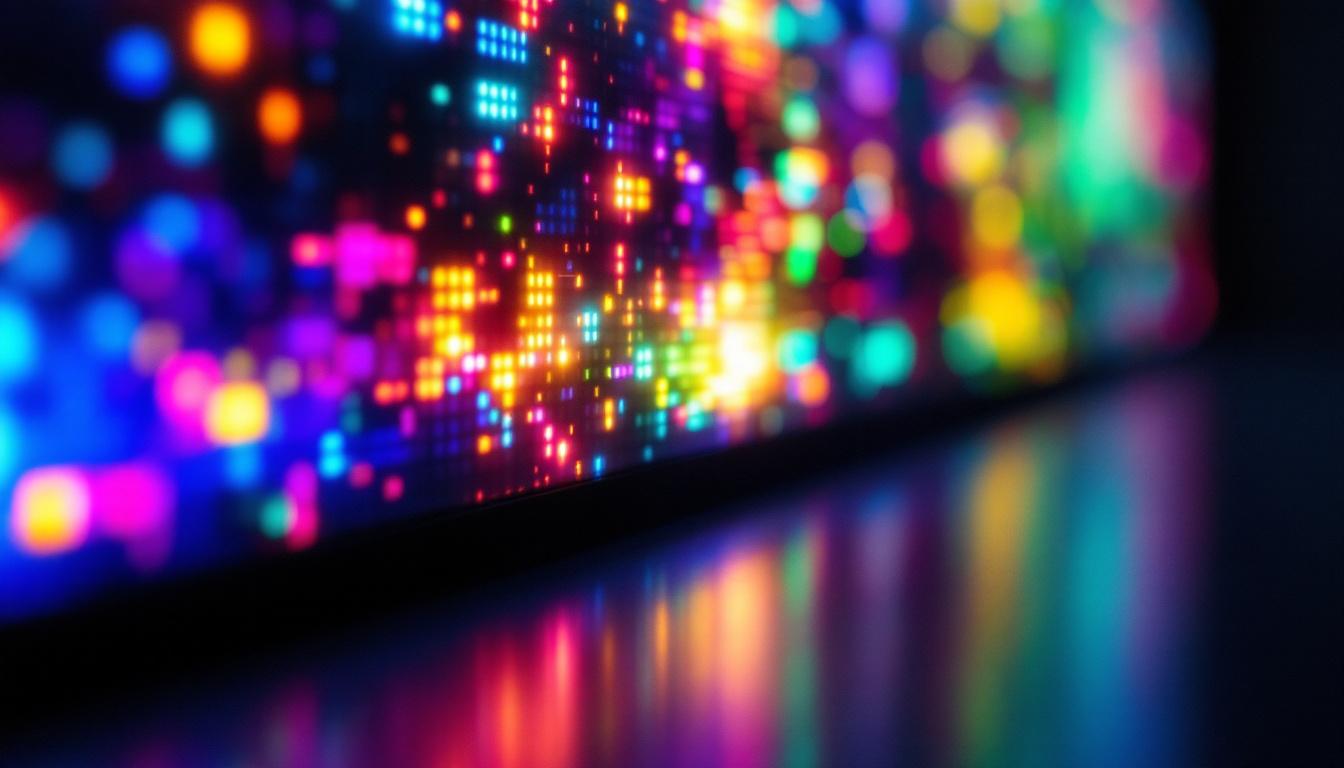
In LED technology, pixel pitch—the distance between the centers of two adjacent pixels—is a key factor influencing resolution. A smaller pixel pitch means more pixels can fit into a given area, resulting in higher resolution. For example, a pixel pitch of 0.9mm is considered ultra-fine and is used in indoor LED displays for applications requiring detailed imagery, such as control rooms or retail environments.
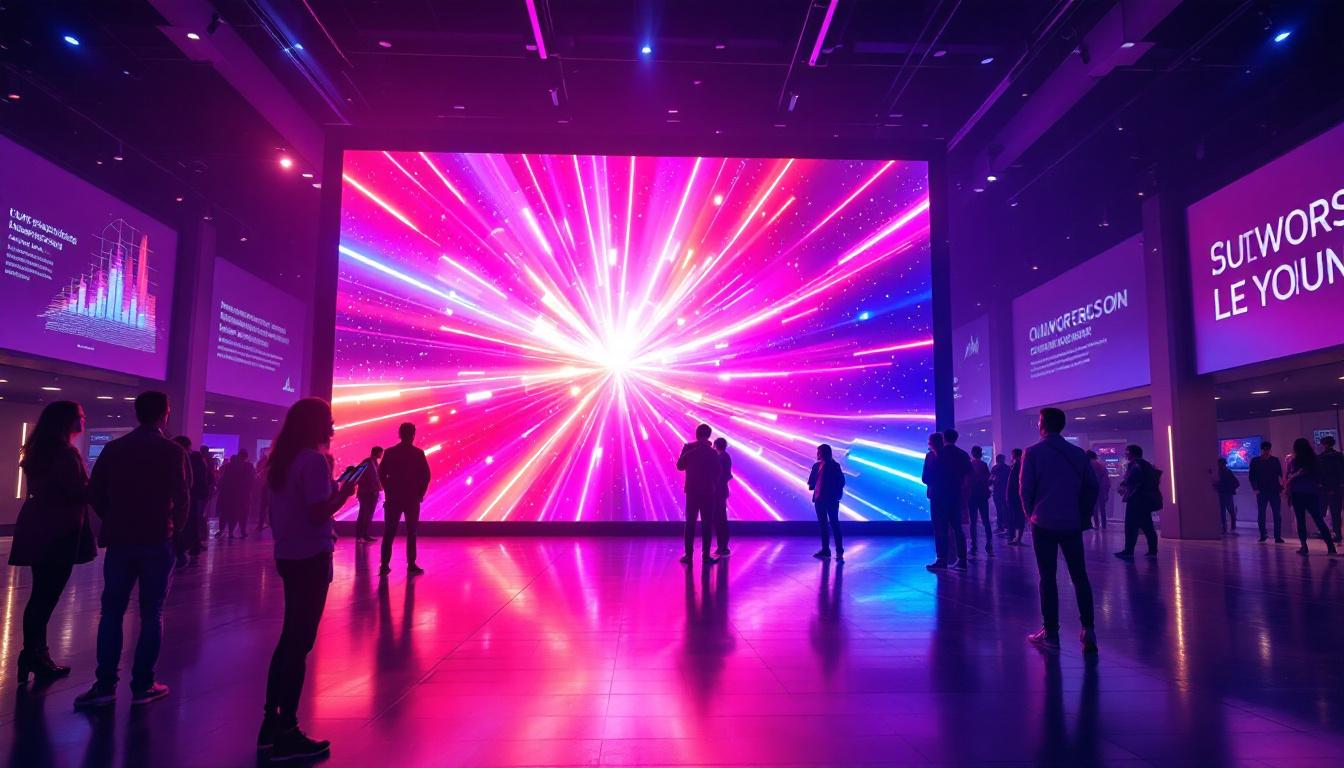
Moreover, the impact of resolution is not just limited to the visual quality; it also plays a vital role in viewer engagement. In environments such as museums or exhibitions, where detailed visuals are essential for storytelling, higher resolutions can captivate audiences more effectively. The immersive experience provided by high-resolution LED displays can enhance the overall impact of presentations, making them more memorable and informative. As technology continues to evolve, the demand for higher resolutions and finer pixel pitches in LED displays is likely to increase, pushing the boundaries of what is possible in visual technology.
Advantages of High Resolution LED Screens
Superior Image Quality and Brightness
One of the most significant advantages of high-resolution LED displays is their ability to deliver vivid, bright, and sharp images. LEDs emit light directly, which allows for higher brightness levels compared to other display technologies. This makes LED screens ideal for environments with high ambient light, such as outdoor advertising or retail stores with large windows.
Moreover, the high pixel density in these displays ensures that images and videos are rendered with exceptional clarity. This is particularly important for applications like medical imaging, digital signage, and broadcast studios, where precision and detail are paramount.
Energy Efficiency and Longevity
LED displays are known for their energy efficiency. Compared to traditional incandescent or fluorescent lighting used in older display technologies, LEDs consume significantly less power while delivering superior brightness. This efficiency translates into lower operating costs and a smaller environmental footprint.
Additionally, LEDs have a longer lifespan, often exceeding 50,000 hours of use. This durability reduces maintenance and replacement costs, making high-resolution LED screens a cost-effective solution over time.
Flexibility and Versatility
High-resolution LED displays offer remarkable flexibility in terms of size and shape. They can be manufactured as large video walls, curved screens, or even transparent displays, enabling creative installations in retail, entertainment, and corporate sectors. This adaptability allows businesses to tailor their visual communications to specific environments and audiences.
Furthermore, LED technology supports a wide color gamut and fast refresh rates, which are essential for dynamic content such as live sports broadcasts, gaming, and interactive presentations.
Applications of High Resolution LED Displays
Consumer Electronics
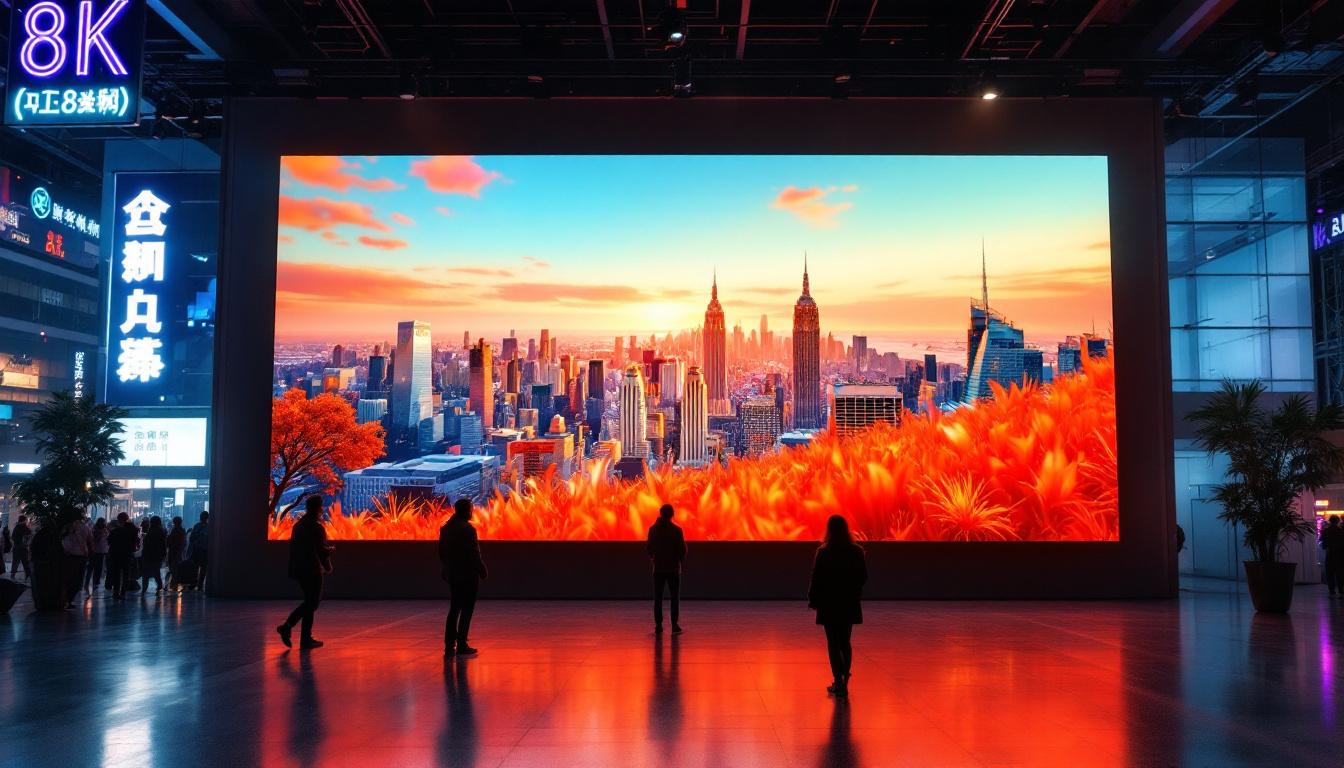
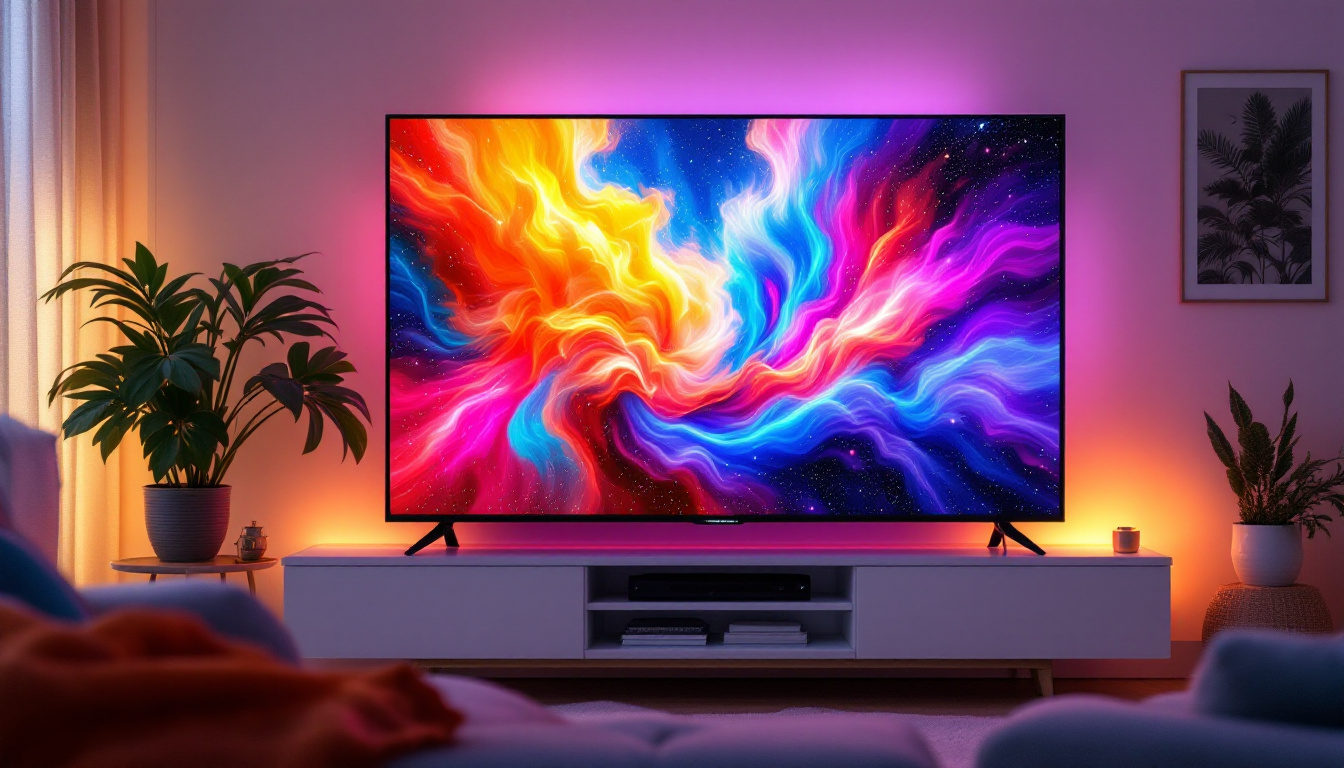
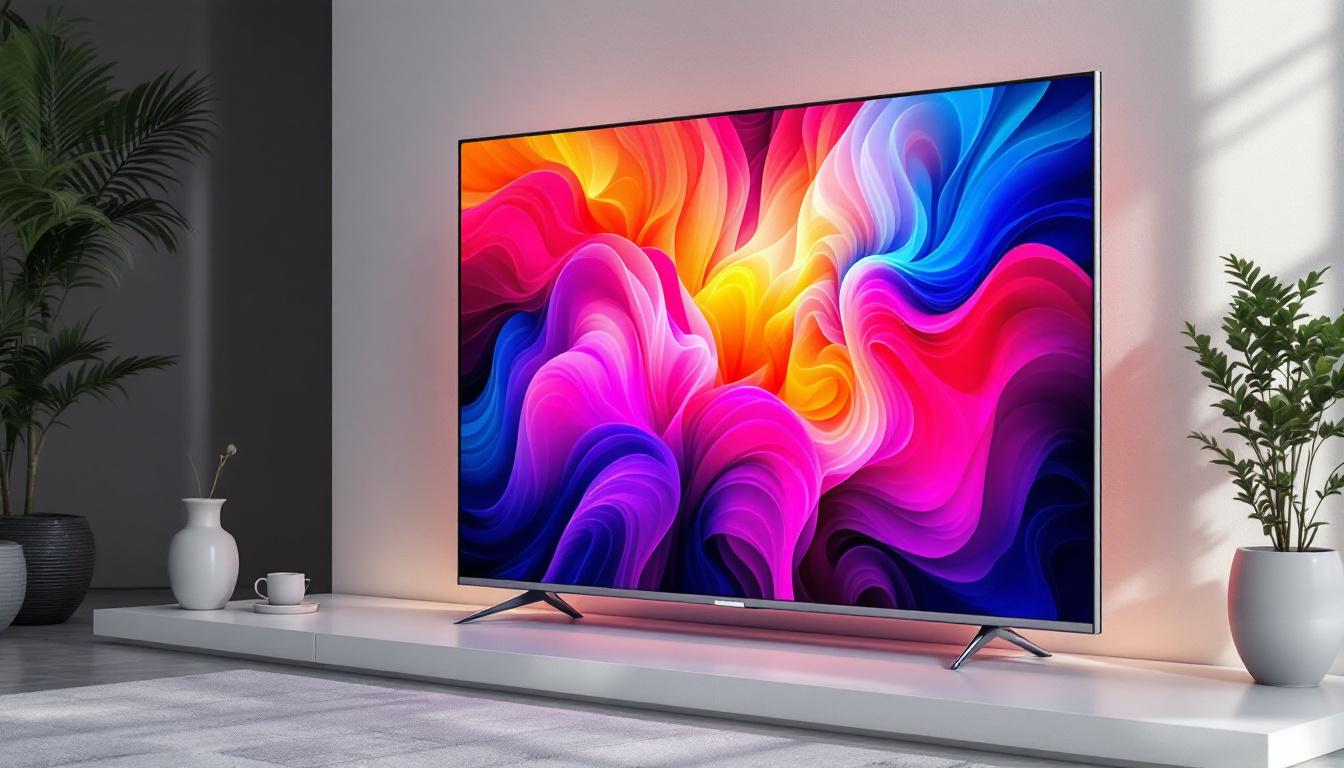
High-resolution LED screens are prevalent in consumer electronics, including smartphones, tablets, laptops, and televisions. The trend toward 4K and even 8K resolution displays in TVs and monitors is driven by consumer demand for ultra-clear visuals and immersive viewing experiences.
Smartphones increasingly use OLED (Organic LED) technology, a variant of LED displays, to achieve better contrast ratios and deeper blacks. This enhances the quality of photos, videos, and gaming graphics, making the viewing experience more engaging.
Commercial and Advertising Displays
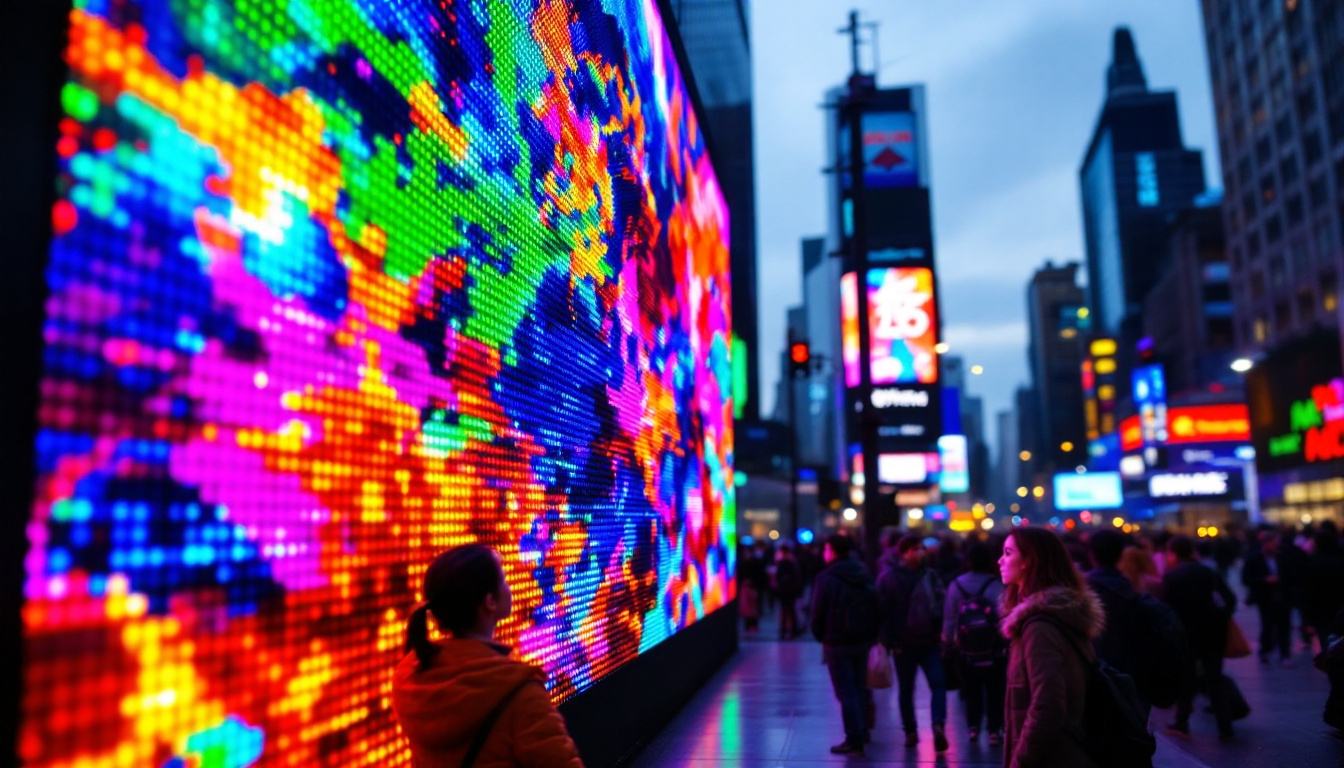
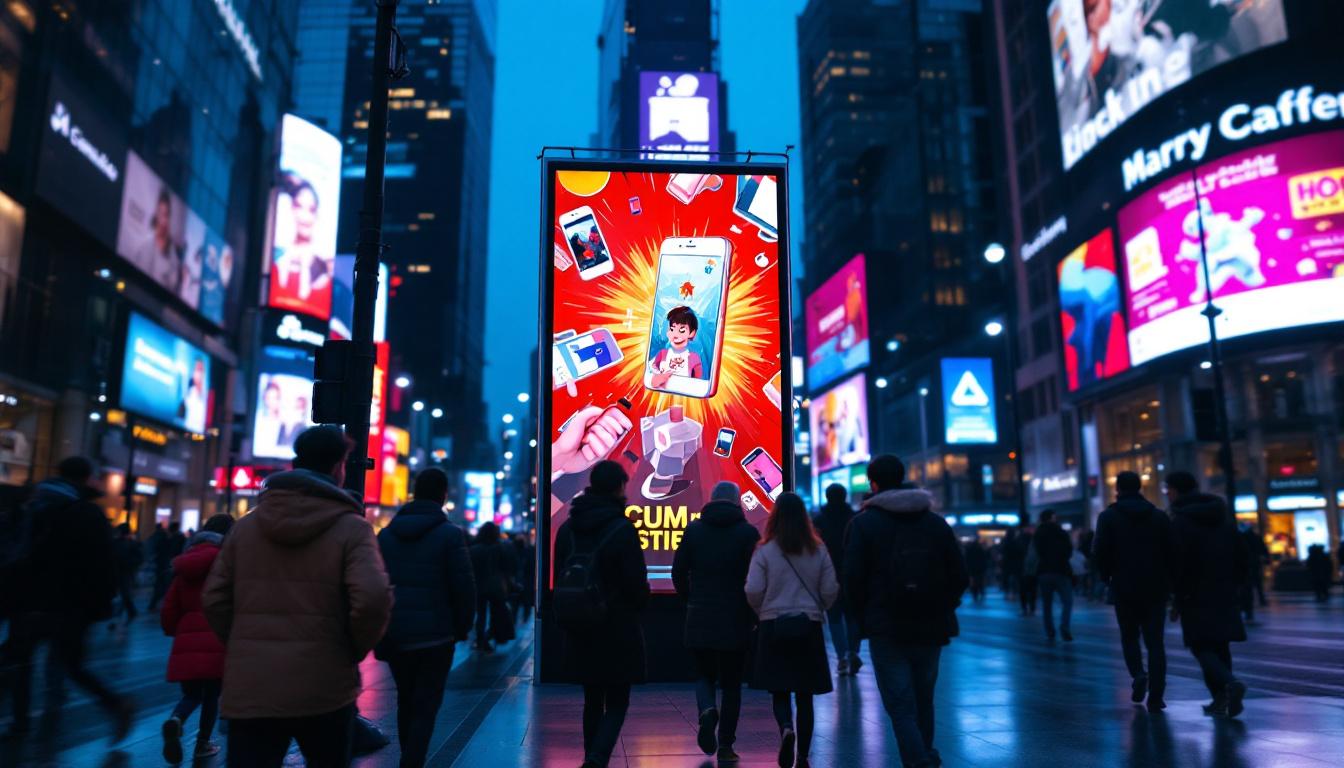
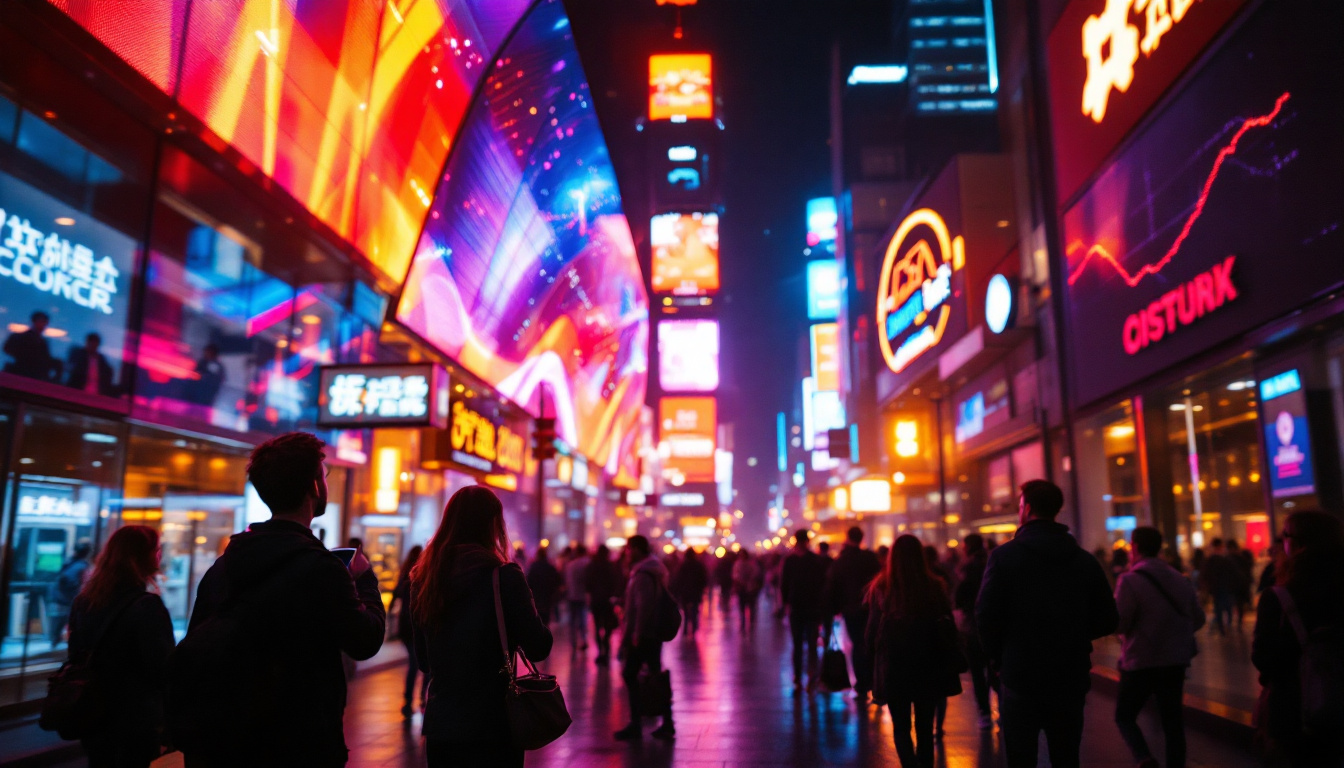
In the commercial sector, LED displays dominate outdoor advertising due to their brightness and weather resistance. Digital billboards with high resolution can display detailed advertisements that capture attention even in direct sunlight. For example, Times Square in New York City is renowned for its massive LED screens showcasing vibrant, high-definition content around the clock.
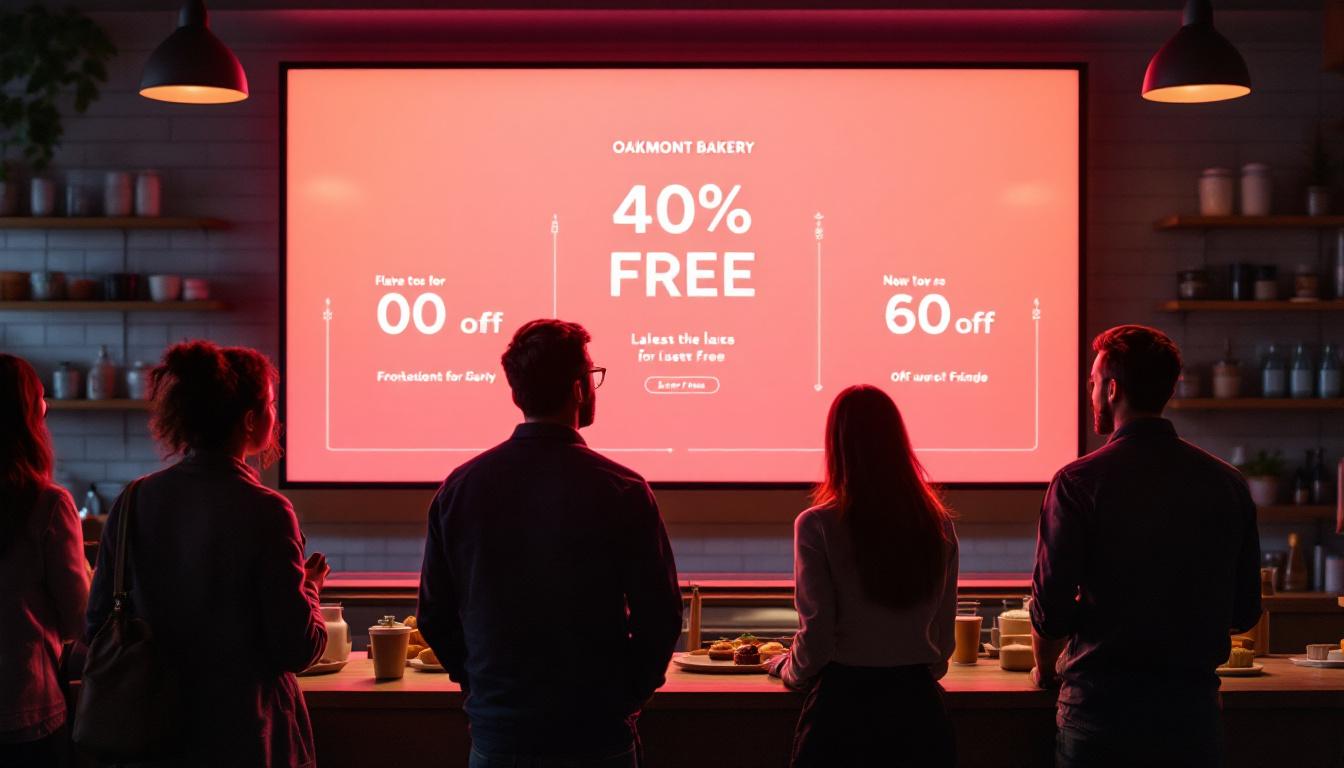
Indoor retail environments also benefit from high-resolution LED displays for digital signage, providing dynamic promotional content that can be easily updated and customized to target specific customer segments.
Entertainment and Events
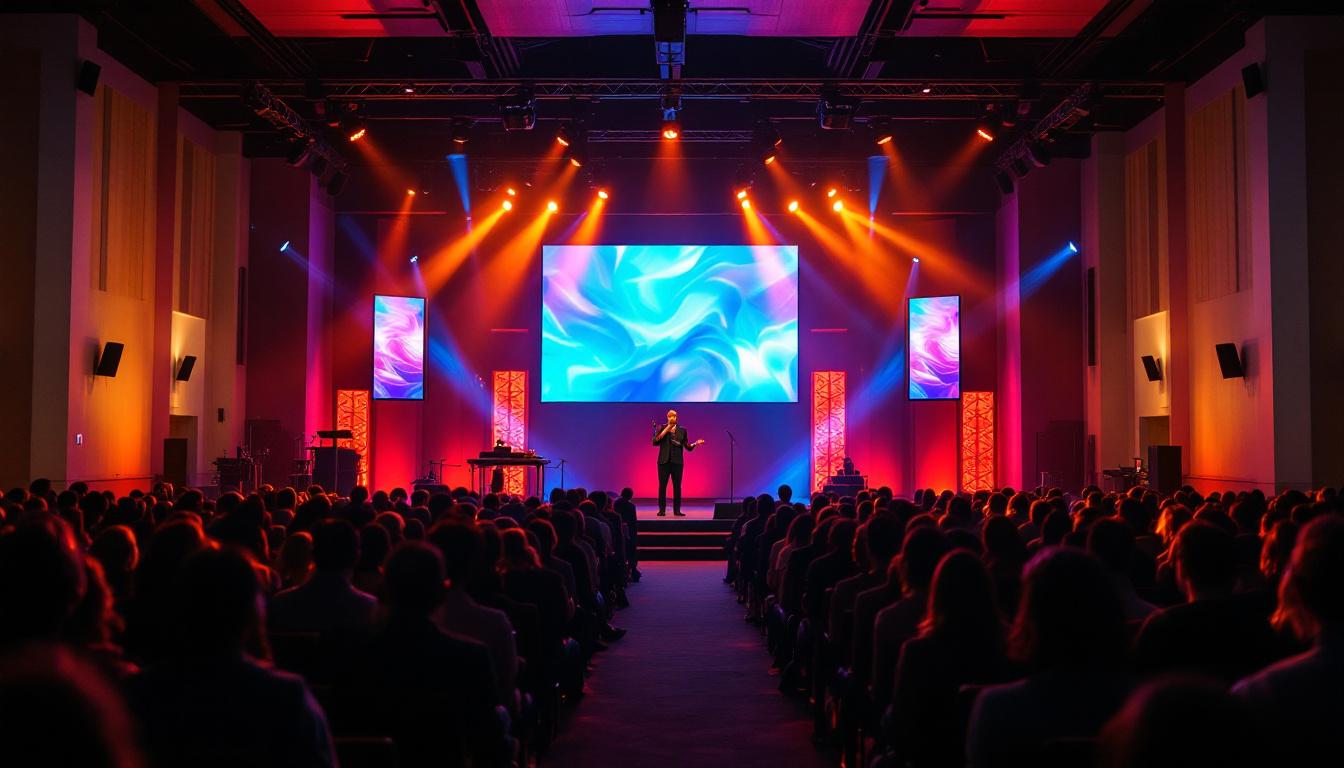
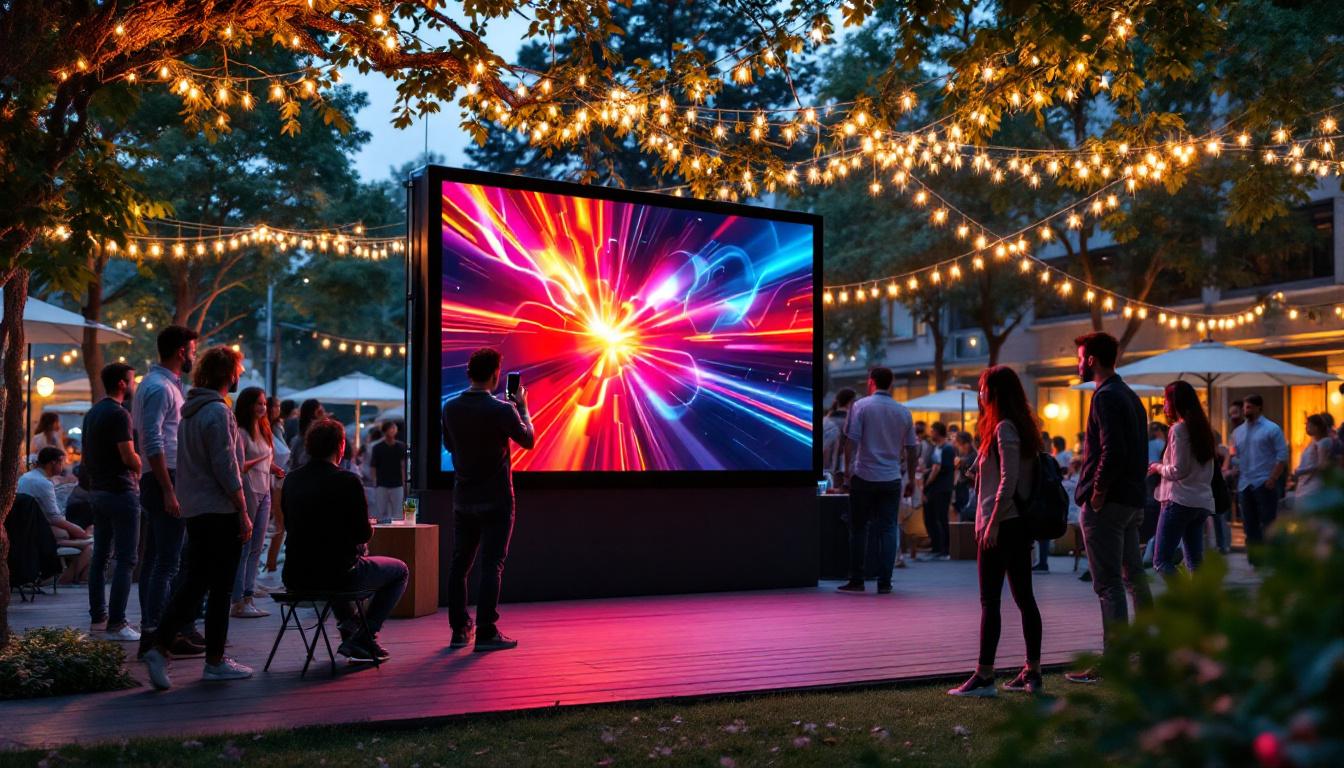
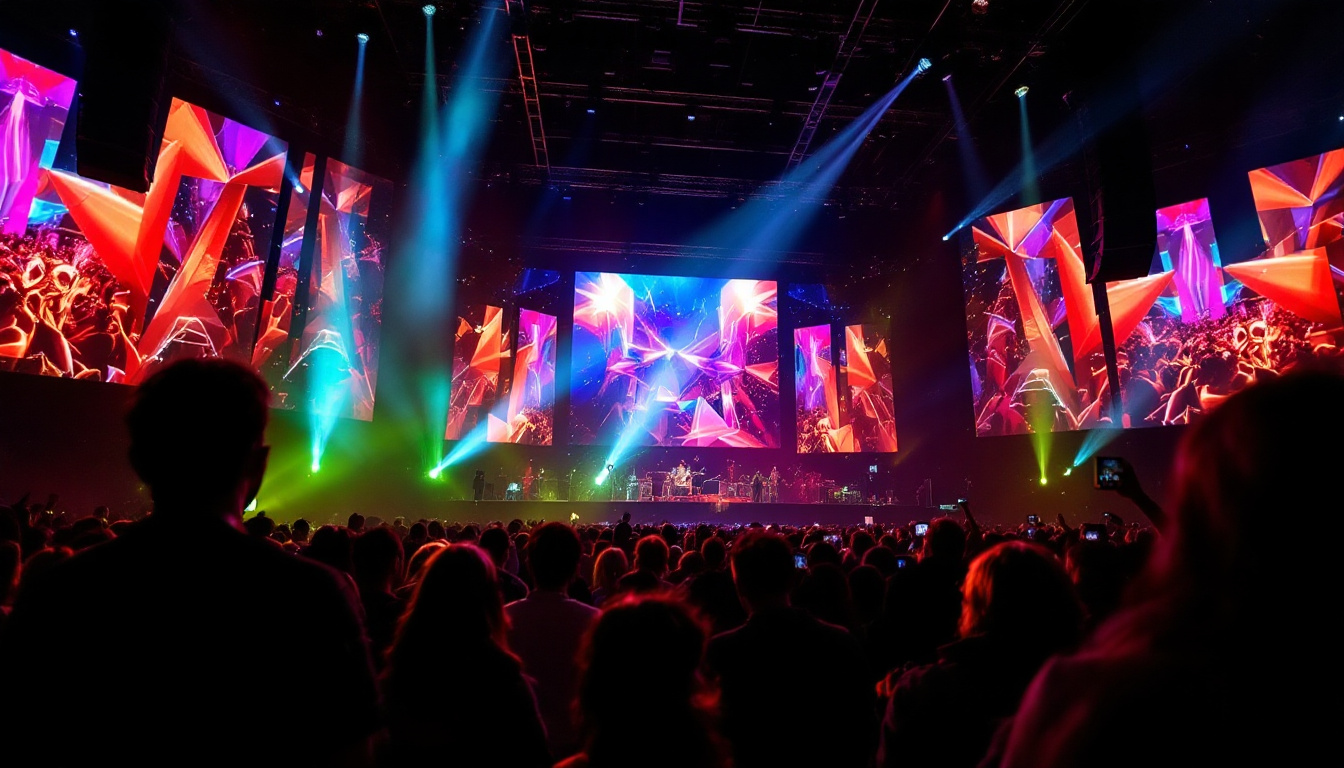
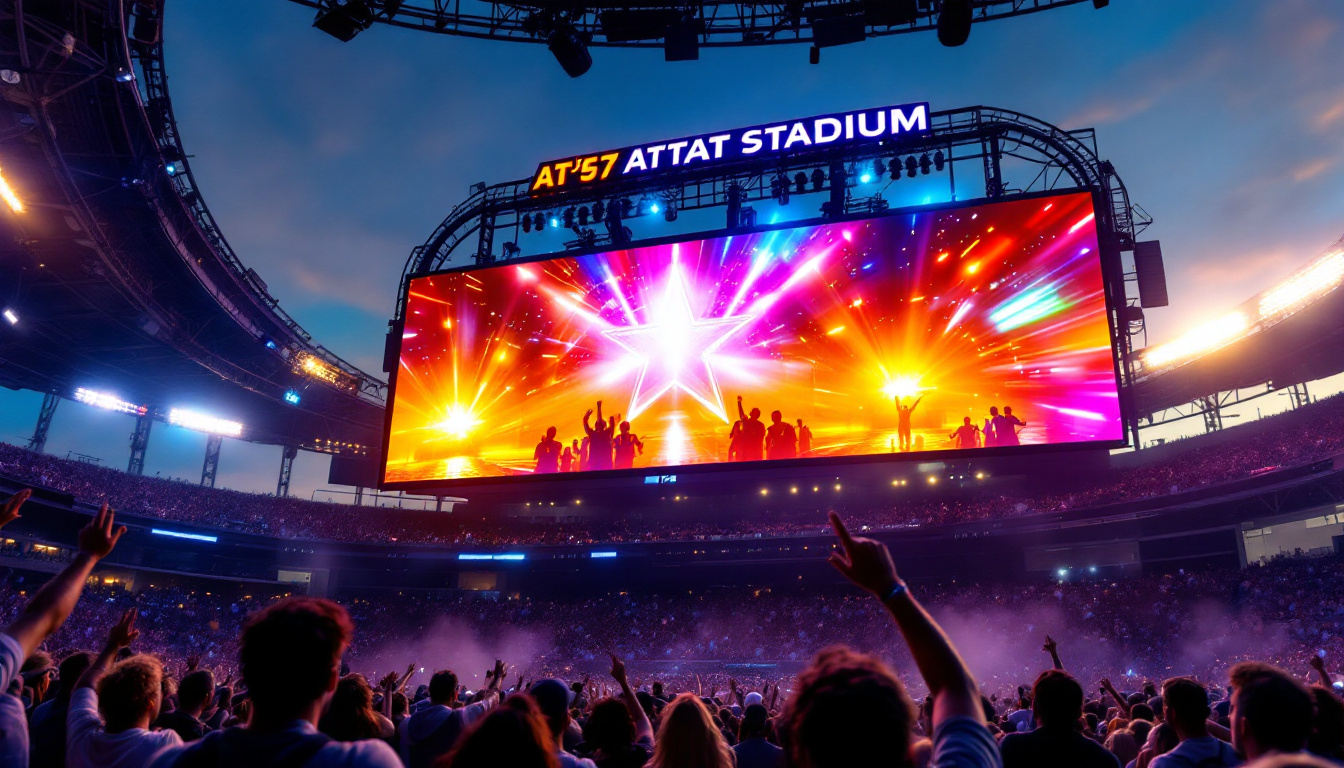
Concerts, sports arenas, and theaters utilize large-scale high-resolution LED screens to enhance the audience experience. These displays provide clear visuals from any seat, ensuring that every attendee can enjoy close-up views of performers or athletes.
Event organizers also use LED walls for immersive stage designs, combining high resolution with creative flexibility to produce visually stunning backdrops and interactive elements.
Corporate and Control Room Applications
In corporate environments, high-resolution LED displays are used for video conferencing, presentations, and digital dashboards. Their clarity and brightness ensure that detailed data and visuals are easily readable, facilitating better communication and decision-making.
Control rooms in industries such as transportation, utilities, and security rely on LED video walls to monitor operations in real-time. The high resolution enables operators to detect critical details quickly, improving response times and operational efficiency.
Challenges and Considerations When Choosing LED Displays
Cost Factors
While LED displays offer numerous advantages, high-resolution models can be expensive, particularly for large installations. The cost is influenced by factors such as pixel pitch, screen size, and additional features like weatherproofing or touch interactivity.
Businesses must balance the need for image quality with budget constraints, often opting for pixel pitches that suit the typical viewing distance to optimize cost-effectiveness without compromising visual impact.
Installation and Maintenance
Installing large LED displays requires careful planning, including structural support, power supply, and data connectivity. Maintenance is also a consideration, as individual LEDs or modules may need replacement over time to maintain optimal performance.
Choosing reputable manufacturers and service providers can mitigate these challenges, ensuring reliable installation and ongoing support.
Environmental Impact and Sustainability
Although LED technology is more energy-efficient than many alternatives, the environmental impact of manufacturing and disposing of electronic components remains a concern. Companies are increasingly prioritizing sustainable practices, such as using recyclable materials and designing products for easier repair and recycling.
Consumers and businesses alike should consider the environmental footprint of their display solutions and seek options that align with sustainability goals.
The Future of High Resolution LED Displays
Emerging Technologies and Innovations
The LED display industry continues to evolve rapidly. Innovations such as microLED technology promise even higher resolution, better color accuracy, and improved energy efficiency. MicroLEDs use microscopic LEDs to create pixels, enabling displays that are thinner, brighter, and more durable than current models.
Flexible and transparent LED displays are also gaining traction, opening new possibilities for design and application. For instance, transparent LED glass can turn windows into dynamic digital screens without obstructing views.
Integration with Smart Technologies
High-resolution LED displays are increasingly integrated with smart technologies, including IoT (Internet of Things) and AI (Artificial Intelligence). These integrations allow for real-time content customization, interactive user experiences, and advanced analytics to measure engagement and effectiveness.
Such capabilities are transforming digital signage and advertising, making displays more responsive and personalized than ever before.
Expanding Accessibility and Use Cases
As production costs decrease and technology advances, high-resolution LED displays are becoming more accessible to a broader range of industries and consumers. From education and healthcare to transportation and public safety, the potential applications continue to grow.
This expansion underscores the importance of understanding LED technology and its capabilities to leverage its full potential effectively.
Conclusion
High-resolution LED displays represent a significant leap forward in visual technology, offering unparalleled brightness, clarity, and energy efficiency. Their versatility makes them suitable for a wide array of applications, from consumer electronics to large-scale commercial and industrial uses. While considerations such as cost and maintenance remain, ongoing innovations promise to make LED displays even more advanced and accessible in the near future.
For businesses and consumers alike, investing in high-resolution LED technology can enhance communication, engagement, and overall user experience, making it a compelling choice in the evolving landscape of digital displays.
Discover the Future of Visual Technology with LumenMatrix
Ready to experience the pinnacle of high-resolution LED display technology? LumenMatrix is at the forefront of innovation, offering a diverse range of LED display solutions tailored to your needs. From vibrant Indoor and Outdoor LED Wall Displays to dynamic Vehicle and Sports LED Displays, our products are designed to captivate and engage your audience. Explore our cutting-edge LED Poster Displays, interactive Floor LED Displays, and the sleek All-in-One LED Display options. With LumenMatrix, you’re not just getting a display; you’re creating an unforgettable visual experience. Check out LumenMatrix LED Display Solutions today and see how we can transform your visual communication.