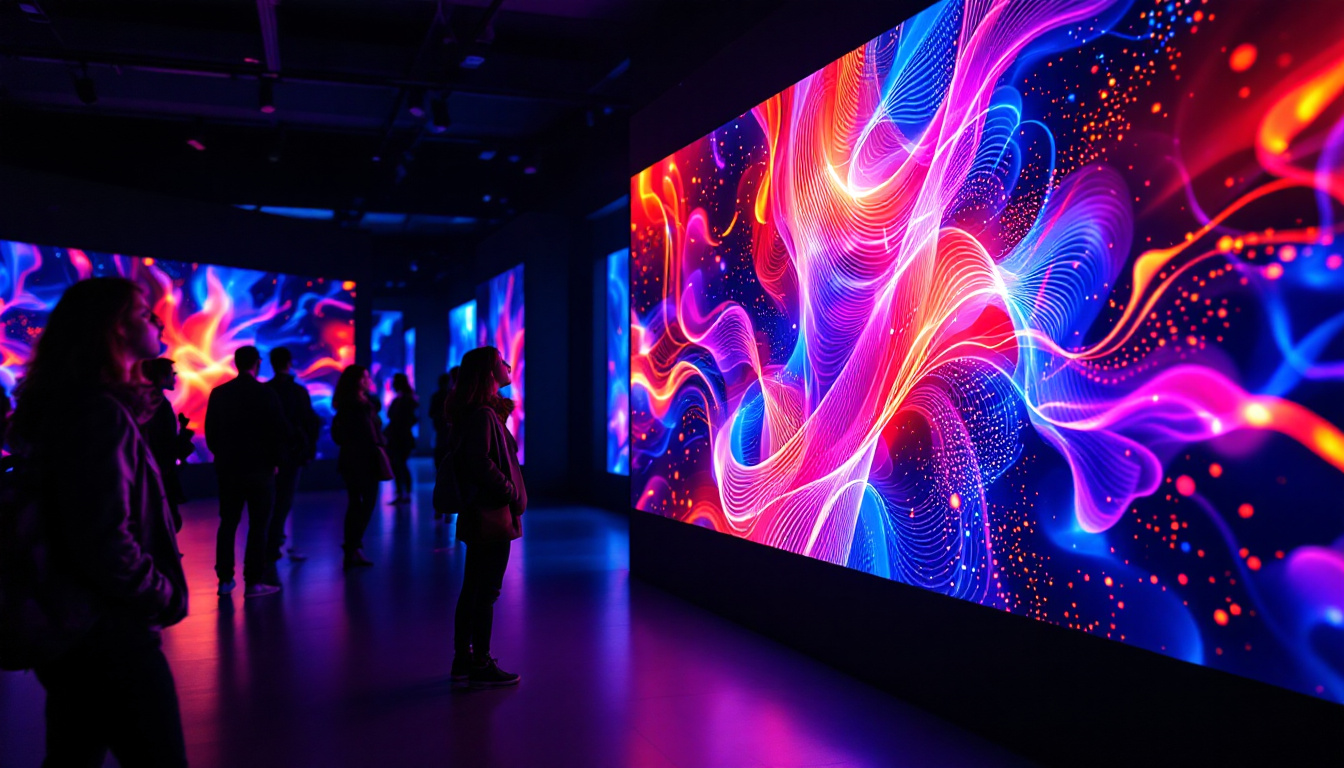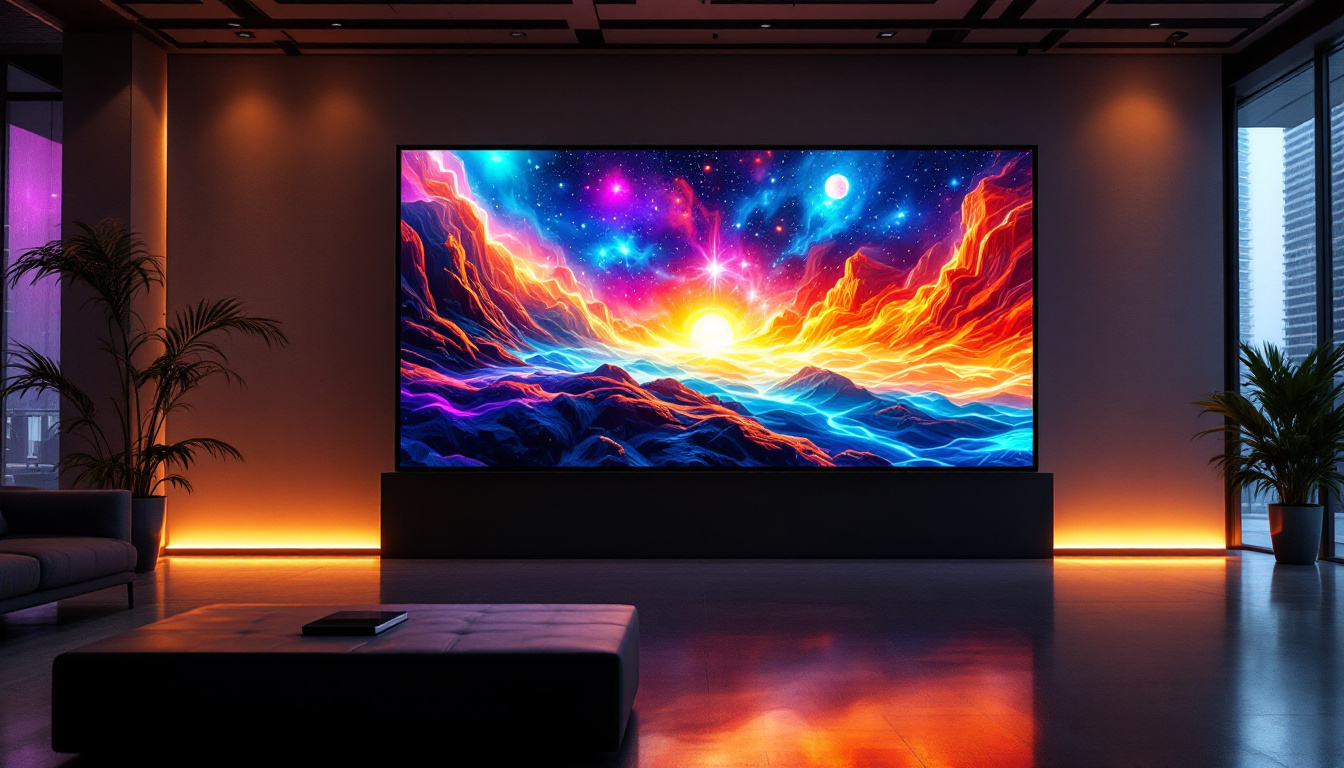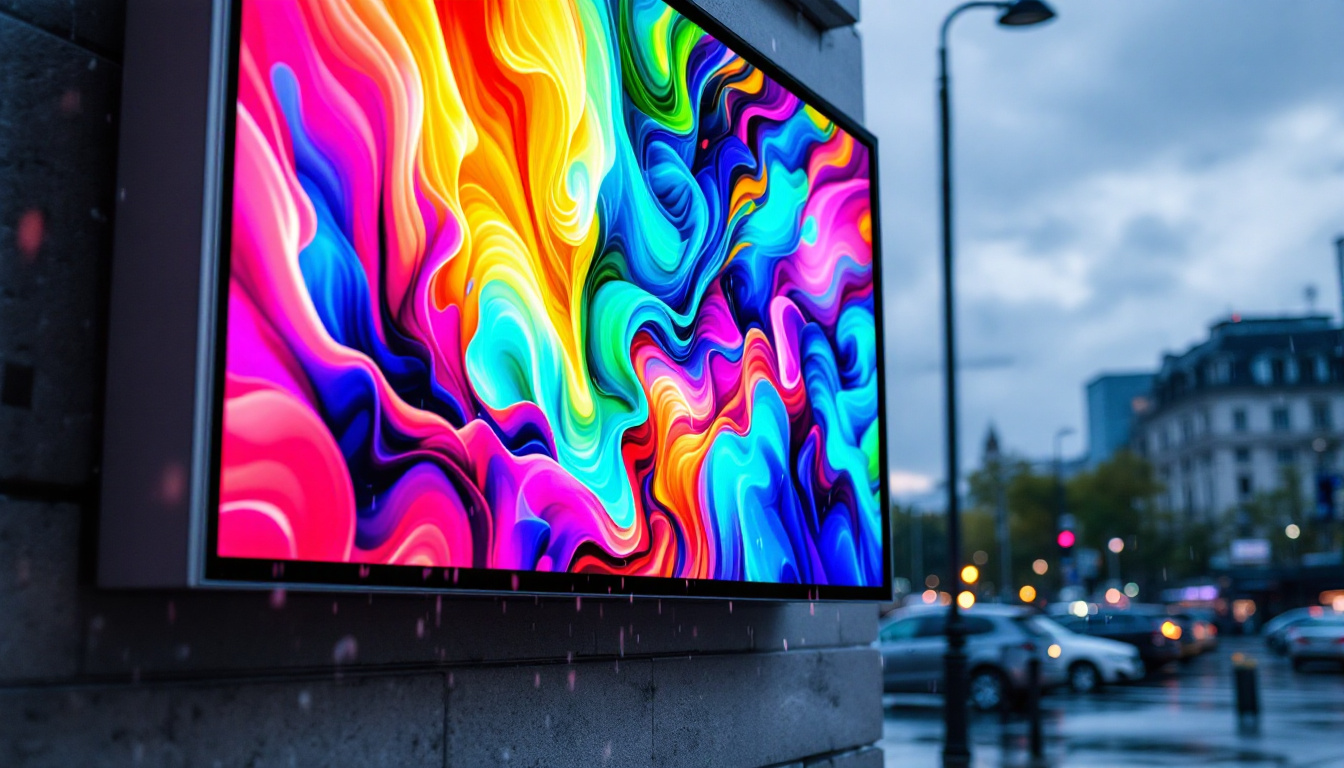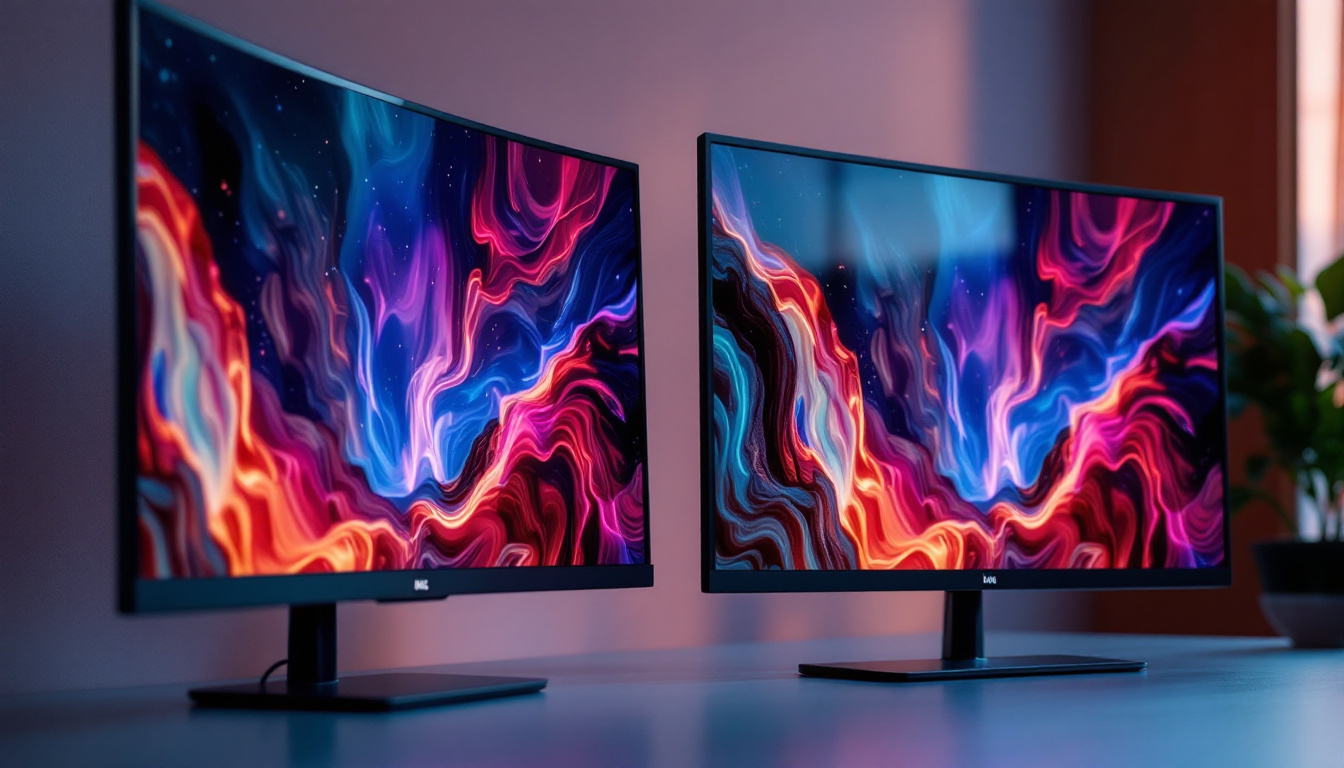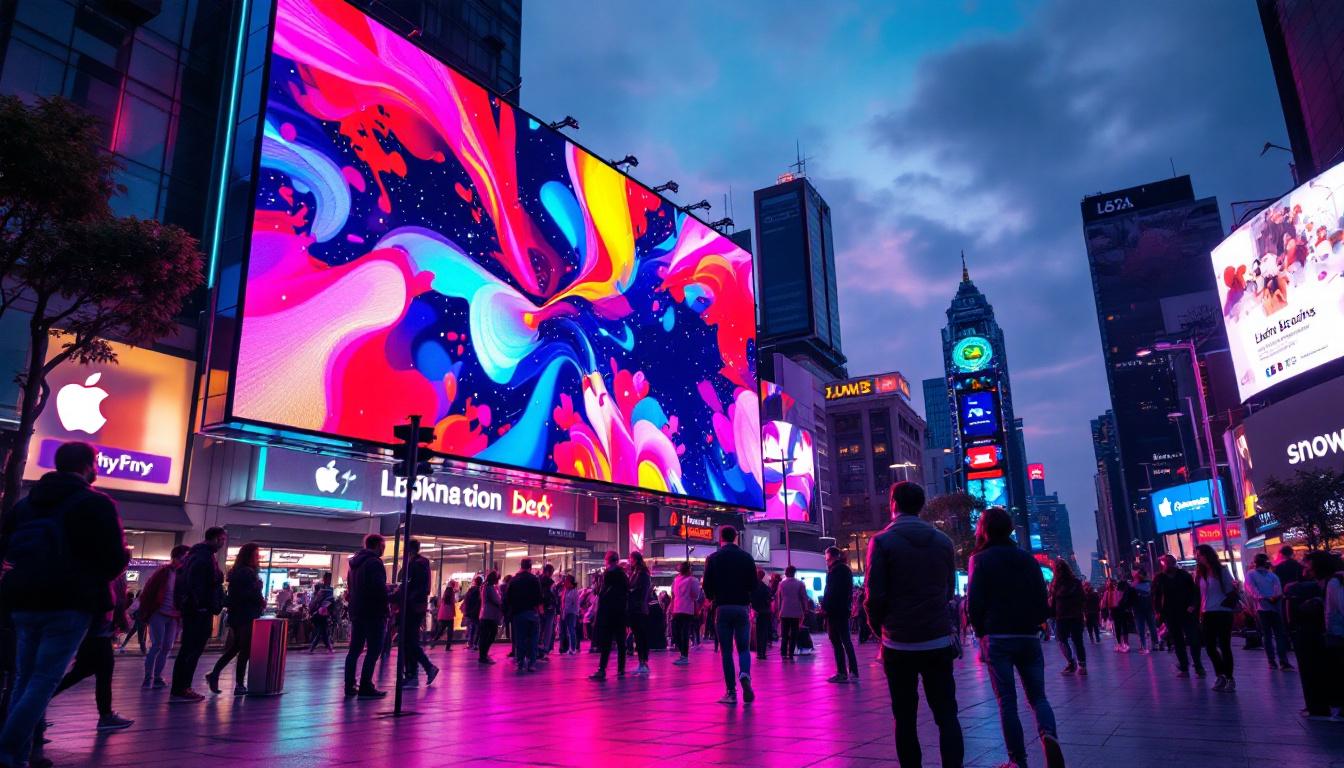
In today’s fast-paced digital world, video walls have become a cornerstone of dynamic visual communication. Whether in corporate boardrooms, retail environments, control centers, or public venues, LED video walls offer unparalleled brightness, flexibility, and impact. However, the technology behind these impressive displays is only part of the story. The mounting system—specifically, the video wall mount—plays a critical role in ensuring the display’s performance, safety, and aesthetic appeal.
This article explores the essentials of video wall mounts for LED displays, breaking down the technology, installation considerations, and best practices for maximizing the value of your video wall investment.
Understanding LED Video Walls
What Is an LED Video Wall?
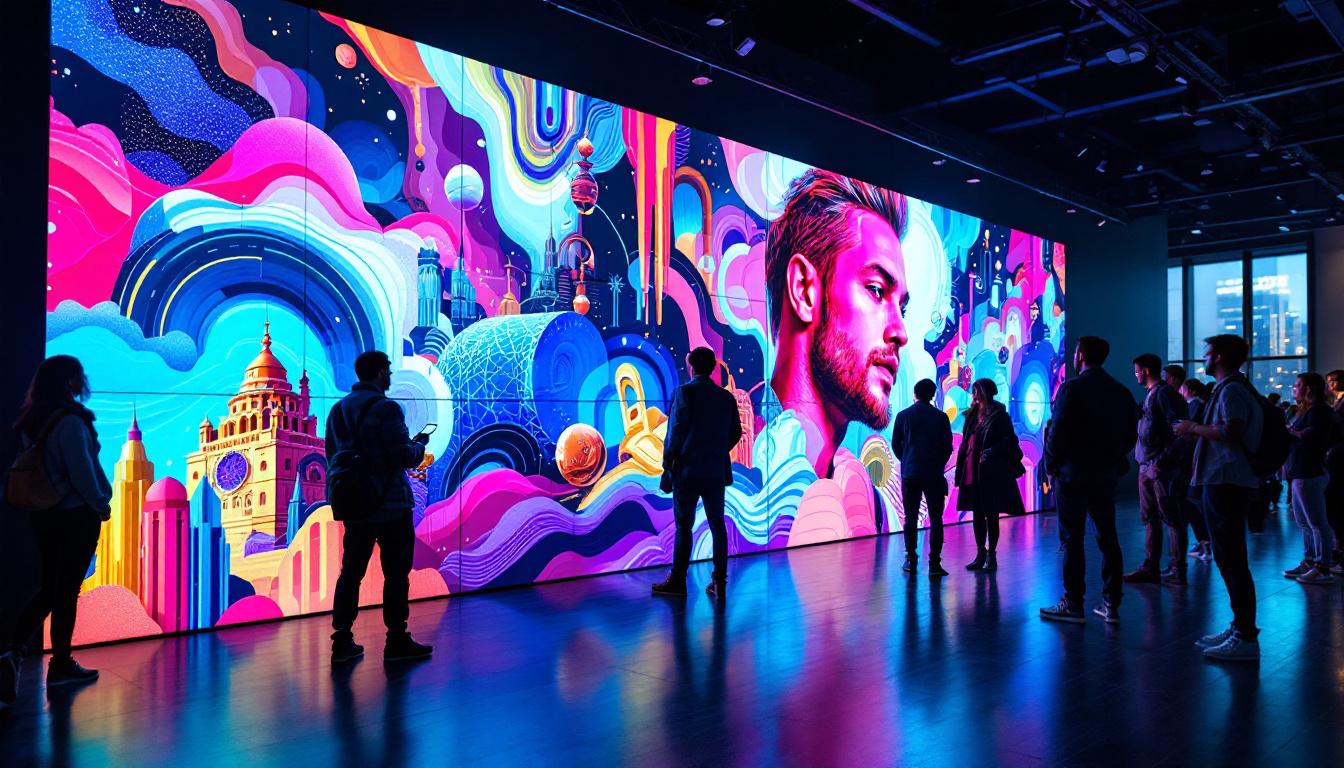
An LED video wall is a large-scale display made up of multiple LED panels seamlessly tiled together to create one continuous screen. Unlike traditional LCD or projection displays, LED walls use light-emitting diodes to produce vivid images with exceptional brightness and contrast. This makes them ideal for environments with high ambient light or where visual clarity from a distance is crucial.
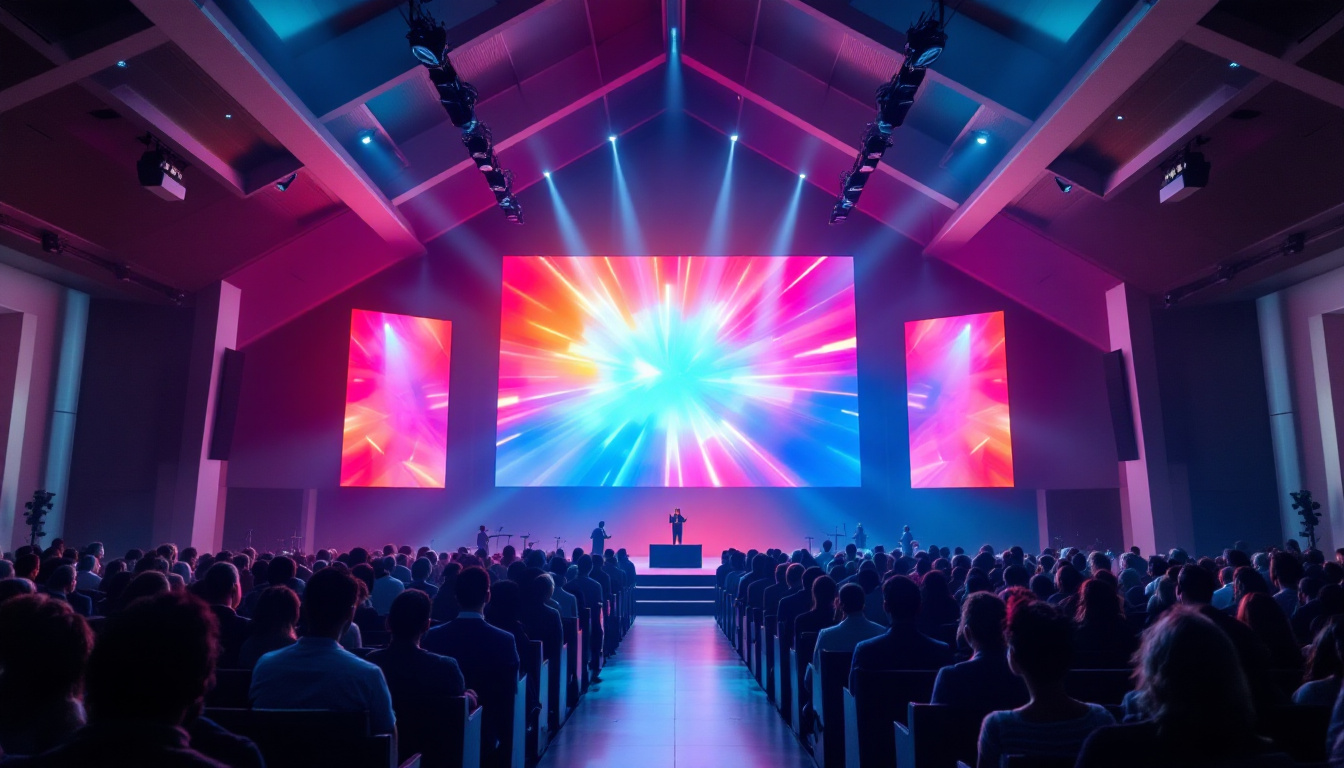
LED video walls can range from small indoor setups to massive outdoor installations. Their modular nature allows for custom sizes and aspect ratios, making them highly versatile for different applications. According to recent market research, the global LED display market is expected to grow at a compound annual growth rate (CAGR) of over 13% through 2027, driven by demand in advertising, sports arenas, and transportation hubs. The flexibility of LED technology also enables creative displays that can adapt to various themes and events, enhancing the overall visual experience.
Moreover, the integration of advanced technologies such as 4K resolution and HDR (High Dynamic Range) capabilities further elevates the quality of images displayed on LED video walls. These enhancements allow for more detailed and lifelike visuals, making them a popular choice for high-profile events, concerts, and exhibitions where impactful imagery is essential. As the technology continues to evolve, we can expect even more innovations in LED video walls, including interactive features that engage audiences in new and exciting ways.
Key Advantages of LED Displays
LED video walls offer several advantages over other display technologies:
- Brightness and Visibility: LEDs can achieve brightness levels exceeding 1,000 nits, ensuring clear visibility even in direct sunlight.
- Durability: LED panels are robust and often weather-resistant, making them suitable for both indoor and outdoor use.
- Color Accuracy and Contrast: The ability to control individual diodes allows for deep blacks and vibrant colors.
- Scalability: Modular panels can be combined to create virtually any size or shape, from simple rectangular walls to curved or irregular designs.
Additionally, LED video walls are energy-efficient compared to traditional display technologies, consuming less power while delivering superior performance. This efficiency not only reduces operational costs but also aligns with sustainability goals, making them an attractive option for environmentally conscious organizations. Furthermore, the longevity of LED panels means lower maintenance and replacement costs over time, providing a solid return on investment for businesses and event organizers alike. The combination of these advantages positions LED video walls as a leading choice for modern visual communication solutions across various industries.
The Importance of Video Wall Mounts
Why Mounting Matters
While the LED panels themselves are the visual centerpiece, the mounting system is the backbone that supports the entire installation. A well-designed video wall mount ensures that the panels are securely held in place, perfectly aligned, and easily accessible for maintenance. Poor mounting can lead to misalignment, damage, or even safety hazards. This is particularly critical in high-traffic areas, where the risk of accidental bumps or impacts can compromise the integrity of the installation. A robust mounting solution not only safeguards the equipment but also instills confidence in the viewers that the display is professional and reliable.
Video wall mounts also affect the overall aesthetics of the installation. Slim, low-profile mounts help achieve a seamless look, minimizing gaps between panels and enhancing the immersive experience for viewers. The visual impact of a well-mounted video wall can transform a space, drawing attention and creating an engaging atmosphere. In environments such as retail stores, corporate lobbies, or event spaces, the visual appeal of the installation can significantly influence customer perception and engagement, making it essential to invest in quality mounting solutions that complement the design of the space.
Types of Video Wall Mounts
Video wall mounts come in several configurations, each suited to different environments and installation requirements:
- Fixed Mounts: These mounts hold the LED panels in a stationary position. They are typically used in permanent installations where access to the rear of the panels is not required frequently. Fixed mounts are ideal for scenarios where the display is intended to remain in one place for an extended period, such as in control rooms or exhibition spaces.
- Tilting Mounts: Allow for slight angle adjustments to optimize viewing angles or reduce glare. This feature is particularly beneficial in environments with varied viewer heights, ensuring that everyone has a clear line of sight to the content being displayed.
- Motorized Mounts: These advanced mounts enable remote adjustment of the panels’ position, useful for dynamic environments or where frequent reconfiguration is needed. Motorized mounts can be programmed to change the display configuration based on the time of day or specific events, providing versatility and enhancing user engagement.
- Rear-Access Mounts: Designed to allow technicians to service the panels from behind without dismantling the entire wall, reducing downtime and maintenance costs. This feature is crucial in high-usage environments where minimizing disruptions is a priority, allowing for quick and efficient repairs or upgrades.
In addition to these types, there are also specialized mounts designed for unique applications, such as outdoor displays that require weather-resistant features or mounts that can accommodate curved video walls for a more immersive viewing experience. The choice of mount can significantly influence not only the functionality of the video wall but also its longevity and performance in various settings. As technology continues to evolve, so too do the mounting solutions, ensuring that installations remain cutting-edge and capable of meeting the demands of modern audiences.
Key Considerations When Choosing a Video Wall Mount
Weight and Load Capacity
LED panels vary widely in size and weight, with some large outdoor modules weighing over 50 pounds each. The video wall mount must be engineered to support the combined weight of all panels plus any additional hardware. It’s essential to verify the mount’s load capacity and ensure that the mounting surface (such as a wall or frame) can handle the total weight safely.
Alignment and Adjustability
Precise alignment is critical for a seamless video wall appearance. Even minor misalignments can create distracting gaps or uneven edges. High-quality mounts offer micro-adjustment features that allow installers to fine-tune panel positioning in three dimensions (horizontal, vertical, and depth).
Adjustability also helps accommodate slight variations in wall flatness or structural inconsistencies, ensuring the video wall remains visually perfect.
Accessibility for Maintenance
LED video walls require periodic maintenance, including cleaning, firmware updates, and panel replacement. Selecting a mount that allows easy access—either from the front or rear—can significantly reduce maintenance time and costs.
Rear-access mounts are preferred in commercial environments where uptime is critical. Front-access mounts are more common in retail or event spaces where rear access is limited.
Compatibility with Panel Specifications
Not all mounts fit all LED panels. It’s important to choose a mount compatible with the panel’s mounting hole pattern (VESA standard or proprietary), thickness, and weight. Manufacturers often provide recommended mounting solutions tailored to their products.
Installation Best Practices for Video Wall Mounts
Pre-Installation Planning
Successful video wall installation begins with thorough planning. This includes assessing the mounting surface, measuring the installation area, and verifying structural integrity. Walls must be capable of supporting the weight and stress of the video wall without risk of damage or collapse.
Professional installers often use laser levels and alignment tools to ensure precision. It’s also advisable to plan for cable management, power supply locations, and ventilation to maintain optimal operating conditions.
Ensuring Structural Safety
Given the size and weight of LED video walls, safety is paramount. The mounting system should comply with local building codes and industry standards. Structural engineers may need to be consulted for large or complex installations, especially in public or high-traffic areas.
Modular Assembly and Panel Installation
Most LED video walls are installed in a modular fashion, starting with the mounting frame followed by panel attachment. Using quick-release mechanisms or tool-less mounts can speed up installation and facilitate future maintenance.
Technicians must handle panels carefully to avoid damaging delicate LEDs or electronics. Proper grounding and static discharge precautions are also essential during installation.
Emerging Trends in Video Wall Mount Technology
Integration with Smart Building Systems
Modern video wall mounts are increasingly integrated with smart building technologies. Sensors embedded in mounts can monitor panel temperature, alignment, and vibration, sending alerts if maintenance is needed. This proactive approach reduces downtime and extends the lifespan of the display.
Lightweight and Sustainable Materials
Manufacturers are developing mounts using lightweight aluminum alloys and sustainable materials to reduce installation complexity and environmental impact. These materials maintain strength while easing transportation and handling.
Flexible and Curved Mounts
As LED video walls become more creative in shape and form, mounts that support curved or flexible configurations are gaining popularity. These mounts allow designers to create immersive environments that break away from traditional flat screens.
Conclusion: Maximizing Your LED Video Wall Investment
Investing in an LED video wall is a significant decision that can transform communication and engagement across various sectors. However, the display’s impact depends not only on the quality of the LED panels but equally on the mounting system that supports them.
Choosing the right video wall mount ensures structural safety, precise alignment, ease of maintenance, and aesthetic appeal. By understanding the types of mounts available and the key considerations involved, organizations can optimize their video wall installations for long-term success.
As LED technology and mounting systems continue to evolve, staying informed about the latest trends and best practices will help businesses leverage video walls as powerful tools for visual storytelling and information sharing.
Discover LumenMatrix’s Advanced LED Display Solutions
Ready to elevate your space with a cutting-edge LED video wall? LumenMatrix is at the forefront of LED display innovation, offering a wide range of solutions tailored to your unique needs. From vibrant Indoor and Outdoor LED Wall Displays to dynamic Vehicle and Sports Displays, our technology is designed to captivate and engage your audience. Embrace the future of visual storytelling with our Custom, All-in-One, and Transparent LED Displays. Check out LumenMatrix LED Display Solutions today and transform your visual communication with clarity and impact.