All My Friends LCD: LED Display Explained
In today’s digital age, screens are everywhere—from smartphones and laptops to massive billboards and stadium displays. Among the most prevalent technologies powering these screens are LCD and LED displays. While these terms are often used interchangeably, understanding the distinctions and how they work can help consumers, professionals, and enthusiasts make informed decisions. This article delves deep into the world of LCD and LED displays, explaining their technology, applications, and the latest trends shaping the industry.
Understanding the Basics: What Is an LCD?
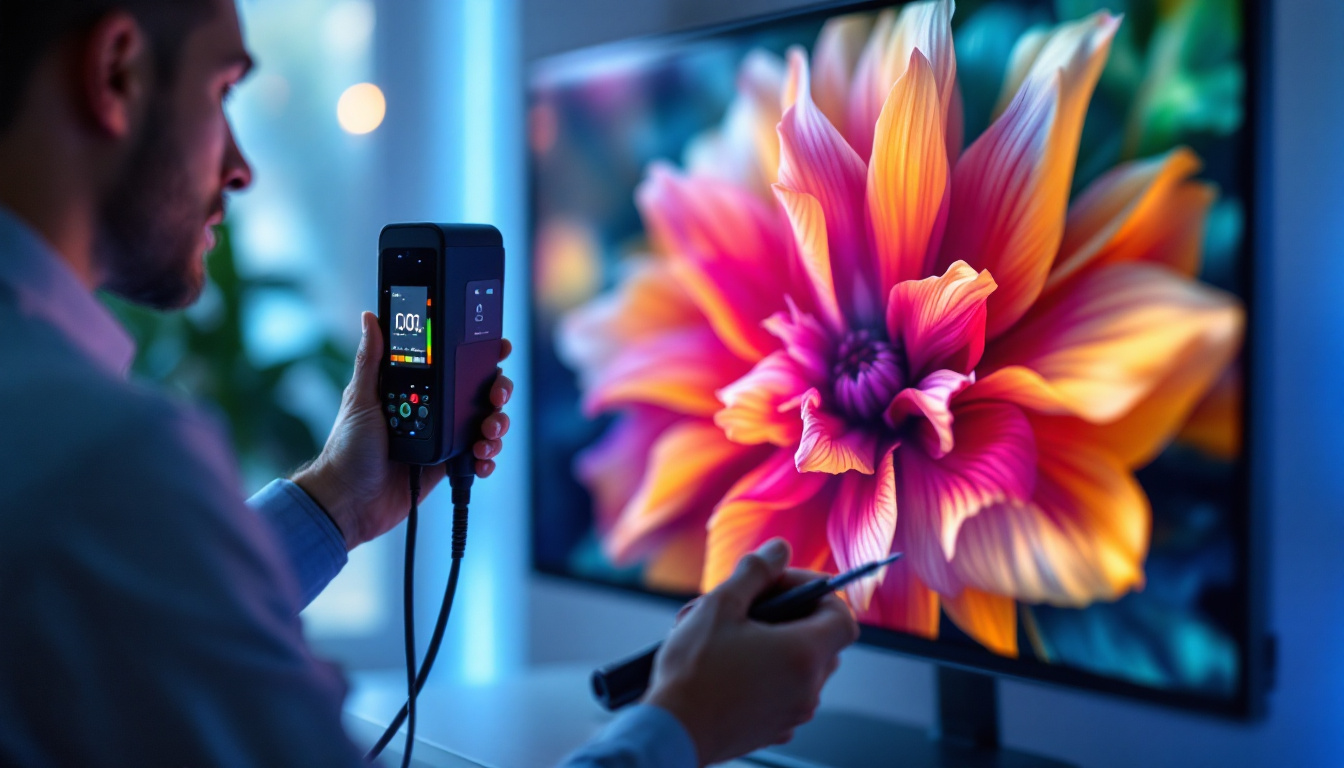
LCD stands for Liquid Crystal Display. It is a flat-panel display technology that uses liquid crystals sandwiched between two layers of glass or plastic. These crystals do not emit light directly but manipulate light to create images.
The fundamental principle behind LCDs is the control of light polarization. When an electric current passes through the liquid crystals, they align in a way that either blocks or allows light to pass through. This modulation of light creates the images we see on the screen.
LCDs require a backlight to illuminate the display because liquid crystals themselves do not emit light. Traditionally, cold cathode fluorescent lamps (CCFLs) were used as backlights, but modern LCDs predominantly use LED backlighting, leading to the common term “LED TV” or “LED display,” which can sometimes cause confusion.
How LCDs Work
Each pixel in an LCD consists of subpixels with red, green, and blue filters. By adjusting the voltage applied to the liquid crystals in each subpixel, the display controls the intensity of light passing through, mixing these colors to produce a wide spectrum of colors.
The backlight shines through the liquid crystal layer, and the crystals twist or untwist to control how much light passes through each pixel. This process happens thousands of times per second, creating the images and videos we see.
One of the significant advantages of LCD technology is its ability to produce sharp images with high resolution. This is particularly evident in applications such as computer monitors and televisions, where clarity and detail are paramount. Additionally, LCDs are known for their energy efficiency, especially when compared to older technologies like cathode ray tube (CRT) displays. This efficiency not only reduces electricity consumption but also minimizes heat generation, making LCDs a preferred choice for portable devices like laptops and smartphones.
Moreover, advancements in LCD technology have led to the development of various types, such as IPS (In-Plane Switching) and TN (Twisted Nematic) panels. IPS panels are renowned for their superior color accuracy and wider viewing angles, making them ideal for graphic design and professional photography, while TN panels are favored for their fast response times, which are beneficial in gaming scenarios. These innovations continue to enhance the user experience, providing options that cater to diverse needs across different industries.
LED Displays: More Than Just Backlighting
LED stands for Light Emitting Diode, a semiconductor device that emits light when an electric current passes through it. In the context of displays, LED technology can refer to two different things:
- LED-backlit LCD displays, where LEDs replace traditional CCFL backlights.
- True LED displays, where each pixel is an individual LED or cluster of LEDs that emit light directly.
This distinction is crucial for understanding the capabilities and applications of LED displays.
LED-Backlit LCD Displays
Most modern LCD screens use LED backlighting instead of CCFLs. This change has led to thinner, more energy-efficient displays with better brightness and color accuracy. The LEDs can be arranged in different ways:
- Edge-lit LED: LEDs are placed around the edges of the screen, and light is distributed across the panel using light guides.
- Full-array LED: LEDs are placed directly behind the screen in a grid, allowing for more precise control of brightness and contrast through local dimming.
These improvements have made LED-backlit LCDs the dominant technology for televisions, computer monitors, and mobile devices.
True LED Displays
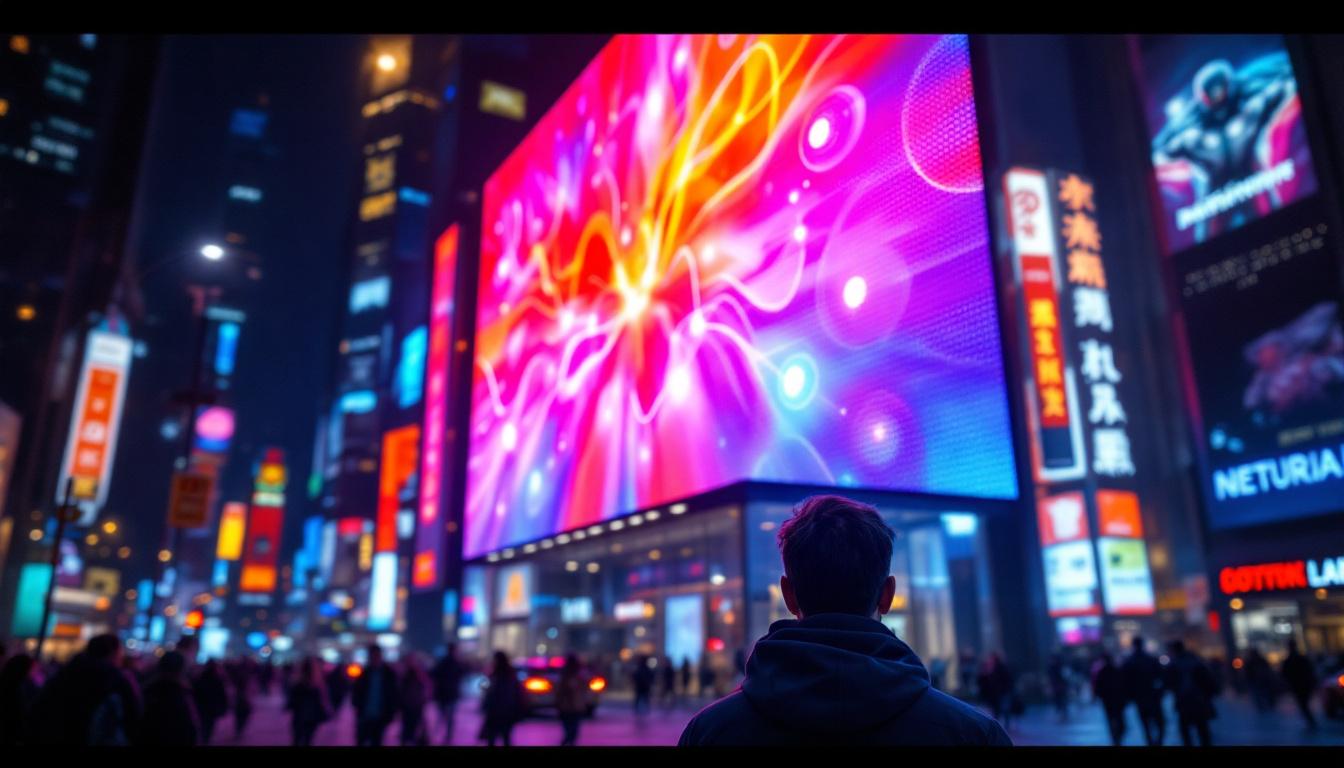
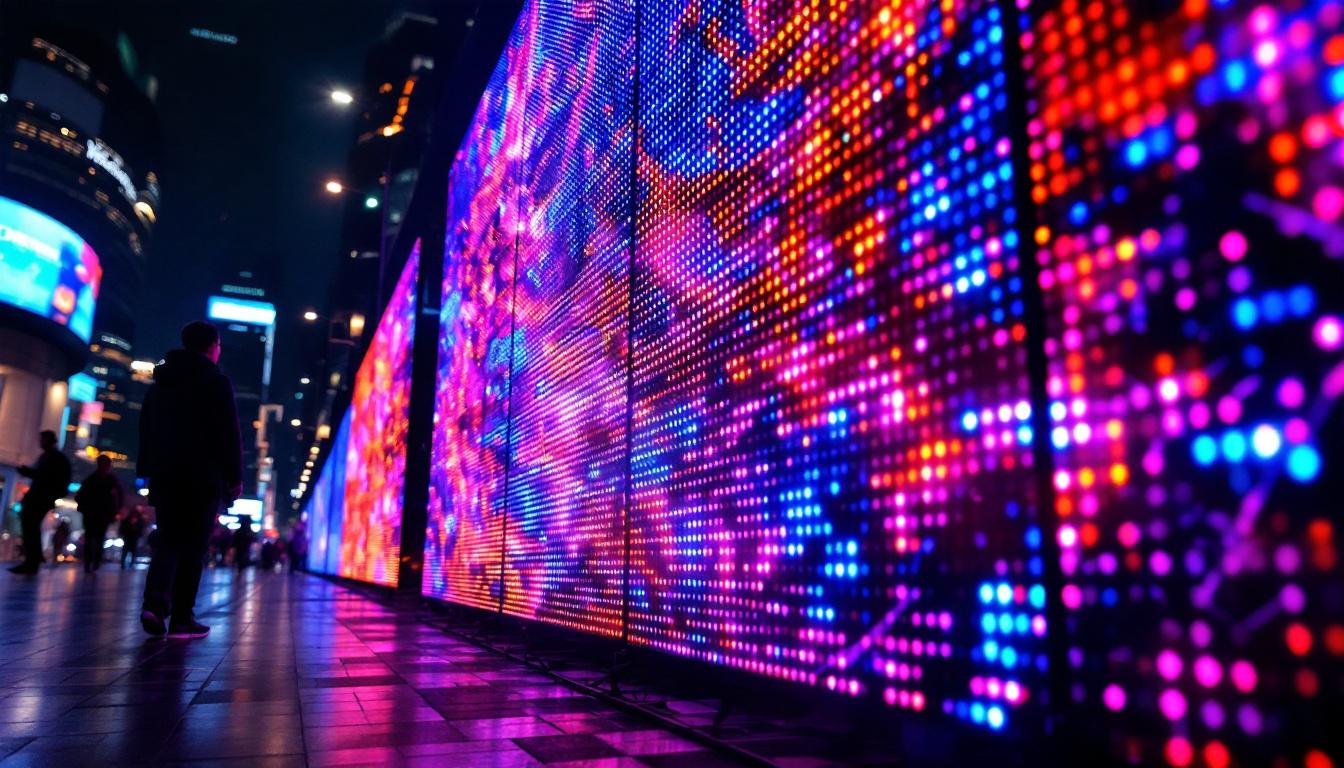
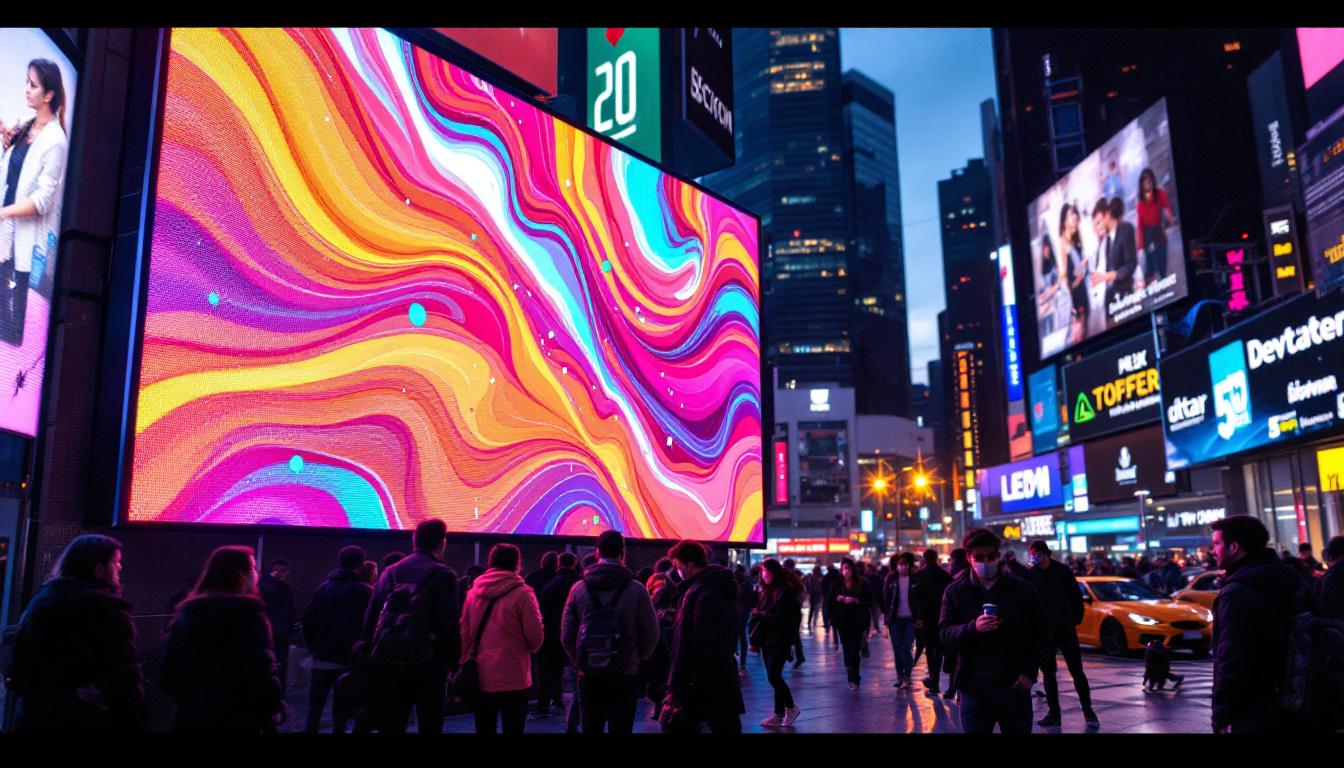
True LED displays, often referred to as direct-view LED (DVLED) or microLED displays, use tiny LEDs as individual pixels. Each LED emits its own light and color, eliminating the need for a backlight. This technology is commonly used in large outdoor billboards, stadium screens, and increasingly in premium indoor displays.
MicroLED technology, a cutting-edge development, uses microscopic LEDs to create displays with exceptional brightness, contrast, and color accuracy. Unlike OLEDs, microLEDs do not suffer from burn-in and offer longer lifespans.
Comparing LCD and LED Displays: Pros and Cons
When choosing between LCD and LED displays, it’s important to understand their strengths and limitations. Although many LED displays are technically LCDs with LED backlighting, the term “LED display” often implies direct-view LED technology in professional and commercial contexts.
Advantages of LED-Backlit LCDs
- Energy Efficiency: LED backlighting consumes less power than CCFLs, making devices more energy-efficient.
- Thin and Lightweight: LED-backlit LCDs are thinner and lighter, enabling sleek designs for TVs and monitors.
- Improved Brightness and Color: LEDs provide better brightness and color accuracy, especially with full-array local dimming.
- Cost-Effective: Mass production has lowered costs, making these displays affordable for consumers.
Limitations of LED-Backlit LCDs
- Limited Contrast Ratio: Since the backlight is always on, achieving true blacks is challenging compared to emissive displays like OLED.
- Viewing Angles: Color and brightness can shift when viewed from extreme angles.
- Response Time: Some LCD panels may exhibit motion blur in fast-moving scenes.
Advantages of True LED Displays
- Exceptional Brightness: Ideal for outdoor and large venue applications where sunlight visibility is critical.
- Infinite Contrast: LEDs can be turned off completely, producing true blacks and vivid colors.
- Scalability: Modular design allows for creating massive displays of virtually any size and shape.
- Durability: LEDs have long lifespans and are resistant to burn-in.
Limitations of True LED Displays
- Cost: High manufacturing and installation costs limit their use to commercial and specialized applications.
- Pixel Pitch: For smaller screens, pixel pitch (distance between LEDs) affects resolution and image quality, making them less suitable for close viewing unless very fine pitch LEDs are used.
- Complexity: Requires sophisticated control systems and maintenance.
Applications of LCD and LED Displays
Both LCD and LED technologies have found applications across diverse sectors, each playing to its strengths.
Consumer Electronics
LCDs with LED backlighting dominate consumer electronics such as televisions, laptops, tablets, and smartphones. Their balance of cost, image quality, and form factor makes them ideal for everyday use.
Notably, the shift from CCFL to LED backlighting has enabled features like HDR (High Dynamic Range), which enhances color depth and contrast, elevating the viewing experience.
Commercial and Industrial Displays
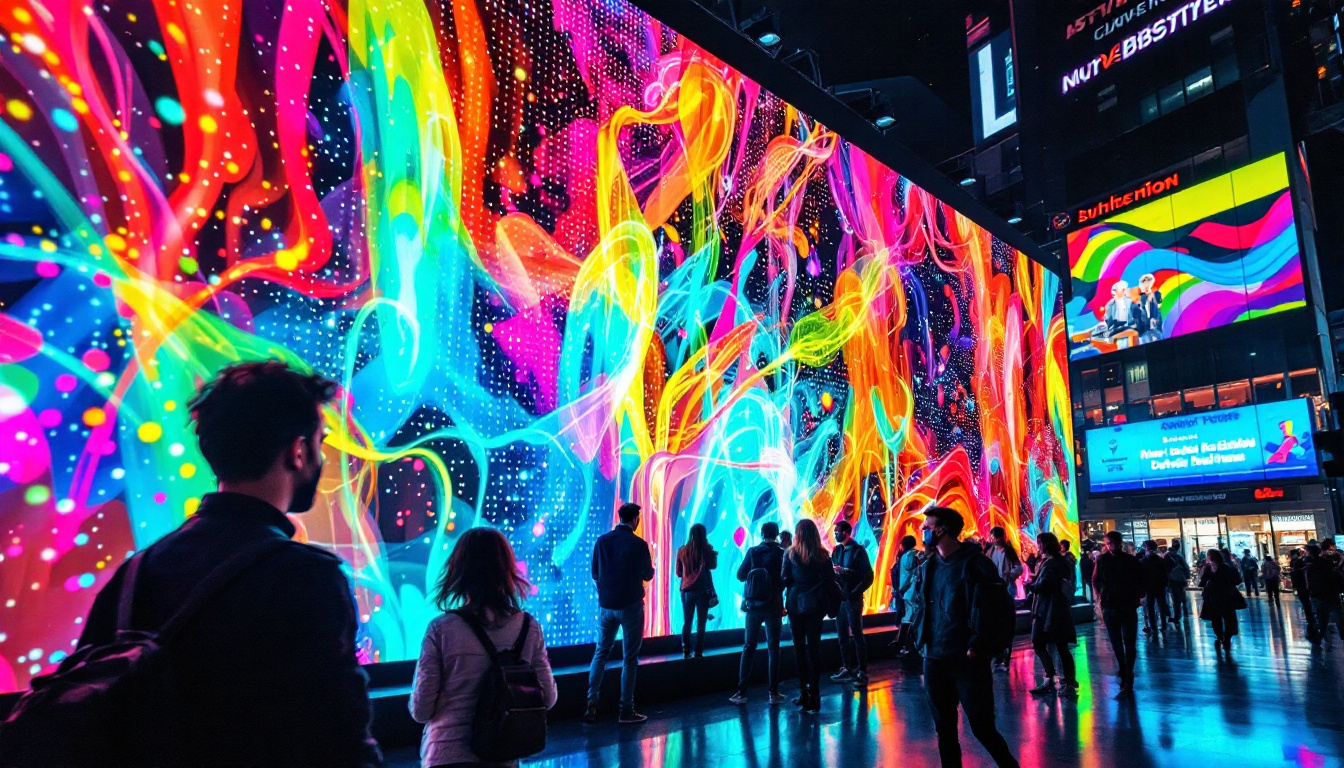
True LED displays are prevalent in commercial settings—digital billboards, retail signage, transportation hubs, and sports arenas. Their brightness and scalability make them perfect for attracting attention and conveying information in large formats.
Indoor LED walls are increasingly common in corporate environments, broadcast studios, and event venues, offering dynamic and customizable visual content.
Emerging Technologies and Trends
MicroLED and OLED technologies are pushing the boundaries of display quality. MicroLED combines the brightness and longevity of LEDs with the pixel-level control of emissive displays, promising stunning visuals without the drawbacks of current technologies.
Moreover, flexible and transparent LED and LCD displays are emerging, opening new possibilities for design and interactivity in automotive, wearable devices, and smart home applications.
Choosing the Right Display: What Consumers and Businesses Should Consider
Making an informed choice between LCD and LED displays depends on the intended use, budget, and performance requirements.
For Consumers
When purchasing a television or monitor, understanding that most “LED TVs” are actually LCD panels with LED backlighting is key. Look for features such as:
- Local Dimming: Enhances contrast by dimming parts of the screen independently.
- HDR Support: For richer colors and better brightness.
- Panel Type: IPS panels offer better viewing angles, while VA panels provide higher contrast.
For smartphones and tablets, OLED displays are becoming more common due to their superior contrast and color, but LCDs remain popular for their cost-effectiveness and brightness.
For Businesses
Businesses should evaluate the environment and purpose of the display:
- Indoor vs. Outdoor: Outdoor displays require high-brightness true LED panels.
- Viewing Distance: Larger pixel pitch is acceptable for distant viewing; fine pitch is needed for close-up applications.
- Content Type: Video, static images, or interactive content may influence technology choice.
- Budget and Maintenance: Consider installation costs and long-term maintenance.
The Future of LCD and LED Displays
The display industry continues to evolve rapidly. Innovations in materials, manufacturing, and electronics are driving improvements in image quality, energy efficiency, and form factor.
Quantum dot technology, often combined with LED-backlit LCDs, enhances color gamut and brightness, narrowing the gap with OLED displays. At the same time, microLED promises to revolutionize both consumer and commercial displays with unmatched performance.
Environmental considerations are also shaping the future. Manufacturers are focusing on reducing hazardous materials, improving recyclability, and increasing energy efficiency to meet global sustainability goals.
Conclusion
Understanding the nuances between LCD and LED displays is essential in navigating today’s screen-saturated world. While LCD technology forms the backbone of most consumer screens, LED technology—whether as backlighting or direct-view pixels—continues to push the boundaries of brightness, contrast, and versatility.
Whether choosing a new television, designing a commercial display, or simply appreciating the technology behind the screens, knowing how these technologies work and their respective advantages can guide better decisions and foster greater appreciation for the incredible engineering behind modern displays.
Explore the Future of Visual Display with LumenMatrix
As you consider the vast possibilities of LCD and LED displays, LumenMatrix stands at the forefront of this technological evolution. Our commitment to innovation ensures that whether you’re looking to enhance your brand’s visibility or create an immersive visual experience, our extensive range of LED display solutions—including Indoor and Outdoor LED Wall Displays, Vehicle LED Displays, LED Poster Displays, LED Sports Displays, Floor LED Displays, Custom LED Displays, All-in-One LED Displays, and LED Transparent Displays—will meet your needs. Ready to revolutionize your visual communication? Check out LumenMatrix LED Display Solutions and empower your business to illuminate your message with precision and flair.