In the rapidly evolving world of digital signage and display technology, LED displays have become a cornerstone for businesses, event organizers, and public information systems. Among the various technical specifications and design considerations, the term “136 Form” often surfaces, especially in professional LED display manufacturing and installation contexts. This article delves into what the 136 Form means in LED displays, its significance, and how it impacts the performance and application of LED panels.
Understanding LED Display Technology
Before exploring the specifics of the 136 Form, it is essential to understand the basics of LED display technology. LED, or Light Emitting Diode, displays use an array of tiny light sources to create images and videos. These displays are widely favored for their brightness, energy efficiency, and versatility across indoor and outdoor environments. Unlike traditional display technologies, such as LCD or CRT, LED displays offer superior color accuracy and contrast ratios, making them ideal for environments where visibility is paramount, such as concerts, sports events, and advertising billboards.
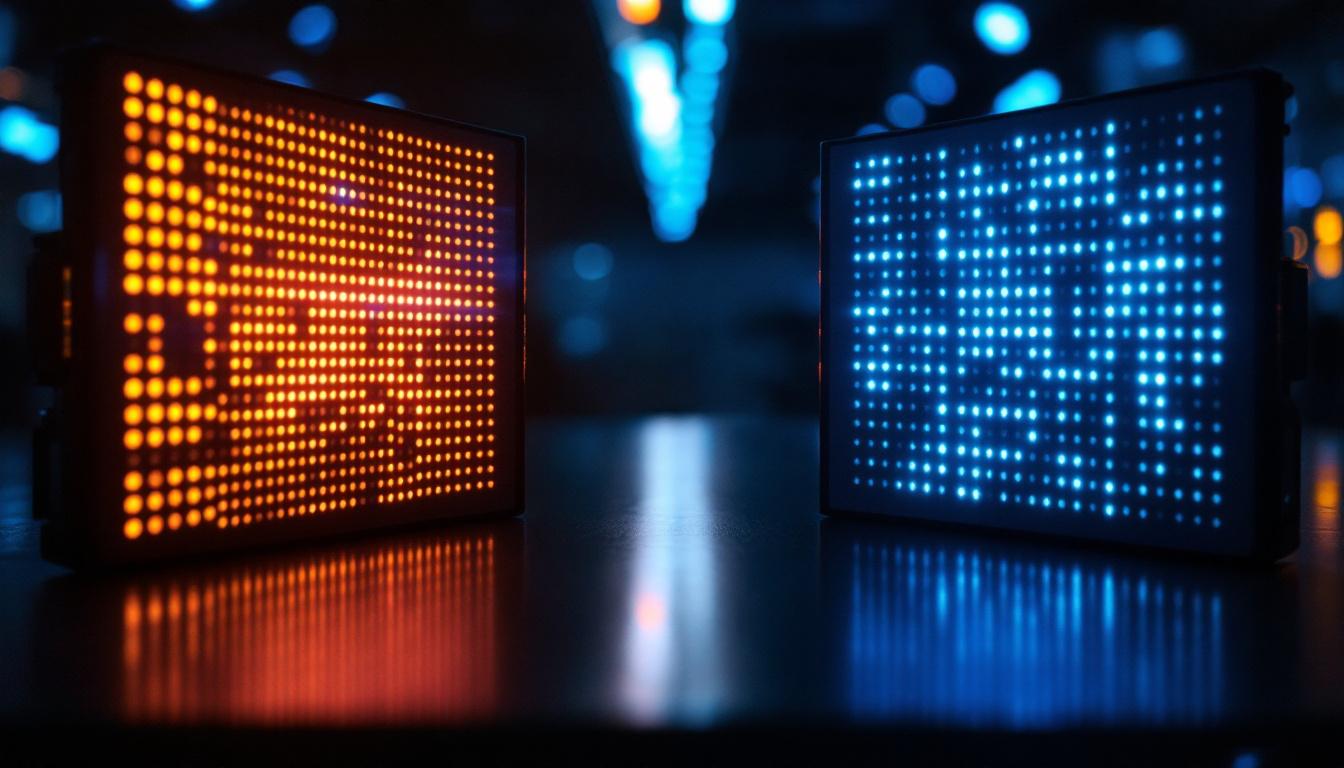
LED panels consist of multiple modules, each containing numerous LEDs arranged in a grid. The resolution, pixel pitch (distance between LEDs), and refresh rate are key parameters that define the quality and suitability of an LED display for various applications. A lower pixel pitch results in a higher resolution, which is crucial for close-up viewing, while a higher refresh rate ensures smooth motion in video playback, a feature that is particularly important in fast-paced environments. As LED technology advances, manufacturers continuously refine the design and form factors to optimize performance and ease of installation. Innovations such as flexible LED displays and transparent screens are pushing the boundaries of what is possible, allowing for creative applications in architecture and advertising that were previously unimaginable.
Moreover, the longevity of LED displays significantly contributes to their appeal. With lifespans often exceeding 100,000 hours, these displays require less frequent replacements, thereby reducing waste and maintenance costs over time. Additionally, advancements in smart LED technology have introduced features like remote monitoring and automated brightness adjustments, which enhance user experience and operational efficiency. As industries increasingly adopt LED technology, the environmental benefits of reduced energy consumption and lower carbon footprints are becoming more pronounced, aligning with global sustainability goals. This evolution in display technology not only enhances visual experiences but also supports a more eco-friendly approach to digital communication.
What is the 136 Form in LED Displays?
The “136 Form” refers to a specific structural and design standard used in LED display modules and cabinets. It is a designation that indicates the physical dimensions, mounting configurations, and sometimes the internal circuitry layout of LED panels. The term is most commonly used among manufacturers and installers to ensure compatibility and uniformity across different production batches and installation projects.
In practical terms, a 136 Form LED panel typically measures 136 millimeters in one dimension, often the height or width of the module, although this can vary slightly depending on the manufacturer. This form factor is part of a broader classification system that helps standardize LED display components, making it easier to design scalable and modular displays.
Why Standardized Forms Matter
Standardization in LED display manufacturing is crucial for several reasons. First, it simplifies the assembly process. When panels conform to a standard form like the 136 Form, installers can quickly and securely fit them together without custom adjustments. This reduces installation time and labor costs.
Second, standardized forms facilitate maintenance and upgrades. If a panel fails or needs replacement, technicians can swap out the faulty unit with an identical 136 Form module, ensuring consistent performance and appearance. Finally, standard forms support scalability, allowing businesses to expand their displays by adding more modules without compatibility issues.
Technical Specifications Associated with 136 Form LED Panels
While the exact specifications of 136 Form panels can vary by manufacturer, there are common technical characteristics that define this form factor. Understanding these helps stakeholders select the right panels for their specific needs.
Dimensions and Weight
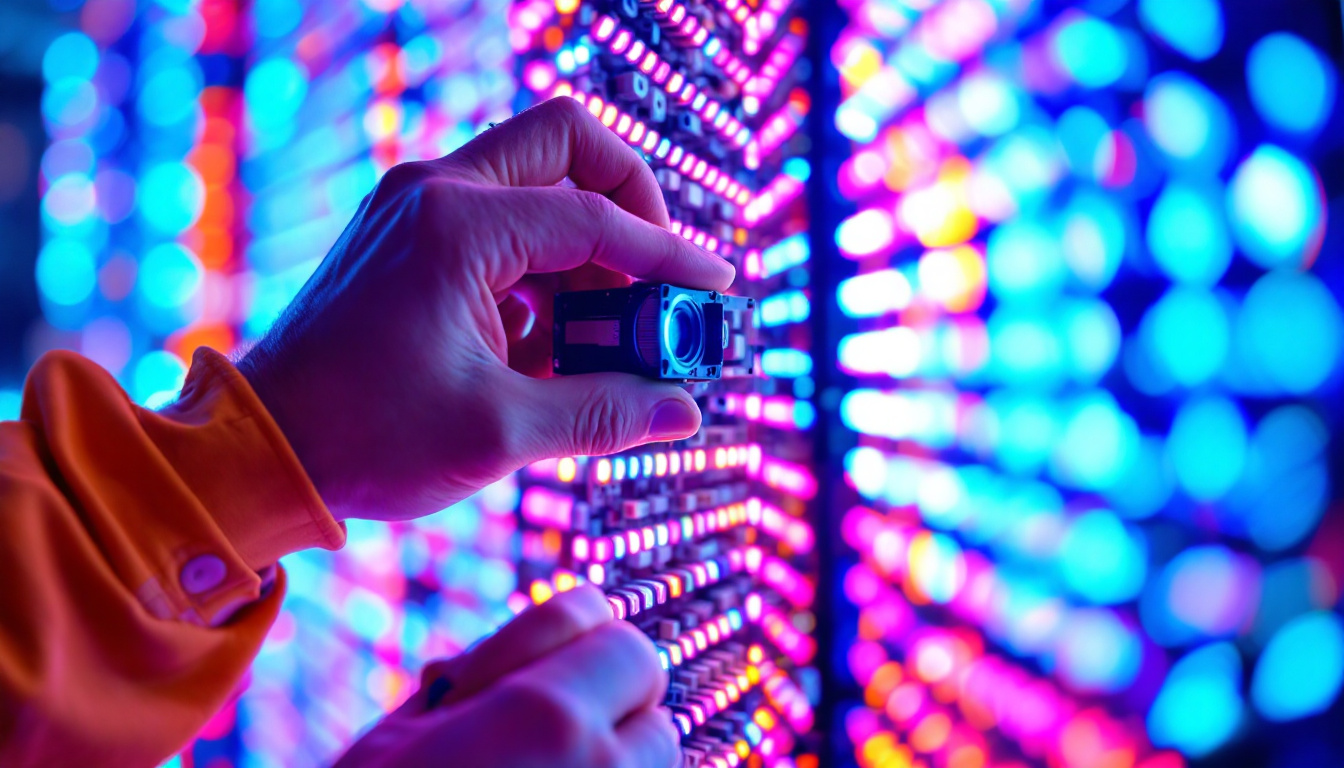
The hallmark of the 136 Form is its compact size, typically around 136mm in height or width, with the other dimension varying depending on the pixel pitch and LED density. These panels are designed to be lightweight yet durable, often weighing between 1 to 3 kilograms per module. This balance ensures easy handling during installation and reduces the structural load on mounting frameworks.
Pixel Pitch and Resolution
136 Form panels are available with various pixel pitches, commonly ranging from 1.2mm to 3mm for indoor applications. The pixel pitch directly affects the resolution and viewing distance of the display. For example, a 136 Form panel with a 1.5mm pixel pitch can deliver high-definition images suitable for close-up viewing in retail or control room environments.
Manufacturers often design 136 Form modules to be compatible with a range of pixel pitches, allowing clients to customize their displays based on budget and visual requirements.
Refresh Rate and Brightness
High refresh rates, typically above 1920Hz, are standard for 136 Form LED panels. This ensures smooth video playback and reduces flicker, which is particularly important for broadcast and live event applications. Brightness levels vary depending on whether the panel is intended for indoor or outdoor use, with indoor 136 Form panels generally offering brightness between 800 to 1200 nits.
Applications of 136 Form LED Displays
The versatility of the 136 Form makes it suitable for a wide range of applications. Its modular design and high performance have made it a popular choice in several industries.
Retail and Advertising
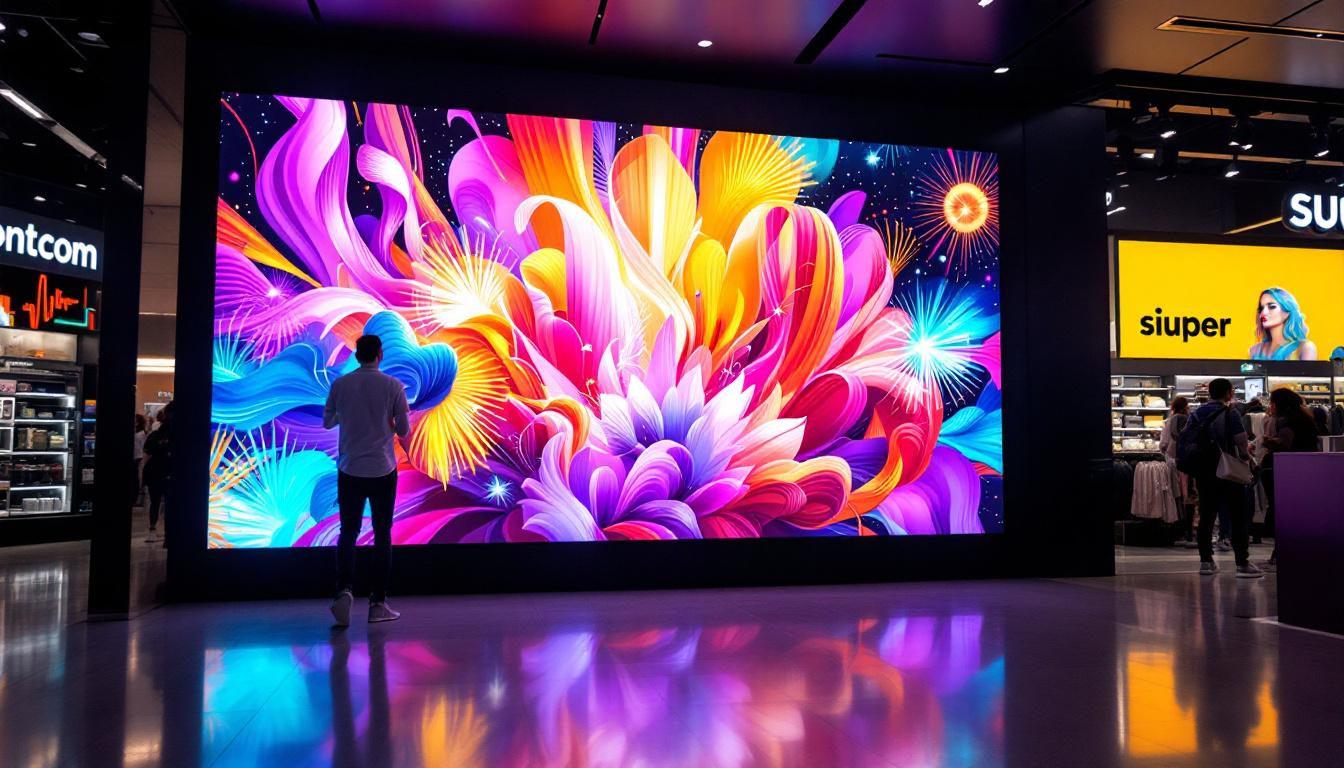
In retail environments, 136 Form LED displays are used for dynamic digital signage, promotional screens, and interactive displays. Their high resolution and compact size allow retailers to create visually striking installations that attract customer attention and enhance brand messaging.
For example, luxury brands often deploy 136 Form LED walls in flagship stores to showcase high-definition videos and animations that complement their product displays. The modularity also allows for creative shapes and configurations, adding to the aesthetic appeal.
Broadcast and Control Rooms
Control rooms, TV studios, and broadcast centers demand LED displays with exceptional clarity and reliability. The 136 Form’s precise pixel pitch and high refresh rates make it ideal for these environments, where detailed visuals and real-time data are critical.
Many newsrooms use 136 Form LED video walls as backdrops for anchors, combining aesthetic appeal with functional display of graphics and live feeds. Similarly, control rooms benefit from the modularity and easy maintenance of these panels.
Events and Entertainment
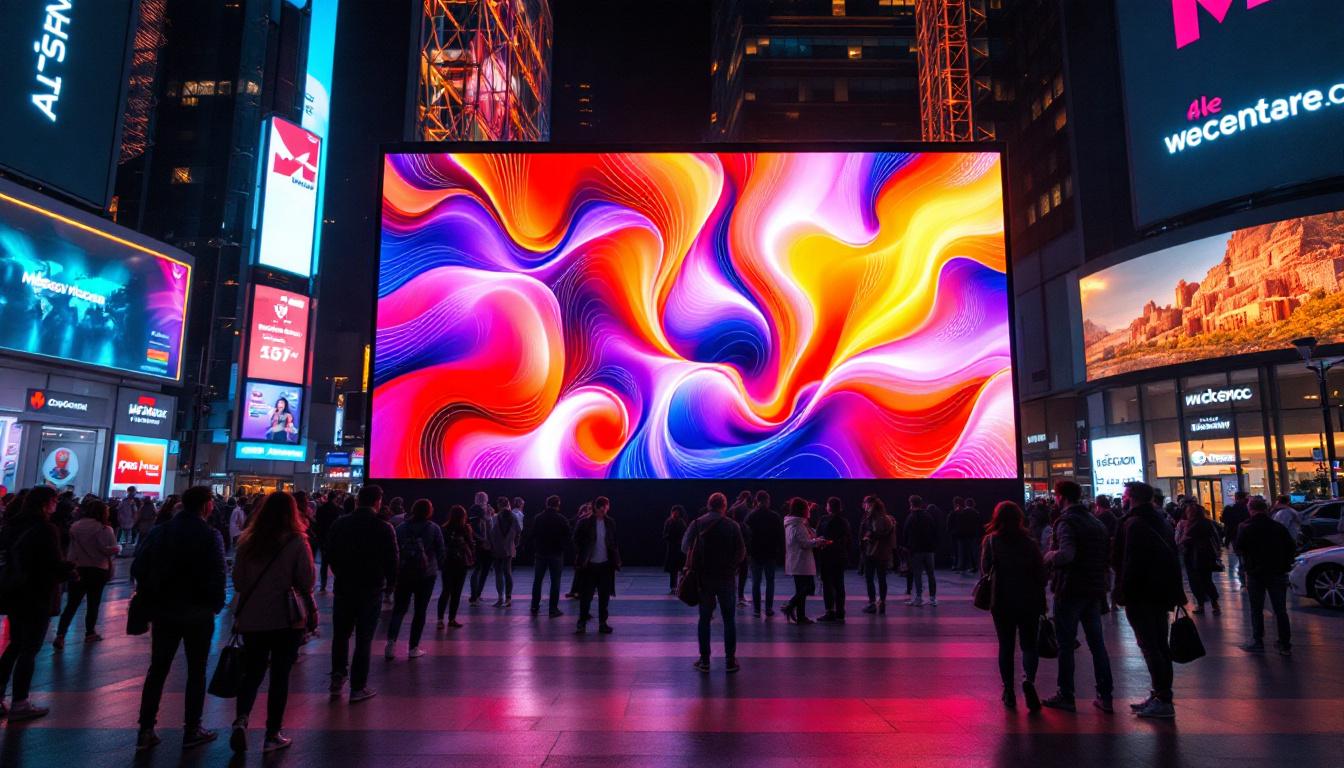
Concerts, conferences, and sporting events frequently utilize 136 Form LED displays for stage backdrops, scoreboards, and audience engagement screens. The lightweight nature of these panels facilitates rapid setup and teardown, a necessity in event production.
Moreover, the high brightness and contrast ratios ensure visibility even in challenging lighting conditions, enhancing the audience experience.
Installation and Maintenance Considerations
Proper installation and maintenance are vital to maximize the lifespan and performance of 136 Form LED displays. Understanding the nuances of these panels can help facility managers and installers avoid common pitfalls.
Mounting and Alignment
Due to their standardized dimensions, 136 Form panels can be mounted using pre-designed brackets and frames. However, precise alignment is crucial to prevent visible seams or misaligned pixels, which can detract from image quality.
Professional installers often use laser alignment tools and specialized mounting hardware to ensure a seamless appearance. Additionally, the panels are designed with locking mechanisms that facilitate quick and secure attachment.
Power and Data Management
136 Form LED panels require careful power distribution to maintain consistent brightness and prevent overheating. Integrated power supplies and efficient heat dissipation systems are standard features, but installers must ensure proper ventilation and electrical infrastructure.
Data cables and signal management also play a critical role. Using high-quality data transmission protocols and cable management systems helps minimize latency and signal degradation, ensuring smooth video playback.
Routine Maintenance and Troubleshooting
One of the advantages of the 136 Form standard is the ease of maintenance. Faulty modules can be quickly removed and replaced without dismantling the entire display. Regular cleaning, firmware updates, and inspection of connectors help maintain optimal performance.
Technicians should be trained to identify common issues such as dead pixels, color inconsistencies, or signal interruptions, and use diagnostic tools provided by manufacturers to troubleshoot effectively.
Future Trends and Innovations Related to 136 Form LED Displays
The LED display industry is continuously innovating, and the 136 Form is evolving alongside these advancements. Emerging technologies promise to enhance the capabilities and applications of these panels.
Higher Resolution and Miniaturization
As consumer and commercial demand for ultra-high-definition displays grows, manufacturers are developing 136 Form panels with even smaller pixel pitches, down to 0.9mm or less. This miniaturization enables incredibly sharp images suitable for close-range viewing environments such as museums or luxury retail.
Improved Energy Efficiency
Energy consumption remains a key concern, especially for large-scale LED installations. Advances in LED chip technology and power management systems are making 136 Form panels more energy-efficient, reducing operational costs and environmental impact.
Smart and Interactive Features
Integration of sensors, touch capabilities, and AI-driven content management is becoming more common in LED displays. Future 136 Form panels may offer enhanced interactivity, enabling dynamic content adjustments based on audience engagement or environmental conditions.
Conclusion
The 136 Form is a significant standard in the LED display industry, offering a balance of modularity, performance, and ease of installation. Its adoption across retail, broadcast, event, and control room applications underscores its versatility and reliability. As technology advances, the 136 Form continues to adapt, promising even higher resolutions, better energy efficiency, and smarter features.
For businesses and organizations looking to invest in LED display technology, understanding the 136 Form and its implications can guide better decision-making, ensuring the chosen solution meets both current needs and future demands.
Explore the Future of Visual Communication with LumenMatrix
Ready to elevate your visual messaging with the latest in LED display technology? LumenMatrix is at the forefront of innovation, offering a diverse range of LED display solutions tailored to your unique needs. From captivating Indoor and Outdoor LED Wall Displays to dynamic Vehicle and Sports LED Displays, our products are designed to make your brand stand out. Discover the endless possibilities with our Custom LED Displays, All-in-One solutions, and groundbreaking LED Transparent Displays. Embrace the future of digital signage with LumenMatrix and create immersive experiences that resonate with your audience. Check out LumenMatrix LED Display Solutions today and transform the way you communicate visually.