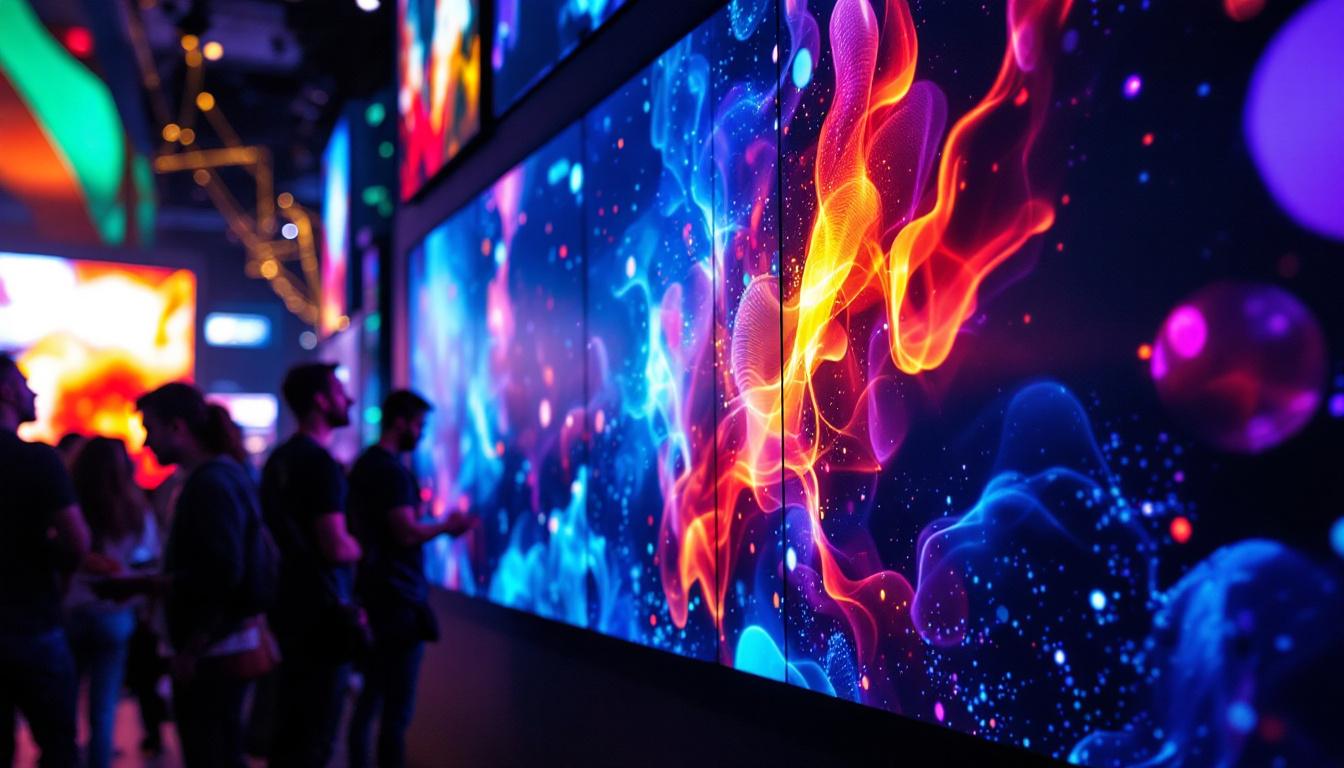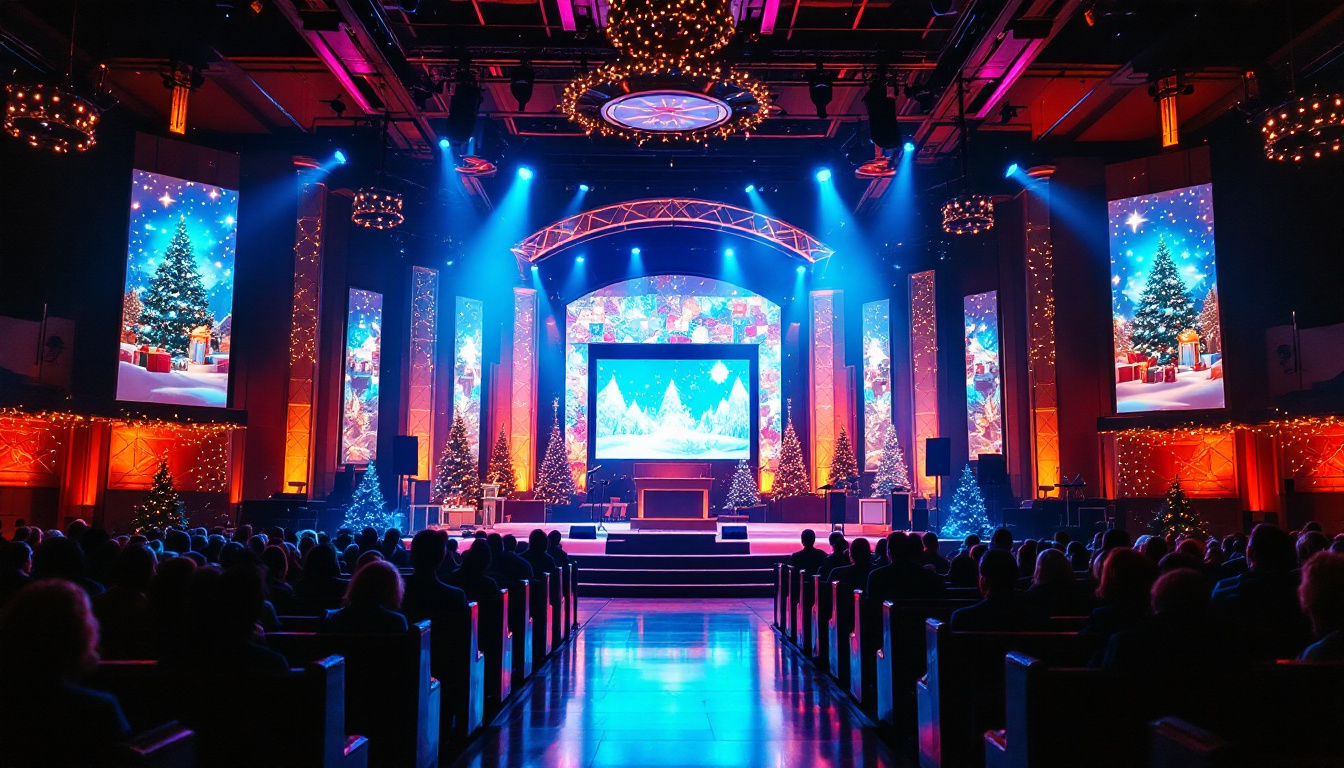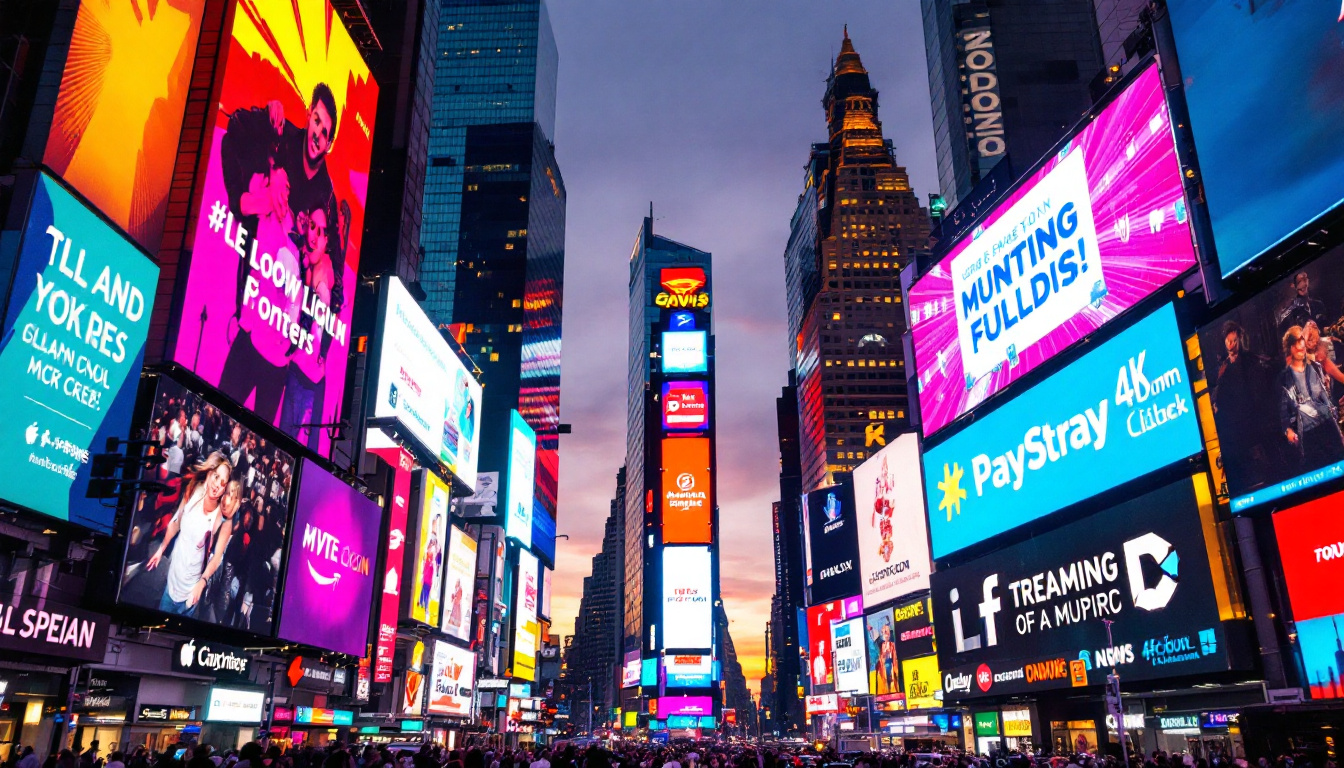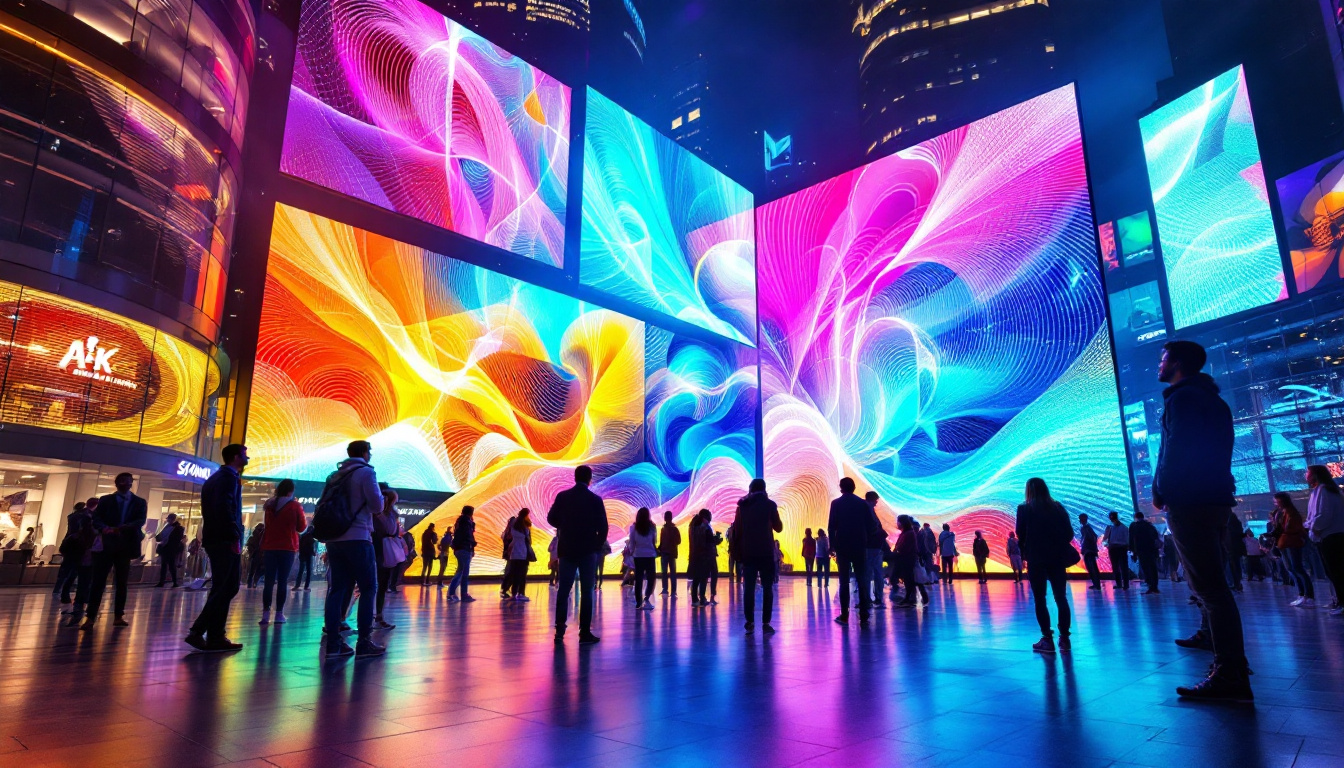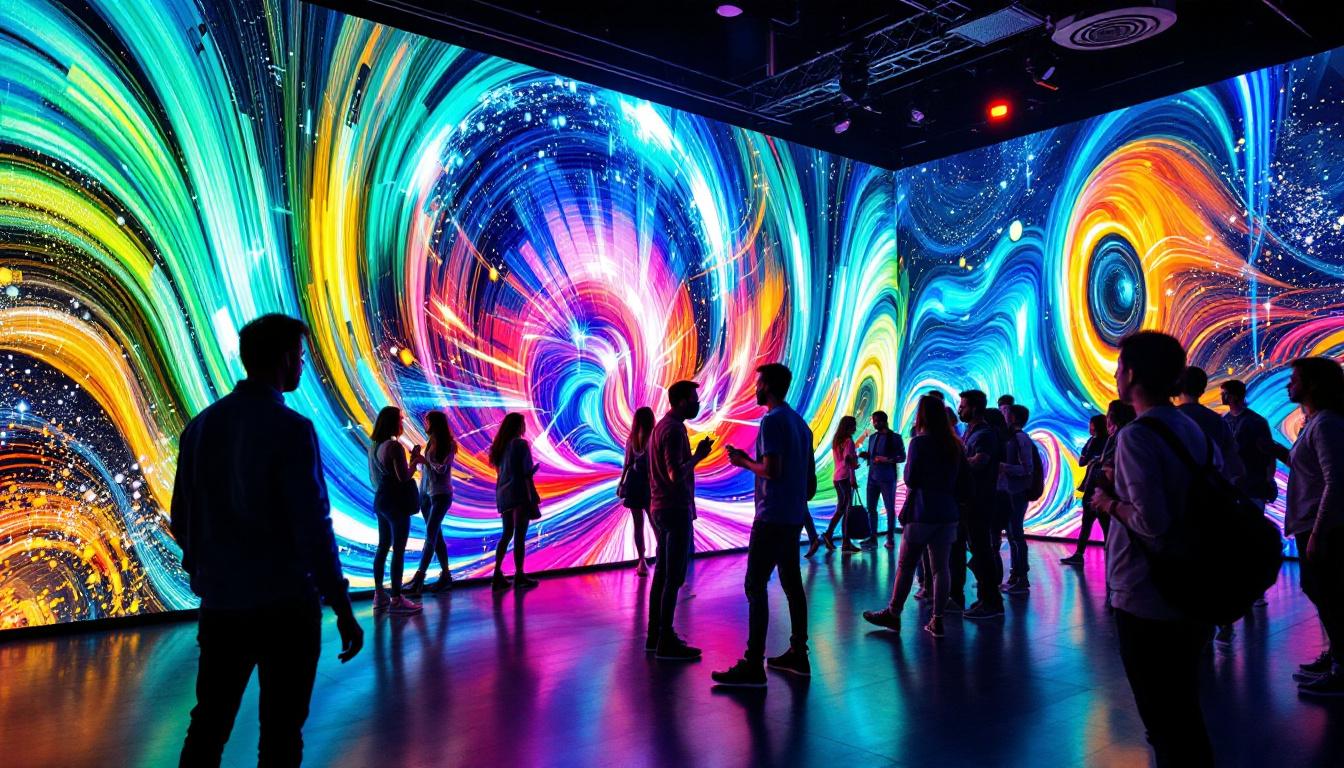
In today’s fast-paced digital world, the demand for high-quality visual and audio experiences is higher than ever. Whether it’s in stadiums, corporate events, retail spaces, or public installations, LED displays have become the go-to technology for delivering vibrant, dynamic content that captivates audiences. This article explores the fundamentals of LED displays, their advantages, applications, and the technology behind them, providing a comprehensive understanding of why LED screens are revolutionizing the way we experience sound and video.
Understanding LED Display Technology
What is an LED Display?
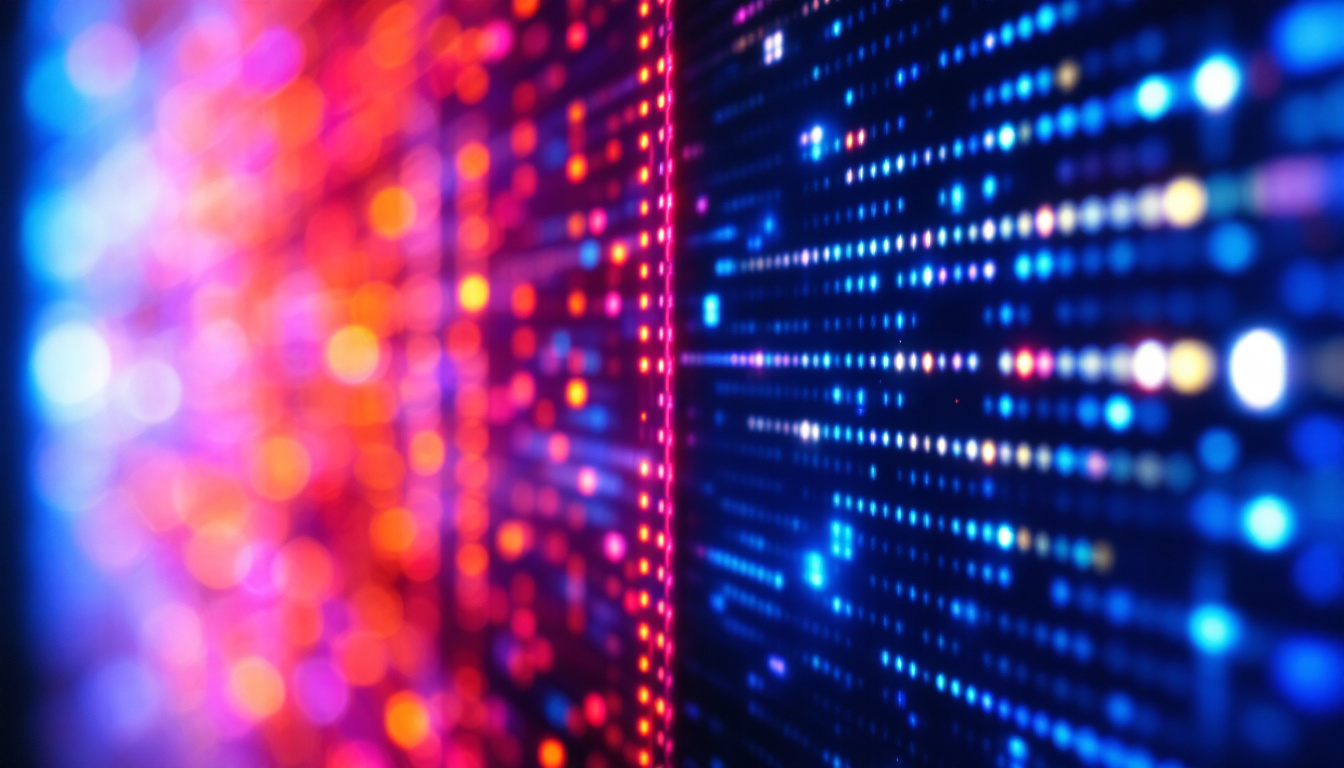
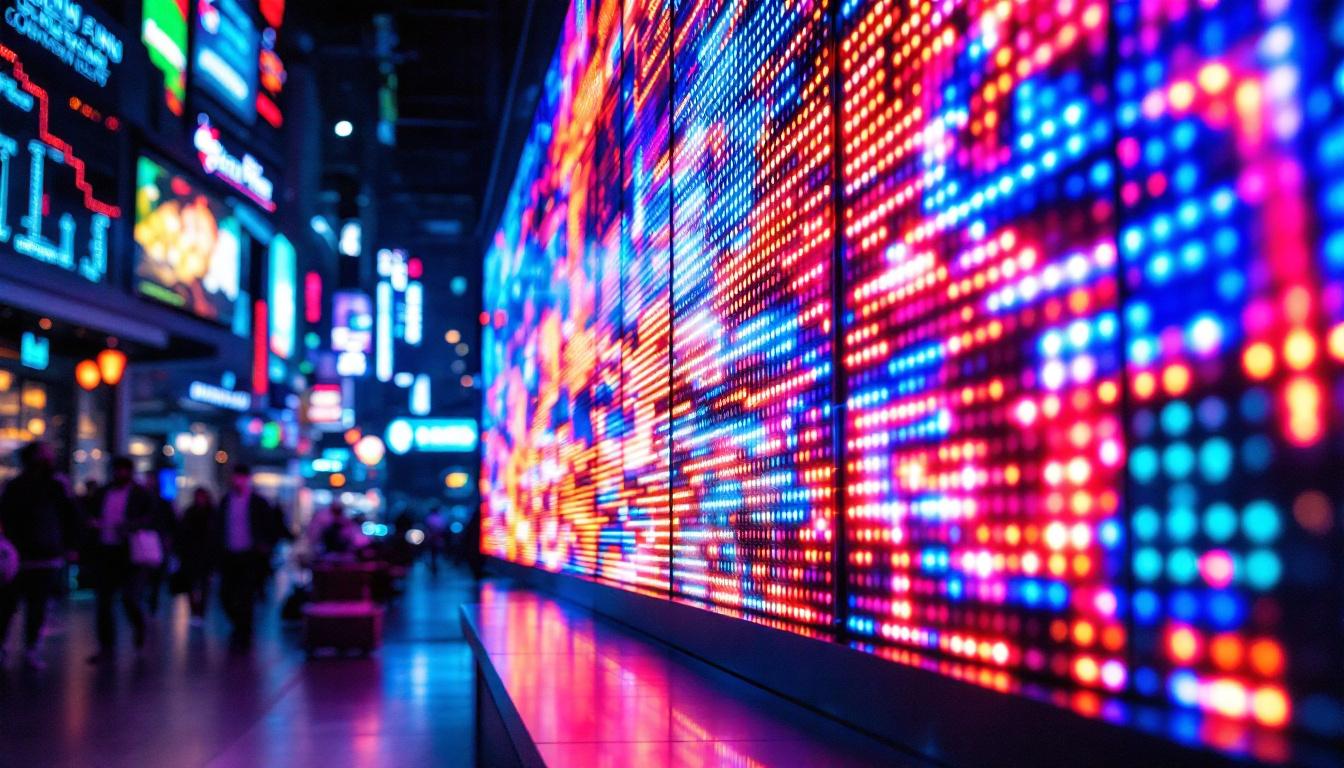
LED stands for Light Emitting Diode, a semiconductor device that emits light when an electric current passes through it. An LED display is essentially a large screen made up of thousands, sometimes millions, of these tiny diodes arranged in a matrix. Each diode acts as a pixel, capable of producing a specific color by combining red, green, and blue (RGB) light sources.
The brightness and color intensity of each pixel can be controlled independently, allowing the display to create sharp, vivid images and videos. Unlike traditional LCD or plasma screens, LED displays are self-illuminating, meaning they do not require a backlight, which contributes to their superior contrast and energy efficiency. This technology not only enhances the viewing experience but also reduces power consumption, making LED displays an environmentally friendly choice for consumers and businesses alike.
Types of LED Displays
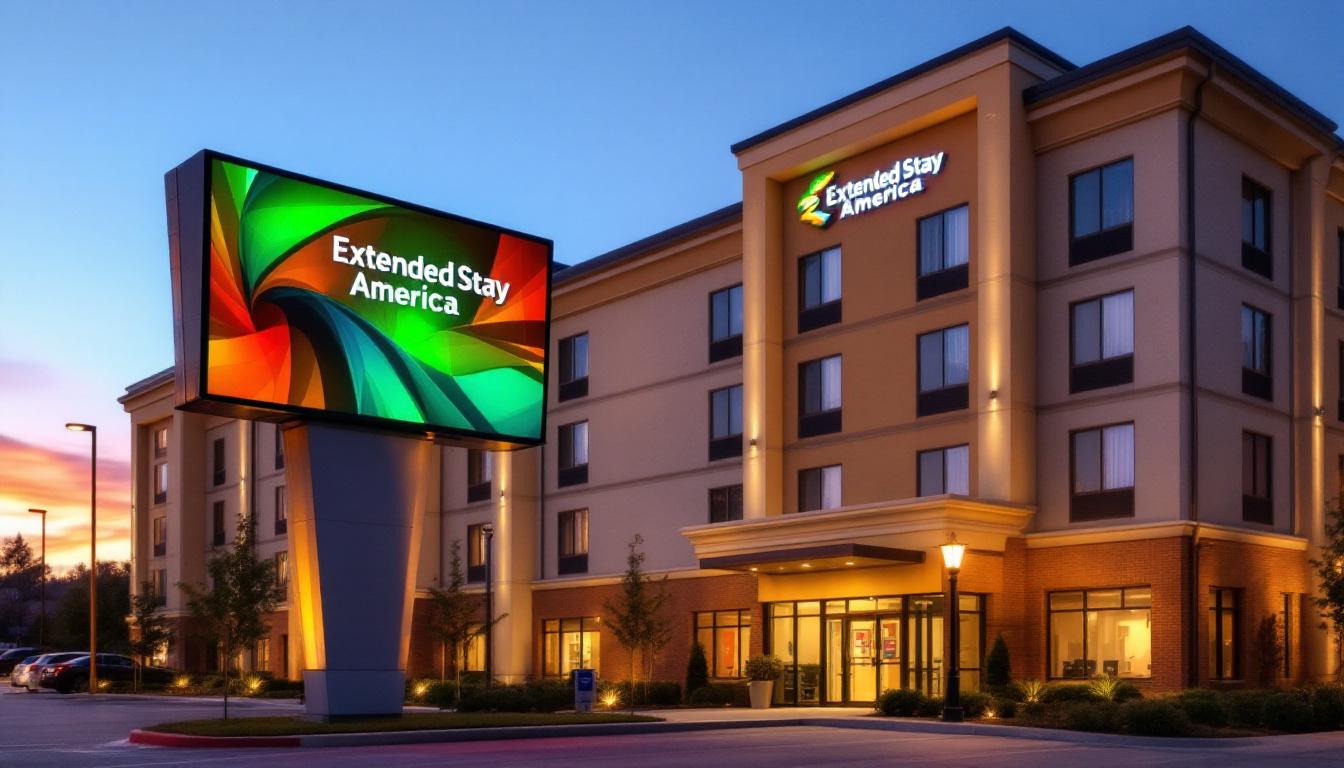
LED displays come in various forms, primarily categorized into two types: indoor and outdoor displays. Indoor LED screens typically have a higher pixel density, meaning the diodes are packed closer together, providing finer image detail suitable for close viewing distances. Outdoor LED displays, on the other hand, are designed to withstand harsh weather conditions and have higher brightness levels to remain visible under direct sunlight. These outdoor screens often feature protective coatings to guard against moisture, dust, and UV rays, ensuring longevity and consistent performance in diverse environments.
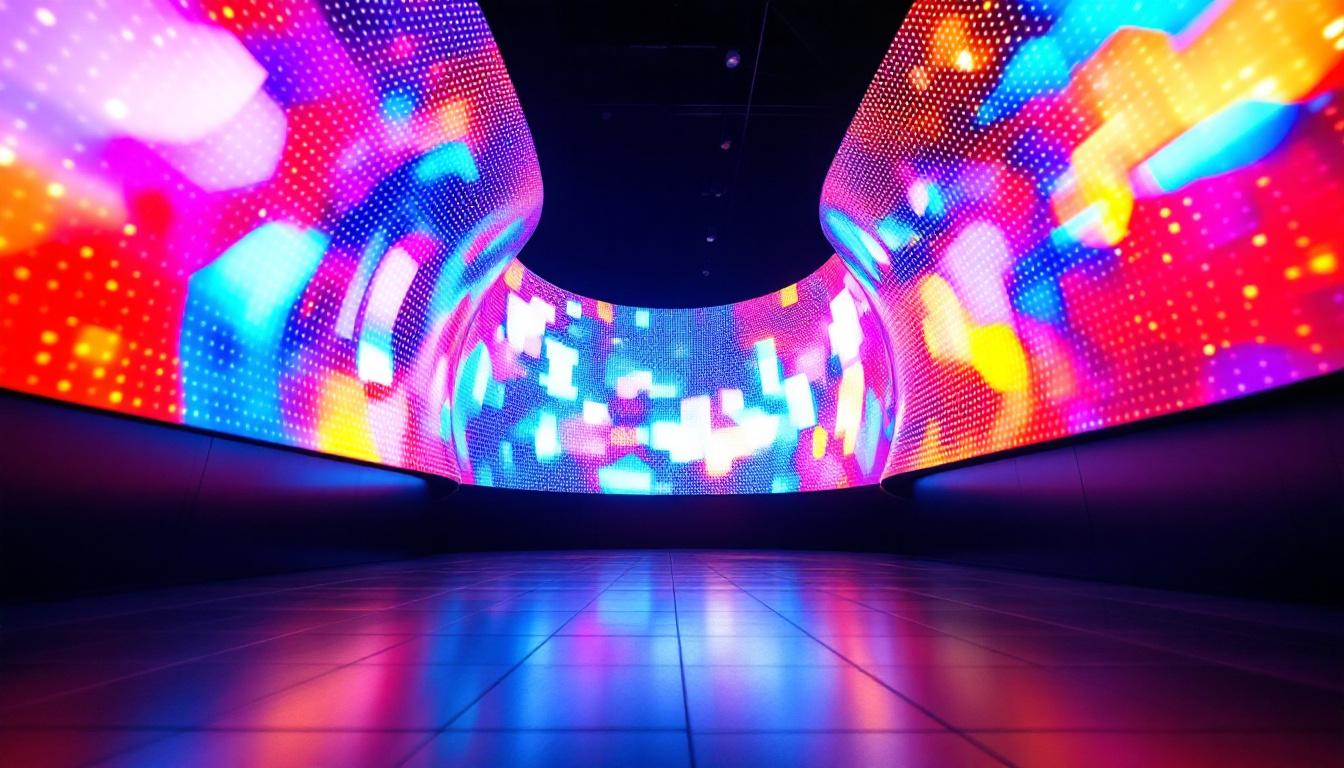
Another important classification is based on the LED packaging technology: surface-mount device (SMD) and through-hole LEDs. SMD LEDs are more compact and allow for higher resolution, making them ideal for indoor use. Through-hole LEDs are larger and more robust, often used in outdoor displays where durability is paramount. Additionally, advancements in technology have led to the emergence of flexible LED displays, which can be bent or shaped to fit unique spaces, offering creative possibilities for advertising and art installations. This flexibility opens up new avenues for designers and marketers, allowing for innovative displays that can capture attention in ways traditional screens cannot.
Key Advantages of LED Displays
Exceptional Brightness and Visibility
One of the most significant benefits of LED displays is their brightness. Modern LED screens can reach brightness levels of up to 5,000 nits or more, which is several times brighter than traditional LCD screens. This makes them highly effective in outdoor environments where sunlight can wash out less bright displays.
Additionally, LED displays maintain consistent image quality regardless of viewing angle. This wide viewing angle ensures that audiences spread across large venues can enjoy clear visuals without distortion or color shifts. This feature is particularly beneficial in stadiums, concert halls, and outdoor events, where the viewing audience is often dispersed across a large area. The ability to deliver vibrant colors and sharp images from various angles enhances the overall experience, making it more engaging for viewers, whether they are sitting in the front row or far back in the bleachers.
Energy Efficiency and Longevity
LED technology is known for its energy efficiency. Compared to older display technologies, LEDs consume significantly less power while delivering superior brightness and color accuracy. This energy efficiency translates into lower operating costs, which is especially important for large-scale installations that run for extended periods.
Moreover, LEDs have a long operational lifespan, often exceeding 100,000 hours. This durability reduces maintenance costs and downtime, making LED displays a cost-effective solution over time. The longevity of LED technology also contributes to sustainability efforts, as fewer displays need to be manufactured and disposed of, leading to a decrease in electronic waste. Furthermore, many manufacturers are now incorporating recyclable materials in their LED products, further enhancing their environmental benefits and appealing to eco-conscious consumers and businesses alike.
Flexibility and Scalability
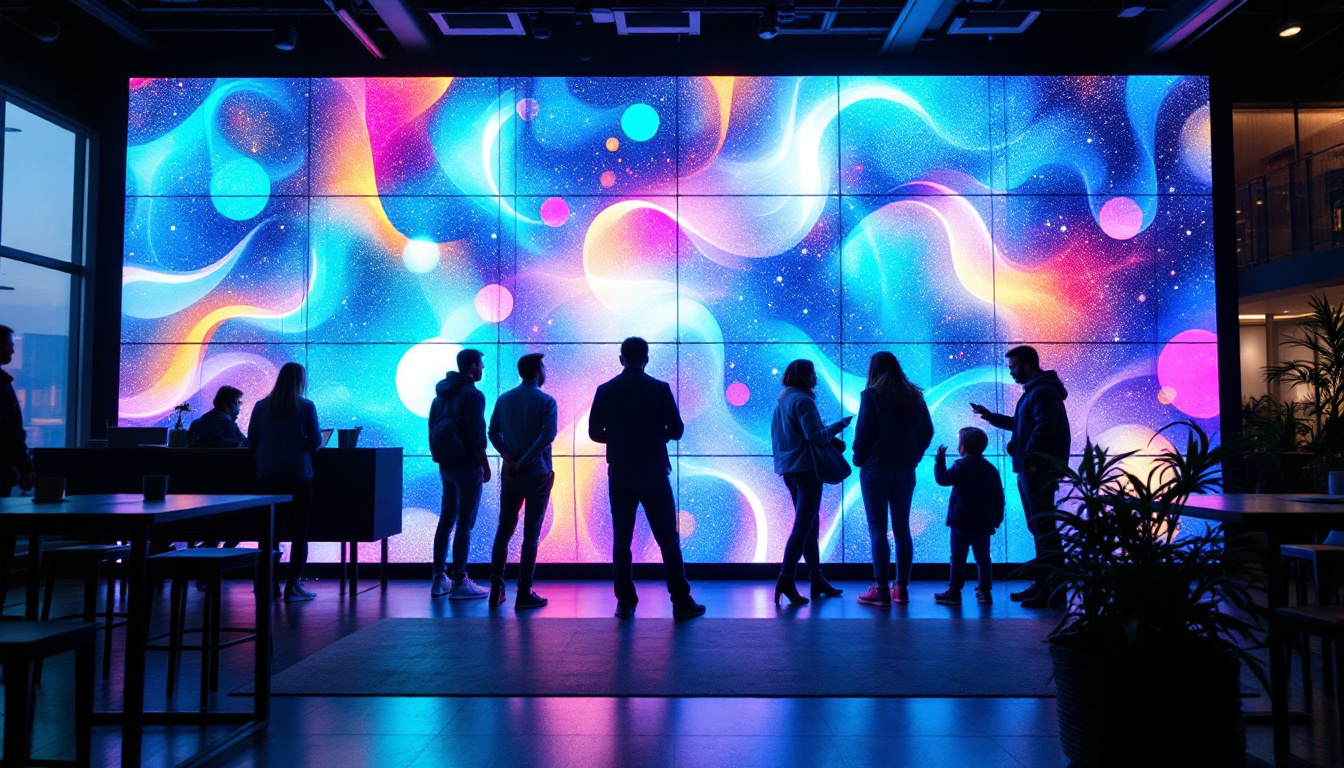
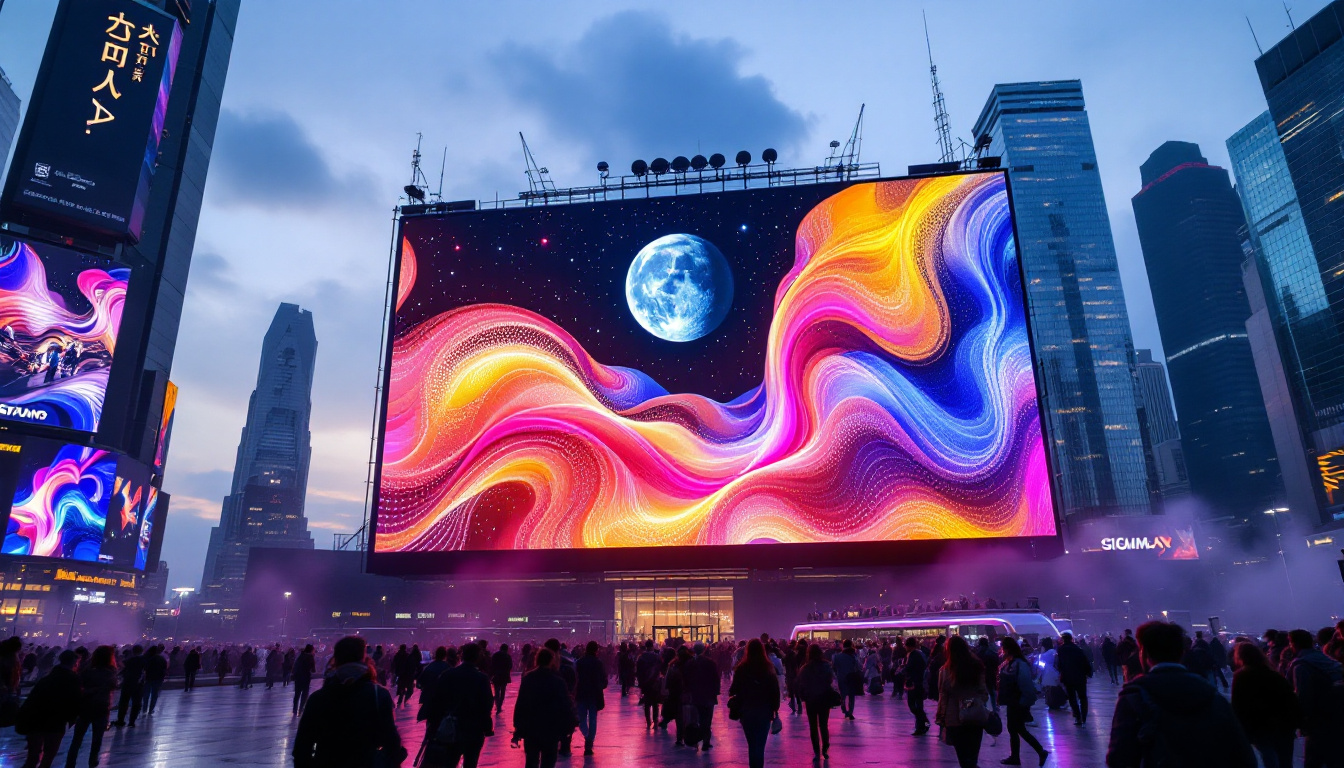
LED displays offer unparalleled flexibility in terms of size and shape. They can be configured as massive video walls covering entire building facades or as compact screens for retail signage. The modular design allows for easy scaling up or down based on the specific needs of a project.
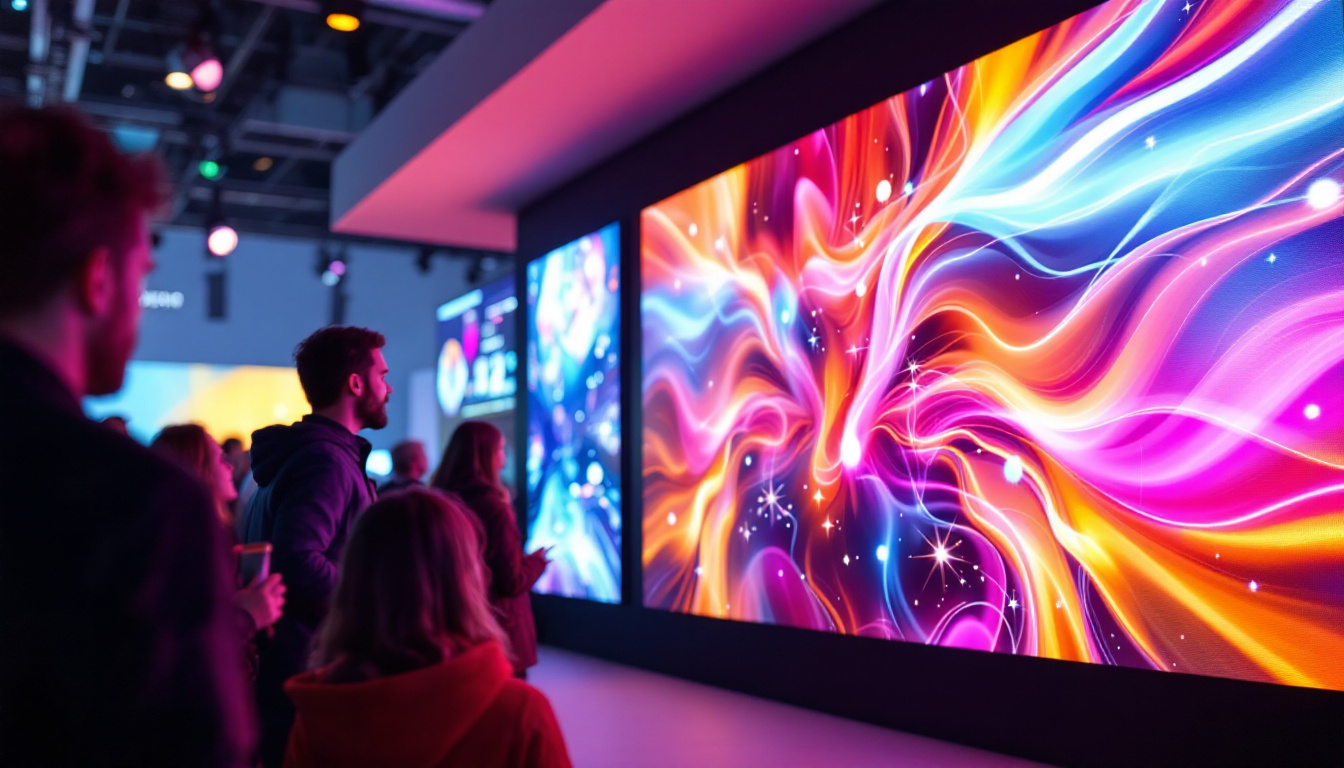
Curved and flexible LED panels have also emerged, enabling creative installations that conform to architectural features or artistic designs. This adaptability makes LED technology suitable for a wide range of applications, from immersive entertainment experiences to informative public displays. For instance, in the realm of advertising, brands can create dynamic and eye-catching campaigns that wrap around corners or flow seamlessly across surfaces, capturing the attention of passersby in innovative ways. Additionally, the ability to integrate LED displays into interactive environments, such as museums or trade shows, allows for a more engaging visitor experience, where information can be presented in a visually stimulating manner that encourages exploration and interaction.
Applications of LED Displays Across Industries
Entertainment and Sports Venues
Large-scale LED displays have become a staple in stadiums and arenas worldwide. For example, the Dallas Cowboys’ AT&T Stadium features one of the largest high-definition LED video boards, measuring 160 feet wide and 72 feet tall. These displays enhance the fan experience by broadcasting live game footage, replays, and interactive content.
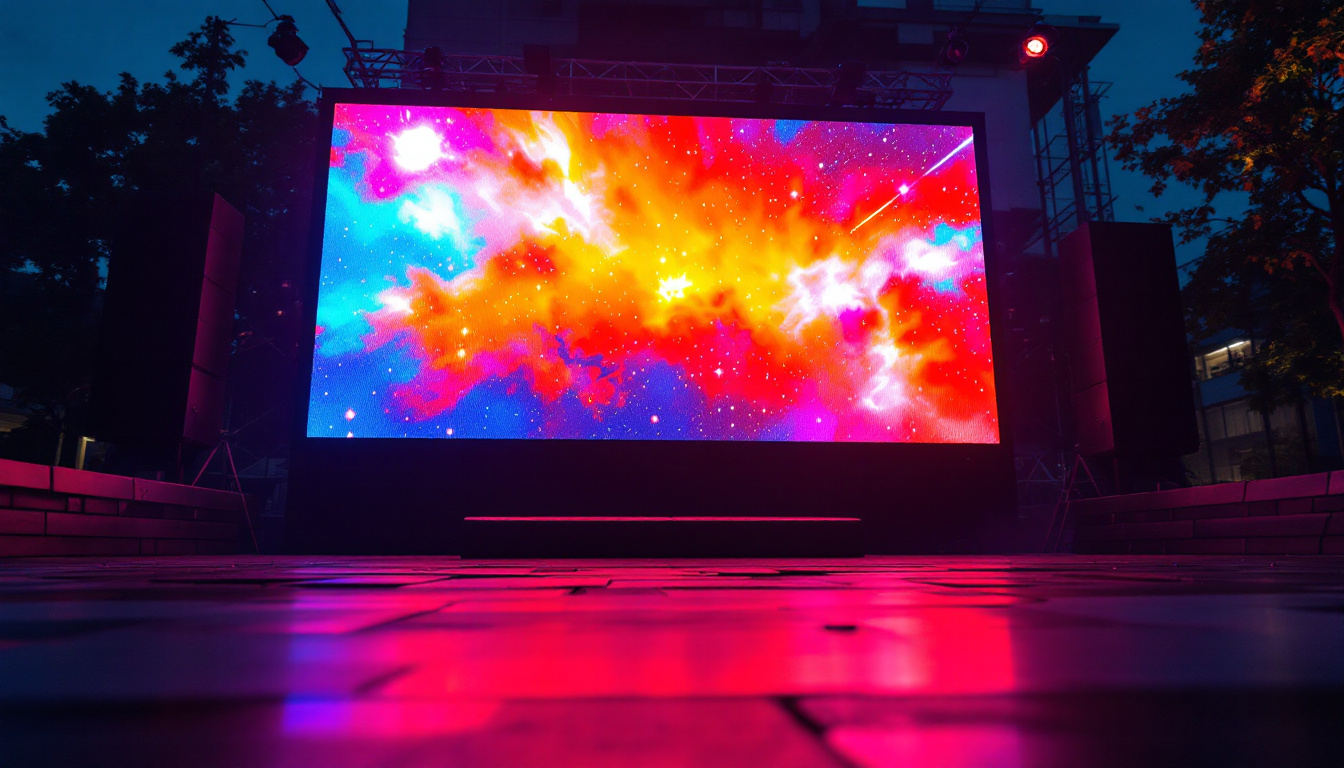
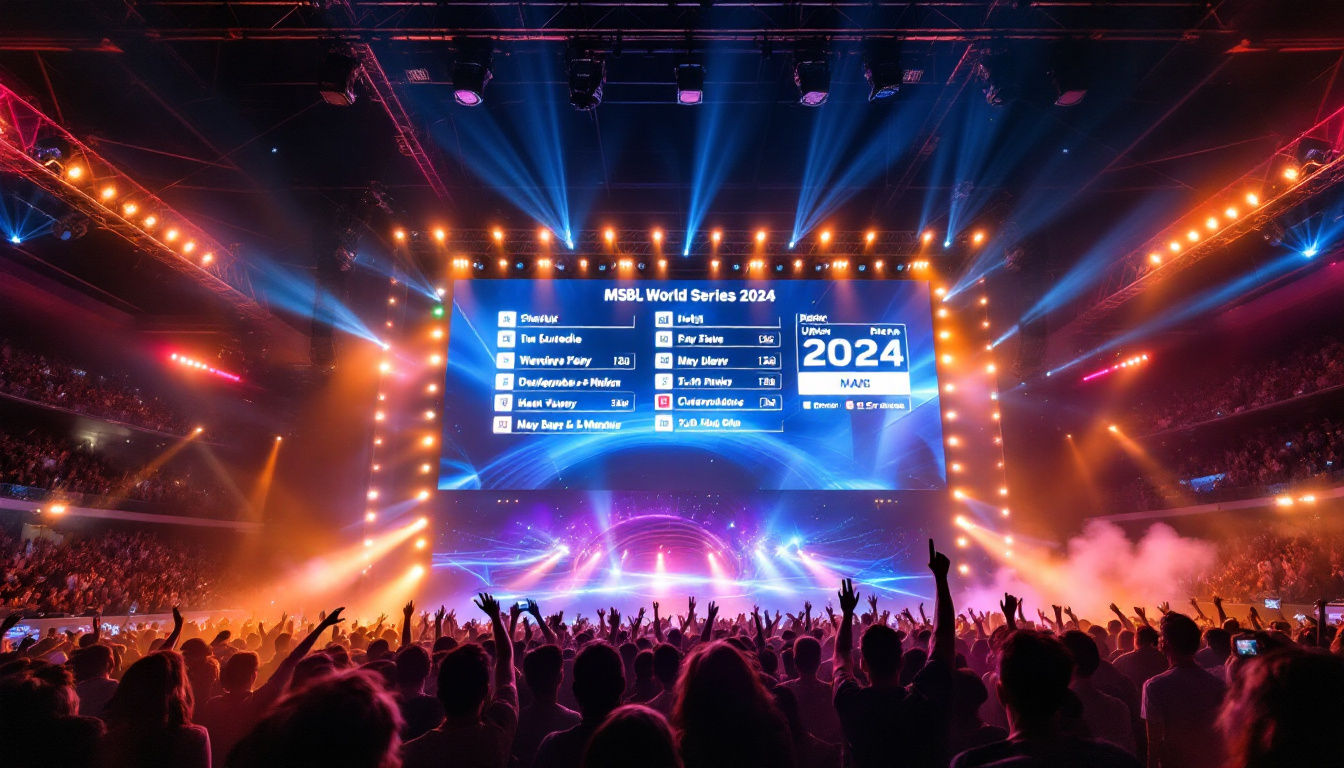
Concerts and festivals also rely heavily on LED screens to create immersive environments. The ability to synchronize visuals with sound and lighting effects allows artists and event organizers to deliver memorable performances that engage audiences on multiple sensory levels.
Retail and Advertising
Retailers use LED displays to attract customers and promote products dynamically. Digital signage can be updated in real-time to reflect promotions, seasonal campaigns, or interactive content tailored to specific demographics. According to a study by the Digital Signage Federation, digital signage can increase sales by up to 31.8% and improve customer engagement significantly.
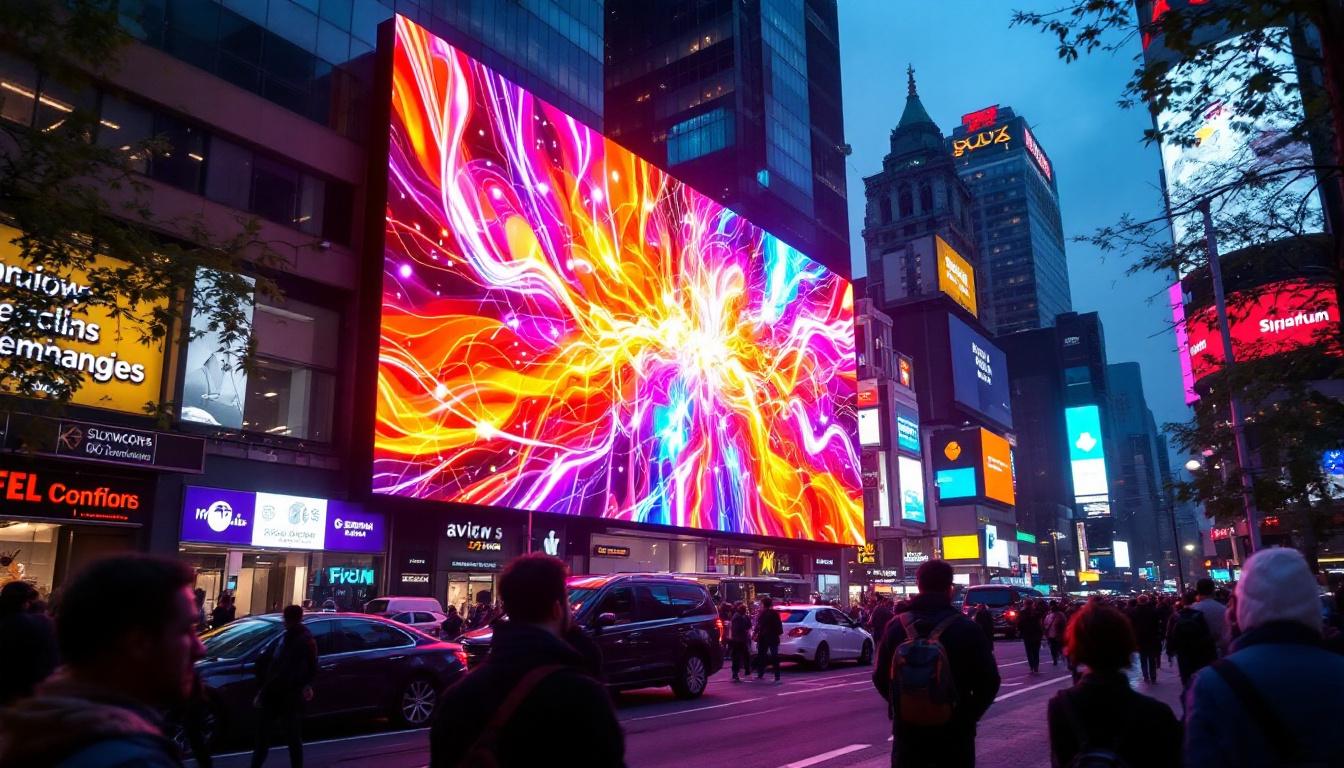
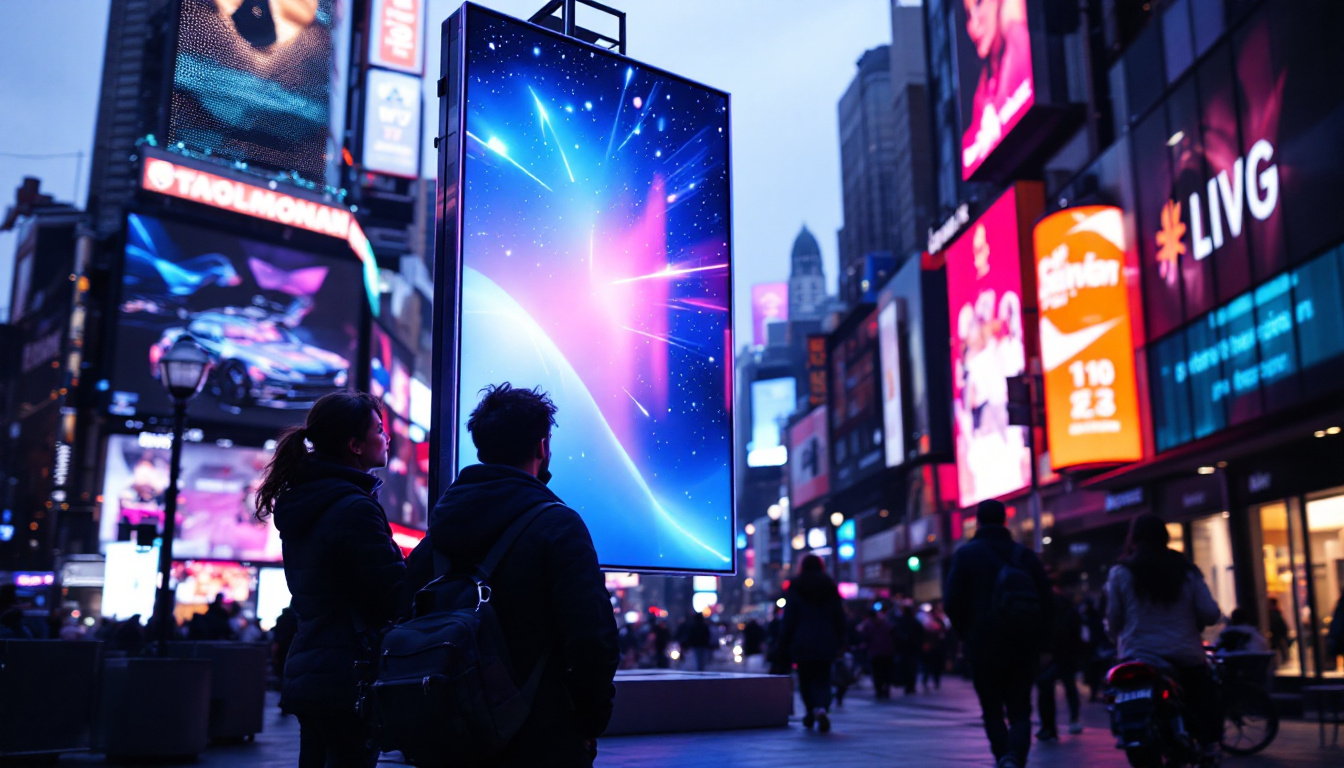
Outdoor LED billboards have also transformed advertising by enabling advertisers to deliver targeted, time-sensitive messages with high visibility. This capability is especially valuable in urban environments where foot traffic and vehicle exposure are high.
Corporate and Educational Environments
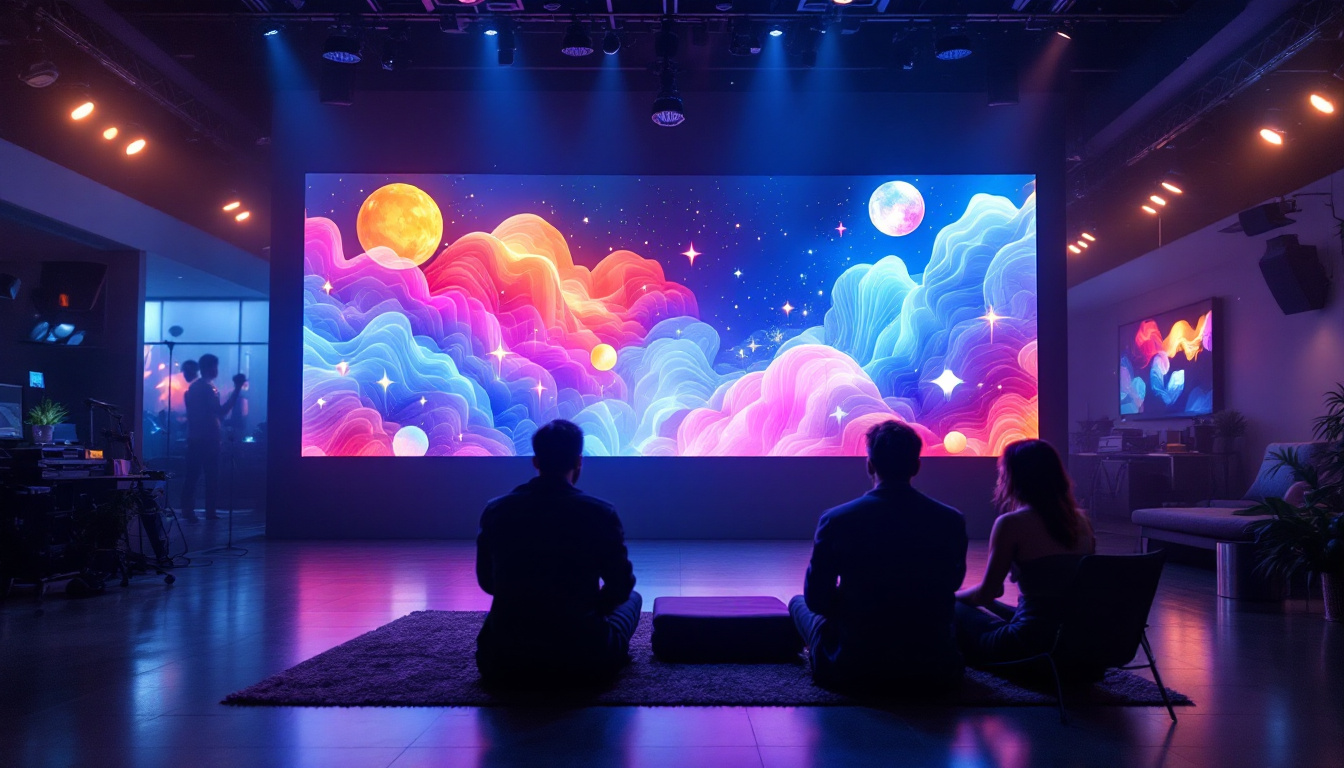
In corporate settings, LED displays facilitate effective communication during meetings, conferences, and presentations. The clarity and brightness of LED screens ensure that information is conveyed clearly, even in large rooms or auditoriums.
Educational institutions use LED technology to create interactive learning environments. Large LED walls can display multimedia content, live feeds, and collaborative tools that enhance student engagement and participation.
Technical Considerations When Choosing LED Displays
Resolution and Pixel Pitch
Resolution refers to the number of pixels displayed on the screen, while pixel pitch is the distance between the centers of two adjacent pixels. A smaller pixel pitch means higher resolution and finer image detail, which is crucial for displays viewed up close.
For indoor applications, pixel pitches can be as small as 0.9 mm, delivering near-retina quality images. Outdoor displays typically have larger pixel pitches, ranging from 4 mm to 20 mm, balancing visibility from a distance with cost-effectiveness.
Refresh Rate and Color Accuracy
The refresh rate of an LED display indicates how many times per second the image is updated. Higher refresh rates reduce flicker and motion blur, which is essential for broadcasting live video or fast-moving content.
Color accuracy is another critical factor, especially for applications like advertising and branding where precise color reproduction is necessary. Modern LED displays use advanced calibration techniques to ensure consistent and vibrant colors.
Installation and Maintenance
Proper installation is vital to maximize the performance and lifespan of an LED display. Factors such as mounting structure, ventilation, and power supply must be carefully planned. Many providers offer turnkey solutions that include site surveys, installation, and ongoing maintenance services.
Maintenance considerations include access for repairs, cleaning, and software updates. Modular LED panels simplify maintenance by allowing individual sections to be replaced without dismantling the entire display.
The Future of LED Display Technology
Advancements in MicroLED and MiniLED
Emerging technologies like MicroLED and MiniLED are pushing the boundaries of LED display performance. MicroLEDs are significantly smaller than traditional LEDs, enabling even higher resolutions and improved contrast ratios. These displays promise better energy efficiency and longer lifespans, making them ideal for next-generation devices and large-scale installations.
MiniLED technology, which uses thousands of tiny LEDs as backlighting for LCD panels, offers improved brightness and contrast at a lower cost, bridging the gap between traditional LED and OLED displays.
Integration with Smart Technologies
LED displays are increasingly being integrated with smart technologies such as IoT (Internet of Things) and AI (Artificial Intelligence). This integration allows for dynamic content adjustments based on real-time data, audience demographics, and environmental conditions.
For instance, smart LED billboards can change advertisements based on weather, time of day, or viewer engagement metrics, providing highly personalized and effective communication.
Conclusion
LED display technology has transformed the landscape of visual communication by offering unmatched brightness, flexibility, and energy efficiency. Its wide-ranging applications across entertainment, retail, corporate, and public sectors demonstrate its versatility and impact. As advancements continue to emerge, LED displays will play an even more significant role in shaping immersive, interactive experiences that connect audiences with content in powerful new ways.
Understanding the technical aspects and benefits of LED displays enables businesses and organizations to make informed decisions when investing in this technology. Whether creating a massive stadium video wall or a sleek retail signage solution, LED displays deliver wall-to-wall sound and video experiences that captivate and inspire.
Illuminate Your Space with LumenMatrix
Ready to elevate your visual experience with unparalleled brightness, flexibility, and energy efficiency? LumenMatrix is at the forefront of LED display innovation, offering a diverse range of solutions tailored to your needs. From Indoor and Outdoor LED Wall Displays to specialized options like Vehicle, Sports, and Floor LED Displays, our mission is to revolutionize your visual communication. Engage and captivate your audience with our cutting-edge digital signage and LED display solutions. Check out LumenMatrix LED Display Solutions today and transform your space into a dynamic visual masterpiece.