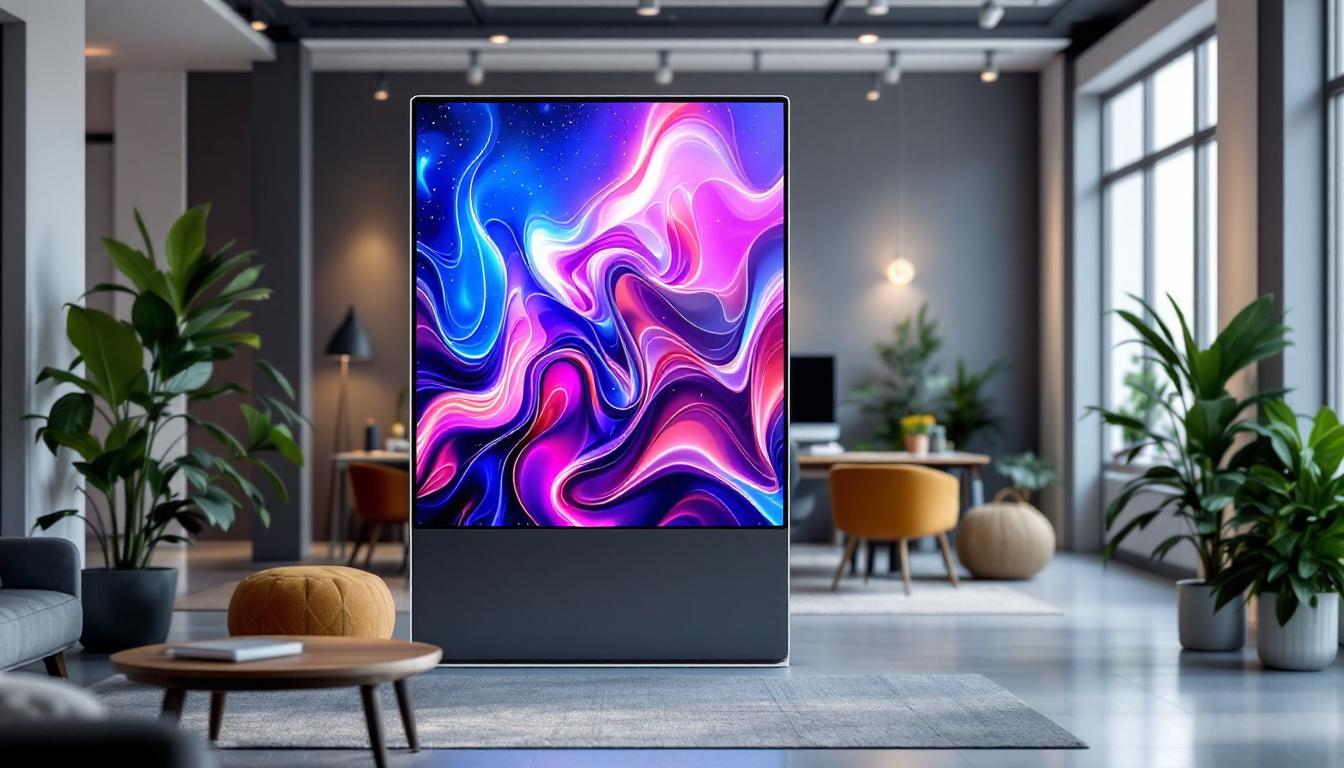
In an era where digital privacy and display technology intersect, stand alone privacy screens for LED displays have emerged as a vital solution for businesses and individuals alike. These innovative screens not only enhance the viewing experience but also protect sensitive information from prying eyes. This article delves into the technology behind stand alone privacy screens, their benefits, and practical applications, offering a comprehensive understanding for anyone considering this privacy-enhancing technology.
Understanding Stand Alone Privacy Screens
What Is a Stand Alone Privacy Screen?
A stand alone privacy screen is an independent device or attachment designed to limit the viewing angle of an LED display. Unlike built-in privacy filters integrated into laptops or monitors, these screens can be added to existing LED displays without altering the original hardware. Their primary function is to ensure that the screen’s content is visible only to the person directly in front of it, effectively blocking side views.
This technology is especially crucial in environments where sensitive data is displayed, such as financial institutions, healthcare facilities, and corporate offices. The privacy screen acts as a physical barrier to visual hacking, which is a growing concern in today’s data-driven world. With the rise of remote work and shared office spaces, the demand for such privacy solutions has surged, prompting manufacturers to innovate and improve the effectiveness of these screens.
Moreover, the design of stand alone privacy screens has evolved to cater to various user preferences and needs. Some models are ultra-thin and lightweight, making them easy to transport and install, while others come with adjustable features that allow users to modify the screen’s angle or height for optimal comfort and privacy. This versatility makes them suitable not just for professional settings but also for personal use in home offices or during travel.
How Do Privacy Screens Work with LED Displays?
Privacy screens for LED displays utilize micro-louver technology—a series of tiny vertical blinds embedded within the screen filter. These micro-louvers control the direction of light emitted from the display, narrowing the viewing angle to typically between 30 and 60 degrees. As a result, only the user positioned directly in front of the screen can see the content clearly, while those viewing from an angle see a darkened or blurred image.
Importantly, stand alone privacy screens are designed to maintain the LED display’s brightness and color accuracy as much as possible. Advances in material science and optical engineering have minimized the loss of luminance and contrast, which was a common drawback in earlier privacy screen models. Additionally, many modern privacy screens are treated with anti-glare coatings, which reduce reflections and enhance visibility in brightly lit environments, further improving user experience.
Furthermore, some privacy screens come with added features such as blue light filtering, which helps reduce eye strain during prolonged use. This is particularly beneficial for individuals who spend long hours in front of screens, as it not only protects sensitive information but also promotes healthier viewing habits. As awareness of digital wellness grows, the integration of such features into privacy screens reflects a broader trend toward creating more user-friendly and health-conscious technology solutions.
The Importance of Privacy Screens in Today’s Digital Landscape
Rising Concerns Over Visual Hacking
Visual hacking, the act of stealing information by observing a screen without authorization, has become a significant security threat. According to a 2023 report by the Ponemon Institute, over 60% of data breaches involve some form of physical or visual data exposure. In public spaces like airports, cafes, and co-working environments, the risk of sensitive information being viewed by unauthorized individuals is high.
Stand alone privacy screens provide an effective, low-cost solution to mitigate this risk. By restricting the viewing angle, they prevent accidental or intentional data exposure, protecting confidential information such as financial records, personal health information, and proprietary business data.
Compliance with Data Protection Regulations
Many industries are governed by strict data protection regulations that mandate safeguarding sensitive information. For example, the Health Insurance Portability and Accountability Act (HIPAA) in healthcare and the General Data Protection Regulation (GDPR) in the European Union require organizations to implement reasonable measures to prevent unauthorized data access.
Using stand alone privacy screens on LED displays is a practical step toward compliance, demonstrating a commitment to data security. This is particularly relevant for organizations handling personally identifiable information (PII) or confidential client data, where even a momentary glimpse by an unauthorized party can lead to legal and financial repercussions.
Technical Features and Benefits of Stand Alone Privacy Screens
Key Technical Specifications
When selecting a stand alone privacy screen for an LED display, understanding the technical specifications is crucial. Key features include:
- Viewing Angle: Typically ranges from 30° to 60°, determining how narrow the privacy filter is.
- Material Quality: High-grade optical films or tempered glass ensure durability and clarity.
- Anti-Glare and Anti-Reflective Coatings: Reduce eye strain and improve visibility in bright environments.
- Compatibility: Designed to fit various LED display sizes and models, often with adjustable mounting options.
- Brightness Retention: Advanced screens retain up to 85-90% of the original display brightness.
Advantages of Stand Alone Privacy Screens
Stand alone privacy screens offer several benefits beyond privacy protection:
1. Enhanced Security: By physically restricting viewing angles, these screens reduce the risk of data breaches caused by shoulder surfing or casual observation.
2. Flexibility and Portability: Unlike built-in filters, stand alone screens can be easily installed, removed, or transferred between devices, making them ideal for dynamic work environments.
3. Improved User Comfort: Many privacy screens come with anti-glare properties that reduce eye fatigue, especially in brightly lit offices or outdoor settings.
4. Cost-Effectiveness: Compared to software-based encryption or complex security systems, privacy screens are an affordable first line of defense against visual data theft.
Applications of Stand Alone Privacy Screens Across Industries
Corporate and Financial Sectors
In corporate offices and financial institutions, confidentiality is paramount. Employees often handle sensitive client information, financial transactions, and strategic documents on LED displays. Stand alone privacy screens help maintain confidentiality during meetings, presentations, and daily operations.
For example, investment firms use privacy screens to ensure that portfolio data and trading information remain secure from unauthorized viewers. Similarly, banks deploy these screens at teller stations and customer service desks to protect personal financial details.
Healthcare Industry
Healthcare providers manage vast amounts of personal health information (PHI) on digital displays. Privacy screens are essential tools in hospitals, clinics, and pharmacies to prevent unauthorized viewing of patient records, prescriptions, and diagnostic results.
By integrating stand alone privacy screens with LED monitors in examination rooms and nurse stations, healthcare facilities can comply with HIPAA regulations while safeguarding patient privacy.
Public and Educational Spaces
Public areas such as airports, libraries, and universities often feature LED displays used for information dissemination and digital signage. In these environments, privacy screens can be employed on workstations and kiosks to protect user data during transactions or research.
Educational institutions benefit from privacy screens by securing examination content and student records on administrative computers, ensuring compliance with data protection standards.
Installation and Maintenance Considerations
Choosing the Right Privacy Screen
Selecting an appropriate stand alone privacy screen involves assessing the size and resolution of the LED display, the typical viewing environment, and the level of privacy required. Screens come in various sizes and mounting styles, including clip-on, adhesive, and magnetic attachments.
It is advisable to choose screens with high optical clarity and minimal impact on display brightness, especially for high-resolution LED monitors used in graphic design or video production.
Installation Tips
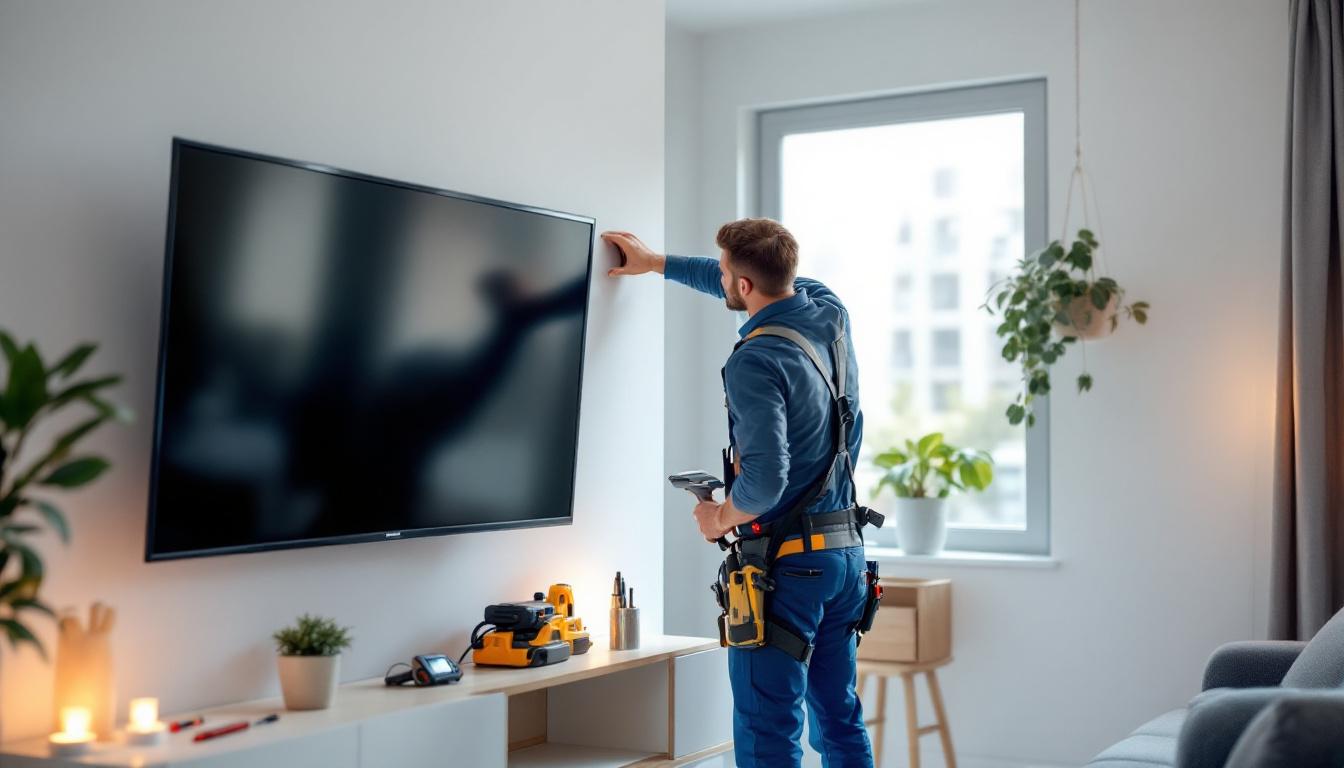
Installing a stand alone privacy screen is generally straightforward but requires attention to detail for optimal performance:
- Ensure the screen is clean and free of dust before attachment to prevent scratches.
- Align the privacy screen precisely with the LED display to avoid image distortion.
- Use manufacturer-recommended mounting methods to secure the screen firmly without damaging the display.
Maintenance and Cleaning
To prolong the lifespan and effectiveness of privacy screens, regular maintenance is essential. Use microfiber cloths and approved cleaning solutions to avoid damaging the optical films. Avoid abrasive materials or harsh chemicals that could degrade the privacy filter or reduce screen clarity.
Periodic inspection for scratches or wear can help determine when to replace the privacy screen to maintain optimal privacy protection.
Future Trends in Privacy Screen Technology
Integration with Touch and Flexible Displays
As LED technology evolves, privacy screens are adapting to new form factors such as touch-sensitive and flexible displays. Future privacy screens will likely incorporate touch compatibility without compromising privacy features, enabling seamless interaction in public and private settings.
Smart Privacy Screens with Dynamic Control
Emerging innovations include smart privacy screens that dynamically adjust viewing angles or opacity based on user proximity or environmental conditions. These adaptive screens enhance user experience by providing privacy only when necessary, conserving energy and improving display visibility.
Eco-Friendly Materials and Manufacturing
With growing environmental awareness, manufacturers are exploring sustainable materials and production methods for privacy screens. Biodegradable films and recyclable components are expected to become standard, aligning privacy technology with green initiatives.
Conclusion
Stand alone privacy screens for LED displays represent a critical advancement in protecting sensitive information in an increasingly digital world. By combining sophisticated optical technology with practical design, these screens offer a straightforward yet powerful means to prevent visual hacking and ensure compliance with data protection regulations.
Whether in corporate offices, healthcare facilities, or public spaces, the adoption of stand alone privacy screens enhances security, user comfort, and operational flexibility. As technology continues to evolve, privacy screens will play an integral role in safeguarding digital information while adapting to new display innovations.
For organizations and individuals seeking to protect their digital privacy without compromising display quality, investing in a high-quality stand alone privacy screen for LED displays is a prudent and forward-thinking choice.
Discover LumenMatrix’s Advanced LED Display Solutions
As you consider the importance of digital privacy and the role of stand alone privacy screens in safeguarding sensitive information, LumenMatrix invites you to explore our comprehensive range of LED display solutions. Our commitment to innovation ensures that each product, from Indoor and Outdoor LED Wall Displays to Custom and Transparent LED Displays, offers superior visual communication and engagement. Elevate your brand visibility and create immersive experiences with our cutting-edge technology. Check out LumenMatrix LED Display Solutions today and step into the future of digital signage.