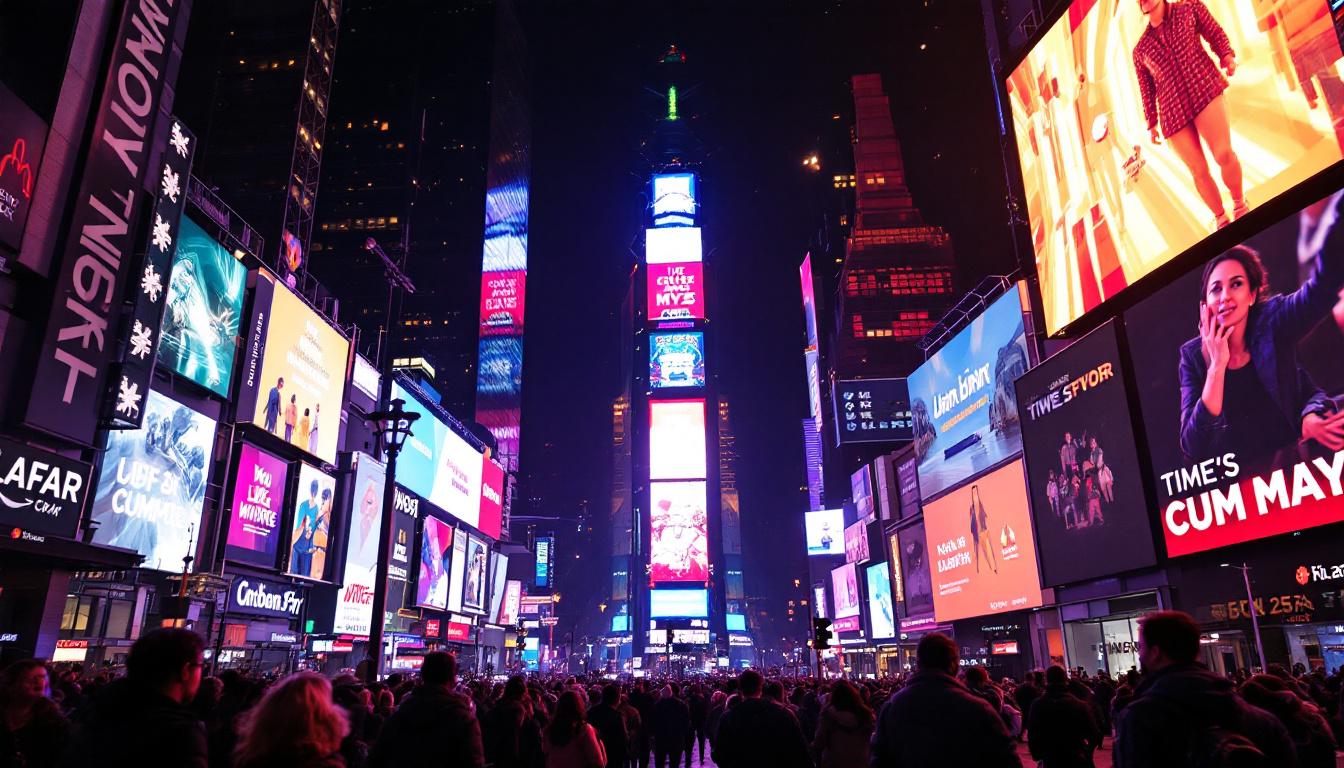
In today’s visually driven world, LED displays have become ubiquitous, transforming the way information and advertising are presented across industries. From towering billboards in Times Square to the vibrant screens at sports arenas and the sleek digital signage in retail stores, LED technology is at the forefront of modern display solutions. This article delves into the fundamentals of LED displays, exploring their technology, types, applications, and future trends, providing a comprehensive understanding for professionals and enthusiasts alike.
Understanding LED Display Technology
What is an LED Display?
LED stands for Light Emitting Diode, a semiconductor device that emits light when an electric current passes through it. An LED display is essentially a flat panel that uses these tiny diodes as pixels to create images, videos, and text. Unlike traditional LCD or plasma screens that rely on backlighting, LED displays generate their own light, resulting in higher brightness, better contrast, and enhanced color accuracy.
Each pixel in an LED display is composed of one or more LEDs, which can be red, green, and blue (RGB). By varying the intensity of these three colors, a wide spectrum of colors can be produced, enabling vivid and dynamic visuals. The precision and flexibility of LED pixels allow for displays that range from small indoor screens to massive outdoor billboards.
How Do LED Displays Work?
At the core of an LED display is the arrangement of LEDs in a matrix format, controlled by integrated circuits that manage the timing and color output of each diode. The display receives input signals from a source device—such as a computer, media player, or video processor—which are then translated into electrical signals that control the LEDs.
The brightness of each LED is modulated using Pulse Width Modulation (PWM), a technique that adjusts the amount of time the LED is on versus off within a given cycle. This allows for precise control over color and intensity, enabling smooth gradients and detailed images. Additionally, modern LED displays incorporate sensors and calibration tools to maintain consistent brightness and color accuracy over time, even in varying ambient lighting conditions.
Types of LED Displays
Indoor vs. Outdoor LED Displays
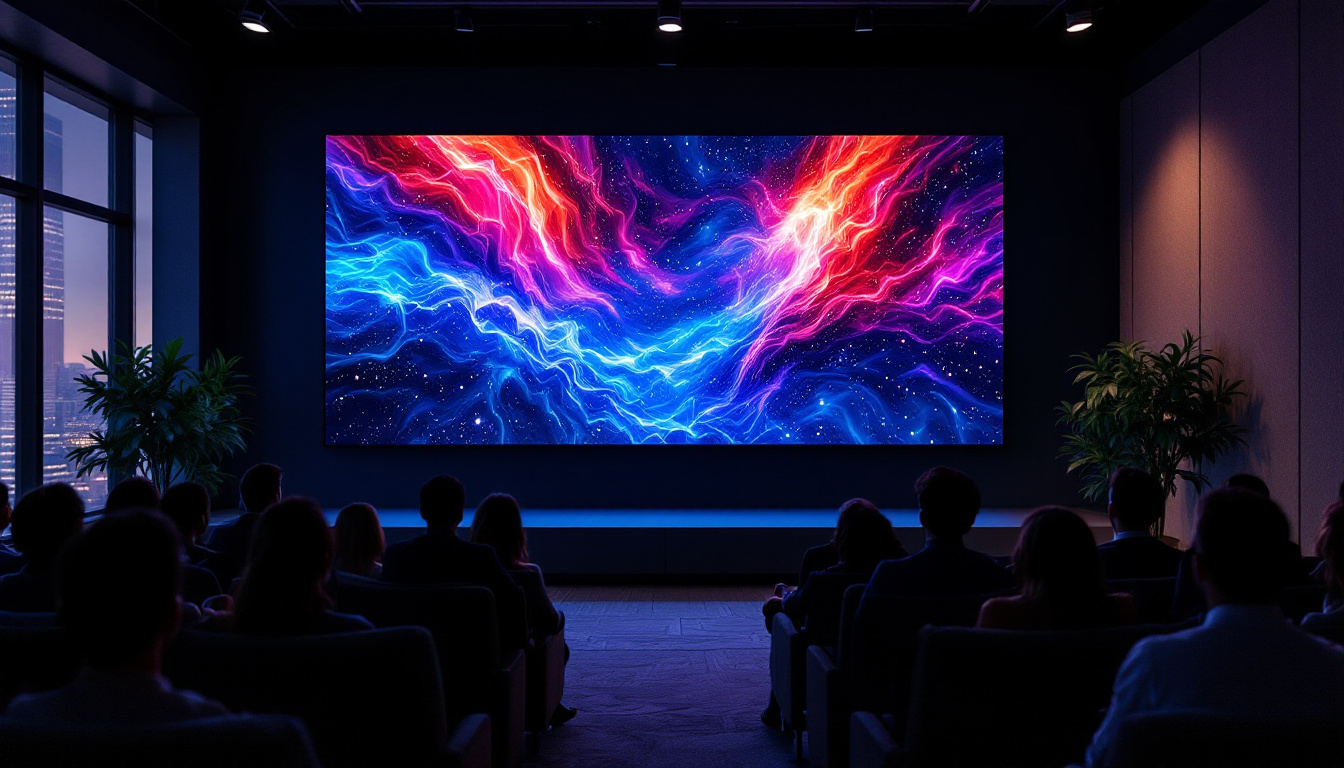
One of the primary distinctions in LED displays is their intended environment. Indoor LED displays are designed for controlled lighting conditions, such as conference rooms, retail spaces, or concert venues. These displays typically have a higher pixel density, meaning the LEDs are placed closer together, resulting in sharper images at close viewing distances. Their brightness levels generally range from 800 to 1,500 nits, which is sufficient for indoor visibility without causing glare.
Outdoor LED displays, on the other hand, must contend with direct sunlight, weather conditions, and longer viewing distances. Consequently, they feature higher brightness levels—often exceeding 5,000 nits—to ensure visibility even in bright daylight. The LEDs are spaced further apart to accommodate larger screen sizes and to reduce manufacturing costs. Additionally, outdoor displays are built with weatherproof materials and protective coatings to withstand rain, dust, and temperature fluctuations.
Fixed vs. Rental LED Displays
Fixed LED displays are permanently installed in a specific location. Examples include digital billboards, stadium screens, and large-scale retail signage. These displays are engineered for long-term durability and often customized to fit architectural requirements.
Rental LED displays, by contrast, are modular and portable, designed for temporary events such as concerts, trade shows, and corporate presentations. Their modular nature allows for flexible sizing and quick assembly and disassembly. Rental displays prioritize ease of transport and installation while maintaining high image quality.
Direct View LED vs. LED-Backlit LCD
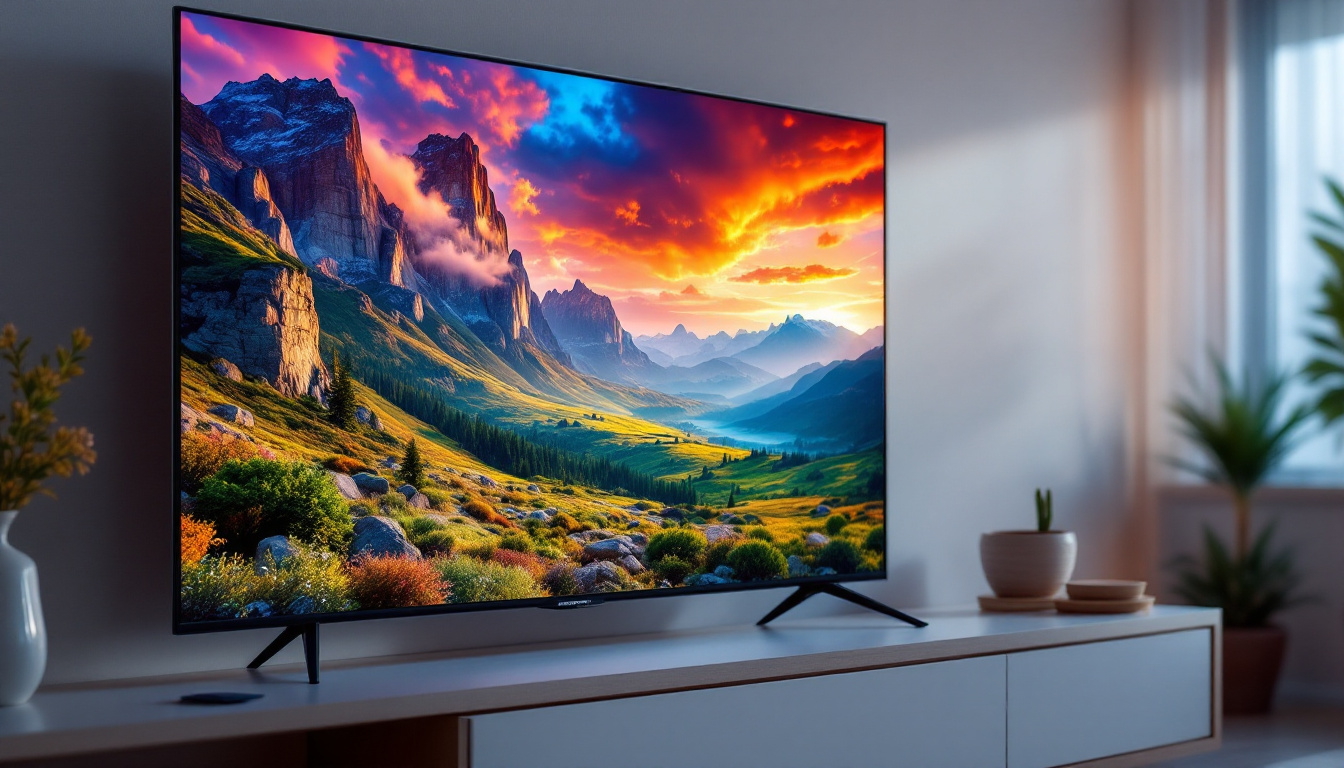
It is important to differentiate between direct view LED displays and LED-backlit LCD screens. Direct view LED displays use LEDs as the actual pixels emitting light, while LED-backlit LCDs use LEDs solely as a backlight behind an LCD panel. Direct view LED displays offer superior brightness, contrast, and viewing angles, making them ideal for large-format and outdoor applications. LED-backlit LCDs, common in consumer electronics like televisions and monitors, are generally more affordable but less bright and less flexible in size.
Applications of LED Displays
Advertising and Digital Signage
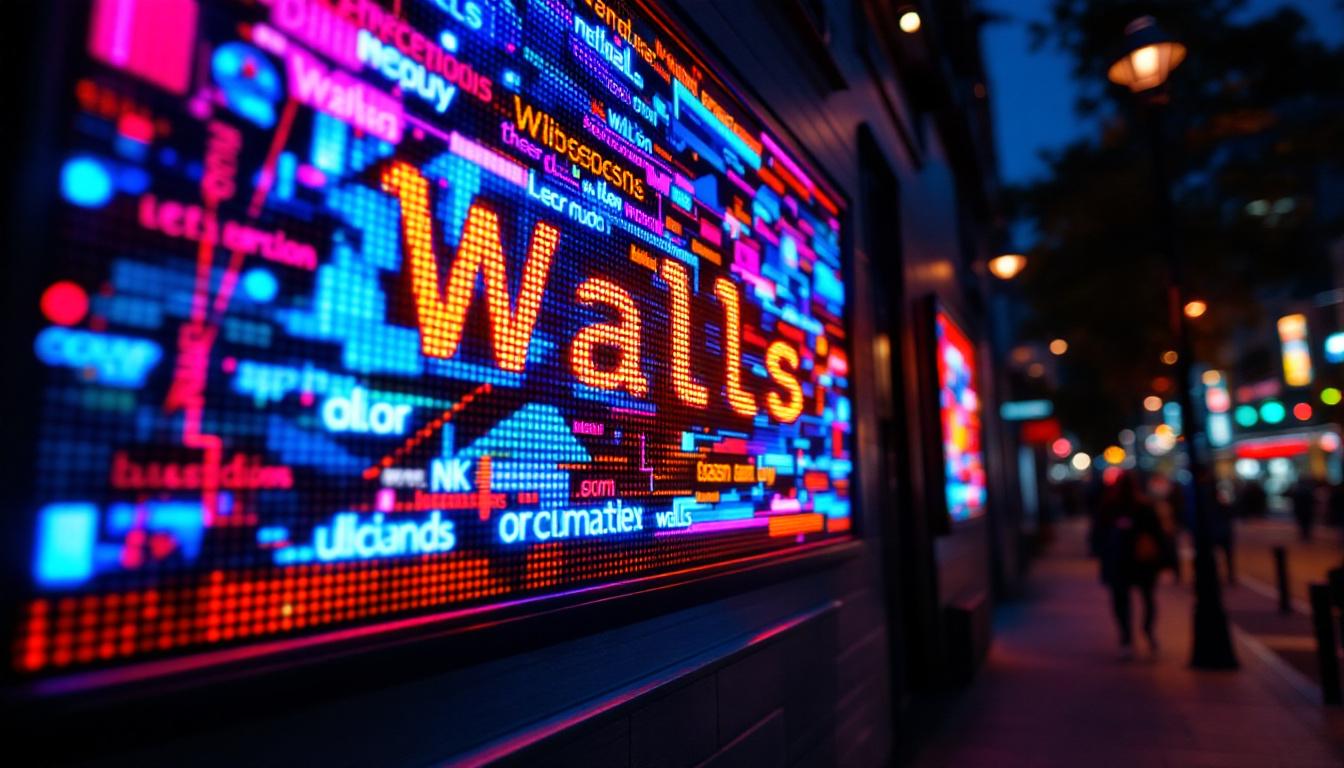
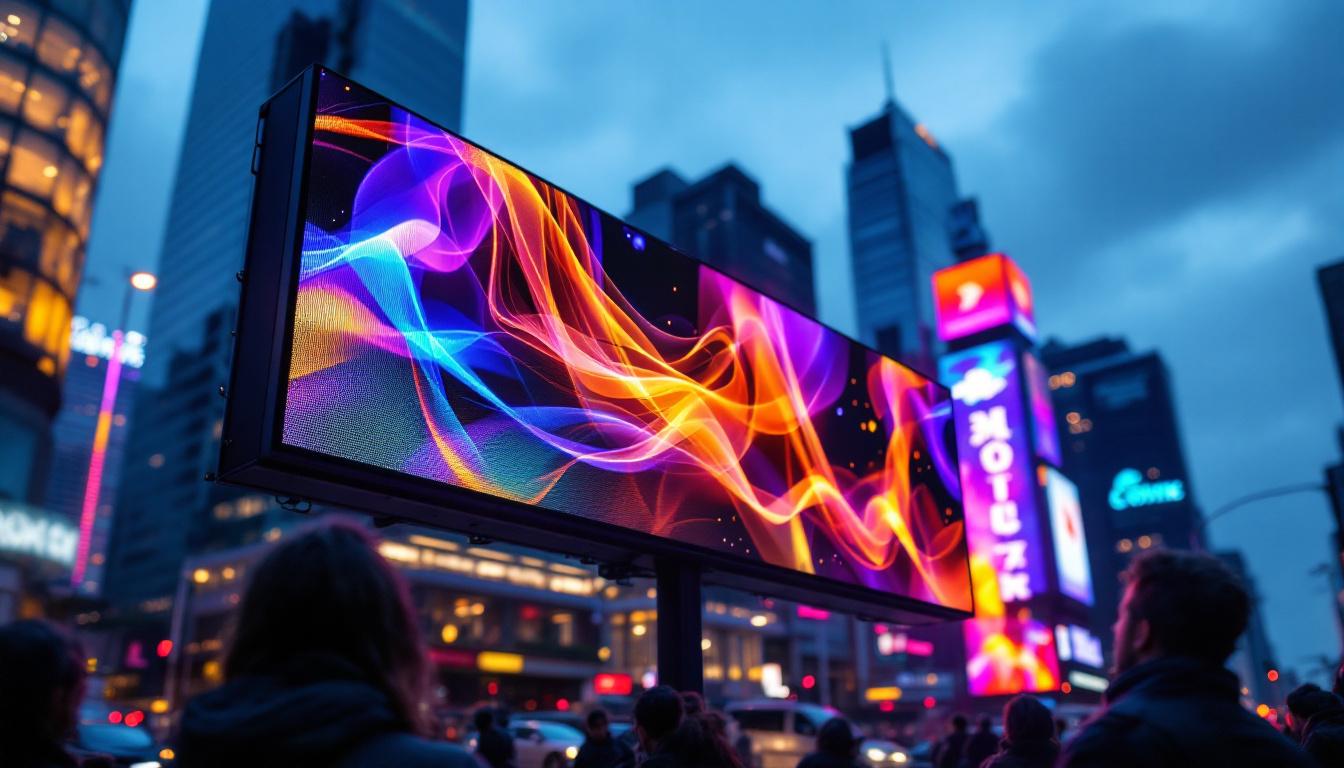
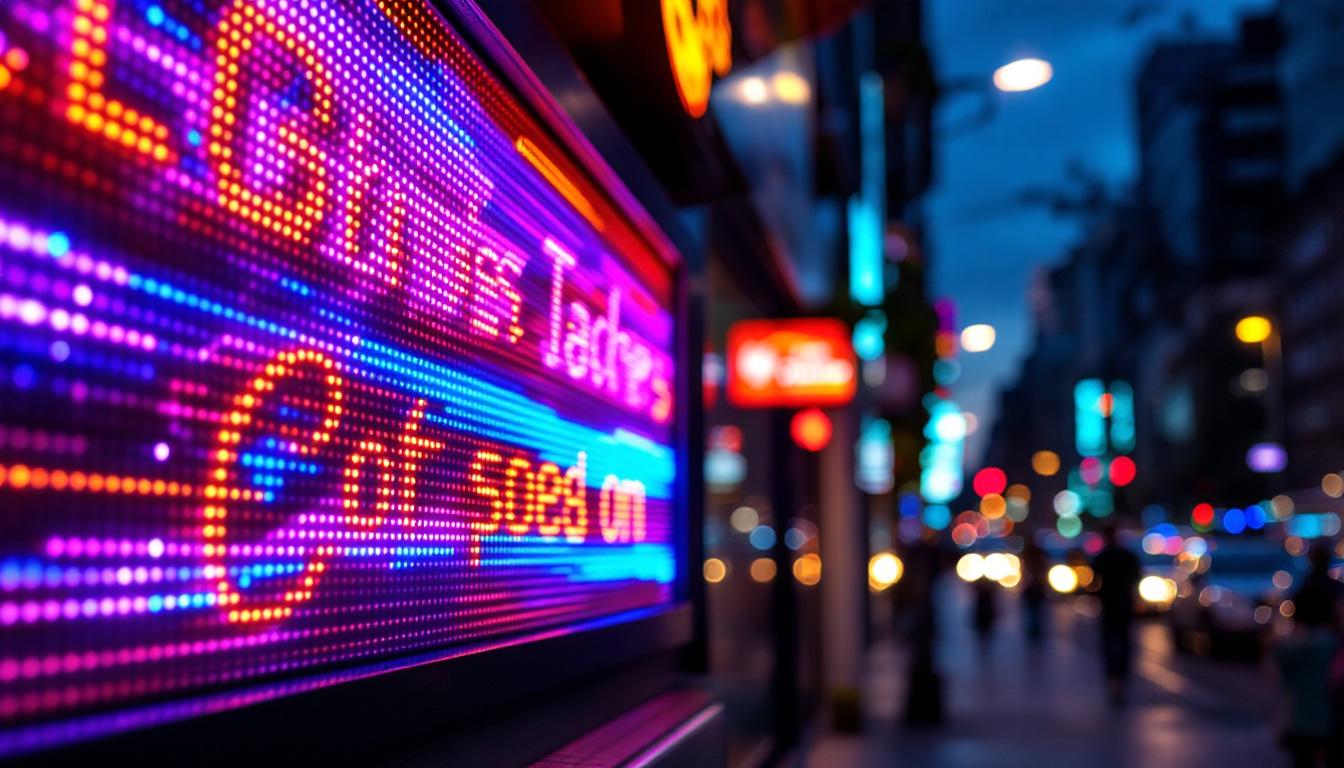
Advertising remains the most prominent application of LED displays. Digital billboards equipped with LED technology provide advertisers with dynamic content capabilities, enabling real-time updates, interactive elements, and targeted messaging. According to a 2023 report by the Digital Signage Federation, digital signage revenue in the U.S. reached over $7 billion, with LED displays accounting for a significant share due to their visibility and impact.
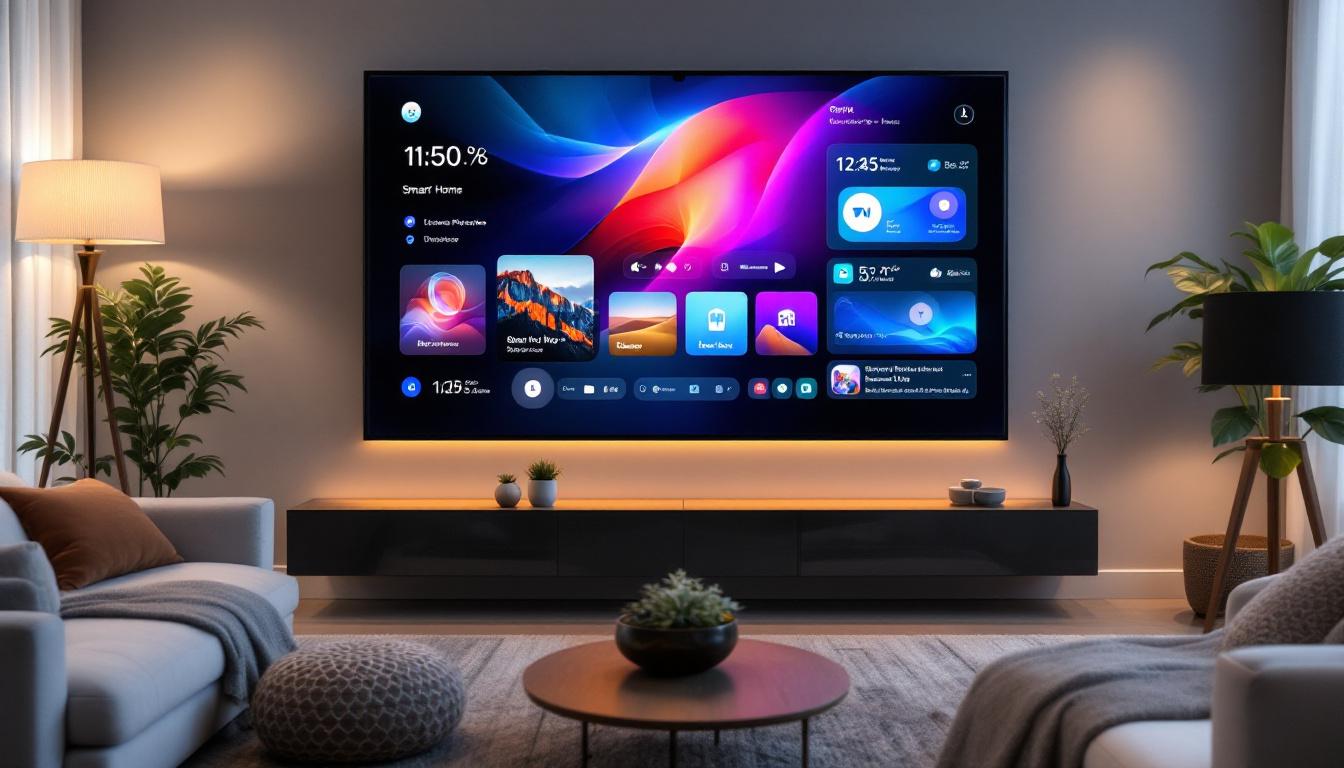
Retail environments leverage LED displays to enhance customer engagement. From window displays that attract passersby to in-store screens that promote products and sales, LED technology offers retailers a versatile tool to influence purchasing behavior. The ability to integrate LED displays with sensors and AI-driven analytics further personalizes the shopping experience.
Sports and Entertainment Venues
Sports arenas and entertainment venues utilize large LED screens to deliver immersive experiences. These displays provide live game footage, instant replays, advertisements, and interactive fan engagement features. The 2022 FIFA World Cup, for example, showcased cutting-edge LED displays that enhanced both in-stadium and broadcast viewing experiences, highlighting the technology’s role in global events.
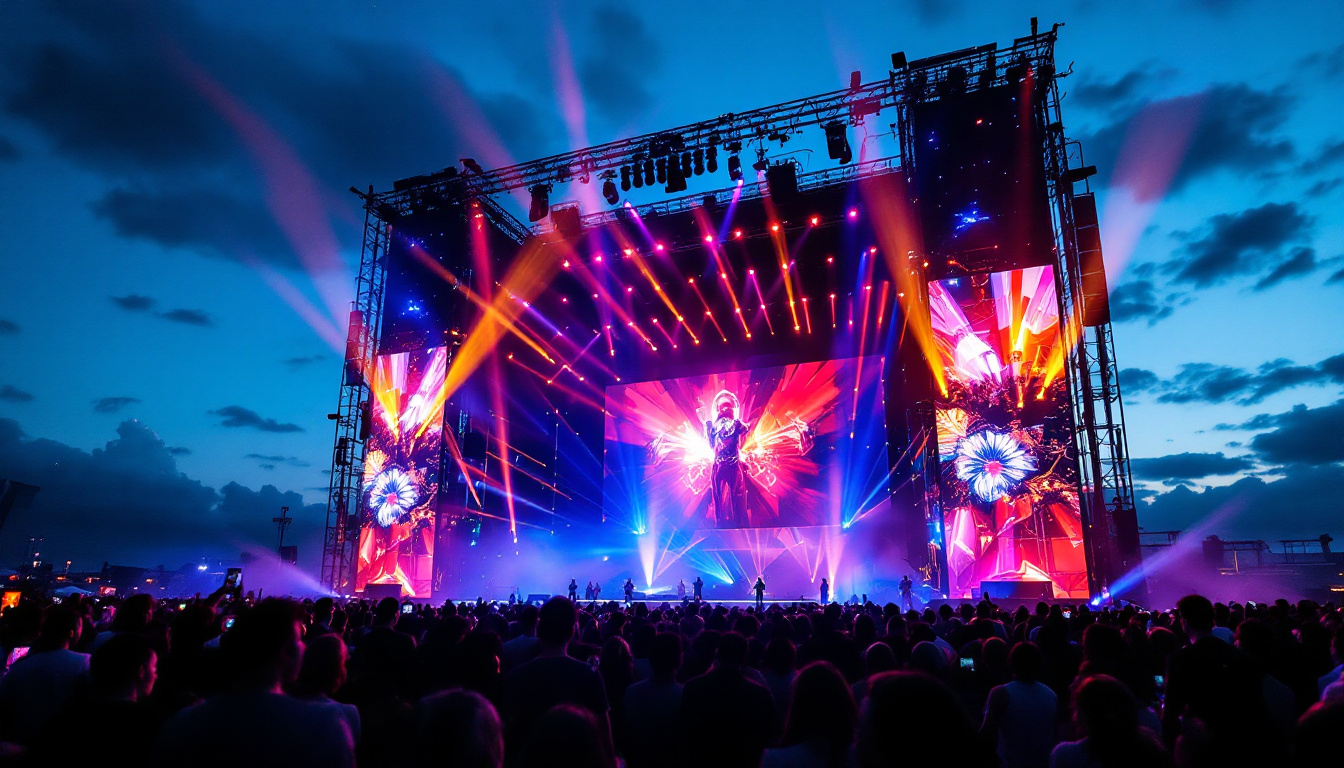
Concerts and festivals also benefit from LED displays, which serve as dynamic backdrops and visual effects. The scalability and brightness of LED technology make it ideal for large outdoor stages, where visibility and impact are crucial.
Transportation and Public Information
LED displays are increasingly used in transportation hubs such as airports, train stations, and bus terminals to provide real-time information. Their high visibility and reliability ensure that travelers receive timely updates on schedules, delays, and safety announcements.
Urban centers deploy LED screens for public information and emergency alerts. Smart city initiatives integrate LED displays with IoT networks to deliver contextual information, enhancing public safety and awareness.
Key Advantages of LED Displays
Brightness and Visibility
One of the most significant benefits of LED displays is their exceptional brightness. With peak brightness levels far exceeding those of traditional display technologies, LEDs maintain clear visibility even under direct sunlight. This advantage is critical for outdoor advertising and public information systems where ambient light conditions can vary dramatically.
Energy Efficiency and Longevity
LEDs are known for their energy efficiency, consuming significantly less power than incandescent or fluorescent lighting. This efficiency translates into lower operational costs, especially important for large-scale installations that operate continuously. Additionally, LED displays have a long lifespan, often rated between 50,000 and 100,000 hours, reducing maintenance and replacement expenses.
Flexibility and Scalability
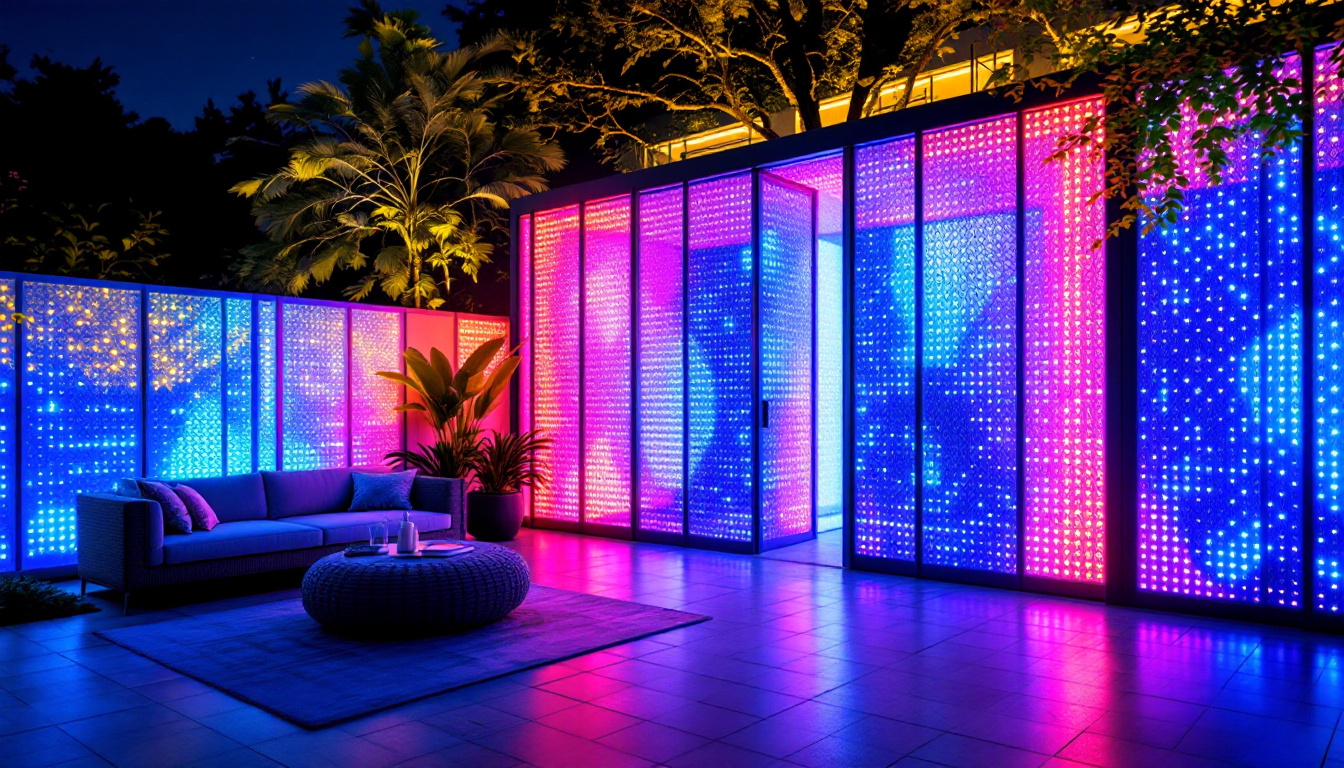
LED displays are highly modular, allowing for customized sizes and shapes to fit diverse applications. Whether it’s a curved display wrapping around a building facade or a massive video wall inside a stadium, LED technology can be adapted to meet design requirements. This flexibility extends to pixel pitch—the distance between LEDs—enabling displays optimized for different viewing distances and resolutions.
Challenges and Considerations
Initial Investment and Installation
While LED displays offer numerous benefits, the upfront cost can be substantial, particularly for high-resolution and large-format installations. The complexity of installation, including structural support, electrical requirements, and calibration, also demands professional expertise. However, many organizations find that the long-term benefits and advertising impact justify the initial expenditure.
Pixel Pitch and Viewing Distance
Choosing the appropriate pixel pitch is crucial for ensuring optimal image quality. A smaller pixel pitch means higher resolution but also increases cost. For outdoor displays viewed from a distance, a larger pixel pitch is acceptable, but for indoor or close-range applications, finer pixel pitch is necessary. Misjudging this balance can result in either unnecessary expense or poor visual performance.
Environmental Impact and Sustainability
As with all electronic devices, LED displays have environmental considerations. While LEDs are more energy-efficient and contain fewer hazardous materials than older technologies, the manufacturing and disposal processes require responsible management. Advances in recyclable materials and energy-saving designs continue to improve the sustainability profile of LED displays.
The Future of LED Displays
MicroLED and MiniLED Innovations
Emerging technologies like MicroLED and MiniLED are set to revolutionize the LED display market. MicroLEDs are significantly smaller than traditional LEDs, allowing for even higher resolution and thinner, more flexible displays. This technology promises superior brightness, contrast, and energy efficiency, making it ideal for next-generation televisions, smartphones, and large-scale installations.
MiniLED technology, which uses thousands of tiny LEDs as a backlight for LCD panels, offers improved contrast and brightness compared to conventional LED-backlit LCDs. It serves as a bridge technology, enhancing display quality while MicroLED matures.
Integration with Smart Technologies
LED displays are increasingly integrated with smart technologies such as AI, IoT, and augmented reality. These integrations enable dynamic content adaptation based on audience demographics, environmental conditions, and interactive inputs. For example, smart advertising displays can change messaging in real-time based on weather, traffic, or social media trends, maximizing engagement and effectiveness.
Environmental and Energy Innovations
Future LED displays are expected to become even more energy-efficient, incorporating advanced materials and power management systems. Innovations in solar-powered LED displays and energy harvesting technologies will further reduce environmental impact, supporting sustainable urban development and green advertising initiatives.
Conclusion
LED displays represent a powerful convergence of technology, design, and communication. Their ability to deliver bright, vibrant, and flexible visual content has transformed industries ranging from advertising and entertainment to public information and transportation. Understanding the nuances of LED technology—from pixel pitch and brightness to application-specific requirements—is essential for making informed decisions about deploying LED displays effectively.
As LED technology continues to evolve with innovations like MicroLED and smart integration, the potential for more immersive, interactive, and sustainable displays grows. For businesses and organizations looking to capture attention and communicate dynamically, LED displays remain an indispensable tool in the digital age.
Discover LumenMatrix LED Display Solutions
Ready to elevate your visual impact? Explore LumenMatrix’s comprehensive range of LED display solutions, where innovation meets excellence. From Indoor and Outdoor LED Wall Displays to specialized options like Vehicle, Sports, and Floor LED Displays, LumenMatrix is committed to revolutionizing visual communication. Whether you’re looking to create a custom LED display or seeking an All-in-One solution, our cutting-edge technology is designed to captivate your audience and amplify your message. Check out LumenMatrix LED Display Solutions today and experience the future of dynamic digital signage.