Understanding measurements is fundamental in many industries, from manufacturing to design, and nowhere is this more critical than in the world of LED displays. Whether you’re working on a digital billboard, a stadium screen, or a retail display, precision in dimensions can make or break the final product. One common measurement that often arises is the conversion of inches to millimeters, especially when dealing with pixel pitch and screen resolution. This article delves into the exact conversion of an inch and a half into millimeters and explores how this measurement relates to LED display technology.
Understanding the Inch and Millimeter Conversion
Before diving into LED displays, it’s essential to clarify the exact relationship between inches and millimeters. The inch is a unit of length in the imperial system, commonly used in the United States and a few other countries. The millimeter, on the other hand, is part of the metric system, widely adopted internationally and in scientific contexts. This difference in measurement systems can lead to confusion, especially in fields like engineering and design, where precision is paramount.
One inch is precisely defined as 25.4 millimeters. This definition is standardized and internationally accepted, ensuring consistency across industries and applications. Understanding this conversion is not just about numbers; it plays a significant role in various sectors, from manufacturing to technology, where accurate measurements can impact product quality and functionality.
Calculating an Inch and a Half in Millimeters
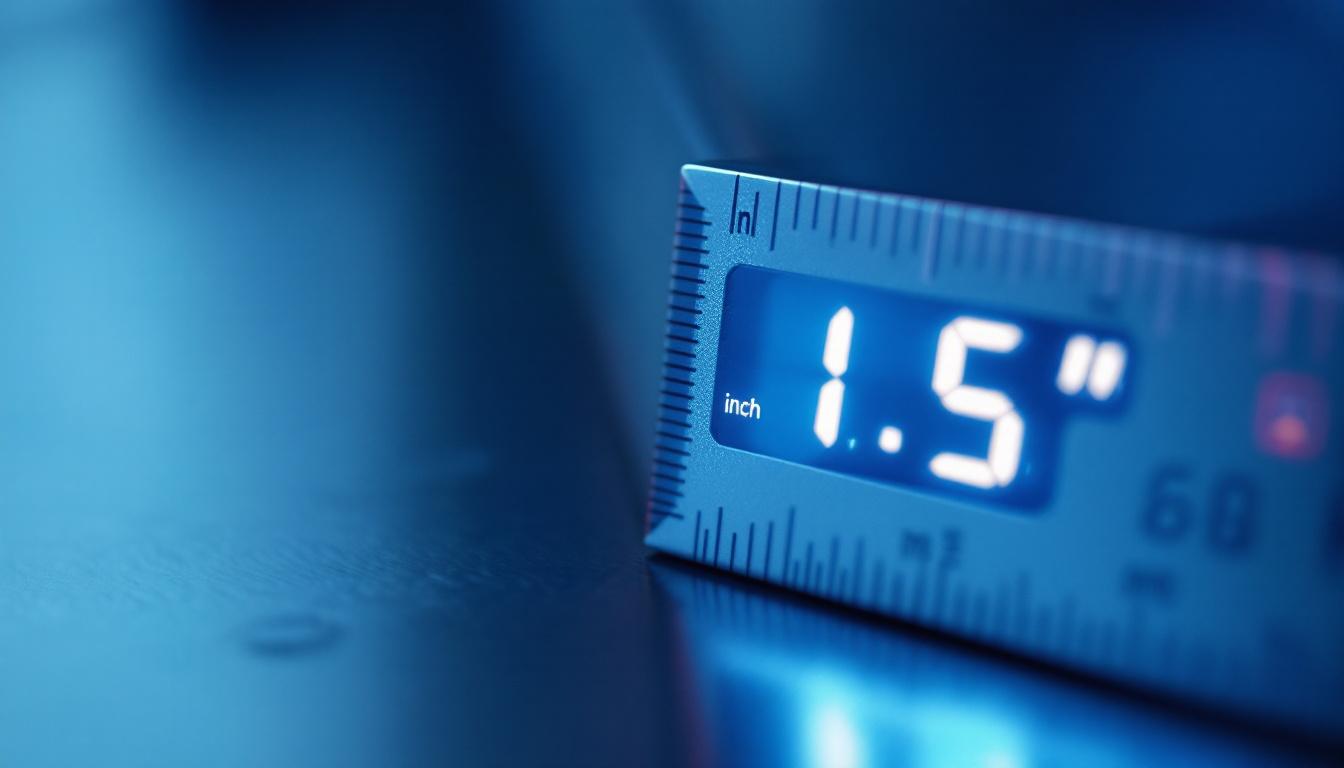
An inch and a half means 1.5 inches. To convert this to millimeters, multiply 1.5 by 25.4:
1.5 inches × 25.4 mm/inch = 38.1 millimeters
Therefore, an inch and a half equals 38.1 millimeters. This precise conversion is crucial when specifying measurements for LED displays, where even fractions of a millimeter can affect the display’s clarity and performance. For instance, in the world of LED technology, the pixel pitch—the distance from the center of one pixel to the center of an adjacent pixel—is often measured in millimeters. A slight miscalculation in this measurement can lead to a display that is either too pixelated or not sharp enough, impacting the viewer’s experience.
Moreover, when designing products that will be used globally, engineers and designers must be adept at converting between these two units. This skill ensures that components fit together seamlessly, regardless of the measurement system used in different regions. Additionally, with the rise of international trade and collaboration, professionals often rely on conversion tools and charts to facilitate communication and prevent costly errors in production. The ability to navigate these conversions with ease is a valuable asset in today’s interconnected marketplace, where precision is key to success.
The Role of Pixel Pitch in LED Displays
One of the most important specifications in LED display technology is the pixel pitch. Pixel pitch refers to the distance from the center of one LED pixel to the center of the adjacent pixel, usually measured in millimeters. This measurement directly impacts the resolution, viewing distance, and overall image quality of the display.
Understanding pixel pitch helps manufacturers and designers select the right LED display for their intended use, whether for indoor advertising, outdoor billboards, or high-definition video walls.
How Pixel Pitch Relates to Inch and a Half Measurement
Pixel pitches vary widely, from as small as 0.9 mm for high-resolution indoor displays to over 20 mm for large outdoor screens. An inch and a half, or 38.1 mm, is significantly larger than typical pixel pitches but can be useful when considering the overall module size or the spacing between clusters of pixels in certain display configurations.
For example, some outdoor LED modules might have pixel pitches around 10 mm to 20 mm, and the physical size of these modules could be measured in inches or millimeters. Knowing that 1.5 inches equals 38.1 mm helps in designing the layout and ensuring compatibility with mounting systems and enclosures.
Moreover, the choice of pixel pitch is not solely about aesthetics; it also has practical implications for the viewer’s experience. A smaller pixel pitch allows for closer viewing distances, making it ideal for environments where viewers are likely to be near the display, such as shopping malls or control rooms. Conversely, a larger pixel pitch is more suited for applications where viewers will be farther away, such as stadiums or large outdoor events. This relationship between pixel pitch and viewing distance is crucial for achieving the desired impact and clarity of the displayed content.
Additionally, advancements in LED technology have led to the development of finer pixel pitches, which can produce stunningly detailed images and videos. This has opened new possibilities for creative applications, such as immersive advertising experiences and dynamic art installations. As designers continue to push the boundaries of what is possible with LED displays, understanding pixel pitch becomes even more essential for creating engaging visual experiences that capture the audience’s attention.
Why Precise Measurement Matters in LED Display Design
Precision in measurement is paramount in LED display manufacturing and installation. Even small errors in dimensions can lead to misalignment, poor image quality, and increased costs due to rework or adjustments. The importance of this precision cannot be overstated, as the visual impact of an LED display is often directly correlated with the accuracy of its components. A well-measured display not only enhances aesthetic appeal but also ensures longevity and reliability, reducing the likelihood of future maintenance issues.
When converting between inches and millimeters, especially for critical dimensions like pixel pitch, cabinet size, or mounting holes, using exact conversions like 1.5 inches = 38.1 mm ensures that components fit perfectly and the display performs as intended. This meticulous attention to detail is essential not just during the initial design phase but throughout the entire lifecycle of the display, from installation to eventual upgrades or replacements. Any discrepancies can result in cascading effects, impacting everything from the structural integrity of the installation to the overall user experience.
Impact on Resolution and Viewing Experience
The pixel pitch, influenced by these measurements, determines the resolution of the LED display. A smaller pixel pitch means more pixels per unit area, resulting in sharper images and better detail. Conversely, a larger pixel pitch is suitable for displays viewed from greater distances, where individual pixels are less noticeable. This relationship between pixel pitch and viewing distance is crucial for designers to understand, as it guides the selection of appropriate technology for specific applications.
For instance, a stadium scoreboard might use a pixel pitch of 20 mm or more, while a retail store display might require a pitch under 4 mm for close-up viewing. Understanding and accurately converting measurements ensures the right balance between cost, resolution, and viewing distance. Moreover, the choice of pixel pitch also affects the brightness and color accuracy of the display. Displays with smaller pixel pitches often require more advanced technology to maintain vibrancy and clarity, which can increase production costs. Therefore, designers must weigh these factors carefully, considering not only the immediate visual impact but also the long-term operational costs associated with different pixel configurations. Additionally, the integration of ambient light sensors and adaptive brightness controls can further enhance the viewing experience, making precise measurement even more critical in achieving optimal performance under varying environmental conditions.
Common Applications of Inch and a Half Measurements in LED Displays
Inch and a half measurements appear in various aspects of LED display design and installation. Here are some common examples:
Module and Cabinet Dimensions
LED display modules and cabinets are often specified in inches, especially in markets where imperial units are standard. A module might measure 1.5 inches in thickness or depth, which converts to 38.1 mm for manufacturing tolerances and fitting into larger assemblies.
Mounting and Installation Hardware
Mounting brackets, screws, and support structures may use inch-based measurements. Knowing the exact millimeter equivalent helps engineers source compatible hardware and avoid mismatches that could compromise the display’s stability.
Cabling and Connector Spacing
Spacing between connectors or cable entries might be specified in inches. Accurate conversion to millimeters ensures proper cable management and prevents strain on connections, which is vital for the longevity of the LED display.
Global Standards and Measurement Practices in LED Industry
The LED display industry is global, with manufacturers, designers, and installers operating across regions that use different measurement systems. This diversity necessitates a clear understanding of unit conversions to maintain quality and interoperability.
International standards organizations, such as the International Electrotechnical Commission (IEC) and the Institute of Electrical and Electronics Engineers (IEEE), emphasize the use of metric units for technical specifications. However, many companies still provide dimensions in inches, especially in North America.
Bridging the Gap Between Imperial and Metric Systems
To bridge this gap, professionals often rely on precise conversion factors like 1 inch = 25.4 mm and 1.5 inches = 38.1 mm. Digital tools and CAD software typically allow seamless switching between units, but manual calculations remain essential for verification and communication.
Ensuring all stakeholders understand these conversions reduces errors, streamlines production, and facilitates international collaboration.
Conclusion: The Importance of Accurate Inch-to-Millimeter Conversion in LED Displays
In summary, knowing that an inch and a half equals 38.1 millimeters is more than just a trivial fact—it’s a critical piece of knowledge for anyone involved in the design, manufacturing, or installation of LED displays. Accurate measurement conversions underpin the entire process, from selecting the right pixel pitch to ensuring mechanical compatibility and achieving optimal image quality.
As LED technology continues to evolve and displays become more sophisticated, the demand for precision will only increase. Professionals who master these fundamental conversions will be better equipped to deliver high-quality, reliable LED display solutions that meet the exacting standards of modern applications.
Whether you’re specifying a new digital signage project, troubleshooting an existing installation, or collaborating across international teams, keeping the conversion of 1.5 inches to 38.1 millimeters in mind will help you navigate the complexities of LED display technology with confidence.
Discover Precision with LumenMatrix LED Displays
Ready to experience the pinnacle of precision in LED display technology? LumenMatrix is at the forefront of innovation, offering a wide array of LED display solutions tailored to your needs. From Indoor and Outdoor LED Walls to dynamic Vehicle and Sports Displays, our products are designed to captivate and engage. Embrace the future of visual communication with our Custom, All-in-One, and Transparent LED Displays, and see how our commitment to clarity and impact can transform your space. Check out LumenMatrix LED Display Solutions today and elevate your brand visibility with unparalleled quality.