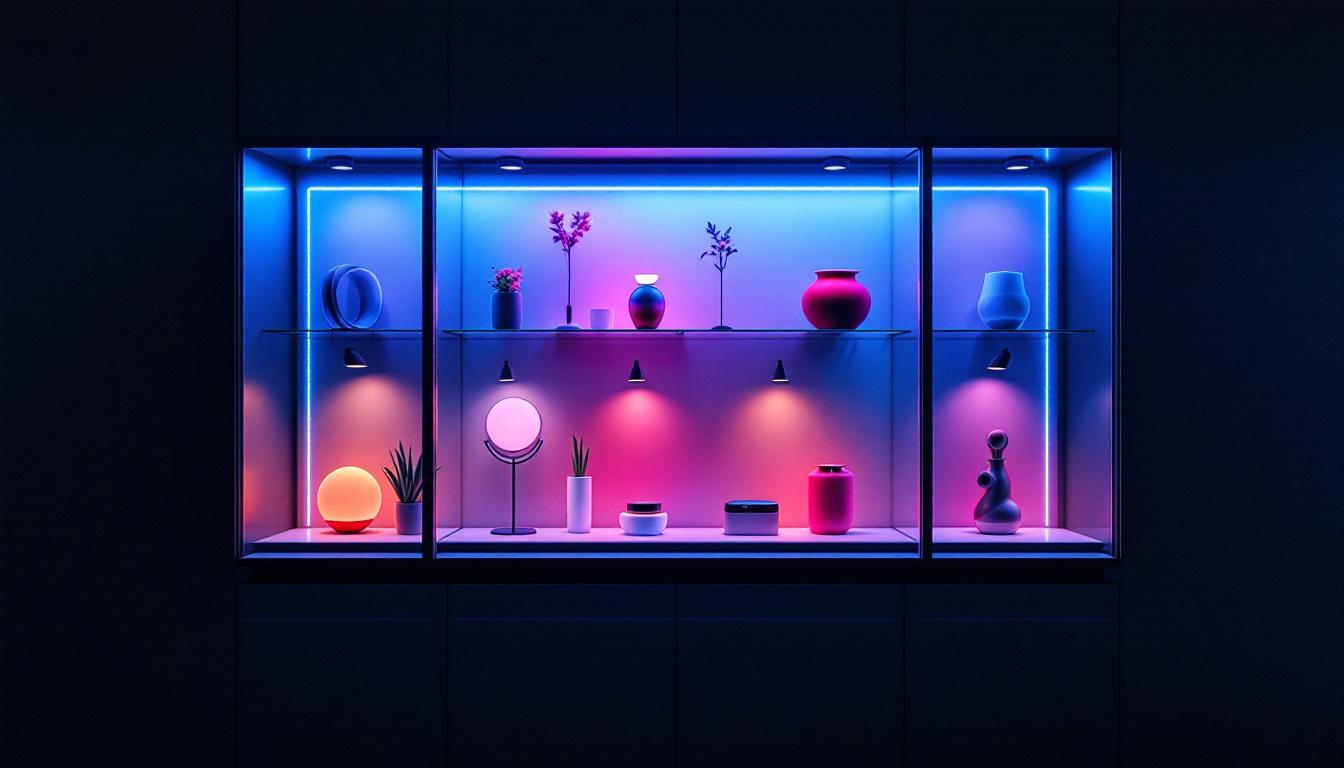
In today’s world of interior design and retail merchandising, display cabinets have evolved far beyond simple glass boxes. The integration of LED lighting technology has transformed these cabinets into dynamic showcases that not only protect but also highlight and enhance the items within. Whether for a luxury retail store, a museum exhibit, or a personal collection at home, LED-lit display cabinets offer a blend of aesthetics, functionality, and energy efficiency that traditional lighting methods cannot match.
This article delves into the essentials of LED display technology in light-up display cabinets, exploring how they work, their benefits, design considerations, and practical tips for selecting the right LED display cabinet for your needs.
Understanding LED Technology in Display Cabinets
What Are LEDs and How Do They Work?
LED stands for Light Emitting Diode, a semiconductor device that emits light when an electric current passes through it. Unlike incandescent bulbs that generate light by heating a filament, LEDs produce light through electroluminescence, making them far more energy-efficient and longer-lasting. This fundamental difference is why LEDs have become the preferred lighting solution in many applications, including display cabinets.
In display cabinets, LEDs are typically arranged in strips or panels to provide uniform illumination. Their compact size allows for flexible placement within the cabinet, ensuring that every angle of the displayed item is well-lit without harsh shadows or glare. Moreover, the low heat output of LEDs means that they can illuminate delicate items without risking damage, making them ideal for showcasing collectibles, art pieces, or fragile artifacts. This ability to maintain a stable temperature is particularly crucial for items sensitive to heat, such as certain types of artwork or historical documents.
Types of LED Lighting Used in Display Cabinets
There are several types of LED lighting commonly used in display cabinets, each with specific characteristics suited to different display needs:
- LED Strip Lights: Flexible and easy to install, these strips can be cut to size and placed along the edges or shelves of the cabinet. They are available in various color temperatures, allowing for customization based on the ambiance desired.
- LED Spotlights: Small, focused lights that highlight particular items or areas within the cabinet. These are especially useful for drawing attention to key pieces in a collection, creating a dramatic effect that enhances the viewer’s experience.
- LED Panels: Thin, flat panels that provide even, diffused light over a larger surface area. These panels are excellent for illuminating entire shelves uniformly, ensuring that no part of the display is left in shadow.
Choosing the right type depends on the size of the cabinet, the nature of the items displayed, and the desired lighting effect. Additionally, the color rendering index (CRI) of the LEDs should be considered; a higher CRI means that colors will appear more vibrant and true to life, which is particularly important for art and collectibles. Furthermore, many modern LED systems come with adjustable brightness and color temperature settings, allowing users to tailor the lighting to suit different occasions or moods. This versatility not only enhances the aesthetic appeal of the displayed items but also contributes to a more engaging viewing experience for customers or guests.
Benefits of LED Lighting in Display Cabinets
Energy Efficiency and Cost Savings
One of the most compelling reasons to use LED lighting in display cabinets is its energy efficiency. LEDs consume up to 80% less energy than traditional incandescent bulbs, which translates into significant cost savings over time. For retail environments with extensive lighting needs, this efficiency reduces operational expenses and supports sustainability goals.
Moreover, LEDs generate very little heat compared to halogen or incandescent lights. This low heat emission is crucial in display cabinets, especially when showcasing sensitive items like antiques, artwork, or electronics that could be damaged by excessive heat.
Longevity and Durability
LEDs boast an impressive lifespan, often rated between 25,000 to 50,000 hours of use. This longevity means fewer replacements and maintenance interventions, which is particularly advantageous for display cabinets in commercial settings where downtime can impact sales and customer experience.
Additionally, LEDs are solid-state lights, making them more resistant to shock and vibration than traditional bulbs. This durability ensures consistent performance even in environments where the display cabinet may be moved or adjusted frequently.
Enhanced Visual Appeal and Color Accuracy
LED lighting offers superior color rendering capabilities, which means the colors of displayed items appear more vibrant and true to life. This feature is essential for retailers and collectors who want to showcase products or artifacts in their best light, literally and figuratively.
Many LED systems also allow for adjustable color temperatures, ranging from warm white (around 2700K) to cool white (up to 6500K). This flexibility enables customization of the display ambiance, whether aiming for a cozy, inviting feel or a bright, modern aesthetic.
Design Considerations for LED Display Cabinets
Placement and Lighting Angles
Effective lighting design in display cabinets requires careful consideration of where and how LEDs are positioned. The goal is to eliminate shadows, avoid glare, and highlight the most important features of the displayed items.
For example, placing LED strips along the top and sides of the cabinet can provide even illumination, while adjustable spotlights can be directed to accentuate specific objects. Diffusers or frosted covers may be used to soften the light and prevent harsh reflections on glass surfaces.
Power Supply and Control Options
LED display cabinets typically require a low-voltage power supply, which can be integrated discreetly to maintain the cabinet’s clean aesthetic. Many modern systems include dimming capabilities and programmable controls, allowing users to adjust brightness levels or create lighting sequences.
Some advanced setups even incorporate smart technology, enabling control via smartphone apps or voice commands. This adds convenience and allows for dynamic lighting effects that can enhance the display experience.
Heat Management and Ventilation
Although LEDs produce minimal heat, the enclosed nature of display cabinets means that even small amounts of heat can accumulate over time. Proper ventilation or heat sinks integrated into the cabinet design help dissipate heat, protecting both the lighting components and the displayed items.
Manufacturers often design cabinets with airflow channels or use materials that conduct heat away from LEDs to maintain optimal operating temperatures.
Applications of LED Light-Up Display Cabinets
Retail Environments
In retail, presentation is key to attracting customers and driving sales. LED-lit display cabinets make products stand out, whether it’s luxury watches, jewelry, electronics, or designer apparel. The ability to customize lighting to suit different merchandise enhances the overall shopping experience and can influence purchasing decisions.
According to a study by the National Retail Federation, well-lit displays can increase product visibility by up to 60%, directly impacting sales performance. Retailers who invest in LED display cabinets often see a return on investment through increased customer engagement and reduced energy costs.
Museums and Galleries
Museums and galleries require lighting solutions that preserve delicate artifacts while showcasing them effectively. LEDs’ low heat emission and adjustable color temperatures make them ideal for these settings. Curators can highlight textures, colors, and details without risking damage from UV rays or heat buildup.
Furthermore, LED lighting can be programmed to change throughout the day or in response to visitor interaction, creating immersive and educational experiences.
Residential Use
Homeowners are increasingly adopting LED display cabinets to showcase collectibles, trophies, fine china, or art pieces. The sleek design and customizable lighting options allow these cabinets to blend seamlessly with modern interior decor.
LED lighting also adds a layer of sophistication and ambiance to living spaces, turning ordinary display cases into focal points that reflect personal style and taste.
How to Choose the Right LED Display Cabinet
Assess Your Display Needs
Start by considering the size, number, and type of items you want to display. Larger objects may require more powerful or focused lighting, while smaller or delicate items benefit from softer, diffused illumination. Think about how often you will access the cabinet and whether adjustable lighting is important to you.
Evaluate Lighting Quality and Features
Look for cabinets that use high-quality LEDs with a high Color Rendering Index (CRI) — ideally above 90 — to ensure accurate color representation. Check if the cabinet offers dimming options, color temperature adjustments, or smart controls for added flexibility.
Additionally, consider the ease of installation and maintenance. Cabinets with integrated LED systems and accessible power supplies simplify setup and reduce long-term hassles.
Consider Energy Efficiency and Sustainability
Energy-efficient lighting not only reduces electricity bills but also aligns with growing environmental awareness. Choose LED display cabinets that are certified for energy efficiency and made from sustainable materials where possible.
Some manufacturers offer recyclable components and eco-friendly packaging, which may be important factors for environmentally conscious buyers.
Maintenance Tips for LED Display Cabinets
Regular Cleaning
Keeping the glass and LED surfaces clean enhances light transmission and maintains the cabinet’s visual appeal. Use soft, lint-free cloths and gentle cleaning solutions to avoid scratching or damaging the LEDs and glass panels.
Inspect and Replace Components as Needed
Although LEDs have long lifespans, it’s important to periodically check the lighting system for any dimming or flickering. Replace faulty LED strips or drivers promptly to ensure consistent illumination.
Protect Against Moisture and Dust
Display cabinets should be sealed well to prevent dust accumulation and protect sensitive items. In humid environments, consider using desiccants or climate control features to maintain optimal conditions inside the cabinet.
Conclusion
LED lighting has revolutionized the way display cabinets function and look, offering unmatched energy efficiency, longevity, and visual enhancement. Whether in retail, museums, or homes, LED-lit display cabinets provide a versatile and elegant solution for showcasing valuable or cherished items.
By understanding the technology behind LEDs, their benefits, and key design considerations, buyers can make informed decisions that elevate their displays while saving energy and maintenance costs. As LED technology continues to advance, the future of illuminated display cabinets promises even greater innovation and customization, making them an essential component of modern display design.
Illuminate Your Space with LumenMatrix
Ready to elevate your display to the next level? Discover LumenMatrix’s range of innovative LED display solutions, designed to bring your exhibits and showcases to life. From captivating Indoor LED Walls to dynamic Outdoor LED Displays, and from sleek LED Posters to immersive LED Sports Displays, LumenMatrix offers a variety of options to meet your specific needs. Embrace the future of visual storytelling and check out LumenMatrix LED Display Solutions today to create unforgettable visual experiences that resonate with your audience.