In the rapidly evolving world of digital signage and visual technology, LED displays have emerged as a cornerstone for delivering vibrant, dynamic content across a variety of industries. From stadium scoreboards to retail storefronts and urban billboards, LED technology continues to redefine how audiences engage with visual media. This article delves into the fundamentals of LED displays, exploring their technology, applications, advantages, and future trends that are shaping the pixel-perfect world of today and tomorrow.
Understanding LED Display Technology
What is an LED Display?
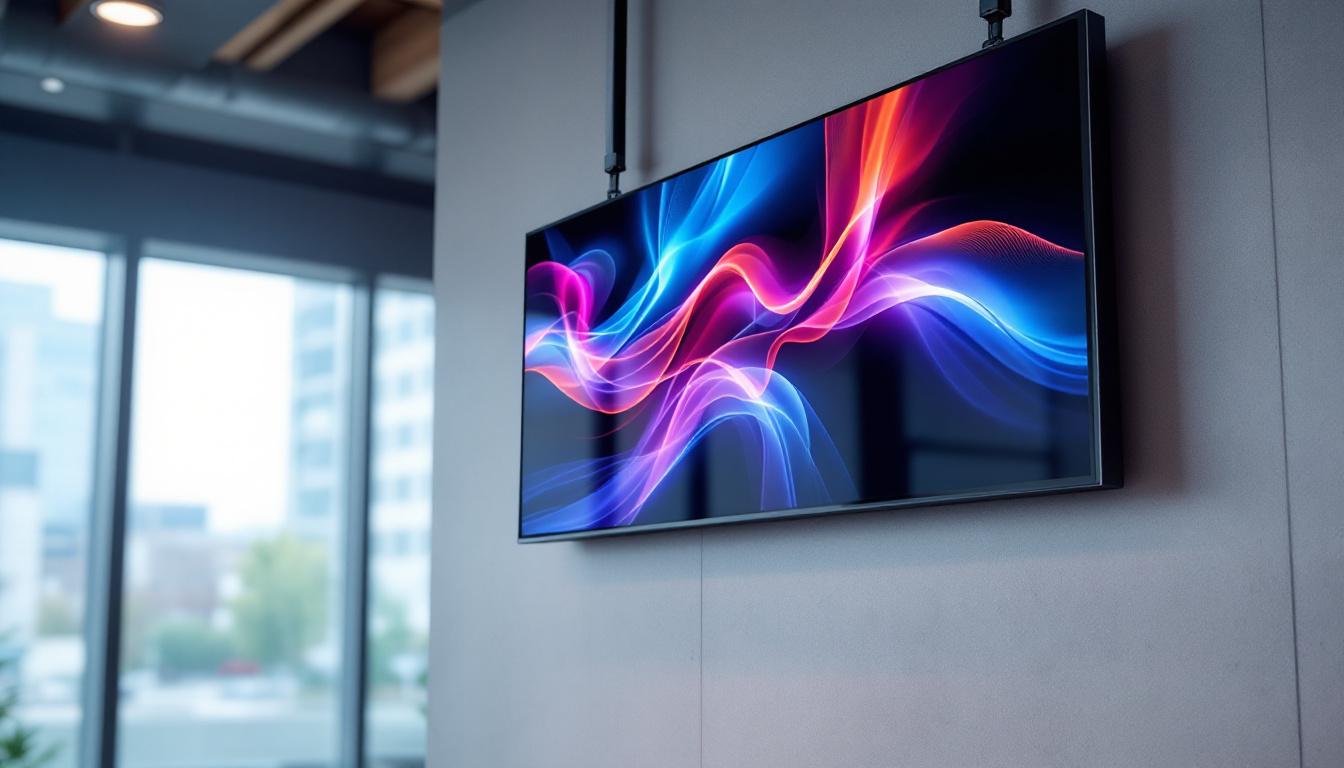
LED stands for Light Emitting Diode, a semiconductor device that emits light when an electric current passes through it. An LED display is a flat panel display that uses an array of these tiny light sources to create images and videos. Unlike traditional LCD or plasma screens, LED displays rely on individual diodes as pixels, which can be controlled independently to produce bright and vivid visuals.
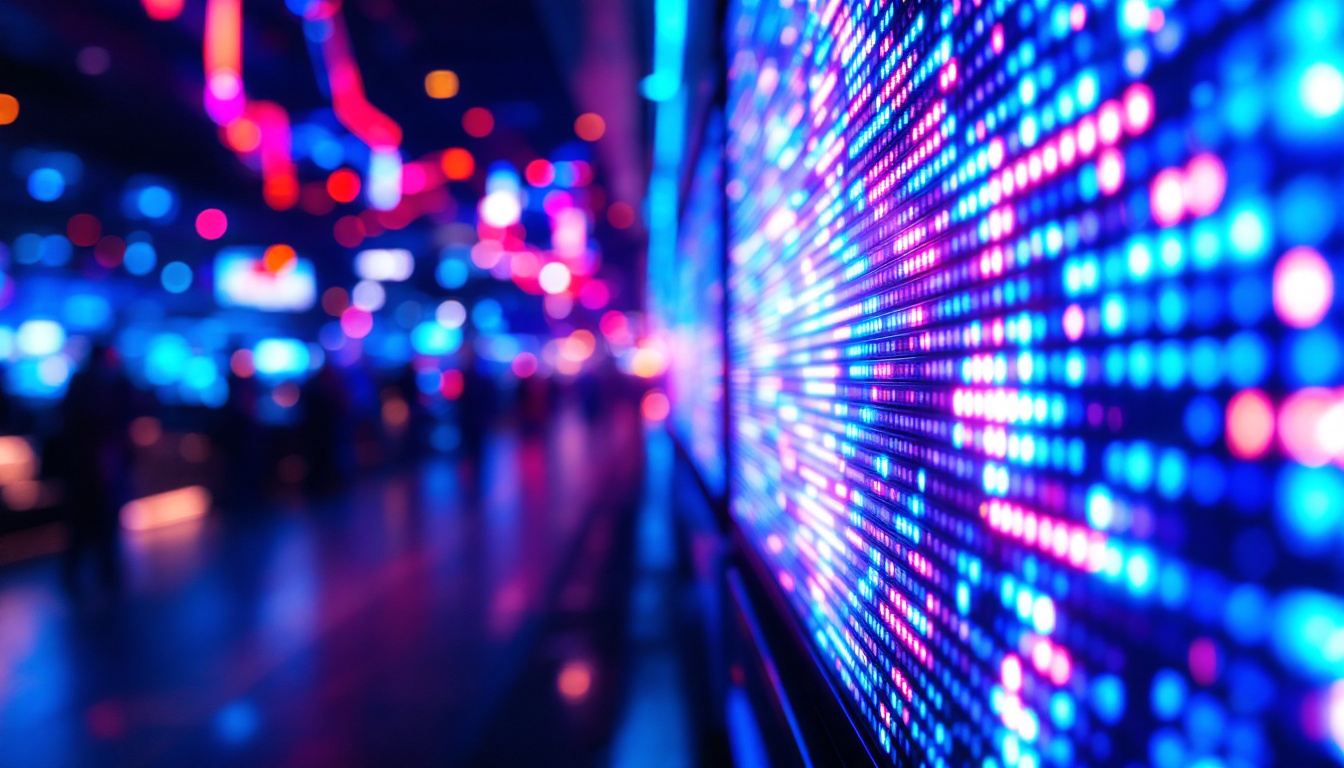
These displays are composed of thousands to millions of LEDs arranged in a grid, where each LED or cluster of LEDs represents a single pixel. The ability to control each pixel’s brightness and color enables LED displays to render high-resolution images with excellent contrast and color accuracy, even in challenging lighting conditions. This capability makes LED displays particularly popular in environments where visibility is critical, such as in outdoor advertising or live event broadcasting, where bright sunlight can wash out the colors of less advanced display technologies.
Types of LED Displays
LED displays come in various forms, primarily categorized based on their construction and application:
- Direct View LED Displays: These are large-scale screens where the LEDs themselves form the image directly. They are commonly used in outdoor billboards, stadium screens, and large public displays. Their robustness and ability to be seen from great distances make them ideal for high-traffic areas and events.
- LED-backlit LCD Displays: Here, LEDs serve as the backlight source for LCD panels. This technology is prevalent in televisions, computer monitors, and smartphones, offering improved brightness and energy efficiency over older CCFL backlighting. These displays often feature local dimming capabilities, which enhance contrast by allowing specific areas of the screen to be dimmed while others remain bright.
- MicroLED Displays: An emerging technology that uses microscopic LEDs as individual pixels, promising even higher brightness, contrast, and energy efficiency for next-generation screens. MicroLEDs offer the potential for ultra-thin displays with flexible designs, paving the way for innovative applications in consumer electronics and beyond.
Each type serves different purposes, balancing factors like size, resolution, brightness, and cost. For instance, while Direct View LED displays are ideal for large venues, MicroLED technology is still in its infancy, often found in high-end products due to its complexity and manufacturing costs. Additionally, the rapid evolution of LED technology means that new applications and enhancements are continuously being developed, such as transparent displays that can blend seamlessly into their surroundings or flexible displays that can be curved or shaped to fit various environments. This versatility not only opens up new design possibilities but also enhances user engagement and interaction with digital content.
The Anatomy of an LED Display
Pixels and Subpixels
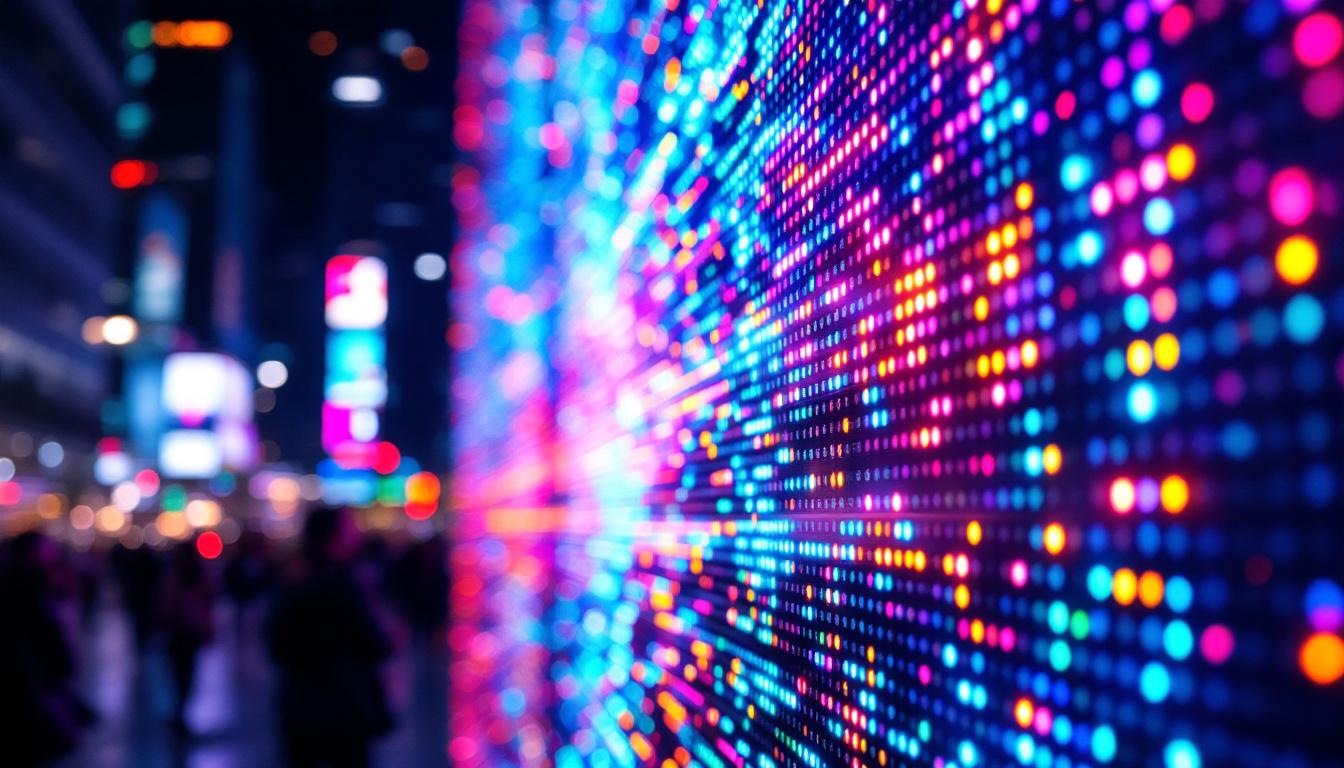
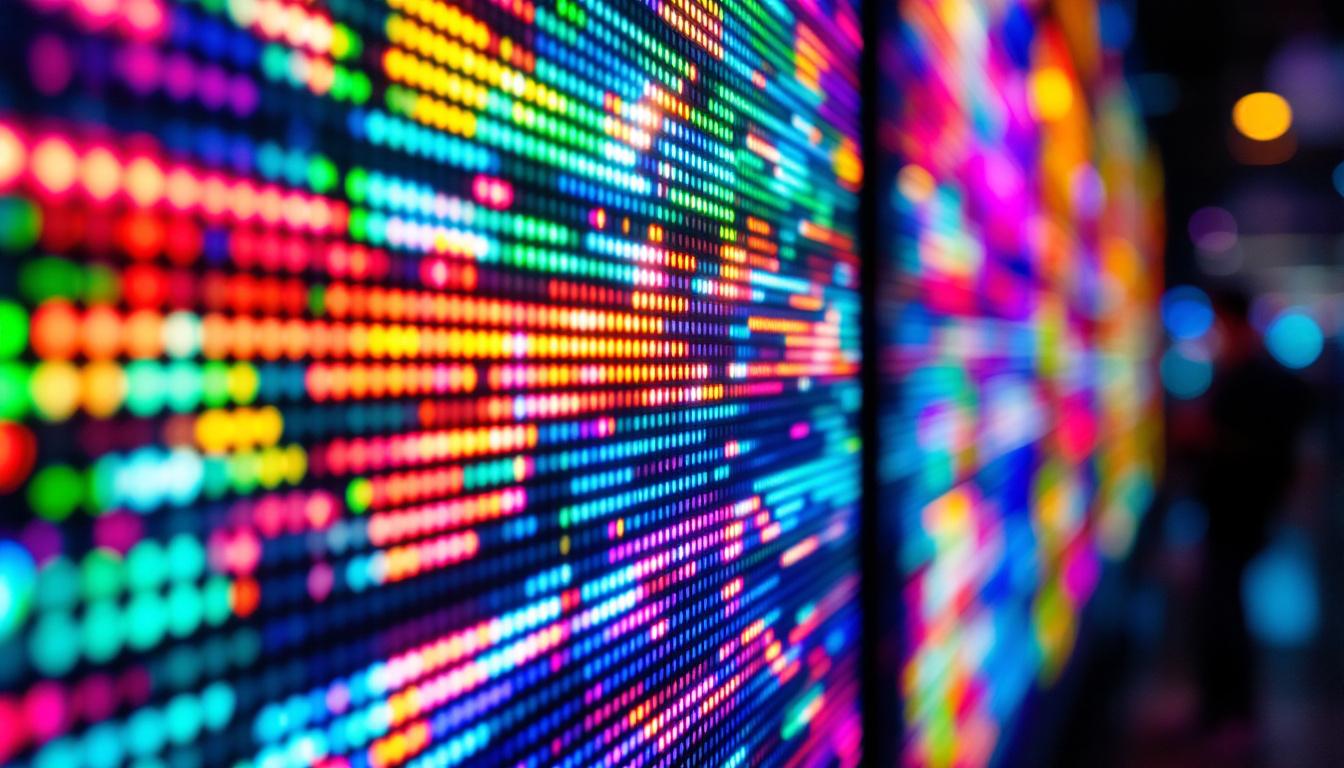
At the heart of every LED display lies the pixel—the smallest controllable element of an image. Each pixel is typically composed of three subpixels: red, green, and blue (RGB). By varying the intensity of these subpixels, the display can produce a wide spectrum of colors through additive color mixing.
The precision in controlling these subpixels determines the display’s color accuracy and image quality. High-end LED displays often employ advanced calibration techniques to ensure consistent color reproduction across the entire screen. This calibration process can involve sophisticated algorithms and hardware adjustments that account for factors such as ambient light conditions and viewing angles, allowing the display to maintain its vibrancy and clarity in various environments.
Pixel Pitch and Resolution
Pixel pitch is a critical specification in LED displays, referring to the distance between the centers of two adjacent pixels, usually measured in millimeters. A smaller pixel pitch means more pixels per unit area, resulting in higher resolution and sharper images.
For example, an indoor LED display designed for close viewing might have a pixel pitch as small as 1.2mm, delivering crisp visuals even at short distances. Conversely, large outdoor displays often have a pixel pitch of 10mm or more, optimized for visibility from hundreds of feet away. The choice of pixel pitch is not merely a technical specification; it also influences the overall design and functionality of the display. For instance, a smaller pixel pitch can enhance the viewer’s experience by providing finer details and smoother gradients, making it ideal for applications such as art exhibitions or high-end retail displays.
Understanding pixel pitch helps buyers and designers select the right LED display for their specific viewing environment and content needs. Additionally, advancements in technology have led to the development of microLED and miniLED displays, which push the boundaries of pixel pitch even further, offering unprecedented resolution and contrast ratios. These innovations are paving the way for new applications in various fields, from virtual reality to large-scale digital signage, expanding the possibilities of visual communication.
Applications of LED Displays
Outdoor Advertising and Digital Billboards
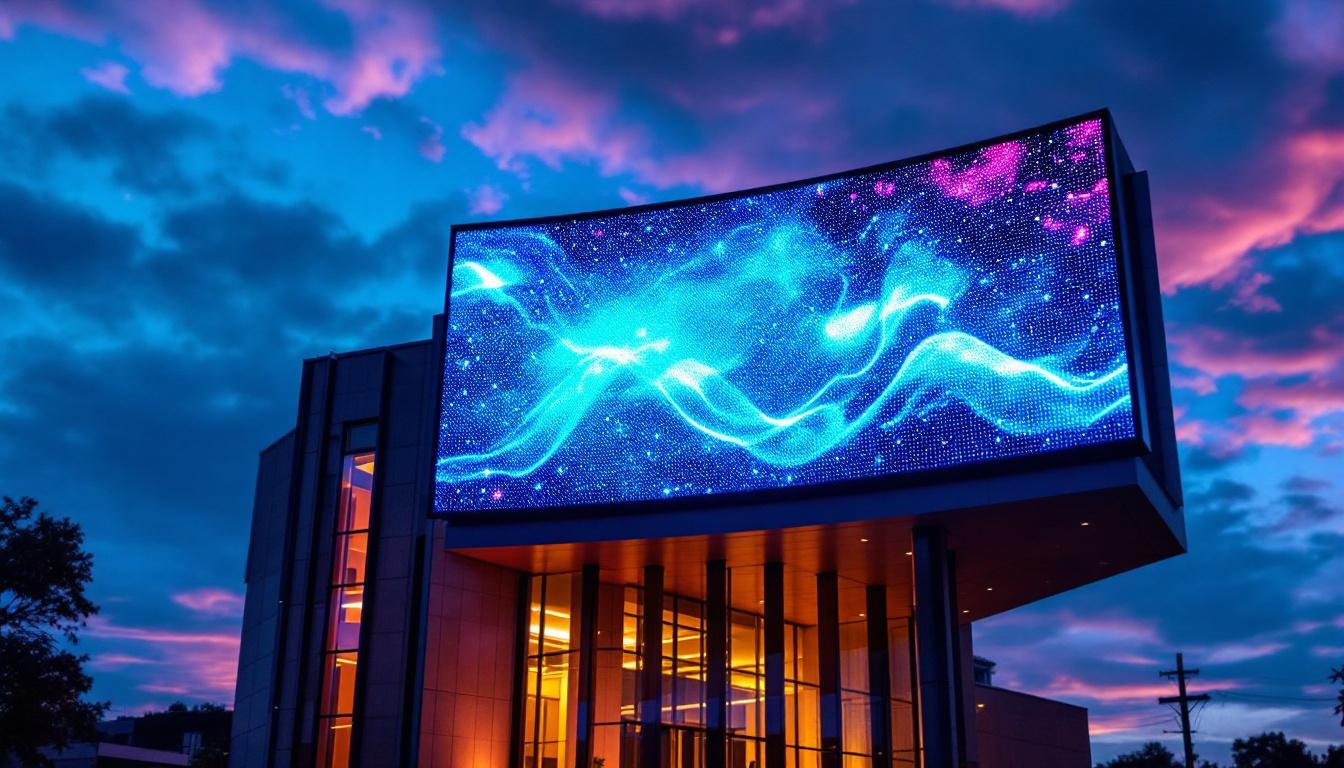
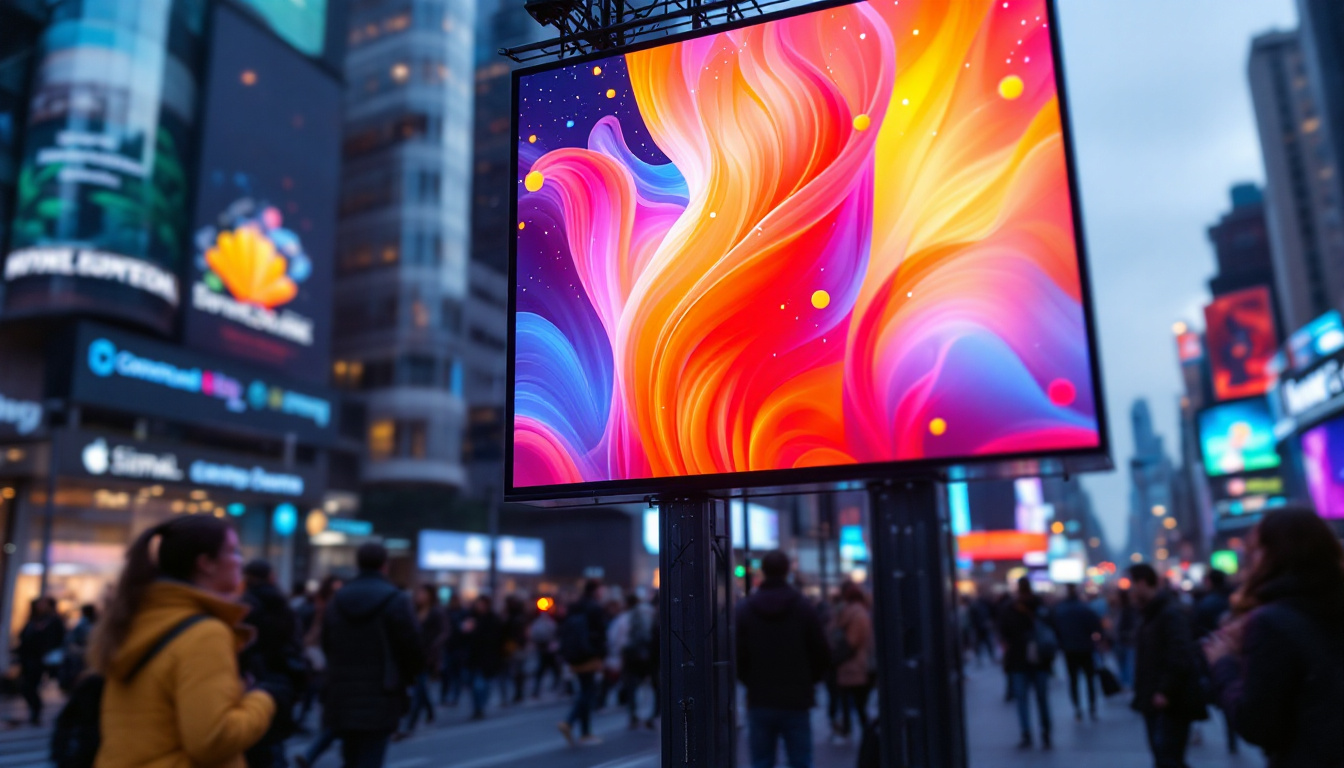
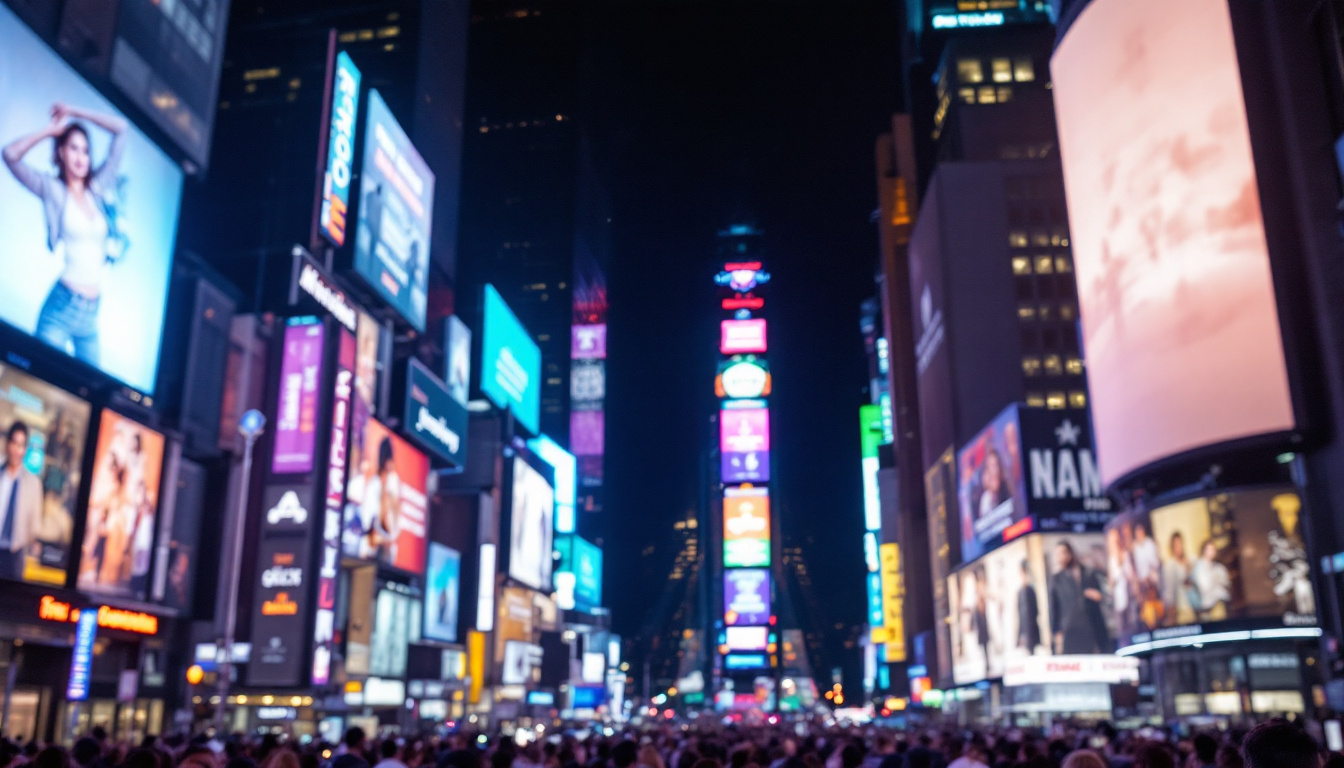
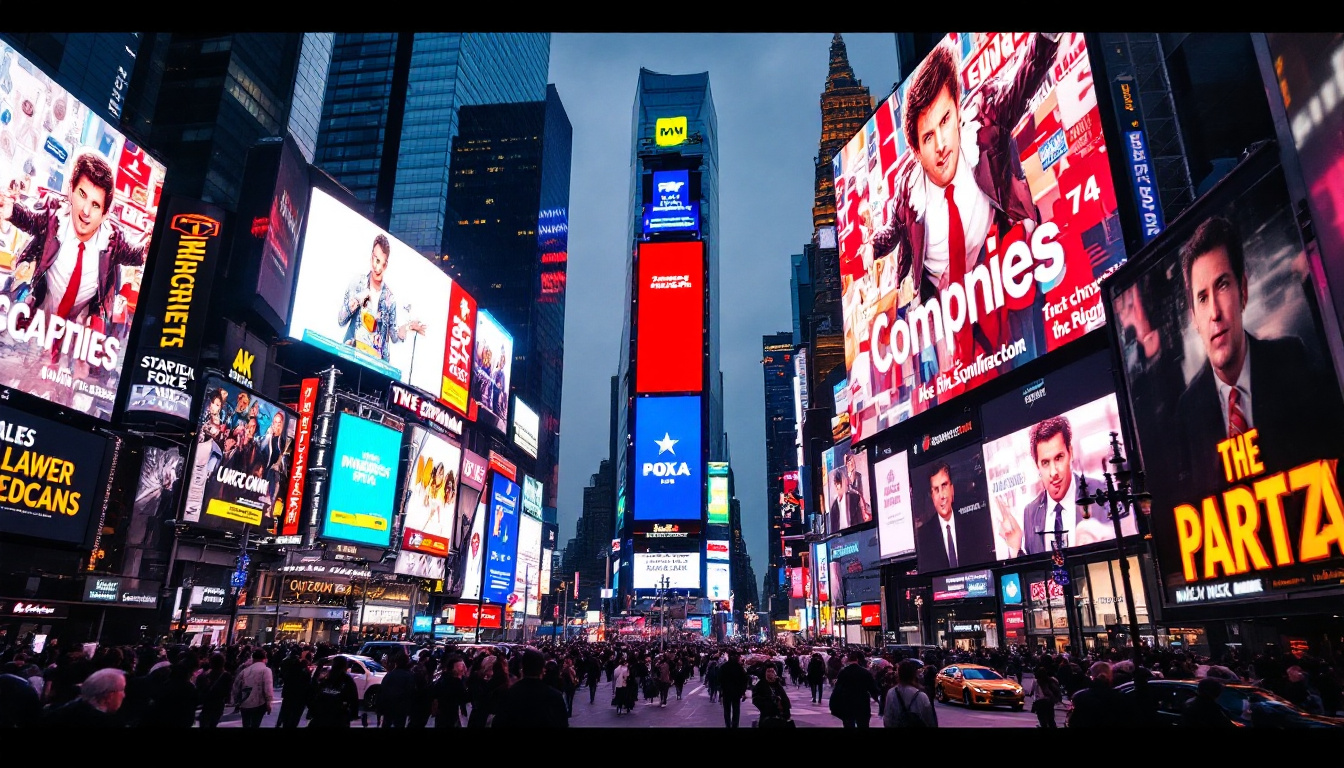
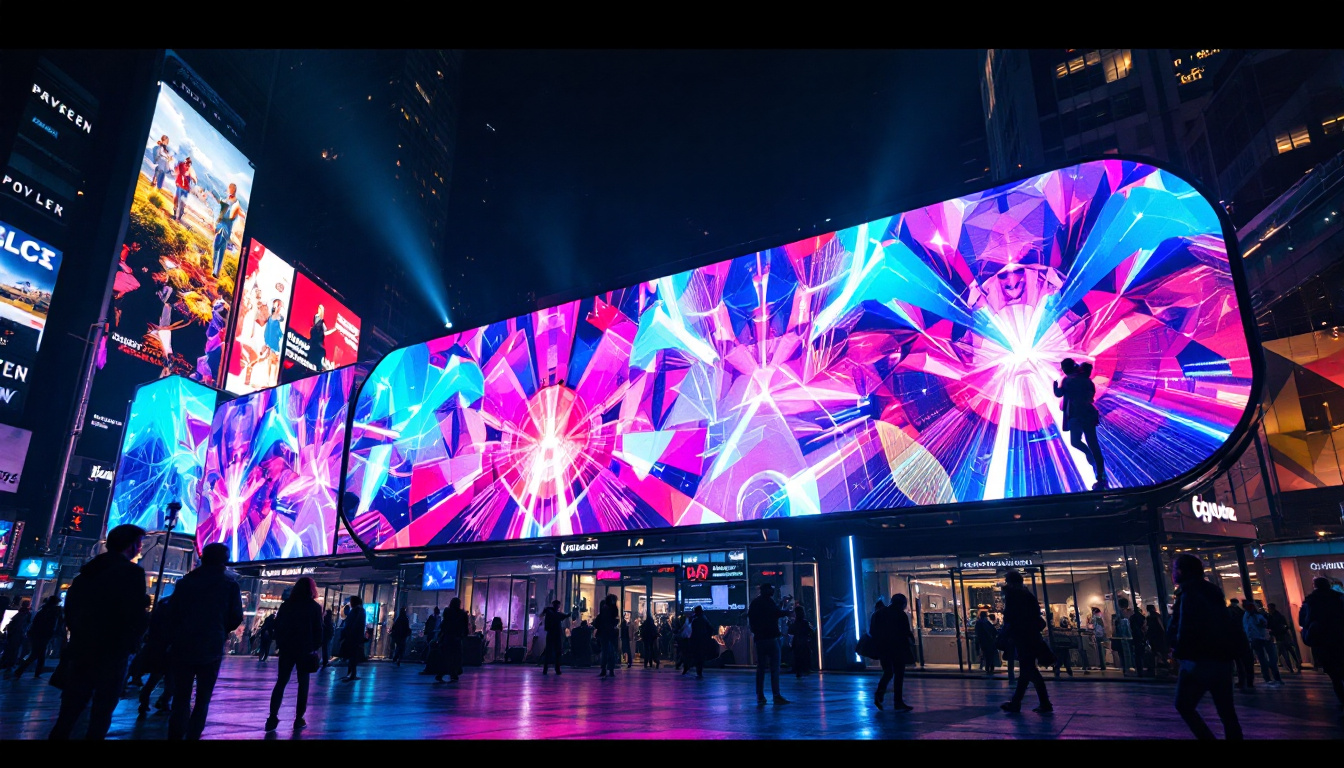
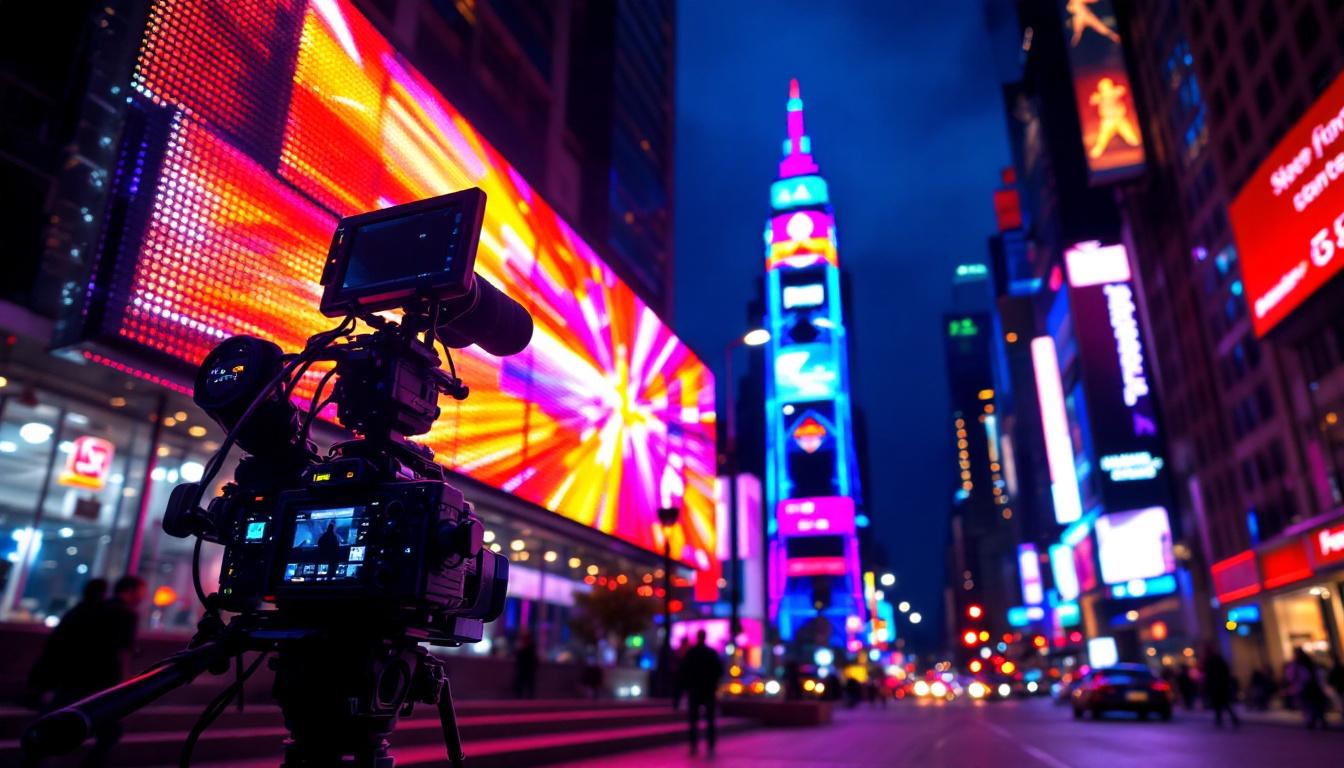
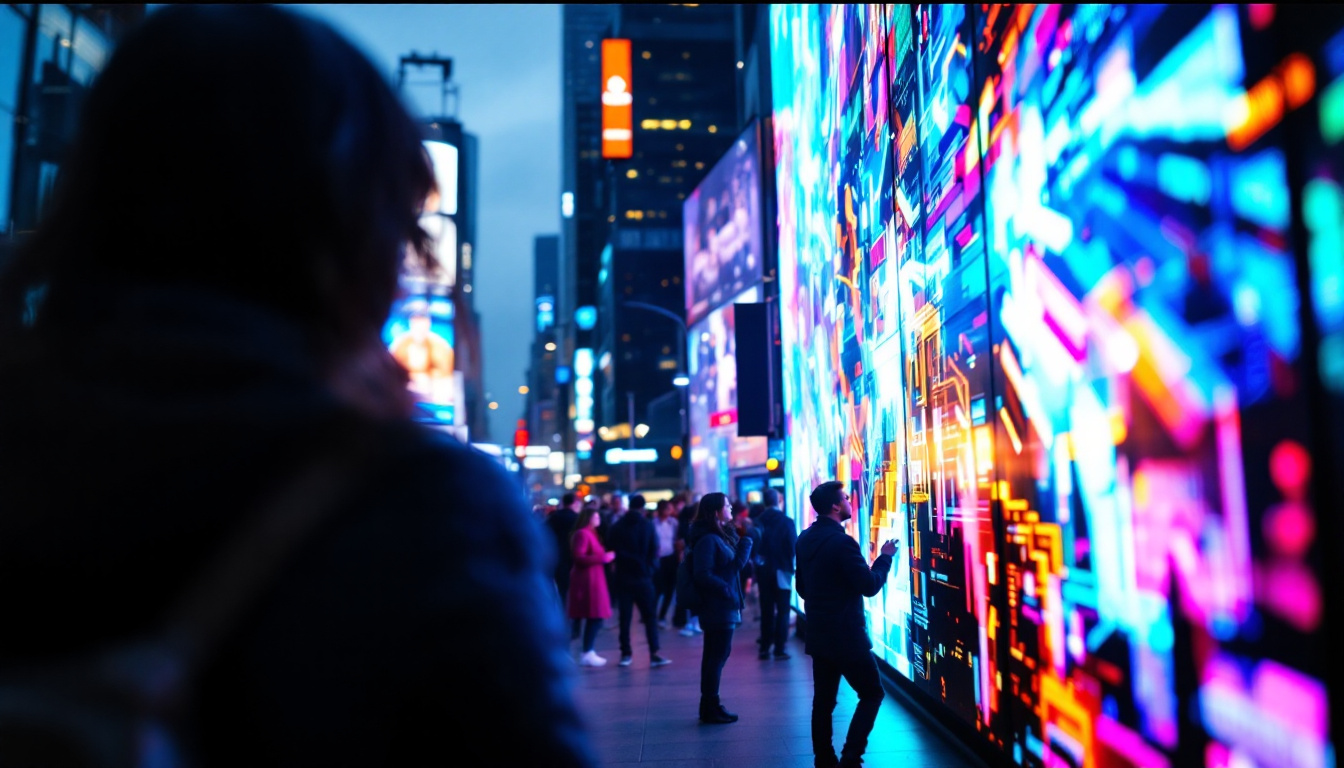
One of the most visible and impactful uses of LED displays is in outdoor advertising. Digital billboards equipped with LED technology offer advertisers the flexibility to change content dynamically, schedule ads, and display vibrant visuals that capture attention even in bright daylight.
According to industry reports, the global digital out-of-home (DOOH) advertising market is expected to grow at a compound annual growth rate (CAGR) of over 11% from 2023 to 2030. LED billboards play a significant role in this growth, driven by their durability, brightness, and ability to engage audiences effectively.
Sports Arenas and Event Venues
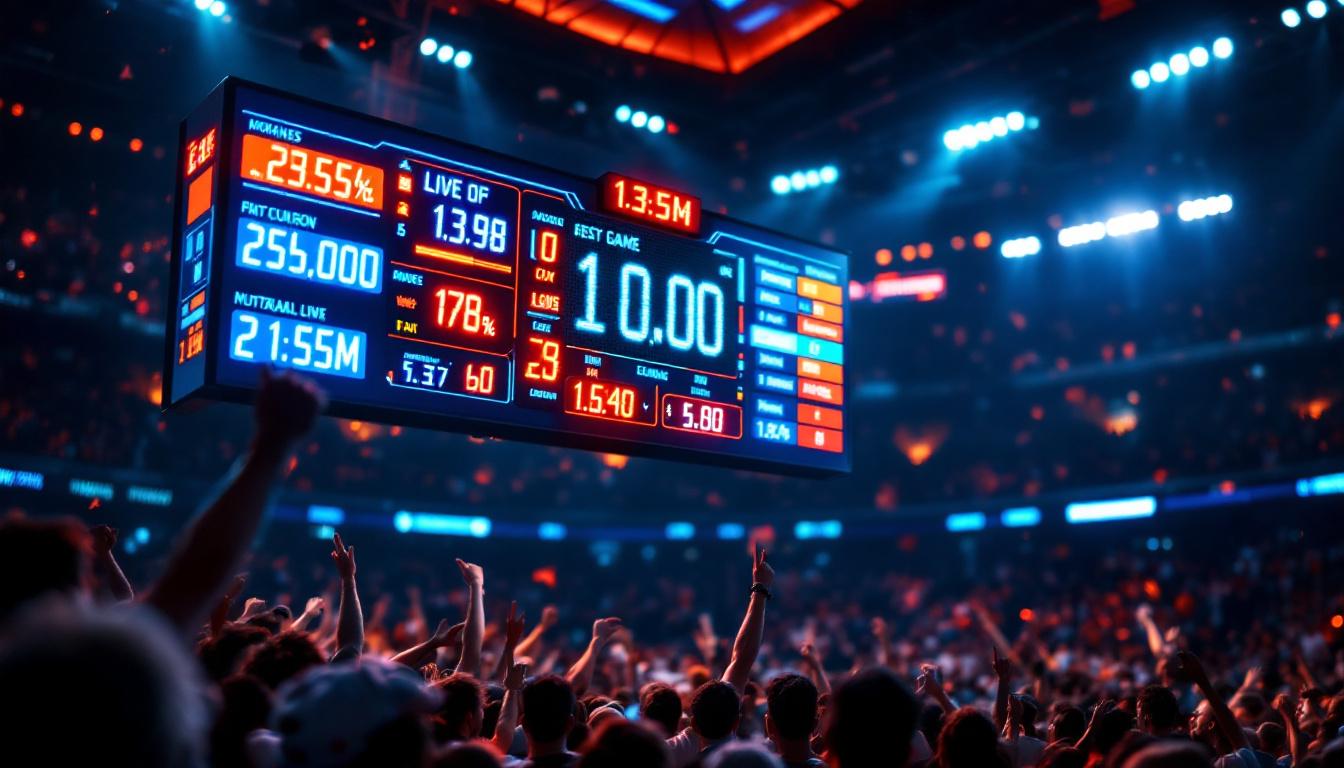
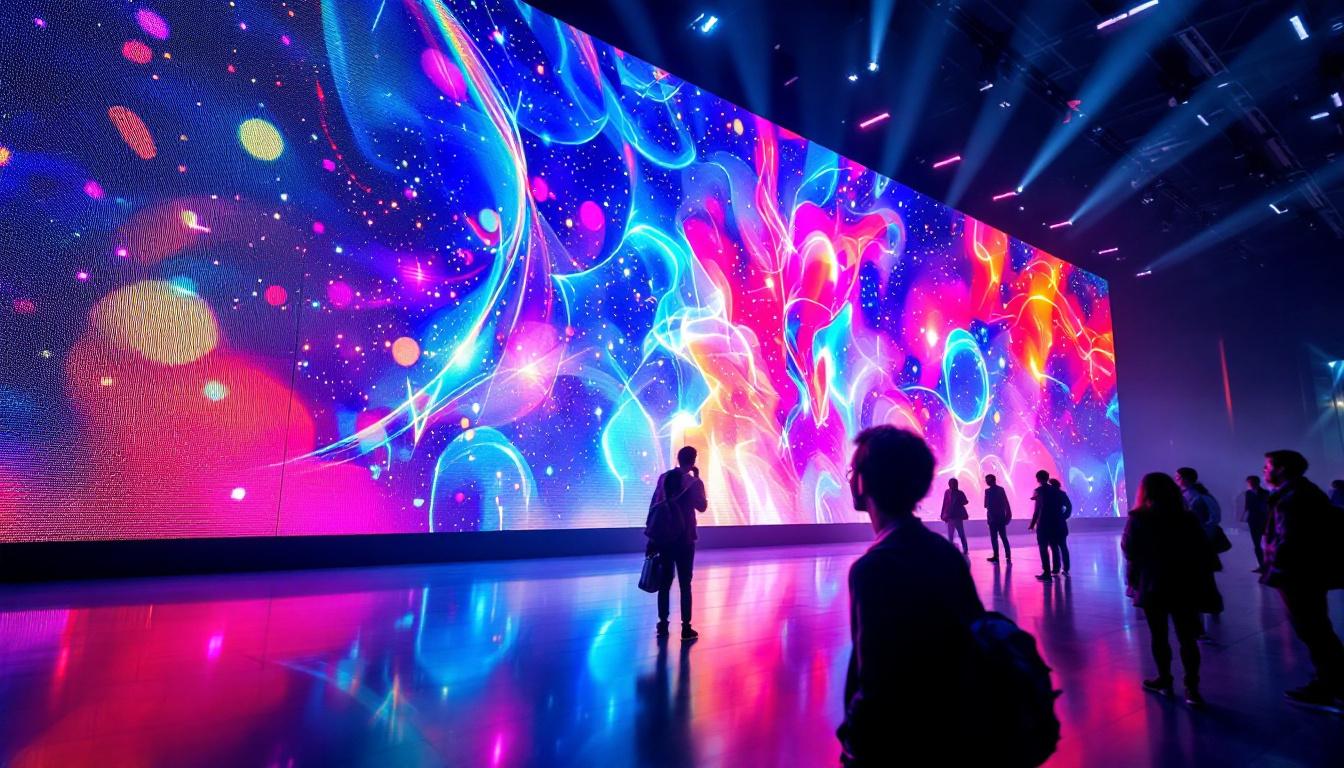
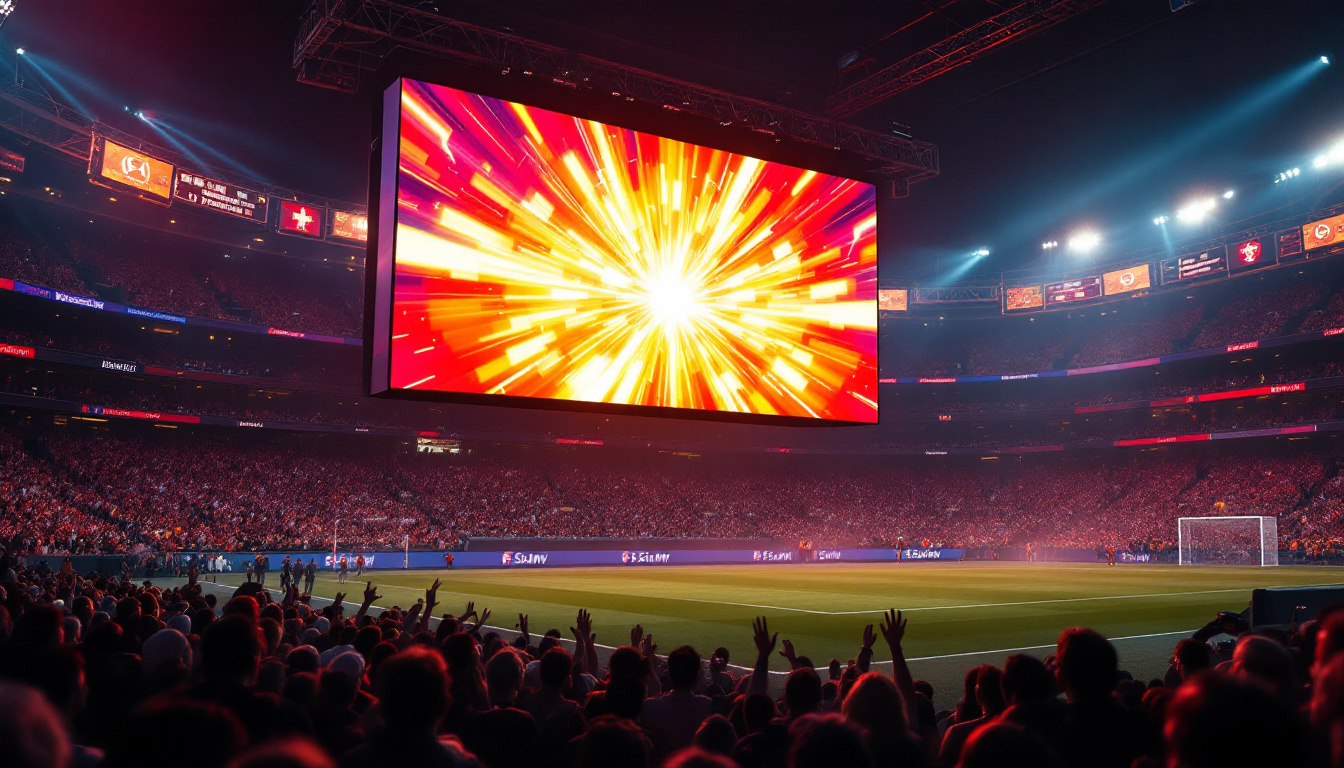
Sports venues rely heavily on massive LED displays to enhance the spectator experience. These screens provide real-time scores, instant replays, advertisements, and interactive content. The ability to display high-definition video content on large-scale LED walls has transformed how fans engage with live events.
For instance, the AT&T Stadium in Texas features one of the world’s largest LED video boards, measuring approximately 160 feet wide and 72 feet high, delivering stunning visuals that are visible from every seat.
Retail and Hospitality
In retail environments, LED displays are used to create immersive shopping experiences. From digital signage showcasing promotions to interactive displays that guide customers, LED technology helps brands connect with consumers in innovative ways.
Hotels and restaurants also leverage LED displays for menus, event information, and ambiance lighting, enhancing customer engagement and operational efficiency.
Advantages of LED Displays Over Other Technologies
Brightness and Visibility
LED displays are renowned for their exceptional brightness, often exceeding 5,000 nits for outdoor models. This high luminance ensures content remains visible even under direct sunlight, a significant advantage over LCD and plasma screens, which can struggle in bright environments.
Moreover, LED displays offer excellent contrast ratios, delivering deep blacks and vivid colors that enhance image clarity and viewer experience.
Energy Efficiency and Longevity
Compared to traditional lighting and display technologies, LEDs consume significantly less power, making them more environmentally friendly and cost-effective over time. Advances in LED manufacturing have also extended the lifespan of these displays, with many rated for 100,000 hours or more of operation.
This durability reduces maintenance costs and downtime, especially important for large-scale installations where replacing components can be complex and expensive.
Flexibility and Scalability
LED displays can be customized in size, shape, and resolution to fit a wide range of applications. Modular designs allow for easy scalability, enabling users to expand or reconfigure displays as needed. This flexibility is particularly valuable in dynamic environments like trade shows, concerts, and corporate events.
Challenges and Considerations in LED Display Deployment
Cost and Investment
While LED technology offers many benefits, the initial investment can be substantial, especially for high-resolution, large-format displays. Buyers must consider not only the upfront costs but also installation, maintenance, and content management expenses.
However, the decreasing cost of LED components and increased competition among manufacturers are making LED displays more accessible to a broader range of users.
Content Creation and Management
Effective use of LED displays requires high-quality content tailored to the screen’s resolution and viewing conditions. Content management systems (CMS) play a vital role in scheduling, updating, and optimizing visuals to maximize impact.
Organizations must invest in creative resources and technology platforms to fully leverage the capabilities of LED displays.
Environmental and Regulatory Factors
Outdoor LED installations must comply with local regulations regarding brightness, light pollution, and safety. Additionally, environmental factors such as weather conditions and temperature extremes can affect display performance, necessitating robust design and protective measures.
The Future of LED Display Technology
MicroLED and Beyond
MicroLED technology represents the next frontier in LED displays, offering even higher resolution, brightness, and energy efficiency by using microscopic LEDs as individual pixels. This innovation promises thinner, more flexible screens with superior image quality, potentially revolutionizing smartphones, televisions, and augmented reality devices.
Industry leaders are investing heavily in MicroLED research, with commercial products expected to become mainstream within the next few years.
Integration with AI and IoT
Artificial intelligence (AI) and the Internet of Things (IoT) are increasingly integrated with LED display systems to enable smarter, more interactive experiences. AI-driven analytics can optimize content based on audience demographics and behavior, while IoT connectivity allows remote monitoring and maintenance.
These advancements will enhance the effectiveness and efficiency of LED displays in marketing, entertainment, and information dissemination.
Sustainability and Eco-Friendly Innovations
As environmental concerns grow, the LED industry is focusing on sustainable manufacturing processes and recyclable materials. Innovations aimed at reducing energy consumption and minimizing electronic waste are becoming priorities, aligning LED technology with global sustainability goals.
Conclusion
LED displays have transformed the landscape of visual communication, offering unparalleled brightness, flexibility, and durability across diverse applications. Understanding the technology behind these “pixel rocks” empowers businesses and consumers to make informed decisions when selecting and utilizing LED displays.
As advancements like MicroLED and AI integration continue to evolve, LED displays will remain at the forefront of innovation, delivering captivating visual experiences that engage and inspire audiences worldwide.
Explore Cutting-Edge LED Solutions with LumenMatrix
Ready to elevate your visual communication with the latest in LED technology? Discover LumenMatrix’s innovative LED display modules, designed to bring your brand to life and captivate your audience. From vibrant Indoor and Outdoor LED Wall Displays to dynamic Vehicle and Sports LED Displays, our solutions are crafted for impact. Experience the future of digital signage with our All-in-One LED Displays, LED Transparent Displays, and more. Check out LumenMatrix LED Display Solutions today and transform your visual storytelling.