In the rapidly evolving world of digital signage and display technology, LED panels have emerged as a leading solution for businesses, advertisers, and event organizers alike. Their vibrant colors, energy efficiency, and versatility make them an essential tool for engaging audiences across various environments. This article delves into the core aspects of LED panels, explaining their technology, applications, benefits, and future trends to provide a comprehensive understanding of this dynamic display medium.
Understanding LED Panels: The Technology Behind the Glow
LED panels, often referred to as LED displays, consist of an array of light-emitting diodes (LEDs) that produce bright, colorful images and videos. Unlike traditional display technologies such as LCD or plasma, LED panels use these tiny semiconductor devices to emit light directly, resulting in superior brightness and contrast. This direct emission of light not only enhances the visual experience but also contributes to energy efficiency, making LED panels a popular choice for both commercial and residential applications.
How LED Panels Work
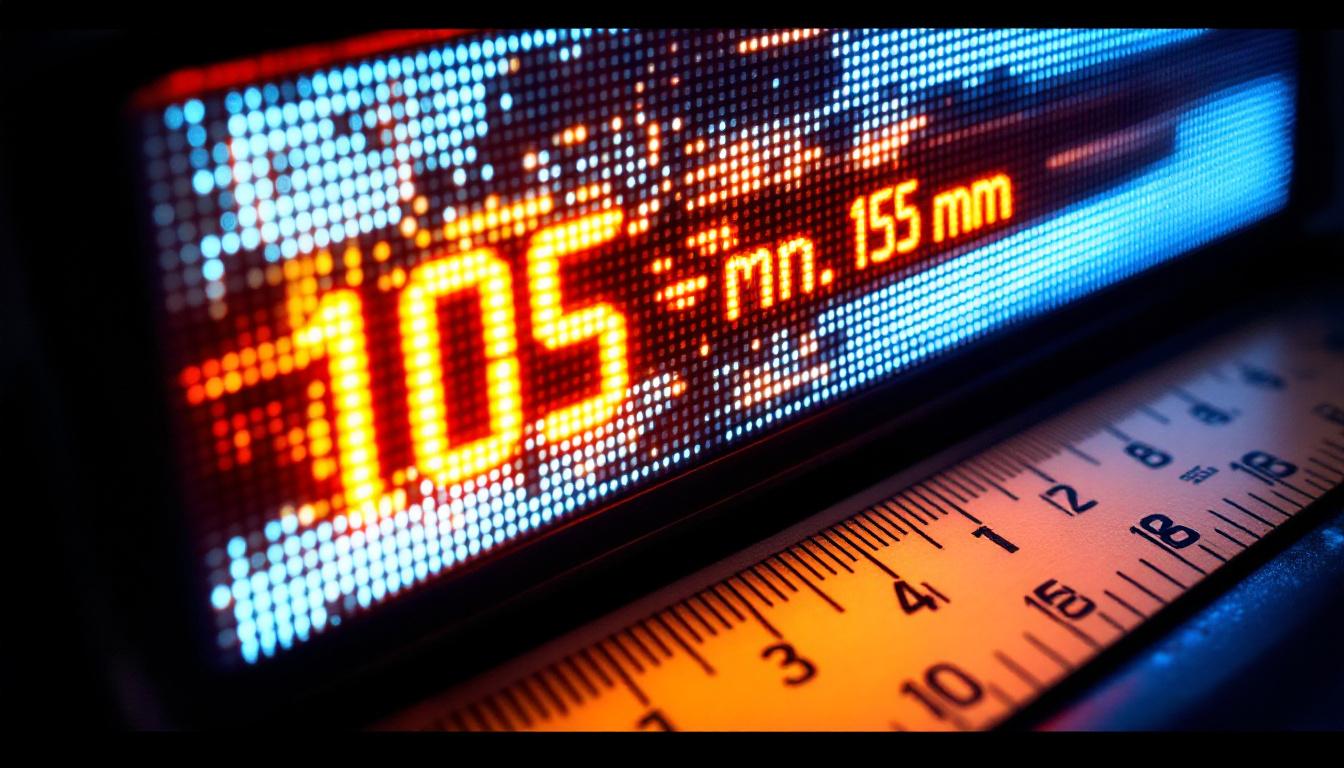
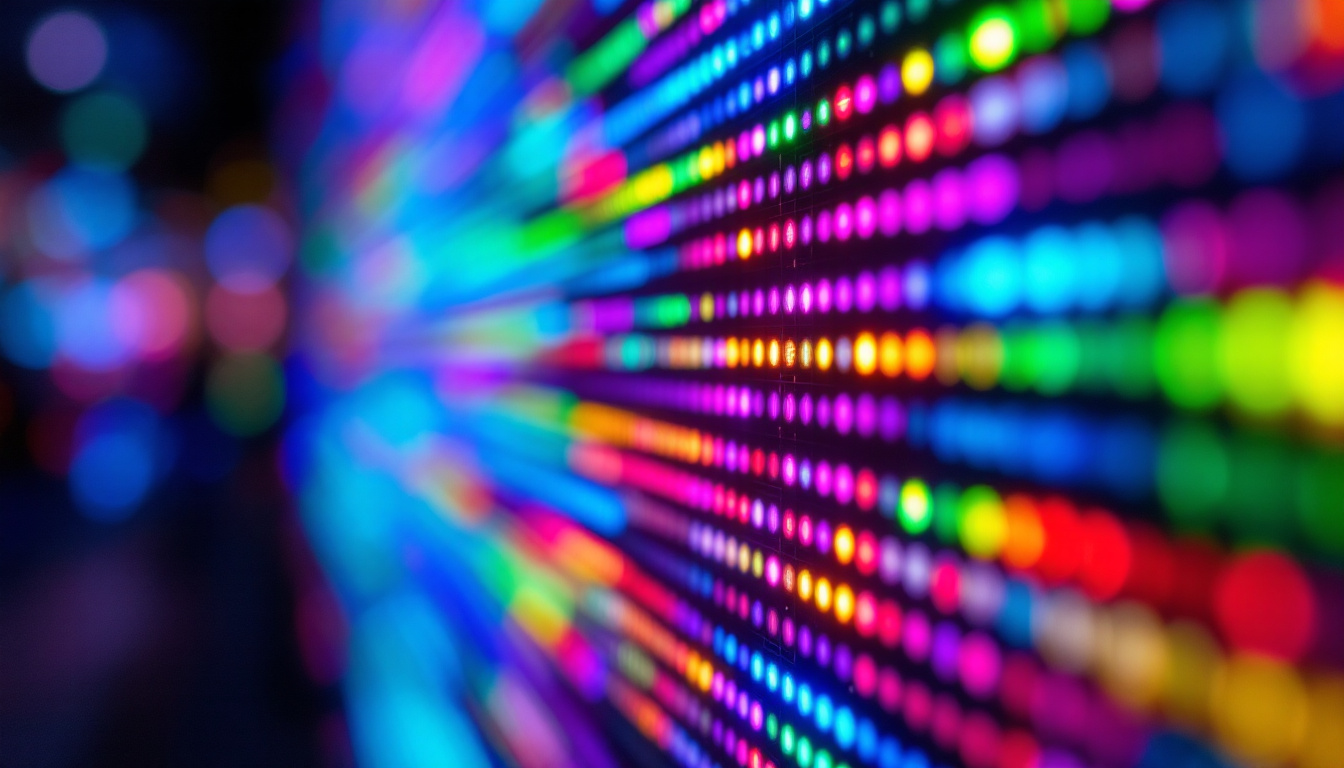
Each LED within a panel acts as a pixel or part of a pixel, emitting light in red, green, and blue (RGB) wavelengths. By adjusting the intensity of these three colors, the panel can produce millions of different colors, enabling highly detailed and vibrant images. The LEDs are arranged in a grid, and the resolution of the display depends on the density of these LEDs—commonly referred to as pixel pitch.
Pixel pitch, measured in millimeters, indicates the distance between the centers of two adjacent LEDs. A smaller pixel pitch means higher resolution and sharper images, which is crucial for close-up viewing scenarios such as indoor retail displays or control rooms. Furthermore, advancements in technology have led to the development of microLED and miniLED technologies, which offer even greater precision and color accuracy, pushing the boundaries of what LED panels can achieve in terms of visual fidelity.
Types of LED Panels
There are two primary categories of LED panels: indoor and outdoor. Indoor LED panels typically have a smaller pixel pitch (ranging from 0.9mm to 4mm) to provide high-resolution images at close viewing distances. Outdoor LED panels, on the other hand, have a larger pixel pitch (often 4mm to 20mm or more) to ensure visibility from afar and withstand environmental factors like weather and sunlight. These outdoor panels are engineered with robust materials and protective coatings to resist water, dust, and UV radiation, ensuring longevity and reliability in various climates.
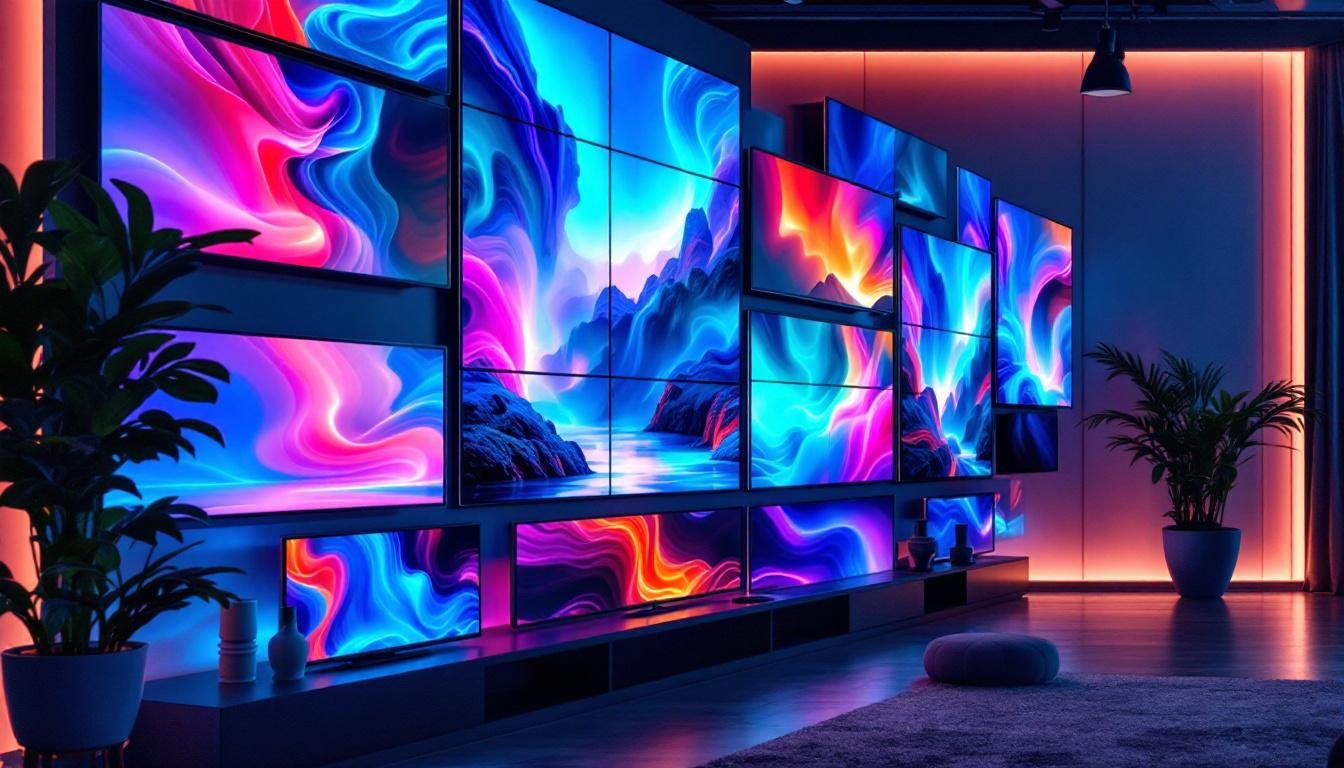
Additionally, LED panels can be categorized by their structure—such as rigid panels, flexible panels, and transparent LED displays—each designed for specific use cases and installation environments. Rigid panels are commonly used for large-scale advertising and public displays, while flexible panels can be bent or shaped to fit unique architectural designs, making them ideal for creative installations. Transparent LED displays, on the other hand, allow for visibility through the panel itself, making them perfect for storefronts and exhibitions where maintaining a view of the surroundings is essential. This versatility in design and application has made LED panels a favored choice across industries, from retail and entertainment to transportation and corporate settings.
Applications of LED Panels Across Industries
The versatility of LED panels has led to widespread adoption across multiple sectors. Their ability to deliver eye-catching visuals in diverse settings has transformed how information and advertisements are communicated.
Advertising and Digital Signage
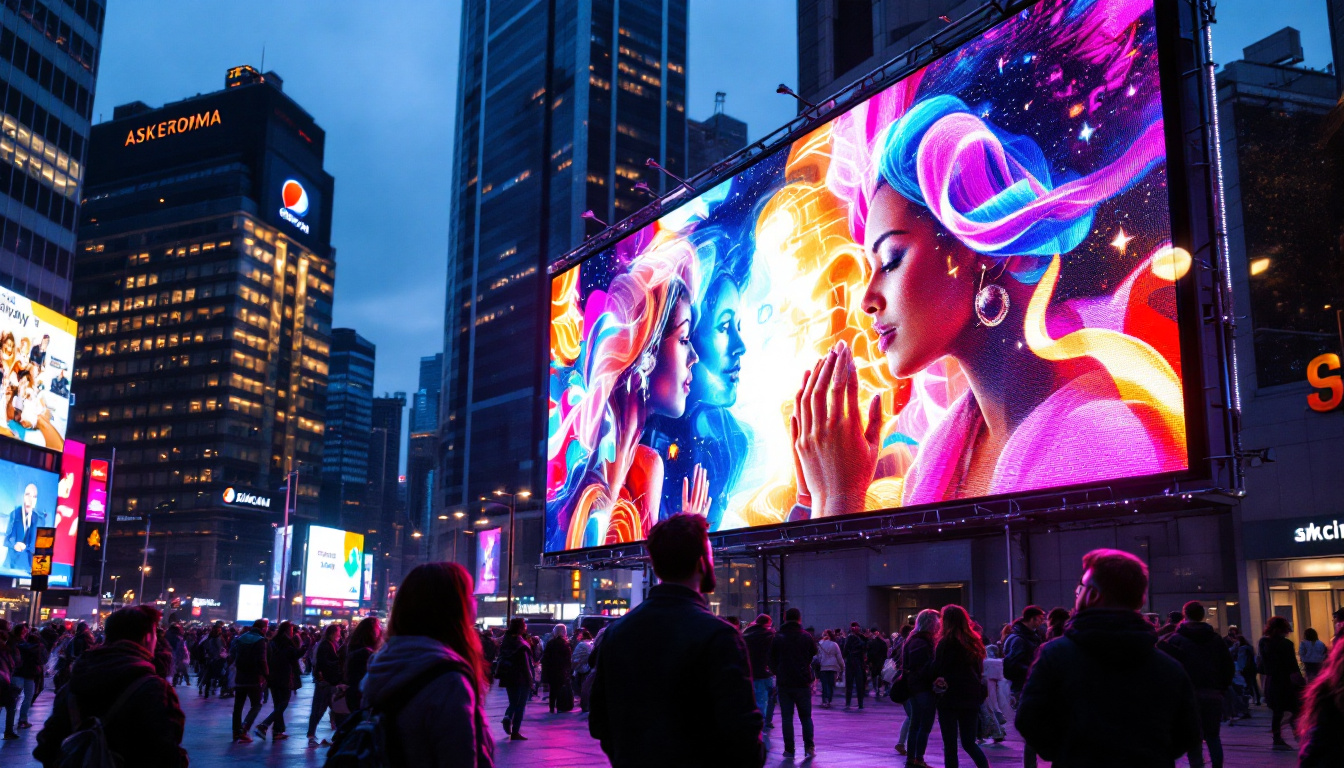
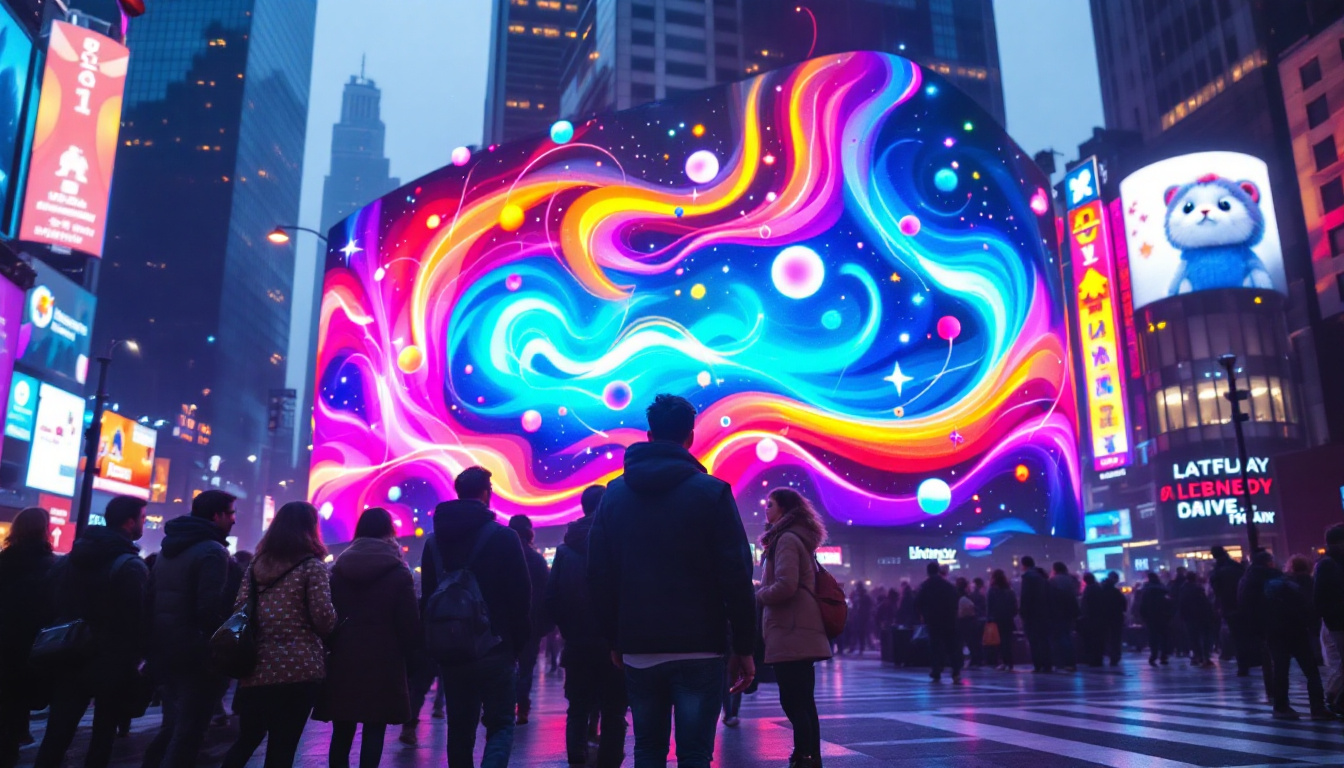
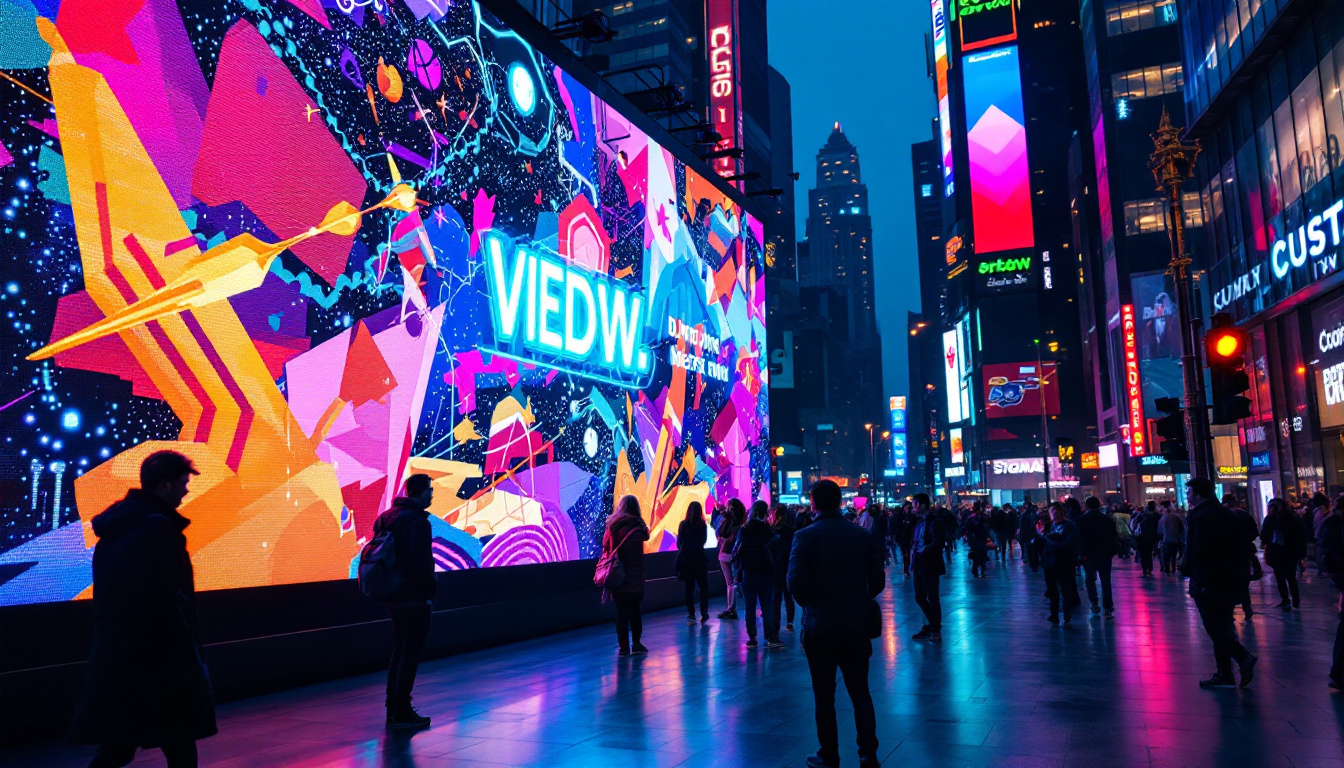
One of the most common uses of LED panels is in outdoor advertising, including billboards, building wraps, and transit displays. According to recent market research, the global digital signage market is expected to reach over $30 billion by 2027, with LED technology playing a pivotal role in this growth.
LED panels offer advertisers the advantage of dynamic content that can be updated in real-time, allowing for targeted messaging that adapts to time of day, weather conditions, or audience demographics. For example, a retail store can display promotions during peak shopping hours and switch to brand awareness content during off-hours. This flexibility not only maximizes advertising effectiveness but also reduces waste, as digital content can be changed without the need for physical materials. Additionally, the integration of social media feeds and user-generated content on these displays fosters greater engagement and interaction with the audience, creating a two-way communication channel that traditional static billboards cannot achieve.
Events and Entertainment
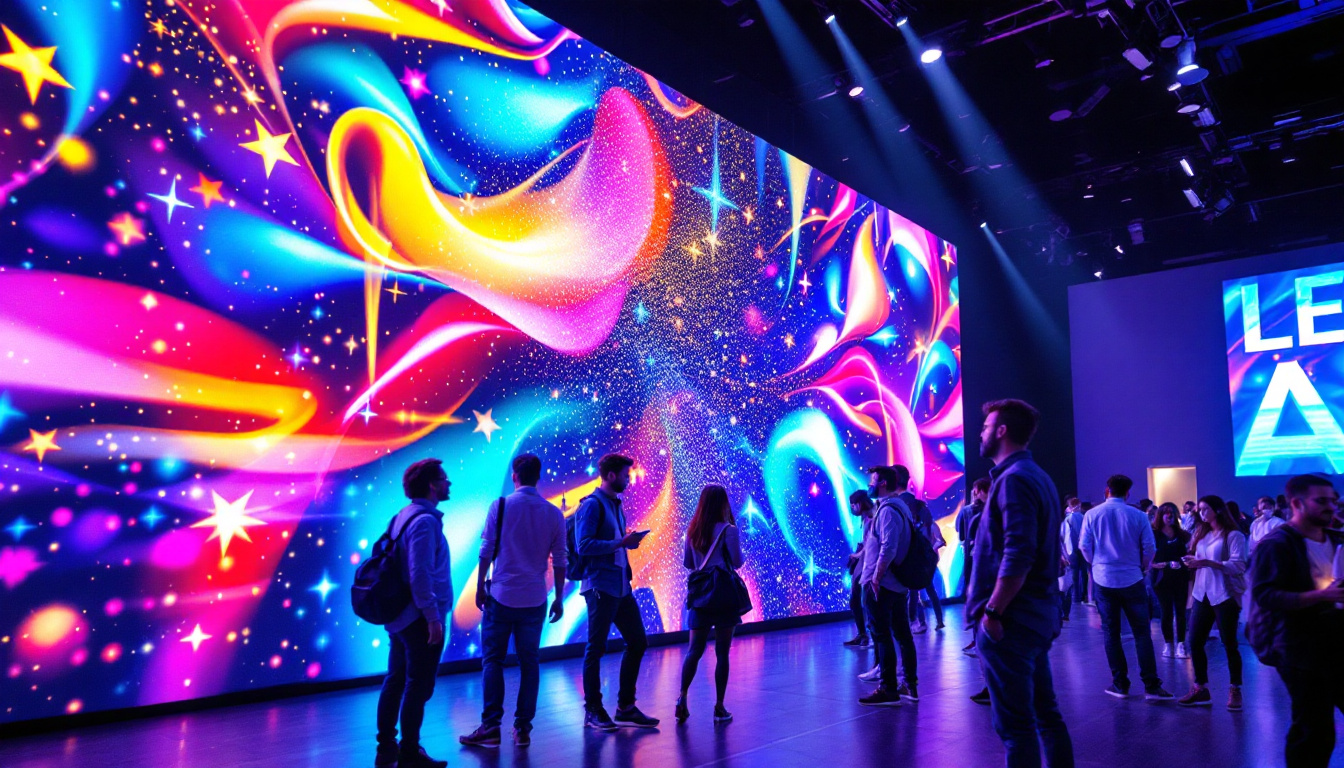
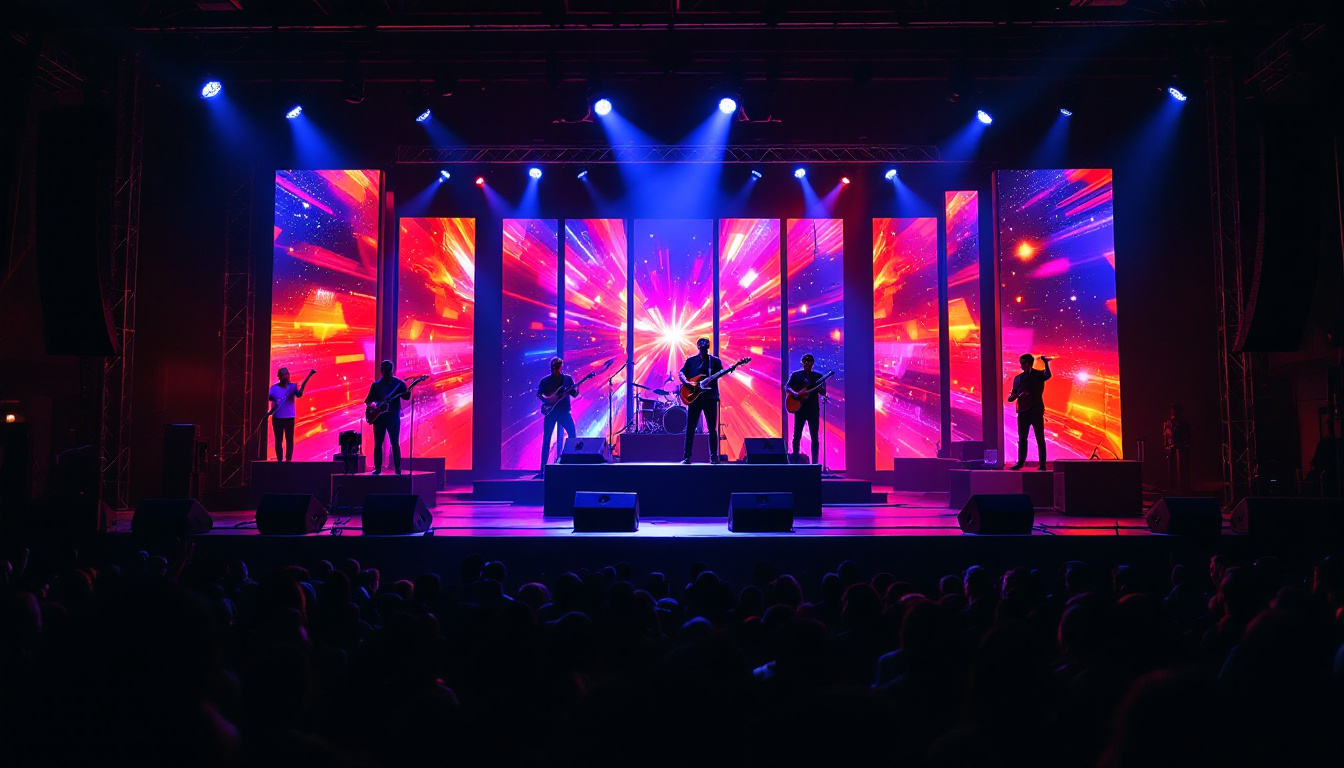
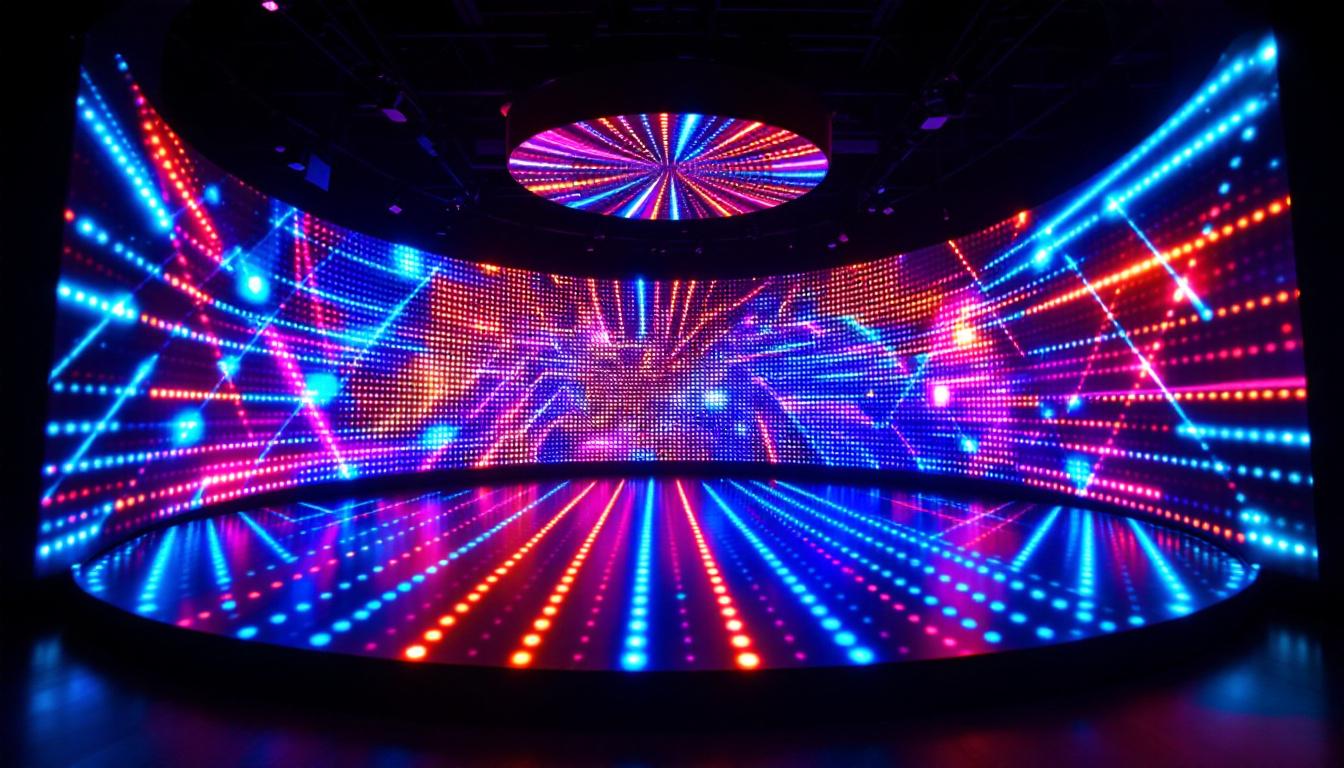
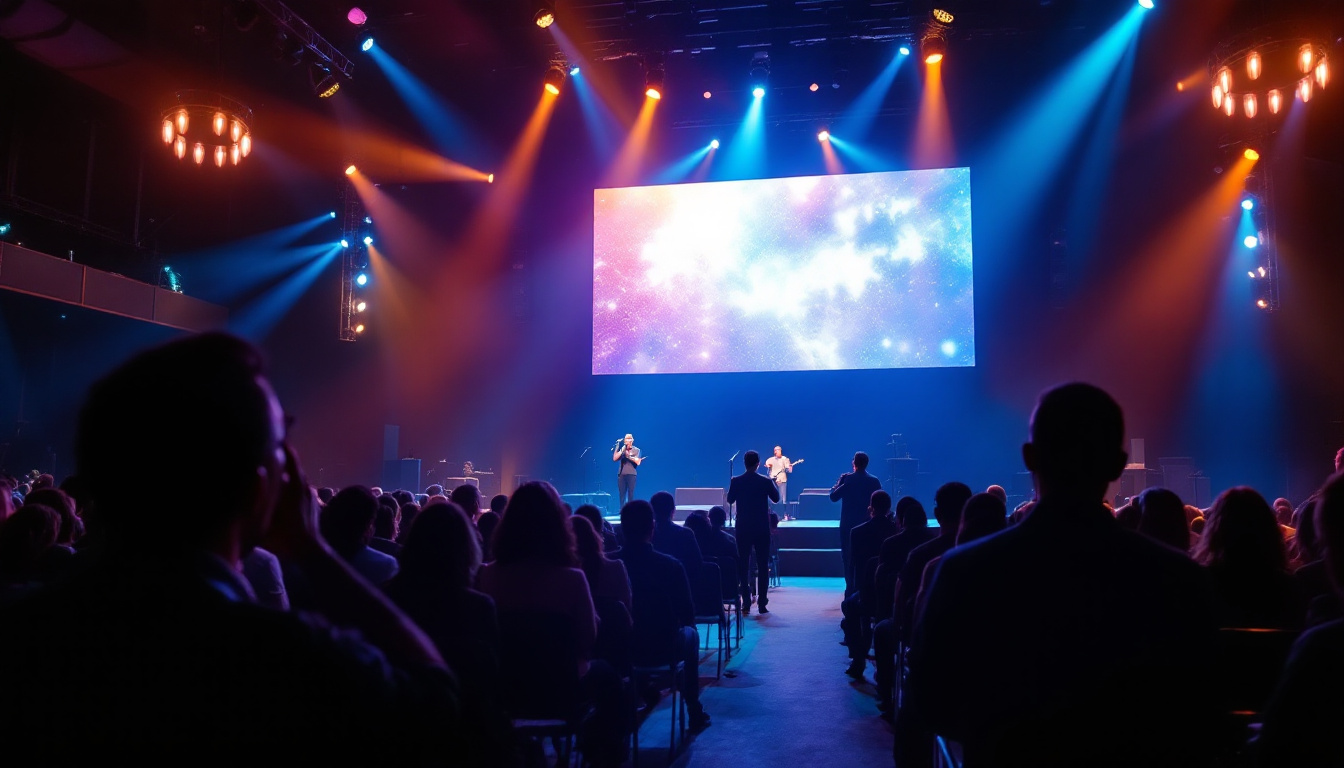
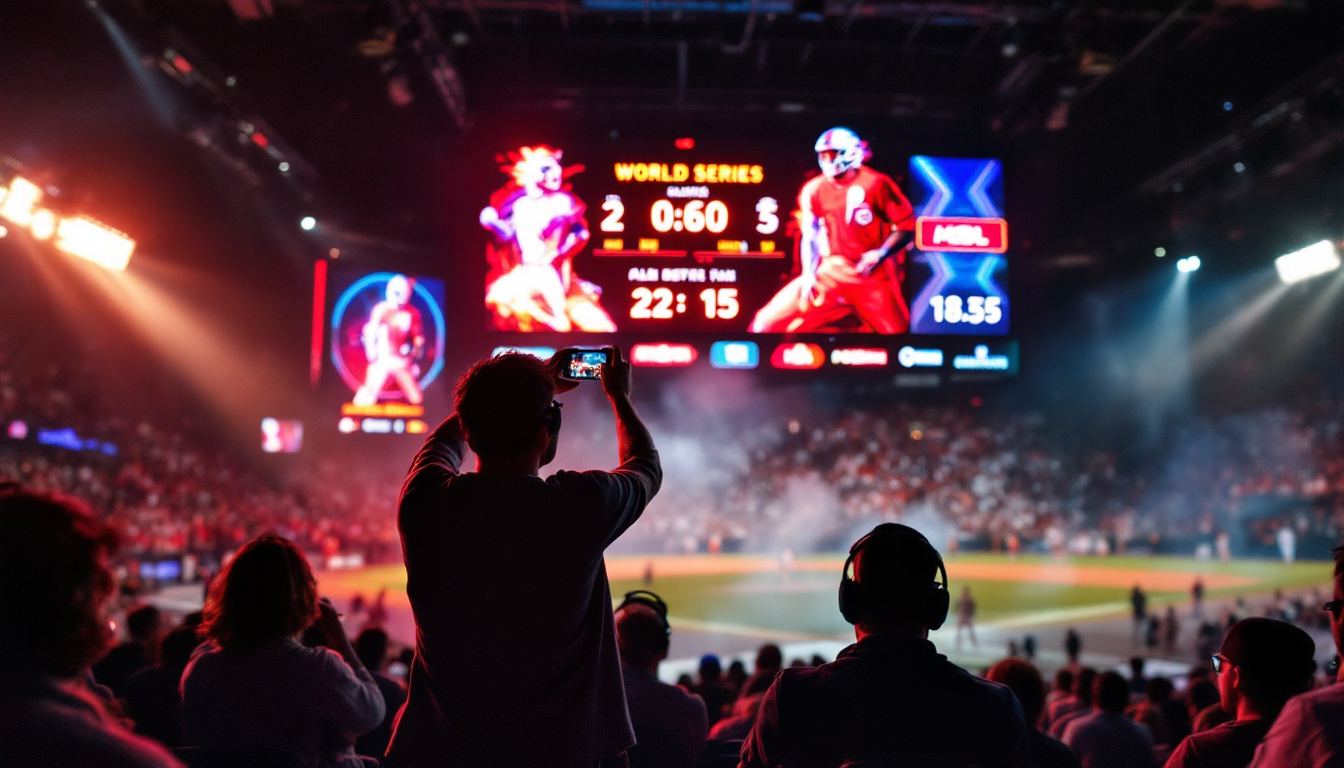
Concerts, sports arenas, and exhibitions frequently use large-scale LED panels to enhance the audience experience. These displays can cover entire stages or stadium walls, providing live video feeds, interactive content, and immersive visual effects. The high brightness and wide viewing angles of LED panels ensure visibility even in bright daylight or large venues. Moreover, advancements in LED technology have led to the development of flexible and transparent displays, allowing for innovative stage designs that can transform the entire environment. For instance, artists can create stunning visual narratives that sync with their performances, captivating audiences in ways that were previously unimaginable. The ability to customize these displays for specific events further enhances their appeal, making them a staple in the entertainment industry.
Corporate and Control Rooms
In corporate environments, LED panels are used for presentations, video conferencing, and digital dashboards. Control rooms in industries such as transportation, utilities, and security rely on LED video walls to monitor multiple data streams simultaneously, benefiting from the clarity and reliability of LED technology. The seamless integration of these displays with advanced software solutions allows for real-time data visualization, enabling quick decision-making and effective crisis management. Furthermore, the use of LED panels in corporate settings fosters collaboration and innovation, as teams can share insights and updates more effectively during meetings. The aesthetic appeal of these displays also contributes to a modern workplace environment, enhancing employee morale and productivity.
Retail and Hospitality
Indoor LED panels are increasingly popular in retail stores, hotels, and restaurants to create engaging atmospheres and communicate with customers. From digital menu boards to interactive wayfinding systems, LED displays enhance customer experience and operational efficiency. Retailers can showcase high-definition product images and promotional videos, enticing customers and driving sales. In the hospitality sector, LED panels can be used to provide personalized greetings for guests, display event schedules, or even showcase local attractions, enriching the overall visitor experience. Additionally, the ability to integrate these displays with mobile apps allows businesses to push notifications and special offers directly to customers’ devices, creating a cohesive and interactive shopping experience. The strategic placement of LED panels in key areas can significantly influence customer behavior, making them an essential tool for businesses looking to thrive in a competitive market.
Key Benefits of LED Panels
Understanding the advantages of LED panels helps explain their widespread adoption and why they are often preferred over alternative display technologies.
Superior Brightness and Visibility
LED panels can achieve brightness levels exceeding 5,000 nits, making them visible even under direct sunlight. This is a significant advantage over LCD screens, which typically max out around 1,000 nits. The high contrast ratio of LED displays also ensures vibrant colors and deep blacks, improving overall image quality.
Energy Efficiency and Longevity
LED technology is inherently energy-efficient because LEDs convert most of their energy into light rather than heat. This efficiency translates into lower operating costs and a smaller environmental footprint. Furthermore, LED panels have a long lifespan, often rated between 50,000 to 100,000 hours, reducing maintenance and replacement expenses.
Flexibility and Customization
LED panels come in various sizes and shapes, allowing for custom configurations such as curved walls, cylindrical displays, or even transparent installations. This flexibility enables creative and impactful visual solutions tailored to specific spaces and branding requirements.
Durability and Weather Resistance
Outdoor LED panels are designed to withstand harsh weather conditions, including rain, wind, and extreme temperatures. Many are rated with IP65 or higher, indicating protection against dust and water ingress, ensuring reliable performance in all environments.
Choosing the Right LED Panel: Factors to Consider
Selecting the appropriate LED panel involves evaluating multiple technical and practical factors to ensure the display meets the intended purpose and budget.
Pixel Pitch and Resolution
The viewing distance is the primary determinant of pixel pitch. For close-range viewing (less than 3 meters), a pixel pitch of 1.5mm or less is ideal to avoid visible pixelation. For longer distances, larger pixel pitches are acceptable and more cost-effective.
Brightness and Contrast Requirements
Outdoor installations require higher brightness levels to combat sunlight glare, while indoor displays can operate at lower brightness to reduce eye strain. Contrast ratio is also crucial for image clarity, especially in environments with variable lighting.
Installation Environment
Consider the physical environment—whether the panel will be mounted indoors or outdoors, exposed to weather elements, or integrated into existing structures. This influences the choice of panel type, housing, and protective features.
Content Management and Connectivity
Modern LED panels often come with sophisticated content management systems (CMS) that allow remote control and scheduling of display content. Connectivity options such as HDMI, Ethernet, and wireless interfaces facilitate seamless integration with other digital systems.
Budget and Total Cost of Ownership
While LED panels may have a higher upfront cost compared to traditional displays, their durability, energy savings, and reduced maintenance often result in a lower total cost of ownership over time. It is important to consider both initial investment and long-term operational costs.
Future Trends in LED Display Technology
The LED display industry continues to innovate, driven by advances in materials science, manufacturing, and digital technology.
MicroLED and MiniLED Technologies
Emerging microLED and miniLED technologies promise even higher resolution and improved energy efficiency. MicroLEDs are significantly smaller than traditional LEDs, enabling ultra-high-definition displays with exceptional brightness and color accuracy. These advances are expected to revolutionize consumer electronics, automotive displays, and large-scale digital signage.
Flexible and Transparent LED Displays
Flexible LED panels allow for curved and irregular shapes, opening new possibilities for creative architectural integration. Transparent LED displays, which can be installed on glass surfaces without obstructing views, are gaining popularity in retail storefronts and smart building applications.
Artificial Intelligence and Interactive Displays
Integration of AI with LED displays is enabling personalized content delivery and interactive experiences. Facial recognition, motion sensors, and data analytics allow displays to adapt dynamically to audience behavior, enhancing engagement and effectiveness.
Conclusion
LED panels represent a powerful and versatile display technology that has transformed visual communication across industries. Their superior brightness, energy efficiency, and adaptability make them an ideal choice for advertising, events, corporate environments, and beyond. As technology advances, LED displays will continue to evolve, offering even more innovative and immersive experiences. For businesses and organizations seeking impactful ways to connect with their audiences, understanding LED panel technology is essential to making informed decisions and maximizing the benefits of this dynamic medium.
Discover the Future of LED Displays with LumenMatrix
Ready to elevate your visual communication strategy with the latest in LED display technology? LumenMatrix is at the forefront of innovation, offering a diverse range of LED display solutions tailored to your unique needs. From mesmerizing Indoor LED Wall Displays to robust Outdoor LED Wall Displays, and from versatile Vehicle LED Displays to sleek LED Poster Displays, our products are designed to make your brand stand out. Experience the revolution in digital signage with our LED Sports Displays, Floor LED Displays, Custom LED Displays, All-in-One LED Displays, and LED Transparent Displays. Embrace the future of engagement with LumenMatrix and transform your space into a captivating visual experience. Check out LumenMatrix LED Display Solutions today and share your message with the world like never before.