In the rapidly evolving world of digital display technology, LED tile lights have emerged as a versatile and powerful solution for a wide range of applications. From massive outdoor billboards to intricate indoor video walls, LED tile displays offer unparalleled brightness, durability, and flexibility. This article explores the fundamentals of LED tile lights, how they work, their key advantages, and the latest trends shaping this dynamic industry.
Understanding LED Tile Lights: What Are They?
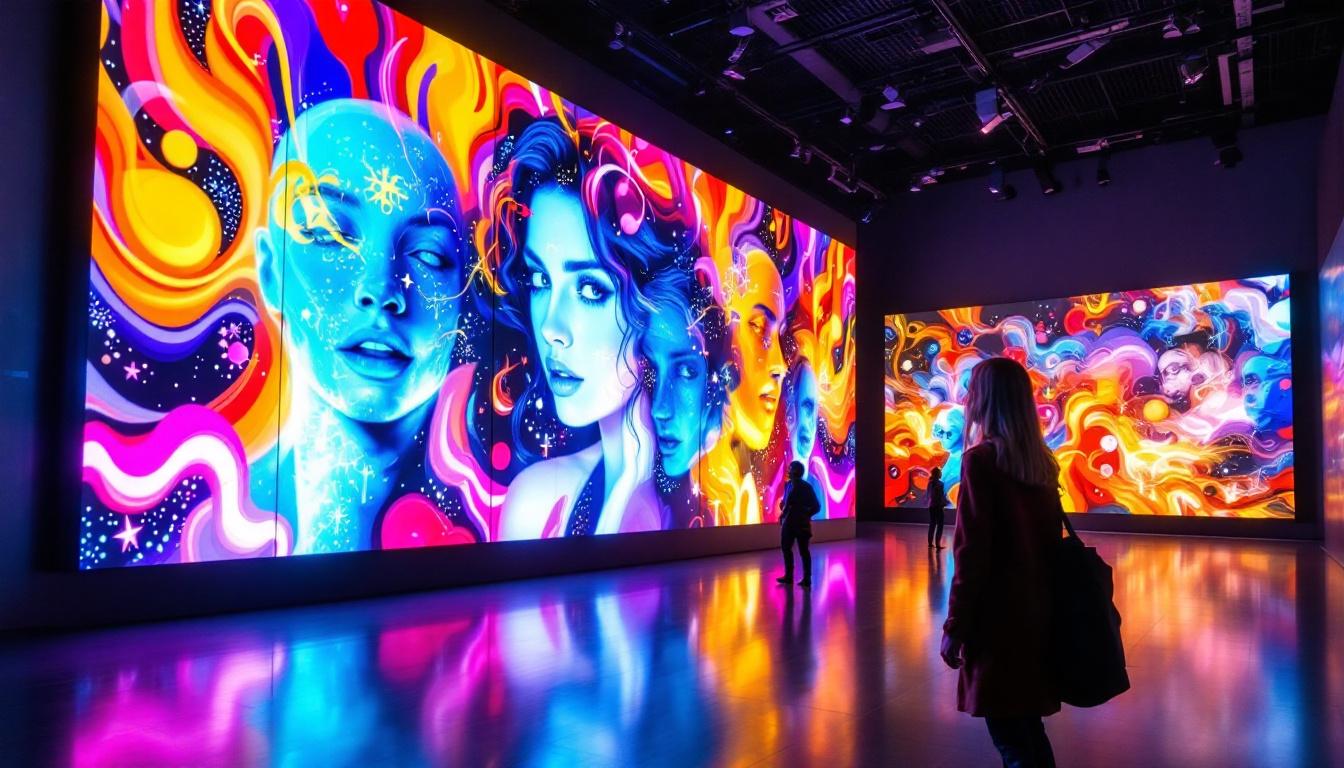
LED tile lights are modular display units composed of numerous Light Emitting Diodes (LEDs) arranged in a matrix. Each tile functions as a small segment of a larger screen, and when combined, these tiles create a seamless, high-resolution display surface. The modular design allows for customization in size and shape, making LED tile lights ideal for both standard and creative display configurations. This versatility is particularly beneficial in environments such as retail spaces, concert venues, and corporate settings, where dynamic visual presentations can enhance the overall experience.
The core technology behind LED tiles involves tiny semiconductor devices that emit light when an electric current passes through them. Unlike traditional display technologies such as LCD or plasma, LEDs produce their own light, resulting in higher brightness levels and better contrast ratios. This self-illumination characteristic is what makes LED tiles so effective in various lighting conditions, including direct sunlight. Moreover, the energy efficiency of LED technology contributes to lower operational costs, making them a sustainable choice for long-term use.
Key Components of LED Tile Displays
Each LED tile consists of several essential components:
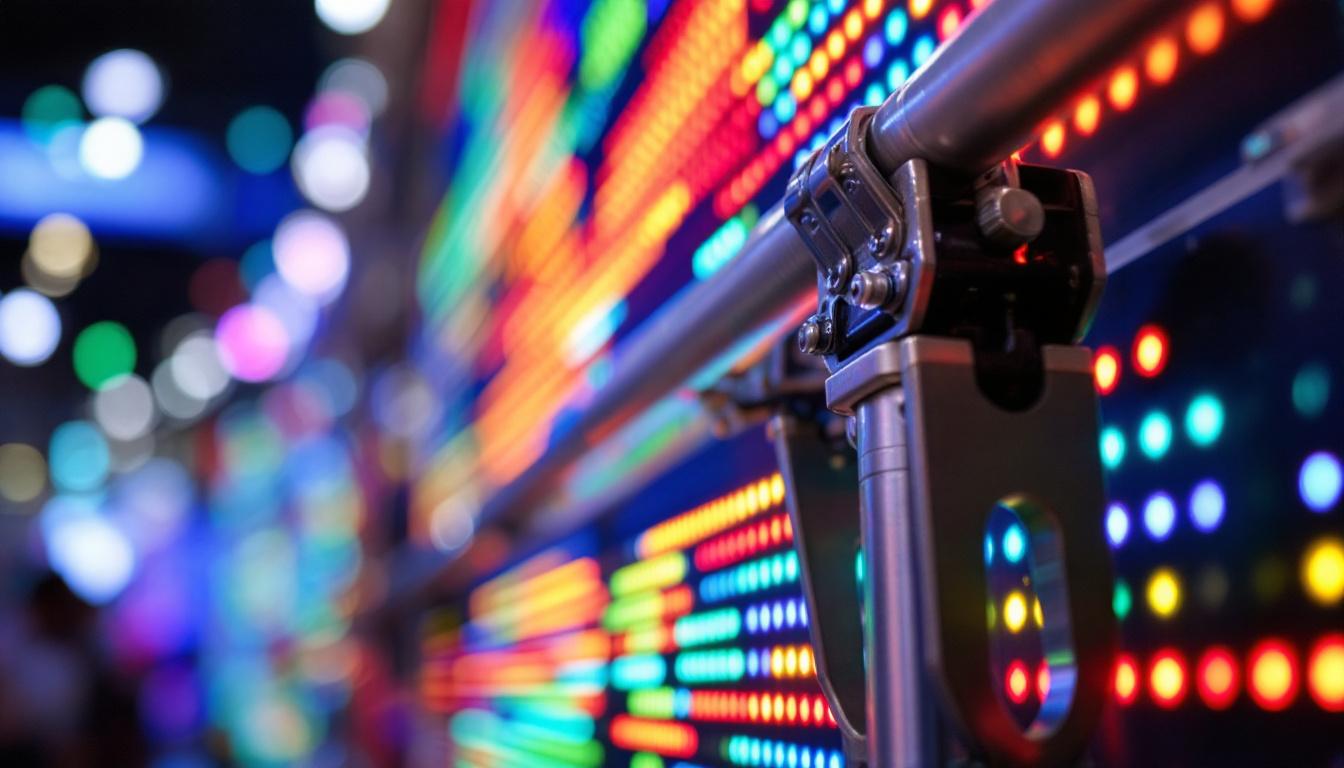
- LED Modules: These are the actual light sources arranged in a grid pattern. The density of LEDs, measured in pixels per inch or millimeter, determines the display’s resolution and image clarity.
- Driver ICs: Integrated circuits control the power and data signals sent to each LED, ensuring accurate color reproduction and brightness.
- Control System: A central processor or controller manages the overall display content, synchronizing each tile to produce a cohesive image or video.
- Housing and Frame: The physical structure that protects the delicate electronics and allows for easy installation and maintenance.
In addition to these core components, LED tile displays often incorporate advanced features such as interactive touch capabilities and real-time data integration. This allows for engaging user experiences, where viewers can interact with the content displayed, making it particularly appealing for exhibitions and trade shows. Furthermore, many modern LED tiles are designed with a focus on lightweight materials and slim profiles, which not only ease installation but also enable creative mounting options, such as curved or suspended displays that can transform any space into a vibrant visual environment.
Another notable aspect of LED tile technology is its adaptability to various applications. From digital signage in transportation hubs to immersive environments in museums, the flexibility of LED tiles allows for innovative storytelling and branding opportunities. With the ability to create stunning visuals that can be easily updated or changed, businesses can maintain a fresh and engaging presence that captures the attention of their audience. This adaptability is further enhanced by the ongoing advancements in LED technology, which continue to push the boundaries of what is possible in visual display solutions.
How LED Tile Displays Work: The Technology Behind the Magic
At the heart of LED tile displays is a sophisticated interplay between hardware and software. Understanding this relationship helps clarify why LED tiles are preferred for high-impact visual communication.
Pixel Structure and Color Generation
Each pixel on an LED tile typically comprises three sub-pixels: red, green, and blue (RGB). By varying the intensity of these sub-pixels, the display can produce a broad spectrum of colors. Modern LED tiles use advanced calibration techniques to ensure color accuracy and uniformity across the entire screen.
Some high-end LED tiles incorporate additional colors such as white or amber LEDs to enhance brightness and color gamut. This technology, known as RGBW or RGBA, expands the range of visible colors and improves energy efficiency.
Refresh Rate and Viewing Experience
Refresh rate is a critical specification in LED displays, indicating how many times per second the image is updated. Higher refresh rates reduce flicker and motion blur, which is especially important for video playback and live broadcasts. Most commercial LED tiles support refresh rates of 1920 Hz or higher, ensuring smooth and comfortable viewing even at close distances.
Brightness and Contrast Advantages
One of the standout features of LED tile lights is their exceptional brightness, often reaching 1,000 to 5,000 nits or more. This makes them highly visible in bright environments, such as outdoor advertising or stadium displays. Additionally, LEDs can achieve deep blacks by turning off individual diodes, resulting in superior contrast ratios compared to backlit LCDs.
Applications of LED Tile Lights: Versatility Across Industries
The adaptability of LED tile displays has led to widespread adoption across various sectors. Their ability to deliver vivid, dynamic content in any size or shape opens up creative possibilities for businesses and organizations.
Outdoor Advertising and Digital Billboards
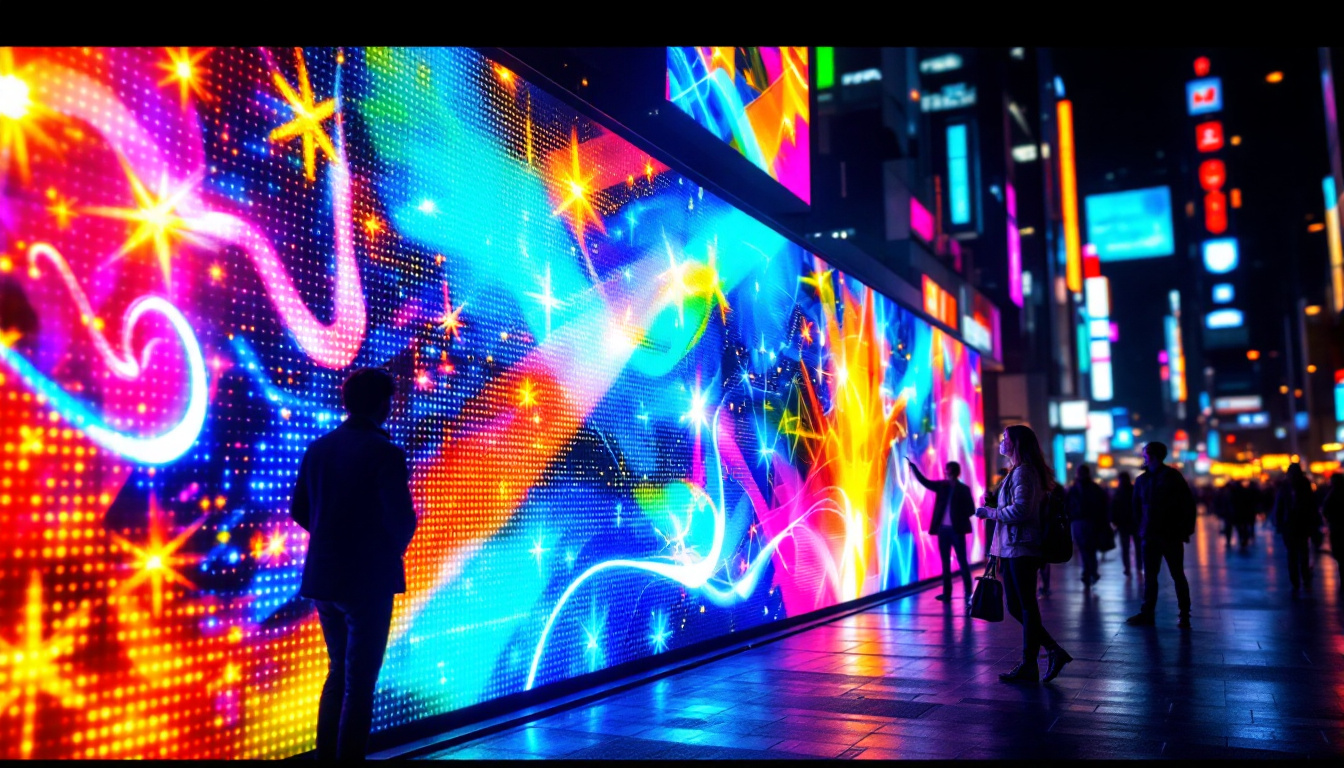
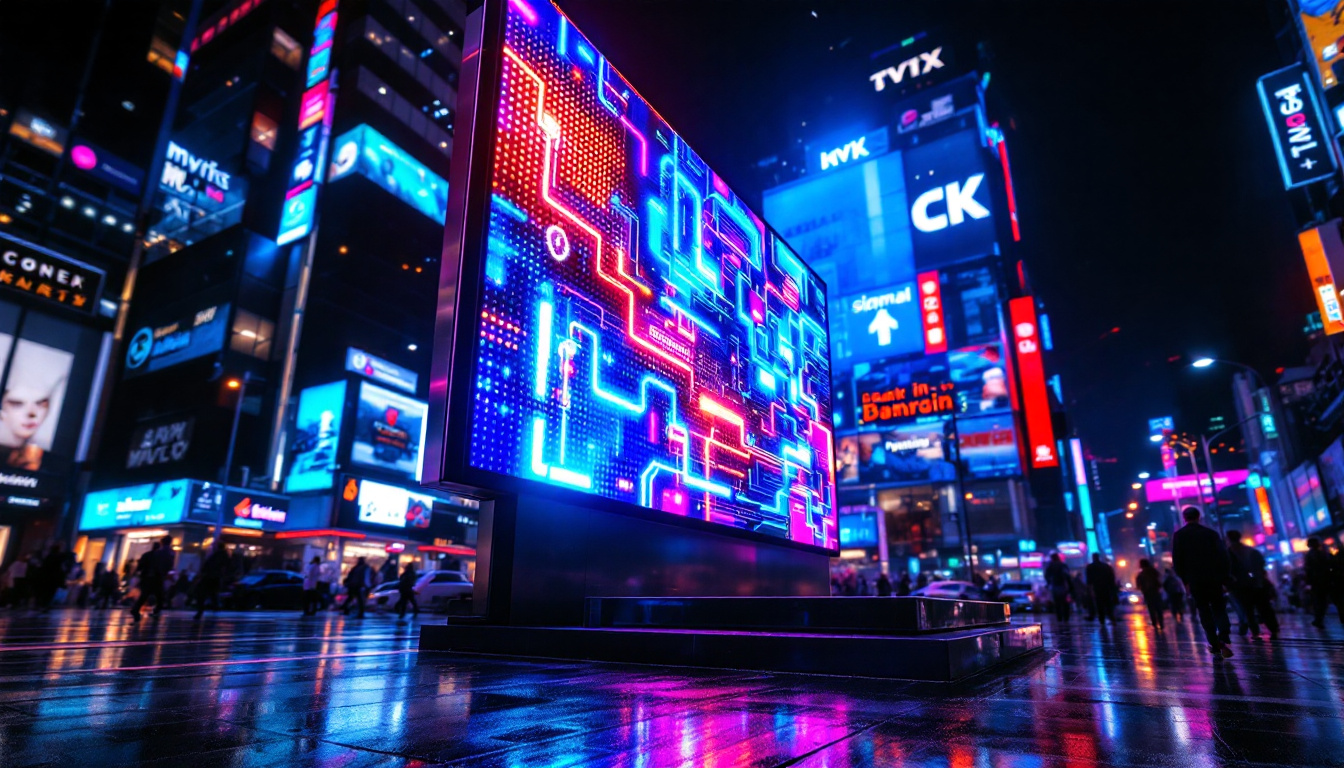
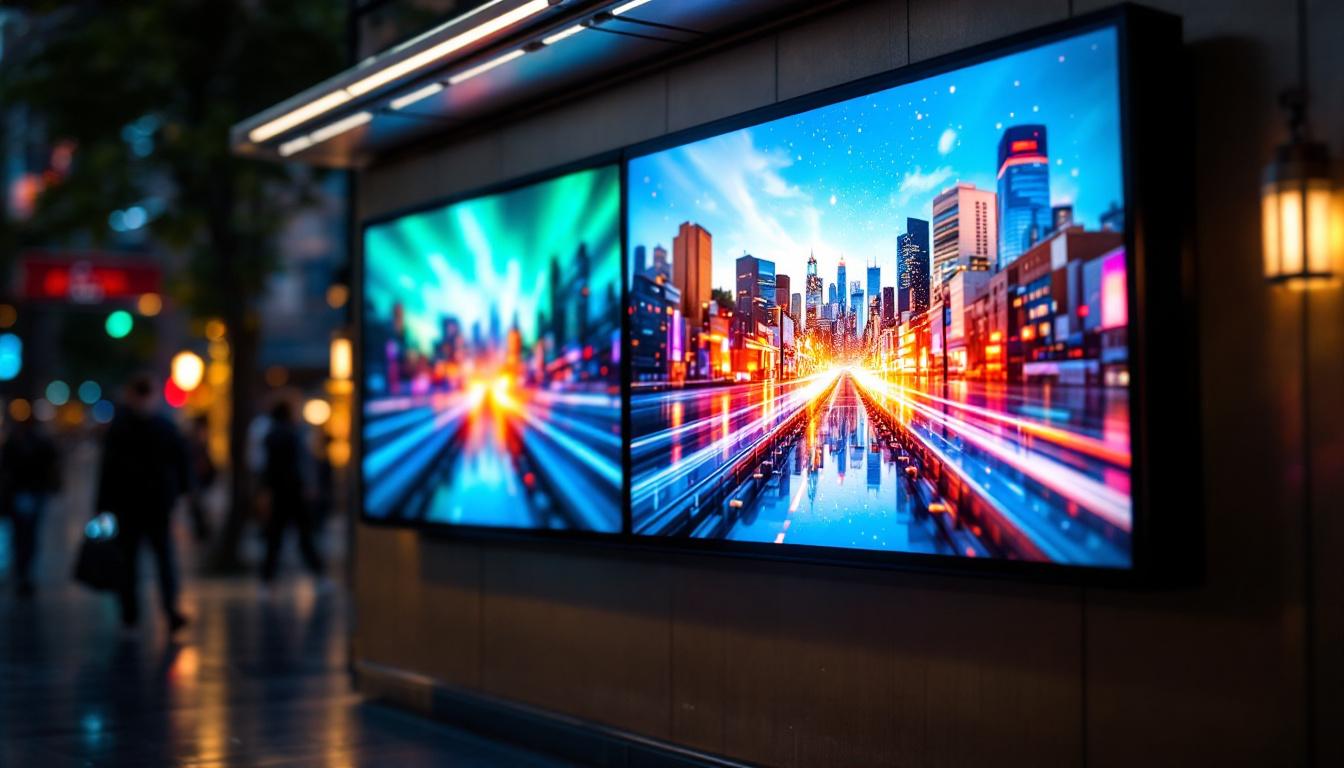
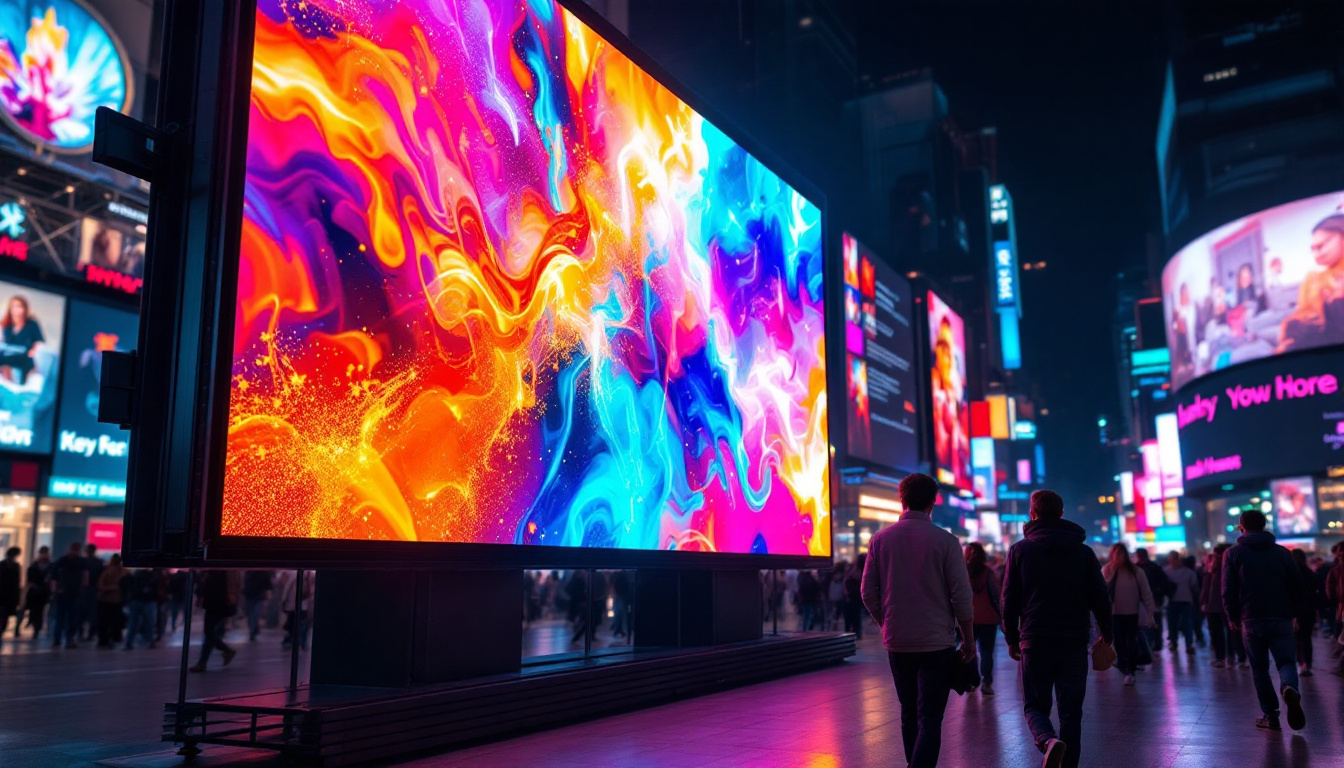
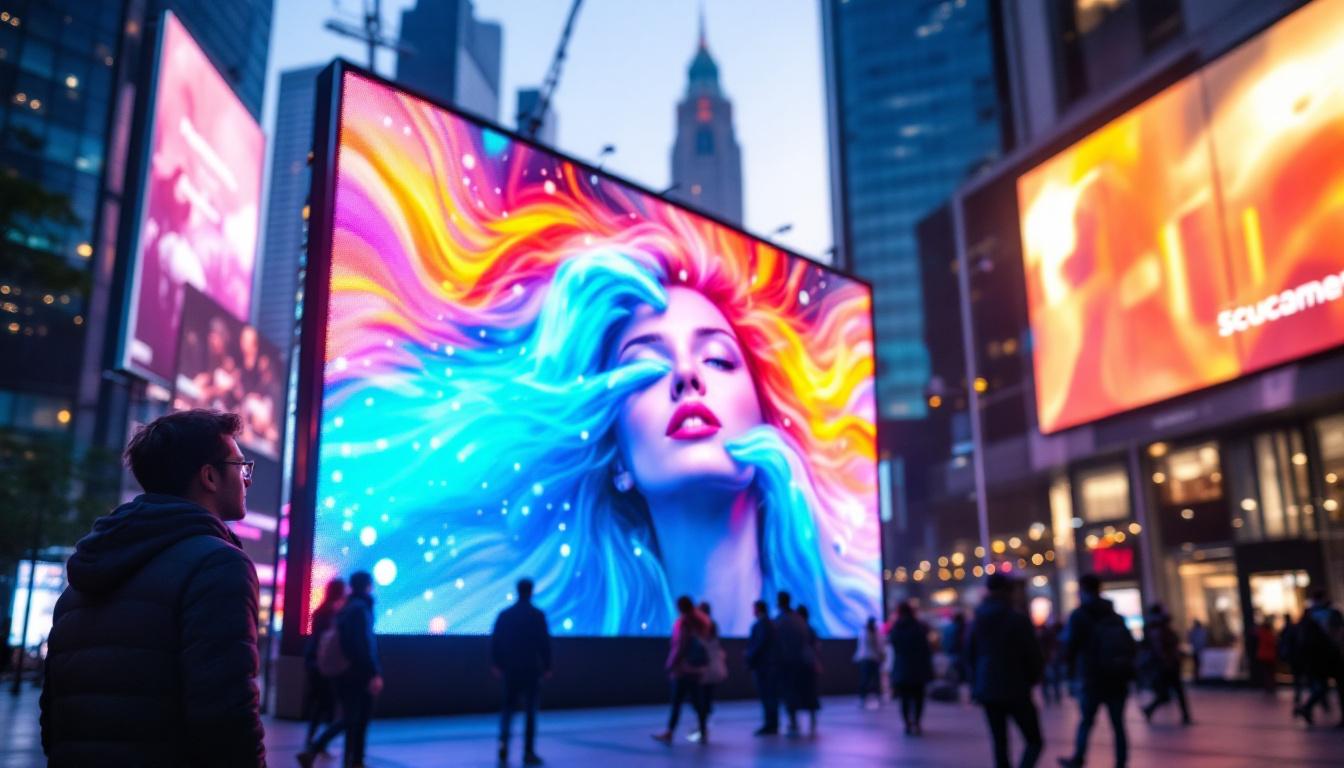
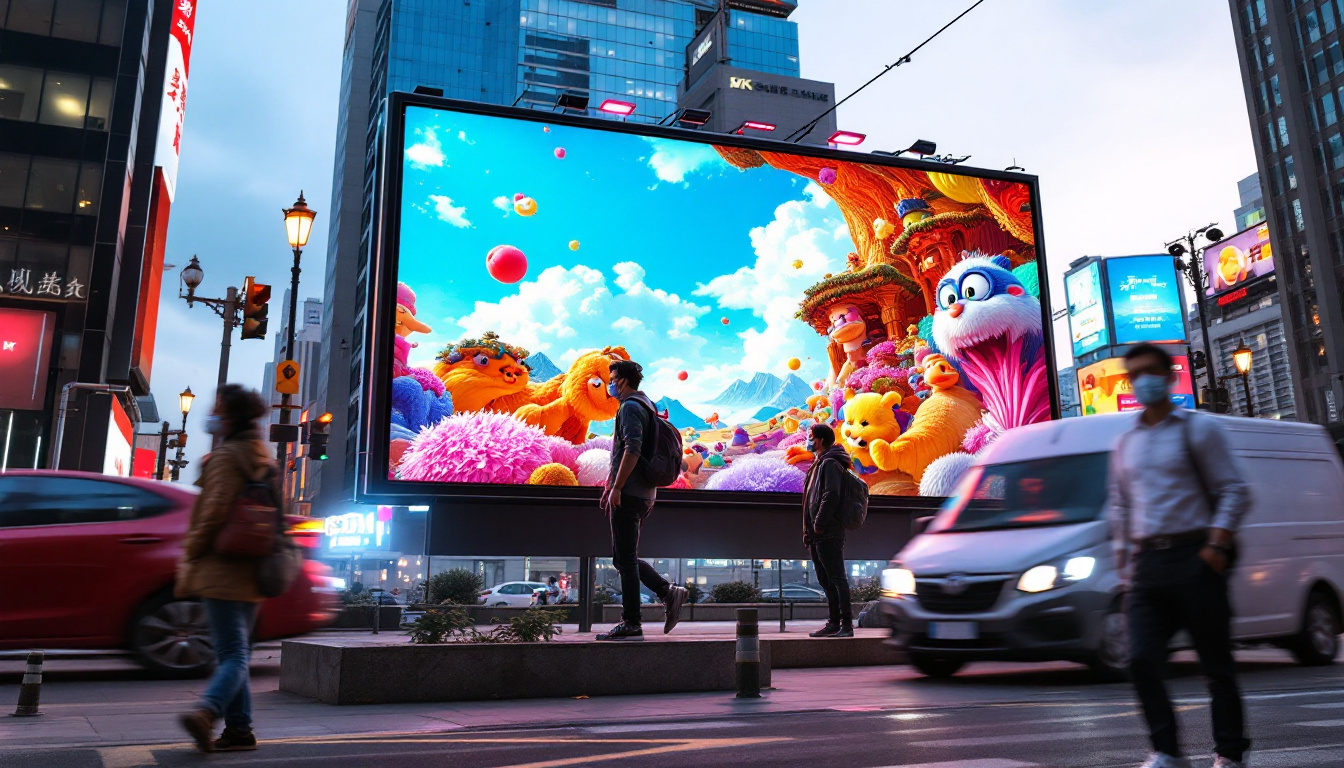
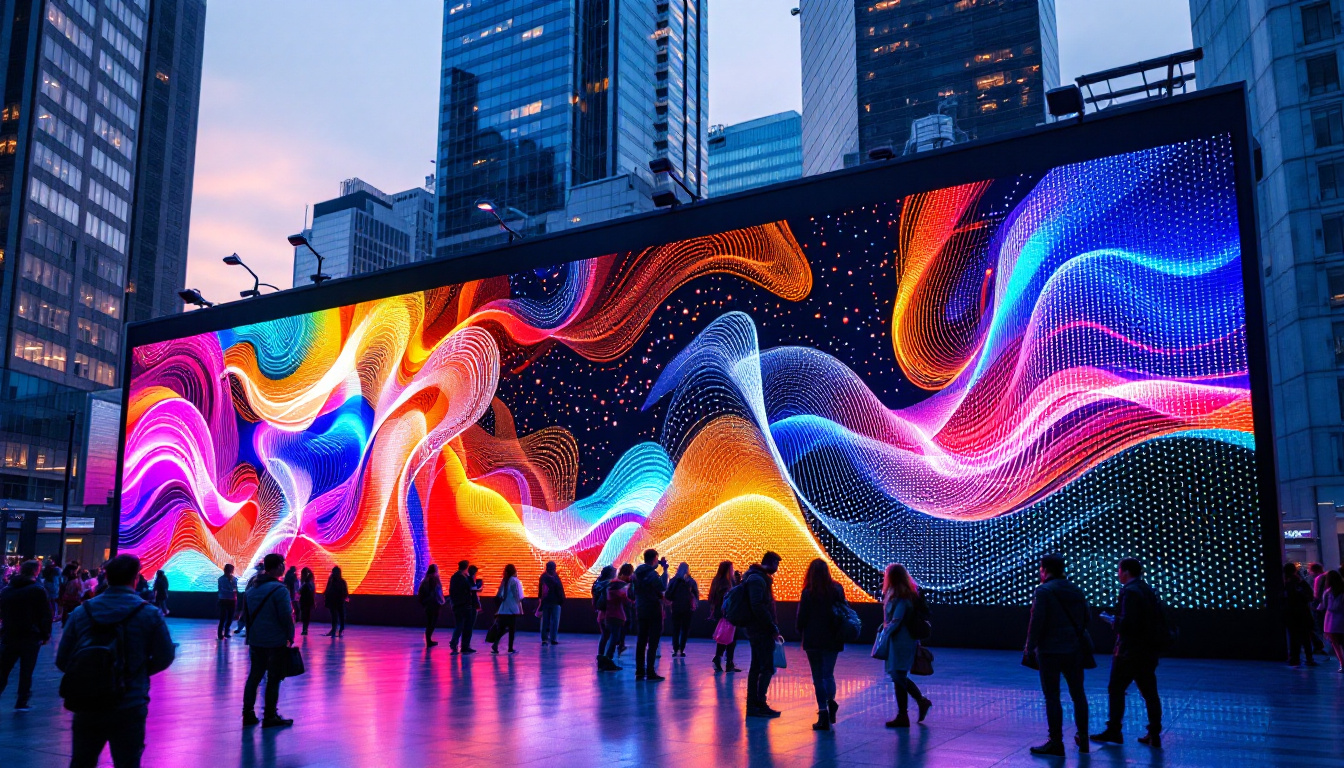
Outdoor LED tile displays dominate the advertising landscape, especially in urban centers and high-traffic areas. Their brightness and weather resistance make them ideal for billboards, transit shelters, and building wraps. According to recent market research, the global digital out-of-home (DOOH) advertising market is expected to grow at a compound annual growth rate (CAGR) of over 10% through 2028, driven largely by LED display technology.
Event and Entertainment Venues
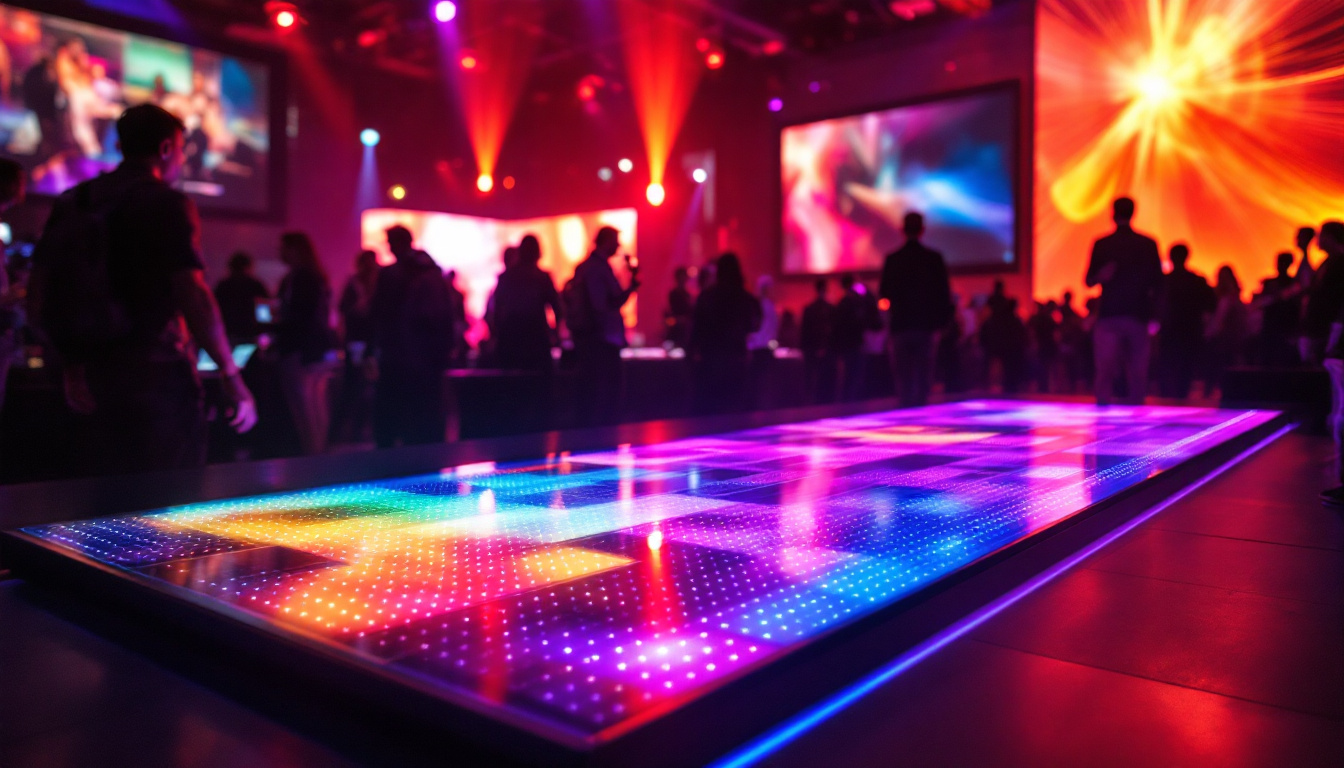
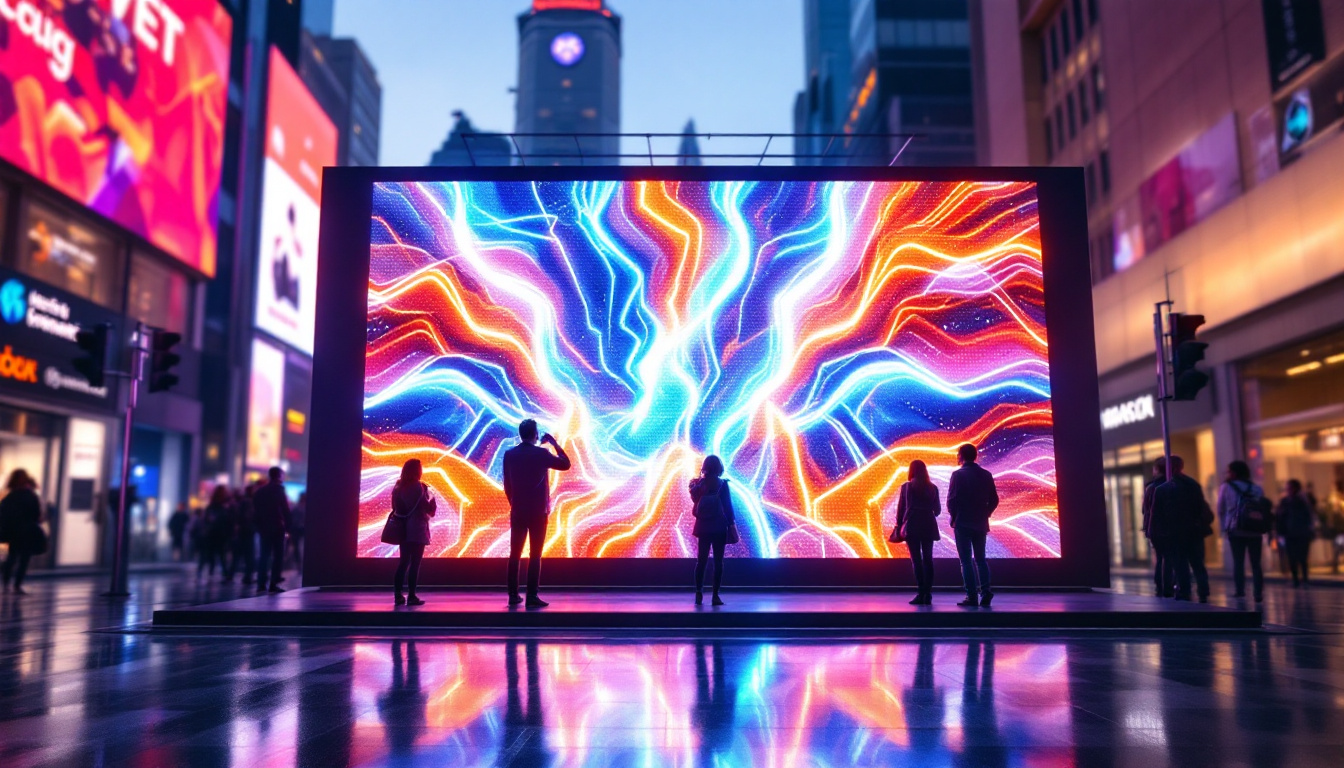
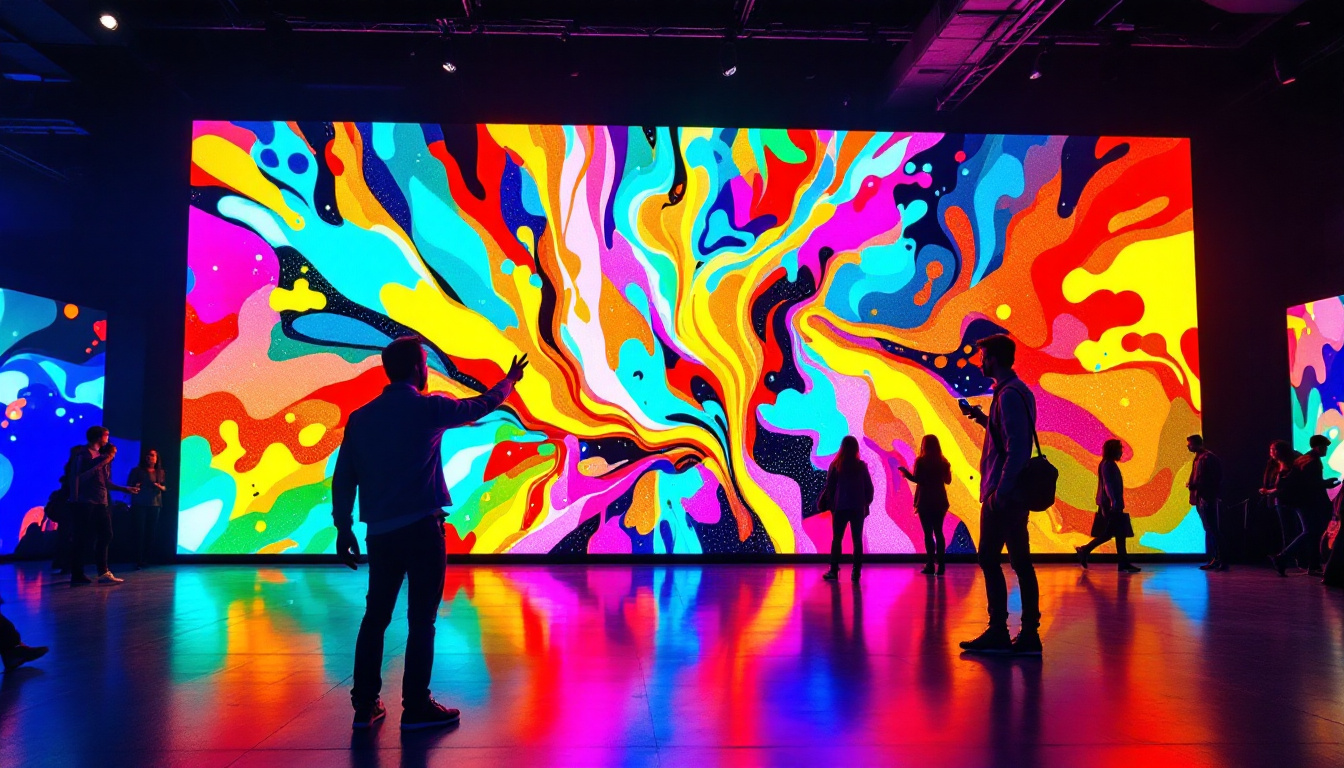
Concerts, sports arenas, and theaters frequently utilize LED tile walls to create immersive visual experiences. The modular nature of LED tiles allows for large-scale video walls that can be configured to fit unique stage designs. Additionally, their lightweight construction facilitates quick installation and teardown, essential for touring events.
Retail and Corporate Environments
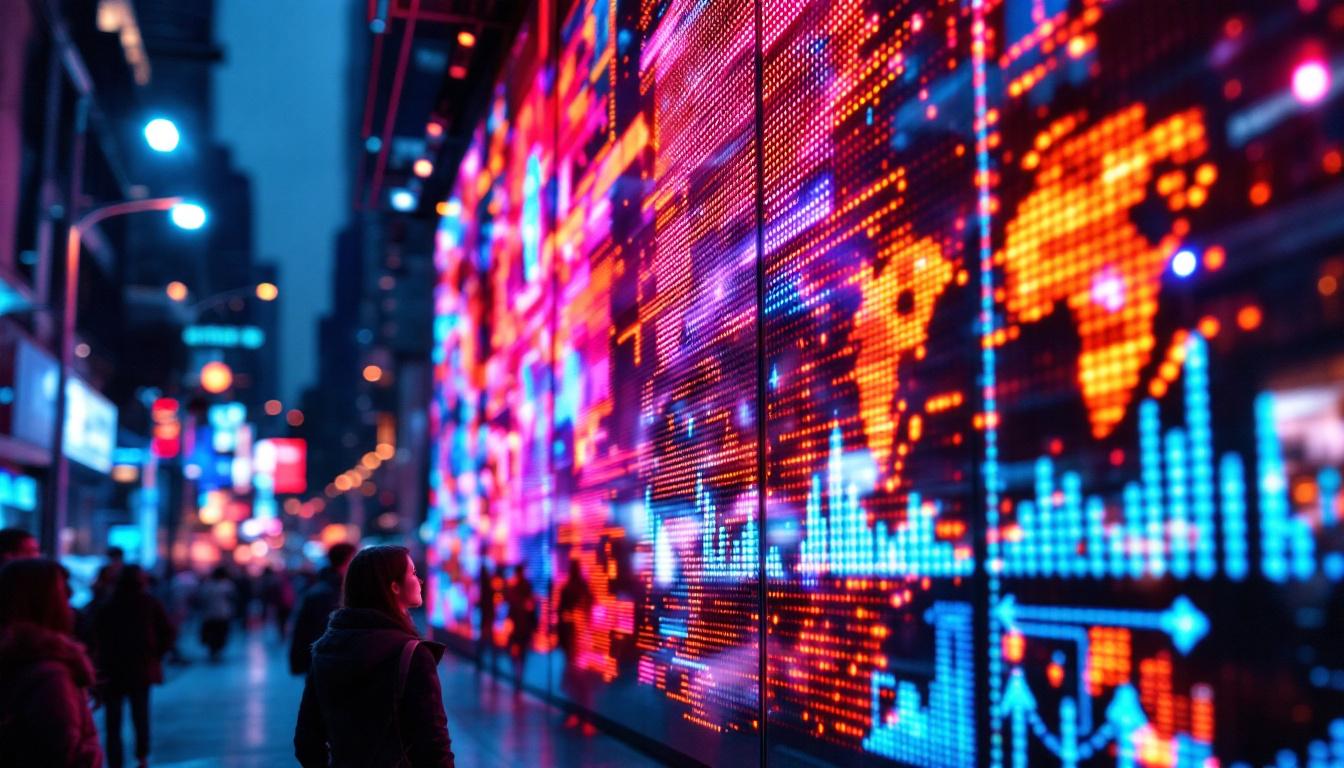
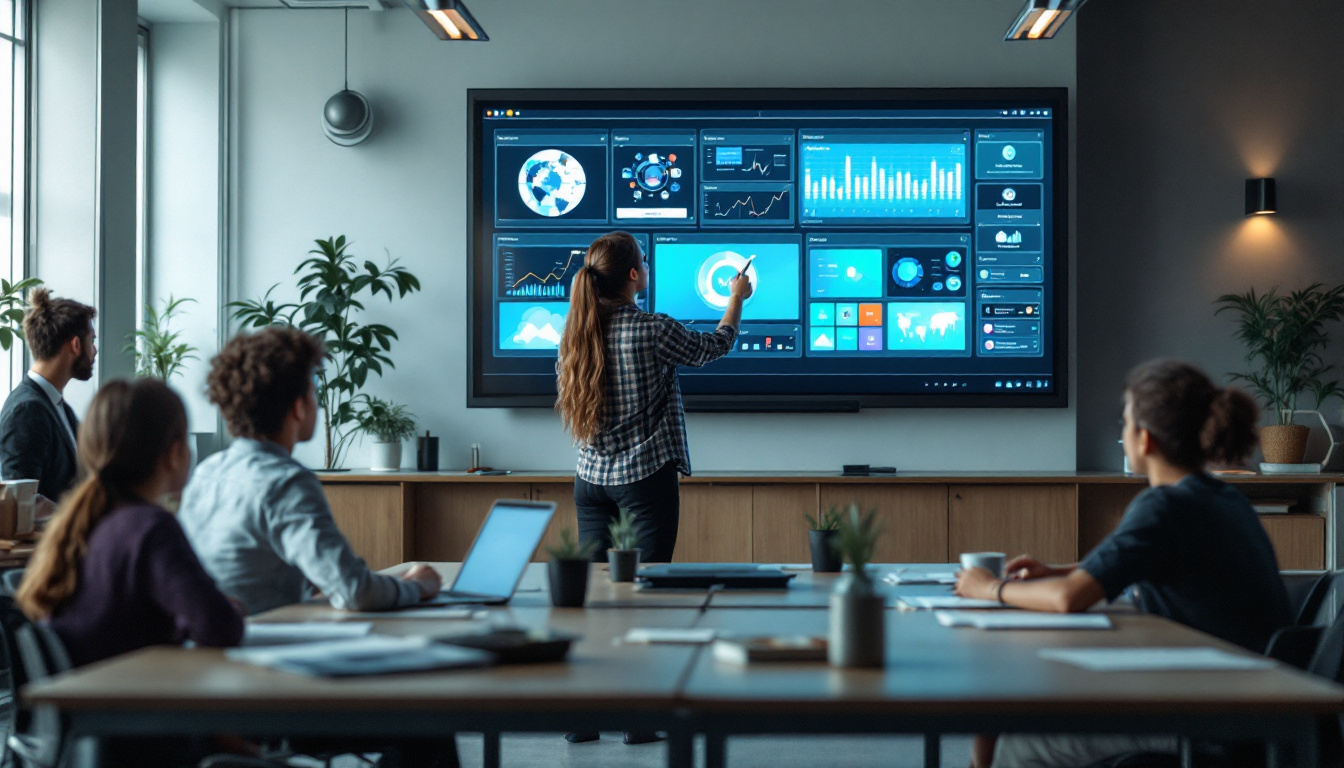
In retail spaces, LED tile displays serve as dynamic signage, promotional screens, and interactive installations. Corporations use them in lobbies and conference rooms to display branding, data visualizations, and live feeds. The ability to customize the size and resolution of LED tile walls helps businesses tailor their messaging effectively.
Transportation Hubs and Public Spaces
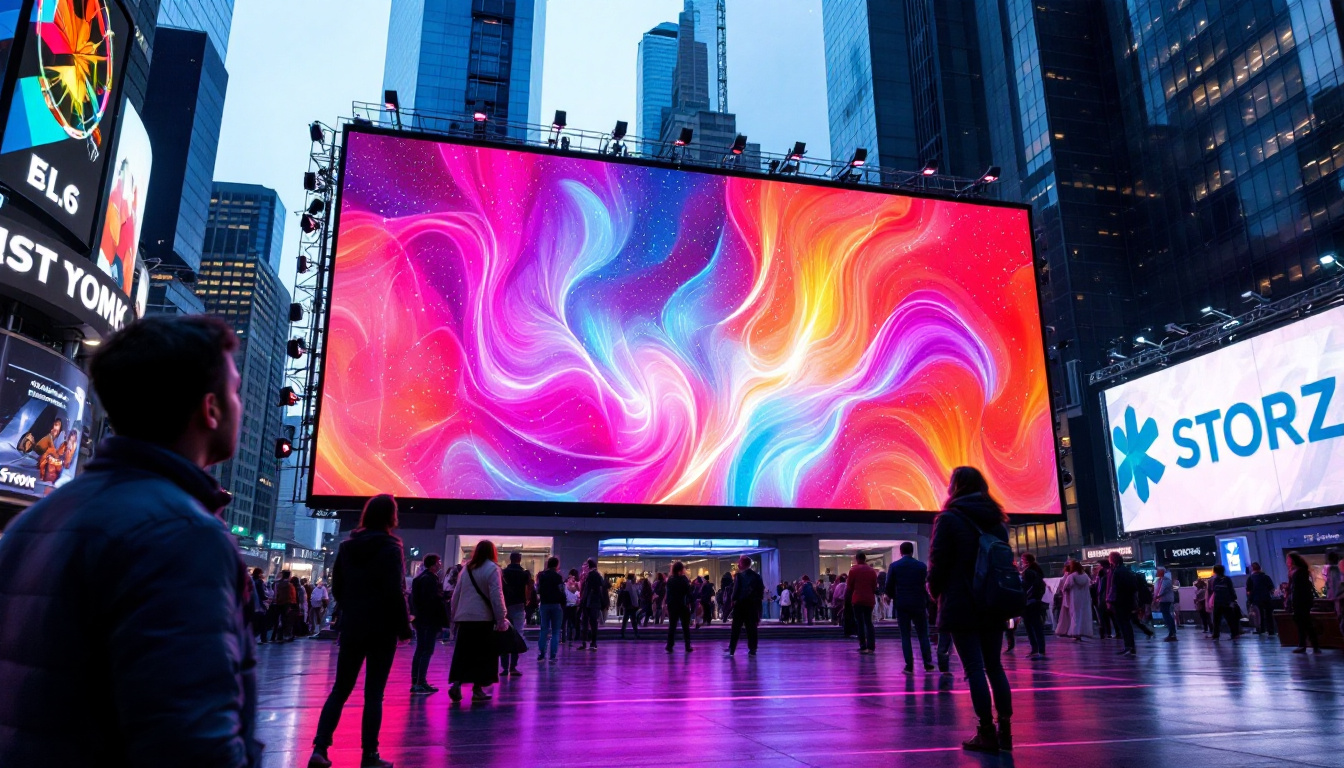
Airports, train stations, and public squares employ LED tile displays for information dissemination, wayfinding, and public art. Their durability and high visibility ensure messages reach a broad audience, enhancing the overall user experience in these busy environments.
Advantages of LED Tile Lights Over Traditional Displays
While there are many display technologies available, LED tile lights offer distinct benefits that make them the preferred choice for many applications.
Scalability and Flexibility
The modular design of LED tiles allows for virtually limitless scalability. Whether a small indoor screen or a massive outdoor billboard, LED tiles can be combined to meet specific size requirements. This flexibility also extends to shape, enabling curved or irregular display configurations that are difficult to achieve with other technologies.
Energy Efficiency and Longevity
LED technology is inherently energy-efficient compared to older display types. Advances in LED chip design and power management have further reduced energy consumption, lowering operational costs. Additionally, LED tiles typically have a lifespan of 50,000 to 100,000 hours, translating to years of reliable service with minimal maintenance.
High Brightness and Visibility
LED tile displays maintain excellent visibility in various lighting conditions, including direct sunlight. This is a significant advantage over LCD and projection-based systems, which can struggle outdoors. The high contrast and vibrant colors also enhance viewer engagement and message retention.
Durability and Weather Resistance
Outdoor LED tiles are engineered to withstand harsh environmental conditions such as rain, wind, dust, and temperature extremes. Protective coatings and robust enclosures ensure longevity and consistent performance, reducing downtime and maintenance costs.
Emerging Trends in LED Tile Display Technology
The LED tile industry continues to innovate, driven by demands for higher resolution, smarter control systems, and enhanced user experiences.
MicroLED and MiniLED Advances
MicroLED and MiniLED technologies represent the next generation of LED displays, offering even smaller pixel sizes and improved image quality. MicroLEDs, in particular, promise OLED-like contrast with greater brightness and durability. These advancements are gradually being integrated into LED tile products, expanding their application scope.
Interactive and Smart LED Tiles
Integration of touch sensors and AI-driven content management systems is transforming LED tile displays into interactive platforms. Retailers and event organizers can now engage audiences with personalized content, real-time data, and interactive experiences, enhancing the impact of digital signage.
Energy Harvesting and Sustainability
With growing emphasis on sustainability, manufacturers are exploring energy-harvesting technologies and eco-friendly materials for LED tiles. Solar-powered LED displays and recyclable components are becoming more common, aligning with corporate social responsibility goals.
Choosing the Right LED Tile Display: Factors to Consider
Selecting the appropriate LED tile display involves evaluating several critical factors to ensure optimal performance and return on investment.
Pixel Pitch and Resolution
Pixel pitch, the distance between adjacent LEDs, directly affects image sharpness. Smaller pixel pitches deliver higher resolution and are suited for close viewing distances, such as indoor environments. Larger pixel pitches are cost-effective for outdoor displays viewed from afar.
Brightness and Viewing Angle
Consider the ambient lighting conditions and viewing angles when selecting brightness levels and LED types. Displays intended for outdoor use require higher brightness and wider viewing angles to maintain visibility from multiple perspectives.
Installation Environment and Durability
Assess environmental factors such as weather exposure, temperature fluctuations, and potential physical impacts. Choose LED tiles with appropriate ingress protection (IP) ratings and robust construction for outdoor or high-traffic areas.
Control Systems and Content Management
Ensure compatibility with the desired control hardware and software platforms. Advanced content management systems enable dynamic scheduling, remote monitoring, and integration with other digital assets.
Conclusion: The Future of LED Tile Lights
LED tile lights have revolutionized the display industry by combining modularity, brightness, and durability into a single, adaptable solution. Their widespread adoption across advertising, entertainment, retail, and public sectors underscores their versatility and effectiveness.
As technology advances, LED tile displays will continue to evolve, offering higher resolutions, smarter interactivity, and greater sustainability. For businesses and organizations looking to captivate audiences with vibrant, impactful visuals, LED tile lights represent a compelling investment in the future of digital communication.
Discover LumenMatrix LED Display Solutions
Ready to elevate your visual communication with the latest in LED display technology? LumenMatrix is at the forefront of innovation, offering a comprehensive range of LED display modules tailored to your unique needs. From Indoor and Outdoor LED Wall Displays to specialized solutions like Vehicle, Sports, and Floor LED Displays, our products are designed to captivate and engage your audience. Experience the future of digital signage with our Custom, All-in-One, and Transparent LED Displays. Check out LumenMatrix LED Display Solutions today and transform your space into a dynamic visual experience.