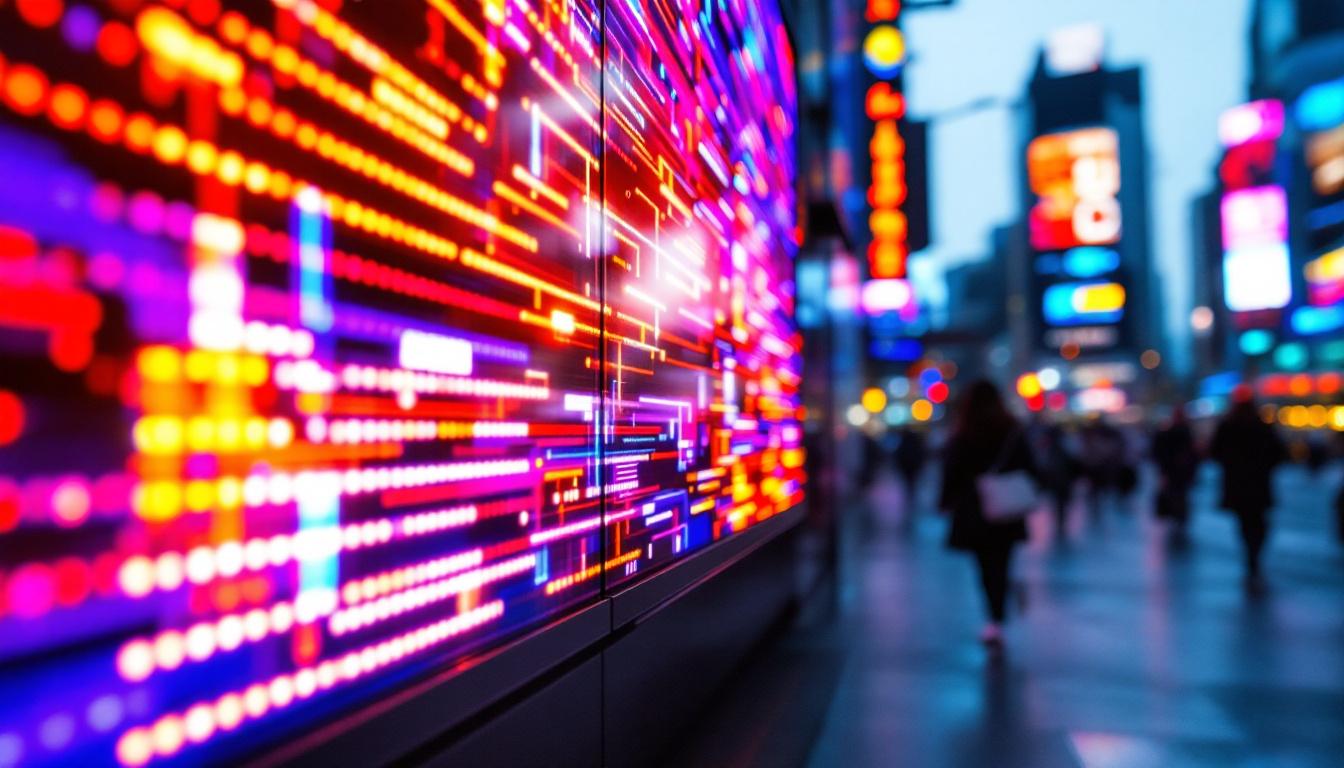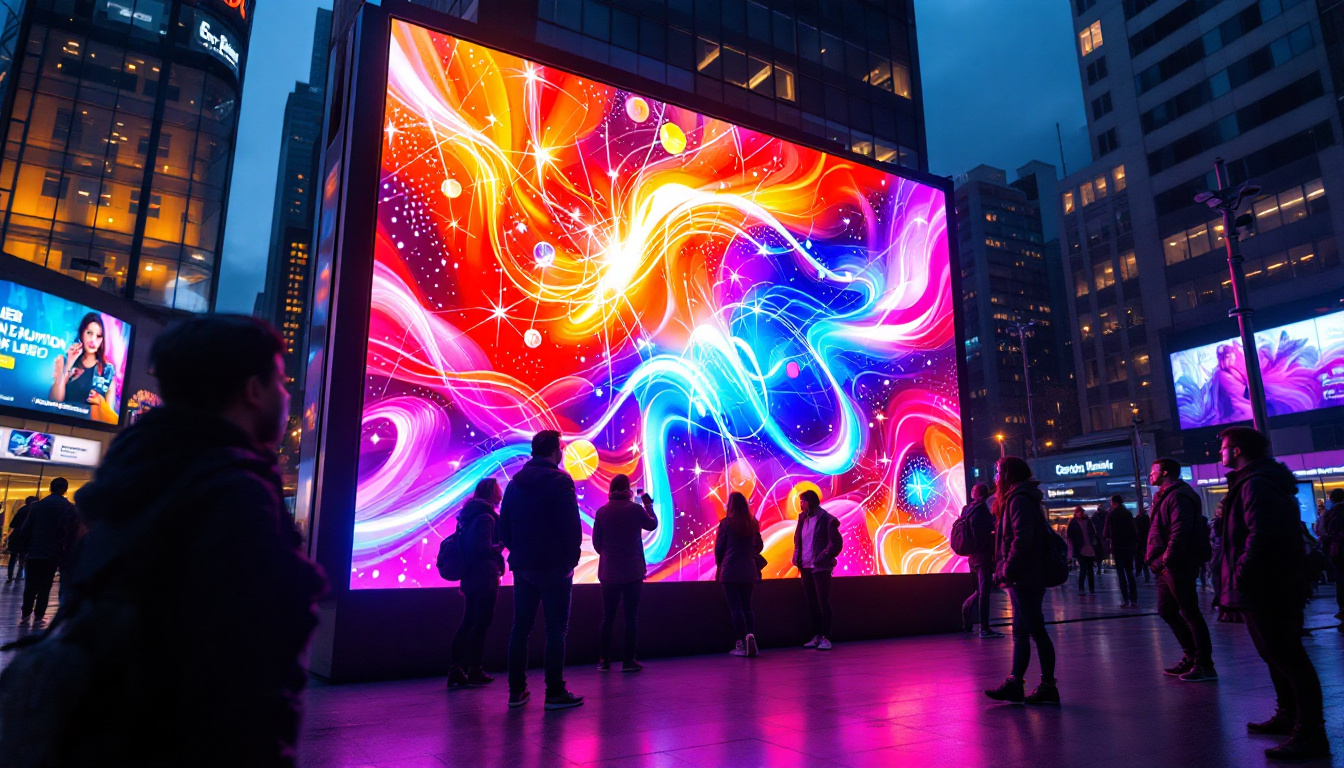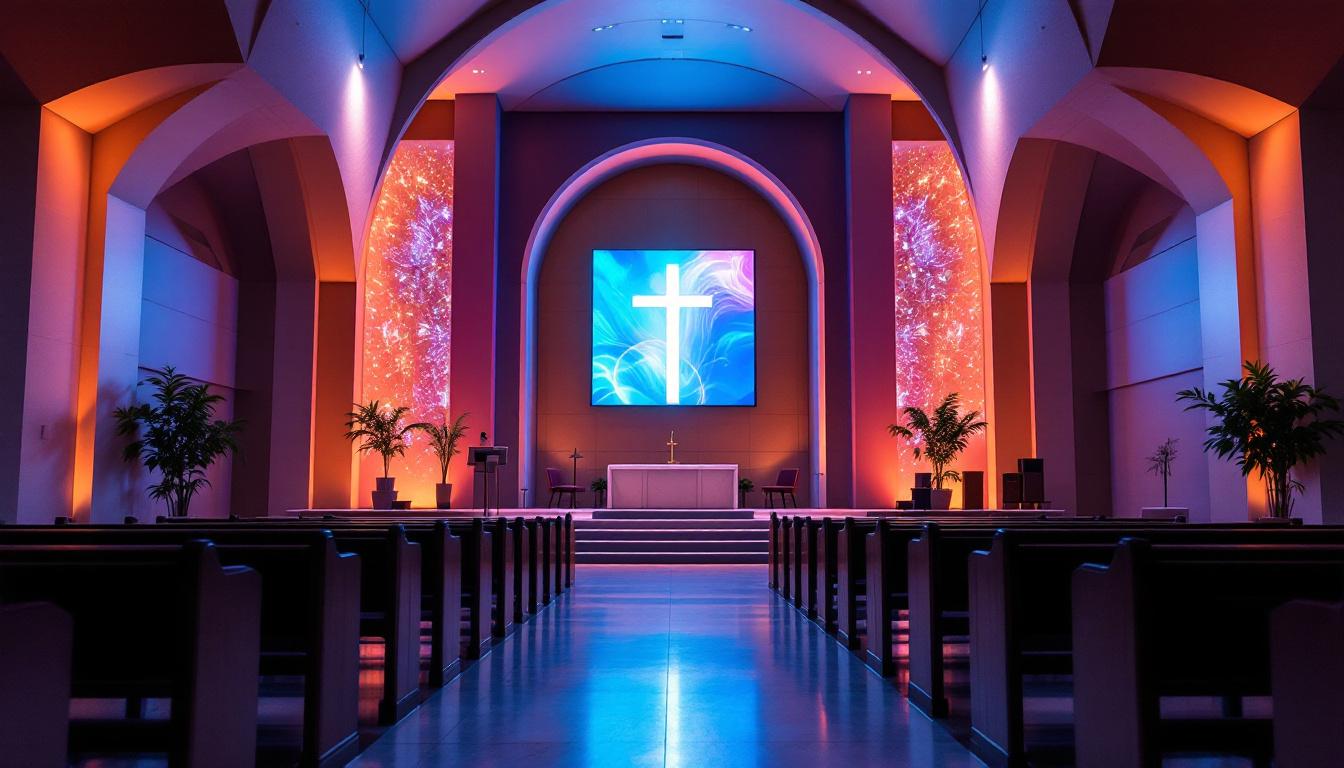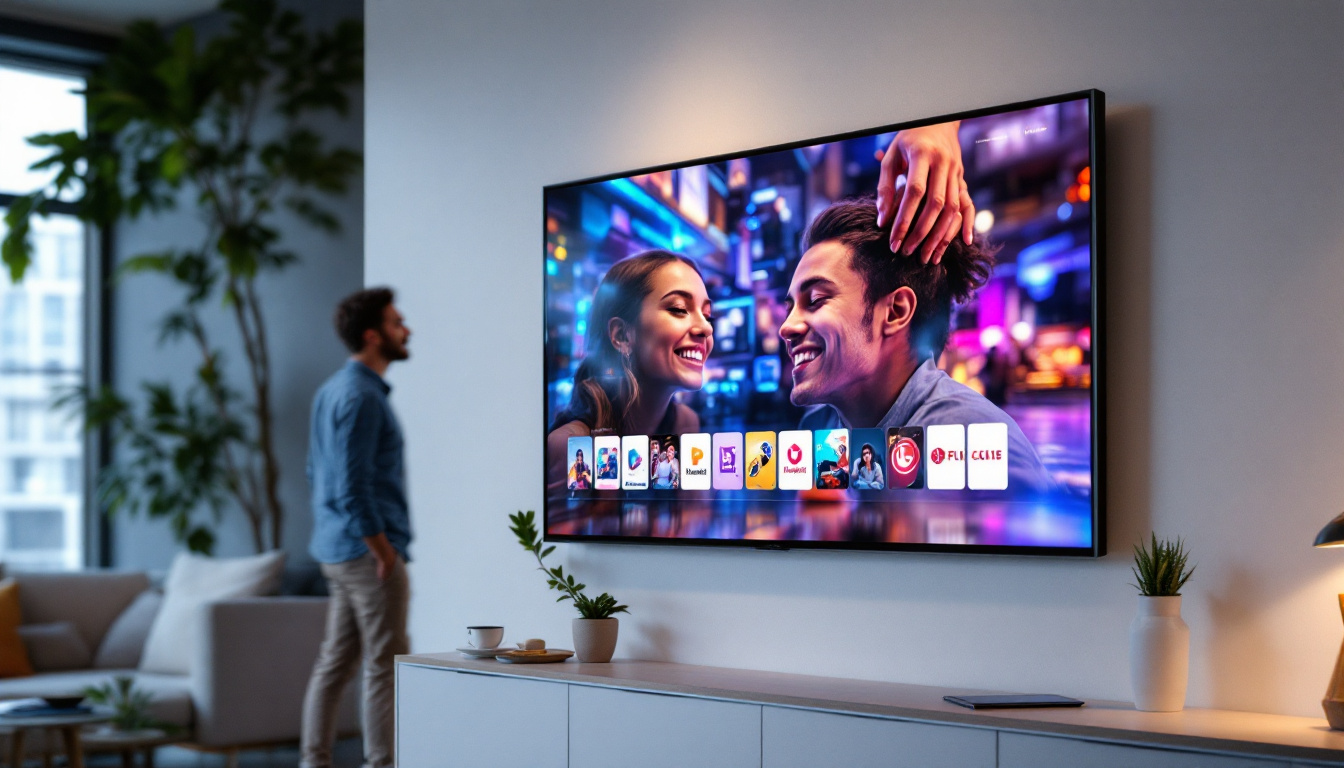
In the evolving landscape of digital displays, LED technology stands at the forefront, delivering vibrant visuals across countless applications—from stadium screens to digital billboards and indoor video walls. Central to the design and optimization of these LED displays is the concept of matrix projection, a mathematical technique that ensures images are rendered accurately and efficiently on LED panels. This article delves into the fundamentals of matrix projection calculators, their role in LED displays, and why understanding this technology is crucial for professionals in the display industry.
Understanding LED Displays: The Basics
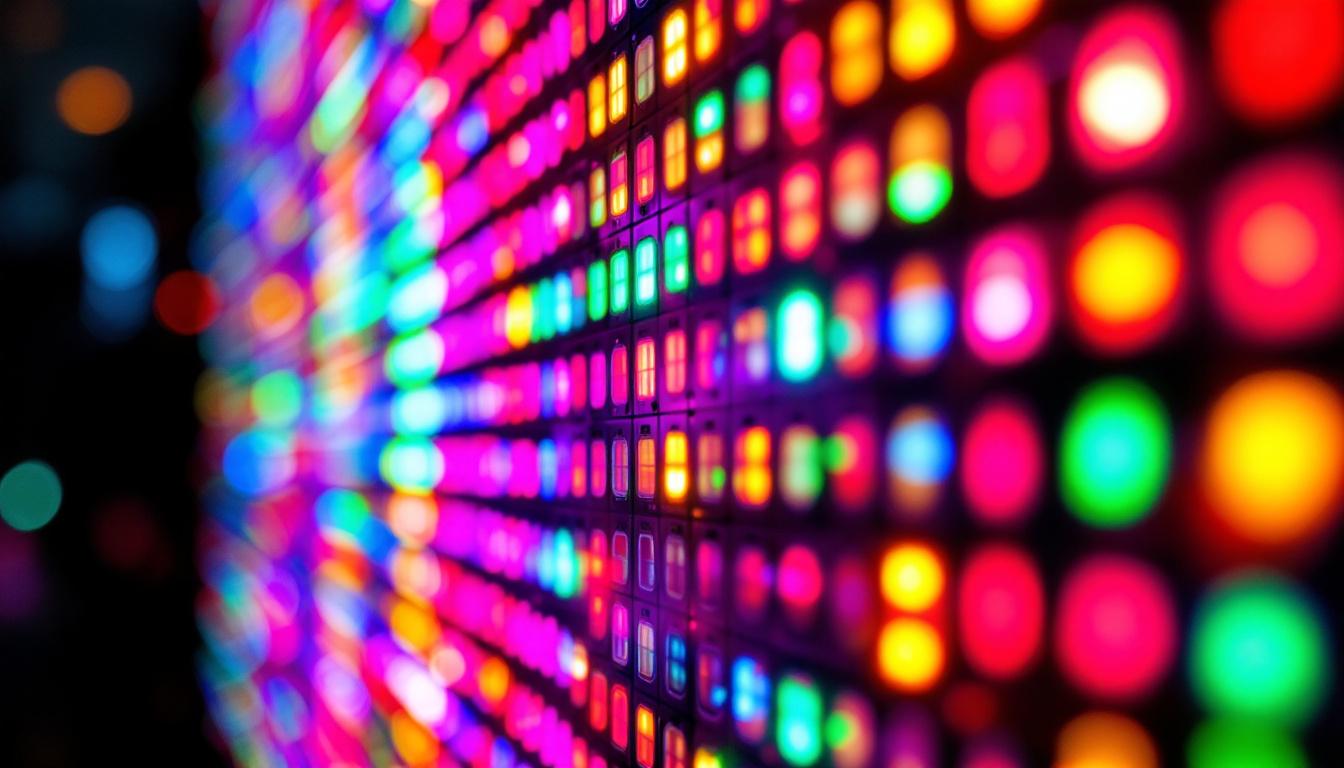
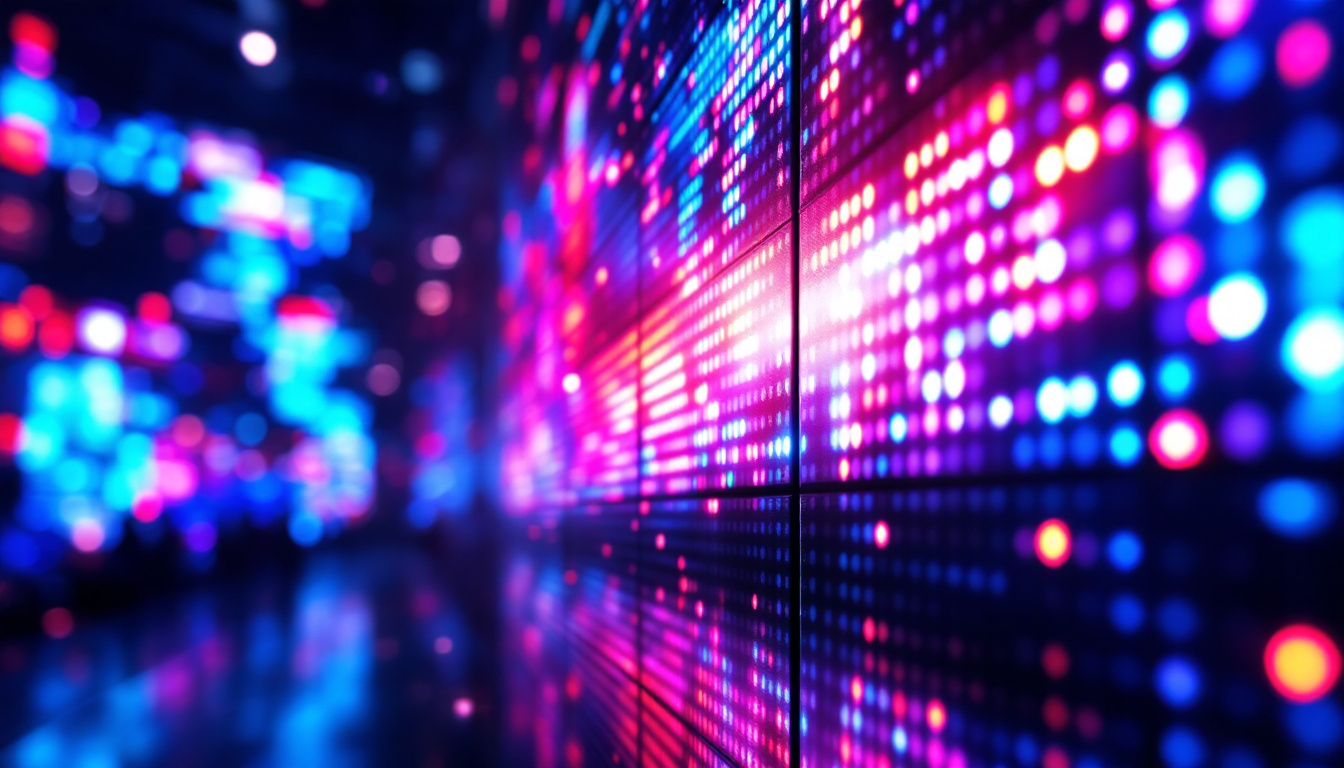
Light Emitting Diode (LED) displays have revolutionized visual communication by offering high brightness, energy efficiency, and durability. Unlike traditional LCD or plasma screens, LED displays use an array of tiny light-emitting diodes arranged in a matrix format to produce images. Each LED acts as a pixel or part of a pixel, illuminating in various colors to create the overall picture.
The modular nature of LED panels allows for scalable and customizable display sizes, making them ideal for a wide range of environments—from outdoor advertising to indoor event screens. However, this modularity introduces challenges in image mapping and alignment, which is where matrix projection techniques become essential. The ability to seamlessly connect multiple panels also means that designers can create stunning visual experiences that can cover vast areas, such as stadiums or concert venues, drawing in audiences with vibrant and dynamic displays.
LED Display Resolution and Pixel Pitch
Two critical specifications define the quality and clarity of an LED display: resolution and pixel pitch. Resolution refers to the total number of pixels arranged horizontally and vertically, while pixel pitch is the distance between the centers of two adjacent pixels, usually measured in millimeters.
For example, a display with a resolution of 1920×1080 pixels and a pixel pitch of 3mm will deliver sharper images than one with the same resolution but a 10mm pixel pitch, especially at close viewing distances. Understanding these parameters is vital for configuring matrix projections correctly, ensuring that the displayed content matches the physical characteristics of the LED panel. Furthermore, advancements in technology have led to the development of ultra-high-definition (UHD) displays, which offer even higher resolutions and smaller pixel pitches, allowing for breathtaking detail and clarity that can captivate viewers from any angle. This evolution not only enhances the visual experience but also opens up new possibilities for creative content, enabling artists and advertisers to push the boundaries of what is visually possible.
The Role of Matrix Projection in LED Displays
Matrix projection is a mathematical method used to transform and map images onto LED display surfaces. It involves the use of matrices—arrays of numbers arranged in rows and columns—to perform geometric transformations such as scaling, rotation, translation, and perspective correction.
When content is sent to an LED display, it must be adjusted to fit the display’s size, shape, and orientation. Matrix projection calculators help designers and engineers apply these transformations accurately, ensuring that images are displayed without distortion or misalignment.
Why Matrix Projection Matters
LED displays are often installed in non-standard configurations—curved surfaces, angled walls, or multi-panel arrays. Without proper projection, images can appear stretched, skewed, or misaligned, detracting from the viewer’s experience and potentially causing brand damage in commercial settings.
Matrix projection solves these issues by mathematically adjusting the image coordinates to match the physical layout of the LED modules. This process is essential for:
- Maintaining image integrity: Ensuring that content appears as intended, without warping or distortion.
- Optimizing viewing angles: Adjusting images for curved or angled displays to provide consistent visibility.
- Facilitating complex installations: Enabling seamless content across multiple panels or irregular shapes.
In addition to these practical applications, matrix projection plays a crucial role in the creative aspects of digital displays. Artists and designers leverage this technology to create stunning visual experiences that captivate audiences. By understanding how matrix projection works, they can manipulate images in innovative ways, crafting immersive environments that enhance events, exhibitions, and public installations. For example, a concert venue might use matrix projection to wrap visuals around a cylindrical LED structure, creating a 360-degree experience that draws the audience into the performance.
Moreover, advancements in matrix projection algorithms have led to the development of real-time processing capabilities. This means that dynamic content can be adjusted on-the-fly, allowing for interactive displays that respond to viewer engagement or environmental changes. As a result, businesses can create more engaging marketing campaigns that resonate with their target audience, transforming static advertisements into vibrant, living visuals that capture attention and drive interaction.
How a Matrix Projection Calculator Works
A matrix projection calculator is a tool—often software-based—that allows users to input parameters related to their LED display setup and receive the necessary transformation matrices to apply to their content. These tools simplify the complex math behind projection, making it accessible to engineers, designers, and technicians. By automating the calculations, users can focus more on the creative aspects of their projects rather than getting bogged down in the technical details.
Moreover, matrix projection calculators can be integrated into larger software ecosystems, allowing for real-time adjustments and previews. This means that as users tweak their input parameters, they can instantly see how those changes affect the projected output, which is invaluable for live events or installations where time is of the essence.
Input Parameters and Outputs
Typical inputs for a matrix projection calculator include:
- Display resolution (width and height in pixels)
- Physical dimensions of the display (width, height, and depth)
- Pixel pitch and arrangement
- Viewing angle and distance
- Orientation and curvature of the display surface
Based on these inputs, the calculator generates transformation matrices that can be applied to the source content. These matrices adjust pixel positions, scale images, and correct perspective to ensure the final output aligns perfectly with the physical LED display. The accuracy of these transformations is crucial, especially in environments where multiple displays are used in conjunction, as even minor misalignments can disrupt the visual experience.
Additionally, advanced calculators may offer features such as the ability to simulate lighting conditions or environmental factors that could affect visibility. This level of detail helps users make informed decisions about content placement and design, ensuring that the final projection is not only technically correct but also visually compelling.
Types of Transformations
Matrix projection calculators typically handle several types of transformations, including:
- Translation: Moving the image horizontally or vertically to align with the display.
- Scaling: Adjusting the image size to fit the display dimensions.
- Rotation: Rotating the image to match the orientation of the display panels.
- Shearing: Correcting for skewed or angled surfaces.
- Perspective Projection: Adjusting images for curved or 3D surfaces to maintain realistic proportions.
Each of these transformations plays a vital role in ensuring that the projected content appears as intended. For instance, shearing is particularly useful in scenarios where the display surface is not perfectly flat, such as in architectural projections on building facades. By applying shearing transformations, users can compensate for the angles and curves of the surface, creating a seamless visual experience that captivates viewers.
Furthermore, perspective projection is essential for immersive installations, where the audience’s viewing angle may vary significantly. This transformation helps maintain the integrity of the image, ensuring that it looks correct from multiple viewpoints. As technology advances, the capabilities of matrix projection calculators continue to evolve, allowing for even more sophisticated transformations and effects that enhance the overall impact of visual displays.
Applications of Matrix Projection Calculators in LED Display Projects
Matrix projection calculators are invaluable in a variety of LED display applications. Their ability to precisely map content to complex surfaces has expanded the creative and functional possibilities of LED technology.
Large-Scale Outdoor Advertising
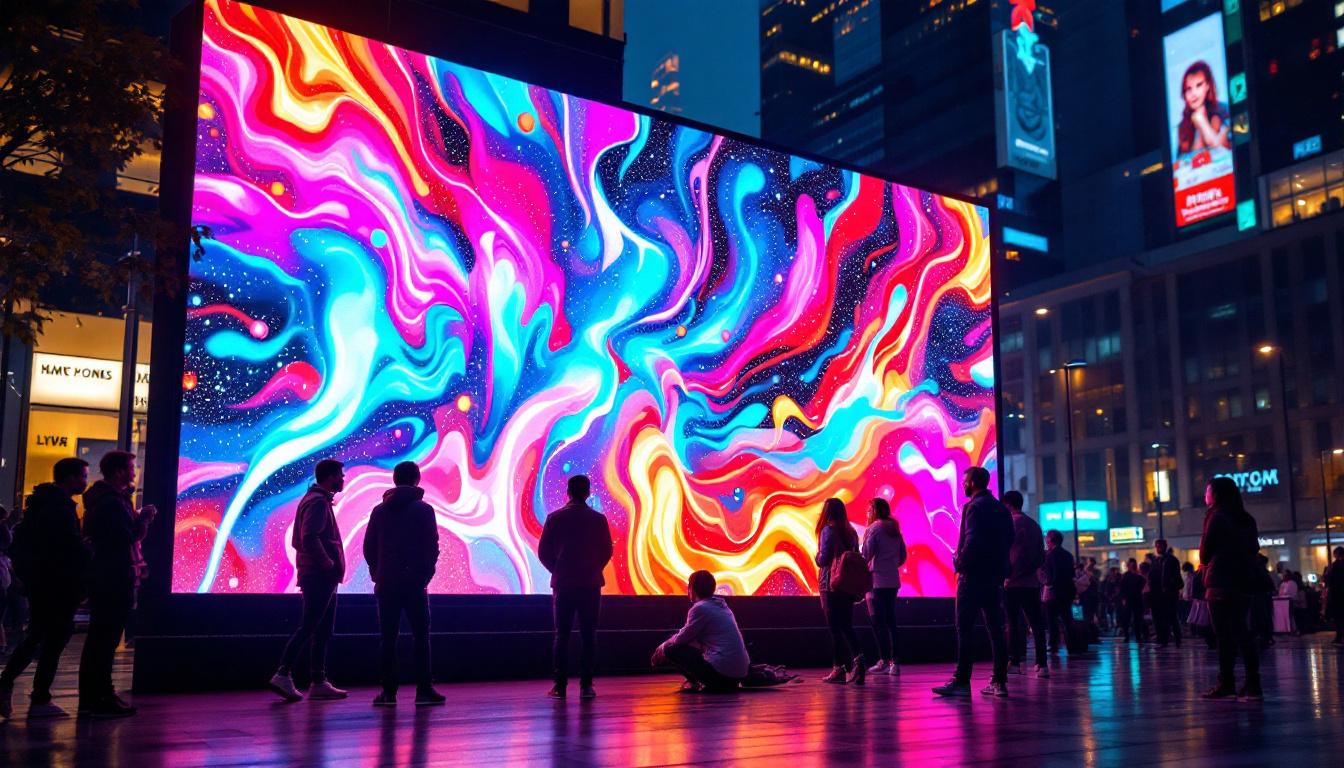
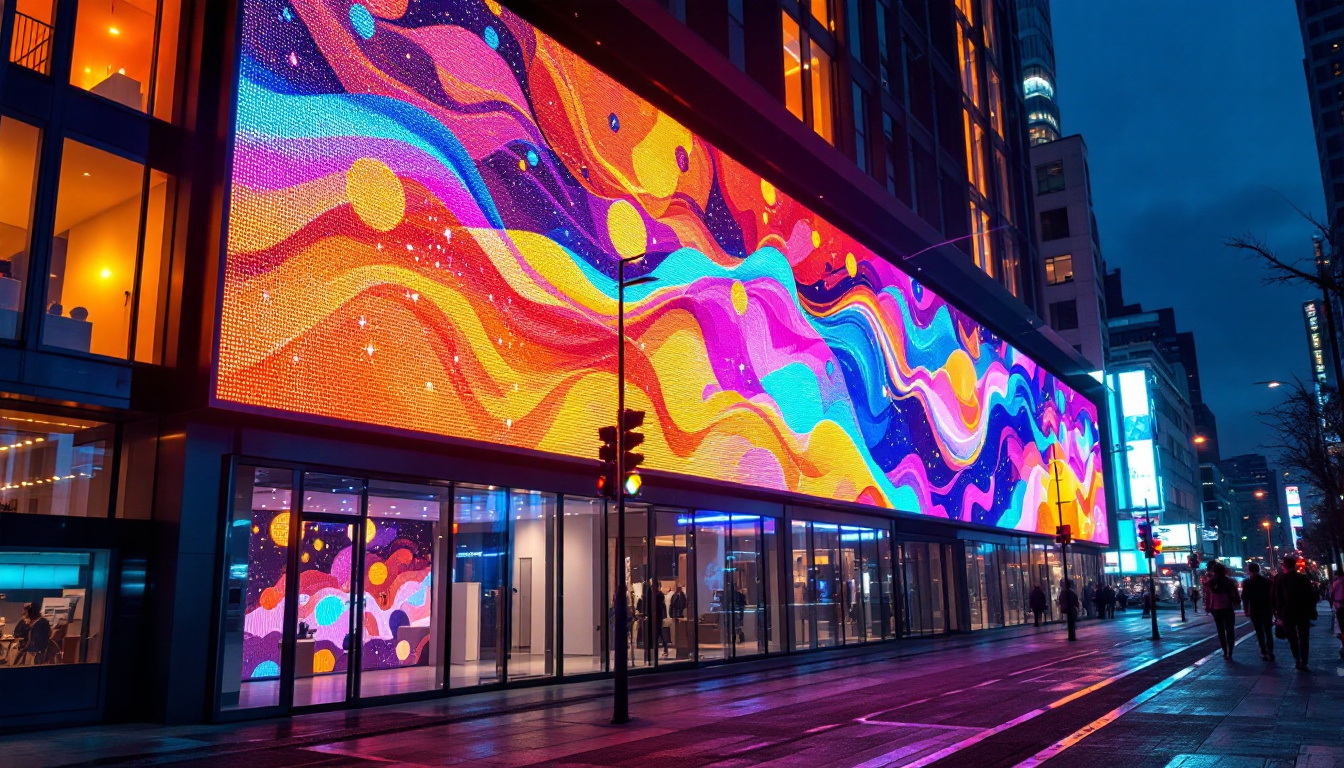
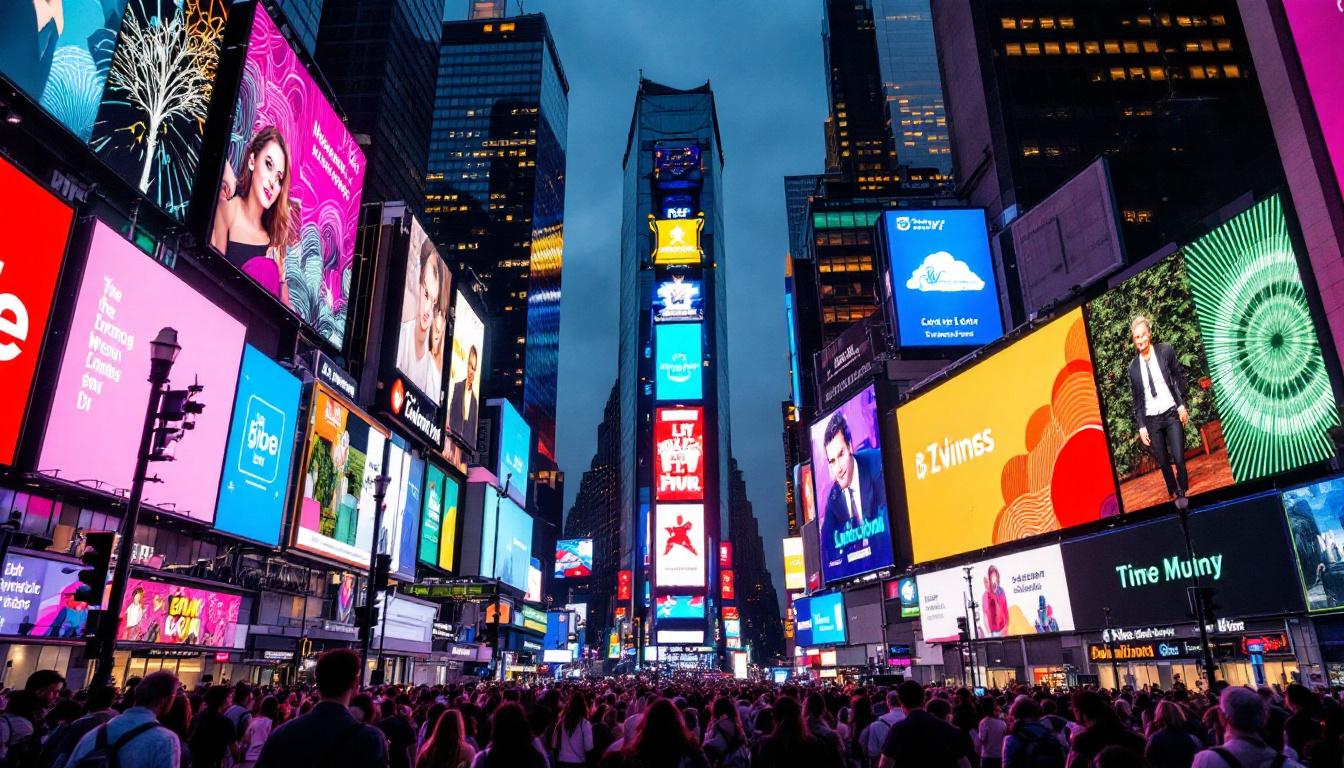
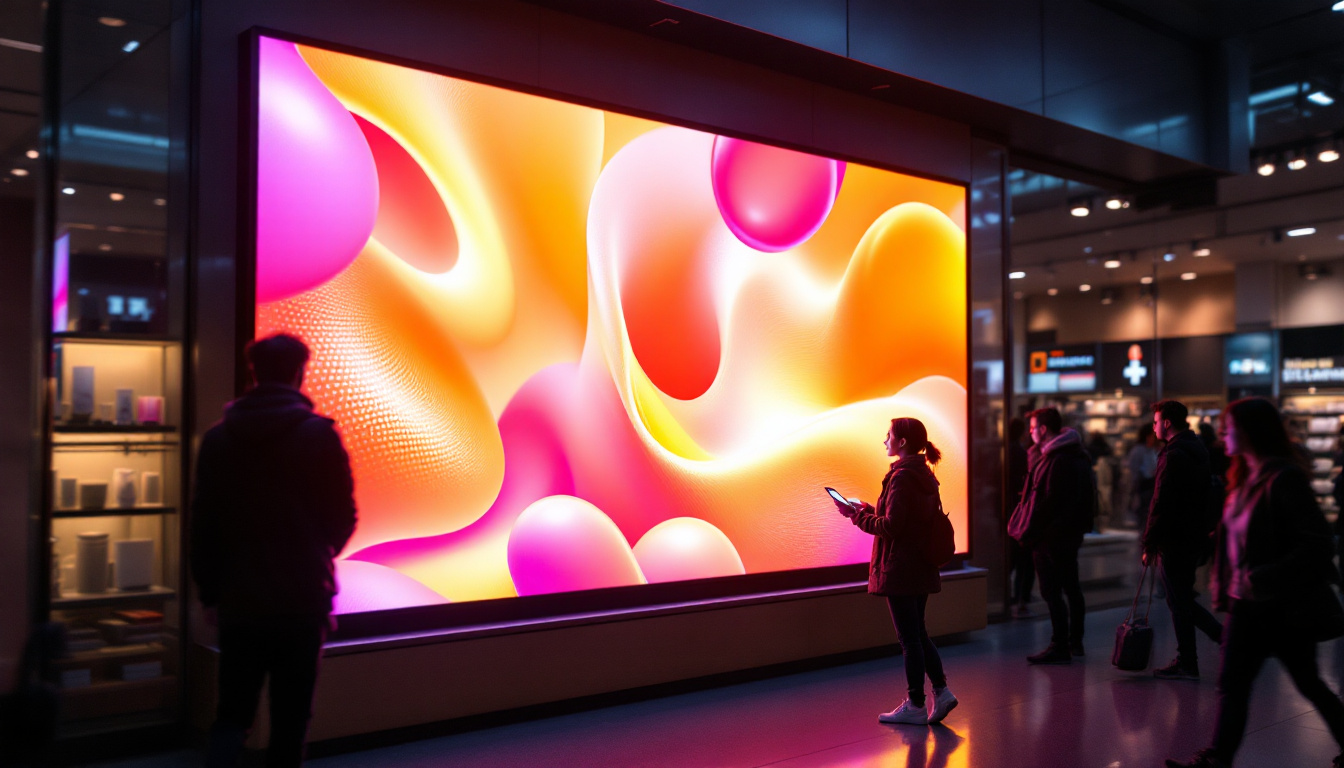
Billboards and digital signage often use massive LED arrays that wrap around buildings or span irregular surfaces. Matrix projection calculators enable advertisers to project crisp, undistorted images that capture attention and convey messages effectively, regardless of the display’s shape.
Event and Stage Displays
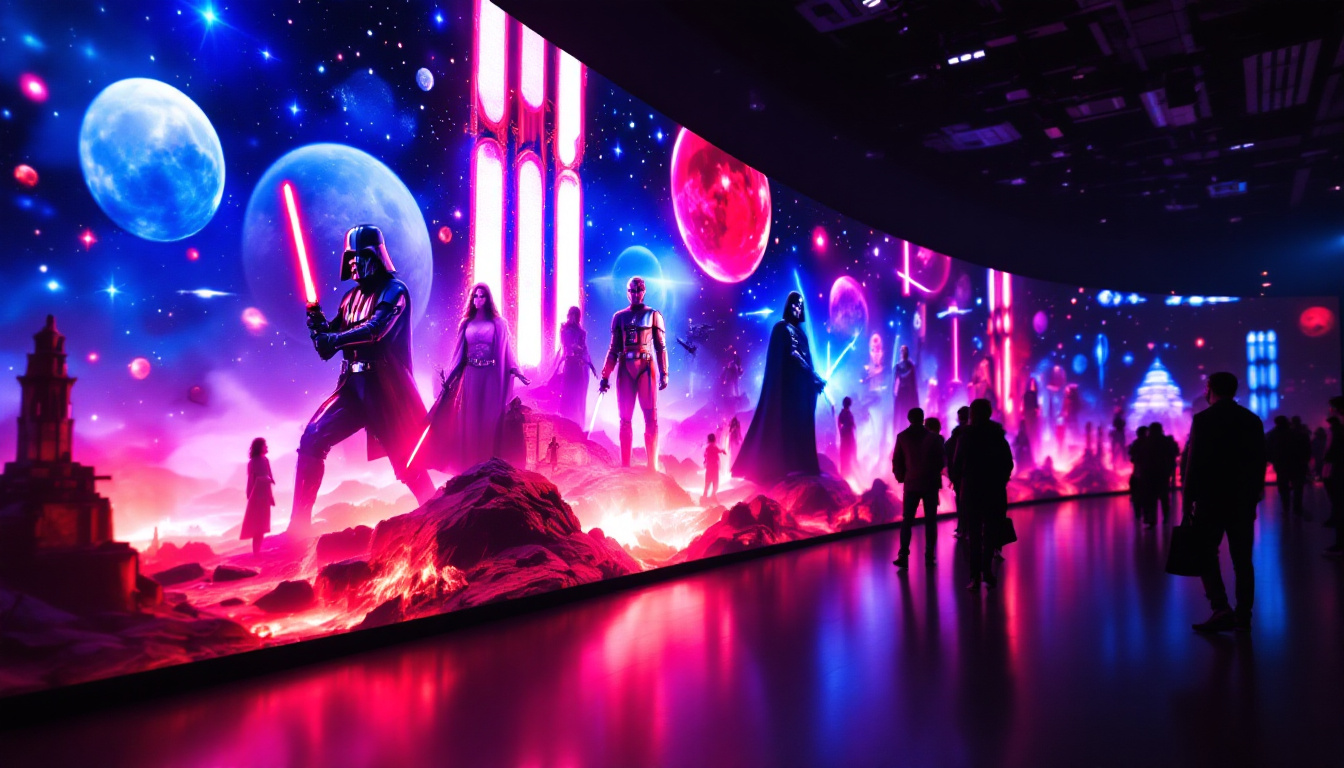
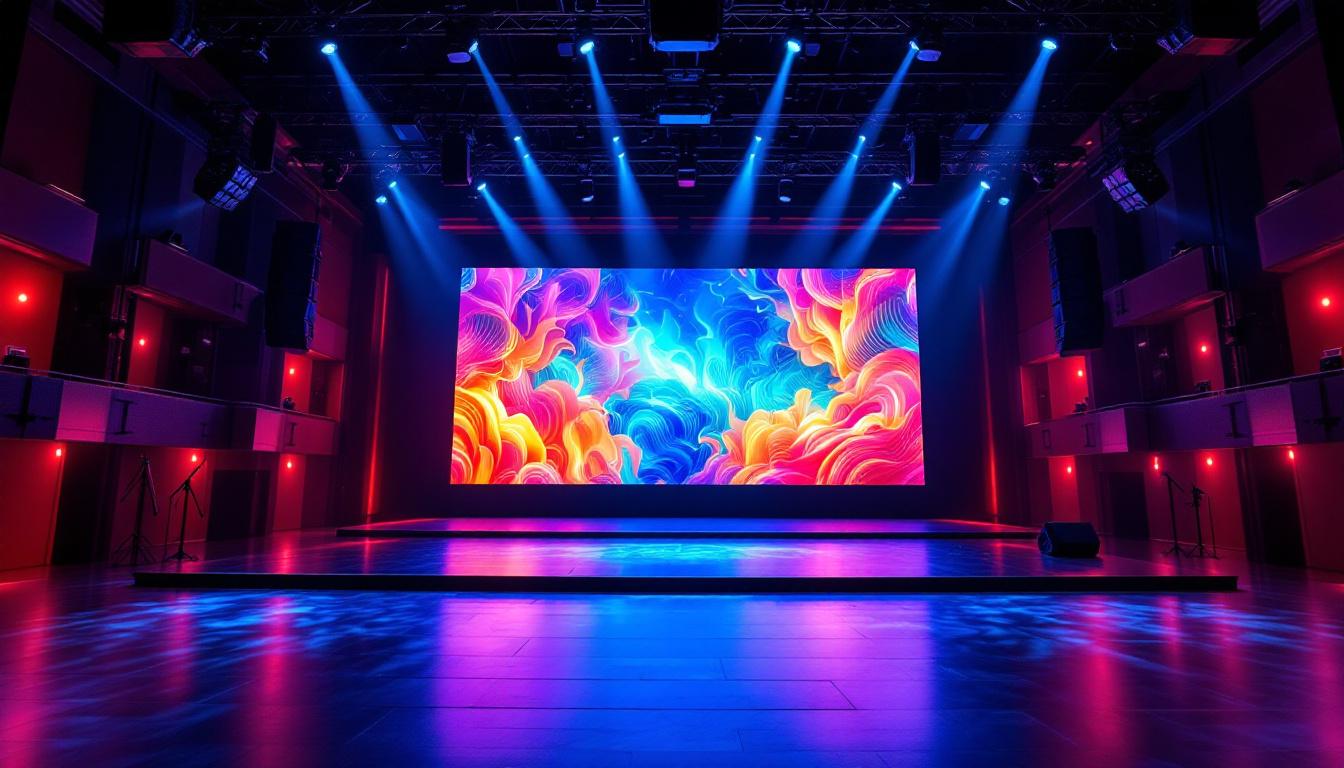
Concerts, conferences, and live events frequently deploy LED walls with unique configurations—curved, angled, or segmented—to enhance visual impact. Accurate matrix projection ensures that video content aligns perfectly with the physical setup, creating immersive experiences for audiences.
Architectural and Artistic Installations
LED displays integrated into architectural elements or public art installations require precise image mapping to complement structural designs. Matrix projection calculators facilitate these complex setups, allowing artists and architects to push the boundaries of digital expression.
Choosing the Right Matrix Projection Calculator
With numerous matrix projection tools available—ranging from standalone software to integrated features in LED control systems—selecting the right calculator depends on project requirements and user expertise.
Key Features to Consider
- User Interface: Intuitive design and ease of use can significantly reduce setup time and errors.
- Compatibility: Support for various LED control hardware and content formats ensures seamless integration.
- Advanced Capabilities: Support for 3D projection, curved surfaces, and multi-panel arrays is essential for complex installations.
- Real-Time Preview: The ability to visualize transformations before deployment helps verify accuracy.
- Support and Documentation: Comprehensive guides and responsive technical support enhance user confidence.
Popular Matrix Projection Tools
Industry professionals often rely on software such as MadMapper, Resolume Arena, and specialized LED control suites that incorporate matrix projection calculators. These tools offer robust features tailored to the demands of modern LED display projects.
Future Trends in Matrix Projection and LED Displays
As LED technology advances, matrix projection techniques continue to evolve, driven by innovations in hardware and software.
Integration with AI and Machine Learning
Emerging systems are beginning to incorporate artificial intelligence to automate projection adjustments based on real-time environmental data. This can enhance image quality and reduce manual calibration efforts, especially in dynamic or outdoor environments.
Higher Resolution and Pixel Density
The push for ultra-high-definition LED displays with smaller pixel pitches demands more precise projection calculations. Matrix projection calculators will need to handle increasingly complex data sets to maintain image fidelity at these scales.
Augmented Reality and Interactive Displays
Matrix projection is also playing a role in the development of interactive LED installations that respond to user input or integrate augmented reality elements, requiring sophisticated mapping and real-time adjustments.
Conclusion
Matrix projection calculators are indispensable tools in the design and deployment of LED displays. By enabling precise geometric transformations, they ensure that images are rendered accurately across a variety of display configurations, enhancing visual impact and user experience. As LED technology continues to advance, mastering matrix projection will remain a critical skill for professionals seeking to deliver cutting-edge digital displays.
Understanding the interplay between LED hardware specifications and matrix projection mathematics empowers designers and engineers to push the boundaries of what is possible in visual communication. Whether for advertising, entertainment, or artistic expression, the matrix projection calculator is a cornerstone of modern LED display technology.
Discover LumenMatrix’s Advanced LED Solutions
Ready to elevate your visual projects with the precision of matrix projection and the brilliance of LED technology? LumenMatrix is at the forefront of this innovation, offering a diverse range of LED display solutions tailored to your needs. From immersive indoor walls to dynamic outdoor displays and beyond, our products are designed to captivate and engage your audience. Experience the future of visual communication with LumenMatrix and transform your space into a vibrant canvas of possibilities. Check out LumenMatrix LED Display Solutions today and bring your vision to life.