In today’s fast-evolving digital landscape, visual communication plays a pivotal role in how businesses, educators, and public venues engage their audiences. Among the most impactful technologies driving this transformation are smart wall displays, particularly those utilizing LED technology. This article delves into the world of LED displays, exploring their technology, applications, benefits, and future trends to provide a comprehensive understanding of why smart wall displays are becoming indispensable tools in modern environments.
Understanding LED Technology: The Foundation of Smart Wall Displays
What is an LED Display?
LED stands for Light Emitting Diode, a semiconductor device that emits light when an electric current passes through it. LED displays are composed of numerous tiny LEDs arranged in a matrix to form images, videos, or text. Unlike traditional display technologies such as LCD or plasma, LEDs produce their own light, which results in brighter, more vibrant images with higher contrast ratios. This self-illuminating property allows for greater energy efficiency, as LEDs consume less power than their counterparts while delivering superior brightness and color accuracy.
Smart wall displays leverage this LED technology to create large-scale, high-resolution screens that can be interactive or static, depending on the application. The modular nature of LED panels allows for scalable sizes, making them suitable for everything from small conference rooms to massive stadium screens. Furthermore, advancements in LED technology have led to the development of features such as dynamic color adjustment and enhanced refresh rates, which significantly improve the viewing experience, especially in fast-paced environments like sports events or live broadcasts.
Types of LED Displays
LED displays come in several forms, each tailored to specific use cases:
- Indoor LED Displays: Designed for environments with controlled lighting, these displays offer high pixel density for crisp images up close. They are commonly used in retail stores, corporate offices, and control rooms. The ability to display high-definition content makes them perfect for presentations, advertising, and even art installations, where visual impact is crucial.
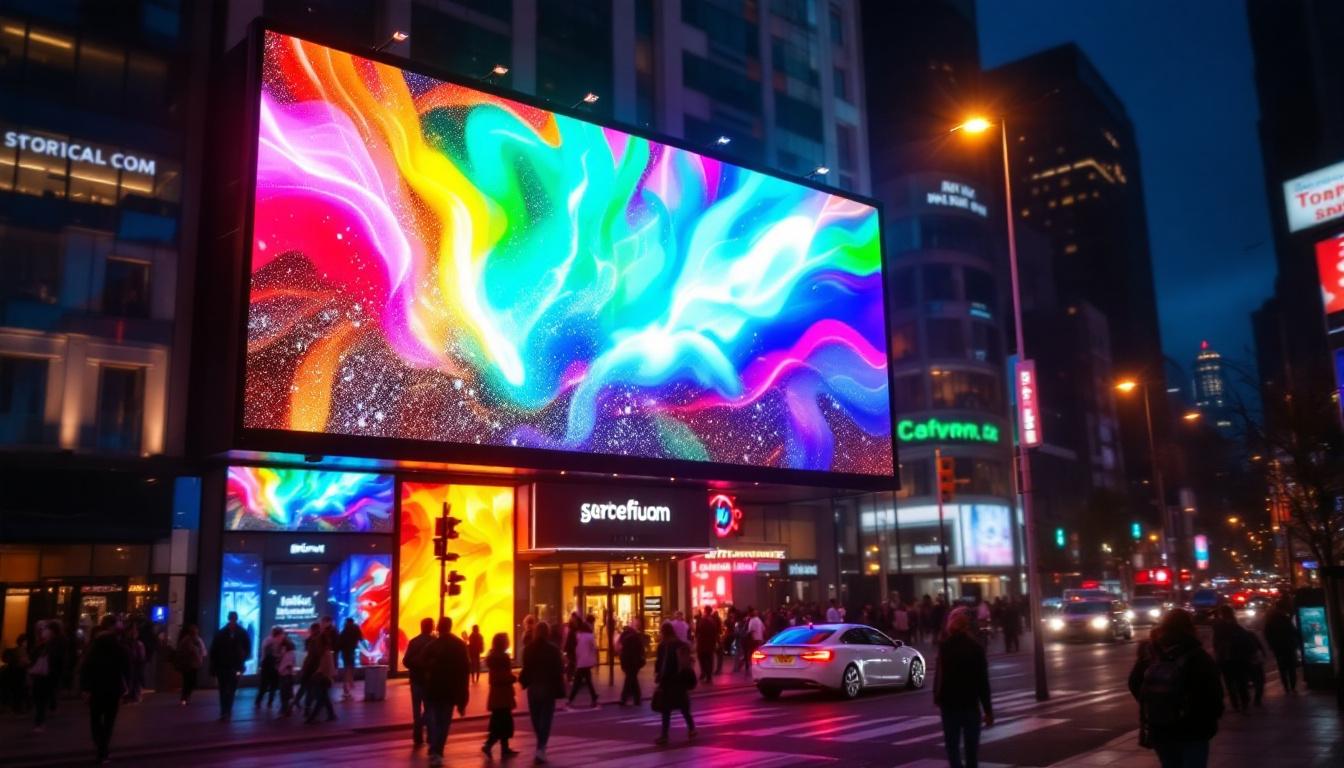
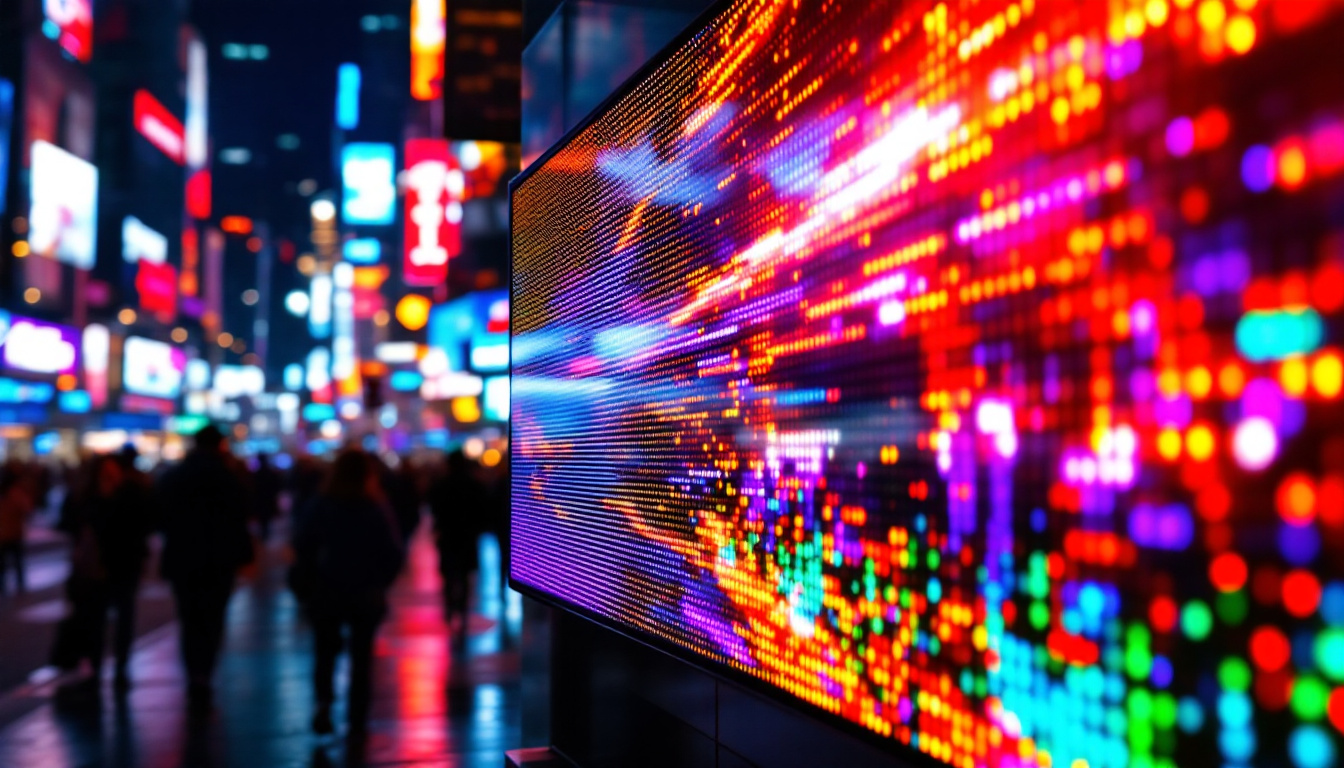
- Outdoor LED Displays: Built to withstand weather elements, these displays are brighter to combat sunlight glare and often feature waterproof and dustproof enclosures. They are ideal for billboards, sports arenas, and public information boards. With the integration of smart technology, outdoor displays can also adapt their brightness based on ambient light conditions, ensuring optimal visibility at all times.
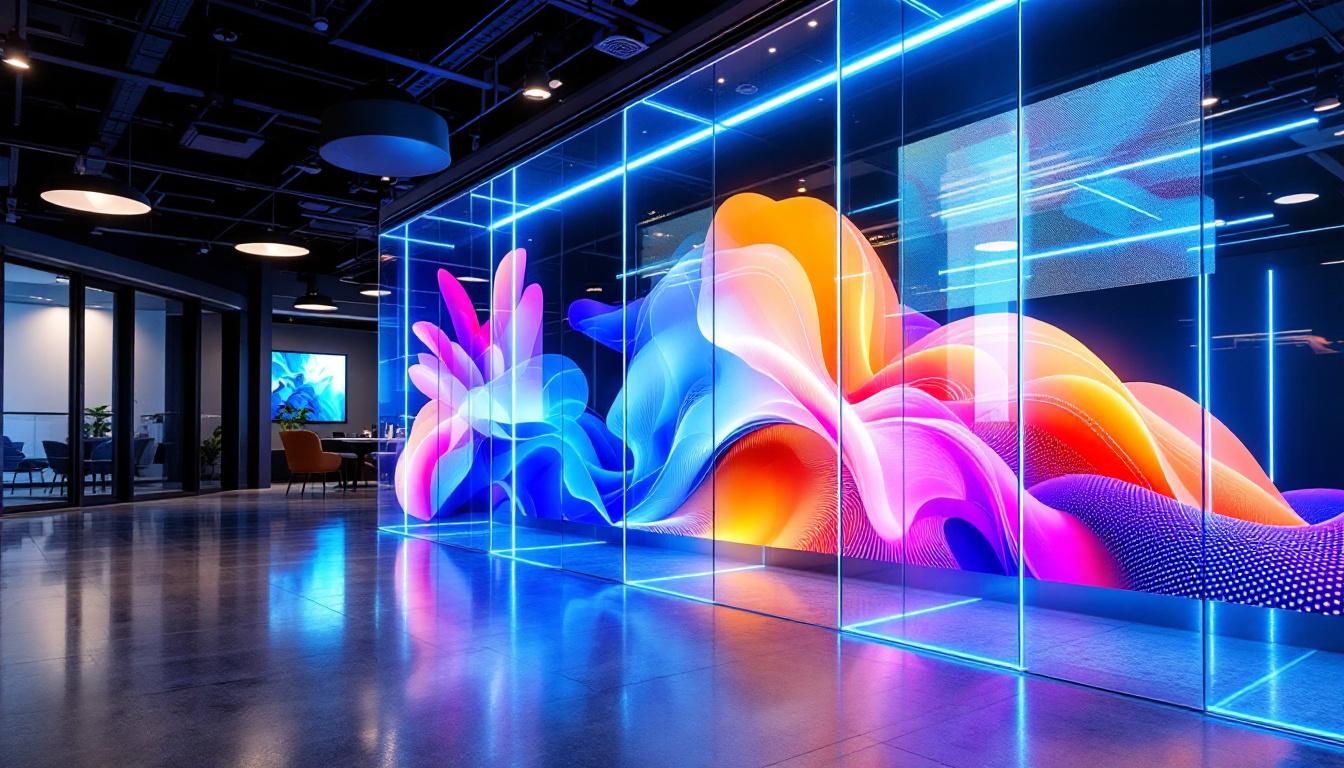
- Transparent LED Displays: These innovative screens allow light to pass through, enabling them to be installed on glass surfaces without blocking the view. This makes them popular in retail windows and architectural installations. Their unique design not only enhances the aesthetic appeal of a space but also provides an engaging way to showcase products or information without obstructing the natural light.
- Flexible LED Displays: Utilizing bendable substrates, these displays can curve around surfaces, opening new possibilities for creative design and immersive experiences. They are increasingly being used in modern architecture and interior design, allowing for dynamic installations that can transform a space and captivate audiences in ways traditional displays cannot.
In addition to these types, LED technology is continually evolving, with innovations such as microLED and miniLED displays gaining traction. MicroLED technology, for instance, utilizes microscopic LEDs that can be individually controlled, leading to unprecedented levels of brightness and color accuracy, as well as improved energy efficiency. This technology holds promise for future applications in both consumer electronics and large-scale installations, pushing the boundaries of what is possible with display technology.
Moreover, the integration of smart features into LED displays has revolutionized their functionality. Many modern displays come equipped with built-in sensors, enabling them to interact with viewers and adjust content based on audience engagement. This capability is particularly beneficial in retail environments, where targeted advertising can lead to increased customer interaction and sales. The fusion of LED technology with artificial intelligence and data analytics is set to further enhance the capabilities of smart wall displays, making them not just visual tools, but intelligent systems that can adapt and respond to their surroundings.
Key Advantages of Smart LED Wall Displays
Superior Visual Quality
One of the most compelling reasons to choose LED displays is their exceptional visual performance. LEDs provide vibrant colors, deep blacks, and high brightness levels that remain consistent even in brightly lit environments. This makes content more engaging and easier to see from a distance, which is crucial for public displays and advertising.
Energy Efficiency and Longevity
Compared to traditional lighting and display technologies, LEDs consume significantly less power. According to the U.S. Department of Energy, LED lighting can be up to 75% more energy-efficient than incandescent lighting. This efficiency translates into lower operating costs for businesses using large-scale LED wall displays. Additionally, LEDs have a longer lifespan—often exceeding 50,000 hours—reducing maintenance and replacement expenses.
Customization and Scalability
Smart LED wall displays are highly modular, allowing for tailored sizes and shapes to fit unique spaces. Whether it’s a seamless video wall in a corporate lobby or a curved display in a museum exhibit, LED panels can be configured to meet precise design requirements. This scalability ensures that organizations can start with smaller installations and expand as needed without compromising quality.
Interactivity and Smart Integration
Modern smart wall displays often incorporate touch technology, sensors, and connectivity features that enable interactive experiences. Integration with IoT devices, content management systems, and cloud platforms allows for real-time updates and dynamic content delivery. This interactivity enhances user engagement and provides valuable data insights for businesses and institutions.
Applications of Smart LED Wall Displays Across Industries
Corporate and Business Environments
In offices and conference rooms, smart LED wall displays serve as powerful tools for presentations, video conferencing, and collaborative work. Their ability to deliver sharp, bright images ensures that information is clearly communicated, even in large meeting spaces. Companies also use these displays for digital signage in lobbies and common areas to reinforce branding and share announcements.
Retail and Advertising
Retailers leverage LED wall displays to create eye-catching window displays, in-store promotions, and interactive product showcases. According to a study by Nielsen, digital signage can increase customer engagement by up to 47.7%, underscoring the effectiveness of dynamic visual content. Outdoor LED billboards also dominate the advertising landscape due to their visibility and adaptability.
Education and Training
Educational institutions are adopting smart LED displays to enhance learning experiences. Large, high-resolution screens facilitate interactive lessons, virtual field trips, and multimedia presentations. In training environments, these displays support simulations and real-time data visualization, improving knowledge retention and engagement.
Entertainment and Events
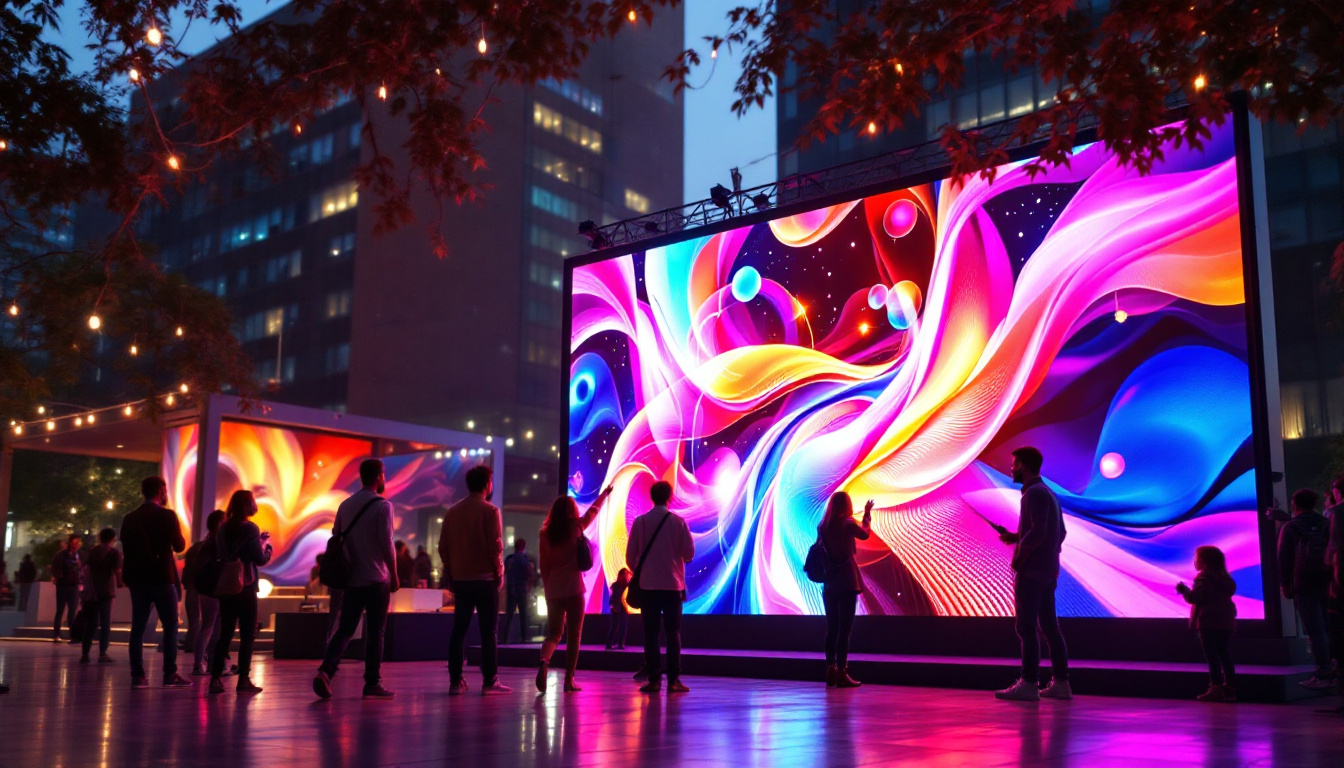
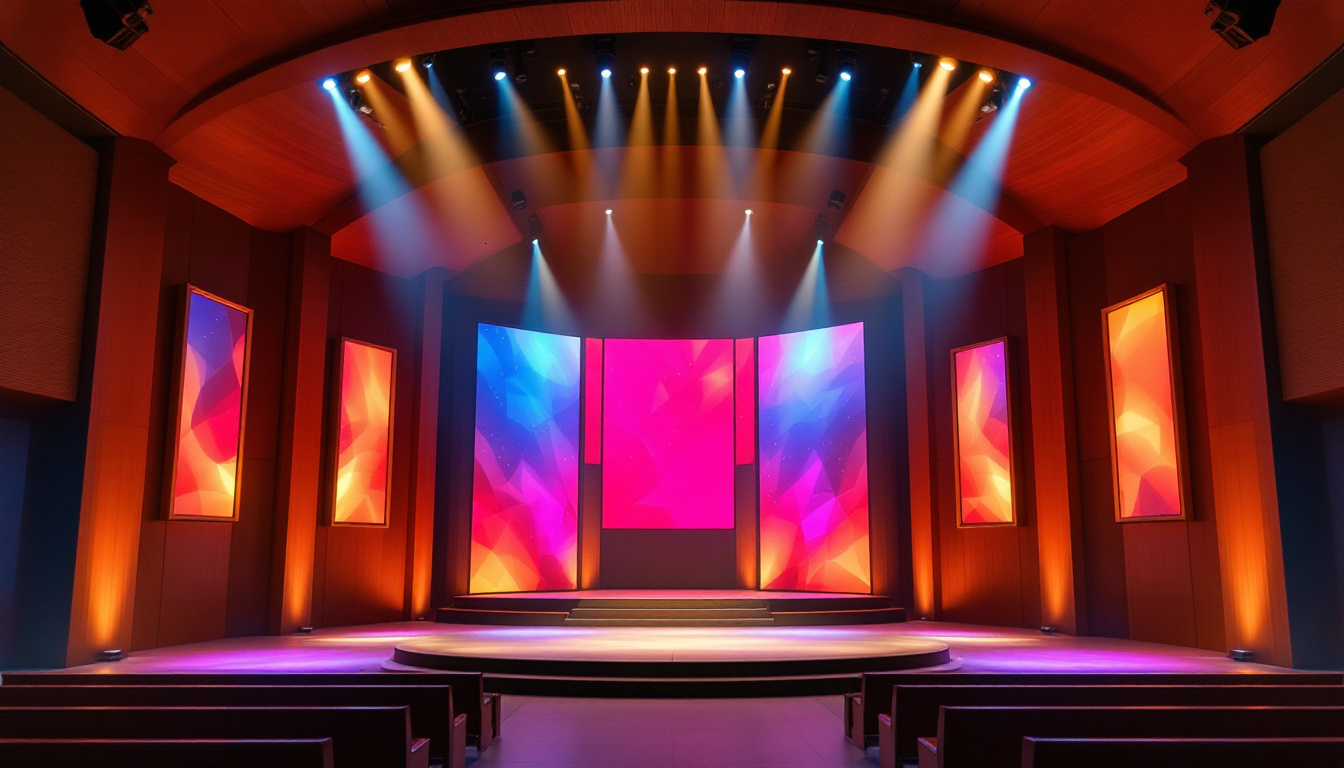
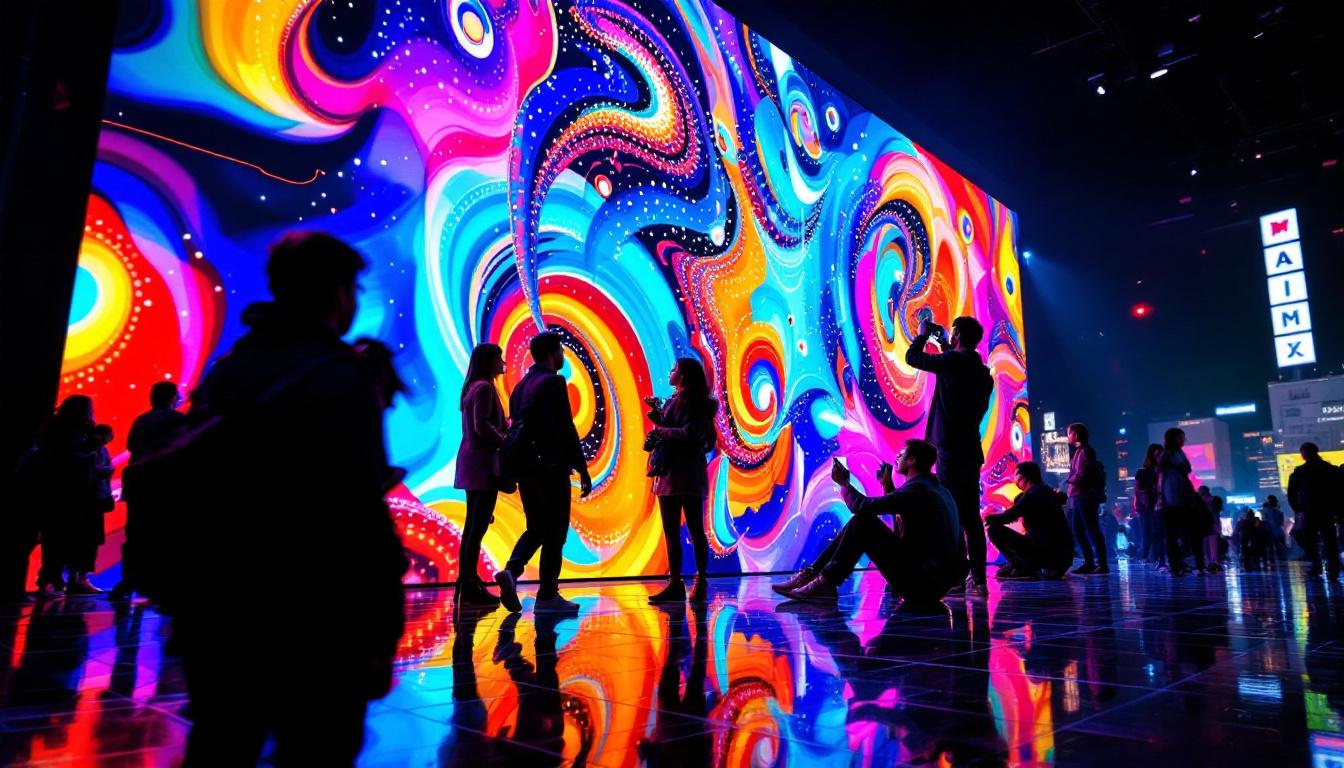
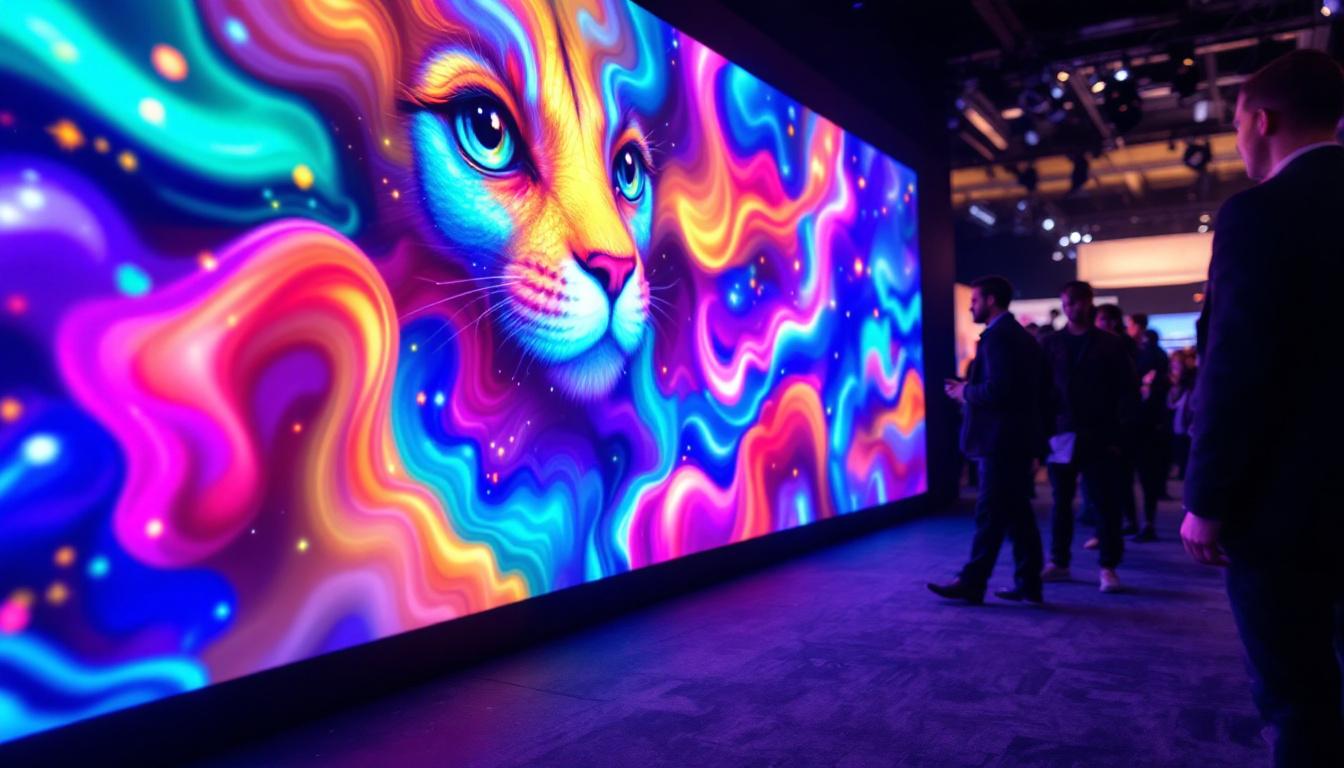
From concert backdrops to sports arenas, LED wall displays create immersive environments that captivate audiences. Their ability to produce vivid visuals on a grand scale makes them essential for live events, exhibitions, and theatrical productions. The flexibility of LED technology allows for custom shapes and dynamic content that adapt to the event’s theme.
Public Spaces and Transportation
Smart LED displays are increasingly common in airports, train stations, and city centers for wayfinding, public announcements, and advertising. Their durability and brightness make them suitable for high-traffic areas where clear communication is critical. Additionally, transparent LED displays are used in architectural glass to provide information without obstructing views.
Technical Considerations When Choosing an LED Wall Display
Pixel Pitch and Resolution
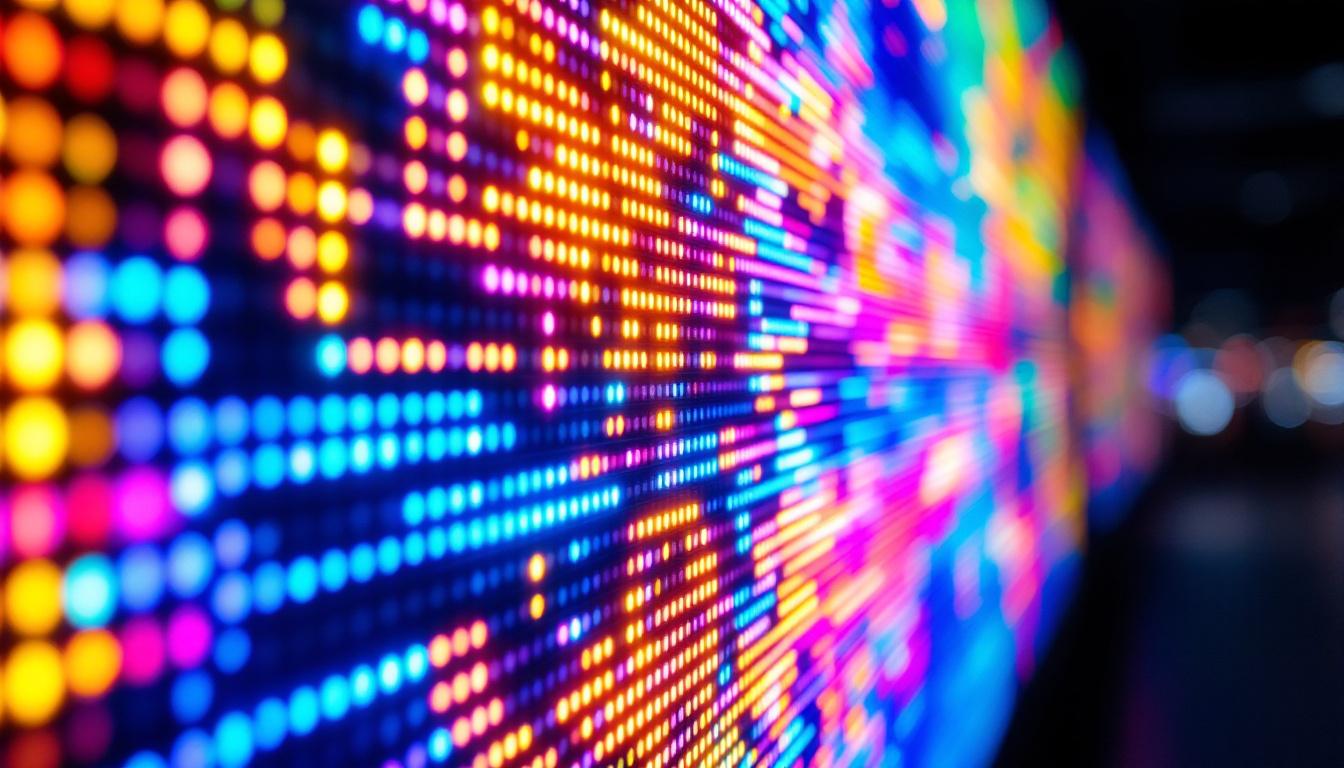
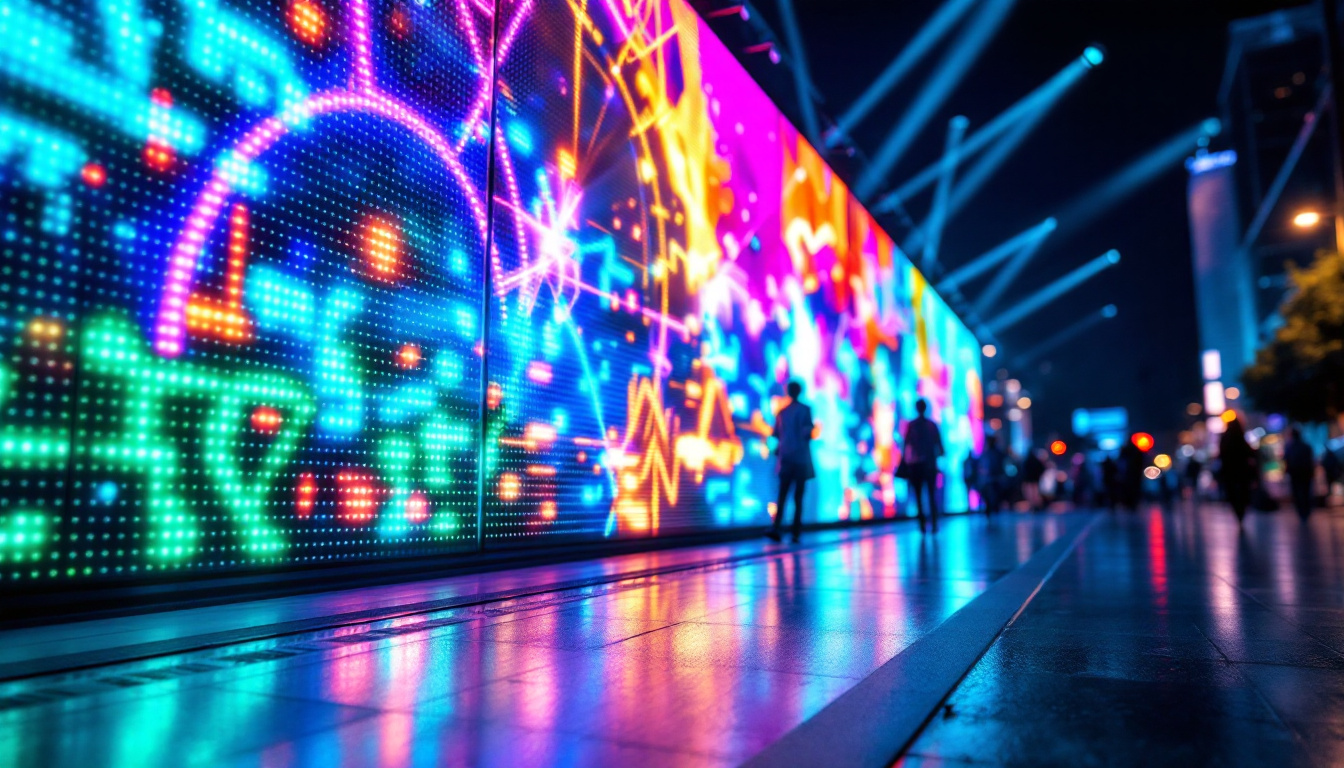
Pixel pitch, the distance between individual LEDs, directly affects image clarity. Smaller pixel pitches result in higher resolution and finer detail, which is essential for displays viewed at close range. For example, indoor LED walls typically have pixel pitches ranging from 0.9mm to 3mm, while outdoor displays may have pitches between 4mm and 20mm due to viewing distance requirements.
Brightness and Contrast Ratio
Brightness is measured in nits and determines how well a display performs under various lighting conditions. Outdoor LED displays often exceed 5,000 nits to remain visible in direct sunlight, whereas indoor displays typically range from 800 to 1,500 nits. Contrast ratio, the difference between the darkest black and brightest white, influences image depth and realism.
Refresh Rate and Color Accuracy
A high refresh rate reduces flicker and motion blur, which is important for video content and live broadcasts. Most modern LED displays offer refresh rates above 3,000 Hz, ensuring smooth visuals. Color accuracy is also critical, especially for branding and advertising, and can be enhanced through calibration and advanced processing technologies.
Installation and Maintenance
Proper installation is vital for optimal performance and longevity. LED wall displays require precise alignment and secure mounting to avoid image distortion. Maintenance considerations include accessibility for panel replacement and cleaning, as well as software updates for smart features. Many manufacturers offer service contracts to ensure ongoing support.
The Future of Smart LED Wall Displays
Advancements in MicroLED and MiniLED Technologies
Emerging technologies like MicroLED and MiniLED promise to revolutionize smart wall displays by offering even higher resolution, improved energy efficiency, and thinner form factors. MicroLEDs, composed of microscopic LEDs, deliver superior brightness and color accuracy without the burn-in issues associated with OLEDs. These innovations will enable more immersive and versatile display solutions.
Integration with Artificial Intelligence and Augmented Reality
Artificial intelligence (AI) is beginning to enhance content personalization and display management. AI algorithms can analyze viewer demographics and behavior to tailor content dynamically, increasing engagement and effectiveness. Meanwhile, augmented reality (AR) integration allows LED walls to interact with physical environments, creating hybrid experiences that blend digital and real-world elements.
Sustainability and Eco-Friendly Designs
As environmental concerns grow, manufacturers are focusing on sustainable materials and energy-saving designs. Advances in LED efficiency and recycling programs aim to reduce the carbon footprint of large-scale displays. Additionally, smart wall displays are being integrated with building management systems to optimize energy use based on occupancy and ambient light.
Conclusion: Why Smart LED Wall Displays Are a Strategic Investment
Smart LED wall displays represent a convergence of cutting-edge technology, design flexibility, and practical benefits that make them indispensable in a variety of settings. Their superior visual quality, energy efficiency, and scalability provide organizations with a powerful medium to communicate, engage, and inspire audiences. By understanding the technical aspects and potential applications, decision-makers can select the right LED display solutions that align with their goals and future-proof their investments.
As LED technology continues to advance, the possibilities for smart wall displays will expand, offering even more innovative ways to transform spaces and experiences. Embracing this technology today positions businesses and institutions at the forefront of digital communication and visual storytelling.
Discover LumenMatrix’s Innovative LED Display Solutions
Ready to elevate your space with the latest in LED display technology? LumenMatrix offers a comprehensive range of cutting-edge LED display modules, from vibrant Indoor and Outdoor LED Wall Displays to dynamic Vehicle and Sports LED Displays. Whether you’re looking to create an immersive retail environment with our LED Poster and Transparent Displays, engage fans with our LED Sports Displays, or customize your message with our Custom and All-in-One LED solutions, LumenMatrix has you covered. Experience how our state-of-the-art LED displays can transform your visual communication and captivate your audience. Check out LumenMatrix LED Display Solutions today and join the revolution in digital storytelling.