In the rapidly evolving world of digital technology, LED displays have become a cornerstone of modern visual communication. From massive outdoor billboards to the screens in smartphones and televisions, LED technology powers a vast array of devices that shape how information and entertainment are delivered. This article delves into the fundamental concept of pixels in LED displays, explaining their structure, functionality, and the technological advancements that continue to enhance image quality and energy efficiency.
Understanding Pixels: The Building Blocks of LED Displays
What Is a Pixel?
A pixel, short for “picture element,” is the smallest unit of a digital image or display. In the context of LED displays, each pixel is a tiny light-emitting diode or a cluster of diodes that can emit light in various colors. When thousands or millions of these pixels work together, they form the images and videos we see on screens.
Pixels are fundamental because they determine the resolution and clarity of an image. The more pixels a display has, the higher its resolution, allowing for finer detail and smoother visuals. For example, a 4K LED display contains approximately 8.3 million pixels, providing exceptional image sharpness compared to lower-resolution screens.
How Pixels Work in LED Displays
Each pixel in an LED display typically consists of three sub-pixels: red, green, and blue (RGB). By varying the intensity of these sub-pixels, the display can produce a wide spectrum of colors through a process called additive color mixing. This principle is the foundation of how LED screens render full-color images.
The control system of the display adjusts the brightness of each sub-pixel thousands of times per second, creating dynamic images and videos. This rapid modulation allows for smooth motion and vivid color transitions, essential for applications ranging from digital signage to high-definition television.
Types of LED Displays and Pixel Configurations
Direct View LED Displays
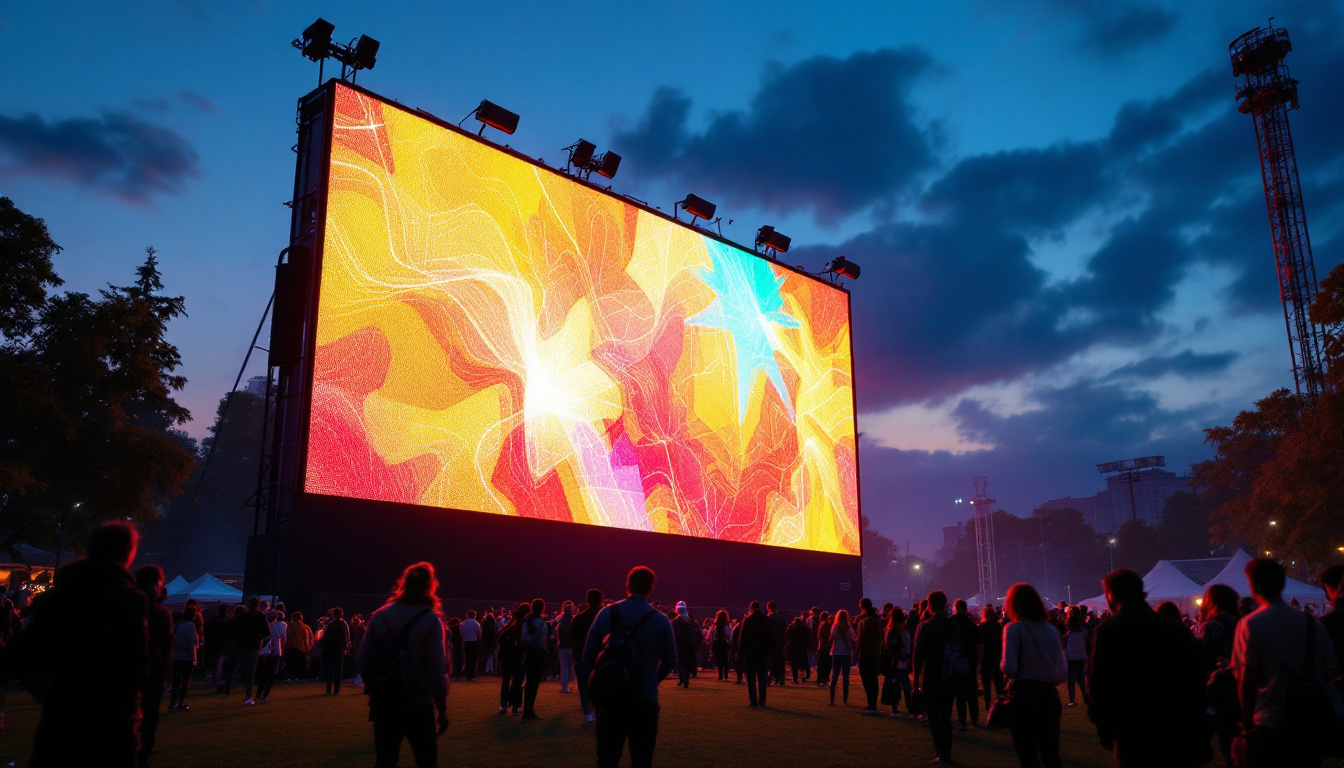
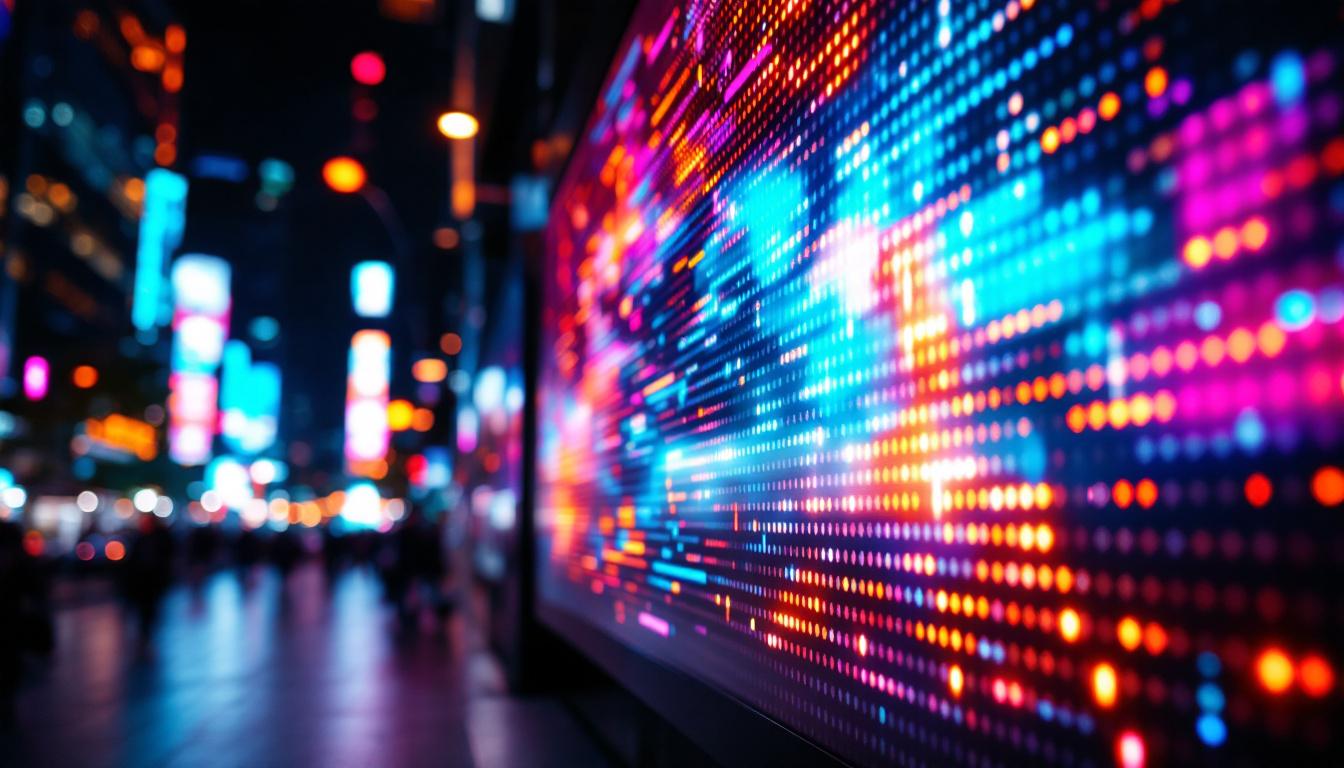
Direct view LED (DVLED) displays are composed of individual LEDs arranged in a matrix, where each LED or cluster of LEDs forms a pixel. These displays are commonly used for large-scale applications such as stadium screens, outdoor advertising billboards, and concert backdrops. The pixel pitch, which is the distance between the centers of two adjacent pixels, plays a crucial role in image quality and viewing distance.
For instance, a smaller pixel pitch (e.g., 1.2 mm) means pixels are packed more densely, resulting in higher resolution and better image clarity at close viewing distances. Conversely, larger pixel pitches (e.g., 10 mm or more) are suitable for displays viewed from afar, where individual pixels are less discernible.
LED-backlit LCD Displays
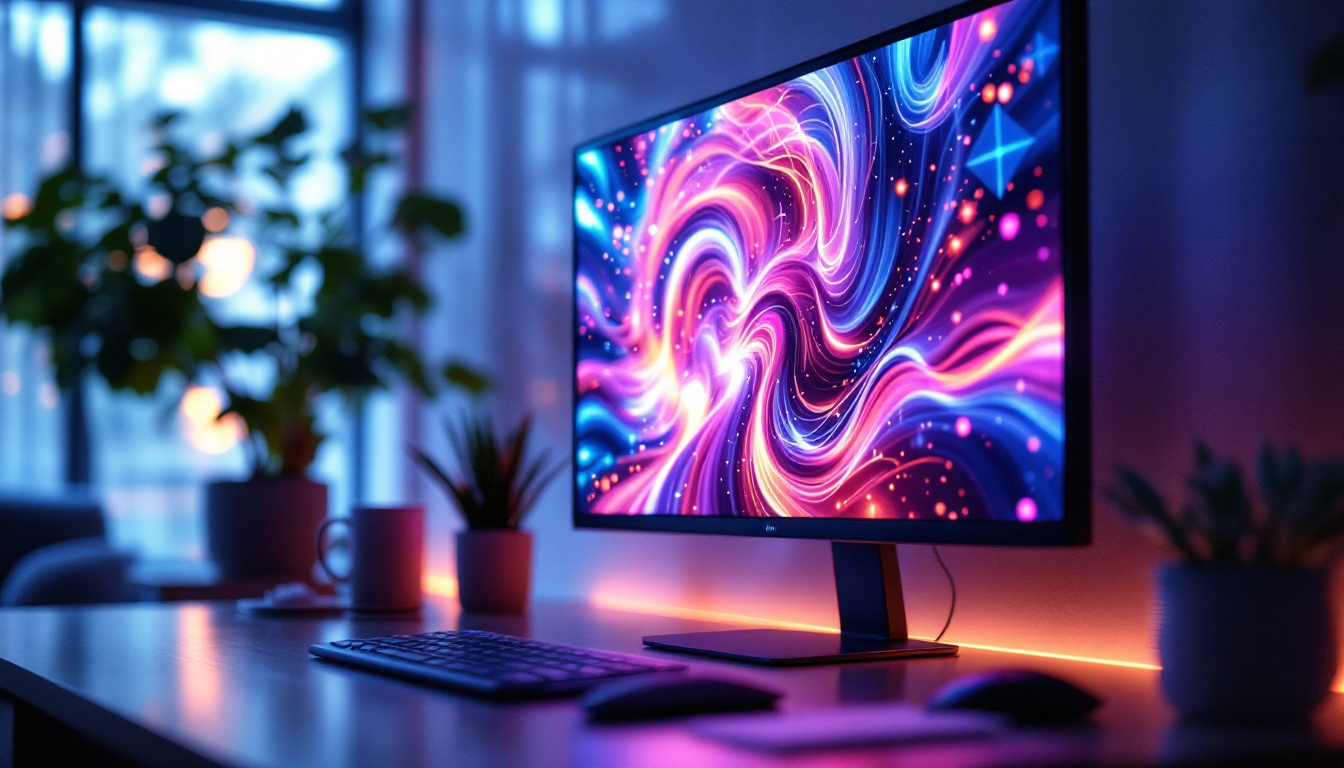
Many modern televisions and monitors use LED-backlit LCD technology, where LEDs serve as a backlight behind an LCD panel rather than forming the image directly. In this setup, the LCD layer controls the color and brightness of each pixel by filtering the light emitted from the LEDs. This approach allows for thinner screens and improved energy efficiency compared to traditional CCFL backlighting.
Though the pixels in LED-backlit LCDs are defined by the LCD matrix, the quality of the LED backlighting significantly impacts the display’s brightness, contrast, and color accuracy. Advances such as local dimming, where LED zones can be dimmed independently, have enhanced the dynamic range and black levels of these displays.
MicroLED: The Next Generation
MicroLED technology represents a significant leap forward in LED display design. MicroLED displays use microscopic LEDs as individual pixels, combining the advantages of direct view LED displays with the precision and resolution of OLED technology. Each microLED emits its own light, enabling perfect blacks, high brightness, and exceptional color accuracy without the risk of burn-in.
Though still in the early stages of commercial adoption, MicroLED displays promise to revolutionize everything from smartphones to large-format TVs and digital signage by offering unparalleled image quality and energy efficiency.
Technical Aspects of LED Pixels
Pixel Density and Resolution
Pixel density, measured in pixels per inch (PPI), is a critical specification that affects the sharpness of an LED display. Higher pixel density means more pixels are packed into each inch of the display, resulting in finer detail and smoother images. For example, smartphone displays typically have pixel densities above 300 PPI, which is considered the threshold for “retina” quality, where individual pixels are indistinguishable to the human eye at normal viewing distances.
In large LED screens, pixel density is often balanced against viewing distance to optimize cost and performance. For example, a stadium scoreboard might have a pixel pitch of 10 mm, which is sufficient for viewers seated hundreds of feet away, while a retail store display might use a 2 mm pitch for close-up viewing.
Color Accuracy and Calibration
Color accuracy in LED displays depends on the quality of the LEDs and the precision of the control electronics. High-end LED displays undergo rigorous calibration to ensure that colors are rendered faithfully, matching industry standards such as sRGB, Adobe RGB, or DCI-P3 color spaces. This is especially important in professional environments like broadcast studios, medical imaging, and digital art.
Calibration involves adjusting the intensity of each RGB sub-pixel to achieve uniform brightness and correct color balance across the entire display. Advanced calibration systems use sensors and software algorithms to maintain color consistency over time, compensating for LED aging and environmental factors.
Brightness and Contrast
LED displays are known for their high brightness levels, often exceeding 1,000 nits for outdoor screens and 500 nits or more for indoor displays. High brightness ensures visibility even under direct sunlight or brightly lit environments. Contrast ratio, the difference between the darkest black and the brightest white a display can produce, is another crucial metric. Direct view LED displays can achieve extremely high contrast ratios because LEDs can be turned off completely to produce true blacks.
In comparison, LED-backlit LCDs rely on the LCD panel’s ability to block light, which can limit contrast. Technologies such as local dimming and quantum dots have been developed to enhance contrast and color performance in these displays.
Applications of LED Pixel Technology
Advertising and Digital Signage
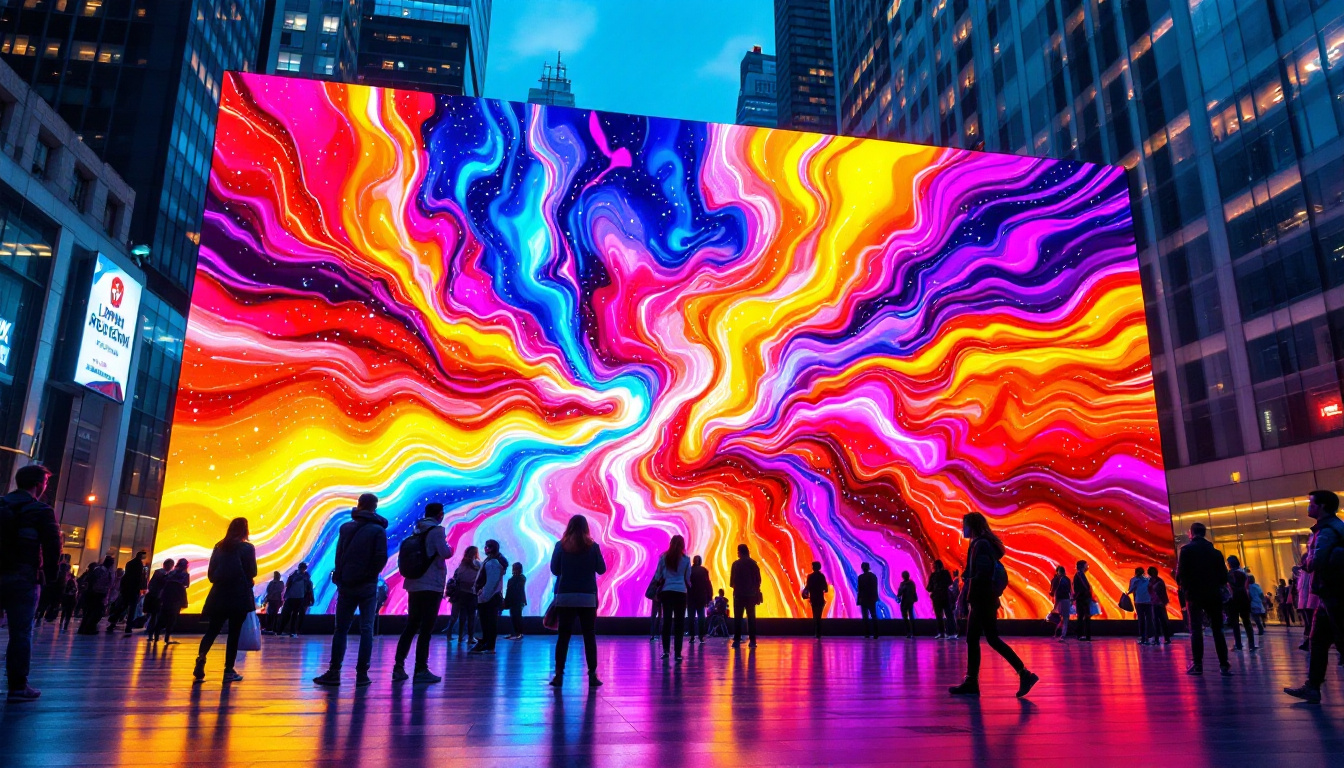
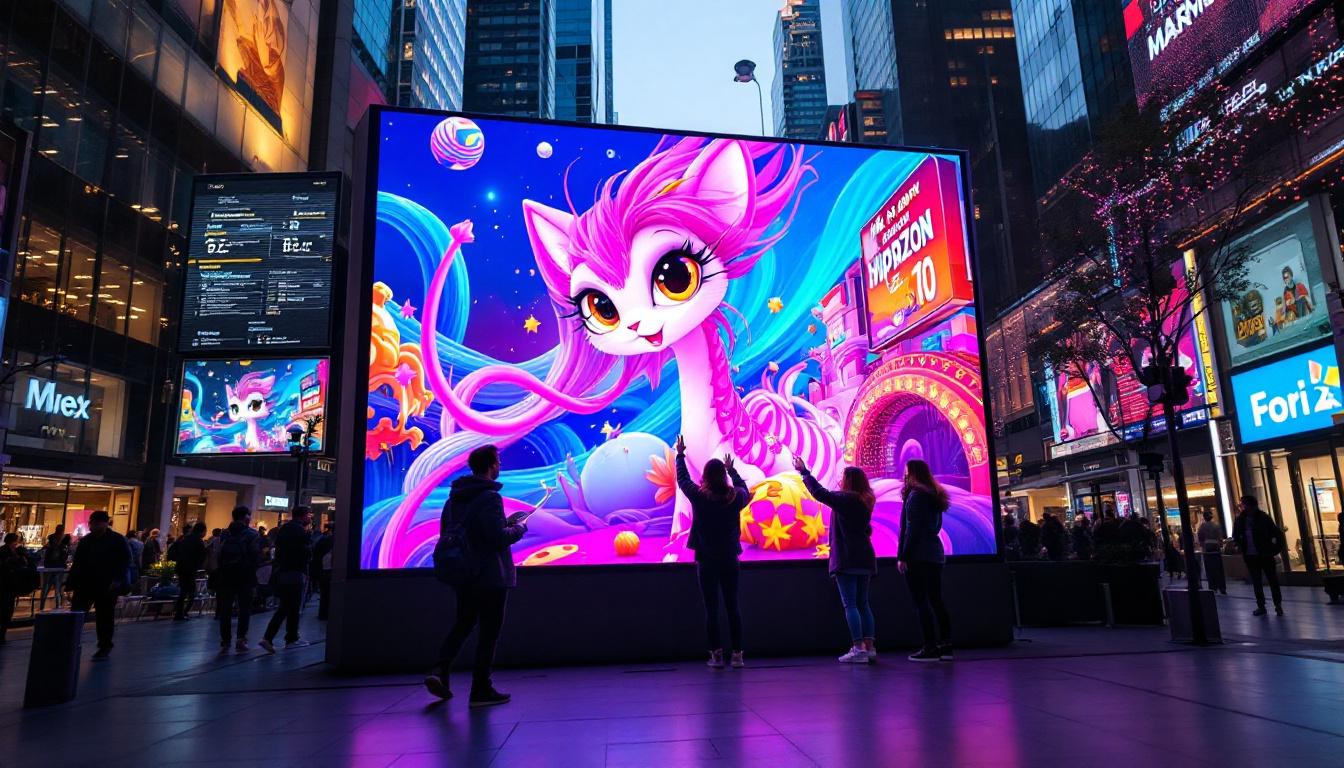
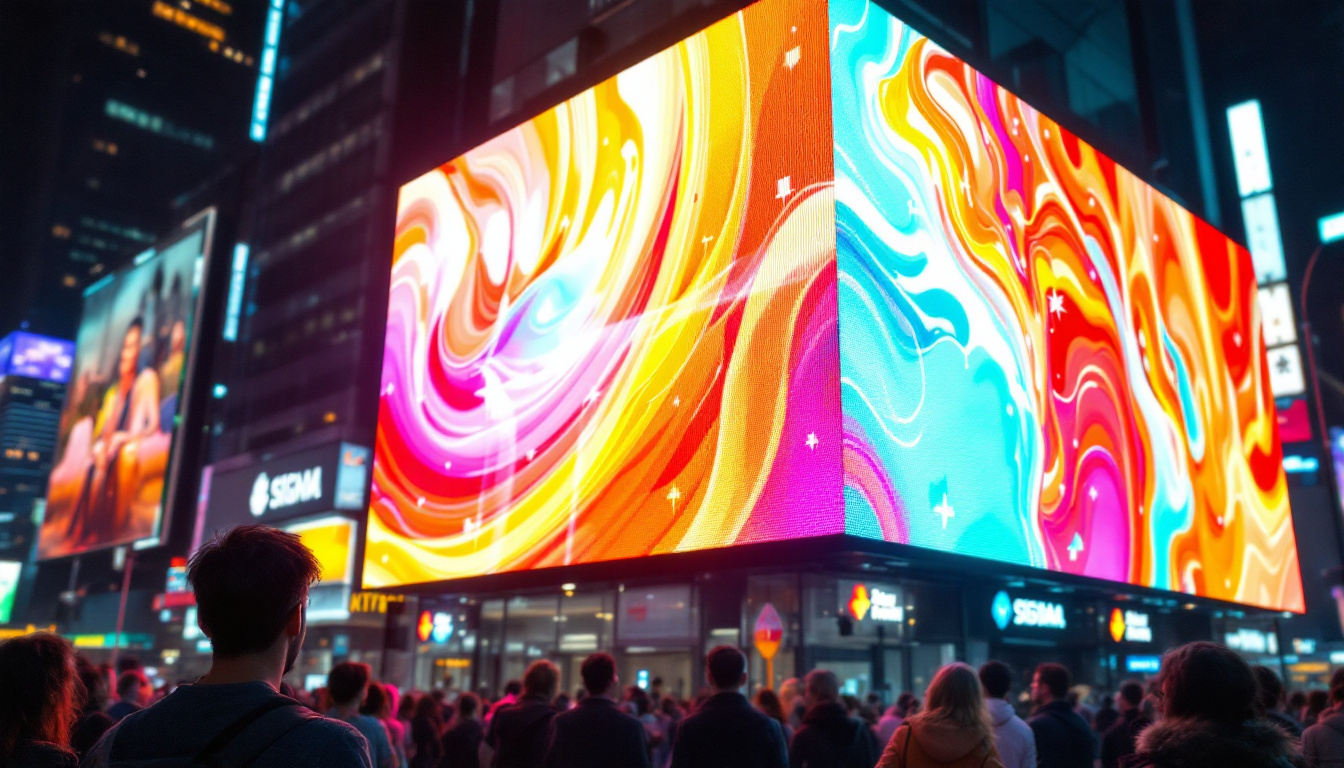
One of the most visible applications of LED pixel technology is in advertising and digital signage. LED billboards and displays offer dynamic content capabilities that static signs cannot match. They allow advertisers to update messages in real-time, target specific audiences, and create immersive brand experiences with vibrant visuals and animations.
According to market research, the global digital signage market is expected to grow at a CAGR of over 8% through 2027, driven by increasing demand for interactive and high-resolution displays in retail, transportation, and public spaces. LED displays, with their scalability and brightness, are often the preferred choice for these applications.
Entertainment and Events
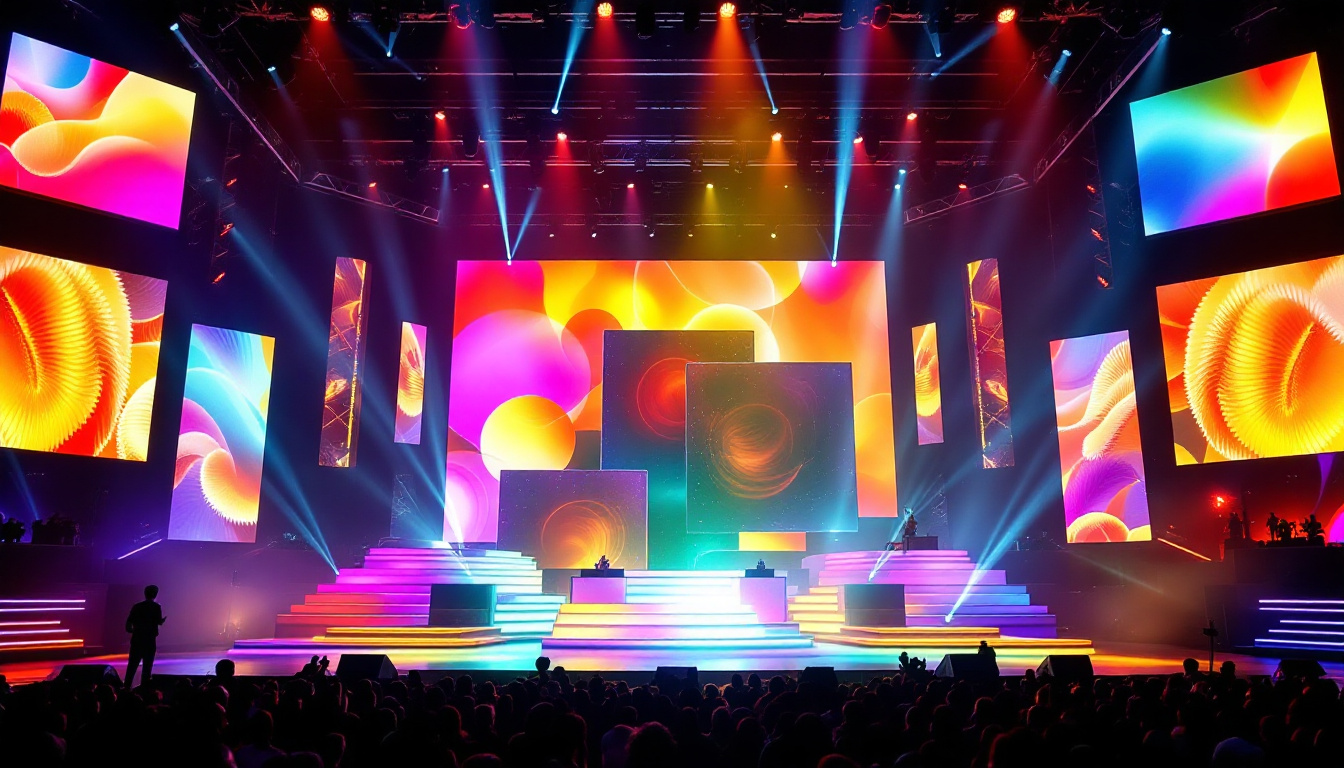
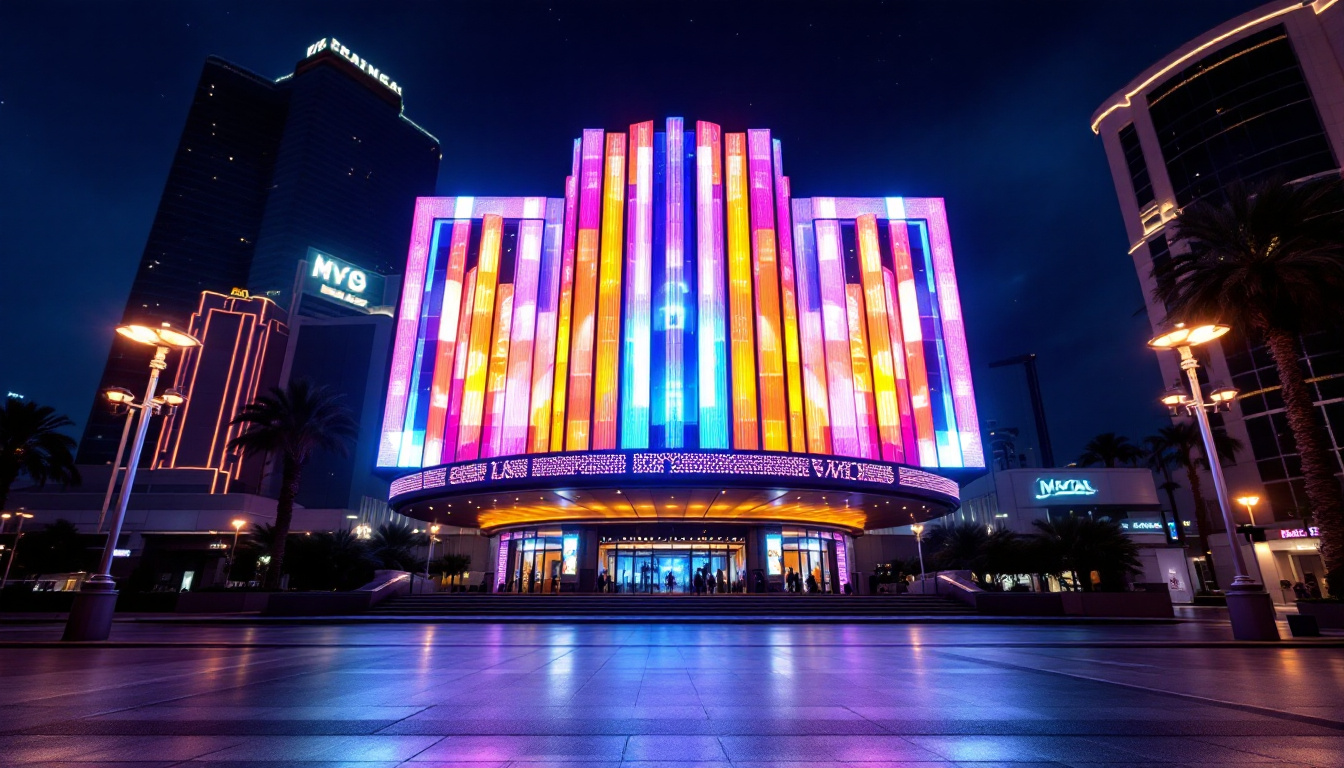
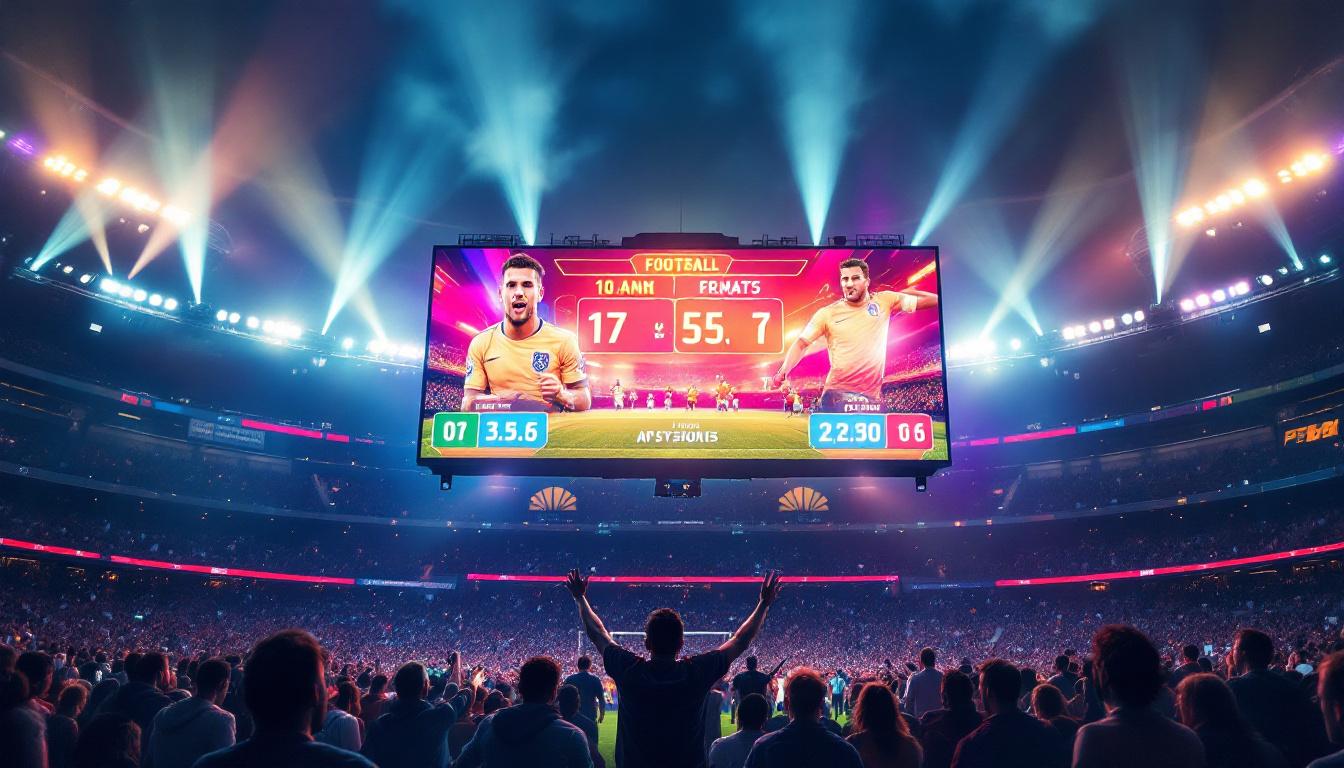
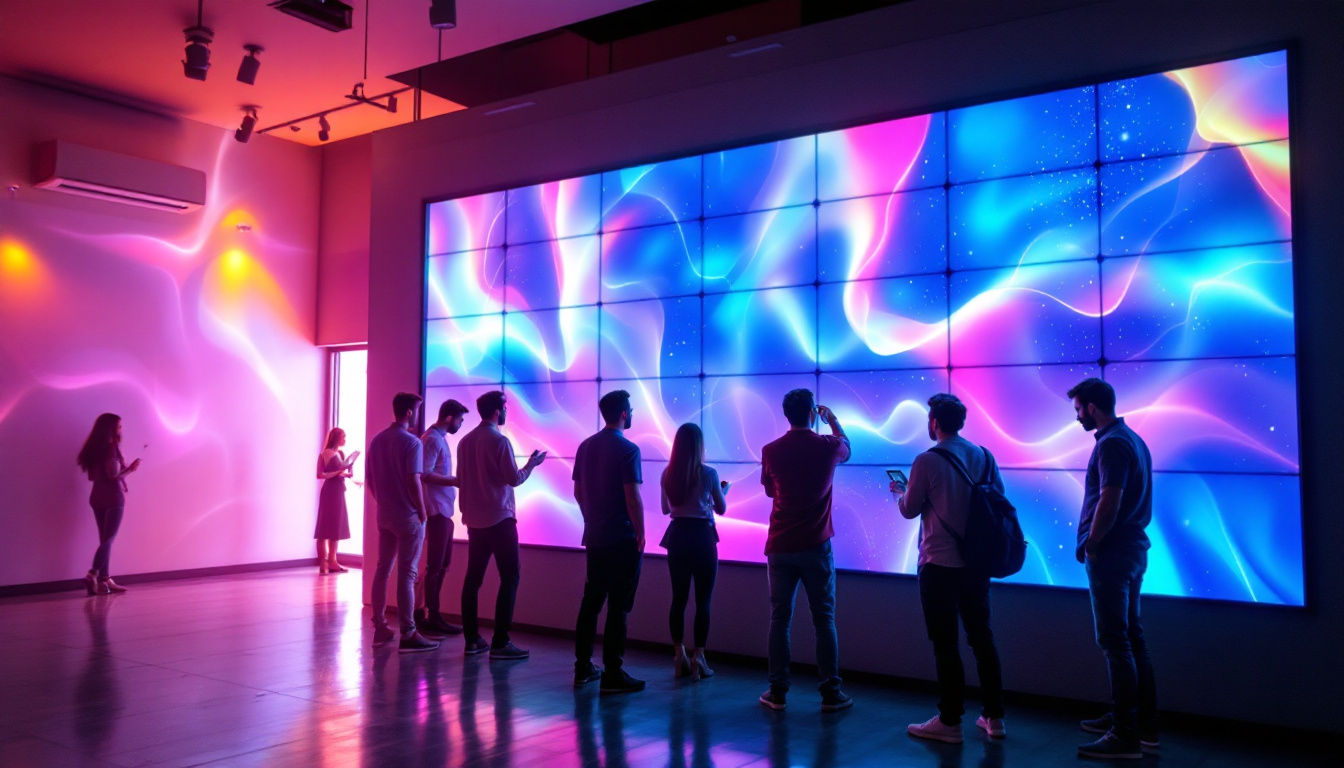
Concerts, sports arenas, and theatrical productions utilize large LED displays to enhance audience engagement. These displays serve as backdrops, scoreboards, and information panels, providing high-impact visuals that complement live performances. The flexibility of LED pixels allows for creative content mapping on irregular surfaces, enabling unique visual effects.
Recent advancements in flexible and transparent LED displays have expanded creative possibilities, allowing for innovative stage designs and immersive environments that captivate audiences worldwide.
Consumer Electronics
In consumer electronics, LED pixel technology underpins the displays of smartphones, tablets, laptops, and televisions. The push for higher resolution, better color accuracy, and energy efficiency drives continuous innovation in pixel design and LED materials. Technologies like OLED and MicroLED, which offer self-emissive pixels, are gaining traction for their superior image quality and thinner form factors.
Manufacturers compete to deliver displays with higher refresh rates, wider color gamuts, and improved HDR performance, all of which rely on precise control of LED pixels to meet the demands of discerning consumers.
Future Trends and Innovations in LED Pixel Technology
Miniaturization and Pixel Density Improvements
As fabrication techniques advance, the size of individual LEDs continues to shrink, enabling higher pixel densities and more detailed images. This miniaturization is essential for applications such as augmented reality (AR) and virtual reality (VR), where displays must be compact yet deliver immersive visuals.
Research into novel materials like perovskites and quantum dots aims to enhance LED efficiency and color purity, further improving pixel performance and reducing power consumption.
Energy Efficiency and Sustainability
Energy consumption is a significant consideration in large-scale LED displays, especially those operating continuously outdoors. Innovations in LED chip design, driver electronics, and cooling systems contribute to reducing power usage without compromising brightness or image quality.
Moreover, sustainable manufacturing practices and recycling initiatives are becoming integral to the LED display industry, addressing environmental concerns associated with electronic waste and resource use.
Integration with AI and Smart Technologies
Artificial intelligence (AI) is increasingly being integrated into LED display systems to optimize content delivery, maintenance, and energy management. AI algorithms can analyze viewing patterns to tailor advertisements, detect pixel failures for proactive repairs, and adjust brightness dynamically based on ambient light conditions.
Smart LED displays connected to the Internet of Things (IoT) enable seamless content updates and remote management, enhancing operational efficiency and user experience.
Conclusion
LED pixels are at the heart of modern display technology, enabling vibrant, high-resolution images across a wide range of applications. Understanding the structure and function of pixels in LED displays provides insight into how these devices achieve their remarkable visual performance. As technology advances, innovations in pixel design, materials, and control systems will continue to push the boundaries of what LED displays can achieve, offering brighter, more energy-efficient, and visually stunning experiences for users worldwide.
Whether in advertising, entertainment, or consumer electronics, the evolution of LED pixel technology remains a driving force behind the future of digital displays.
Discover Cutting-Edge LED Displays with LumenMatrix
As you’ve seen, LED pixel technology is transforming the way we experience digital content, and the possibilities are endless. If you’re inspired to elevate your visual communication with the latest in LED display technology, look no further than LumenMatrix. Our extensive range of solutions, from Indoor and Outdoor LED Wall Displays to innovative LED Sports and Transparent Displays, is designed to captivate and engage your audience. Embrace the future of digital displays and check out LumenMatrix LED Display Solutions today to see how our state-of-the-art products can enhance your brand visibility and create unforgettable visual experiences.