In the rapidly evolving world of display technology, LED screens have become a dominant force, offering vibrant visuals, energy efficiency, and versatile applications. Among the many sizes available, the 55-inch LED display stands out as a popular choice for both personal and professional use. This article delves into the intricacies of 55-inch LED displays, exploring their technology, features, benefits, and practical applications to help you make an informed decision.
Understanding LED Display Technology
What is an LED Display?
LED, or Light Emitting Diode, displays use an array of tiny light-emitting diodes to produce images. Unlike traditional LCD screens that rely on backlighting, LED displays use these diodes as the light source, resulting in brighter images, deeper blacks, and enhanced contrast. The 55-inch LED display refers to the diagonal measurement of the screen, a size that balances immersive viewing with space efficiency.
LED technology has evolved significantly since its inception. Modern LED displays often incorporate advanced features such as local dimming, HDR (High Dynamic Range), and wide color gamuts, which contribute to superior picture quality. Additionally, LED displays can be categorized into direct LED and edge-lit LED, each with distinct characteristics affecting brightness and uniformity. The introduction of quantum dot technology has further enhanced LED displays, allowing for even more vibrant colors and improved energy efficiency, making them a popular choice for both home and commercial use.
How Does a 55-Inch LED Display Work?
At the core, a 55-inch LED display consists of millions of microscopic LEDs arranged in a grid. Each LED emits light in red, green, or blue, and by varying the intensity of these LEDs, the display produces a full spectrum of colors. This pixel-level control allows for precise image rendering and smooth gradients. The refresh rate of the display, typically measured in hertz (Hz), also plays a crucial role in how fluid motion appears on screen, making it essential for watching fast-paced content like sports or action movies.
In direct LED displays, LEDs are positioned directly behind the screen, providing uniform brightness and better contrast. Edge-lit LED displays place LEDs along the edges of the screen, using light guides to distribute illumination. While edge-lit models are typically thinner and more affordable, direct LED displays often deliver superior picture quality, especially in larger sizes like 55 inches. Furthermore, the integration of smart technology into LED displays has transformed them into multifunctional devices, enabling users to stream content, browse the internet, and even control smart home devices directly from their screens. This convergence of technology not only enhances user experience but also makes LED displays a central hub for entertainment and connectivity in modern living spaces.
Key Features of 55-Inch LED Displays
Resolution and Picture Quality
The resolution of a 55-inch LED display is crucial for determining image clarity. Common resolutions include Full HD (1920×1080 pixels) and 4K Ultra HD (3840×2160 pixels). In recent years, 4K has become the standard for 55-inch screens, offering four times the pixel count of Full HD and resulting in sharper, more detailed images.
High Dynamic Range (HDR) support is another important feature. HDR enhances the contrast and color accuracy of the display, allowing for more lifelike images with brighter highlights and deeper shadows. Many 55-inch LED displays now support HDR10 or Dolby Vision, making them ideal for watching movies, gaming, or professional content creation.
Refresh Rate and Response Time
Refresh rate, measured in Hertz (Hz), indicates how many times per second the display updates its image. A higher refresh rate, such as 120Hz or 144Hz, results in smoother motion, which is particularly beneficial for gaming and fast-paced video content. Most 55-inch LED TVs and monitors offer at least 60Hz, but models targeting gamers or sports enthusiasts often feature higher rates.
Response time measures how quickly a pixel can change from one color to another, affecting motion blur and ghosting. Lower response times (measured in milliseconds) are preferred for fast-moving visuals. While typical LED displays have response times between 5ms and 8ms, gaming-oriented models can go as low as 1ms.
Smart Features and Connectivity
Modern 55-inch LED displays often come equipped with smart capabilities, integrating operating systems like Android TV, Roku, or proprietary platforms. These features enable users to stream content from popular services such as Netflix, Amazon Prime Video, and YouTube without needing external devices.
Connectivity options are equally important. HDMI ports, USB inputs, Bluetooth, and Wi-Fi support allow for versatile connections to gaming consoles, sound systems, external storage, and mobile devices. Some models also include voice control compatibility with assistants like Alexa or Google Assistant, enhancing user convenience.
Advantages of Choosing a 55-Inch LED Display
Optimal Screen Size for Versatility
The 55-inch size strikes a balance between immersive viewing and space efficiency. It is large enough to deliver a cinematic experience in living rooms, conference rooms, or classrooms, yet compact enough to fit comfortably in apartments or offices. This versatility makes 55-inch LED displays a favorite among consumers and businesses alike.
Furthermore, the size is ideal for a variety of uses, from watching movies and sports to gaming and professional presentations. It offers a comfortable viewing distance of about 7 to 11 feet, which is suitable for most home and office environments.
Energy Efficiency and Longevity
LED displays are known for their energy efficiency compared to older technologies like plasma or CCFL-backlit LCDs. The use of LEDs as a light source consumes less power, which can lead to significant savings on electricity bills over time, especially for commercial installations running displays for extended hours.
Additionally, LED displays tend to have longer lifespans, often exceeding 50,000 hours of use. This durability reduces the frequency and cost of replacements, making 55-inch LED displays a cost-effective investment in the long run.
Improved Viewing Experience
Thanks to advancements in LED technology, 55-inch displays offer superior brightness and contrast, enabling clear visibility even in well-lit rooms. This makes them suitable for diverse environments, from sunlit living spaces to brightly illuminated retail stores.
Wide viewing angles are another benefit, ensuring that image quality remains consistent when viewed from different positions. This is particularly important in social settings or collaborative workspaces where multiple people may be watching the screen simultaneously.
Applications of 55-Inch LED Displays
Home Entertainment
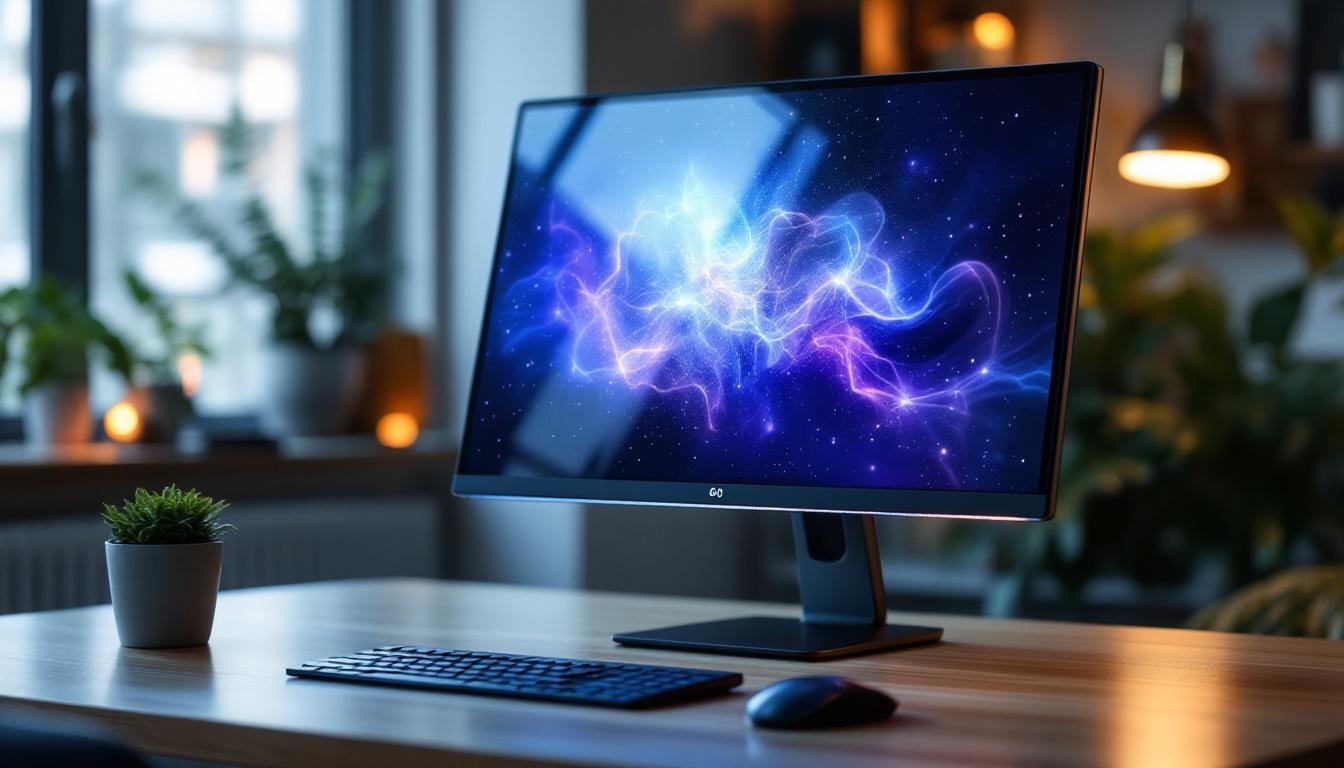
For home users, the 55-inch LED display is a popular choice for televisions and home theater setups. Its size offers an immersive experience without overwhelming the room, making it perfect for movie nights, streaming, and gaming. The integration of smart features further enhances convenience by providing easy access to a wide range of content.
Many consumers also appreciate the sleek design and slim profile of modern 55-inch LED TVs, which blend seamlessly with contemporary home decor.
Business and Professional Use
In corporate environments, 55-inch LED displays are often used for presentations, video conferencing, and digital signage. Their size is large enough to be seen clearly by small to medium-sized groups, making meetings more effective and engaging.
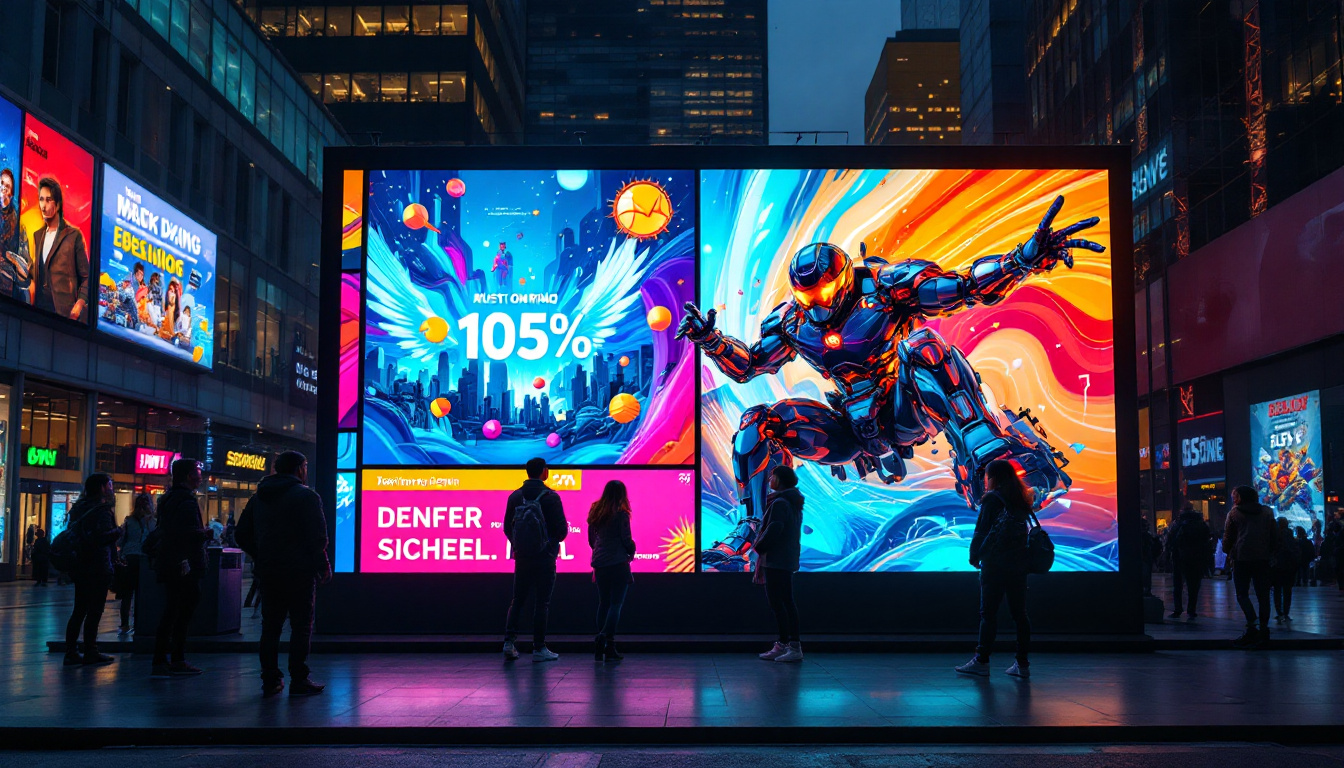
Retailers and event organizers utilize 55-inch LED displays for advertising and information dissemination. The bright, eye-catching visuals help attract customers and convey messages effectively, even in challenging lighting conditions.
Education and Training
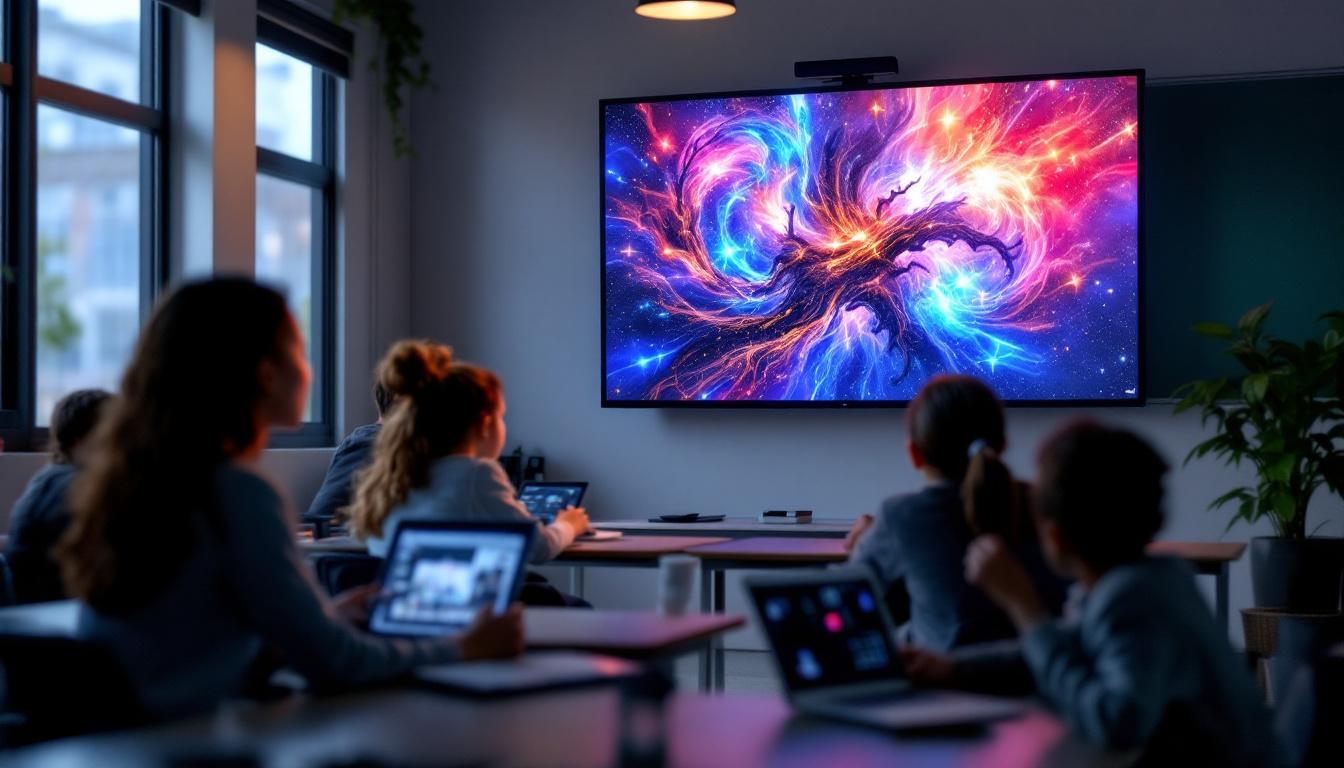
Educational institutions benefit from 55-inch LED displays by incorporating them into classrooms and lecture halls. These displays facilitate interactive learning, enabling teachers to present multimedia content with clarity and impact.
Training centers and workshops also use these screens to deliver instructional videos and live demonstrations, enhancing participant engagement and knowledge retention.
Choosing the Right 55-Inch LED Display
Consider Your Usage Needs
Before purchasing a 55-inch LED display, it is essential to evaluate how you intend to use it. For casual home viewing, prioritize resolution, HDR support, and smart features. Gamers should focus on refresh rate and response time, while business users may value connectivity options and durability.
Assess the Environment
Consider the lighting conditions and viewing distance in the intended space. For brightly lit rooms, a display with higher brightness and anti-reflective coatings will perform better. Ensure the screen size fits comfortably within the room without causing eye strain.
Budget and Brand Reliability
Price ranges for 55-inch LED displays vary widely, from budget-friendly models to premium units with advanced features. It is advisable to choose a reputable brand known for quality and customer support to ensure reliability and warranty coverage.
Future Trends in LED Display Technology
Mini-LED and Micro-LED Innovations
The LED display industry is witnessing exciting advancements such as Mini-LED and Micro-LED technologies. Mini-LED displays use thousands of smaller LEDs to provide finer local dimming zones, resulting in improved contrast and brightness. Micro-LED takes this further by employing microscopic LEDs as individual pixels, offering unparalleled color accuracy and energy efficiency.
These innovations are expected to become more accessible in the coming years, potentially transforming the performance and affordability of 55-inch LED displays.
Integration with AI and IoT
Artificial intelligence (AI) and the Internet of Things (IoT) are increasingly integrated into display technology. Smart LED displays can adapt brightness and color settings based on ambient conditions, user preferences, or content type. Voice control and gesture recognition are also becoming common, enhancing user interaction.
Such features will continue to evolve, making 55-inch LED displays more intuitive and personalized.
Conclusion
The 55-inch LED display represents a versatile and high-performing option in the realm of modern screens. Its combination of size, picture quality, energy efficiency, and smart capabilities makes it suitable for a wide range of applications, from home entertainment to professional use. Understanding the technology behind LED displays and the key features to consider ensures that buyers can select the right model to meet their specific needs.
As LED technology continues to advance, 55-inch displays will likely become even more impressive, delivering richer visuals and smarter functionality. Whether upgrading a living room TV or outfitting a conference room, the 55-inch LED display remains a compelling choice for those seeking quality and value in their viewing experience.
Discover LumenMatrix’s Advanced LED Display Solutions
Ready to elevate your visual experience with the latest in LED technology? Look no further than LumenMatrix, a pioneer in crafting LED displays that bring your content to life. Whether you’re seeking to enhance your home entertainment system, captivate your audience in a professional setting, or stand out with dynamic advertising, LumenMatrix offers a comprehensive range of solutions including Indoor and Outdoor LED Wall Displays, Vehicle LED Displays, and more. Embrace the future of visual communication and check out LumenMatrix LED Display Solutions today to transform your space with unparalleled clarity and impact.