When working with LED displays, understanding the precise measurements of the components is crucial for design, installation, and maintenance. One common measurement that often requires conversion is the pixel pitch or the size of individual LEDs, frequently expressed in inches but sometimes needed in millimeters. This article dives into the conversion of 0.7 inch to millimeters and explores its significance in the context of LED displays. Whether you are an engineer, designer, or enthusiast, grasping these measurements will help you make informed decisions about LED screen specifications and performance.
Understanding the Basics: What Does 0.7 Inch Represent in LED Displays?
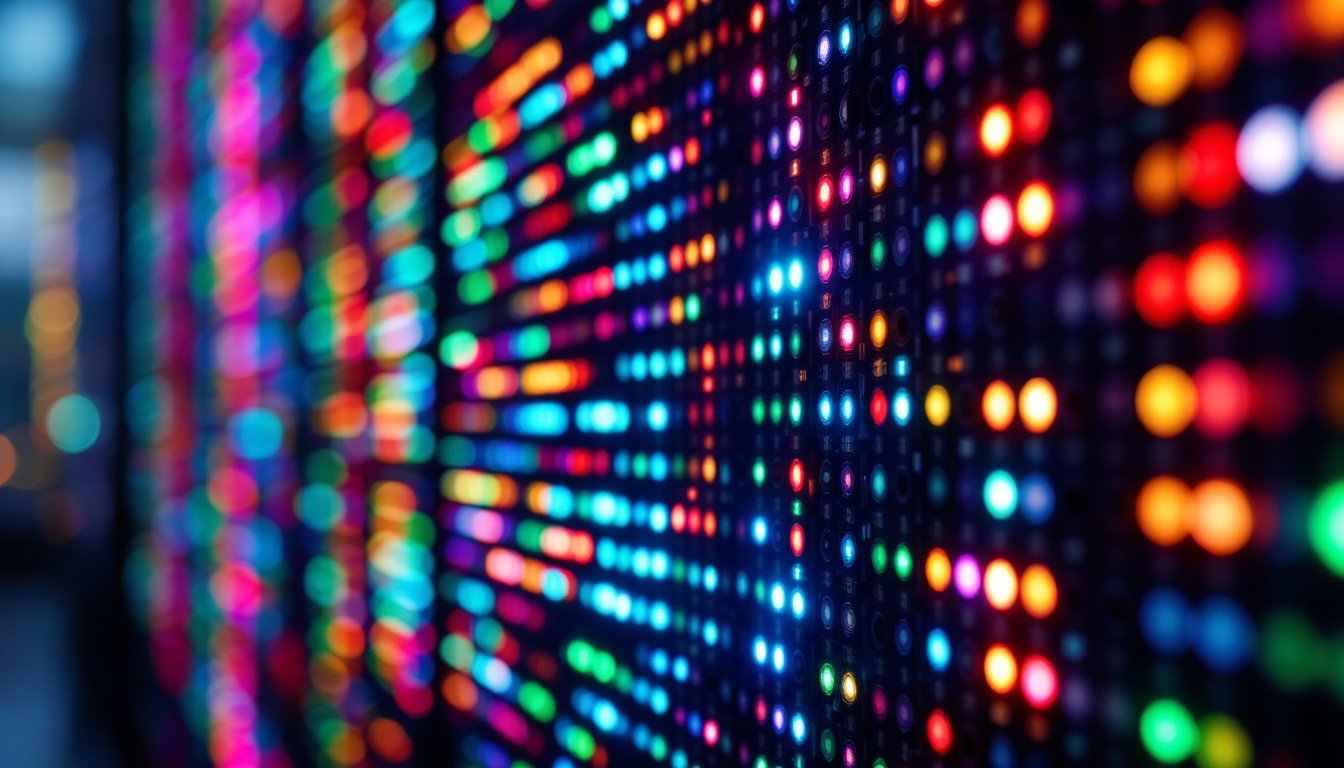
The term “0.7 inch” in LED displays typically refers to the pixel pitch, which is the distance from the center of one LED pixel to the center of the next. Pixel pitch is a critical parameter because it directly influences the resolution, viewing distance, and overall image quality of the display.
In practical terms, a 0.7-inch pixel pitch means that each LED cluster or pixel is spaced 0.7 inches apart. This measurement impacts how sharp or clear the image appears when viewed from different distances. Smaller pixel pitches result in higher resolution and better image clarity, especially at close range, while larger pitches are suitable for displays viewed from farther away.
Why Pixel Pitch Matters
Pixel pitch affects several aspects of LED display performance:
- Resolution: Smaller pixel pitches allow more pixels per unit area, increasing resolution.
- Viewing Distance: The optimal viewing distance is roughly proportional to pixel pitch; smaller pitches mean the screen can be viewed clearly from closer distances.
- Cost and Power Consumption: Displays with smaller pixel pitches tend to be more expensive and consume more power due to the higher density of LEDs.
Understanding the exact measurement of 0.7 inch in millimeters helps manufacturers and buyers ensure compatibility and meet design requirements accurately. For reference, a 0.7-inch pixel pitch translates to approximately 17.78 millimeters, a detail that is crucial for engineers and designers when specifying display components for various applications. This precision allows for the seamless integration of LED displays into environments such as retail spaces, conference rooms, and public venues, where visual impact is paramount.
Moreover, the choice of pixel pitch can also influence the overall aesthetic of the display installation. For example, in environments where the audience is expected to be close to the screen, such as in a control room or during a live event, a 0.7-inch pixel pitch can create a vibrant and immersive experience. On the other hand, for large outdoor displays meant for viewing from significant distances, a larger pixel pitch may be more appropriate. This balance between functionality and visual appeal is essential for achieving the desired impact in any setting.
Converting 0.7 Inch to Millimeters: The Exact Measurement
In the metric system, one inch is defined as exactly 25.4 millimeters. This internationally recognized standard ensures precision in conversions between imperial and metric units.
To convert 0.7 inch to millimeters, the calculation is straightforward:
0.7 inch × 25.4 mm/inch = 17.78 mm
Therefore, 0.7 inch equals 17.78 millimeters.
Why Use Millimeters Instead of Inches?
Many LED display manufacturers and engineers prefer millimeters for measurement because the metric system is the standard in most countries worldwide. Using millimeters allows for greater precision, especially when dealing with small distances like pixel pitch.
For example, a 0.7-inch pixel pitch might seem imprecise or cumbersome when designing hardware or software that requires exact spacing. Converting to 17.78 mm provides a clear, standardized measurement that can be easily used in CAD drawings, production specifications, and quality control processes.
How 0.7 Inch (17.78 mm) Pixel Pitch Impacts LED Display Performance
With the conversion clarified, it’s important to understand what a 17.78 mm pixel pitch means for an LED display’s performance and applications.
Resolution and Image Quality
A pixel pitch of 17.78 mm is considered relatively large in the current LED display market, where pixel pitches can range from less than 1 mm to over 20 mm. This size is typical for outdoor or large-format displays where viewers are positioned at a considerable distance from the screen.
Because the pixels are spaced nearly 18 millimeters apart, the display will have a lower pixel density, resulting in a lower resolution compared to displays with smaller pixel pitches. This means the image will not be as sharp when viewed up close but will appear clear and vibrant from a distance.
Optimal Viewing Distance
The general rule of thumb for optimal viewing distance is that it should be approximately 1.5 to 2 times the pixel pitch in millimeters, converted to meters. For a 17.78 mm pixel pitch:
17.78 mm × 1.5 = 26.67 mm (or 2.67 meters)
This means the ideal viewing distance starts around 2.7 meters (about 9 feet) and beyond. At this distance, the human eye cannot distinguish individual pixels, leading to a smooth and coherent image.
Applications of 0.7 Inch Pixel Pitch Displays
Displays with a 0.7-inch (17.78 mm) pixel pitch are commonly used in:
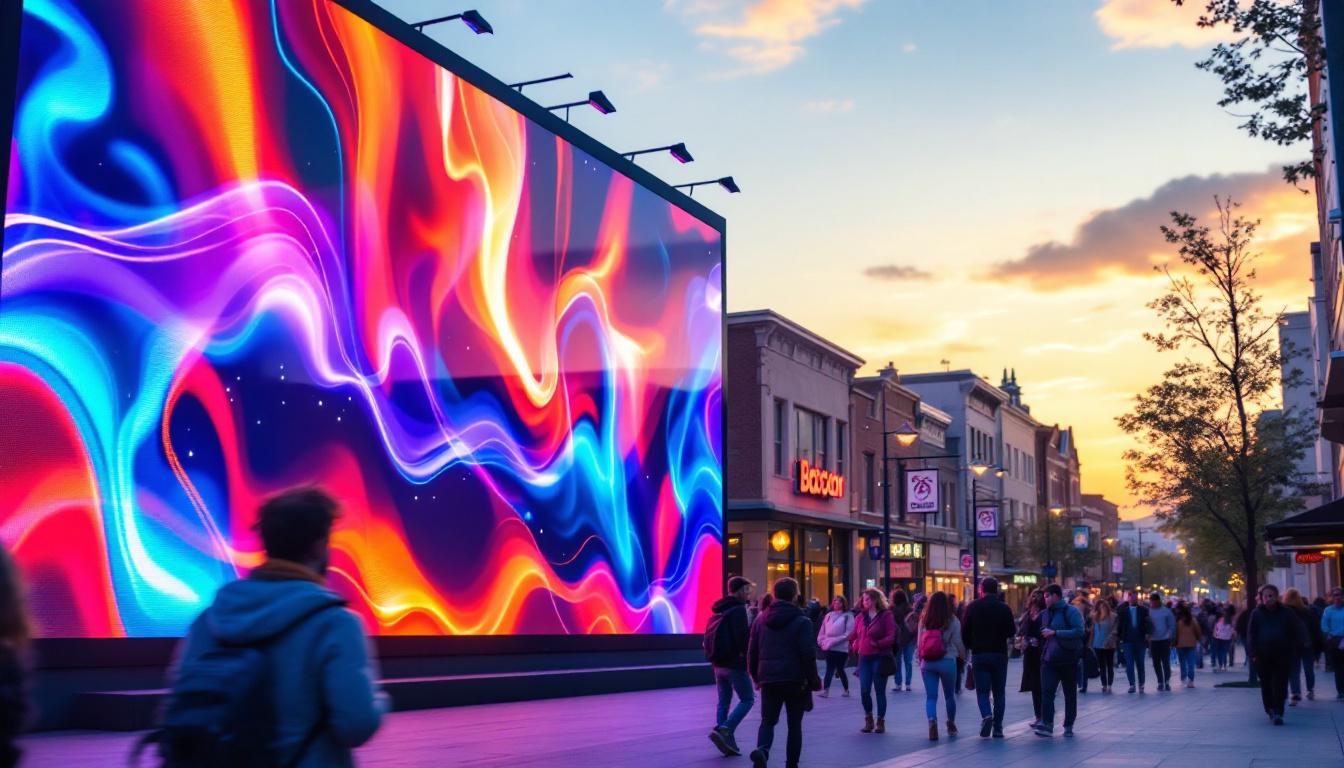
- Outdoor Billboards: Large digital billboards on highways or cityscapes where viewers are far away.
- Stadium Screens: Scoreboards and advertising screens in sports arenas.
- Event Backdrops: Large stage displays for concerts and festivals.
These applications benefit from the balance between visibility at long distances and cost-effectiveness. Larger pixel pitches reduce the number of LEDs needed, lowering manufacturing and maintenance costs.
Comparing 0.7 Inch Pixel Pitch to Other Common Sizes
To better appreciate the characteristics of a 0.7-inch pixel pitch, it’s useful to compare it with other common pixel pitches in LED displays.
Fine Pixel Pitch Displays (Below 2 mm)
Fine pixel pitch displays, such as those with 0.9 mm or 1.2 mm pixel pitches, offer ultra-high resolution suitable for indoor applications like control rooms, retail stores, and broadcast studios. These displays provide crisp images even at very close viewing distances.
However, they are significantly more expensive and require more power and complex cooling systems due to the high density of LEDs.
Medium Pixel Pitch Displays (2 mm to 10 mm)
Displays with pixel pitches in this range strike a balance between resolution and cost. They are often used in indoor arenas, shopping malls, and corporate environments where viewers may be a few meters away.
Large Pixel Pitch Displays (Above 10 mm)
Pixel pitches above 10 mm, including the 17.78 mm (0.7 inch) size, are optimized for outdoor use where viewers are typically tens of meters away from the screen. These displays prioritize brightness and visibility over pixel density.
Technical Considerations When Working with 0.7 Inch Pixel Pitch LED Displays
Understanding the measurement is just one part of working with LED displays. Several technical factors must be considered to ensure optimal performance and longevity.
Brightness and Contrast
Outdoor LED displays with larger pixel pitches like 17.78 mm must have high brightness levels to remain visible under direct sunlight. Typical brightness for such displays ranges from 5,000 to 7,000 nits, ensuring clear visibility during the day.
Contrast ratios are also important to provide vibrant colors and deep blacks, which enhance image quality despite the lower resolution.
Viewing Angle
Large pixel pitch displays generally have wider viewing angles to accommodate audiences viewing from different positions. Typical horizontal and vertical viewing angles range from 120° to 160°, ensuring consistent image quality across a broad area.
Durability and Weather Resistance
Outdoor LED displays must withstand harsh weather conditions, including rain, dust, and extreme temperatures. Displays with 0.7-inch pixel pitch are often rated with IP65 or higher standards, indicating strong protection against water and dust ingress.
Power Consumption and Heat Dissipation
While larger pixel pitches reduce the number of LEDs and thus power consumption, the high brightness levels required for outdoor visibility can still lead to significant energy use. Efficient heat dissipation systems are necessary to prevent overheating and prolong the lifespan of the display.
Practical Tips for Choosing the Right Pixel Pitch
Selecting the appropriate pixel pitch depends on several factors beyond just the measurement conversion.
Assess the Viewing Distance
Calculate the typical distance from which the audience will view the display. Use the pixel pitch to determine if the resolution will be sufficient for that distance. For example, a 0.7-inch (17.78 mm) pixel pitch is ideal for viewing distances of 3 meters or more.
Consider the Display Location
Indoor and outdoor environments have different requirements for brightness, durability, and pixel pitch. Outdoor displays generally need larger pixel pitches and higher brightness, whereas indoor displays benefit from smaller pixel pitches and lower brightness to reduce eye strain.
Budget and Maintenance
Smaller pixel pitch displays are more expensive to purchase and maintain. Consider the total cost of ownership, including installation, energy consumption, and potential repairs, when choosing the pixel pitch.
Content Type
The type of content displayed also influences pixel pitch choice. High-definition video and detailed graphics require smaller pixel pitches, while simple text and logos can be effectively displayed on larger pixel pitch screens.
Conclusion: The Importance of Accurate Measurement Conversion in LED Displays
Converting 0.7 inch to millimeters — precisely 17.78 mm — is more than a simple arithmetic exercise. It is a fundamental step in understanding LED display specifications and ensuring the right fit for a given application. This measurement directly influences resolution, viewing distance, cost, and overall display performance.
By appreciating the relationship between pixel pitch and display quality, professionals can make informed decisions that optimize both user experience and operational efficiency. Whether designing a massive outdoor billboard or selecting an indoor digital signage solution, knowing how to interpret and apply measurements like 0.7 inch in millimeters is essential for success in the LED display industry.
Discover the Perfect LED Display Solution with LumenMatrix
Now that you understand the significance of measurement conversion in LED displays, take the next step with LumenMatrix. As a pioneer in LED display technology, we offer a comprehensive range of products designed to bring your visual communication to life. From Indoor and Outdoor LED Wall Displays to innovative solutions like Vehicle LED Displays and LED Transparent Displays, LumenMatrix is committed to enhancing your brand’s presence and creating immersive experiences. Don’t compromise on quality and performance. Check out LumenMatrix LED Display Solutions today and see the difference precision and expertise can make.