In modern home entertainment setups, sound bars have become an essential component for enhancing audio quality without the bulk of traditional speaker systems. As these sleek devices increasingly find their place on walls beneath flat-screen TVs, the need for effective mounting solutions has grown. Among the various options, sound bar hangers designed specifically for wall installation stand out for their convenience and aesthetic appeal.
One intriguing feature that often accompanies these sound bar hangers is the integration of LED displays. These displays not only add a visual flair but also provide functional benefits such as volume indicators, input source notifications, and status alerts. This article delves into the nuances of sound bar hangers for wall mounting, with a particular focus on the role and technology behind LED displays.
Understanding Sound Bar Wall Hangers
What Are Sound Bar Wall Hangers?
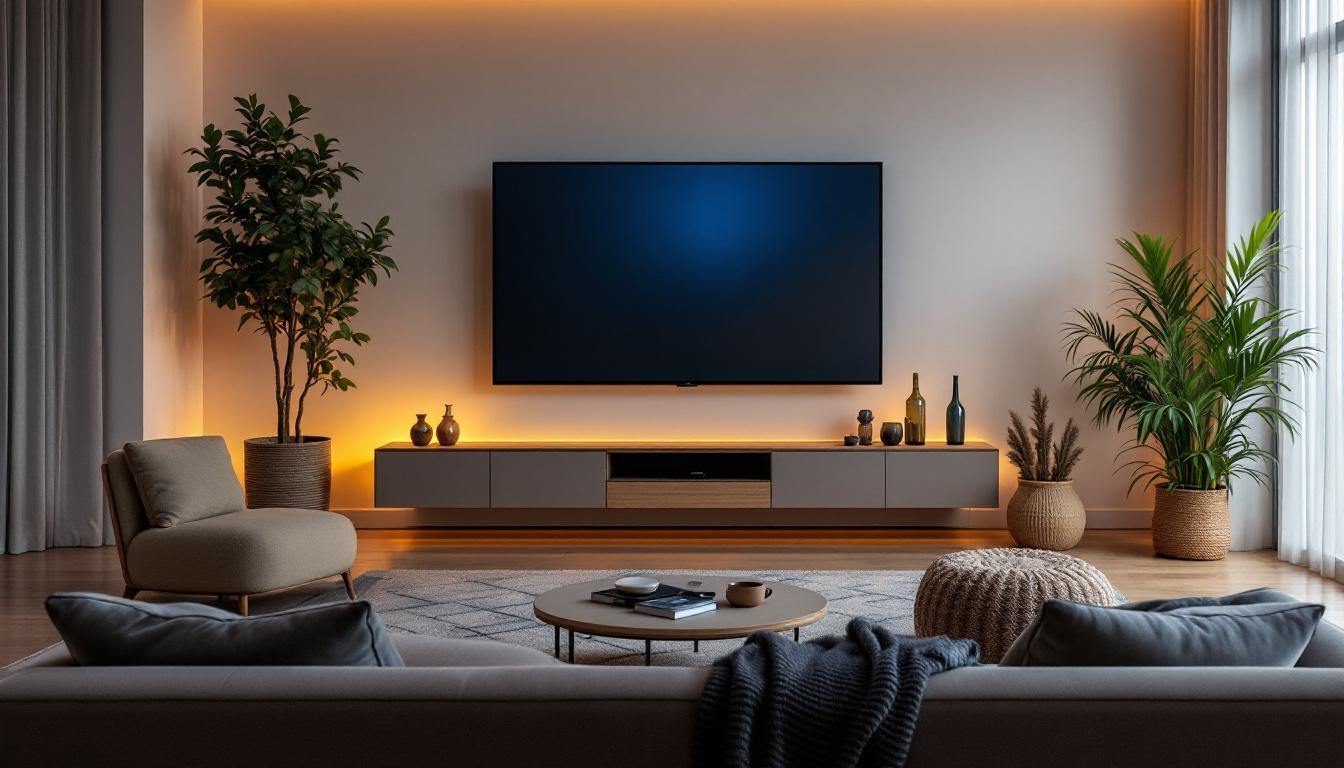
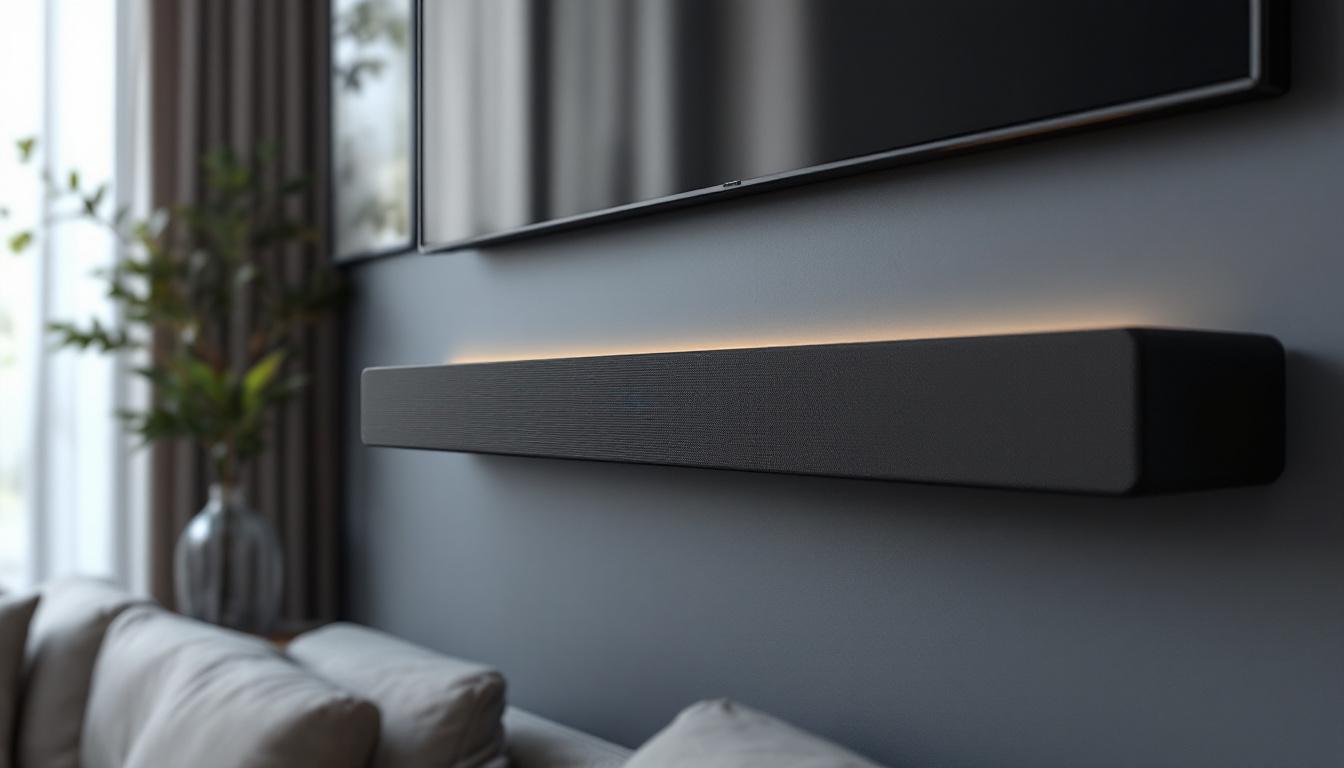
Sound bar wall hangers are specialized mounting brackets designed to securely hold a sound bar on a wall, typically below or above a television. Unlike traditional shelves or stands, these hangers are engineered to provide a flush, stable fit that complements the minimalist design of modern home theaters.
They come in various styles, including fixed mounts, adjustable brackets, and even magnetic or clip-on systems. The choice depends on the sound bar’s size, weight, and mounting hole configuration, as well as the user’s preference for adjustability and ease of installation. Some models even offer a tilting feature, allowing users to angle the sound bar for optimal audio direction, which can be particularly beneficial in larger rooms or spaces with high ceilings.
Benefits of Using Wall Hangers for Sound Bars
Wall mounting a sound bar offers several advantages:
- Space Saving: By mounting the sound bar on the wall, users free up valuable surface space on entertainment consoles or shelves.
- Improved Acoustics: Positioning the sound bar at ear level or optimal height can enhance sound projection and clarity.
- Aesthetic Appeal: Wall hangers provide a clean, streamlined look that integrates well with modern décor.
- Safety and Stability: Properly installed hangers reduce the risk of accidental knocks or falls, protecting the sound bar from damage.
Moreover, wall mounting can significantly enhance the overall viewing experience. By eliminating clutter and providing a direct line of sight between the viewer and the sound source, wall hangers can create a more immersive audio experience. This is especially true for home theater setups where sound quality is paramount, as it allows for better synchronization between the visuals on the screen and the audio output from the sound bar.
Installation Considerations
When installing a sound bar hanger, several factors must be considered to ensure safety and performance:
- Wall Type: Drywall, concrete, or brick walls require different anchors and mounting hardware.
- Weight Capacity: The hanger must support the sound bar’s weight plus any additional stress from vibrations.
- Cable Management: Some hangers include integrated channels or clips to organize power and audio cables for a tidy appearance.
Additionally, it’s important to consider the height at which the sound bar will be mounted. Ideally, the sound bar should be positioned so that the sound waves travel directly toward the listening area, which may require some experimentation with placement. Users should also take into account the distance from the television, as this can affect both the aesthetic and acoustic performance. Lastly, ensuring that the mounting hardware is compatible with the sound bar and wall type is crucial for a secure installation that will withstand the test of time.
The Role of LED Displays in Sound Bar Hangers
What Are LED Displays on Sound Bars?
LED (Light Emitting Diode) displays on sound bars serve as visual indicators that communicate various operational statuses to the user. These displays can range from simple single-color lights to sophisticated multi-segment or dot-matrix displays capable of showing numbers, letters, or icons.
In the context of sound bar hangers, LED displays may be integrated into the hanger itself or the sound bar, providing feedback such as volume levels, input source selection, Bluetooth connectivity, or mute status.
Types of LED Displays Used
Several LED display types are commonly found in sound bars and their mounting accessories:
- Segment Displays: Typically 7-segment or 14-segment displays that show numbers or limited characters, useful for volume levels or channel numbers.
- Dot-Matrix Displays: Composed of a grid of LEDs, these can display more complex information such as scrolling text or icons.
- Indicator LEDs: Simple single or multi-color LEDs that indicate status like power on/off, Bluetooth pairing, or mute.
Advantages of LED Displays in Sound Bar Setups
Incorporating LED displays into sound bar hangers or the sound bars themselves offers several practical benefits:
- Immediate Feedback: Users can quickly see volume changes or input selections without needing to look at the TV screen.
- Enhanced Accessibility: Visual indicators assist users with hearing impairments or in noisy environments.
- Modern Aesthetic: LED displays contribute to a high-tech, contemporary look that complements modern home entertainment systems.
- Energy Efficiency: LEDs consume minimal power compared to other display types, making them suitable for continuous use.
Integrating LED Displays with Sound Bar Hangers: Technical Insights
Design Challenges and Solutions
Integrating LED displays into sound bar hangers presents unique design challenges. The hanger must remain unobtrusive and sturdy while housing electronic components safely. Additionally, the display must be visible from typical viewing angles without causing glare or distraction.
Manufacturers address these challenges by using low-profile LED modules embedded within the hanger’s frame, often with diffusers to soften the light. Some designs employ touch-sensitive controls adjacent to the display, enabling users to adjust settings directly on the hanger.
Power and Connectivity Considerations
LED displays require power, which can be supplied in several ways depending on the setup:
- Direct Wiring: The hanger may include wiring that connects to the sound bar’s power source or the home’s electrical system.
- Battery Power: Some LED displays operate on rechargeable or replaceable batteries, offering wireless convenience but requiring periodic maintenance.
- Data Communication: For advanced displays, the hanger may interface with the sound bar via wired connections (e.g., HDMI-CEC, IR) or wireless protocols (e.g., Bluetooth, Wi-Fi) to receive real-time status updates.
Customization and User Control
Modern sound bar hangers with LED displays often include customization options. Users can adjust brightness levels, display colors, or the type of information shown. Some systems allow synchronization with smart home platforms, enabling voice control or automation.
This level of customization enhances user experience, allowing the LED display to blend seamlessly with the room’s lighting conditions and personal preferences.
Practical Examples and Market Trends
Popular Sound Bar Hangers Featuring LED Displays
Several brands have introduced sound bar hangers that incorporate LED displays, reflecting a growing market interest in combining functionality with style. For example:
- UltraSlim LED Mount: A minimalist bracket with an embedded LED volume indicator that changes color based on sound levels.
- SmartSync Wall Mount: Features a dot-matrix LED panel that displays input source names and Bluetooth connection status, controllable via a companion app.
- GlowLine Clip-On Hanger: A magnetic mount with integrated RGB LEDs that provide ambient lighting synchronized with the sound bar’s audio output.
Market Growth and Consumer Preferences
According to recent industry reports, the global sound bar market is expected to grow at a compound annual growth rate (CAGR) of approximately 6.5% through 2027, driven by increasing demand for home theater systems and smart home integration. This growth fuels innovation in accessories such as wall hangers with added features like LED displays.
Consumers increasingly prioritize not only sound quality but also ease of installation, aesthetic integration, and smart functionality. LED displays meet these demands by offering intuitive feedback and enhancing the visual appeal of sound bar setups.
Future Developments
Looking ahead, advancements in LED technology and smart home ecosystems are likely to influence sound bar hanger designs. Potential developments include:
- OLED and MicroLED Displays: Offering higher resolution and flexibility for more detailed visual feedback.
- Interactive Touch Panels: Enabling direct control of sound bar functions from the hanger itself.
- Voice Recognition Integration: Allowing users to interact with the sound bar and hanger via voice commands.
- Ambient Lighting Synchronization: Expanding LED displays into dynamic lighting systems that enhance the viewing experience.
How to Choose the Right Sound Bar Hanger with LED Display
Assessing Compatibility
Before purchasing a sound bar hanger with an LED display, it is crucial to ensure compatibility with the specific sound bar model. Factors to check include:
- Mounting hole patterns and bracket size
- Weight capacity of the hanger
- Power requirements for the LED display
- Connectivity options for data communication
Evaluating Display Features
Consider what type of LED display functionality is most beneficial:
- Basic indicators for volume and power
- Advanced displays showing input sources and status messages
- Customizable colors and brightness
- Integration with smart home systems
Installation and Aesthetic Considerations
Choose a hanger that complements the room’s décor and is easy to install. Some models come with detailed installation guides and all necessary hardware, while others may require professional mounting.
Additionally, consider cable management features to maintain a clean and organized setup.
Conclusion
Sound bar hangers for wall mounting have evolved beyond simple brackets to become multifunctional accessories that enhance both the performance and aesthetics of home audio systems. The integration of LED displays adds a layer of interactivity and visual feedback that benefits users in practical and stylistic ways.
As technology advances, these devices are poised to become even more sophisticated, blending seamlessly into smart home environments and offering intuitive control options. For anyone looking to optimize their home entertainment setup, selecting a sound bar hanger with an LED display is a forward-thinking choice that combines convenience, style, and functionality.
Explore Cutting-Edge LED Display Solutions with LumenMatrix
Ready to elevate your home entertainment experience with the latest in LED display technology? LumenMatrix is at the forefront of innovation, offering a wide array of LED display solutions that transform any space into a dynamic visual showcase. From immersive Indoor LED Wall Displays to vibrant Outdoor LED Wall Displays and beyond, our products are designed to captivate and engage. Discover how LumenMatrix can amplify your audio-visual setup and bring your content to life. Check out LumenMatrix LED Display Solutions today and step into the future of visual communication.