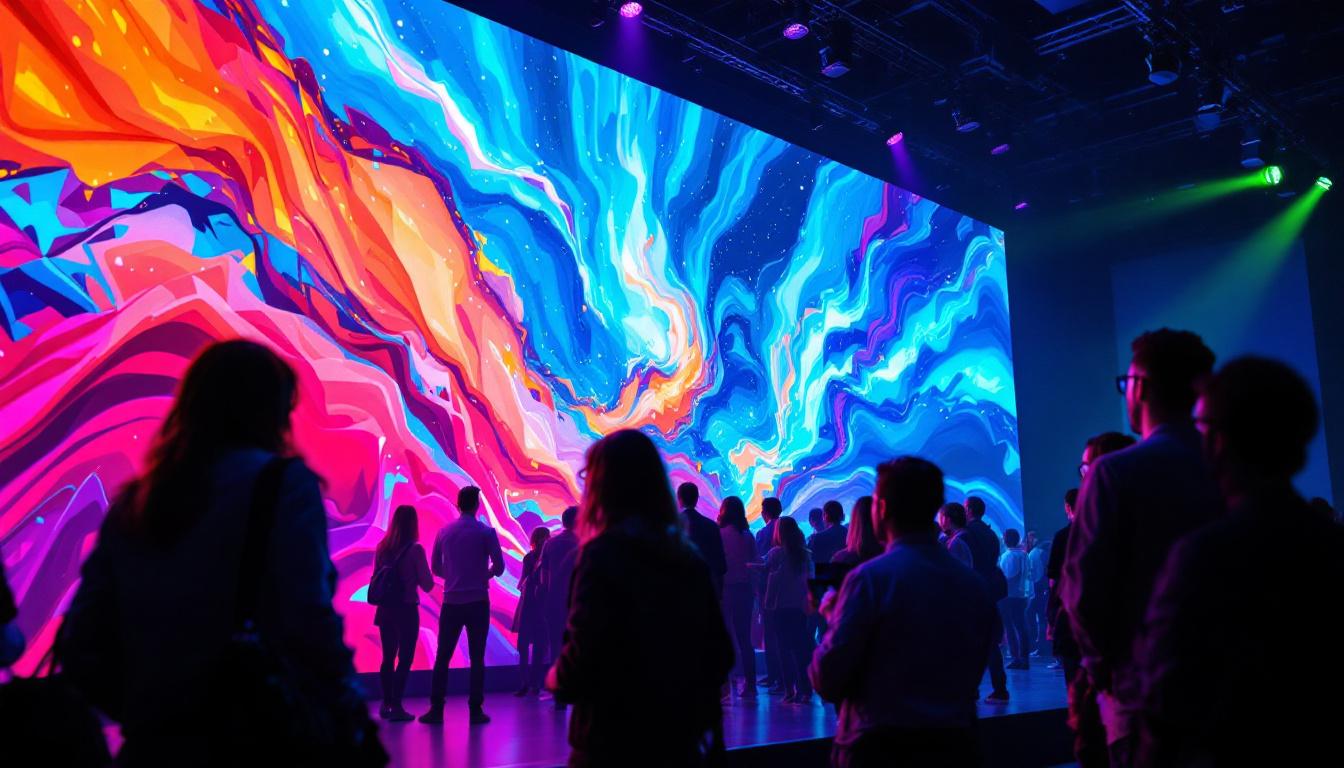
In the world of visual presentations, staging, and event production, the choice of backdrop technology can significantly influence the audience’s experience. Traditionally, projector backdrops have been a staple for delivering dynamic visuals, but the rise of LED display technology is reshaping how professionals approach large-scale displays. This article explores the fundamentals of projector backdrops and LED displays, comparing their strengths and limitations, and providing insights into why LED displays are becoming the preferred choice for many industries.
Understanding Projector Backdrops
What Is a Projector Backdrop?
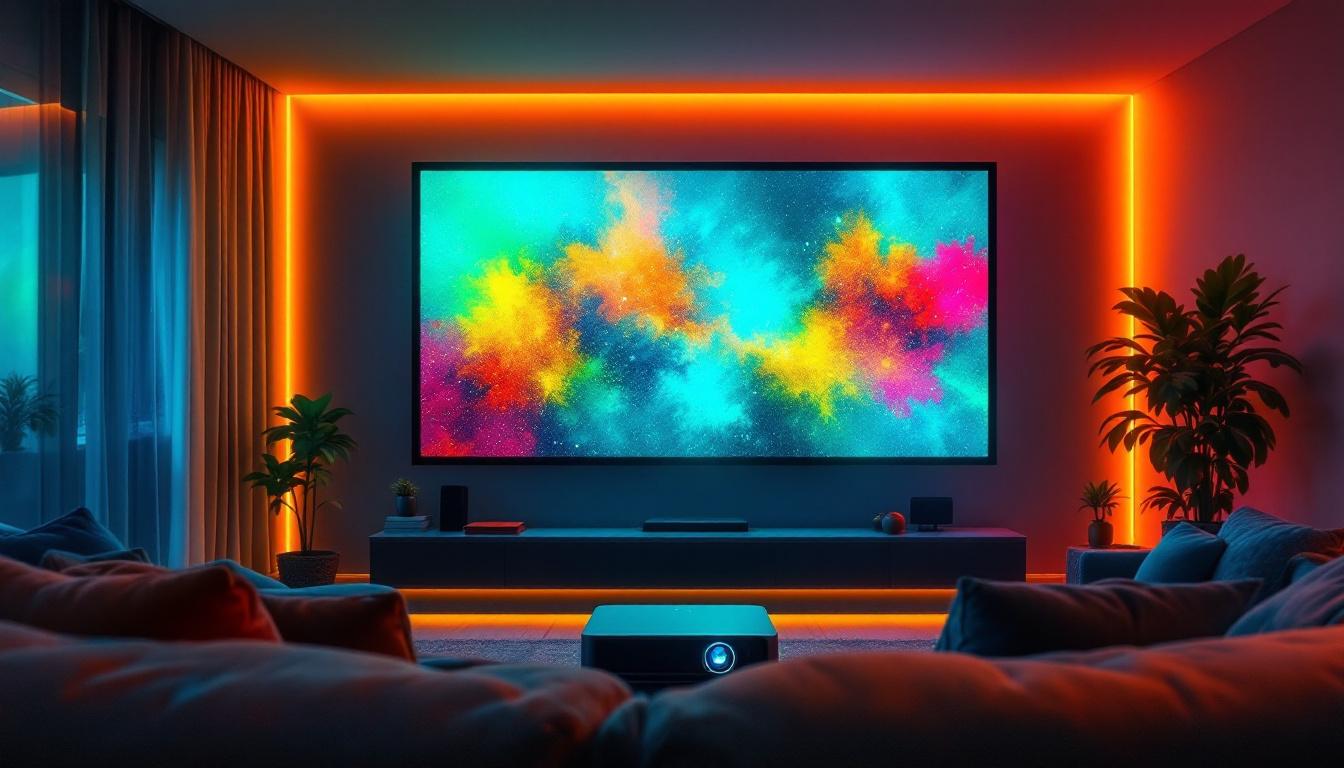
A projector backdrop is essentially a surface onto which images or videos are projected using a projector. This surface can be a plain white wall, a specially designed screen, or a fabric backdrop that is optimized for light reflection. The quality of the image depends heavily on the projector’s capabilities, the ambient lighting conditions, and the backdrop material.
Projector backdrops have been widely used in theaters, conference rooms, classrooms, and events due to their relative affordability and flexibility. They allow for large-scale visuals without the need for bulky equipment or permanent installations. The versatility of projector backdrops means they can be adapted for various uses, from displaying educational content in a classroom to showcasing stunning visuals at a wedding reception. The ease of setup and takedown makes them particularly appealing for temporary events, where space and time are often limited.
Key Characteristics and Limitations
While projector backdrops offer versatility, they come with inherent limitations. The image quality can be compromised by ambient light, which washes out the visuals and reduces contrast. Additionally, the need for a darkened environment to achieve optimal image clarity can restrict the use of projector backdrops in certain settings. For example, outdoor events during daylight hours may require additional measures, such as using high-lumen projectors or specialized screens designed to combat light interference.
Another challenge is the uniformity of the projected image. Uneven surfaces or wrinkles in fabric screens can distort the visuals. Moreover, projectors require regular maintenance, including bulb replacements and lens cleaning, which can add to operational costs. It’s also worth noting that the choice of backdrop material can significantly affect the overall experience; for instance, matte finishes tend to diffuse light better and minimize glare, while glossy surfaces can enhance color vibrancy but may introduce unwanted reflections. Understanding these nuances can help users select the right backdrop for their specific needs, ensuring that the visuals are not only engaging but also of high quality.
The Rise of LED Displays as Backdrops
What Are LED Displays?
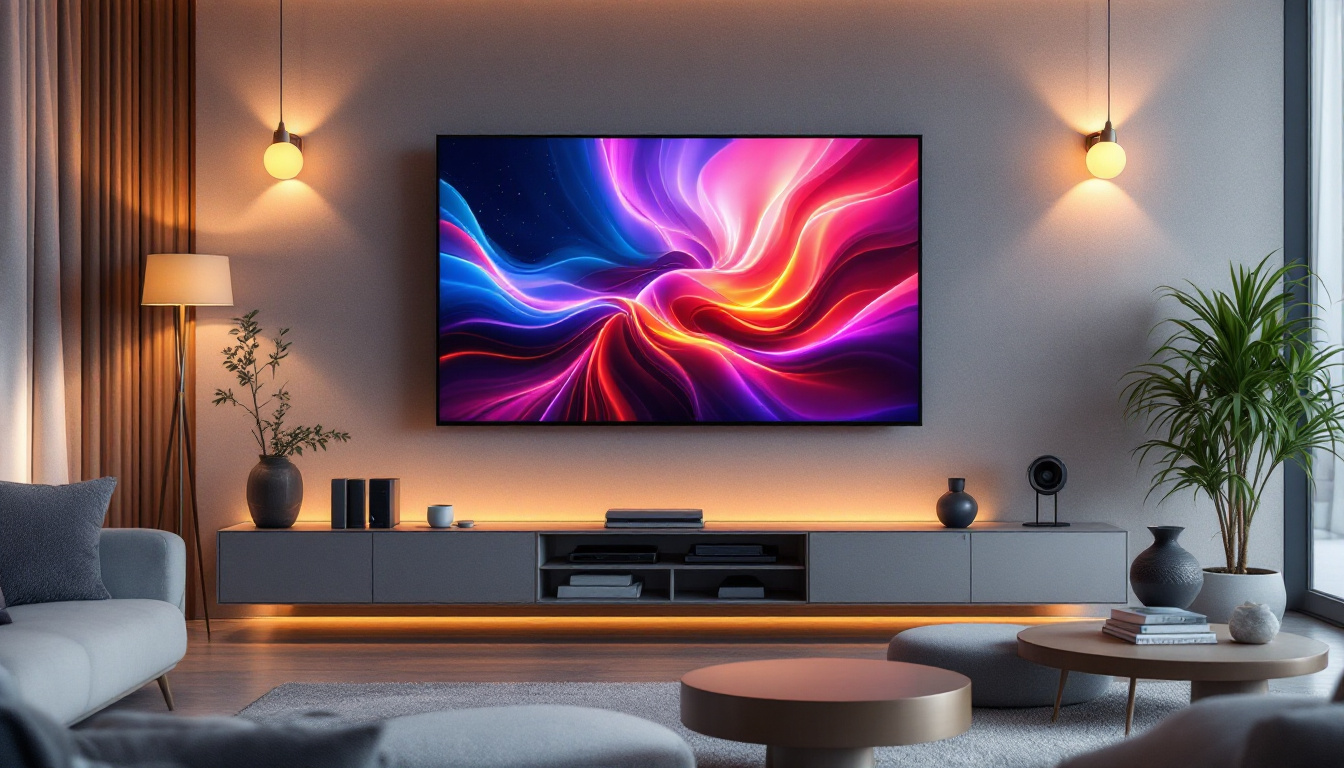
LED (Light Emitting Diode) displays consist of an array of tiny light-emitting diodes that produce bright, vibrant images. These displays are modular, allowing for customization in size and shape, and are capable of producing high-resolution visuals with excellent color accuracy and brightness.
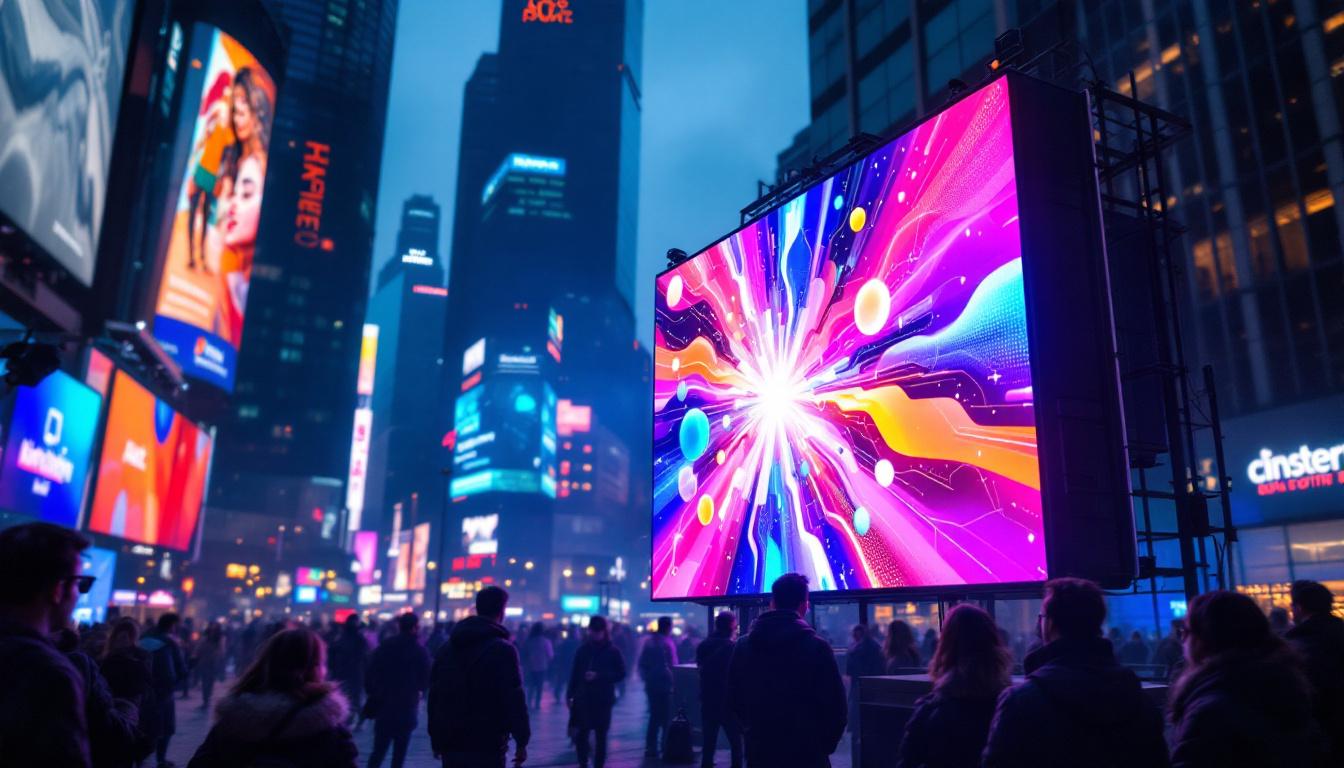
Unlike projector backdrops, LED displays emit their own light, making them highly visible even in well-lit environments. This self-illumination is a crucial advantage for events and venues where controlling ambient light is impractical. Additionally, the technology behind LED displays has advanced significantly, allowing for seamless integration with various multimedia systems, which enhances the overall production value of events. This integration means that LED displays can easily sync with live video feeds, animations, and other dynamic content, creating an engaging and immersive experience for the audience.
Advantages Over Traditional Projector Backdrops
LED displays offer several benefits that have led to their increased adoption:
- Brightness and Visibility: LED backdrops can achieve brightness levels exceeding 1,000 nits, ensuring clear visibility even in daylight or brightly lit venues.
- Image Quality: High pixel density and color accuracy provide sharp, vibrant images that enhance audience engagement.
- Durability and Reliability: LEDs have a longer lifespan than projector bulbs and are less susceptible to damage from environmental factors.
- Flexibility: Modular design allows for custom shapes and sizes, enabling creative stage designs and immersive experiences.
- Reduced Setup Time: LED panels can be quickly assembled and disassembled, saving valuable time during event setups.
Moreover, LED displays are energy-efficient, consuming less power compared to traditional projection systems. This not only reduces operational costs but also aligns with the growing emphasis on sustainability in event production. As organizations seek to minimize their carbon footprint, the use of LED technology presents a practical solution that supports eco-friendly initiatives. Furthermore, with advancements in technology, many LED displays now come equipped with smart features, such as remote monitoring and control, allowing event organizers to make real-time adjustments to brightness, contrast, and even content without needing to be physically present at the display. This capability enhances the versatility of LED displays, making them an ideal choice for a wide range of applications, from corporate events to concerts and festivals.
Comparing Projector Backdrops and LED Displays
Cost Considerations
Historically, projector setups have been more cost-effective upfront, with projectors and screens being relatively affordable. However, the total cost of ownership includes maintenance, replacement bulbs, and potential venue modifications to control lighting. For instance, a standard projector bulb can cost a significant amount and may need replacement every few thousand hours of use, adding to the overall expense. Additionally, if the venue is not equipped with blackout curtains or controlled lighting, the effectiveness of the projector can be severely compromised, leading to further costs in modifications.
LED displays require a higher initial investment due to the cost of LED panels and control systems. Nevertheless, their longer lifespan and lower maintenance costs often make them more economical over time, especially for frequent use in professional settings. With many LED displays boasting lifespans of over 100,000 hours, the need for replacements is drastically reduced. Furthermore, the energy efficiency of LED technology means lower electricity bills, which can be a significant factor for organizations that utilize these displays extensively.
Image Quality and Performance
In terms of image quality, LED displays generally outperform projectors. Their ability to maintain consistent brightness and color fidelity regardless of ambient light conditions is a significant advantage. Projectors may struggle with image clarity in brightly lit environments, limiting their effectiveness. This is particularly evident in outdoor events or venues with large windows where natural light can wash out projected images. The vibrant colors and sharp details of LED displays make them a preferred choice for high-stakes presentations and events where first impressions matter.
Additionally, LED displays offer higher refresh rates and better contrast ratios, which are essential for dynamic content such as videos and animations. This makes them ideal for concerts, trade shows, and corporate events where visual impact is critical. The seamless integration of LED technology with advanced graphics and video processing capabilities allows for stunning visuals that can captivate audiences. Moreover, the flexibility of LED displays to create curved or custom shapes adds an extra layer of creativity that projectors simply cannot match, allowing for unique installations that enhance the overall aesthetic of any event.
Installation and Portability
Projector backdrops are often more portable and easier to install in temporary venues. They require less physical space and can be transported with minimal effort. However, the need for precise alignment and controlled lighting can complicate setup. For example, finding the right distance from the screen and ensuring that the projector is level can be time-consuming, especially in dynamic environments where quick setup is essential. Additionally, the use of projection screens can add another layer of complexity, as they need to be properly tensioned to avoid wrinkles that can distort the image.
LED displays, while modular and designed for quick assembly, involve heavier equipment and more complex electrical connections. Despite this, advancements in lightweight panels and wireless control systems are improving their portability and ease of installation. Many modern LED systems can be set up in a matter of minutes, with snap-together designs that eliminate the need for extensive cabling. Furthermore, the ability to daisy-chain multiple panels together allows for customizable configurations that can adapt to various venue sizes and shapes, making them a versatile option for event planners looking to create impactful visual experiences.
Applications and Use Cases
Corporate Events and Conferences
LED displays are increasingly favored for corporate events due to their ability to deliver crisp presentations and branding visuals. Their brightness ensures visibility in large conference halls, while their flexibility allows for creative stage designs that enhance attendee engagement.
Projector backdrops remain useful for smaller meetings or venues where budget constraints are significant, but the trend is clearly shifting towards LED technology for high-profile events.
Entertainment and Live Performances
Concerts, theater productions, and live shows benefit immensely from LED backdrops. The ability to display vibrant, moving images synchronized with performances creates immersive experiences that captivate audiences.
Projectors can be used effectively in controlled environments, but their limitations in brightness and image stability make them less suitable for large-scale live events.
Education and Training
In educational settings, projector backdrops remain common due to their affordability and ease of use. However, LED displays are gaining traction in institutions prioritizing long-term investment and superior visual quality, particularly in auditoriums and lecture halls.
Future Trends in Backdrop Technology
Integration with Interactive Technologies
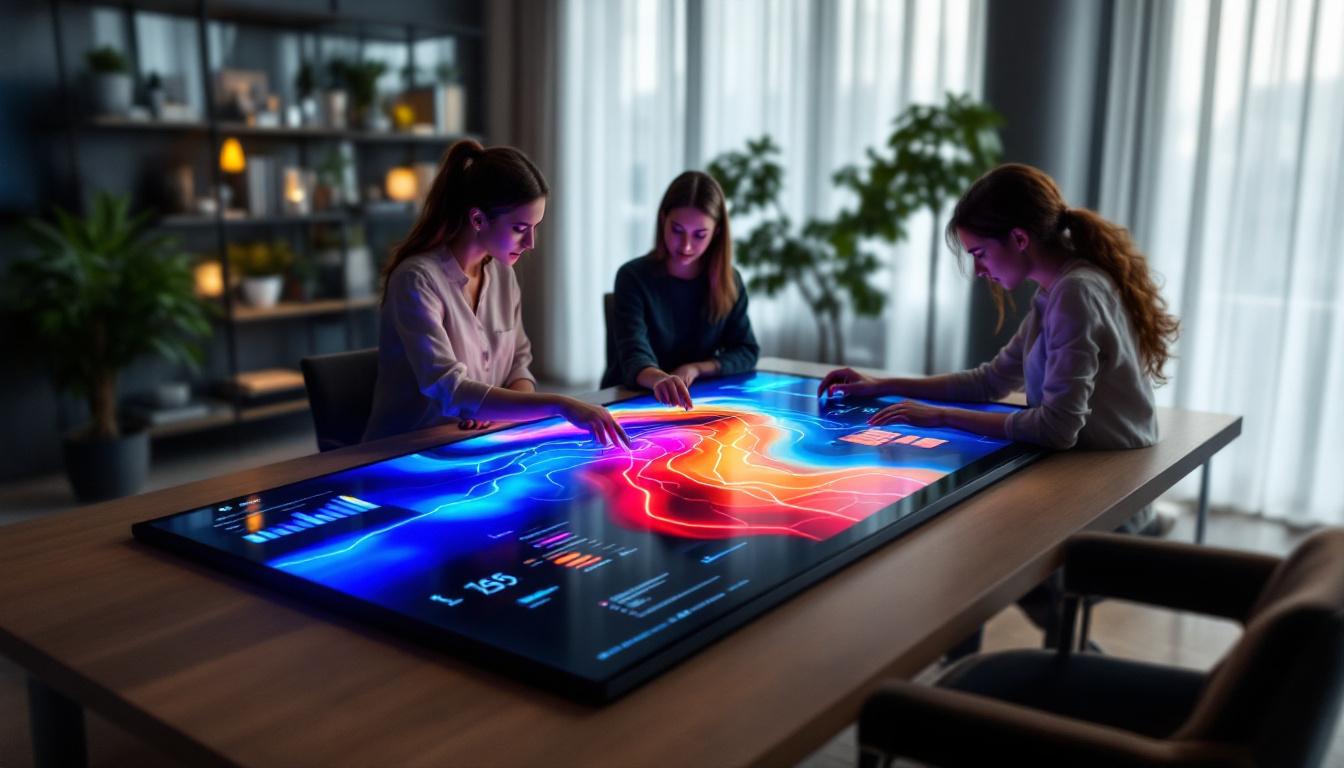
LED displays are increasingly being integrated with interactive features such as touch sensitivity and gesture control. This evolution transforms backdrops from passive display surfaces into engaging interfaces that enhance audience participation.
Advancements in MicroLED and OLED
Emerging technologies like MicroLED and OLED promise even higher resolution, better color accuracy, and thinner, more flexible displays. These innovations could further revolutionize backdrop solutions, offering unprecedented creative possibilities.
Sustainability Considerations
Energy efficiency is becoming a critical factor in selecting display technologies. LED displays consume less power than traditional projectors, and manufacturers are focusing on eco-friendly production methods and recyclable materials to reduce environmental impact.
Conclusion
The choice between projector backdrops and LED displays depends on various factors including budget, venue conditions, and the desired visual impact. While projectors remain a viable option for certain applications, LED displays offer superior brightness, image quality, and flexibility that are transforming the landscape of backdrop technology.
As LED technology continues to advance and become more accessible, it is poised to become the standard for professional visual presentations across industries. For event organizers, production companies, and venue managers, understanding these technologies is essential to making informed decisions that enhance audience experience and maximize return on investment.
Discover LumenMatrix’s Advanced LED Display Solutions
Ready to elevate your visual presentations to the next level? LumenMatrix is at the forefront of LED display innovation, offering a wide array of solutions that cater to any event’s needs. From vibrant Indoor and Outdoor LED Wall Displays to versatile Vehicle and Sports LED Displays, our technology is designed to captivate and engage your audience. Whether you’re looking to create an immersive experience with Floor LED Displays or make a bold statement with Custom and All-in-One LED solutions, LumenMatrix has you covered. Embrace the future of visual communication with our LED Transparent Displays and ensure your message resonates with clarity and impact. Check out LumenMatrix LED Display Solutions today and transform your next event into a memorable spectacle.