In the rapidly evolving world of digital signage and large-scale visual communication, video wall displays have become an essential technology for businesses, event organizers, and public spaces. Among the various types of video walls, LED displays stand out due to their exceptional brightness, scalability, and versatility. This article delves into the fundamentals of LED video wall displays, exploring how they work, their advantages, and the key considerations for selecting and deploying them effectively.
Understanding LED Video Wall Displays
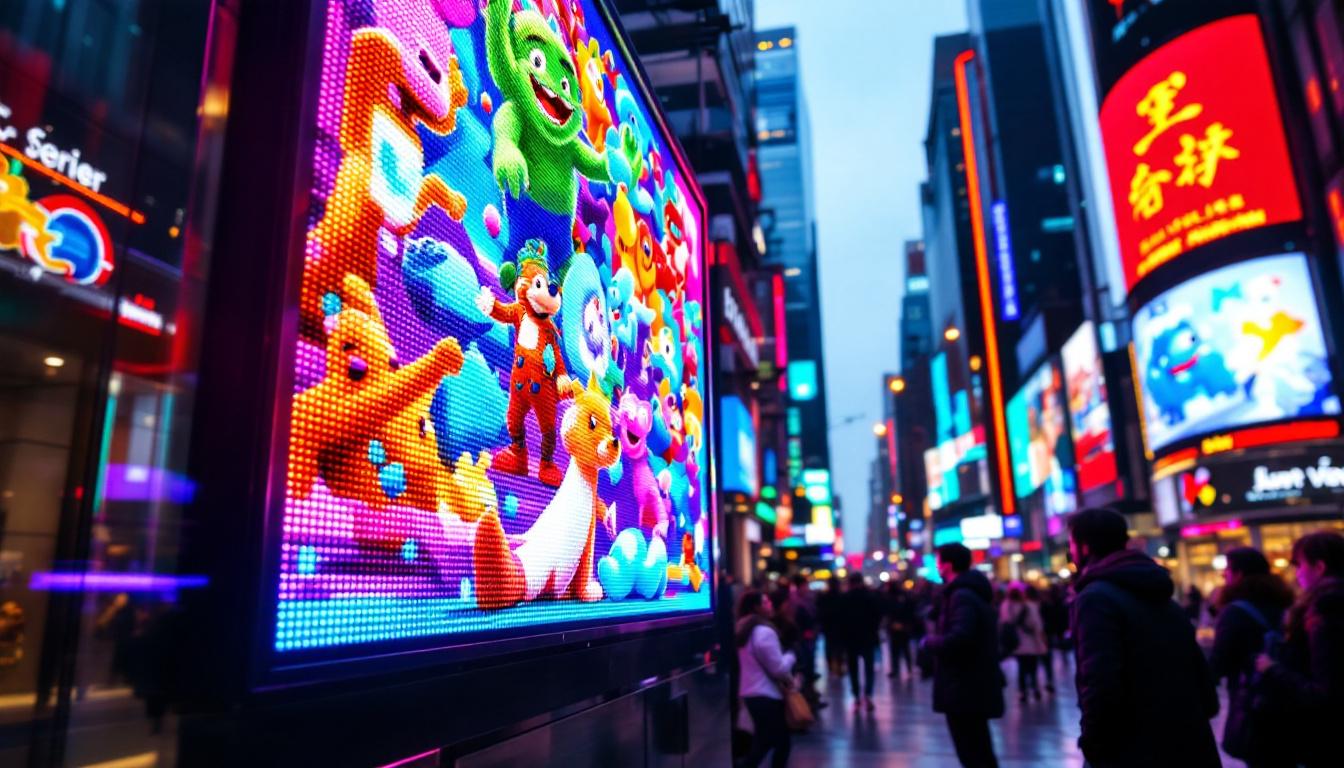
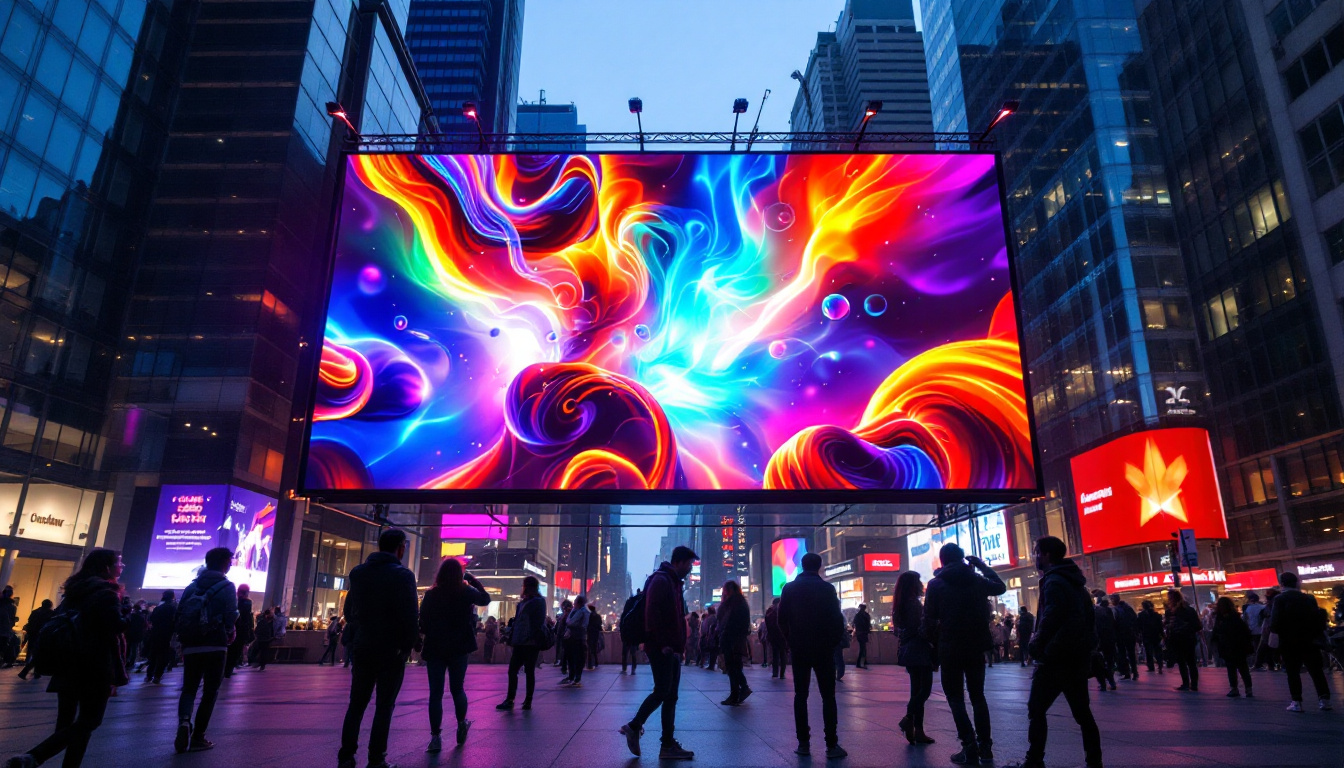
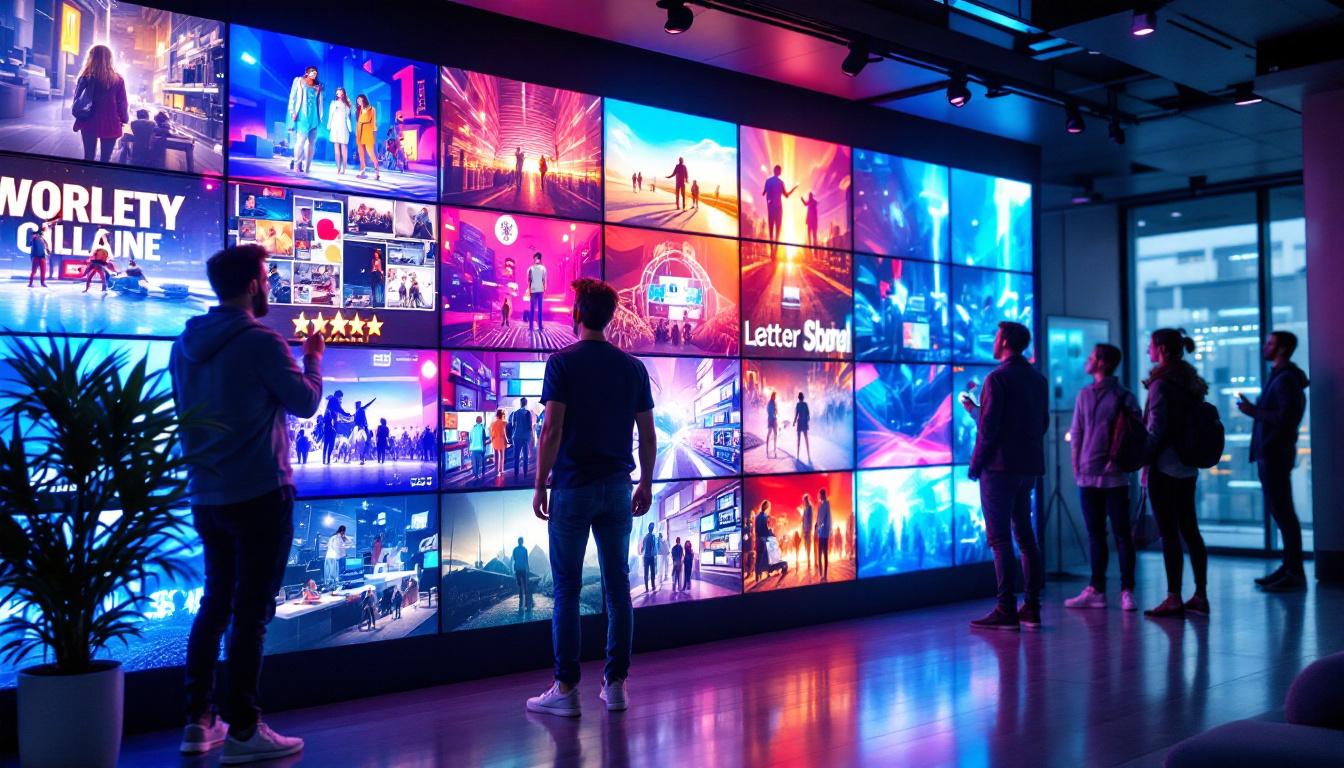
LED video walls are large display systems composed of multiple LED panels tiled together to form one seamless screen. Unlike traditional single-screen displays, video walls can cover vast areas, offering high resolution and brightness suitable for both indoor and outdoor environments. Their versatility makes them popular in various applications, from corporate events and concerts to retail spaces and public information displays.
What is an LED Display?
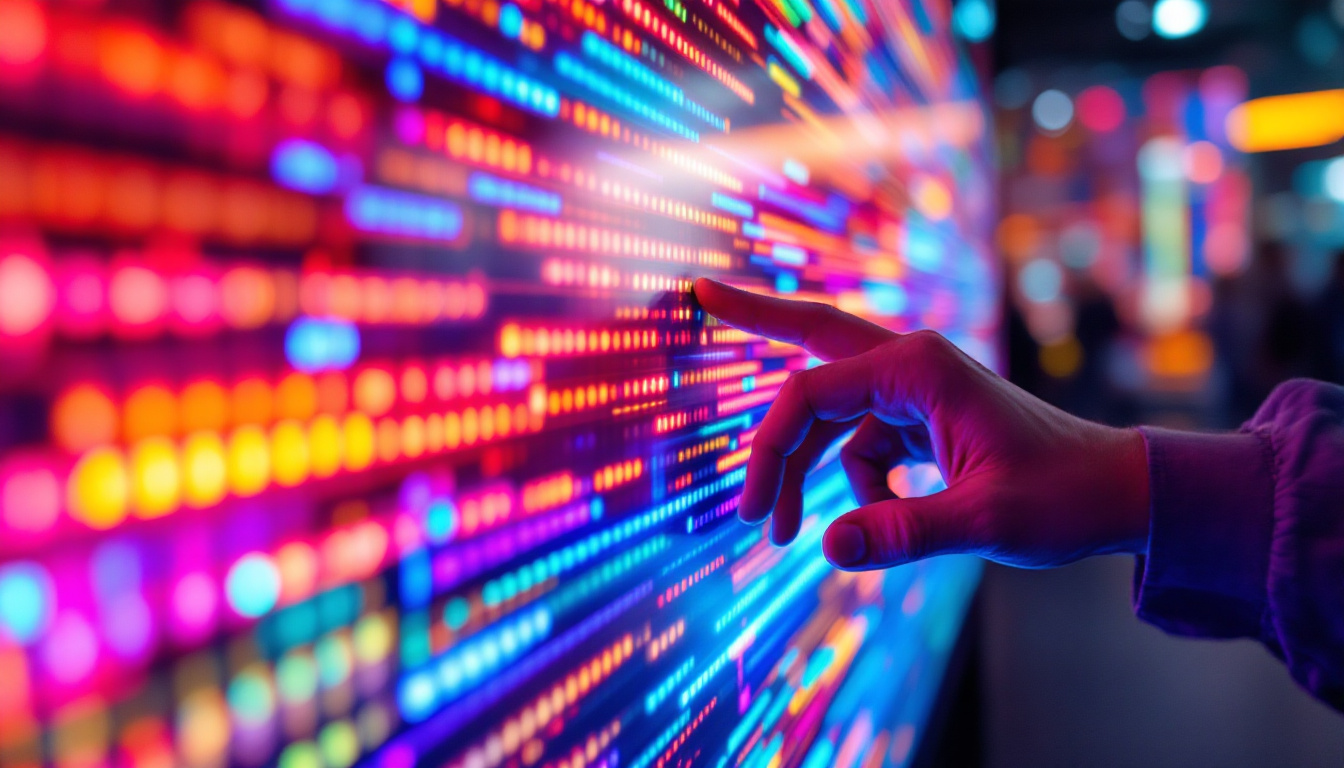
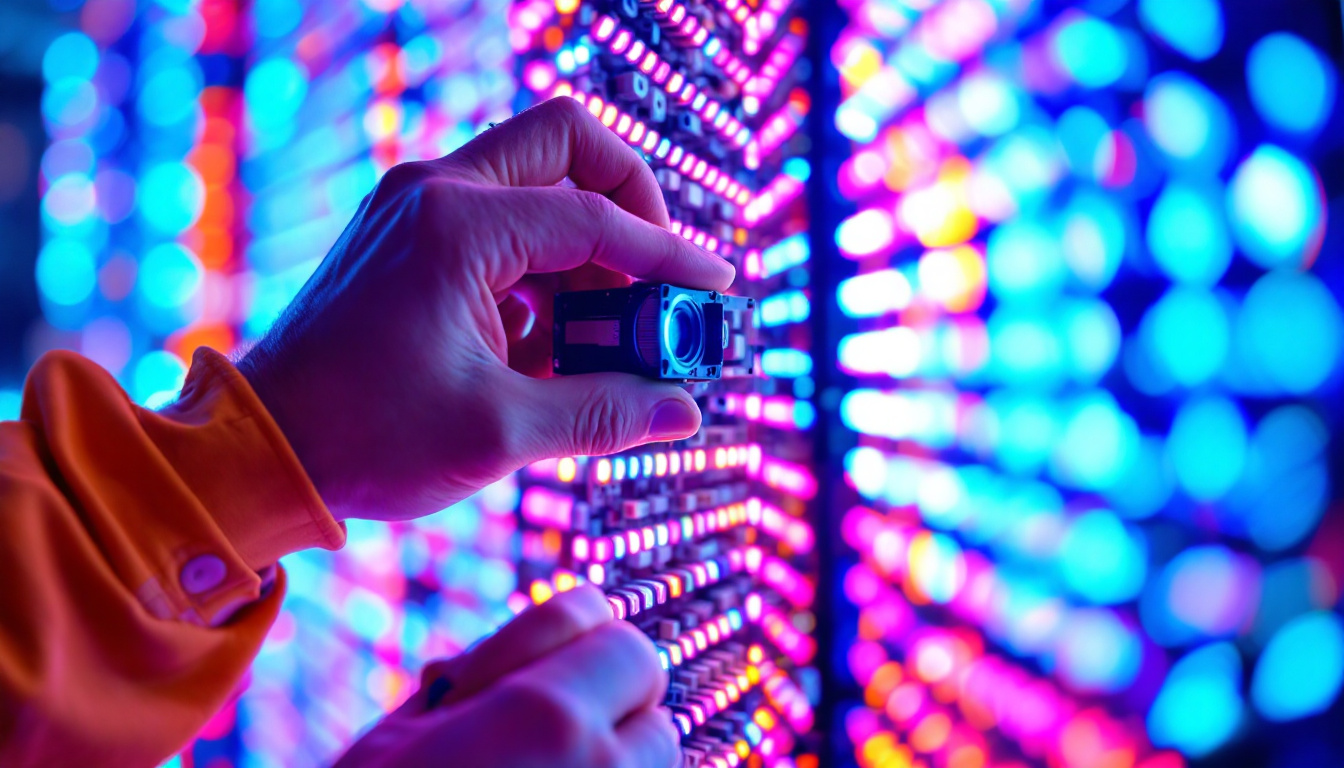
LED stands for Light Emitting Diode, a semiconductor device that emits light when an electric current passes through it. LED displays use thousands to millions of these tiny diodes arranged in a grid to create images, videos, and text. Each diode acts as a pixel or part of a pixel, and by controlling the intensity and color of each diode, the display produces vibrant and dynamic visuals. This technology has revolutionized the way we experience media, providing a level of brightness and clarity that traditional displays simply cannot match.
Modern LED displays typically use RGB (red, green, blue) diodes to produce a full spectrum of colors. By varying the brightness of these three colors at each pixel, the display can reproduce millions of colors with high accuracy and brightness. This capability is particularly beneficial in environments with varying lighting conditions, where the ability to maintain visibility and color fidelity is crucial for effective communication and engagement.
How Do Video Walls Work?
A video wall is constructed by assembling multiple LED panels in a matrix, such as 3×3, 4×5, or even larger configurations. These panels are designed to fit seamlessly together with minimal gaps, creating the illusion of a single, continuous screen. The video wall system is controlled by a video processor or controller that splits the input signal and distributes it across the individual panels, ensuring synchronized playback. This synchronization is vital for maintaining a cohesive visual experience, especially in dynamic presentations where content is constantly changing.
The resolution of a video wall depends on the number of panels and the pixel pitch of each panel. Pixel pitch refers to the distance between the centers of two adjacent pixels, usually measured in millimeters. Smaller pixel pitches mean higher pixel density, resulting in sharper images, especially at close viewing distances. Additionally, advancements in technology have led to the development of ultra-narrow bezel designs, which minimize the visual interruptions between panels, further enhancing the immersive experience. As a result, video walls are increasingly being used in control rooms, command centers, and immersive environments, where clarity and detail are paramount for operational efficiency and decision-making.
“`html
Advantages of LED Video Wall Displays
LED video walls offer several advantages over traditional display technologies such as LCD or projection. These benefits make them the preferred choice for a wide range of applications, from retail and corporate environments to stadiums and transportation hubs.
Exceptional Brightness and Visibility
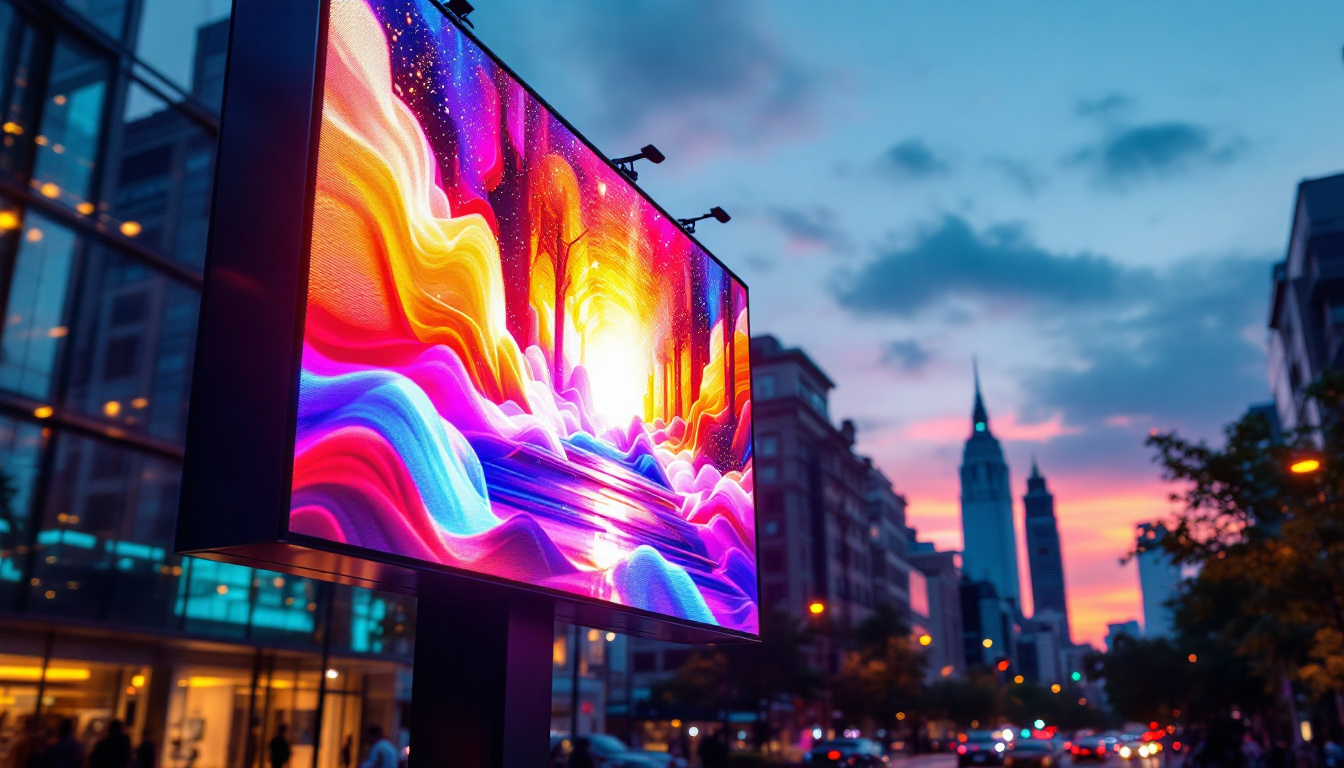
One of the most significant advantages of LED displays is their brightness. LEDs can produce luminance levels exceeding 1,000 nits, with some outdoor models reaching over 5,000 nits. This high brightness ensures clear visibility even in direct sunlight, making LED video walls ideal for outdoor advertising, public information displays, and sports arenas.
Additionally, LED displays maintain consistent brightness and color accuracy over wide viewing angles, allowing audiences to see clear images from various positions without distortion. This feature is particularly beneficial in environments where viewers are spread out, such as concerts or large events, ensuring that everyone has a great viewing experience regardless of their location.
Scalability and Flexibility
LED video walls are highly modular, meaning they can be scaled up or down to fit different spaces and requirements. Whether it’s a small 2×2 video wall for a conference room or a massive 20×10 installation for a concert stage, LED panels can be combined in countless configurations.
This modularity also allows for creative designs such as curved walls, cylindrical displays, or irregular shapes, expanding the possibilities for immersive and eye-catching visual presentations. Event planners and marketers can leverage this flexibility to create unique experiences that captivate audiences, enhancing brand engagement through stunning visuals that adapt to the theme and atmosphere of the event.
Durability and Longevity
LED panels are built to withstand harsh environmental conditions, especially outdoor models that are weatherproof and resistant to dust and moisture. The lifespan of LEDs typically ranges from 50,000 to 100,000 hours, significantly longer than traditional display technologies. This durability reduces maintenance costs and downtime, ensuring reliable operation over years.
Moreover, the robust construction of LED displays means they are less prone to damage from impacts or vibrations, making them suitable for high-traffic areas like airports and shopping malls. This resilience not only contributes to their longevity but also enhances the overall return on investment, as businesses can rely on these displays to perform consistently without frequent replacements.
Energy Efficiency
Compared to other large-scale display technologies, LED video walls are relatively energy-efficient. LEDs consume less power per unit of brightness, which translates to lower operating costs, especially for installations that run continuously or for extended hours.
This energy efficiency is not only beneficial for reducing electricity bills but also aligns with growing sustainability initiatives. Many organizations are now prioritizing eco-friendly solutions, and the lower carbon footprint associated with LED technology makes it an attractive option for environmentally conscious businesses. By choosing LED video walls, companies can showcase their commitment to sustainability while enjoying the advantages of cutting-edge display technology.
“`
Key Considerations When Choosing an LED Video Wall
Selecting the right LED video wall requires careful evaluation of several technical and practical factors to ensure optimal performance and return on investment.
Pixel Pitch and Viewing Distance
Pixel pitch is arguably the most critical specification when choosing an LED video wall. A smaller pixel pitch means higher resolution and finer image detail, but it also increases the cost. The ideal pixel pitch depends on the typical viewing distance:
- Close viewing (1-3 meters): Pixel pitch of 1.2mm to 2.5mm is recommended for indoor environments such as control rooms or retail displays.
- Medium distance (3-10 meters): Pixel pitch of 2.5mm to 6mm suits conference halls, lobbies, and auditoriums.
- Long distance (10+ meters): Pixel pitch of 6mm or higher is appropriate for outdoor billboards, stadiums, and large public spaces.
Choosing the correct pixel pitch ensures the audience perceives a crisp, clear image without visible pixelation.
Indoor vs. Outdoor Use
LED video walls designed for outdoor use have different specifications than indoor models. Outdoor panels must be weather-resistant with high IP (Ingress Protection) ratings to prevent damage from rain, dust, and temperature fluctuations. They also require higher brightness to combat sunlight glare.
Indoor LED walls, on the other hand, prioritize higher resolution and color accuracy over extreme brightness and durability. Understanding the environment where the video wall will be installed is crucial for selecting the right product.
Installation and Maintenance
Proper installation is essential for achieving a seamless video wall with uniform brightness and color. LED panels must be precisely aligned and securely mounted. Many modern LED video walls incorporate front-serviceable designs, allowing technicians to access and repair individual modules from the front without dismantling the entire wall.
Regular maintenance, including cleaning and calibration, ensures the video wall continues to perform optimally over time.
Control Systems and Content Management
The video wall controller is the brain behind the display, managing input sources, image processing, and synchronization. Advanced controllers support multiple inputs, real-time content switching, and integration with content management systems (CMS) for dynamic and interactive displays.
Choosing a controller compatible with your content strategy and technical requirements is vital for maximizing the video wall’s capabilities.
Applications of LED Video Walls
LED video walls have become ubiquitous across various industries due to their impressive visual impact and adaptability.
Retail and Advertising
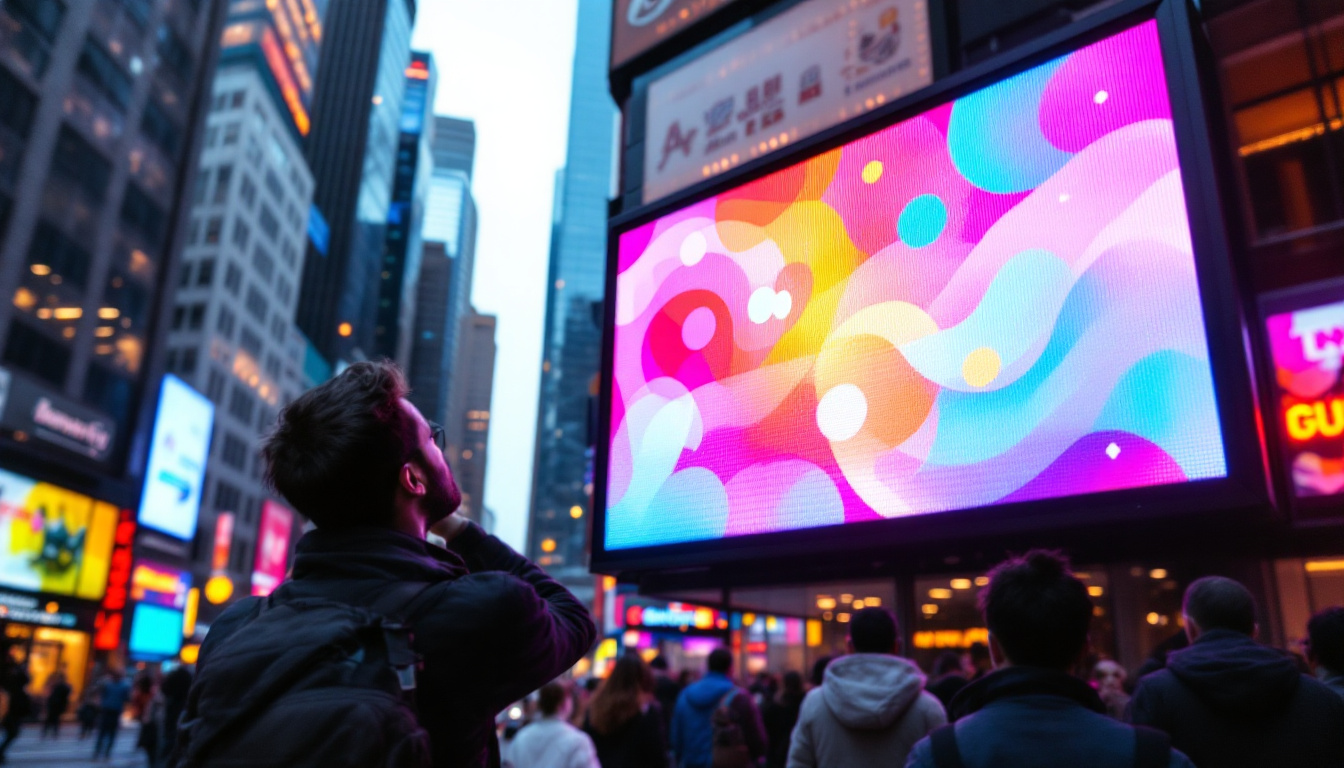
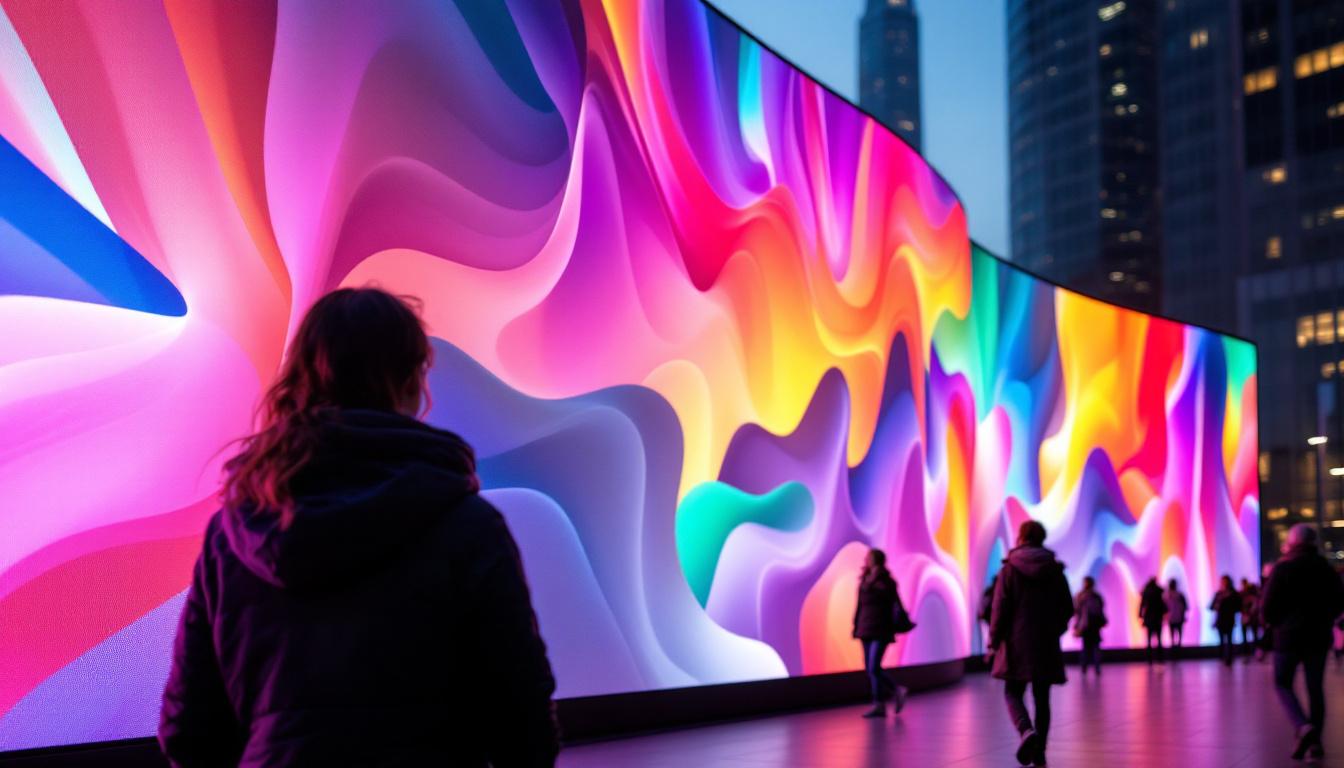
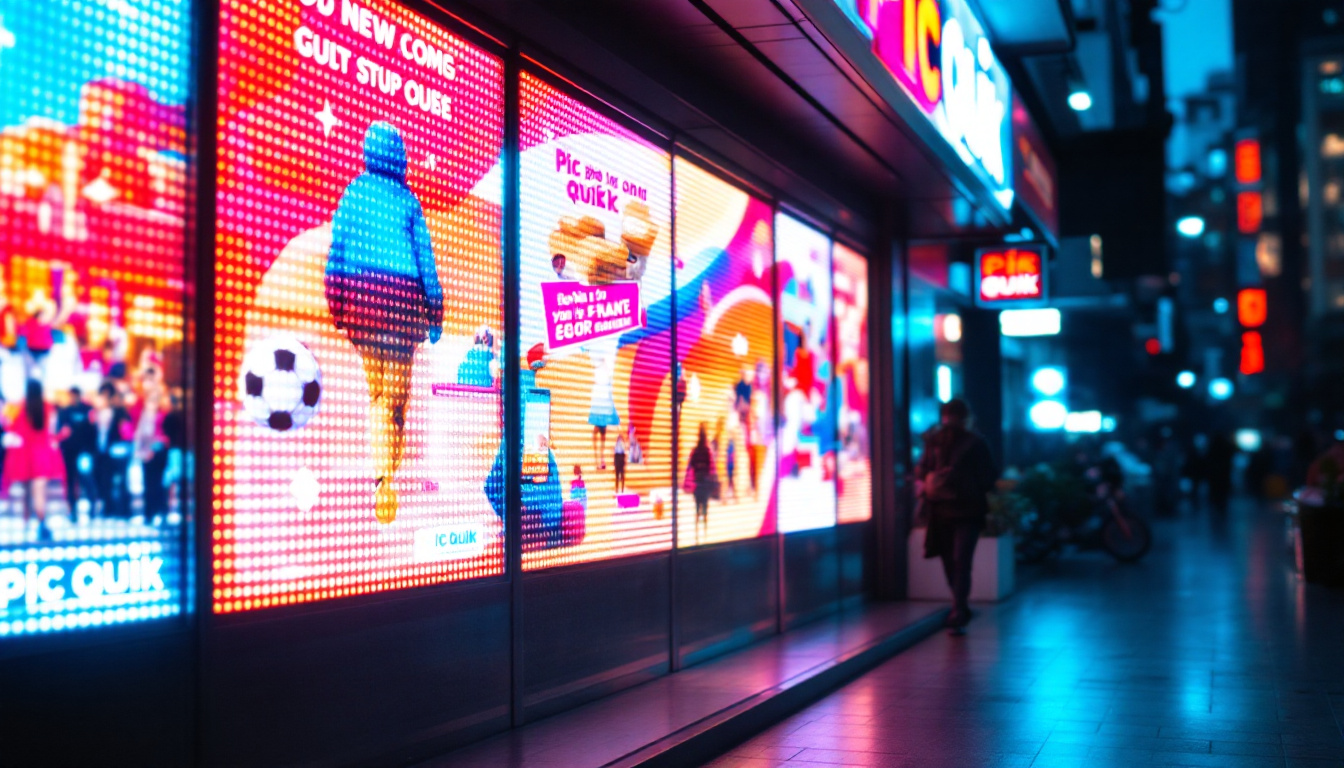
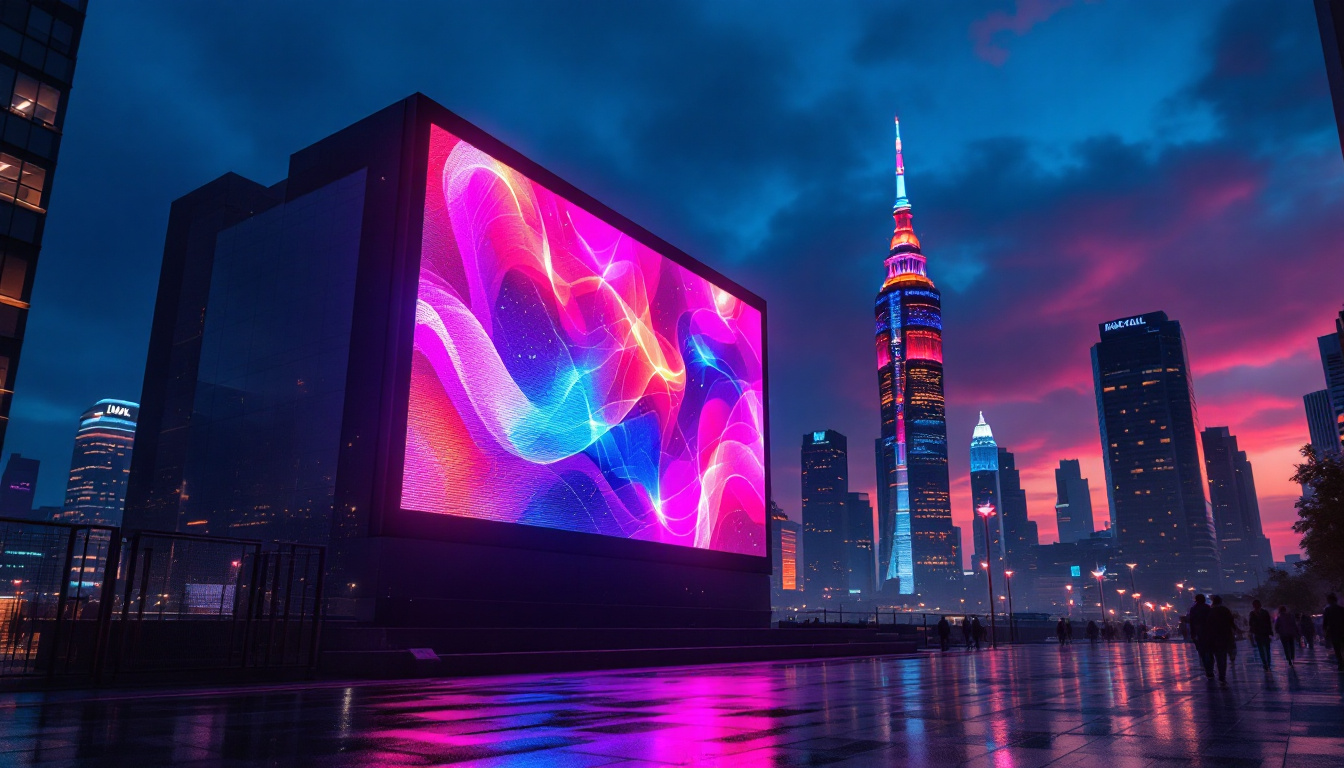
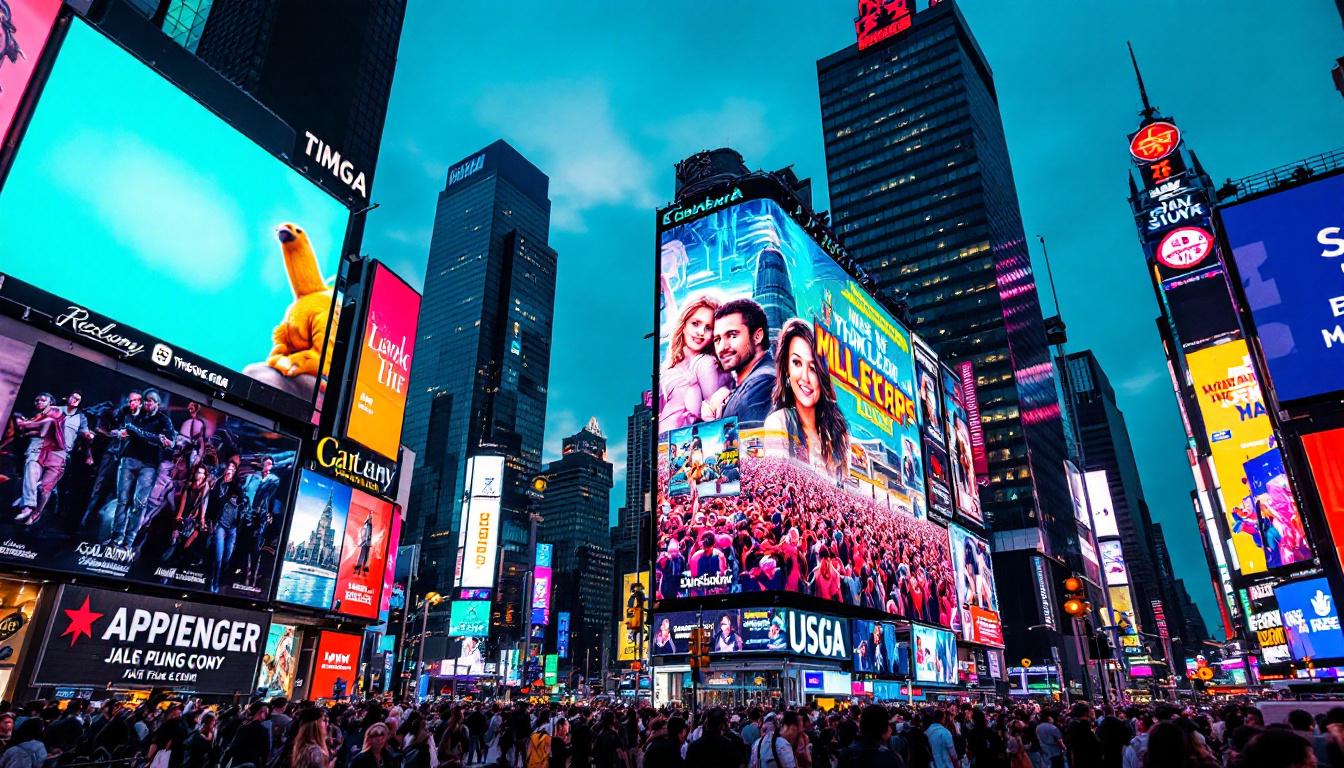
Retailers use LED video walls to create immersive brand experiences, showcase products, and attract customers. Large-format digital billboards in urban centers leverage outdoor LED walls to deliver vibrant advertisements that stand out in crowded environments.
Corporate and Control Rooms
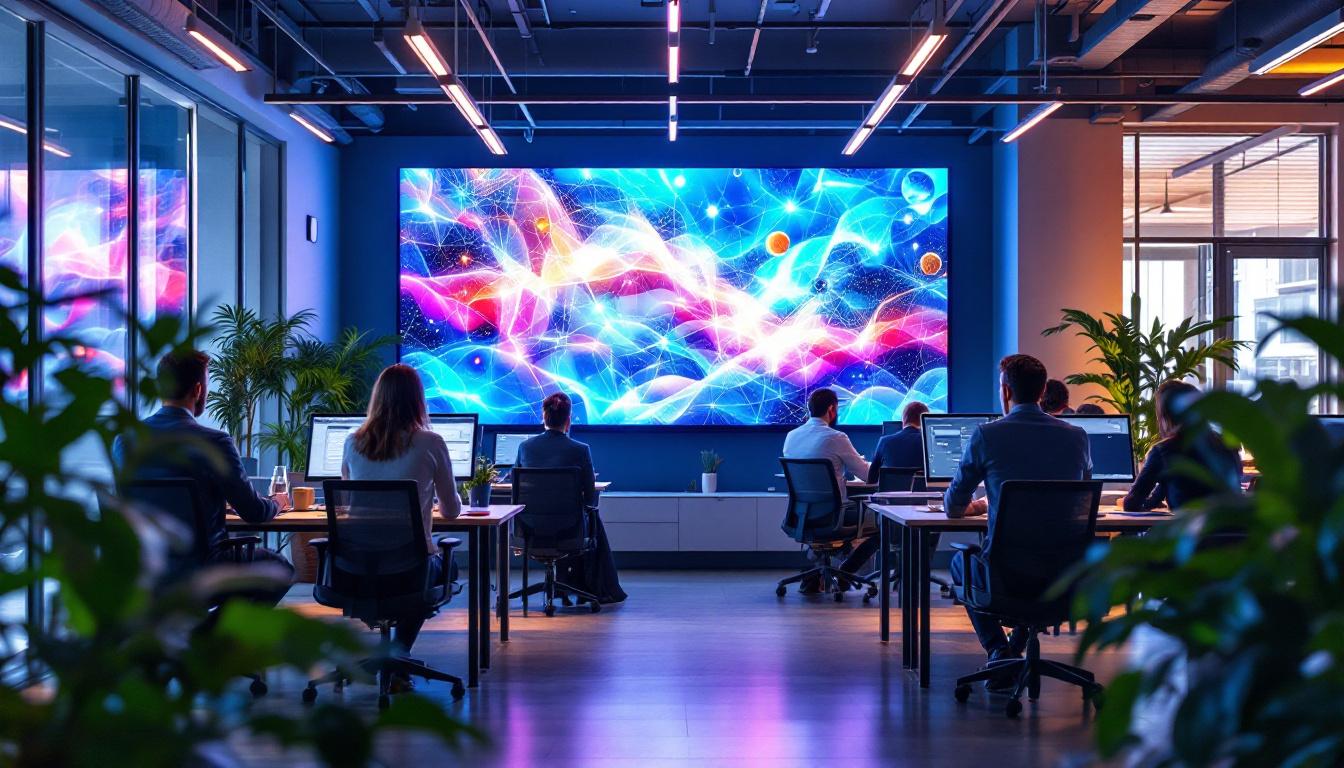
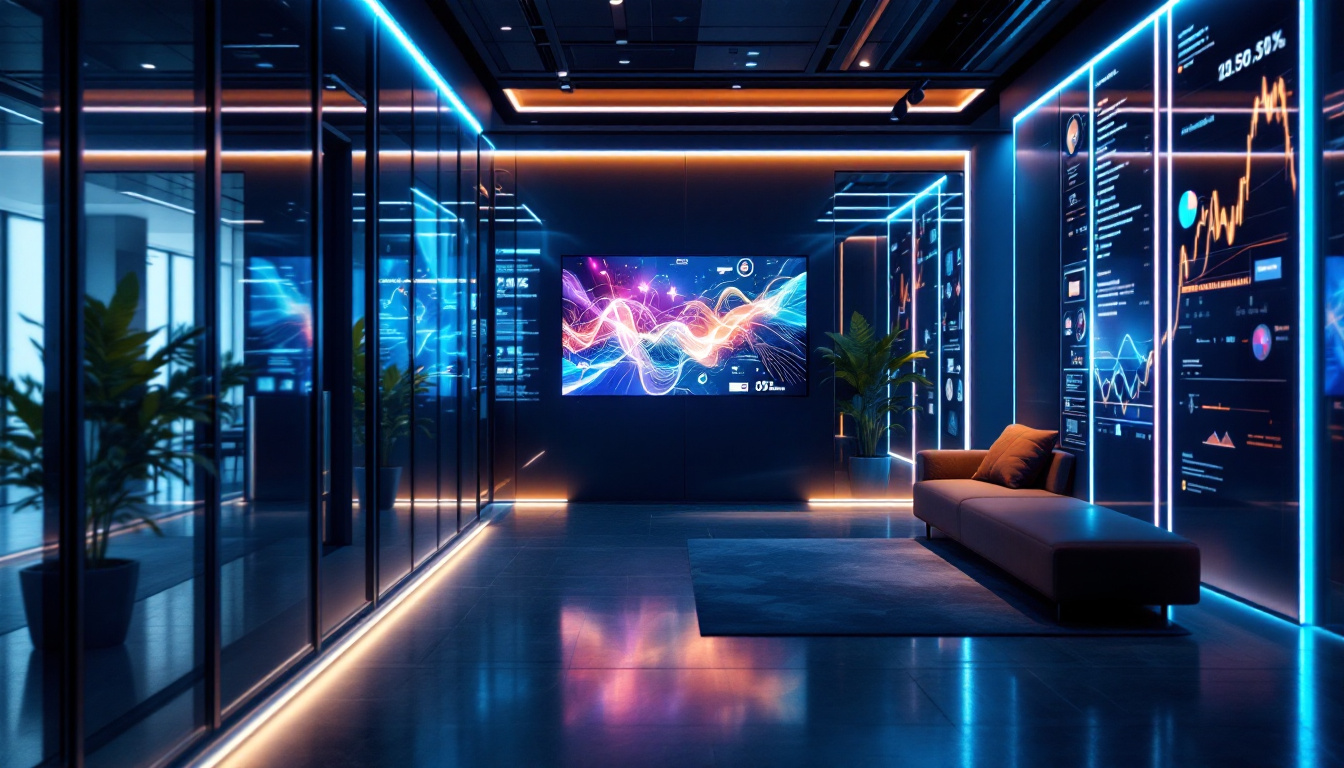
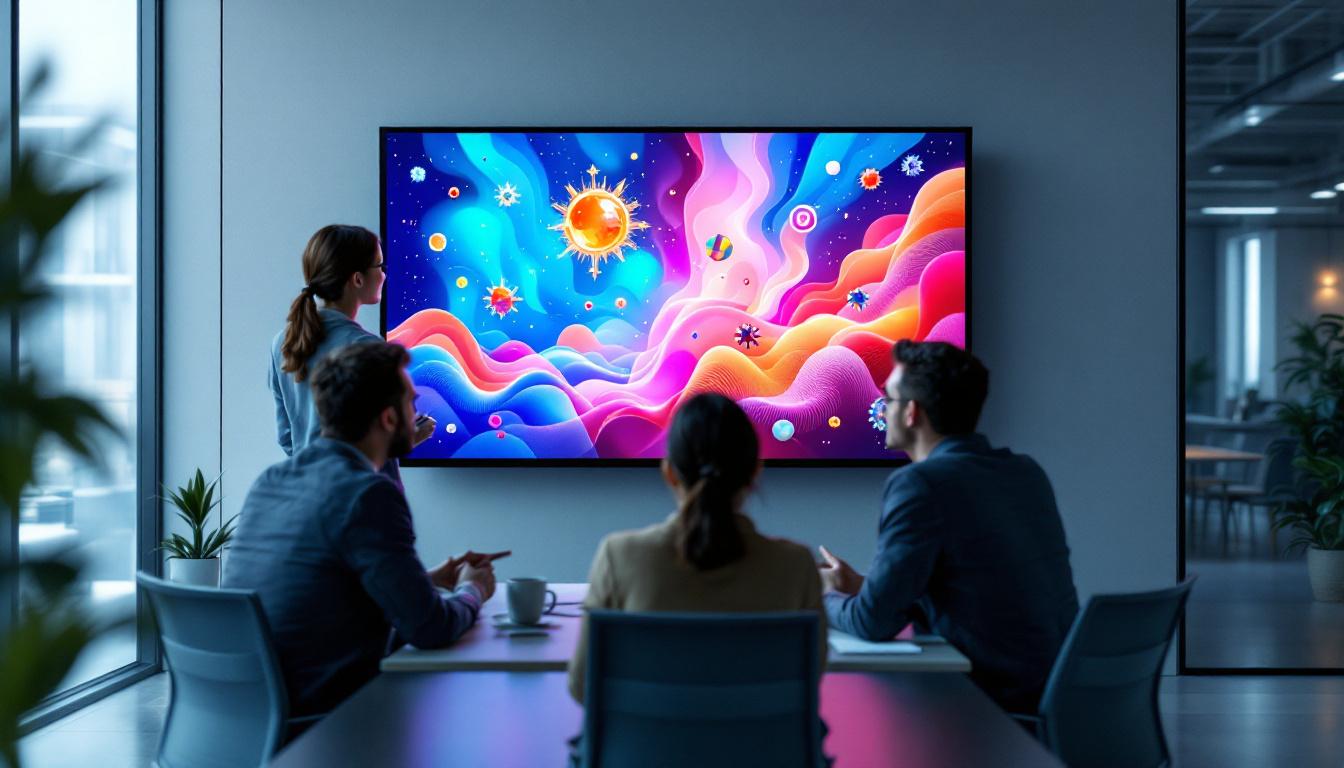
In corporate settings, LED video walls facilitate presentations, video conferencing, and data visualization. Control rooms in transportation, utilities, and emergency services rely on high-resolution LED walls for monitoring and decision-making.
Entertainment and Events
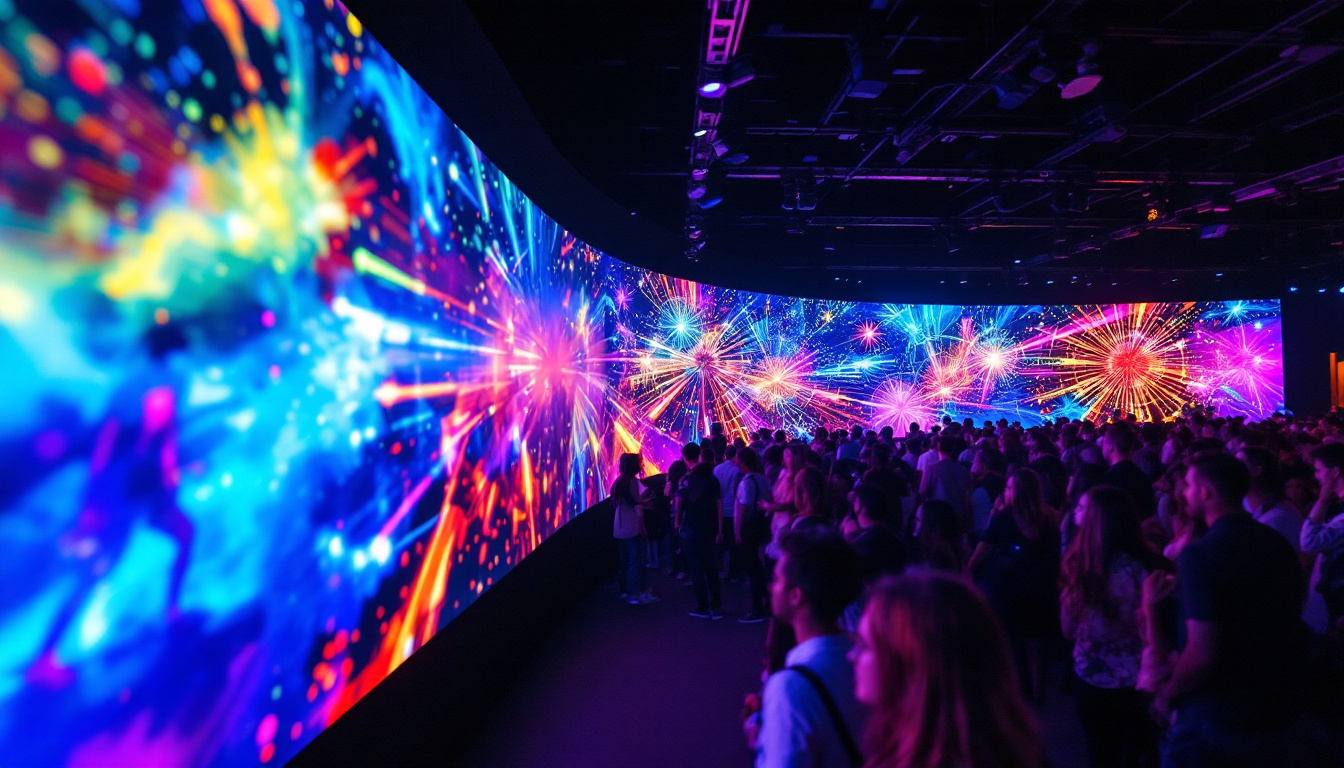
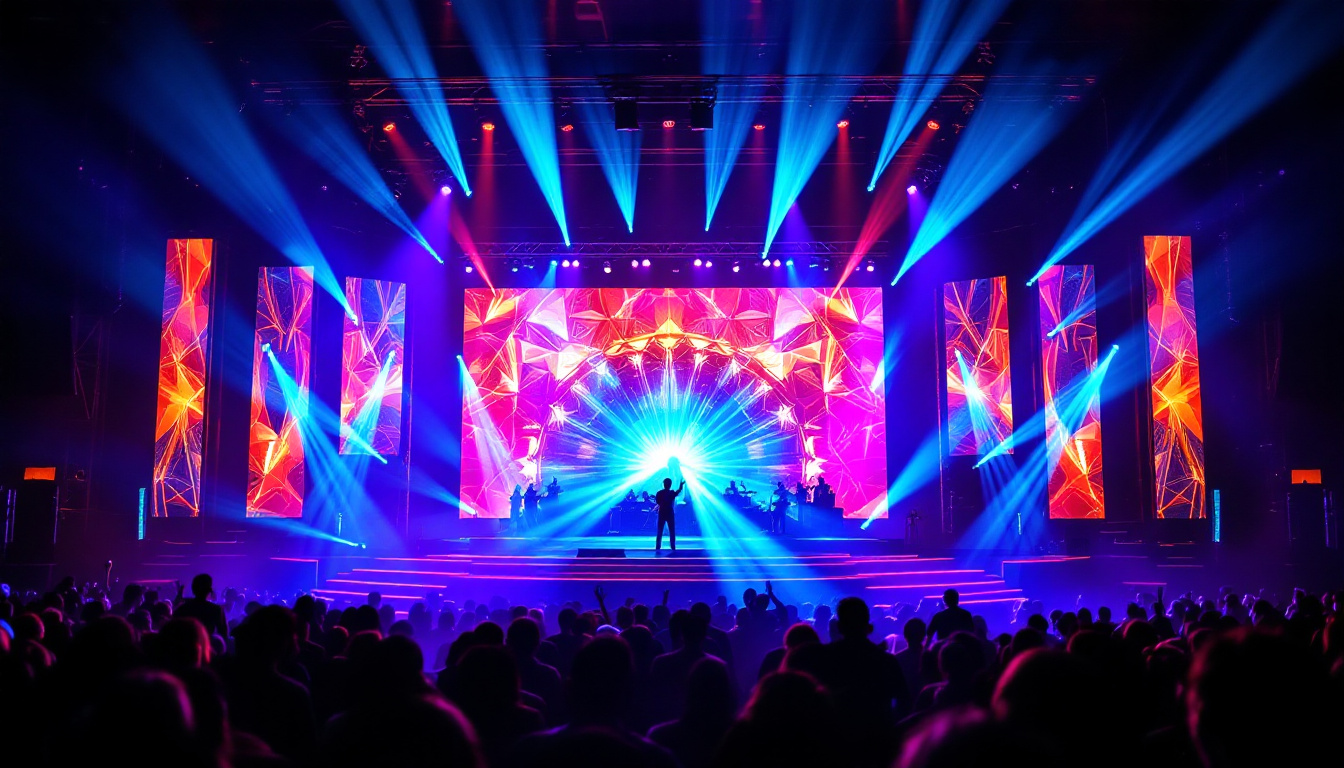
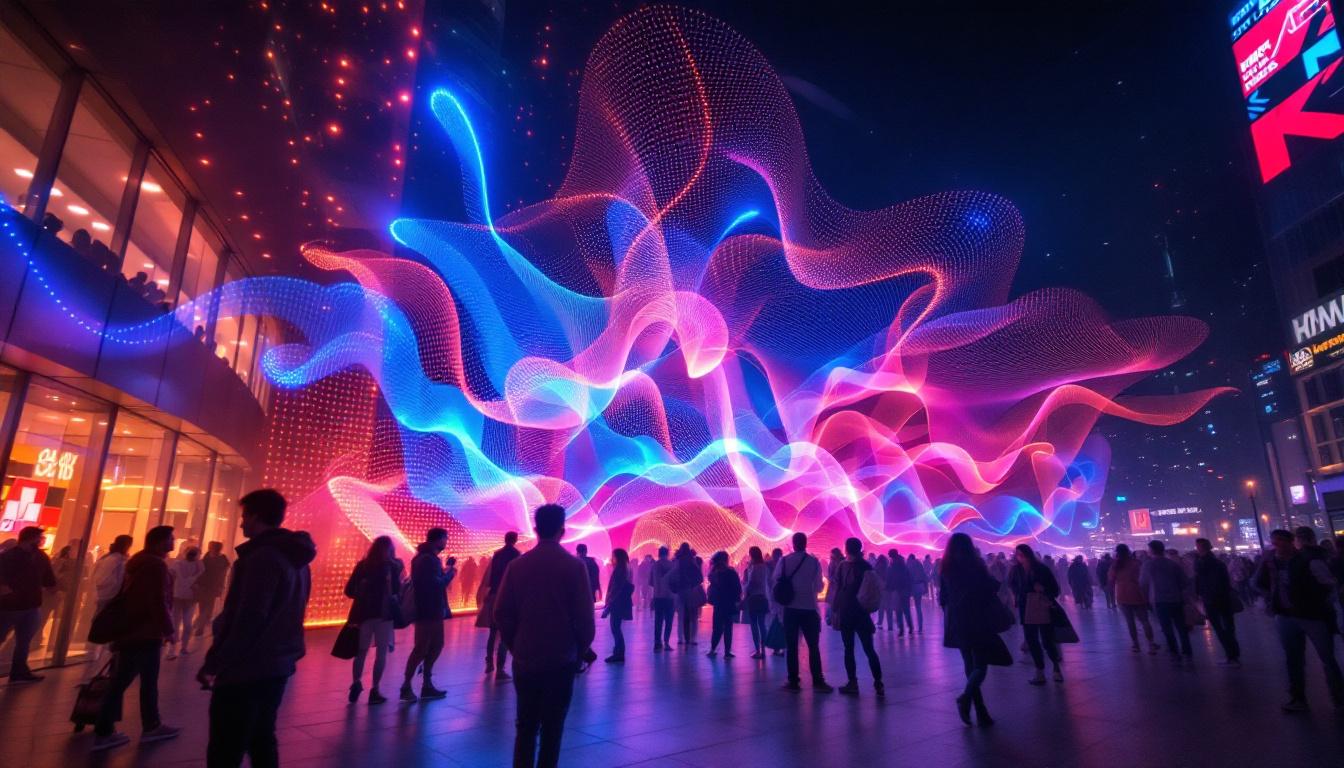
Concerts, festivals, and sports venues utilize massive LED video walls to provide live feeds, replays, and dynamic visuals that enhance audience engagement. The flexibility of LED panels allows for creative staging and immersive environments.
Public Information and Transportation
Airports, train stations, and city centers deploy LED video walls for real-time information, wayfinding, and public announcements. Their high visibility and reliability make them ideal for critical communications.
Future Trends in LED Video Wall Technology
The LED video wall market continues to evolve with innovations that improve image quality, installation ease, and interactivity.
MicroLED and MiniLED Technologies
Emerging MicroLED and MiniLED technologies offer even smaller pixel pitches and higher brightness with improved energy efficiency. These advances promise ultra-high-definition displays suitable for close viewing in retail and corporate environments.
Flexible and Transparent LED Displays
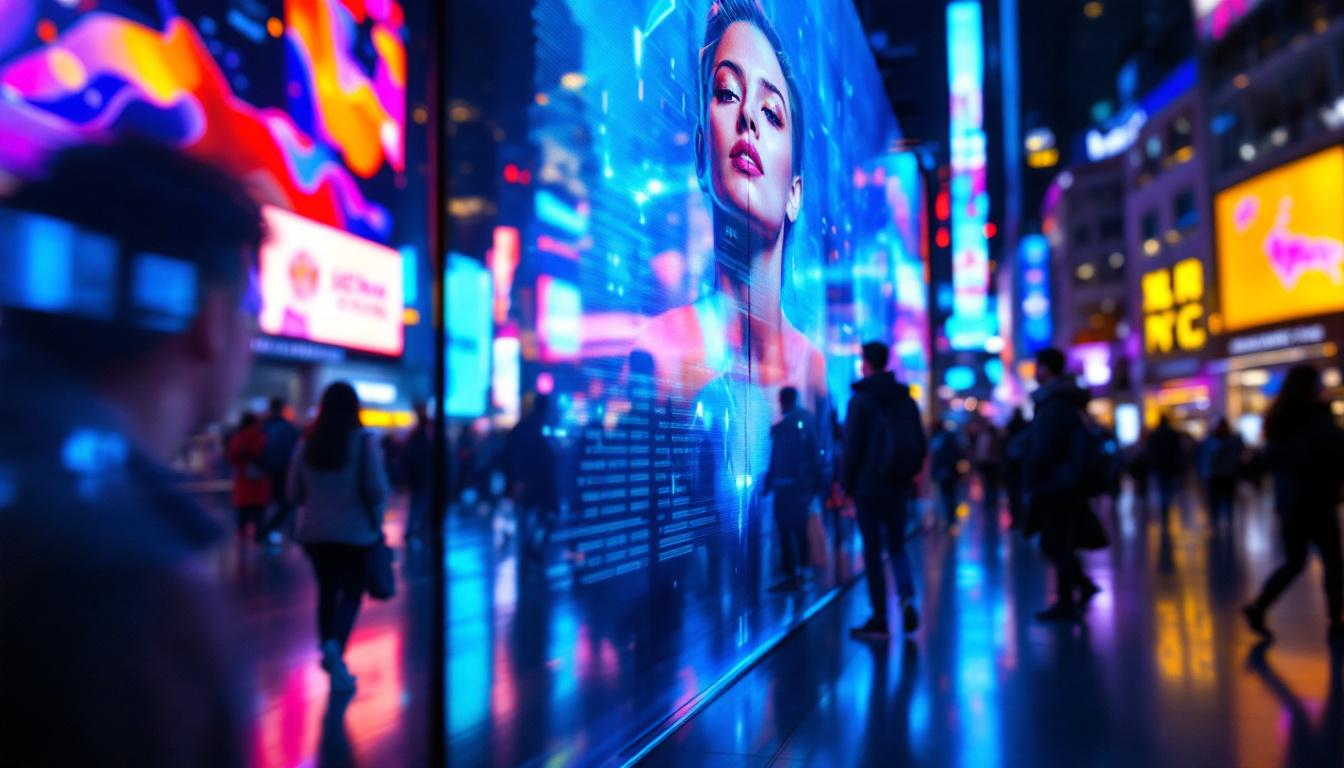
Flexible LED panels enable curved and irregular-shaped video walls, opening new creative possibilities. Transparent LED displays allow for see-through installations on glass surfaces, blending digital content with physical environments.
AI-Driven Content and Analytics
Integration of artificial intelligence enables dynamic content adaptation based on audience behavior and environmental conditions. Analytics tools help measure engagement and optimize content strategies for maximum impact.
Conclusion
LED video wall displays represent a powerful tool for delivering high-impact visual communication across diverse applications. Their brightness, scalability, and durability make them suitable for everything from intimate indoor settings to vast outdoor arenas. By understanding the technology’s fundamentals, advantages, and key selection criteria, businesses and organizations can harness the full potential of LED video walls to captivate audiences and convey messages with clarity and vibrancy.
As LED technology continues to advance, video walls will become even more versatile and immersive, shaping the future of digital display solutions worldwide.
“`html
Discover LumenMatrix’s Innovative LED Display Solutions
Ready to elevate your visual communication with the latest in LED technology? LumenMatrix is at the forefront of creating immersive and dynamic visual experiences. From Indoor and Outdoor LED Wall Displays to specialized solutions like Vehicle, Sports, and Floor LED Displays, our products are designed to captivate and engage your audience. Embrace the future of digital signage with our Custom, All-in-One, and Transparent LED Displays. Check out LumenMatrix LED Display Solutions today and transform your space into a vibrant canvas of possibilities.
“`