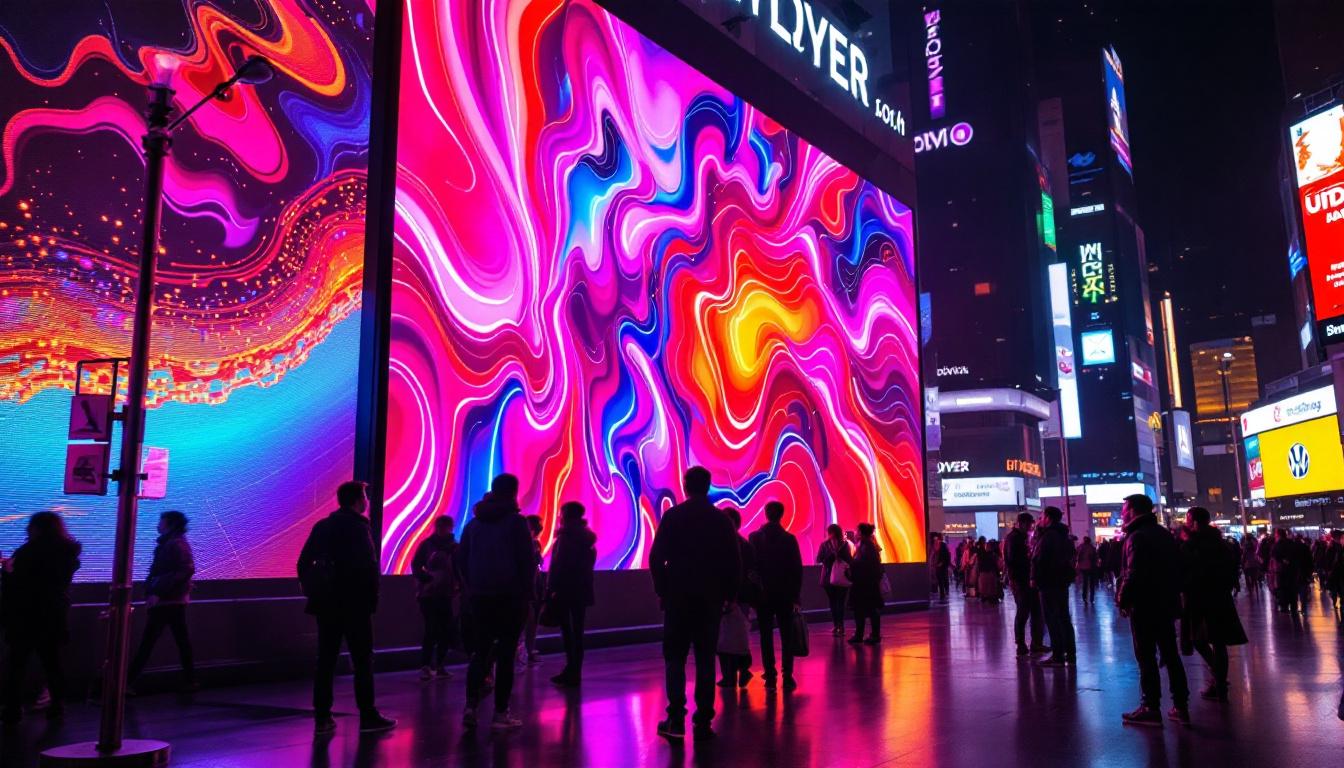
In the rapidly evolving world of digital technology, LED displays have become a cornerstone of modern visual communication. From the vibrant billboards that light up cityscapes to the high-definition screens in our homes and offices, LED technology powers an array of devices that shape how we consume information and entertainment. Understanding the background and mechanics of LED displays is crucial not only for technology enthusiasts but also for businesses and consumers who rely on these displays daily.
This article delves into the fundamentals of LED displays, exploring their history, technology, types, applications, and future trends. Whether you are considering investing in LED display technology or simply curious about how these luminous screens work, this comprehensive guide will illuminate the subject in detail.
The Evolution of LED Display Technology
The Origins of LED Technology
Light Emitting Diodes (LEDs) were first discovered in the early 20th century, but it was not until the 1960s that practical LEDs capable of emitting visible light were developed. Initially, these LEDs were limited to red colors and used primarily as indicator lights in electronic devices. The breakthrough came with the invention of blue LEDs in the 1990s, which enabled the creation of white LEDs by combining red, green, and blue elements. This advancement laid the foundation for the full-color LED displays we see today. The journey of LED technology is fascinating, as it showcases the intersection of physics and engineering, where researchers explored the properties of semiconductors to unlock new possibilities in light generation. The early experiments paved the way for a myriad of applications, from simple digital clocks to sophisticated lighting systems that illuminate our homes and cities.
From Simple Indicators to Complex Displays
Early LED displays were simple, often consisting of single-color numeric or alphanumeric characters. Over the decades, technological improvements in semiconductor materials, manufacturing processes, and miniaturization have allowed for the development of full-color, high-resolution LED panels. These panels can display complex images and video content with remarkable brightness and clarity, even in challenging lighting conditions. The transition from basic indicators to dynamic displays has revolutionized how information is communicated visually. For instance, sports arenas now utilize massive LED screens to enhance the spectator experience, providing real-time statistics, instant replays, and vibrant advertisements that captivate audiences. Furthermore, advancements in pixel pitch technology have enabled the creation of ultra-fine displays, making it possible to view content up close without noticing individual pixels, thus enhancing the overall viewing experience.
Market Growth and Adoption
The global LED display market has experienced exponential growth, driven by increasing demand in advertising, entertainment, retail, and sports industries. According to a 2023 report by MarketsandMarkets, the LED display market is projected to reach $35 billion by 2028, growing at a compound annual growth rate (CAGR) of approximately 12%. This growth reflects the technology’s versatility, energy efficiency, and superior visual performance compared to traditional display technologies like LCD and plasma. Additionally, the rise of digital signage has transformed the advertising landscape, allowing businesses to engage customers with dynamic content that can be updated in real-time. As cities become more urbanized, the integration of LED displays in public spaces has also contributed to their popularity, with installations in transportation hubs, shopping centers, and outdoor venues enhancing the urban experience. The ongoing innovation in LED technology, including flexible displays and advancements in smart technology integration, promises to further expand the horizons of what is possible in visual communication.
How LED Displays Work: The Technology Behind the Glow
Basic Structure and Components
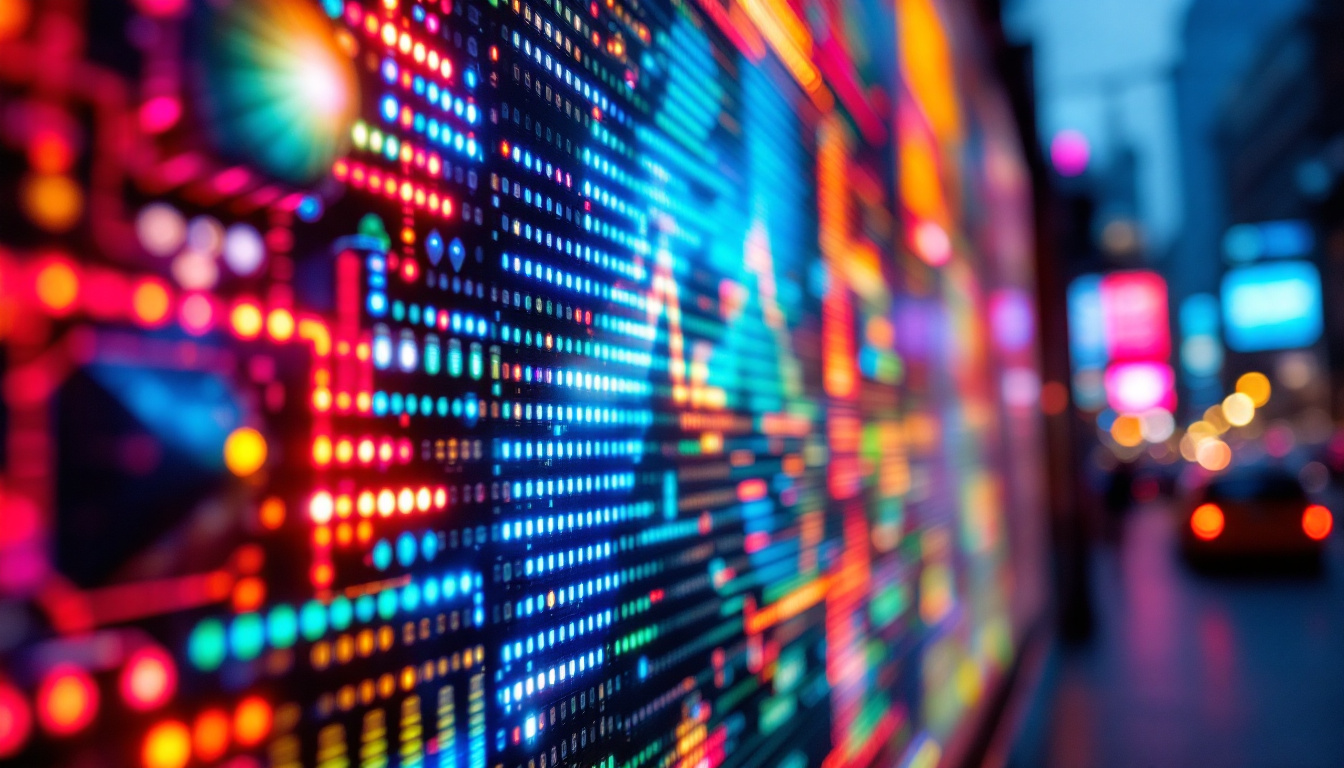
At its core, an LED display consists of an array of tiny light-emitting diodes arranged in a matrix. Each diode acts as a pixel or part of a pixel, emitting light in red, green, or blue (RGB) colors. By varying the intensity of these three colors, the display can produce a wide spectrum of colors, enabling vibrant and detailed images.
The key components of an LED display include:
- LED Chips: Semiconductor devices that emit light when an electric current passes through them.
- Driver Circuits: Control the electrical current to each LED chip, adjusting brightness and color.
- Control System: Processes input signals (video or image data) and translates them into commands for the driver circuits.
- Display Panel: The physical surface where LEDs are mounted, often modular for scalability.
Pixel Pitch and Resolution
Pixel pitch, the distance between the centers of two adjacent pixels, is a critical factor in determining the display’s resolution and viewing distance. Smaller pixel pitches mean higher resolution and sharper images, suitable for close-up viewing such as indoor screens or smartphones. Larger pixel pitches are common in outdoor billboards and stadium screens, where viewers are typically farther away.
Types of LED Displays
LED displays come in various forms, each suited to different applications:
- Direct View LED (DVLED): Uses LEDs as the actual pixels, offering high brightness and contrast. Common in large outdoor screens and indoor video walls.
- LED-backlit LCD: Combines LED backlighting with LCD panels, prevalent in televisions and monitors for improved brightness and energy efficiency.
- MicroLED: An emerging technology featuring microscopic LEDs that promise higher resolution, better color accuracy, and longer lifespan than OLED and LCD.
Applications of LED Displays Across Industries
Advertising and Digital Signage
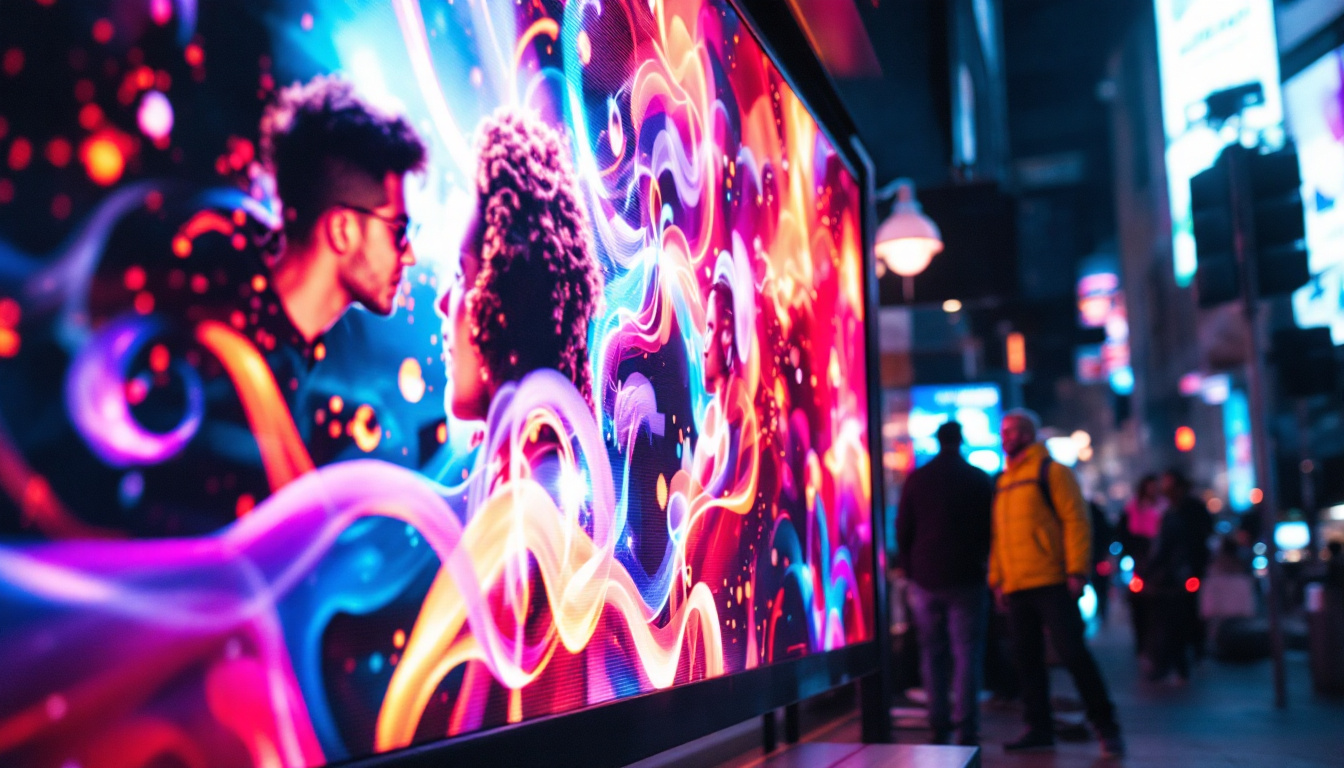
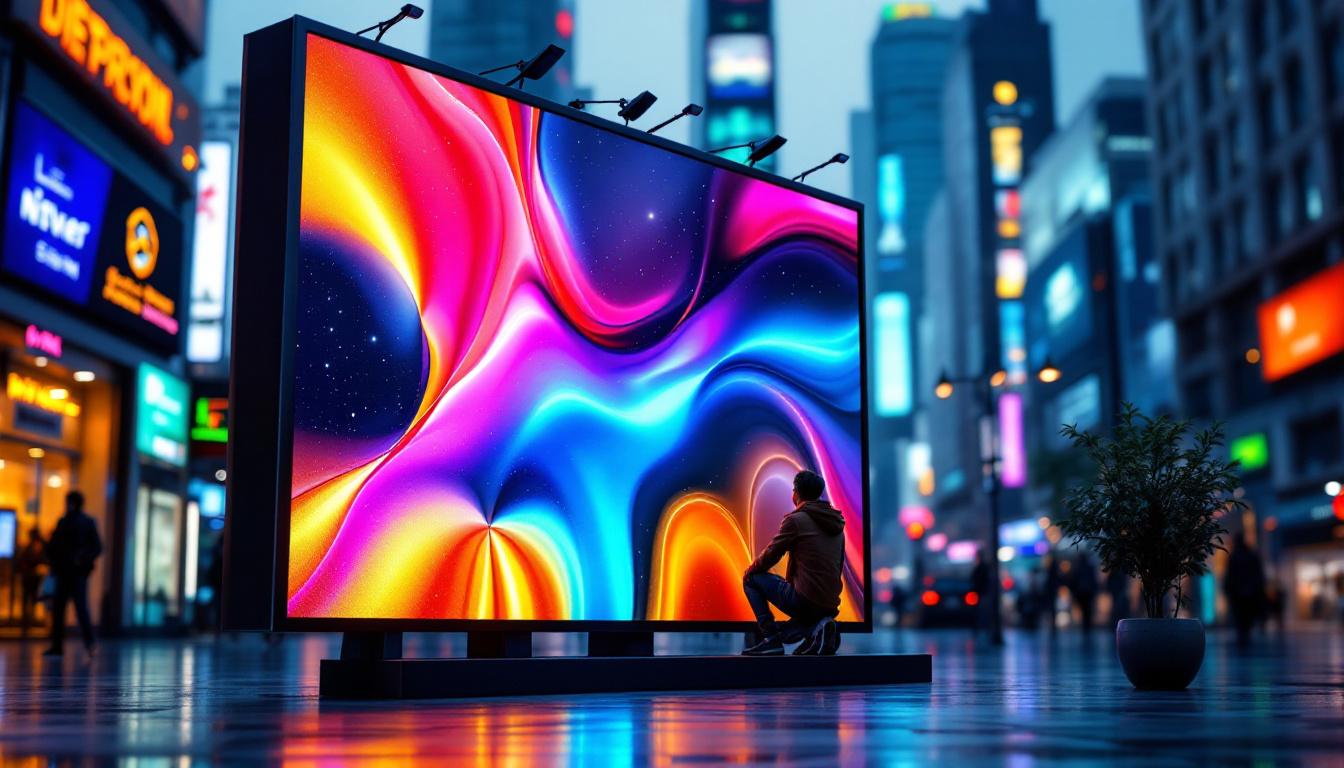
One of the most visible uses of LED displays is in outdoor advertising and digital signage. LED billboards are favored for their brightness, durability, and ability to display dynamic content that can be updated remotely in real-time. For example, Times Square in New York City is renowned for its massive LED displays that combine advertising with entertainment, drawing millions of viewers daily.
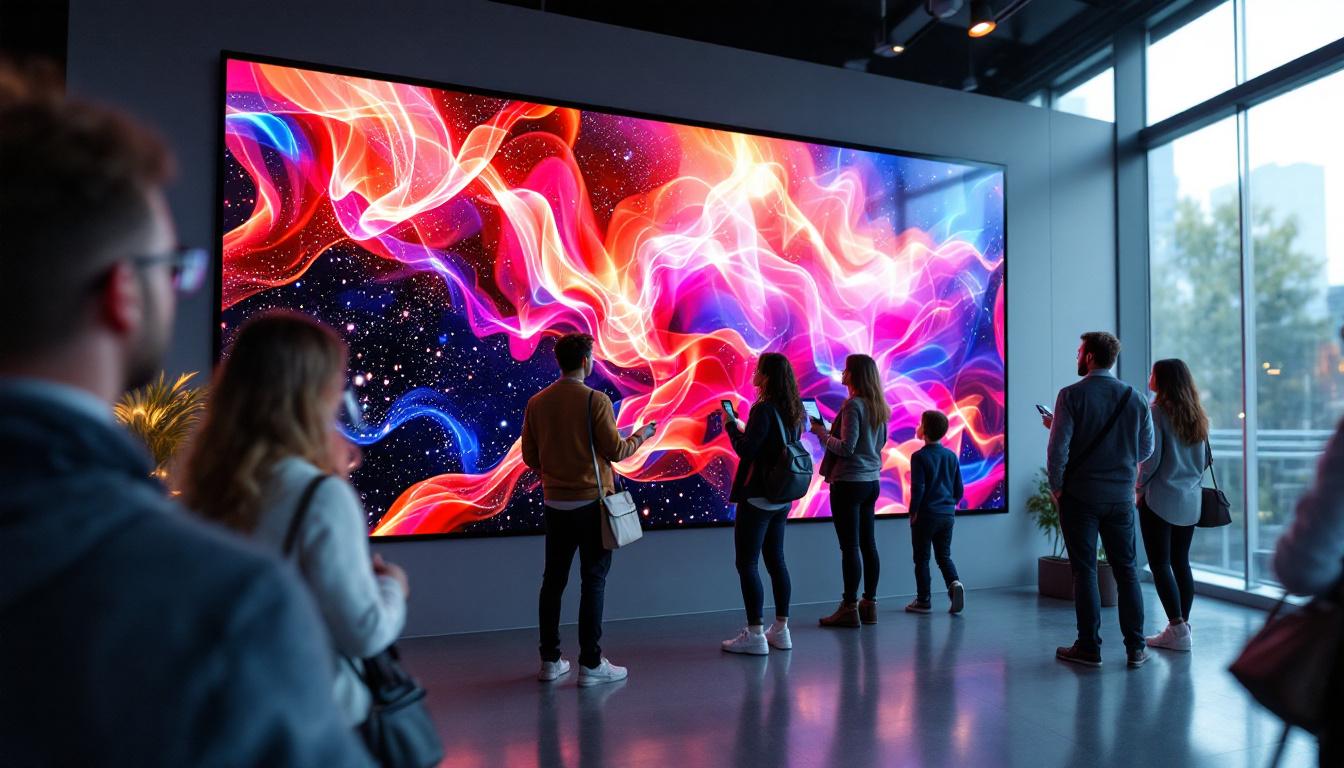
Retail environments also leverage LED displays to attract customers and enhance brand messaging. Interactive LED screens can provide personalized experiences, increasing engagement and sales.
Entertainment and Sports Venues
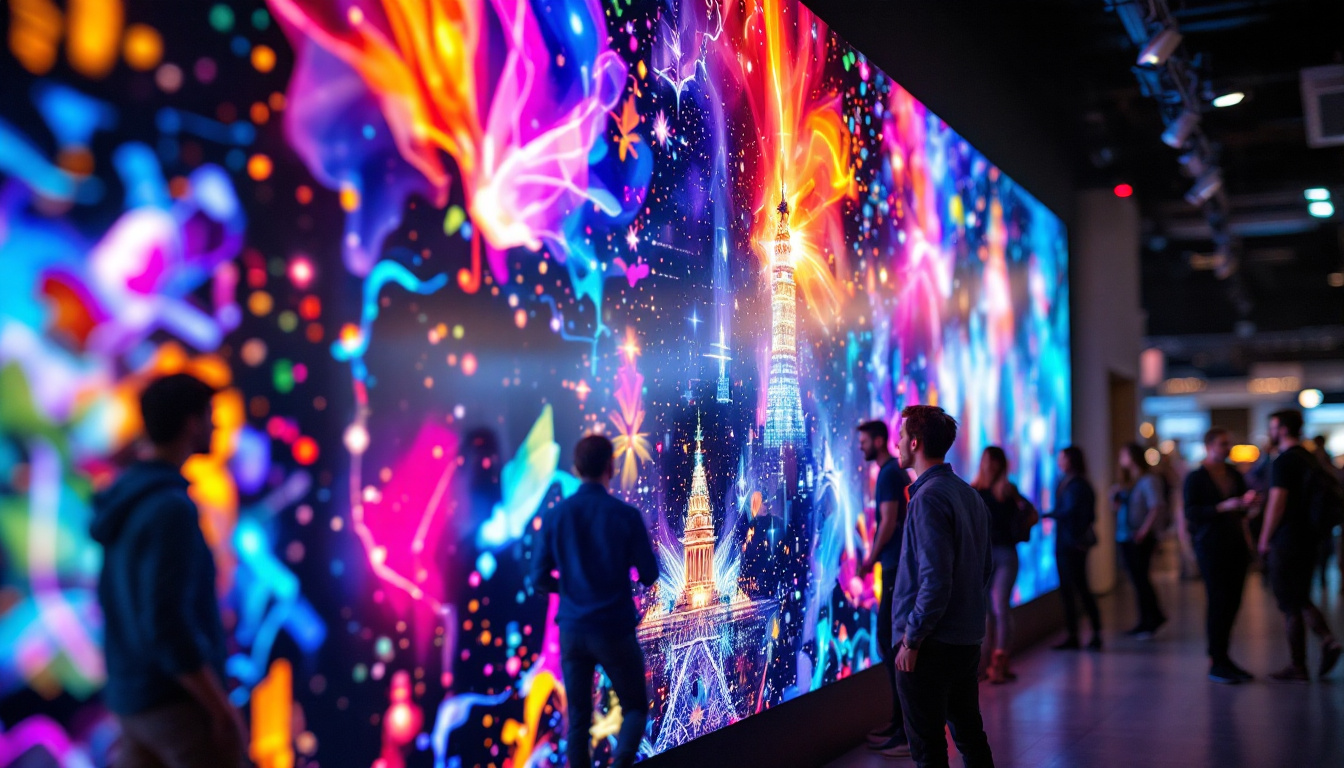
LED technology has revolutionized the entertainment industry, particularly in concerts, theaters, and sports arenas. Large-scale LED video walls and scoreboards provide immersive viewing experiences with vivid colors and high brightness that can compete with daylight. The 2022 FIFA World Cup stadiums utilized cutting-edge LED displays to enhance fan engagement both inside and outside the venues.
Corporate and Educational Use
In corporate settings, LED displays are used for presentations, video conferencing, and digital whiteboards. Their clarity and brightness facilitate effective communication in meeting rooms and auditoriums. Educational institutions also benefit from LED technology, employing interactive displays that support collaborative learning and multimedia presentations.
Transportation and Public Information
LED displays play a vital role in transportation hubs such as airports, train stations, and bus terminals. They provide real-time information on schedules, delays, and safety announcements. Their high visibility and reliability make them ideal for guiding large crowds efficiently.
Advantages and Challenges of LED Displays
Key Benefits
LED displays offer several advantages over traditional display technologies:
- High Brightness and Contrast: LEDs produce intense light, making displays visible even in direct sunlight.
- Energy Efficiency: LEDs consume less power compared to incandescent or fluorescent lighting, reducing operational costs.
- Long Lifespan: Quality LED displays can last over 100,000 hours, minimizing maintenance and replacement expenses.
- Flexibility and Scalability: Modular design allows for custom sizes and shapes, suitable for various environments.
- Fast Response Time: Ideal for video and animation, with minimal motion blur.
Common Challenges
Despite their benefits, LED displays face certain challenges:
- Initial Cost: High-quality LED displays can require significant upfront investment.
- Heat Management: LEDs generate heat that must be dissipated to maintain performance and longevity.
- Color Accuracy: Achieving consistent color reproduction across large panels can be complex.
- Environmental Impact: Manufacturing and disposal of LED components involve environmental considerations, though ongoing advances aim to improve sustainability.
The Future of LED Display Technology
Emerging Innovations
Research and development in LED technology continue to push the boundaries of what is possible. MicroLED displays are poised to transform the market with their superior brightness, color accuracy, and energy efficiency. Unlike OLEDs, MicroLEDs are less susceptible to burn-in and offer longer lifespans, making them attractive for premium consumer electronics and large-scale installations.
Flexible and transparent LED displays are also gaining traction, enabling new design possibilities in architecture, automotive, and wearable devices. These innovations promise to integrate digital content seamlessly into everyday environments.
Integration with Smart Technologies
The convergence of LED displays with Internet of Things (IoT) and artificial intelligence (AI) is creating smarter, more interactive visual solutions. For instance, AI-powered LED signage can adapt content dynamically based on audience demographics, weather conditions, or time of day, maximizing impact and relevance.
Sustainability and Energy Efficiency
As global attention on environmental sustainability intensifies, LED manufacturers are focusing on reducing energy consumption and using eco-friendly materials. Advances in driver electronics and heat management contribute to greener operations, while recycling programs aim to mitigate electronic waste.
Conclusion
LED displays have revolutionized the way information and entertainment are presented across the globe. Their evolution from simple indicator lights to sophisticated, high-resolution screens demonstrates the remarkable progress in semiconductor technology and digital innovation. With applications spanning advertising, entertainment, education, transportation, and beyond, LED displays continue to shape modern visual experiences.
Understanding the technology behind LED displays, their advantages, challenges, and future trends equips businesses and consumers to make informed decisions. As LED technology advances further, it promises even more vibrant, energy-efficient, and interactive displays that will redefine how we see the world.
Explore the Future of Visual Communication with LumenMatrix
As you consider the vast potential and advancements of LED display technology, LumenMatrix stands at the forefront, ready to illuminate your next project with our comprehensive range of LED display solutions. From captivating Indoor and Outdoor LED Wall Displays to innovative applications like Vehicle LED Displays, LED Posters, and Transparent LED Displays, we are committed to revolutionizing visual experiences. Whether you’re looking to enhance a sports venue with dynamic LED Sports Displays or create a custom solution that speaks uniquely to your brand, LumenMatrix is your partner in creating impactful visual communications. Check out LumenMatrix LED Display Solutions today and see how we can help you share your message with the world.