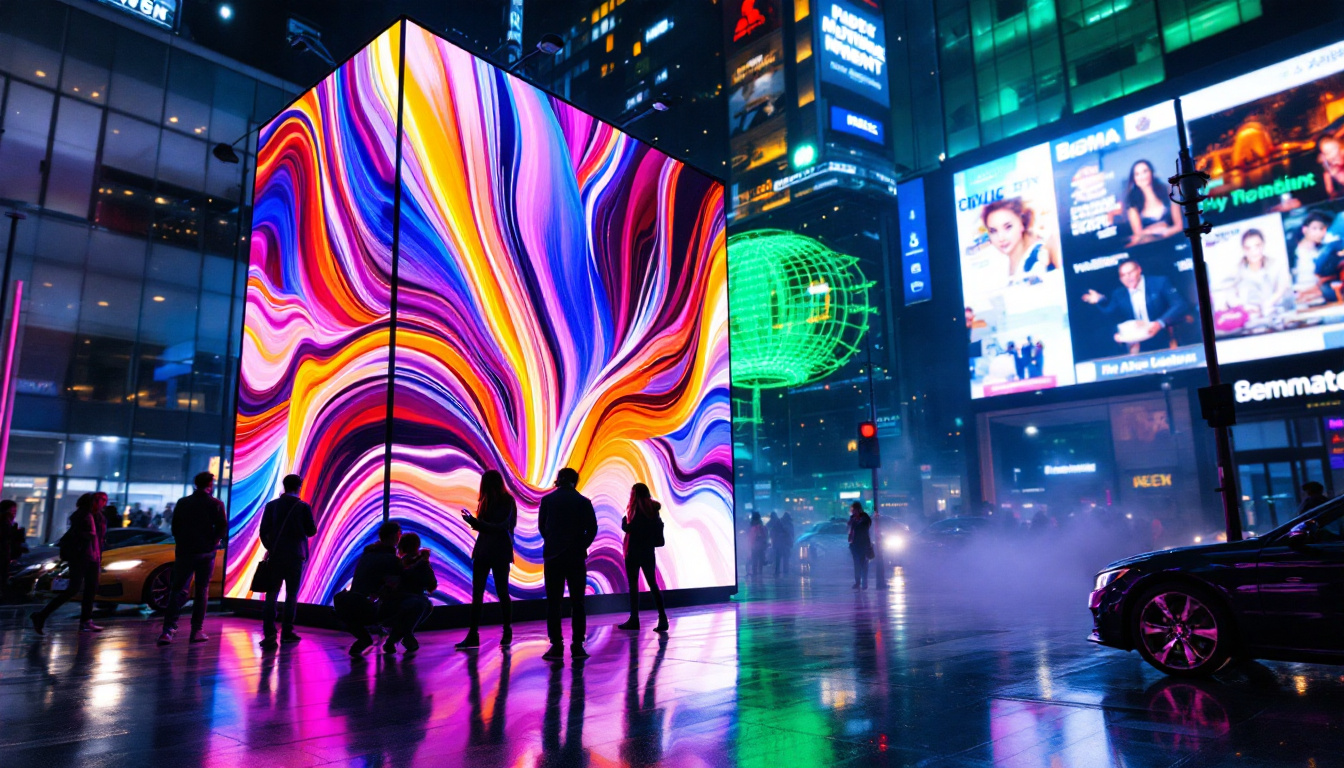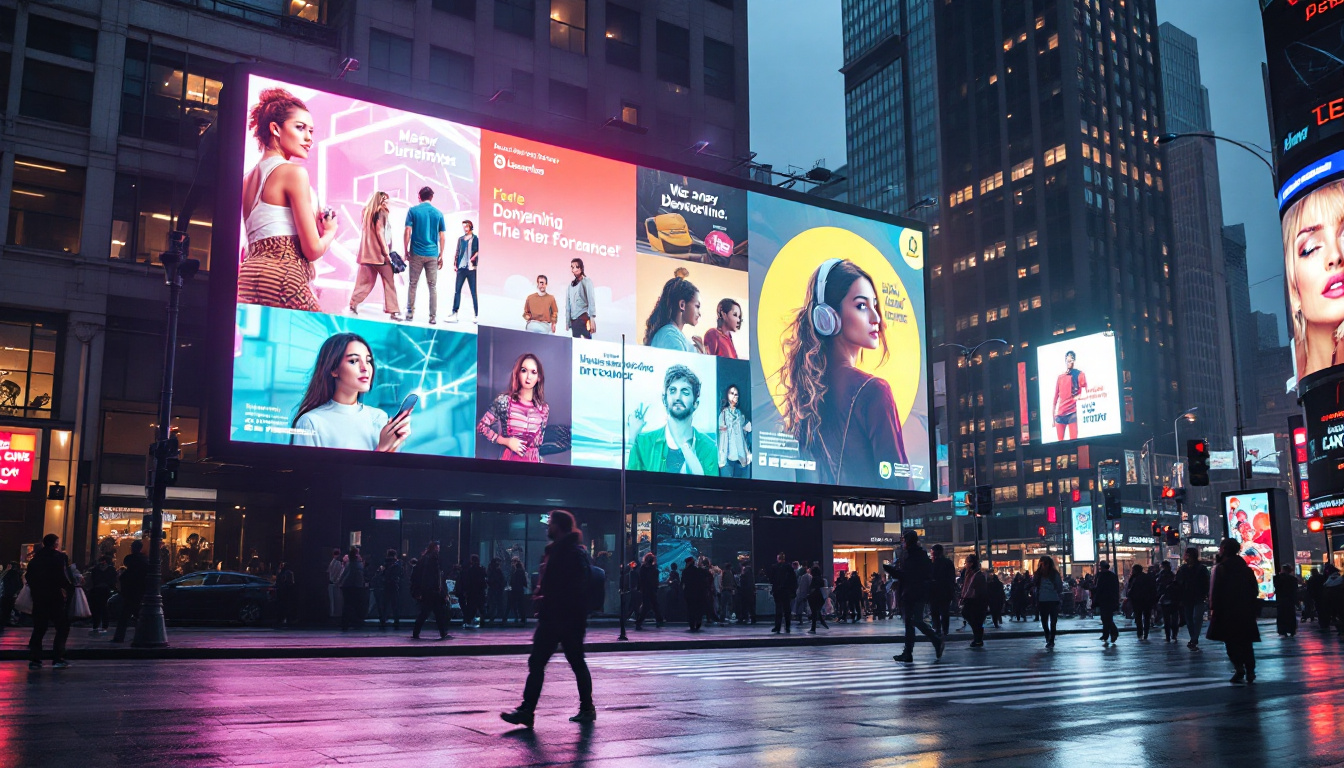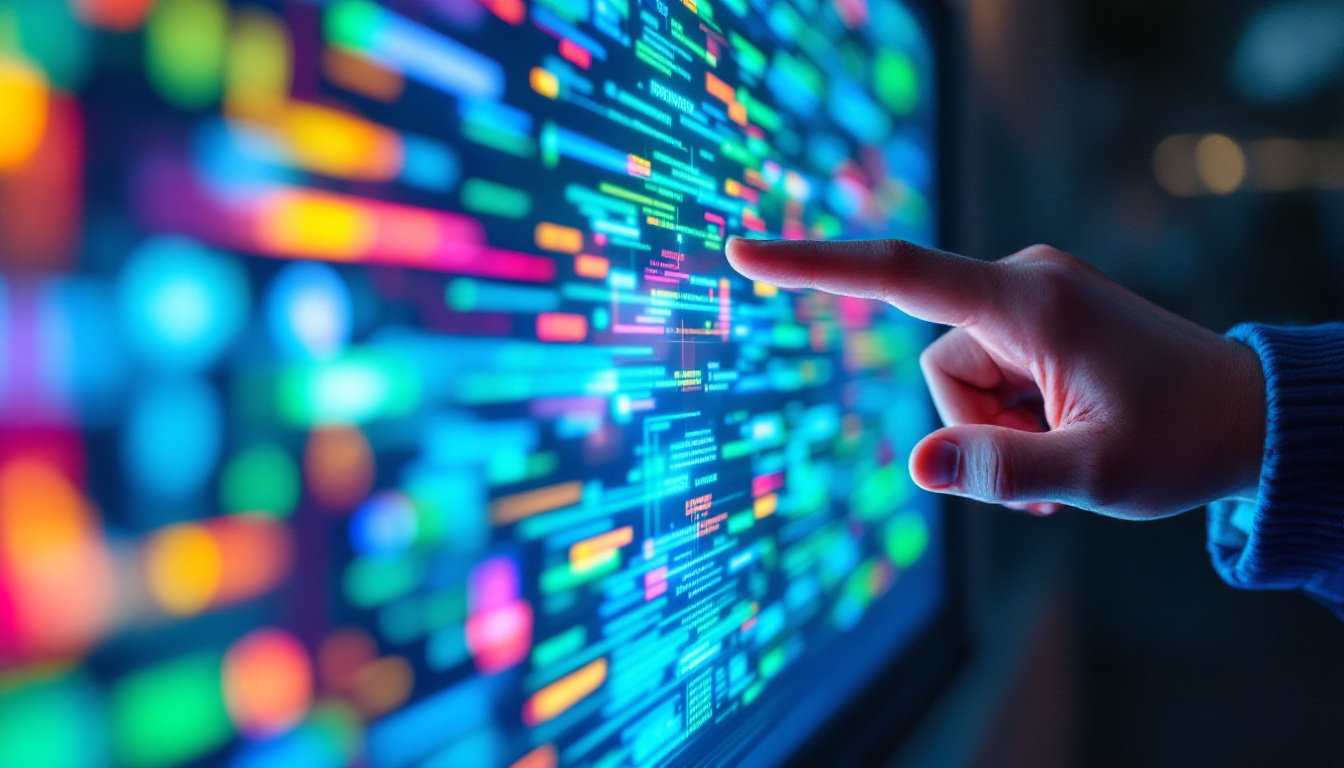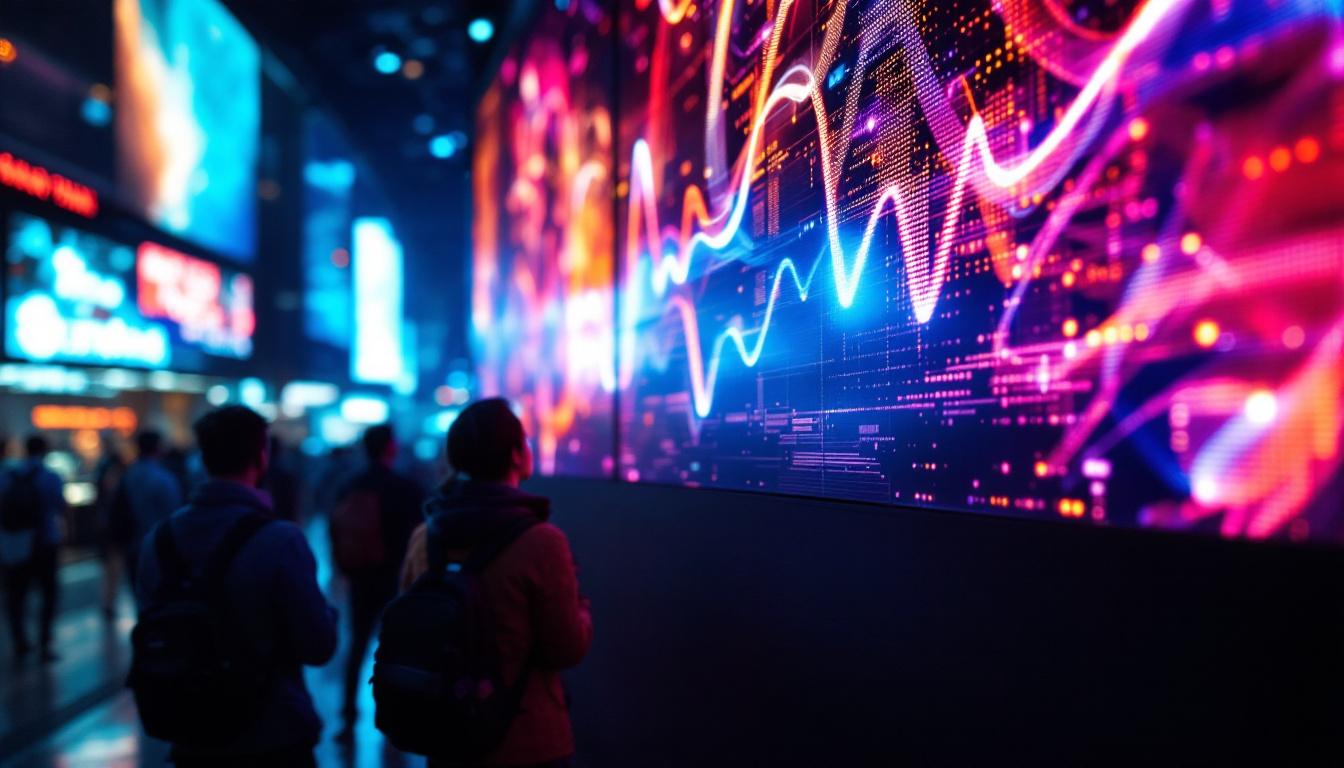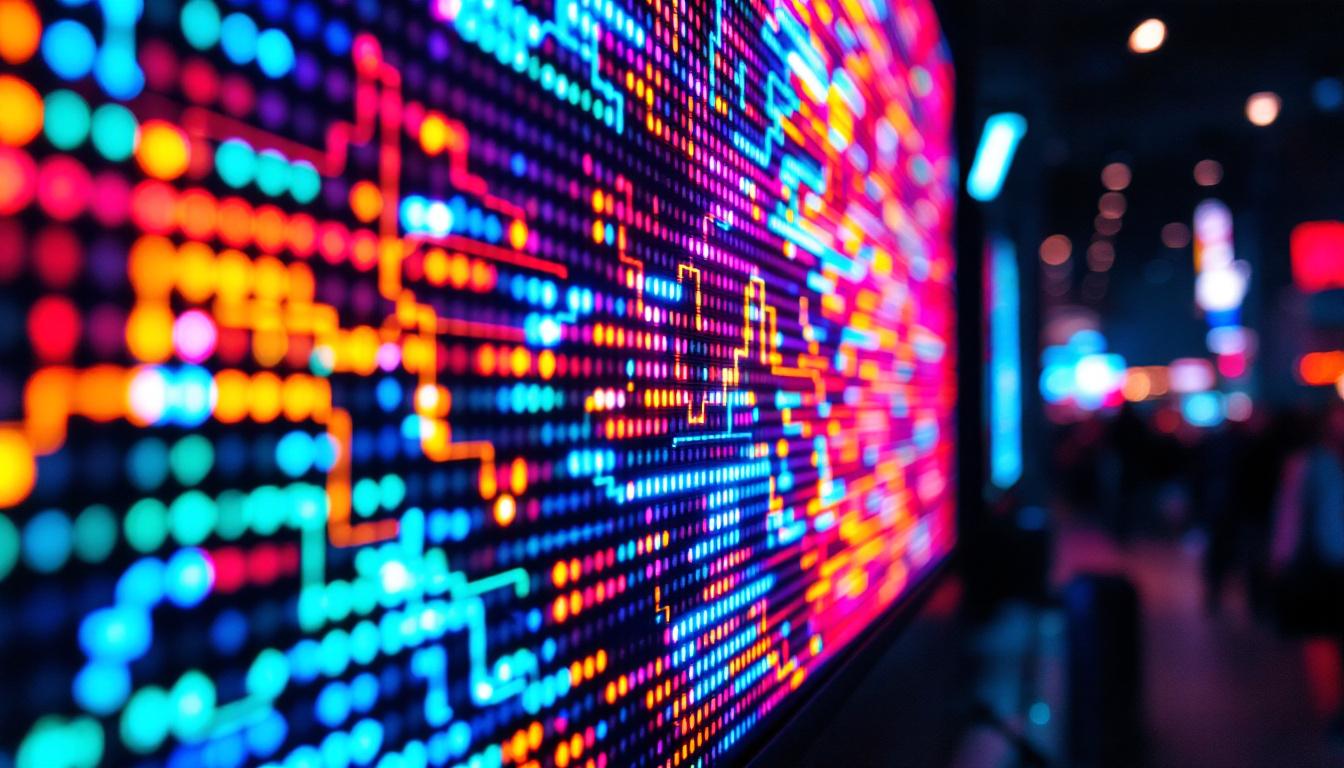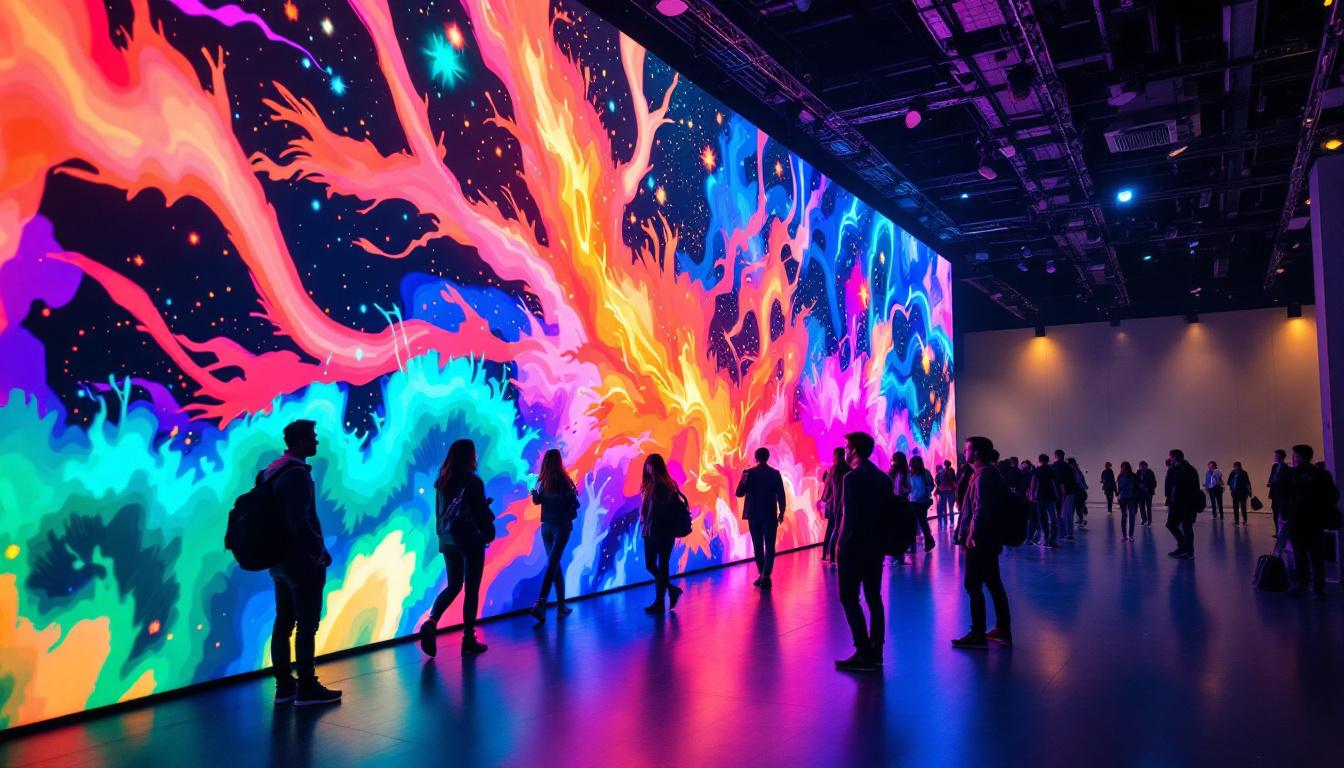
In the modern world of digital communication and advertising, giant video walls have become an iconic feature of urban landscapes, stadiums, corporate lobbies, and retail environments. These massive LED displays captivate audiences with their vibrant colors, dynamic content, and impressive scale. But what exactly makes up a giant video wall, and why has LED technology become the preferred choice for these large-scale installations? This article delves into the fundamentals of LED video walls, exploring their technology, applications, benefits, and future trends.
Understanding LED Video Walls: The Basics
At its core, a giant video wall is a large display surface composed of multiple smaller panels or modules seamlessly tiled together to form one expansive screen. Unlike traditional single-screen displays, video walls offer flexibility in size, resolution, and shape, allowing for creative and impactful visual presentations.
What Is an LED Video Wall?
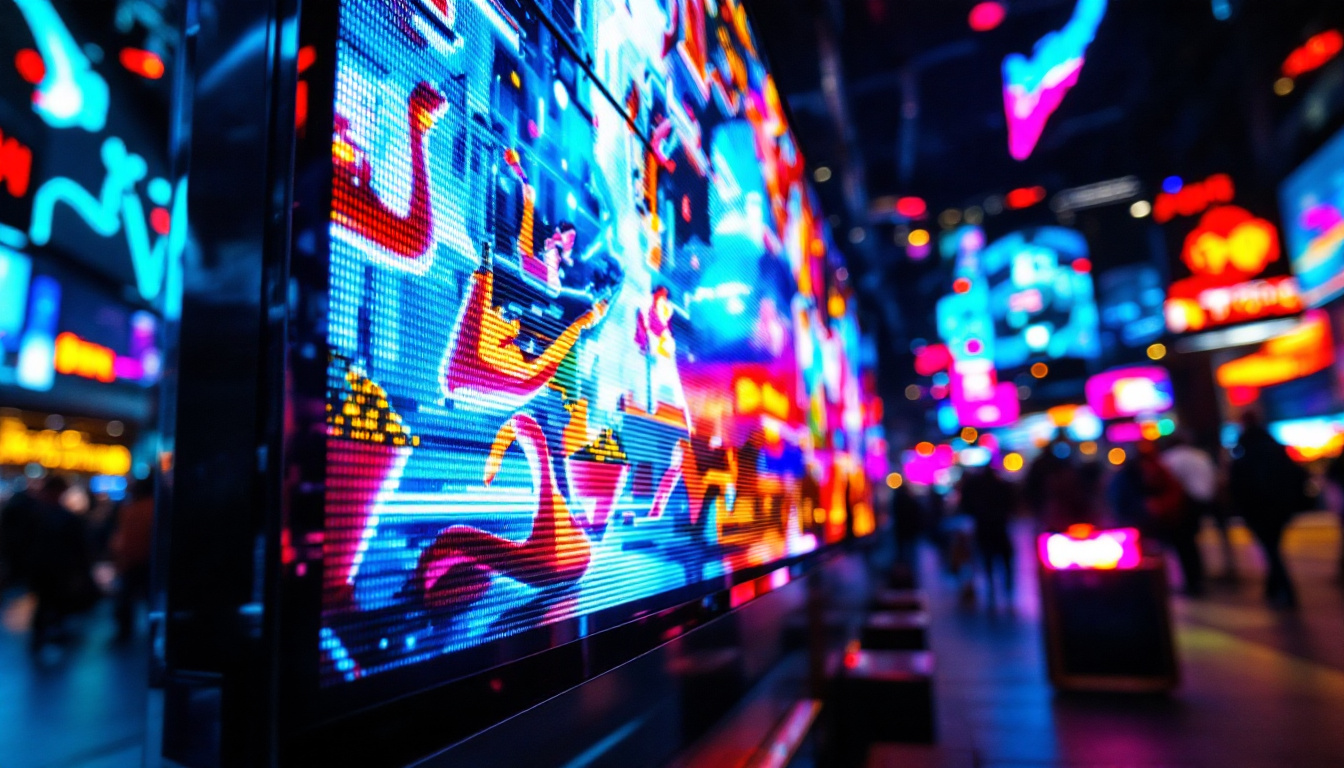
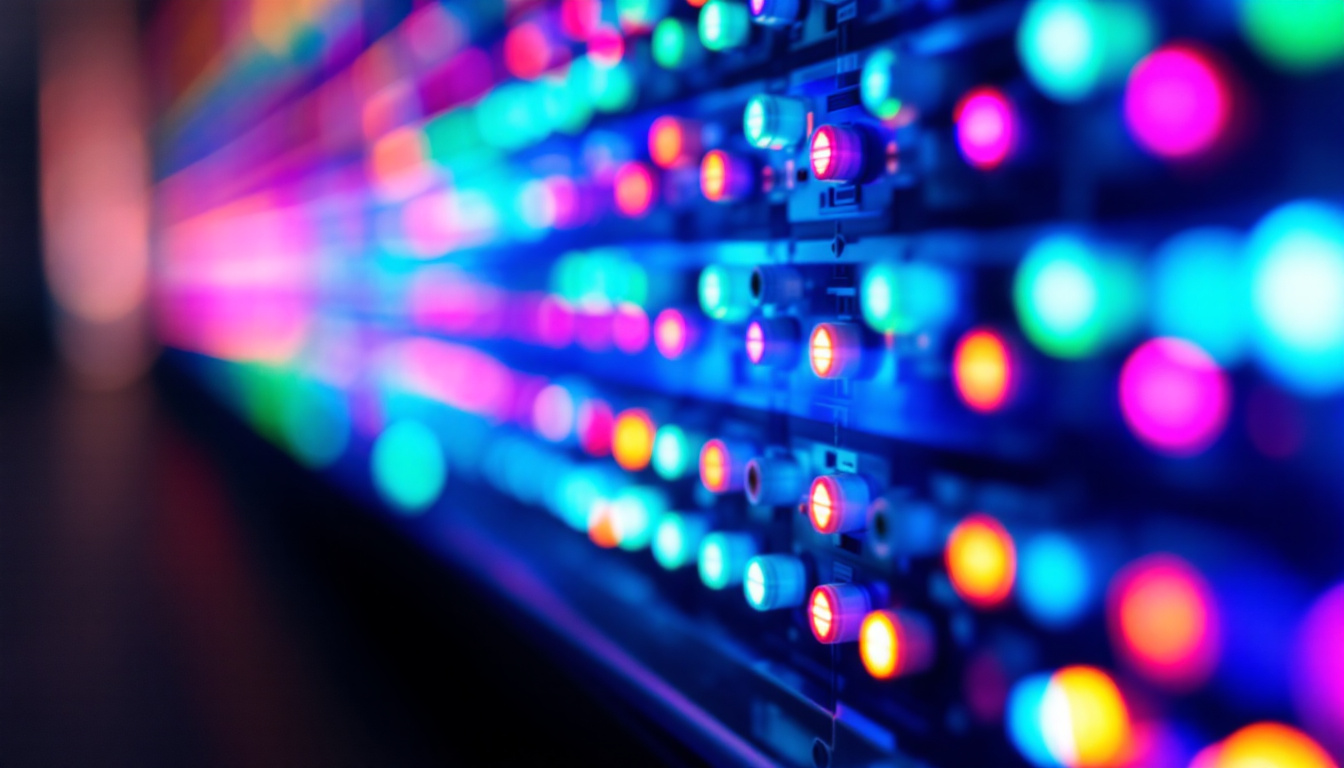
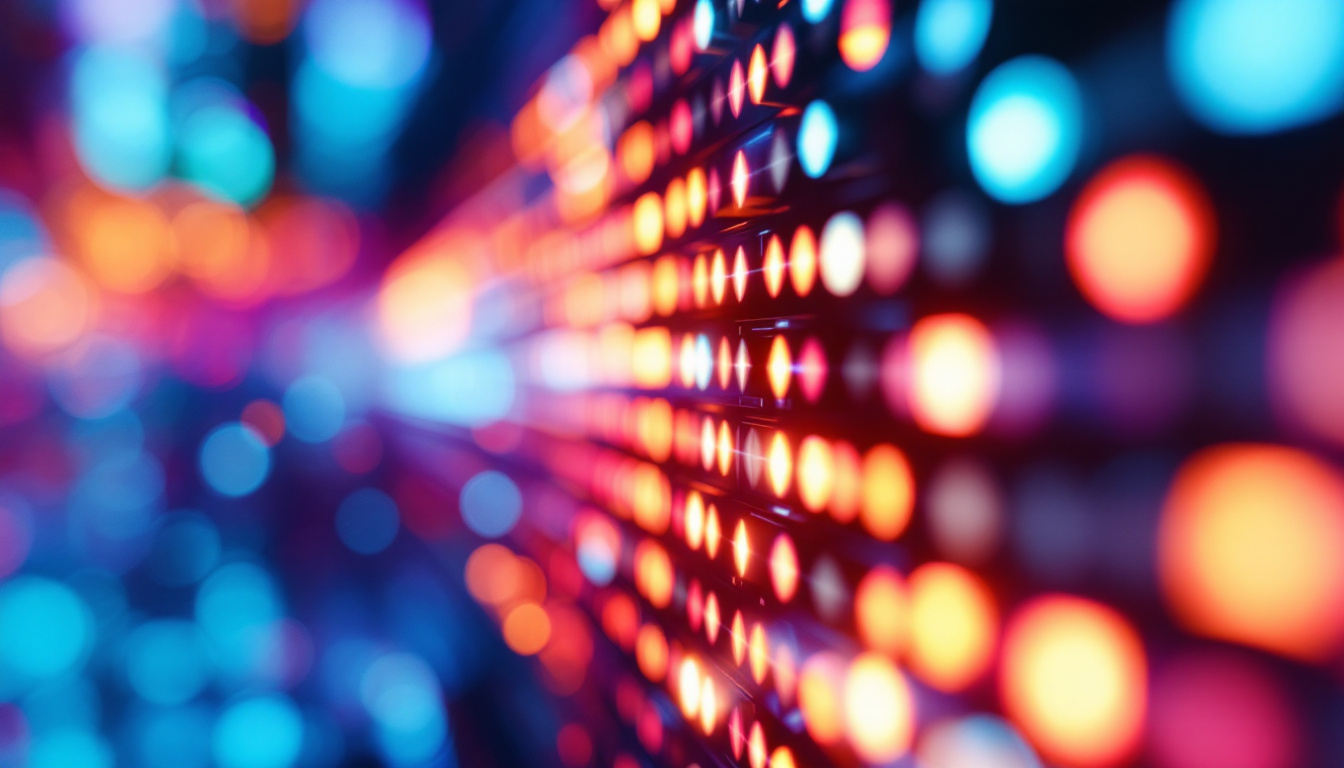
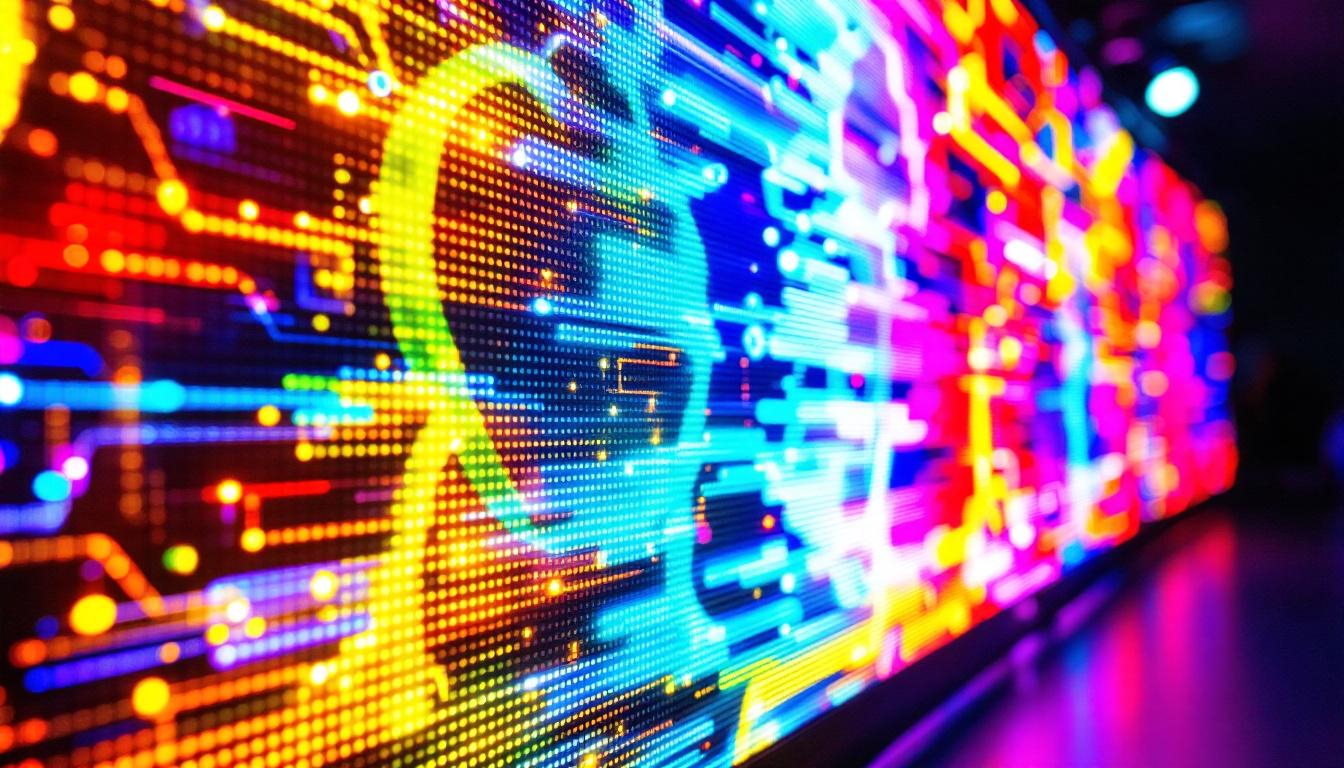
LED stands for Light Emitting Diode, a semiconductor device that emits light when an electric current passes through it. LED video walls utilize thousands, sometimes millions, of these tiny diodes arranged in a grid pattern to create images and videos. Each diode acts as a pixel, and by varying the intensity and color of each pixel, the display produces vivid and detailed visuals.
Unlike LCD or projection-based displays, LED video walls are self-emissive, meaning each pixel generates its own light. This characteristic results in higher brightness levels, deeper blacks, and better contrast ratios, making LED video walls ideal for both indoor and outdoor environments.
Key Components of an LED Video Wall
Several components come together to form a giant LED video wall:
- LED Modules: These are the building blocks of the video wall, containing the LED pixels arranged in a matrix. Modules are designed to fit together seamlessly to create a uniform display.
- Cabinets: Multiple LED modules are mounted onto cabinets, which provide structural support and house power supplies and control electronics.
- Video Processor: This device manages the input signals, scales the content, and distributes it across the video wall to ensure smooth and synchronized playback.
- Control System: Software and hardware that allow operators to manage content, adjust settings, and monitor the performance of the video wall.
Understanding these components helps clarify how LED video walls achieve their remarkable visual impact.
Technical Aspects: Resolution, Pixel Pitch, and Brightness
The performance and visual quality of an LED video wall depend heavily on several technical parameters. These factors influence the viewing experience and suitability for different environments.
Resolution and Pixel Pitch
Resolution refers to the number of pixels displayed horizontally and vertically. Higher resolution means more pixels and finer image detail. However, in giant video walls, resolution is closely tied to pixel pitch—the distance between the centers of two adjacent pixels, measured in millimeters.
A smaller pixel pitch means pixels are closer together, resulting in higher resolution and sharper images. For example, an indoor LED video wall might have a pixel pitch of 1.2mm to 2.5mm, delivering crisp visuals at close viewing distances. Outdoor video walls typically have larger pixel pitches, such as 4mm to 10mm, balancing resolution with cost and visibility from farther away.
Brightness and Contrast
Brightness is measured in nits (candelas per square meter) and determines how well the display performs under various lighting conditions. Outdoor LED video walls often require brightness levels exceeding 5,000 nits to remain visible in direct sunlight, while indoor walls typically operate between 800 and 1,500 nits.
Contrast ratio—the difference between the darkest black and brightest white the display can produce—is another critical factor. LED video walls excel in this area due to their self-emissive nature, providing deep blacks and vibrant colors that enhance image quality and viewer engagement.
Refresh Rate and Viewing Angle
The refresh rate, measured in Hertz (Hz), indicates how many times per second the image on the display is updated. Higher refresh rates (above 3,000 Hz) are essential for smooth video playback and to avoid flickering, especially when the content is captured by cameras, such as during live broadcasts or video conferencing.
Viewing angle defines the maximum angle at which the display can be viewed without significant color or brightness distortion. LED video walls typically offer wide viewing angles (up to 160 degrees horizontally and vertically), ensuring consistent image quality across large audiences.
Applications of Giant LED Video Walls
The versatility and visual impact of LED video walls have led to their widespread adoption across numerous industries and settings. Their ability to deliver dynamic, large-scale content makes them invaluable tools for communication, marketing, and entertainment.
Advertising and Retail
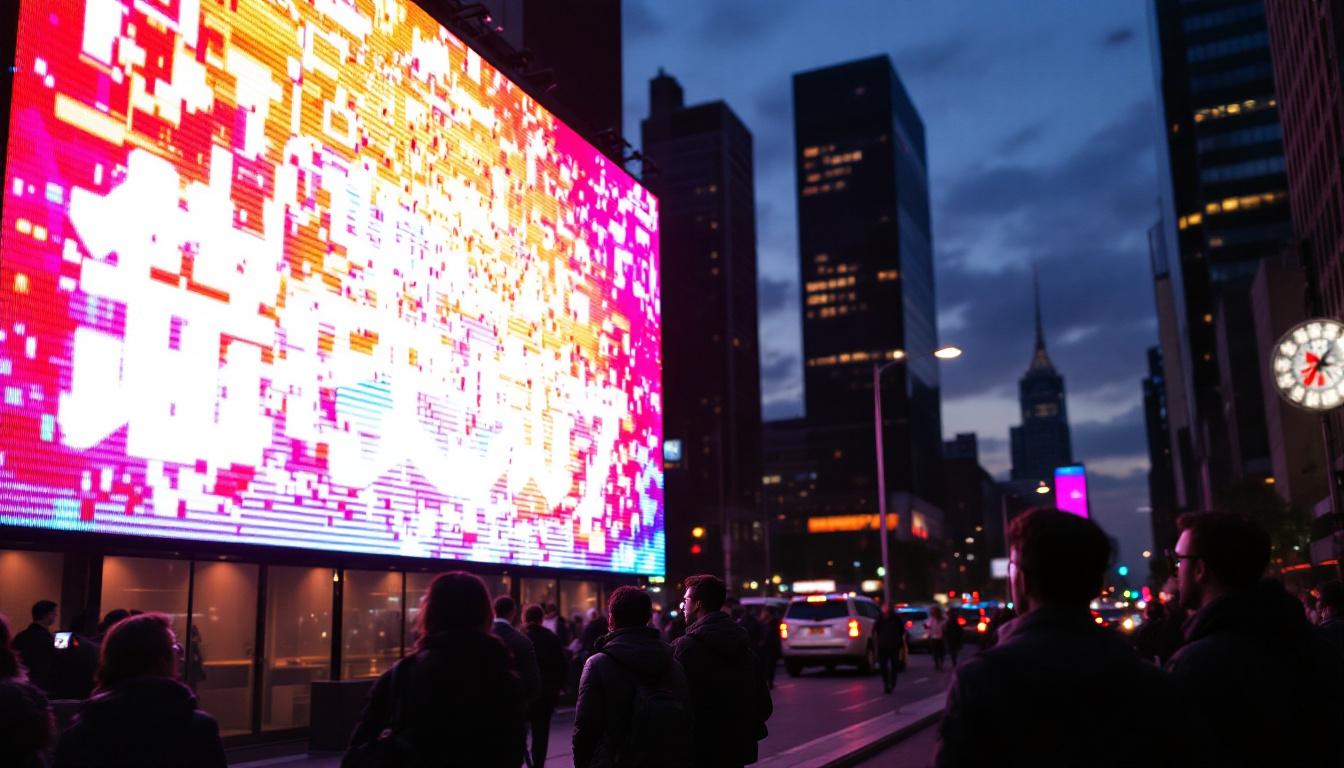
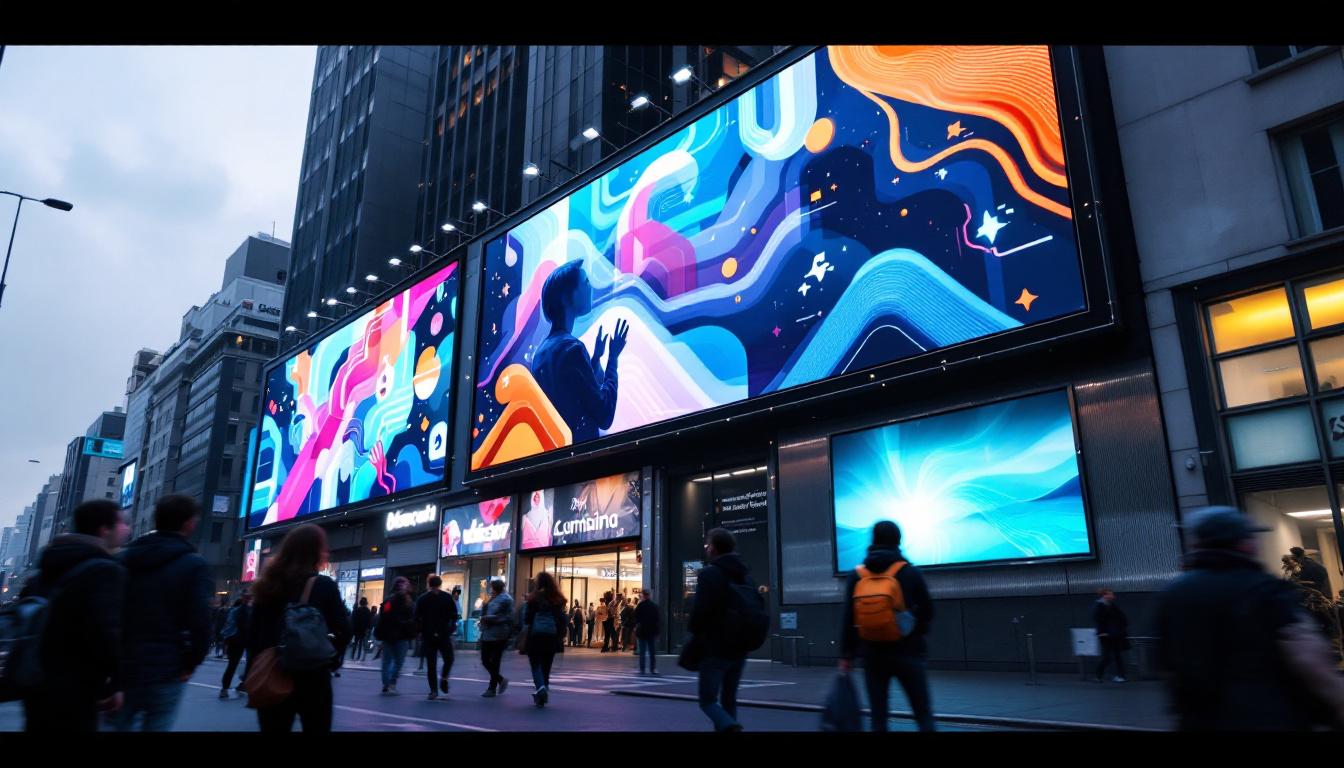
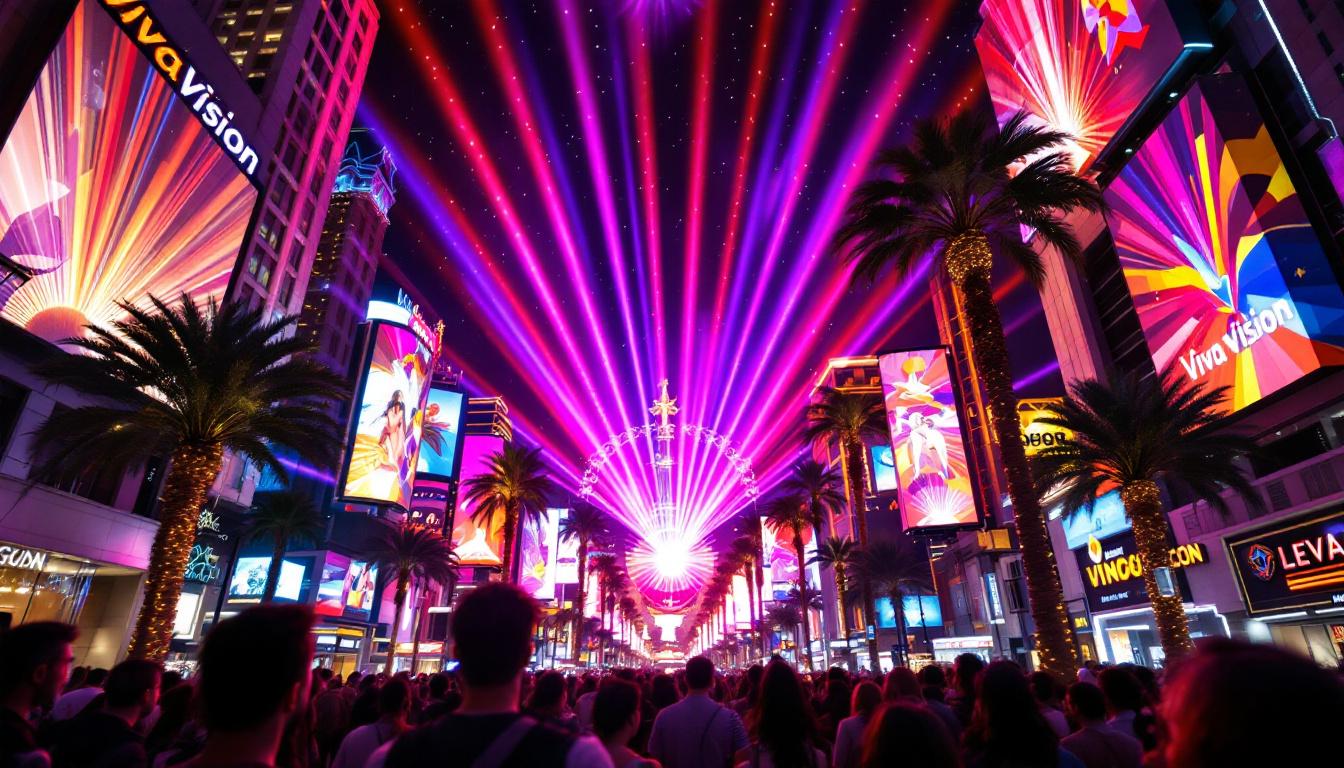
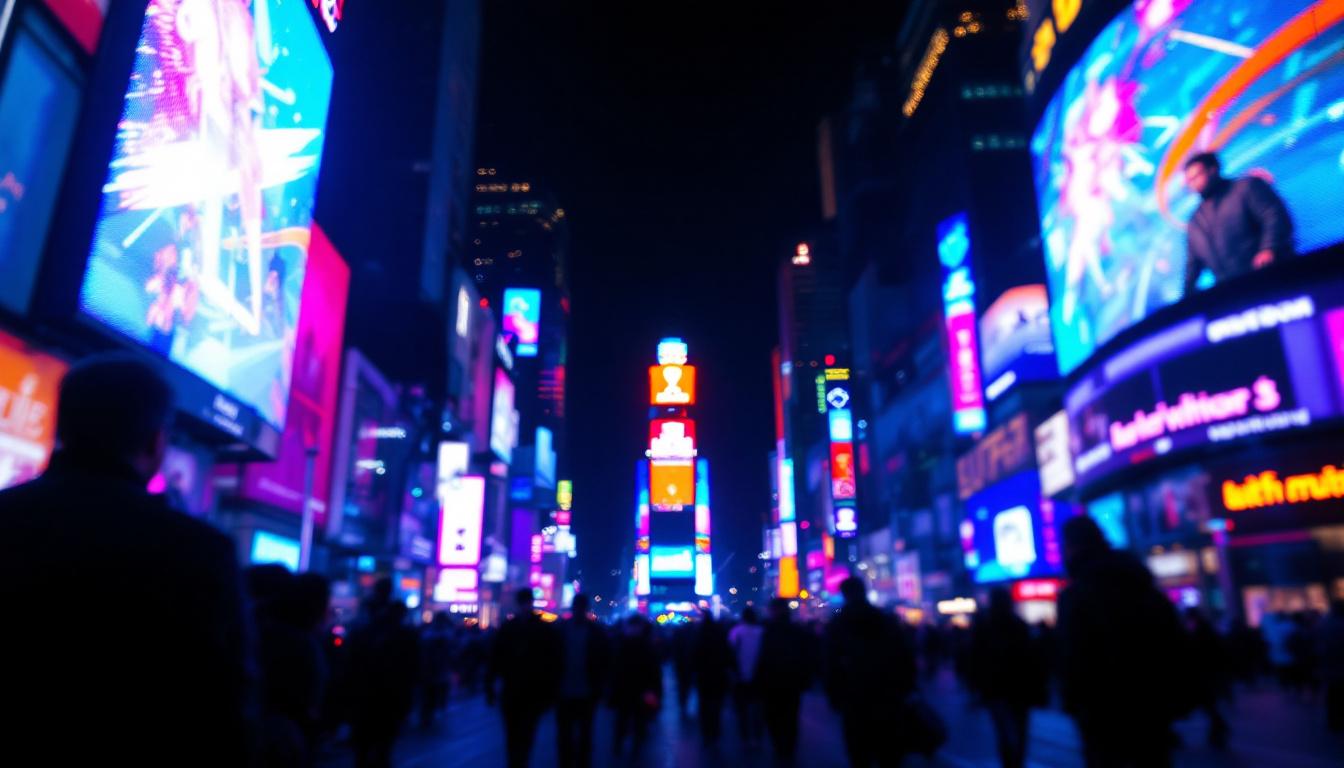
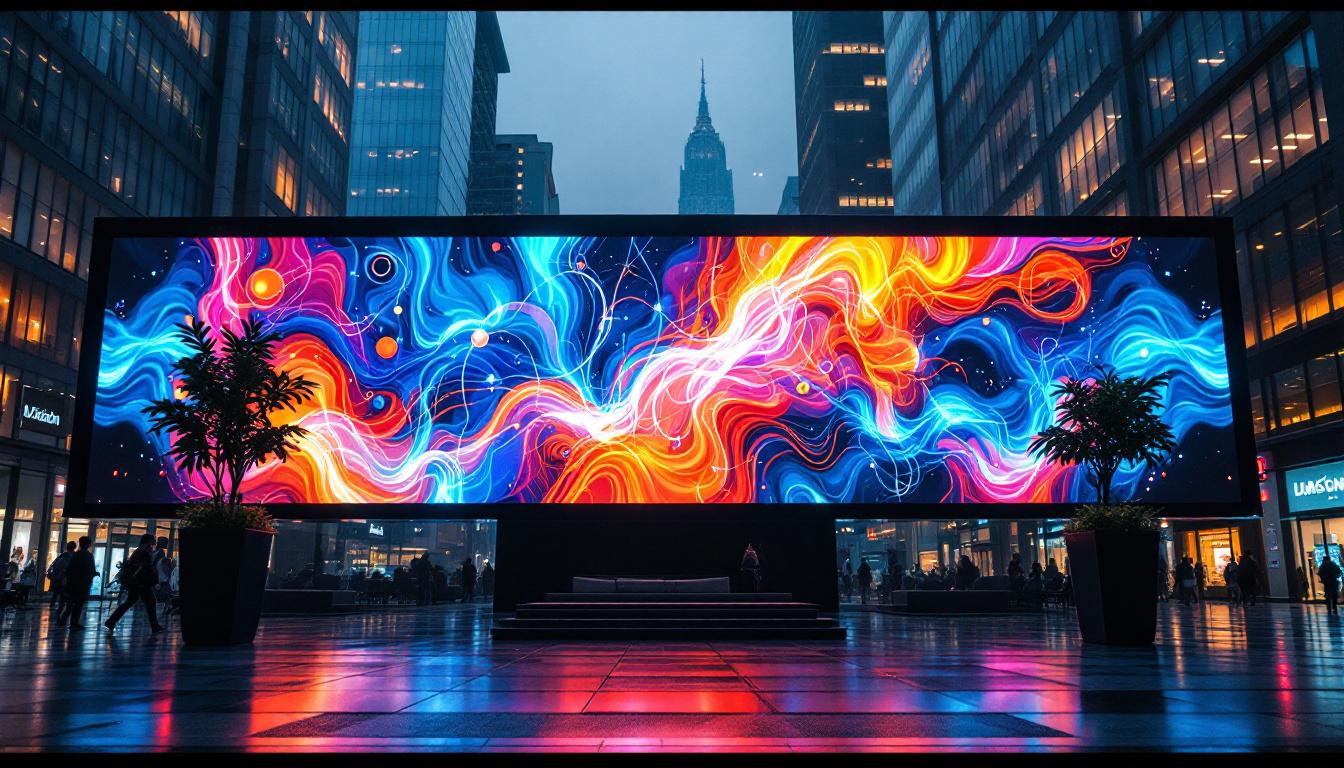
One of the most visible applications of giant LED video walls is in outdoor advertising. Iconic locations like Times Square in New York City and Piccadilly Circus in London feature massive LED displays that captivate millions of viewers daily. These walls enable advertisers to showcase vibrant, animated content that stands out amidst the urban hustle.
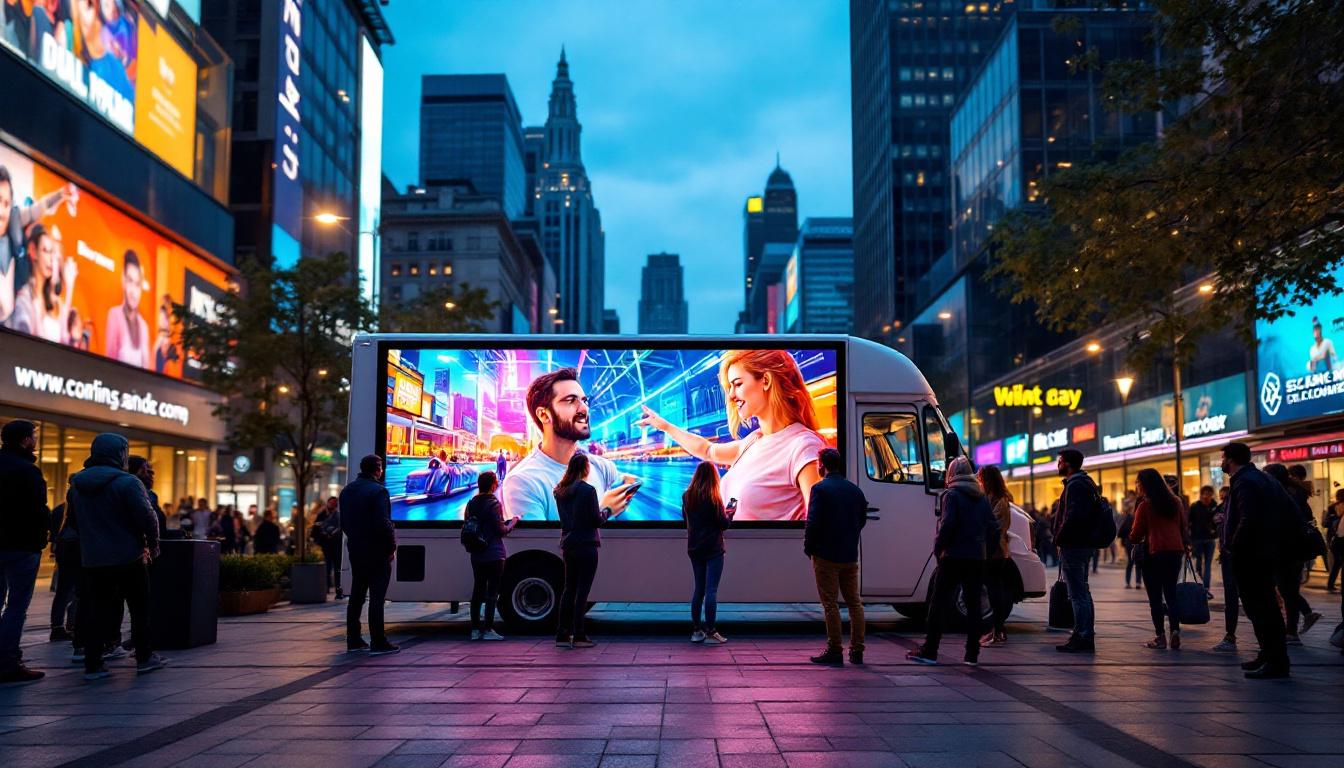
In retail environments, LED video walls enhance customer experiences by displaying promotional content, interactive signage, and immersive brand storytelling. The flexibility to change content instantly allows retailers to respond quickly to trends and campaigns.
Sports and Entertainment Venues
Stadiums and arenas rely heavily on LED video walls to engage fans with live game footage, replays, scores, and interactive content. These displays must be large, bright, and capable of operating under various weather conditions.
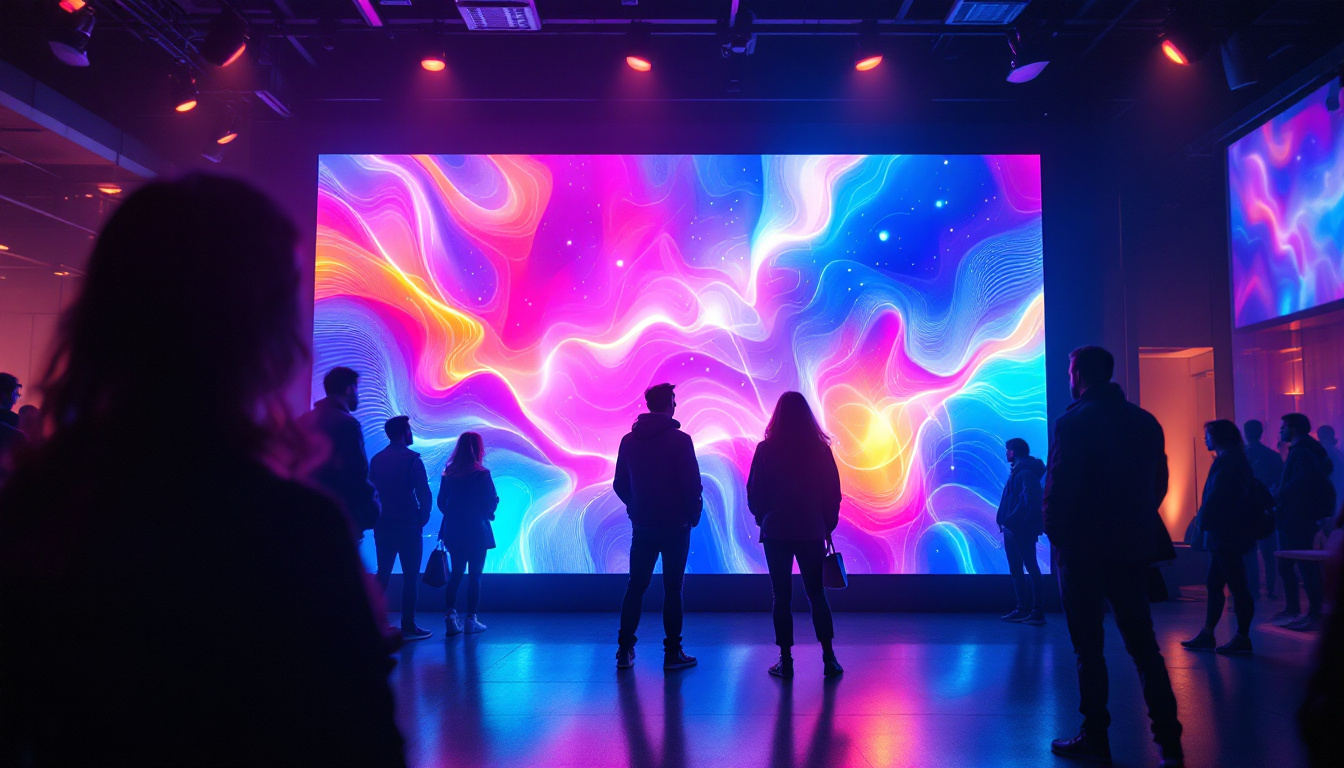
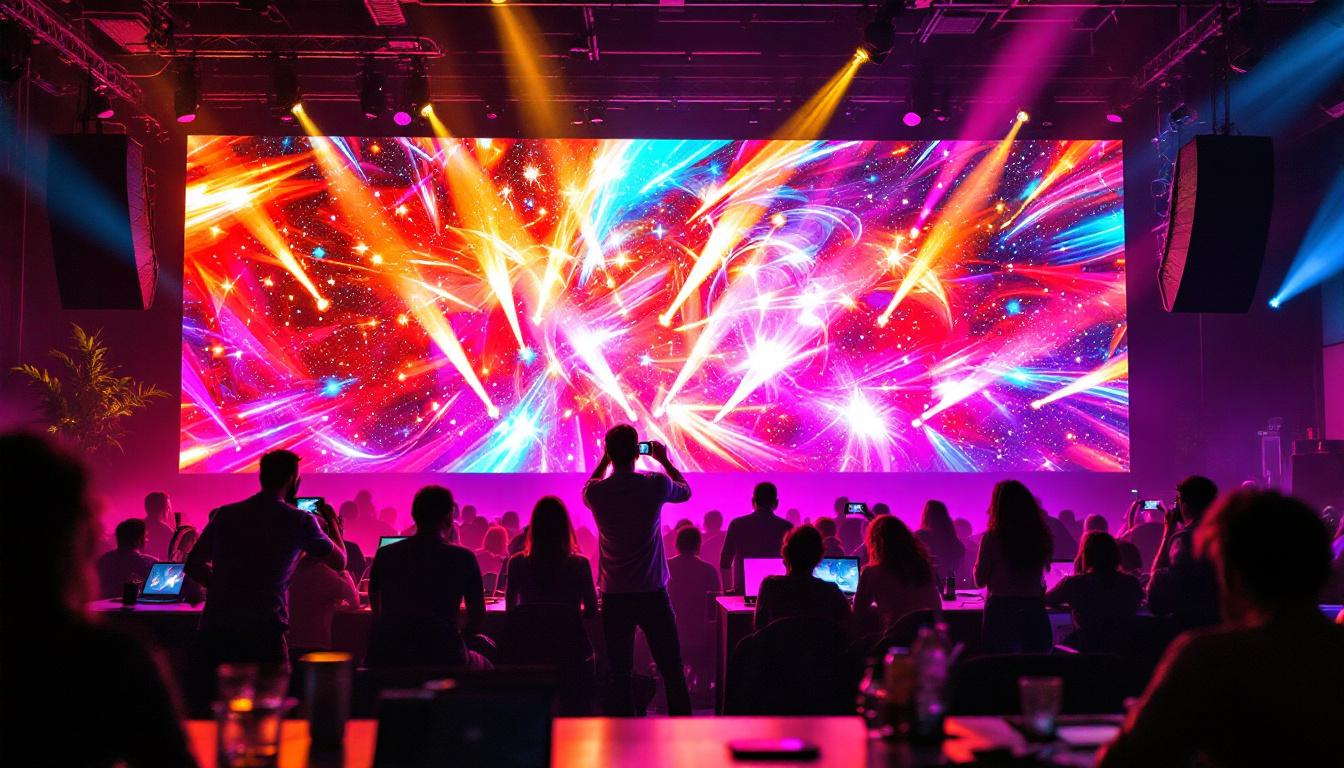
Concerts, theaters, and event spaces also utilize LED video walls to create stunning backdrops and visual effects that enhance performances and audience immersion.
Corporate and Control Rooms
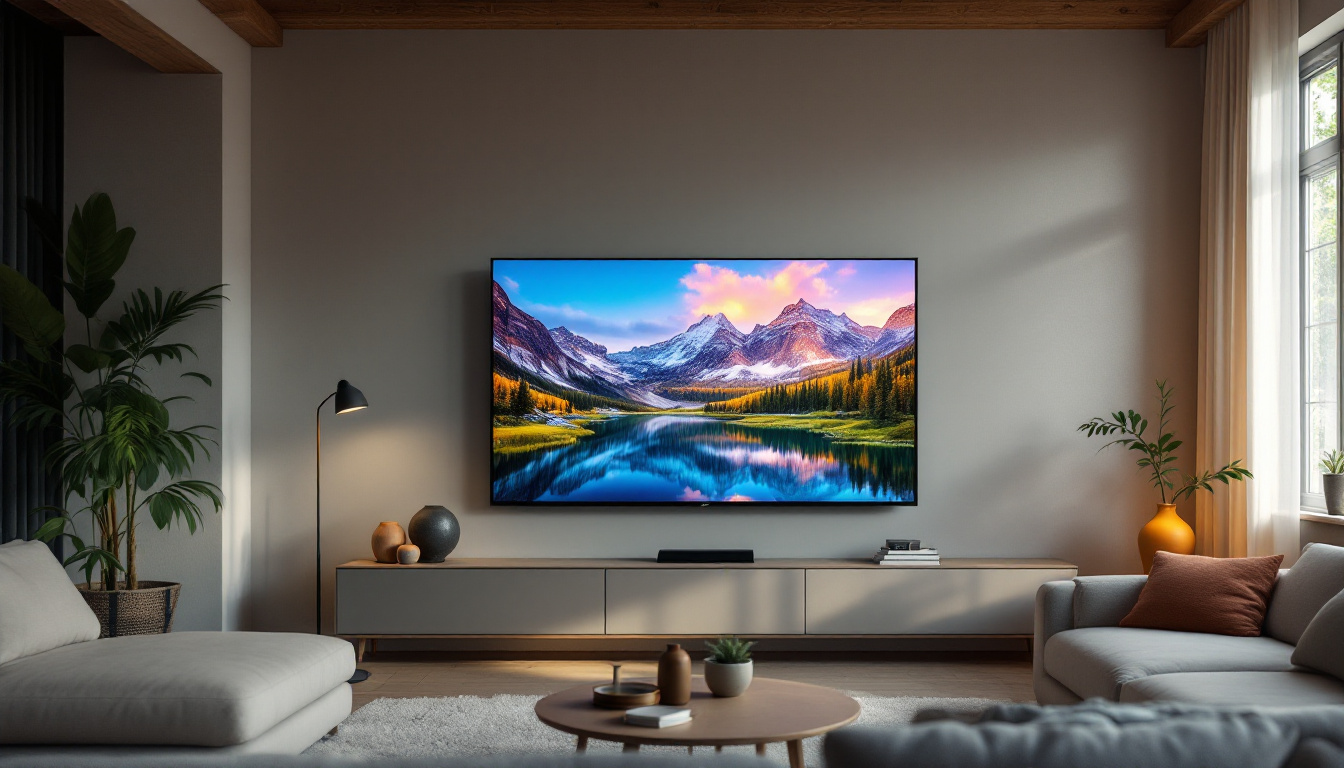
In corporate settings, LED video walls serve as communication hubs in lobbies, conference rooms, and auditoriums. They facilitate presentations, video conferencing, and real-time data visualization.
Control rooms for utilities, transportation, and emergency services depend on video walls to monitor multiple data streams simultaneously, enabling quick decision-making and situational awareness.
Advantages of LED Video Walls Over Other Display Technologies
While various display technologies exist, LED video walls offer distinct advantages that make them the preferred choice for large-scale, high-impact installations.
Superior Brightness and Visibility
Unlike LCD or projection systems, LED video walls maintain high brightness levels even in direct sunlight, ensuring content remains visible and vibrant outdoors. This makes them indispensable for outdoor advertising and public information displays.
Scalability and Flexibility
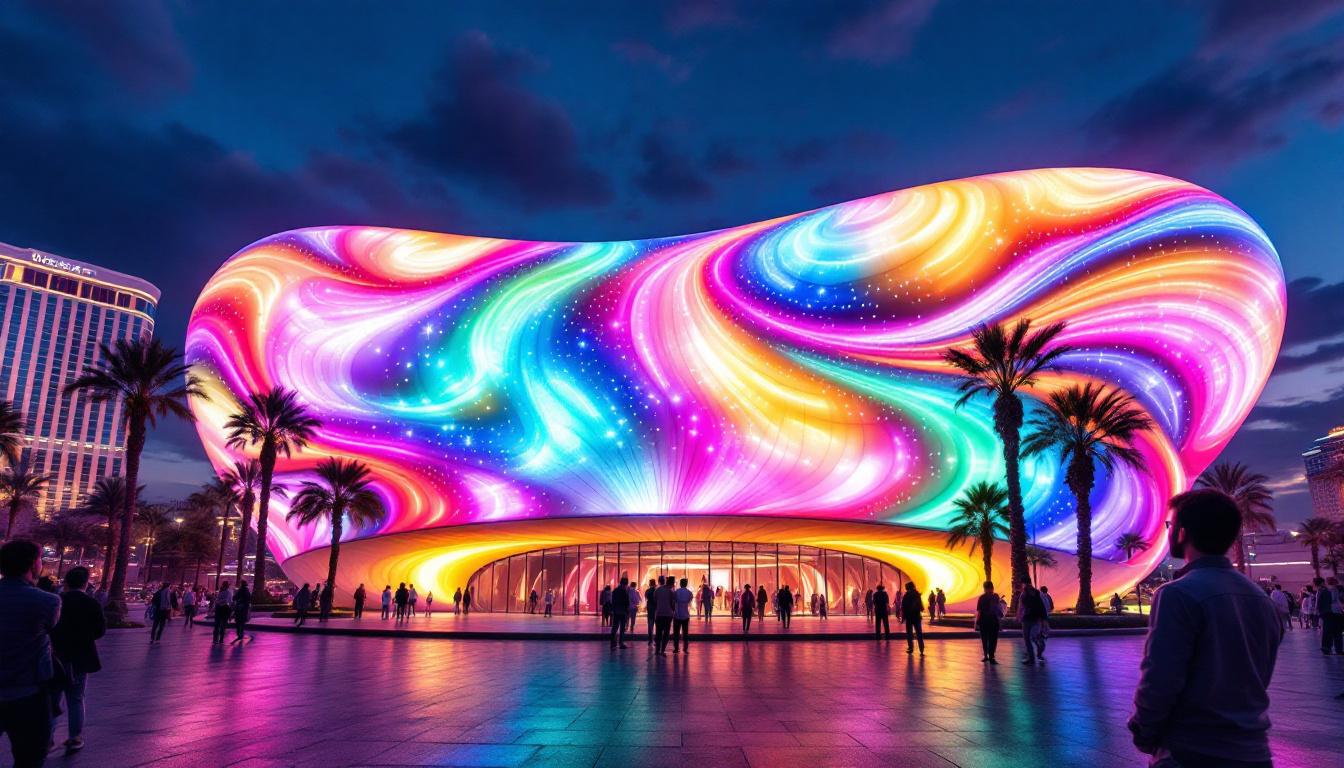
LED video walls can be customized to virtually any size and shape by adding or removing modules. This scalability allows designers to create unique installations tailored to specific architectural or branding requirements.
Additionally, LED walls can be curved, concave, or convex, providing creative freedom not possible with flat-panel displays.
Durability and Longevity
LED technology is known for its robustness and long operational life, often exceeding 100,000 hours. LED video walls are designed to withstand harsh environmental conditions, including rain, dust, and temperature fluctuations, making them reliable for outdoor use.
Energy Efficiency
Compared to traditional lighting and projection systems, LEDs consume less power, reducing operational costs and environmental impact. Advances in LED efficiency continue to improve the sustainability of video wall installations.
Installation and Maintenance Considerations
Installing and maintaining a giant LED video wall requires careful planning and expertise to ensure optimal performance and longevity.
Site Assessment and Structural Support
Before installation, a thorough site assessment is necessary to evaluate factors such as ambient light, viewing distances, mounting options, and structural support. The weight and size of the video wall demand robust mounting frameworks and, in some cases, reinforcement of existing structures.
Content Management and Integration
Effective content management systems (CMS) are essential for scheduling, updating, and controlling the displayed content. Integration with other digital systems, such as social media feeds, live data, or interactive applications, enhances the video wall’s functionality and audience engagement.
Maintenance and Repairs
Regular maintenance includes cleaning the LED modules, checking electrical connections, and monitoring performance metrics. Many LED video walls feature modular designs that facilitate quick replacement of faulty modules without dismantling the entire display.
Proactive monitoring systems can detect issues early, minimizing downtime and ensuring continuous operation.
Future Trends in LED Video Wall Technology
As LED technology advances, several emerging trends are shaping the future of giant video walls.
MicroLED and MiniLED Innovations
MicroLED and MiniLED technologies represent the next generation of LED displays, offering even smaller pixel pitches, higher brightness, and improved energy efficiency. These innovations promise ultra-high-resolution video walls with enhanced color accuracy and contrast.
Interactive and Immersive Experiences
Integrating touch capabilities, gesture recognition, and augmented reality (AR) elements into LED video walls is creating more interactive and immersive experiences. This is particularly impactful in retail, museums, and entertainment venues, where audience engagement is paramount.
AI-Driven Content and Analytics
Artificial intelligence (AI) is increasingly being used to tailor content dynamically based on audience demographics, behavior, and environmental conditions. Coupled with real-time analytics, AI enables smarter content delivery that maximizes impact and relevance.
Sustainability and Eco-Friendly Designs
Manufacturers are focusing on reducing the environmental footprint of LED video walls by using recyclable materials, improving energy efficiency, and designing for easier end-of-life recycling. These efforts align with growing corporate social responsibility and regulatory requirements.
Conclusion
Giant LED video walls have transformed the way information and entertainment are delivered in public and private spaces. Their unparalleled brightness, scalability, and versatility make them powerful tools for communication and engagement. Understanding the technology behind these impressive displays—from pixel pitch and brightness to content management and future innovations—enables businesses and organizations to leverage their full potential effectively.
As LED technology continues to evolve, video walls will become even more immersive, interactive, and sustainable, shaping the visual landscape of cities, venues, and workplaces for years to come.
Discover LumenMatrix LED Display Solutions
Ready to elevate your space with the latest in LED display technology? Look no further than LumenMatrix, where innovation meets visual splendor. Whether you’re seeking to captivate shoppers with an Indoor LED Wall Display, make a bold statement in the great outdoors with an Outdoor LED Wall Display, or create a dynamic environment with our specialized solutions like Vehicle LED Displays and LED Sports Displays, LumenMatrix has you covered. Our mission is to transform your visual communication with digital signage that not only engages but leaves a lasting impression. Don’t miss the opportunity to bring your brand to life in a whole new light. Check out LumenMatrix LED Display Solutions and start your journey toward unparalleled visual excellence today.