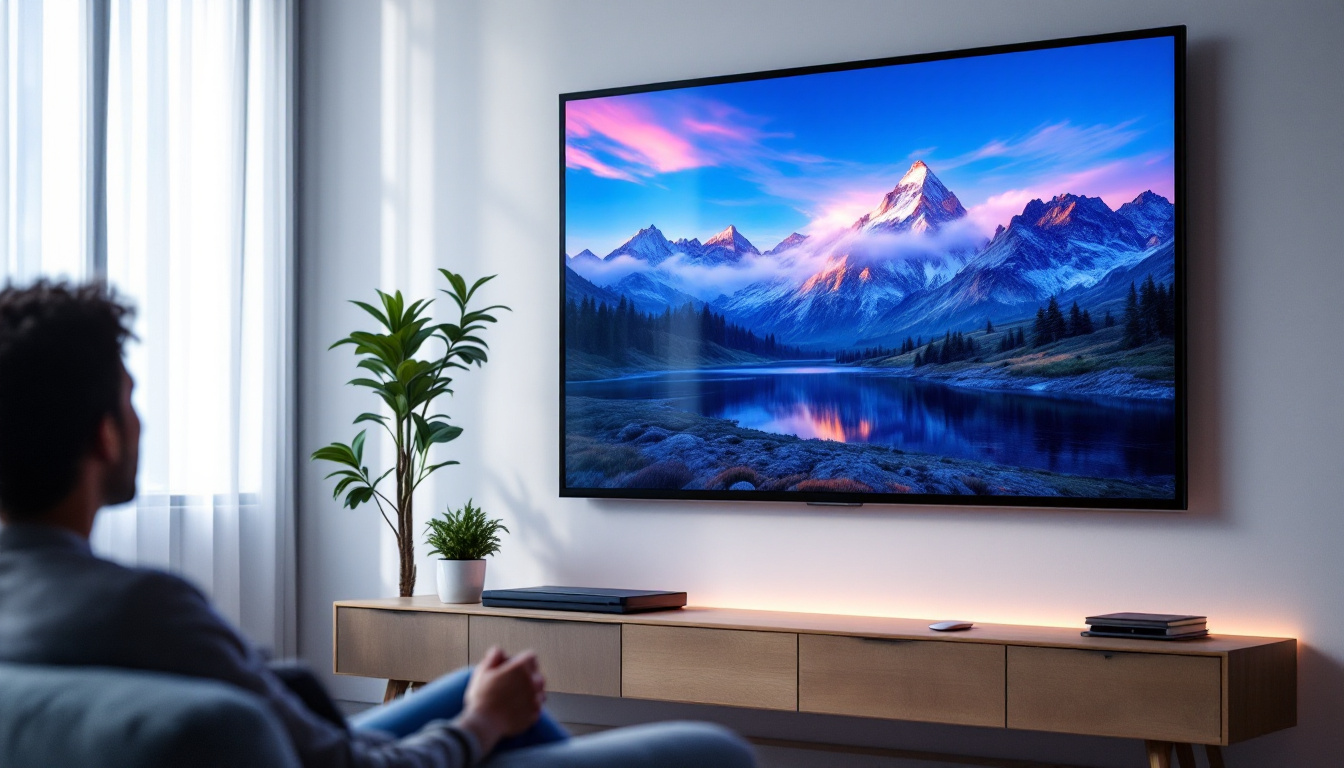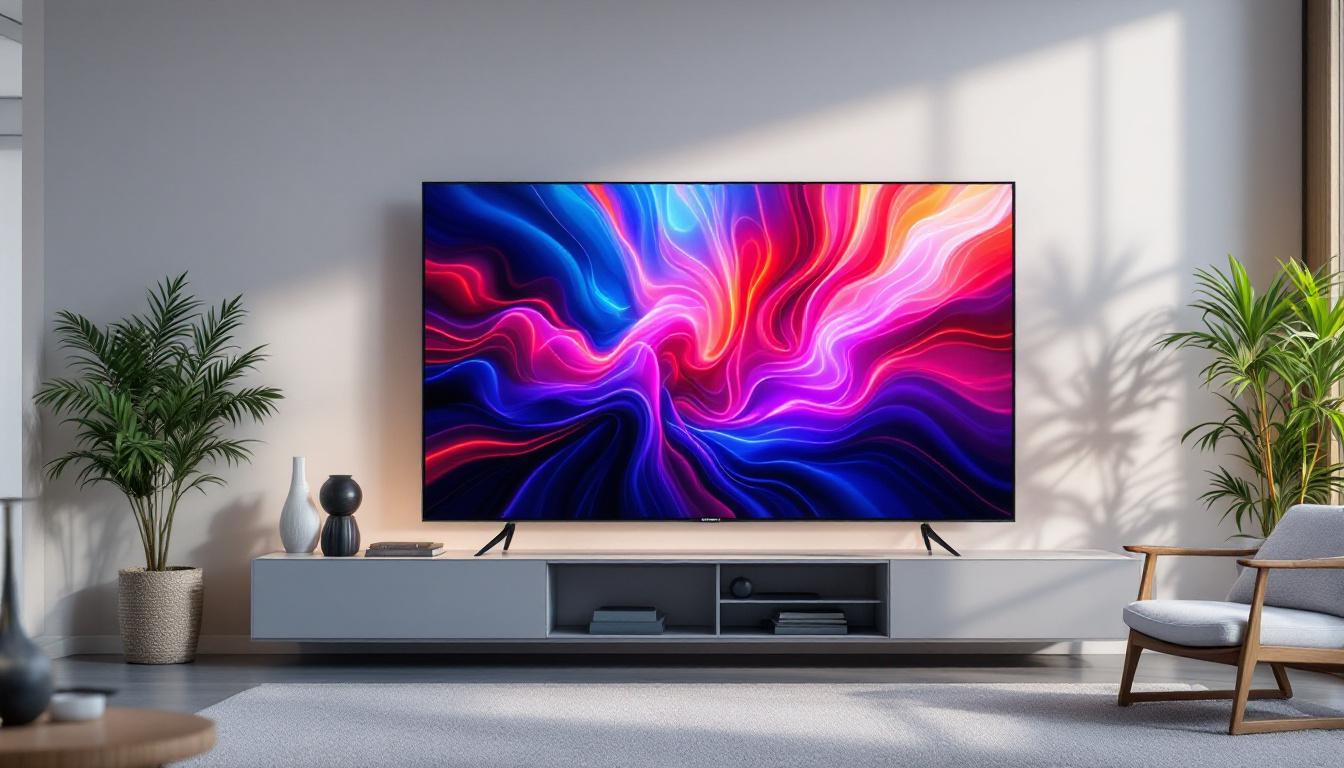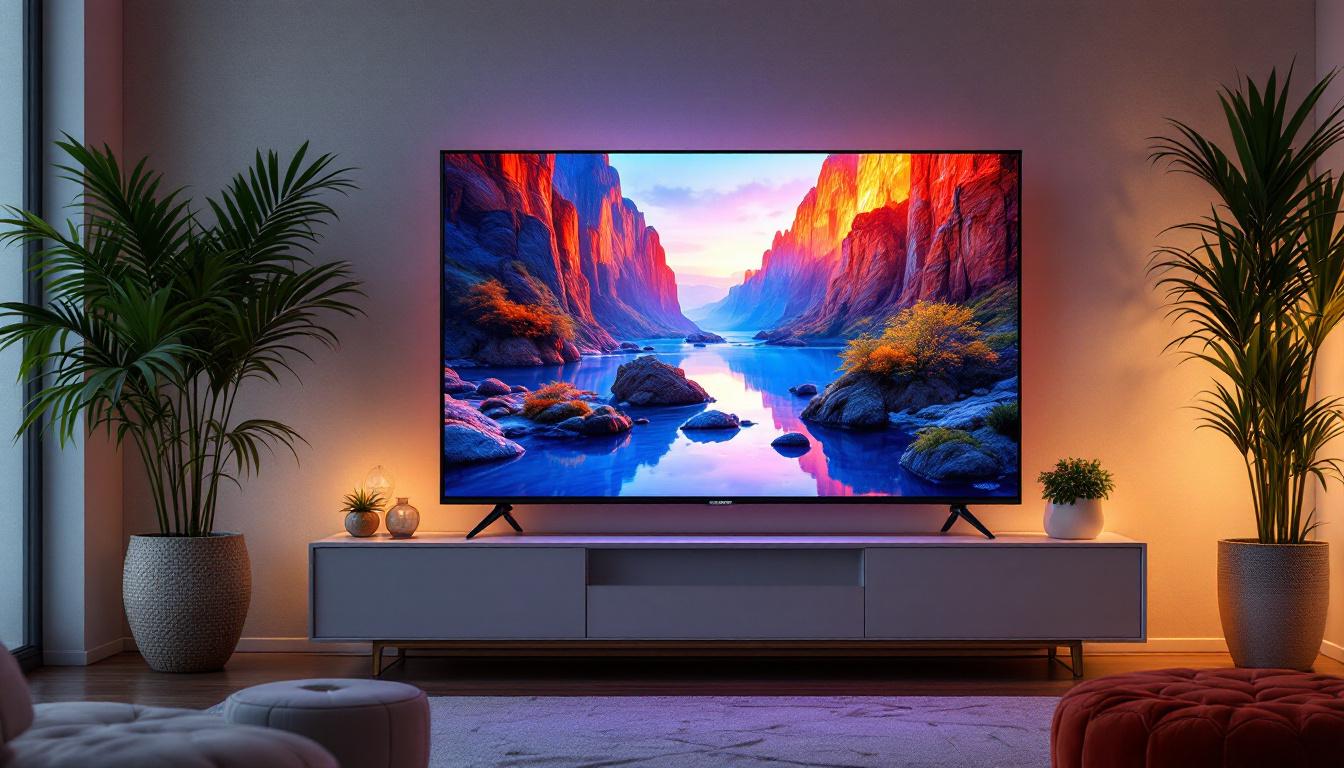
In the world of television technology, the term “LED display” has become almost synonymous with modern TV screens. But what exactly does LED display mean, and how does it differ from other types of TV displays? This article dives deep into the technology behind LED displays, exploring their advantages, limitations, and what makes them a popular choice for consumers worldwide.
Understanding LED Display Technology
LED stands for Light Emitting Diode, a semiconductor device that emits light when an electric current passes through it. In the context of TVs, LED displays refer to LCD (Liquid Crystal Display) panels that use LEDs as a backlighting source. This is a crucial distinction because LED TVs are not technically “LED screens” in the purest sense but rather LCD TVs with LED backlighting.
The evolution from traditional LCD TVs, which used cold cathode fluorescent lamps (CCFLs) for backlighting, to LED-backlit LCDs has led to significant improvements in picture quality, energy efficiency, and design flexibility. LEDs are smaller, more durable, and consume less power, enabling thinner and lighter TV designs. Furthermore, the ability to produce a wider color gamut and deeper blacks has made LED technology a favorite among consumers seeking a superior viewing experience.
How LED Backlighting Works
In an LED TV, the liquid crystal panel itself does not emit light. Instead, a series of LEDs positioned behind or along the edges of the screen provide the necessary illumination. These LEDs shine light through the LCD matrix, which controls the passage of light to create images by blocking or allowing light in various patterns. This intricate process is what allows LED TVs to display vibrant colors and sharp details, making them ideal for everything from watching movies to playing video games.
There are two primary types of LED backlighting used in TVs:
- Edge-lit LED: LEDs are placed along the edges of the screen, and light is distributed across the panel using light guides. This design allows for ultra-thin TVs but can sometimes lead to uneven brightness or “hot spots.”
- Direct-lit or Full-array LED: LEDs are arranged in a grid directly behind the LCD panel, providing more uniform lighting. This setup enables advanced features like local dimming, where specific zones of LEDs dim or brighten independently to enhance contrast.
Beyond these two configurations, advancements in LED technology have led to innovations such as Quantum Dot technology, which enhances color accuracy and brightness. Quantum Dots are tiny semiconductor particles that emit specific colors when illuminated by a light source, allowing for a broader spectrum of colors to be displayed. This technology is often combined with LED backlighting to create what is known as QLED TVs, which offer stunning visuals that can rival OLED displays in certain aspects. Additionally, the integration of smart technology into LED TVs has transformed how we consume media, allowing for seamless streaming and connectivity with other devices, further enhancing the overall viewing experience.
Advantages of LED Displays in TVs
LED displays have become the industry standard for a reason. They offer several benefits that appeal to consumers and manufacturers alike.
Improved Picture Quality
One of the most significant advantages of LED backlighting is the enhancement in picture quality. LED TVs typically offer better brightness levels compared to CCFL-backlit LCDs, allowing for more vivid colors and sharper images. This is particularly noticeable in HDR (High Dynamic Range) content, where bright highlights and deep shadows coexist.
Full-array LED TVs with local dimming can achieve higher contrast ratios by selectively dimming parts of the screen, resulting in deeper blacks and more lifelike images. This capability narrows the gap between LED LCD TVs and OLED displays, which are known for their perfect black levels.
Energy Efficiency and Longevity
LED backlighting consumes less power than traditional fluorescent backlighting, making LED TVs more energy-efficient. This efficiency not only reduces electricity bills but also contributes to a smaller environmental footprint. Additionally, LEDs have a longer lifespan and are less prone to failure, which means LED TVs often last longer and require less maintenance.
Design Flexibility
The small size of LEDs allows manufacturers to create thinner and lighter TV panels. This has led to the development of sleek, modern designs that fit seamlessly into various living spaces. Ultra-thin TVs are easier to mount on walls and transport, enhancing user convenience.
Limitations and Considerations of LED Displays
While LED displays offer many benefits, they are not without limitations. Understanding these drawbacks helps consumers make informed decisions when purchasing a TV.
Black Levels and Contrast Limitations
Despite improvements with local dimming, LED TVs cannot achieve the perfect black levels of OLED displays. Because the backlight is always present, some light leakage occurs, causing blacks to appear more like dark gray in very dark scenes. This can affect the overall contrast and immersion, especially in dimly lit environments.
Viewing Angles
LED LCD TVs often suffer from limited viewing angles. Colors and brightness can shift when viewed from the side, which may be problematic in large rooms or when multiple people watch the TV from different positions. Some higher-end models use advanced panel technologies like IPS (In-Plane Switching) to improve viewing angles, but this can sometimes come at the expense of contrast.
Motion Blur and Response Time
LED TVs can experience motion blur during fast-moving scenes, such as sports or action movies. This is due to the response time of the LCD pixels and the way the backlight operates. While many modern TVs incorporate motion smoothing and black frame insertion technologies to mitigate this, some viewers find these features introduce unnatural motion artifacts.
Comparing LED Displays with Other TV Technologies
The TV market offers several display technologies, each with unique strengths and weaknesses. Comparing LED displays with OLED and QLED technologies provides a clearer picture of where LED TVs stand.
LED vs. OLED
OLED (Organic Light Emitting Diode) TVs use self-emissive pixels that generate their own light, eliminating the need for a backlight. This allows OLEDs to achieve perfect blacks, infinite contrast ratios, and superior viewing angles. However, OLED TVs tend to be more expensive and have concerns about potential burn-in over time.
LED TVs, especially those with full-array local dimming, offer excellent brightness and are generally more affordable. They also perform better in very bright rooms due to higher peak brightness levels. For consumers prioritizing price and brightness, LED TVs remain a compelling choice.
LED vs. QLED
QLED (Quantum Dot LED) is a marketing term used primarily by Samsung to describe LED TVs enhanced with quantum dot technology. Quantum dots are nanocrystals that improve color accuracy and brightness by converting backlight wavelengths more efficiently.
Essentially, QLED TVs are a subset of LED TVs with enhanced color performance. They tend to offer brighter images and a wider color gamut than standard LED TVs but still rely on LED backlighting and share similar limitations regarding black levels and viewing angles.
Key Features to Look for in LED TVs
When shopping for an LED TV, several features can significantly impact the viewing experience. Understanding these can help buyers choose the right model for their needs.
Local Dimming Zones
The number and quality of local dimming zones affect contrast and black levels. More zones generally mean better control over brightness and darkness in different screen areas. High-end LED TVs may have hundreds of dimming zones, while budget models might have just a few or none.
Refresh Rate and Motion Handling
A higher refresh rate (measured in Hertz) allows for smoother motion rendering. Many LED TVs advertise 120Hz or higher refresh rates, which can reduce motion blur. Additionally, technologies like Motion Interpolation and Black Frame Insertion can enhance motion clarity but may introduce processing artifacts.
HDR Support
High Dynamic Range enhances the contrast and color range of compatible content. Look for TVs that support popular HDR formats such as HDR10, Dolby Vision, and HLG. The ability to reach high peak brightness levels is also important for a satisfying HDR experience.
Smart TV Capabilities
Most modern LED TVs come with built-in smart platforms, allowing access to streaming services, apps, and internet browsing. The user interface, app availability, and software updates are important considerations for long-term usability.
The Future of LED Display Technology
LED display technology continues to evolve rapidly. Innovations such as Mini-LED and Micro-LED are pushing the boundaries of what LED TVs can achieve.
Mini-LED Technology
Mini-LED TVs use thousands of tiny LEDs as backlighting, allowing for much finer local dimming control and improved contrast. This technology narrows the gap between traditional LED and OLED displays by delivering deeper blacks and higher brightness without the risk of burn-in.
Micro-LED Technology
Micro-LED is an emerging display technology where microscopic LEDs form the actual pixels, combining the benefits of OLED (self-emissive pixels) with the brightness and longevity of LEDs. While still in early stages and expensive, Micro-LED promises exceptional picture quality and durability.
Conclusion
LED display technology has transformed the television landscape by offering a versatile, efficient, and high-quality viewing experience. While not perfect, LED TVs balance performance and cost effectively, making them the most popular choice for consumers worldwide.
Understanding the nuances of LED backlighting, including the differences between edge-lit and full-array designs, helps buyers make informed decisions. Advances like Mini-LED and quantum dot enhancements continue to improve LED TV performance, ensuring this technology remains relevant for years to come.
Whether prioritizing brightness, energy efficiency, or design, LED TVs offer a compelling option that caters to a wide range of viewing preferences and budgets.
Explore Cutting-Edge LED Displays with LumenMatrix
Ready to experience the pinnacle of LED display technology? LumenMatrix is at the forefront of innovation, offering a diverse range of LED display solutions tailored to your needs. From captivating Indoor and Outdoor LED Wall Displays to dynamic Vehicle and Sports LED Displays, our products are designed to elevate your brand’s visibility and audience engagement. Embrace the future of visual communication with our Custom, All-in-One, and Transparent LED Displays, each crafted to deliver unparalleled clarity and impact. Check out LumenMatrix LED Display Solutions today and transform your space into a mesmerizing visual experience.