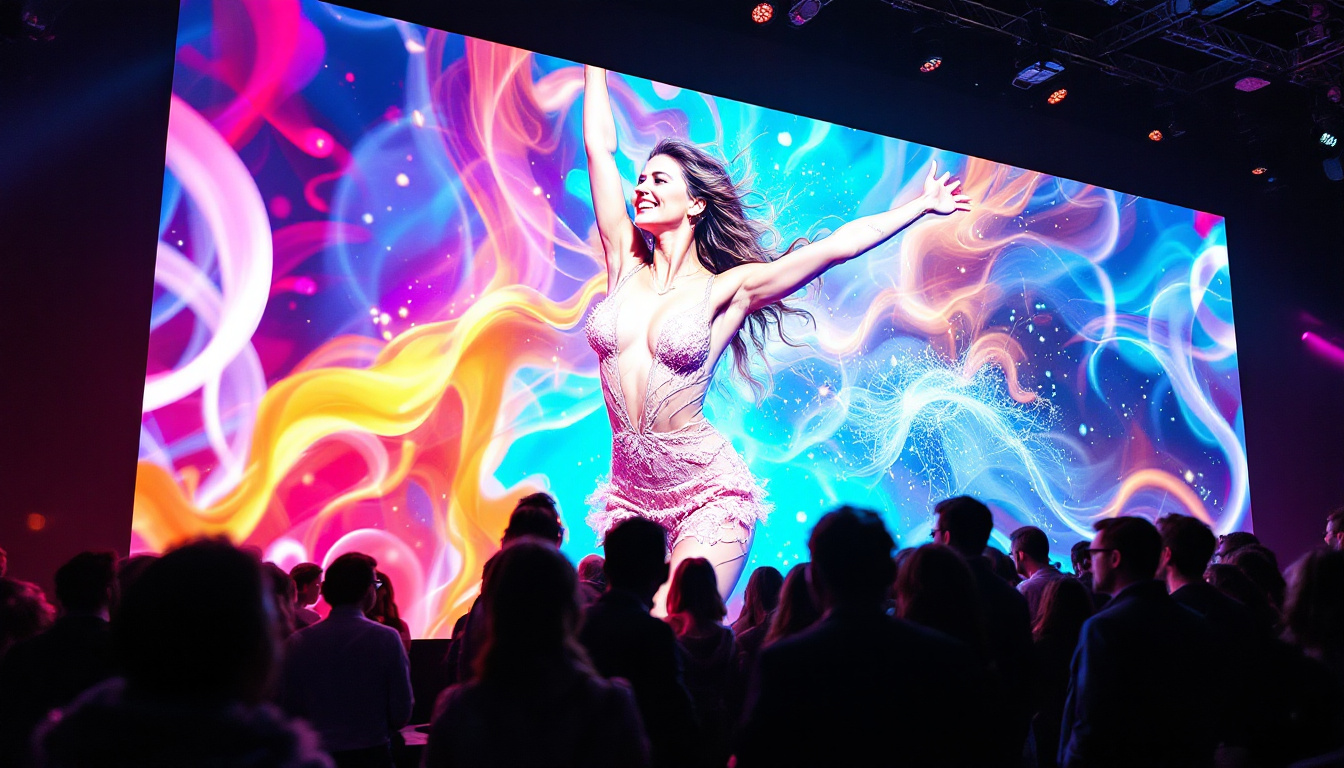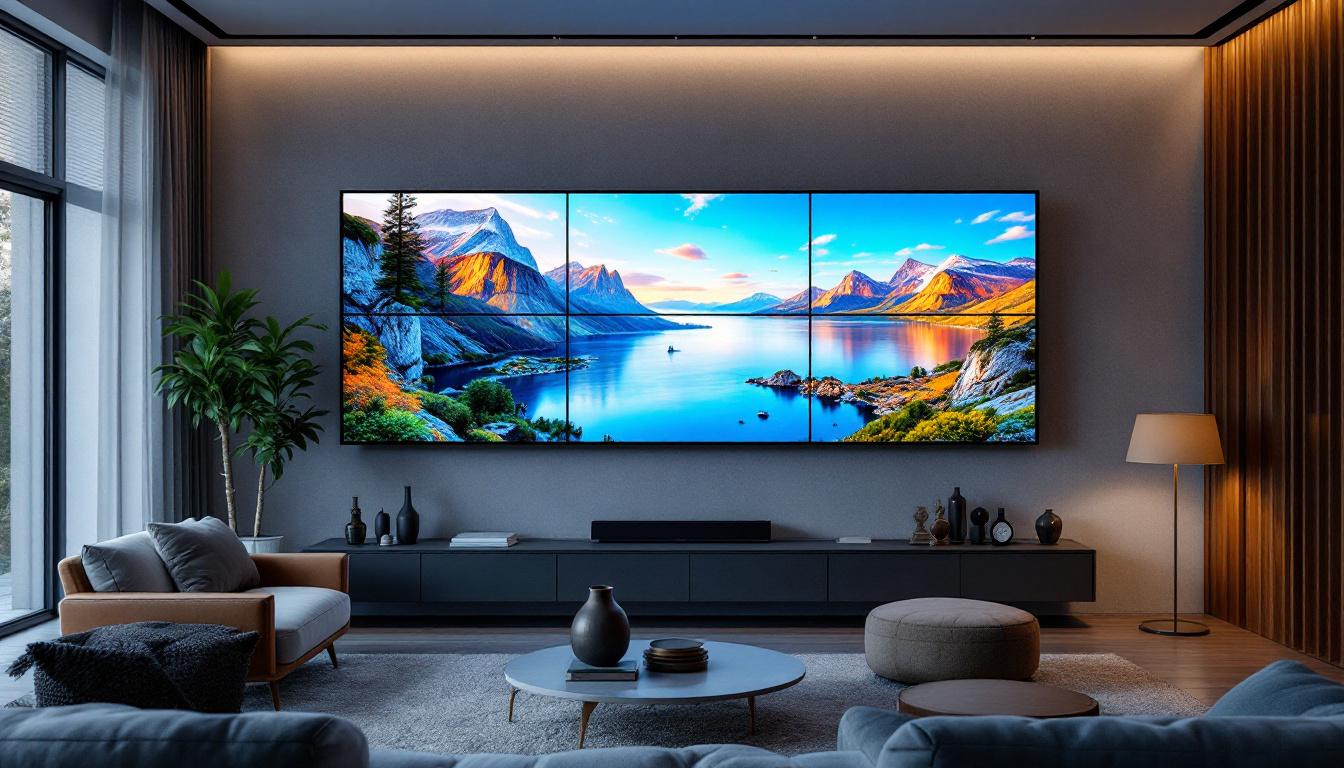
In today’s digital age, large-scale visual displays have become a staple in public spaces, corporate environments, and entertainment venues. Among these, the 9 screen TV wall, often configured as a 3×3 matrix of LED displays, stands out for its ability to deliver immersive, high-resolution content on a grand scale. This article delves into the technology behind 9 screen TV walls, focusing on LED displays, their advantages, applications, and key considerations for installation and maintenance.
Understanding the Basics of a 9 Screen TV Wall
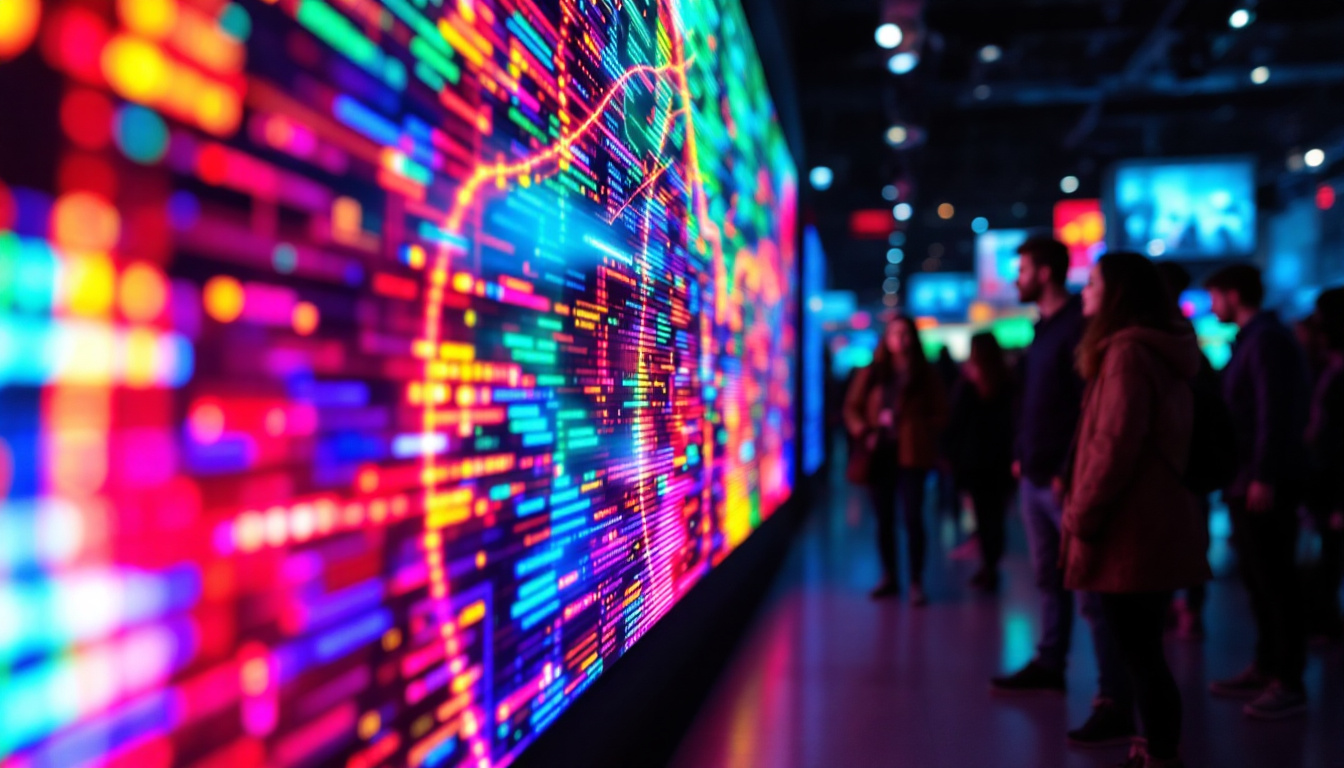
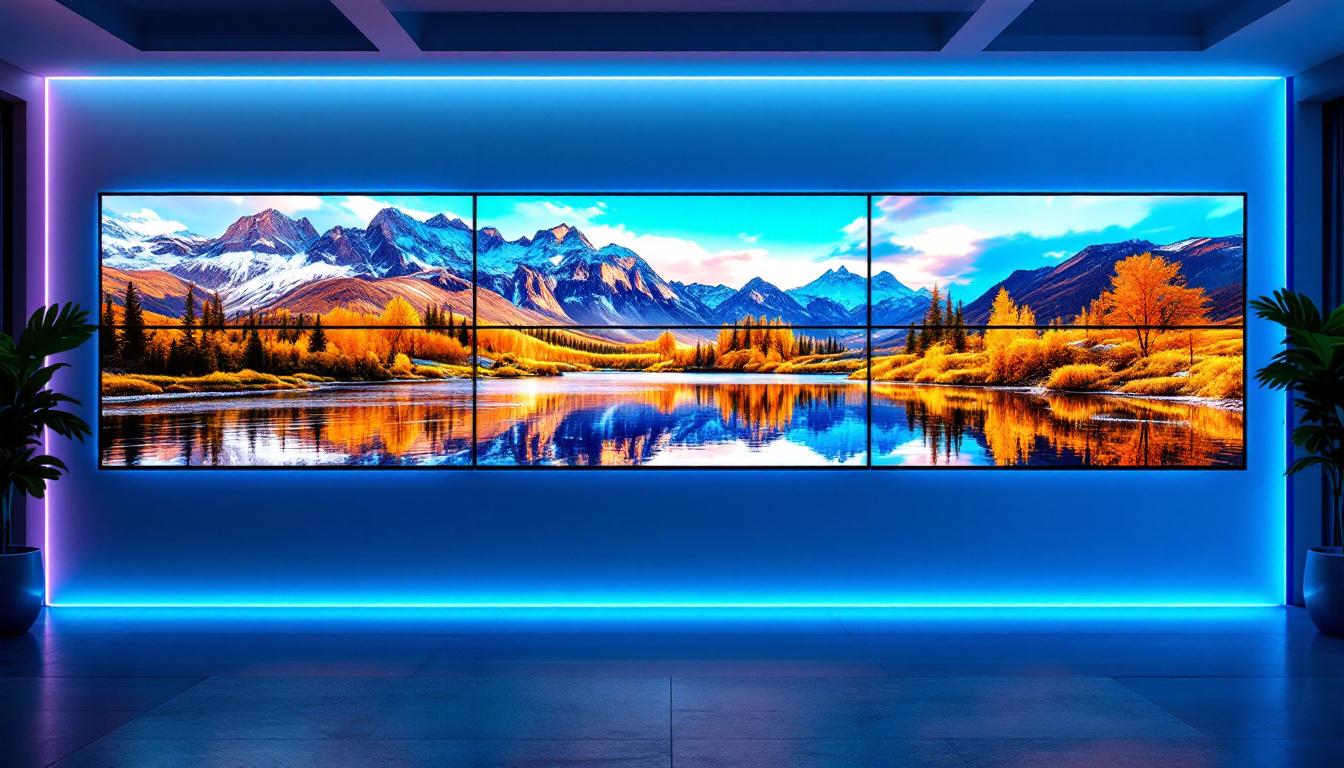
A 9 screen TV wall is essentially a video wall composed of nine individual display panels arranged in a grid, typically three across and three down. When combined, these panels create a single, large screen that can showcase content seamlessly across all nine sections.
The primary goal of such a setup is to provide a visually striking experience that surpasses the limitations of a single display. By using multiple screens, it is possible to achieve a much larger display area and higher overall resolution, making it ideal for environments where impactful visuals are essential.
Why Choose a 9 Screen Configuration?
The 3×3 layout balances size and manageability. It offers a substantial viewing area without becoming unwieldy or excessively complex to install and maintain. This size is popular in control rooms, retail spaces, and corporate lobbies where a combination of scale and clarity is required.
Moreover, the modular nature of a 9 screen wall allows for flexibility. Each screen can be replaced or upgraded individually, reducing long-term costs and downtime compared to a single, massive display. This adaptability is particularly beneficial in fast-paced environments where technology evolves rapidly, enabling businesses to stay current without a complete overhaul of their display systems.
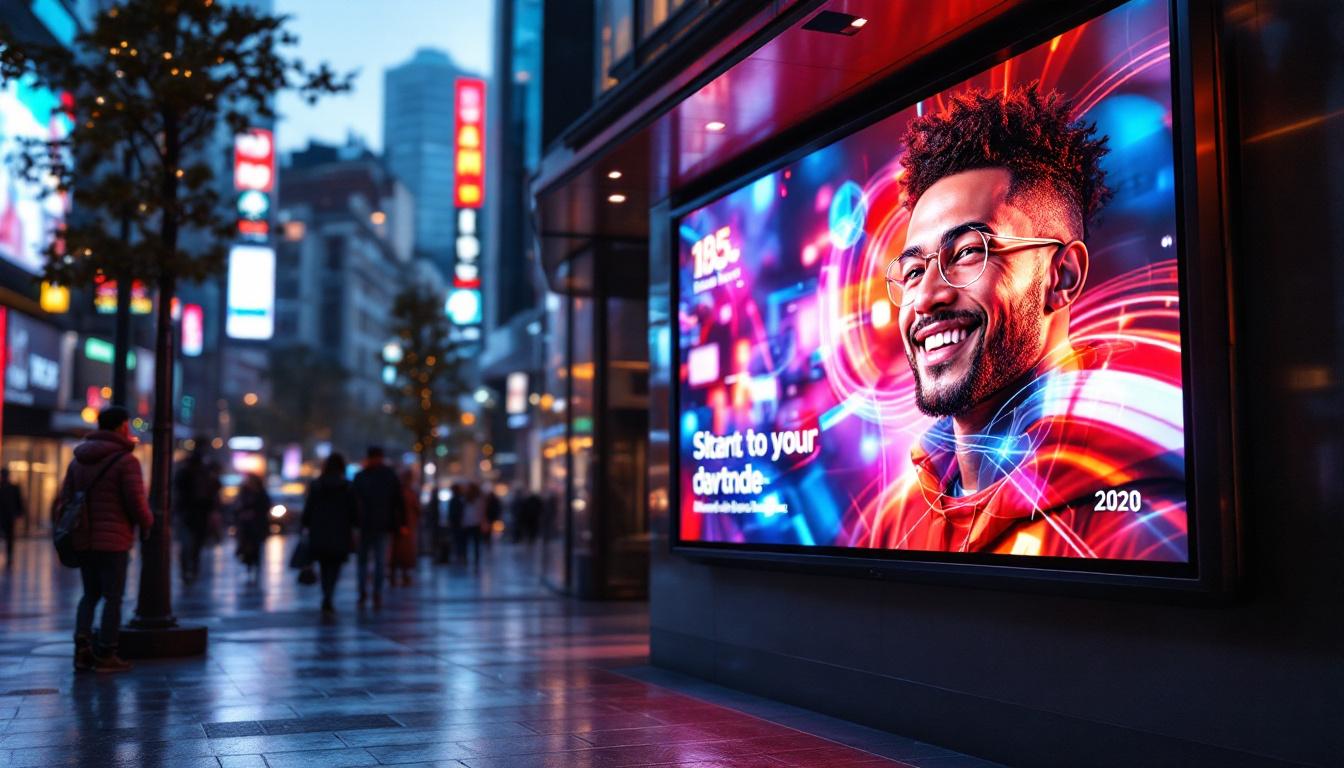
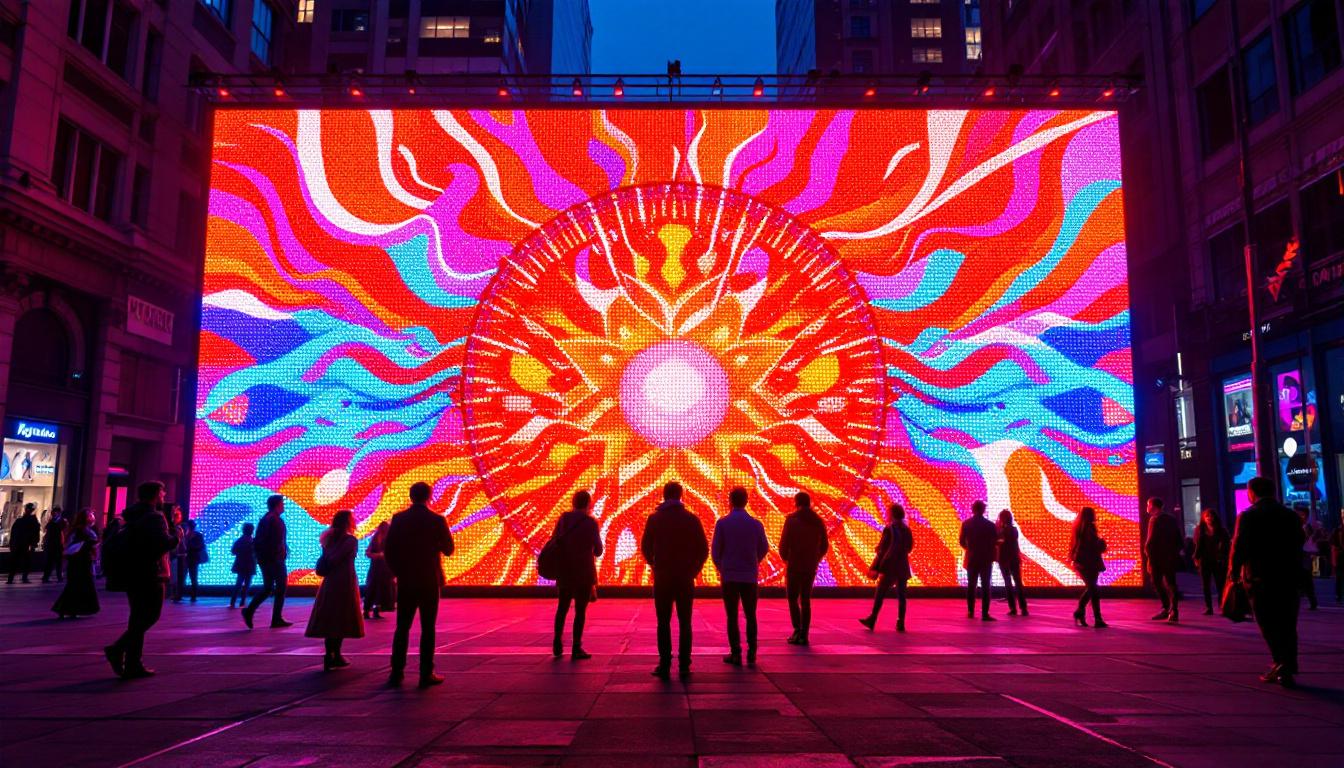
In addition to its practical advantages, a 9 screen TV wall can serve as an impressive focal point that enhances the aesthetic appeal of a space. With the ability to display dynamic content, such as live feeds, promotional videos, or interactive presentations, these walls can captivate audiences and create an engaging atmosphere. For instance, in a retail setting, a well-curated video wall can draw customers in, showcasing products in a visually compelling manner that a single screen simply cannot match.
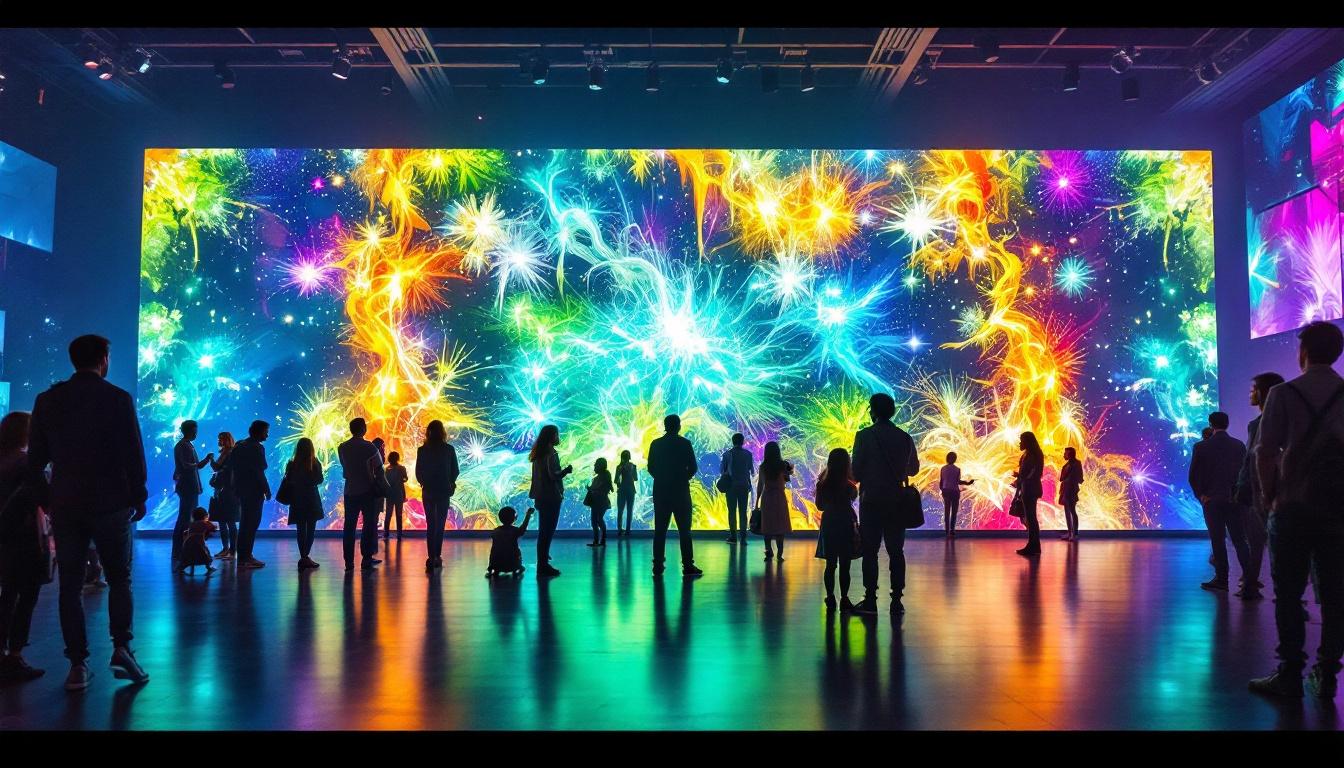
Furthermore, the integration of advanced technologies like 4K resolution and HDR (High Dynamic Range) can elevate the viewing experience, providing richer colors and sharper images. This level of detail is particularly beneficial in environments such as museums or galleries, where visual storytelling plays a crucial role in conveying messages and engaging visitors. As a result, a 9 screen TV wall not only serves functional purposes but also enhances the overall experience for viewers, making it a valuable investment for any organization looking to make a lasting impression.
What Is an LED Display and How Does It Work?
LED, or Light Emitting Diode, displays have revolutionized the way large screens are built and used. Unlike traditional LCD or plasma screens, LED displays use tiny diodes that emit light when an electrical current passes through them. This fundamental difference offers several advantages in brightness, contrast, and energy efficiency.
Types of LED Displays Used in TV Walls
There are two primary types of LED displays used in video walls: direct view LED and LED-backlit LCD.
- Direct View LED: This technology involves an array of LEDs that form the actual pixels of the display. Each LED can be controlled individually to produce precise colors and brightness levels. This type is favored for large-scale video walls because of its superior brightness and viewing angles.
- LED-backlit LCD: In this setup, the LCD panel is illuminated from behind by LEDs. While this method improves brightness and color accuracy compared to older CCFL-backlit LCDs, it doesn’t match the performance of direct view LED panels, especially in large video walls.
How LED Displays Enhance Visual Quality
LED displays are known for their vibrant colors and high contrast ratios. Because LEDs emit their own light, they can achieve true blacks by turning off individual diodes, unlike LCDs that rely on backlighting and often struggle with deep blacks. This results in sharper images and more vivid content.
Additionally, LED displays offer excellent brightness levels, often exceeding 1,000 nits, which makes them suitable for environments with high ambient light, such as shopping malls or outdoor installations. The ability to maintain clarity in bright settings is crucial for applications like advertising and public information displays, where legibility is paramount.
Moreover, the technology behind LED displays allows for a wider color gamut, meaning they can reproduce a broader range of colors compared to other display technologies. This capability is particularly beneficial in fields such as digital art, photography, and video production, where color accuracy is essential. The combination of high brightness, contrast, and color fidelity makes LED displays an ideal choice for immersive experiences in entertainment venues, museums, and corporate environments, where captivating visuals can significantly enhance audience engagement.
Advantages of Using a 9 Screen LED TV Wall
Deploying a 9 screen LED TV wall brings numerous benefits, making it a preferred choice for many businesses and organizations.
Scalability and Flexibility
The modular design allows for easy scalability. Organizations can start with fewer panels and expand to a full 9 screen setup or beyond as their needs grow. Content can be customized to display either a single image stretched across all screens or multiple independent feeds on each screen.
Enhanced Visual Impact
A large video wall commands attention. Whether used for advertising, presentations, or informational displays, the sheer size and brightness of a 9 screen LED wall create an immersive viewing experience that smaller screens cannot match.
Durability and Longevity
LED panels are built to withstand continuous operation, often running 24/7 in commercial settings. Their lifespan typically ranges from 50,000 to 100,000 hours, depending on usage and maintenance, making them a cost-effective long-term investment.
Energy Efficiency
Compared to other display technologies, LED walls consume less power relative to their brightness output. This efficiency translates to lower operational costs and a reduced environmental footprint.
Applications of 9 Screen LED TV Walls
The versatility of 9 screen LED walls means they find use across a wide range of industries and settings.
Corporate and Control Rooms
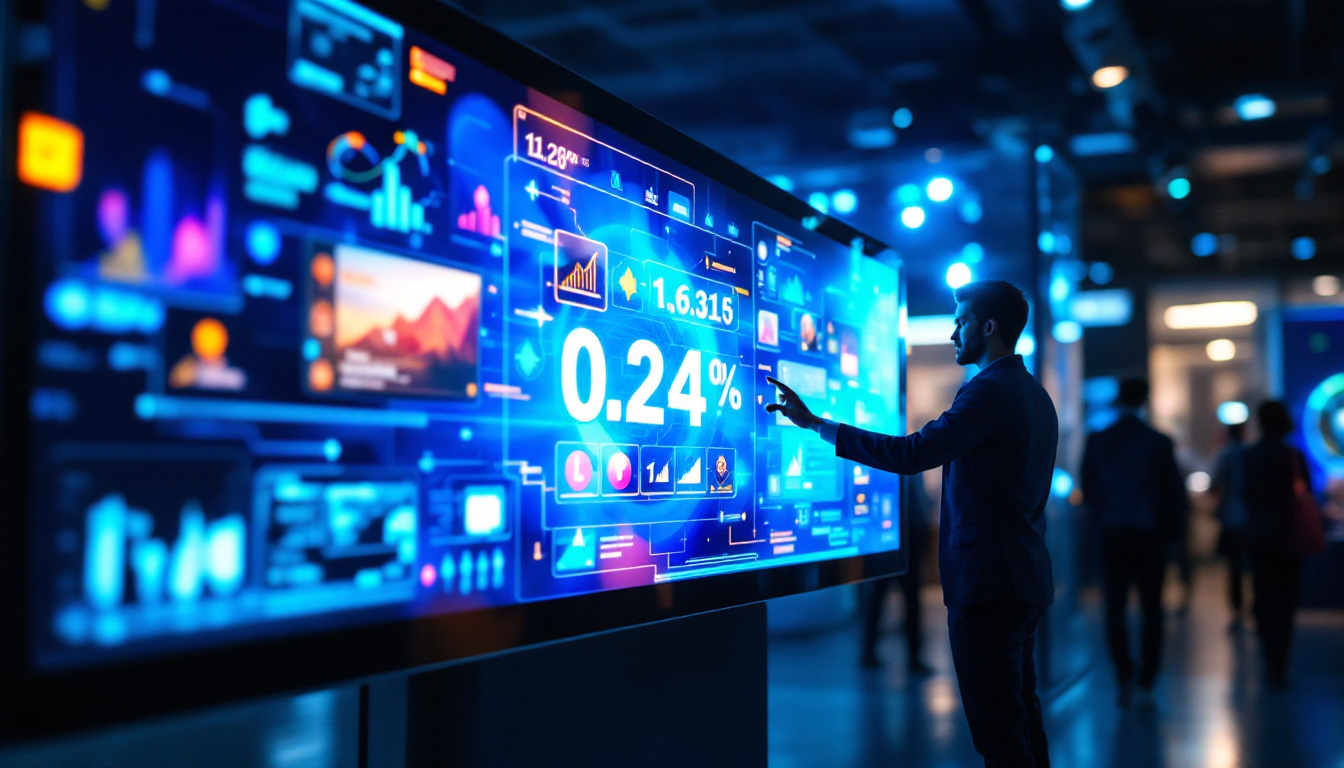
In control centers for utilities, transportation, or emergency services, a 9 screen video wall provides operators with a comprehensive view of multiple data streams simultaneously. The high resolution and clarity help improve situational awareness and decision-making.
Retail and Advertising
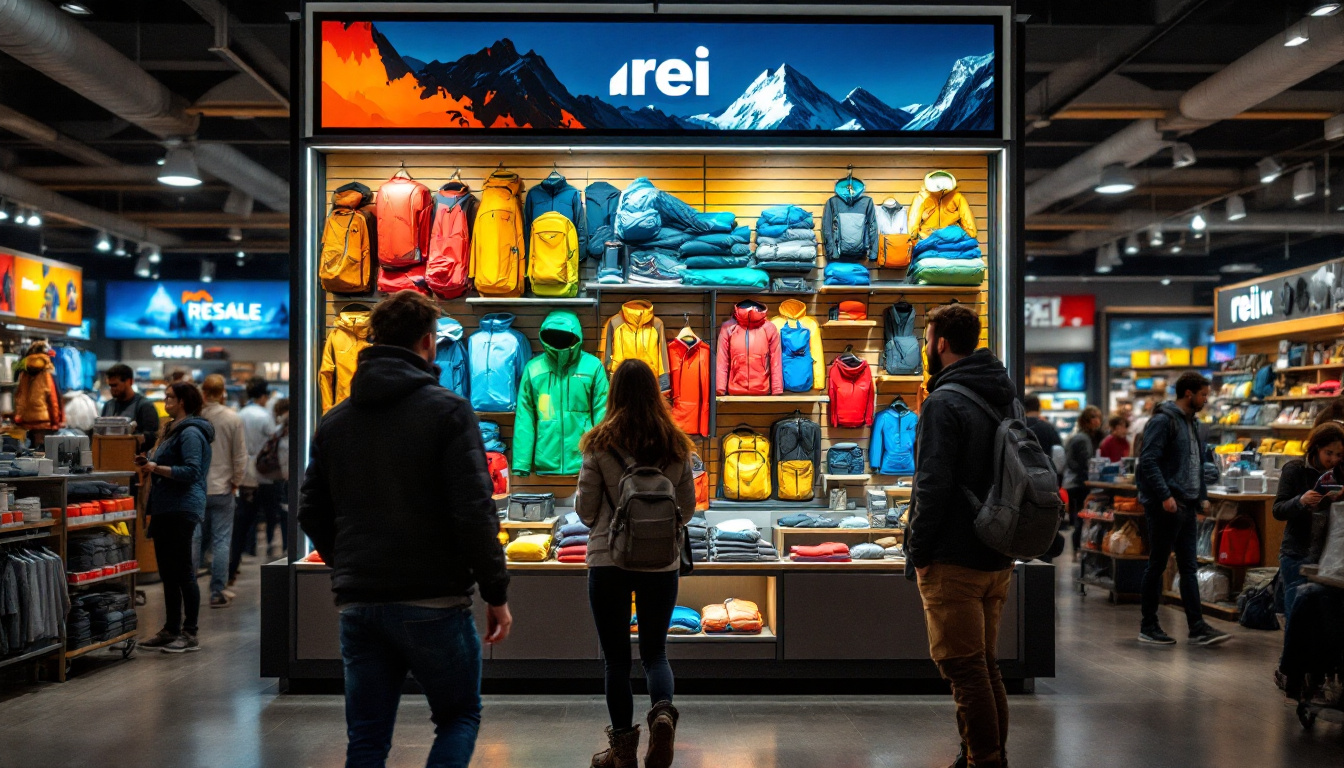
Retailers leverage these walls to create dynamic, eye-catching displays that attract customers and promote products. The ability to show high-definition video and interactive content enhances customer engagement.
Education and Conference Centers
Universities and conference venues use 9 screen walls to deliver presentations, broadcast live events, and facilitate collaborative learning. The large format ensures visibility even in large auditoriums.
Entertainment and Hospitality
Hotels, casinos, and entertainment venues utilize these walls for digital signage, event backdrops, and immersive experiences that captivate visitors.
Key Considerations When Installing a 9 Screen LED TV Wall
While the benefits are substantial, successful deployment requires careful planning and execution.
Resolution and Pixel Pitch
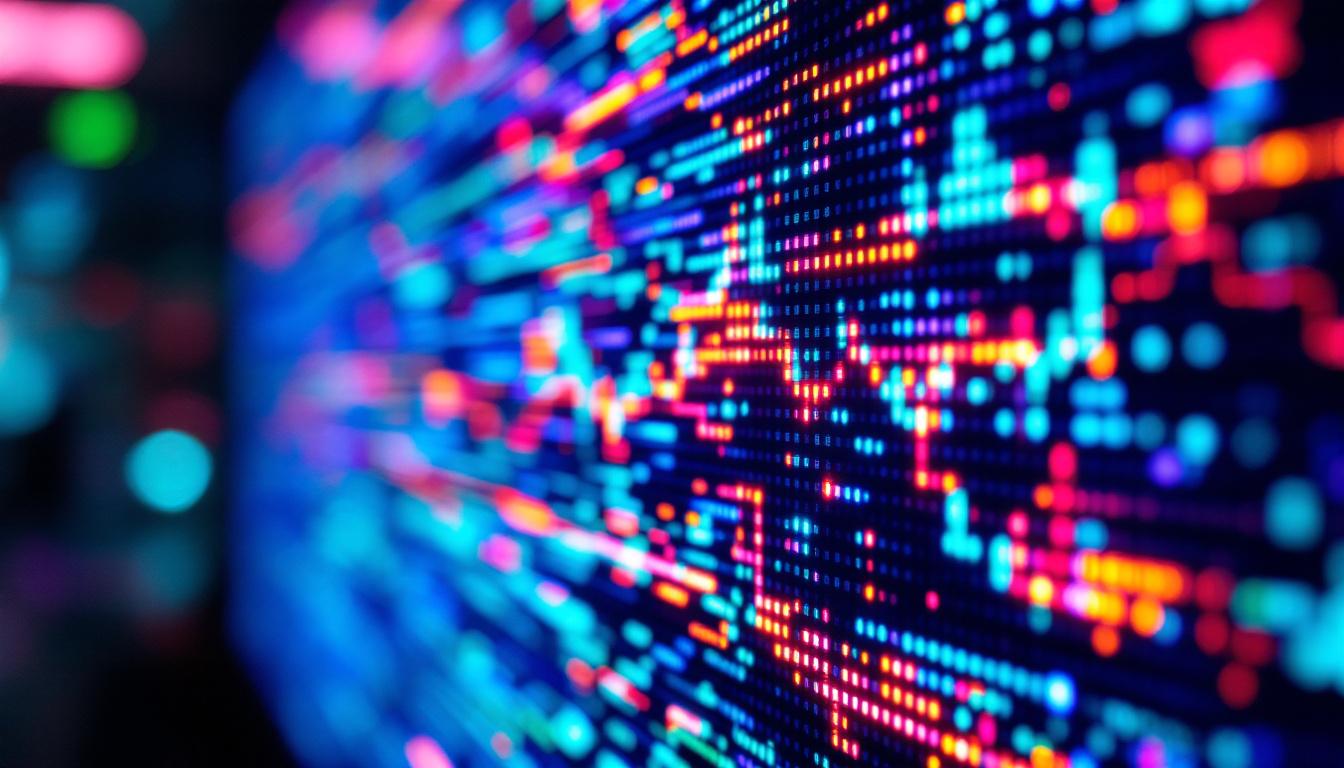
Pixel pitch refers to the distance between individual LED diodes and directly affects image clarity. For indoor 9 screen walls viewed at close range, a pixel pitch between 1.2mm and 2.5mm is common, ensuring crisp visuals. Outdoor installations may use larger pitches due to viewing distances.
Calibration and Color Uniformity
To maintain a seamless image across all nine screens, color calibration is essential. Professional calibration tools and software help adjust brightness, contrast, and color balance so that the video wall appears as a single, uniform display.
Mounting and Structural Support
The physical installation must consider weight, ventilation, and accessibility for maintenance. Walls should be sturdy enough to support the combined weight of all panels, and mounting systems should allow for precise alignment to minimize gaps.
Content Management Systems (CMS)
Managing content across nine screens requires robust CMS software capable of handling multi-source inputs, scheduling, and real-time updates. Choosing the right CMS can simplify operations and maximize the video wall’s potential.
Maintenance and Troubleshooting
Proper maintenance ensures longevity and consistent performance.
Regular Cleaning
LED panels attract dust and fingerprints, which can degrade image quality. Cleaning with appropriate materials and techniques helps maintain clarity without damaging the delicate surfaces.
Monitoring and Diagnostics
Many modern LED walls include built-in diagnostics to monitor panel health and detect issues early. Regular system checks can prevent downtime and costly repairs.
Replacing Faulty Panels
Thanks to the modular design, individual panels can be swapped out without dismantling the entire wall. Keeping spare panels on hand can reduce downtime in critical environments.
Future Trends in LED Video Walls
As technology advances, LED video walls continue to evolve. Emerging trends include:
Higher Resolution and Smaller Pixel Pitch
Manufacturers are pushing pixel pitches below 1mm, enabling ultra-high-definition displays that rival traditional monitors even at close distances.
Flexible and Curved LED Panels
Innovations in panel design allow for curved and flexible video walls, opening new creative possibilities in architecture and design.
Integration with AI and Interactive Technologies
Combining LED walls with AI-driven content management and interactive sensors enhances user engagement and enables dynamic, personalized experiences.
Conclusion
The 9 screen TV wall using LED display technology represents a powerful tool for delivering large-scale, high-impact visual content. Its modularity, superior image quality, and versatility make it suitable for a wide range of applications, from corporate environments to public entertainment spaces. Understanding the technical aspects, installation requirements, and maintenance needs is crucial for maximizing the benefits of this technology. As LED technology continues to advance, these video walls will become even more integral to how information and entertainment are presented in the modern world.
Explore Cutting-Edge LED Display Solutions with LumenMatrix
Ready to elevate your space with a visually stunning 9 screen LED TV wall? LumenMatrix, a pioneer in LED display technology, offers a diverse range of solutions tailored to meet your needs. From captivating Indoor and Outdoor LED Wall Displays to innovative options like Vehicle, Sports, and Floor LED Displays, LumenMatrix is committed to transforming your visual communication. Discover how our Custom, All-in-One, and Transparent LED Displays can create unforgettable experiences and amplify your message. Check out LumenMatrix LED Display Solutions today and step into the future of digital signage.