When it comes to understanding measurements in technology, especially in the realm of LED displays, clarity is crucial. Whether you’re a consumer comparing screen sizes or a professional working with specifications, converting millimeters to inches is a common necessity. One such measurement often encountered is 122 millimeters (mm). But how many inches is 122 mm exactly? More importantly, why does this conversion matter in the context of LED displays? This article dives deep into the conversion, explores the significance of these measurements, and explains how they impact LED display technology.
Understanding the Conversion: Millimeters to Inches
Millimeters and inches are two of the most widely used units of length measurement worldwide. The metric system, which includes millimeters, is the standard in most countries, while inches are predominantly used in the United States and a few other regions. This duality can sometimes lead to confusion, especially in industries where precision is key, such as manufacturing, engineering, and design.
Exact Conversion Rate
The precise conversion factor between millimeters and inches is:
1 inch = 25.4 millimeters
Therefore, to convert millimeters to inches, you divide the millimeter value by 25.4.
For 122 mm, the calculation is:
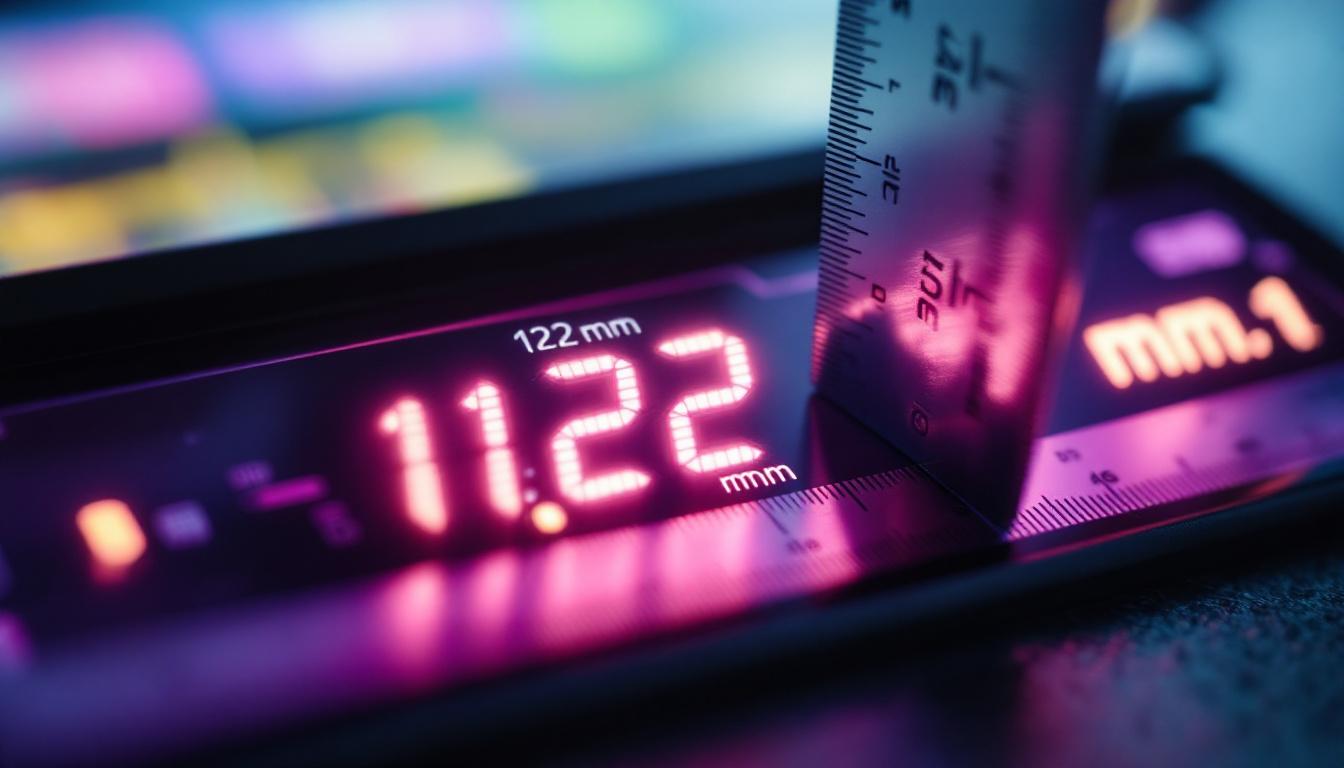
122 ÷ 25.4 = 4.803 inches (rounded to three decimal places)
This means that 122 mm is approximately 4.8 inches. Understanding this conversion is not just a mathematical exercise; it is a practical skill that can enhance communication and collaboration in various fields, from construction to graphic design.
Why Precision Matters
In the context of LED displays, even small differences in measurement can impact design, compatibility, and user experience. For example, a 0.1-inch difference in screen size can affect the viewing area, pixel density, and overall aesthetics of the display. Hence, understanding and applying precise conversions is essential for engineers, designers, and consumers alike. Additionally, in the realm of product design, accurate measurements can influence the functionality and ergonomics of an item. A product that is slightly too large or too small can lead to discomfort or even safety issues for the user.
Moreover, in industries like automotive and aerospace, where components must fit together with exacting standards, the importance of precise conversions cannot be overstated. Engineers often rely on exact measurements to ensure that parts are manufactured to the correct specifications, which can affect everything from performance to safety. As globalization continues to expand, the ability to seamlessly convert between metric and imperial units becomes increasingly vital, fostering better collaboration across borders and industries.
The Role of Display Size in LED Technology
LED displays come in a variety of sizes, and the physical dimensions often dictate their application. From small indicator panels to large digital billboards, the size of the LED display influences everything from resolution to power consumption. Larger displays can accommodate higher resolutions, which is crucial for applications requiring detailed visuals, such as video walls in control rooms or advertising displays in busy urban environments. Conversely, smaller displays are often designed for efficiency, providing essential information without overwhelming the user.
How Screen Size Is Measured
Screen size is typically measured diagonally from one corner to the opposite corner. This diagonal measurement is usually expressed in inches in many countries, especially for consumer electronics like TVs, monitors, and smartphones. This standardization allows consumers to easily compare display sizes across different brands and models, ensuring they select the right screen for their needs.
For example, a screen labeled as 5 inches means the diagonal length of the display area is 5 inches, not the width or height alone. This method of measurement can sometimes lead to confusion, especially when comparing screens that have different aspect ratios. A 5-inch display with a 16:9 aspect ratio will have a different width and height compared to a 5-inch display with a 4:3 aspect ratio, which can affect how content is viewed and interacted with.
Why 122 mm Is a Relevant Measurement
122 mm (or approximately 4.8 inches) is a common size for smaller LED displays used in various applications:
- Portable Devices: Many handheld devices, such as GPS units, small tablets, and specialized industrial equipment, use displays around this size for optimal portability and readability. The compact nature of these displays allows for easy integration into devices that require mobility without compromising on functionality.
- Embedded Systems: In embedded systems, LED displays of this size provide sufficient information display without occupying excessive space. These displays are often found in appliances, medical devices, and home automation systems, where concise information is paramount.
- Automotive Displays: Certain dashboard indicators and infotainment systems use screens close to this size for clear visibility. In vehicles, the placement and size of these displays are critical for ensuring that drivers can quickly access vital information without distraction.
Understanding the exact size in inches helps manufacturers source components and consumers evaluate the suitability of a display for their needs. Furthermore, as technology advances, the trend towards miniaturization has led to the development of even smaller LED displays that maintain high performance while fitting into increasingly compact designs. This evolution is particularly significant in the context of wearable technology, where display size plays a crucial role in user experience and device functionality.
Pixel Density and Resolution: How Size Affects Display Quality
The physical size of an LED display is only one piece of the puzzle. Equally important is the pixel density, which determines how sharp and clear the image appears.
What Is Pixel Density?
Pixel density is typically measured in pixels per inch (PPI). It represents how many pixels are packed into each inch of the display. Higher PPI means more pixels in the same space, resulting in sharper images.
For a 122 mm (4.8 inch) display, the pixel density can vary significantly depending on the resolution. For instance:
- A 480 x 320 pixel resolution on a 4.8-inch display results in approximately 125 PPI.
- A 1280 x 720 pixel resolution on the same size increases pixel density to nearly 307 PPI, offering much sharper images.
Why Size and Resolution Must Be Balanced
A larger display with low resolution can appear pixelated, while a smaller display with high resolution can offer crisp visuals but may strain the eyes if text and icons are too small. Therefore, knowing the exact size in inches helps designers balance resolution and pixel density for optimal user experience.
Moreover, the relationship between pixel density and viewing distance plays a crucial role in perceived image quality. For example, a display with a higher pixel density may not be as noticeable when viewed from a distance, as the human eye cannot discern individual pixels beyond a certain point. This is why televisions and monitors often have lower pixel densities compared to mobile devices, which are typically viewed at much closer ranges. Understanding this aspect allows manufacturers to tailor their products to specific use cases, ensuring that consumers enjoy the best visual experience possible, whether they are watching a movie, playing a game, or simply browsing the web.
Additionally, advancements in display technology, such as OLED and Retina displays, have pushed the boundaries of pixel density even further. These technologies not only enhance the sharpness of images but also improve color accuracy and contrast ratios, making the visuals more vibrant and lifelike. As a result, consumers are increasingly drawn to devices that offer higher resolutions and pixel densities, leading to a competitive market where manufacturers strive to innovate and provide the best display quality. This ongoing evolution in display technology highlights the importance of pixel density and resolution in achieving an immersive viewing experience that meets the demands of modern users.
Practical Applications of 122 mm LED Displays
Understanding the conversion and implications of a 122 mm display size is not just academic; it has real-world applications across various industries.
Consumer Electronics
Many consumer gadgets incorporate displays around 122 mm diagonally. For example, certain smartwatches, portable media players, and handheld gaming devices utilize screens close to this size for a balance between usability and portability.
Manufacturers often market these devices using inches, so converting 122 mm to approximately 4.8 inches helps consumers make informed comparisons.
Industrial and Medical Equipment
In industrial settings, compact LED displays are used for monitoring equipment status, displaying data, or controlling machinery. A 122 mm display provides enough screen real estate to show critical information without overwhelming the device’s form factor.
Similarly, medical devices such as portable diagnostic tools use displays around this size for clear data presentation while maintaining portability.
Automotive Displays
Modern vehicles increasingly rely on LED displays for dashboards, infotainment systems, and heads-up displays. A 122 mm screen can serve as a secondary display or a control interface, offering drivers quick access to information without distraction.
How to Choose the Right LED Display Size
When selecting an LED display, understanding size conversions and their implications is just the beginning. Other factors also play critical roles in ensuring the display meets your needs.
Consider the Viewing Distance
The optimal screen size depends heavily on how far the viewer will be from the display. For close-up use, such as handheld devices, a 122 mm (4.8 inch) display is often ideal. For viewing from a distance, larger displays are preferable.
Evaluate Resolution and Brightness
Higher resolution and brightness levels improve visibility and image quality. Ensure that the display’s specifications align with your environment and usage requirements.
Power Consumption and Durability
Especially in portable or industrial applications, power efficiency and durability are key considerations. Smaller displays like those around 122 mm often consume less power and can be more rugged, but this varies by technology and manufacturer.
Conclusion: Why Knowing the Conversion Matters
Converting 122 mm to inches (approximately 4.8 inches) is more than a simple math exercise. It bridges the gap between different measurement systems, enabling clearer communication and better decision-making in the LED display industry.
Whether you’re designing a device, purchasing a display, or simply trying to understand product specifications, knowing how to convert and interpret these measurements ensures you get the right size for your needs. In the fast-evolving world of LED technology, precision and clarity in measurement are invaluable assets.
By understanding the relationship between millimeters and inches, and how these measurements affect display size, pixel density, and application, professionals and consumers alike can navigate the LED display market with confidence.
Discover the Perfect LED Display with LumenMatrix
Ready to experience the ultimate in display precision and quality? LumenMatrix offers a comprehensive range of LED display solutions tailored to your unique needs. From the crisp visuals of an Indoor LED Wall Display to the dynamic impact of a Custom LED Display, our innovative technology is designed to captivate and engage. Elevate your visual communication and share your message with unparalleled clarity. Check out LumenMatrix LED Display Solutions today and transform your space into a visual masterpiece.