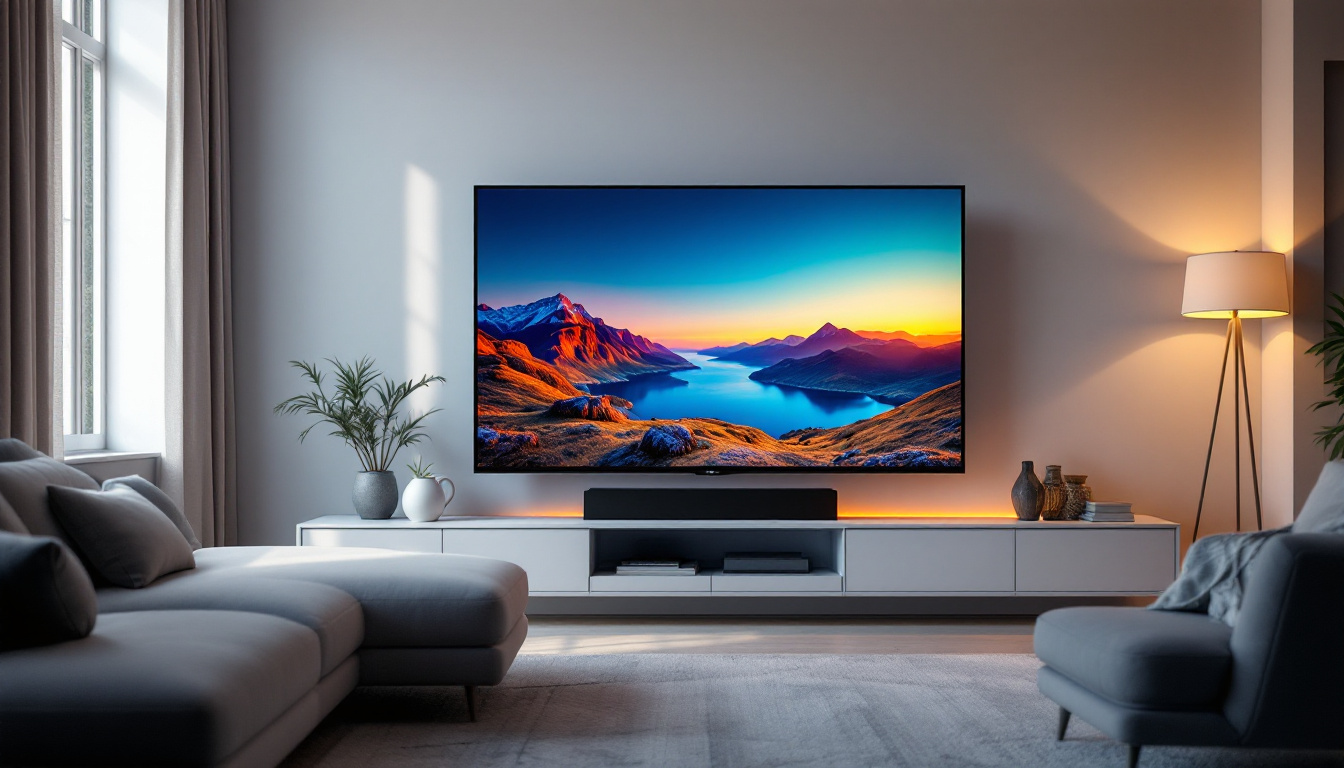
In today’s digital age, LED display technology has transformed the way information and visuals are presented in public spaces, retail environments, and entertainment venues. From massive outdoor billboards to sleek indoor panels, LED light board panels have become ubiquitous due to their brightness, energy efficiency, and versatility. This article delves into the intricacies of LED display technology, exploring how these panels work, their various applications, and the latest advancements shaping the industry.
Understanding LED Light Board Panels
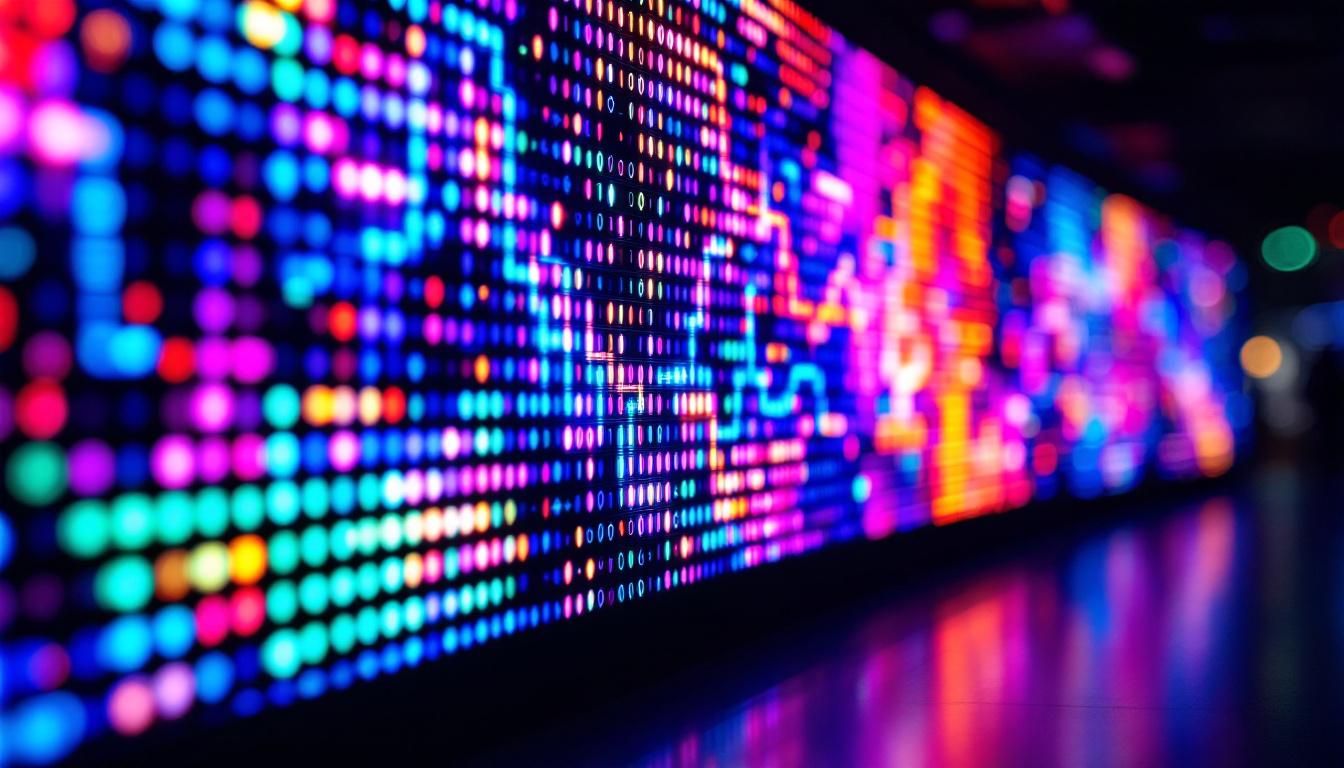
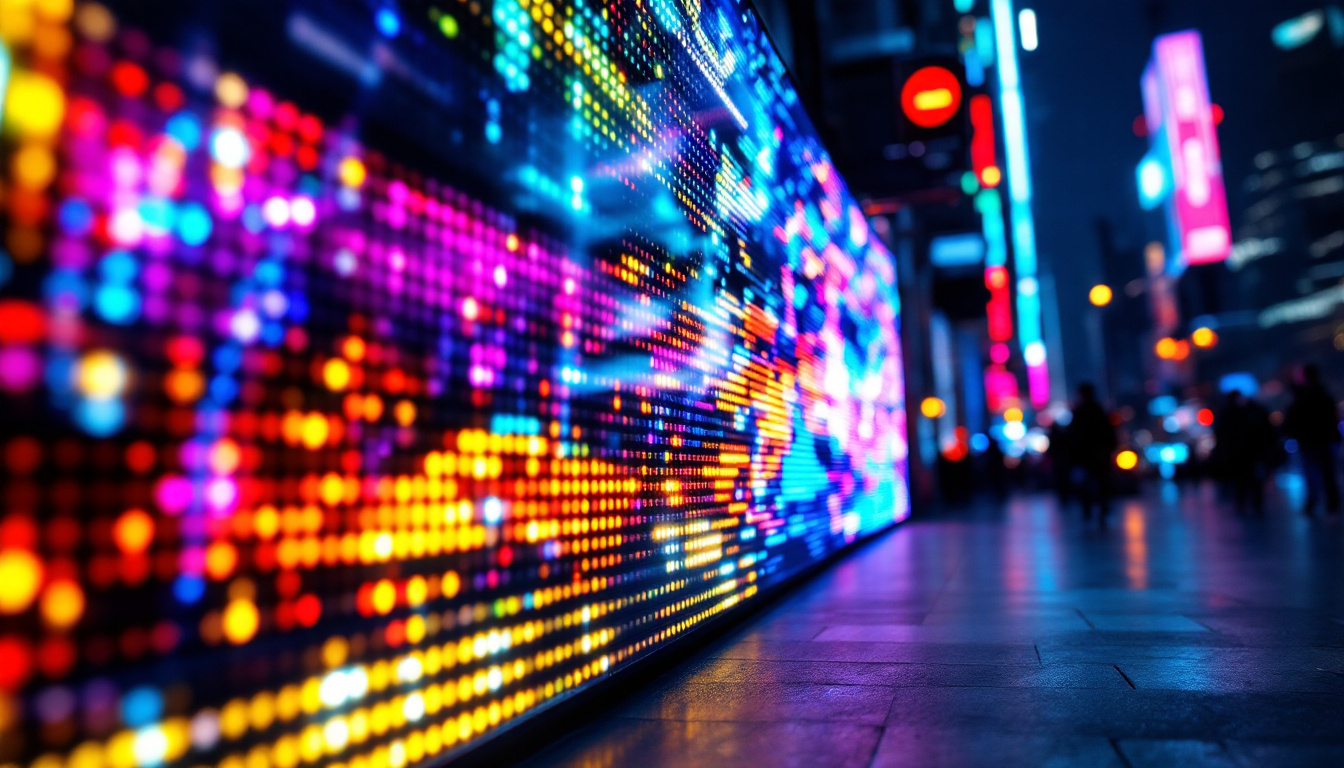
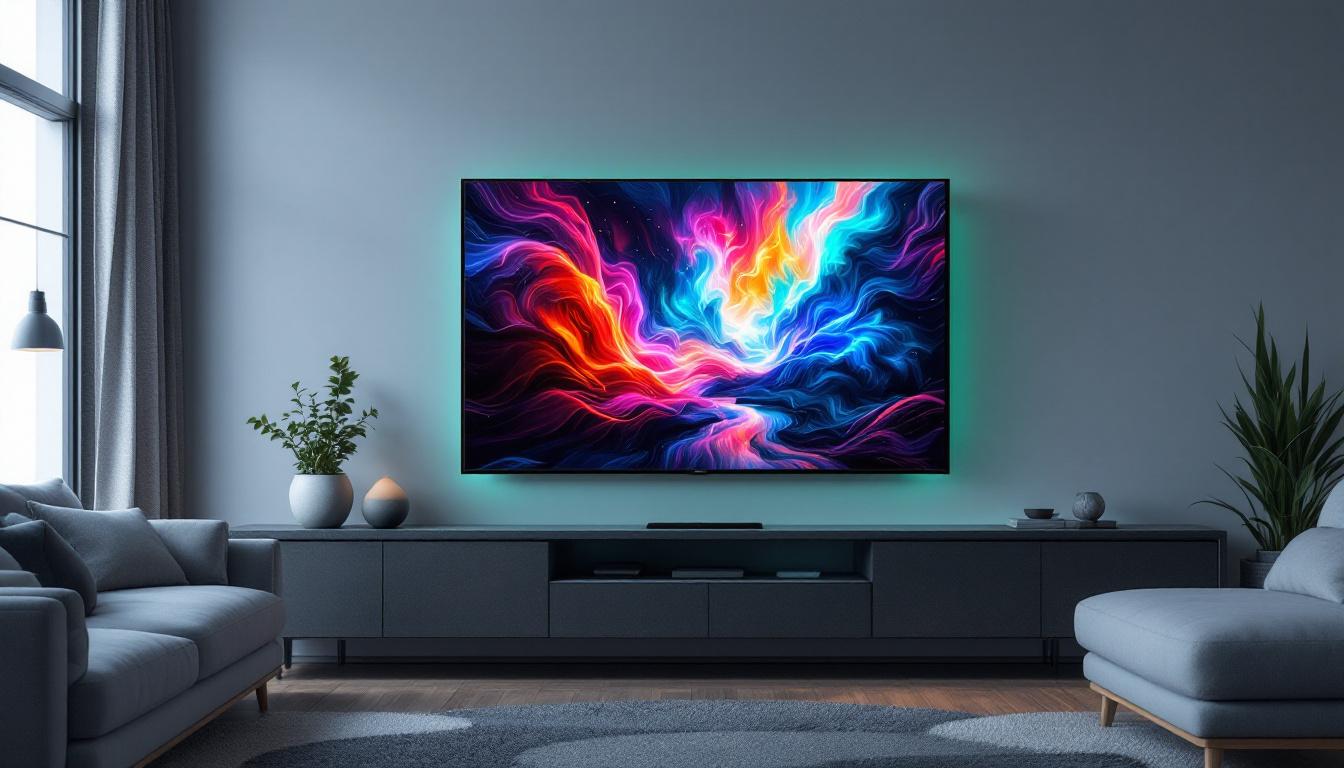
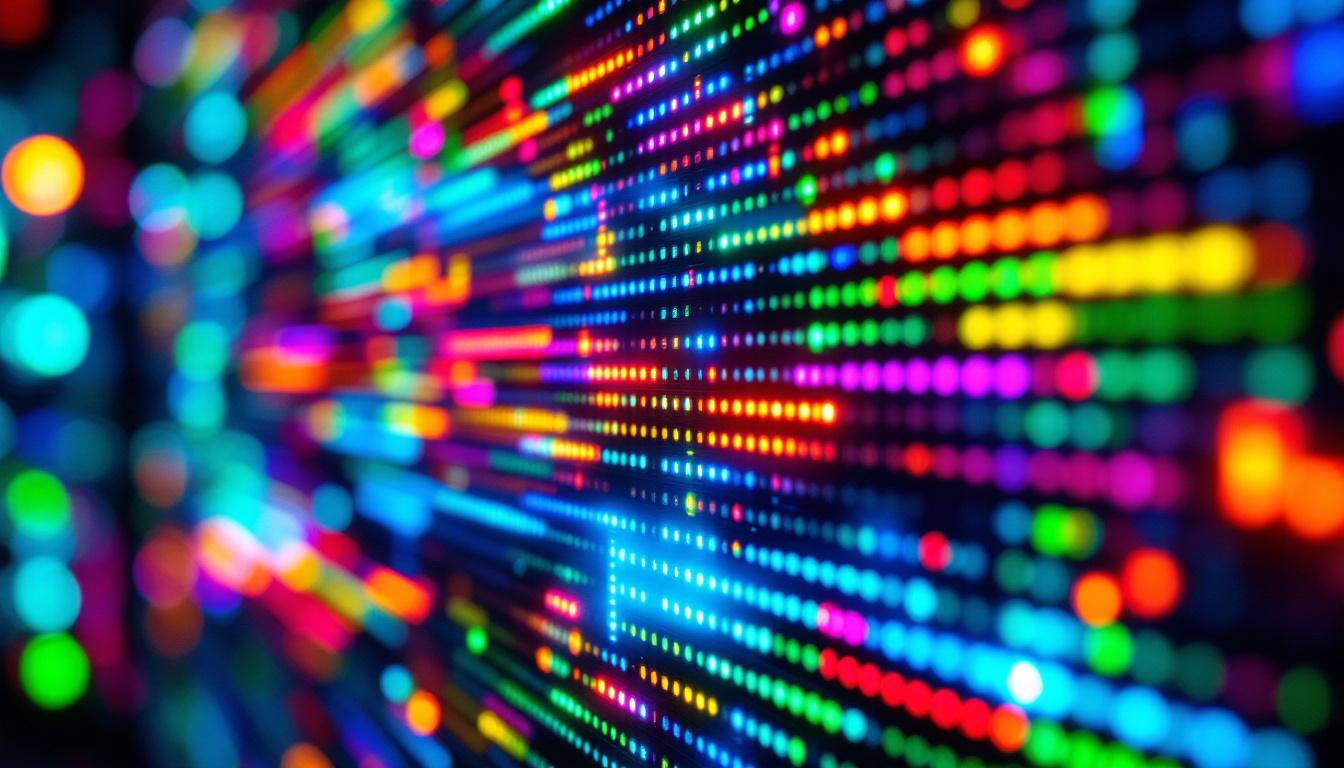
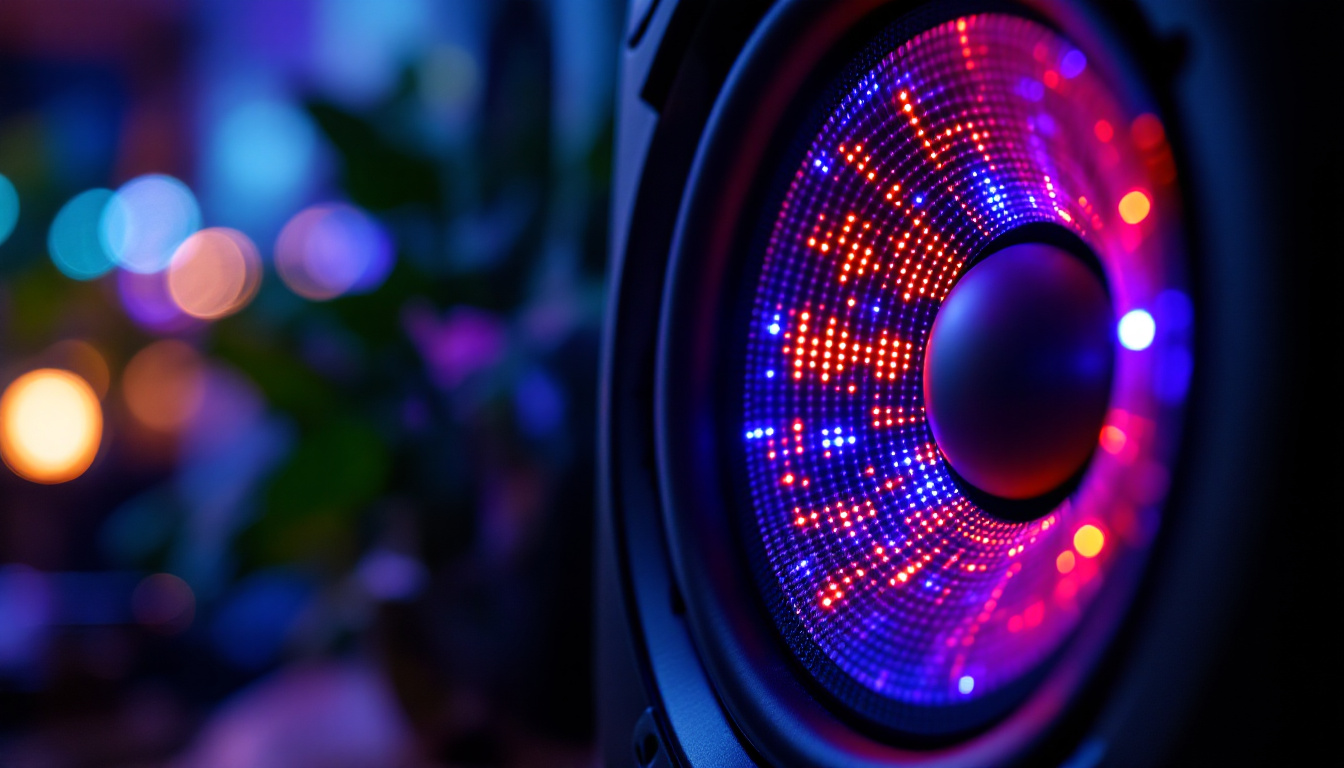
At its core, an LED light board panel is a flat surface composed of numerous light-emitting diodes (LEDs) arranged in a grid. These tiny semiconductor devices emit light when an electrical current passes through them. The combination of thousands, or even millions, of these LEDs creates vibrant images, videos, or text that can be viewed from a distance.
LED displays are categorized primarily by their pixel pitch, resolution, and brightness. Pixel pitch refers to the distance between the centers of two adjacent LEDs, typically measured in millimeters. A smaller pixel pitch means higher resolution and sharper images, making such panels ideal for close viewing distances, like indoor displays. Conversely, larger pixel pitches are common in outdoor LED boards where viewers are farther away.
How LED Panels Work
Each LED on the panel acts as a single pixel or sub-pixel in the overall image. By controlling the intensity and color of each LED, the display can render complex visuals. Modern LED panels use red, green, and blue (RGB) LEDs to produce a full spectrum of colors through color mixing. Advanced panels can also include white or amber LEDs to enhance color accuracy and brightness.
The control system behind the scenes processes input signals from computers or media players and translates them into instructions for the LEDs. This system manages refresh rates, brightness levels, and color calibration to ensure smooth, flicker-free images. High refresh rates, often above 1920 Hz, are essential for video content to prevent visible flickering, especially when recorded or viewed through cameras.
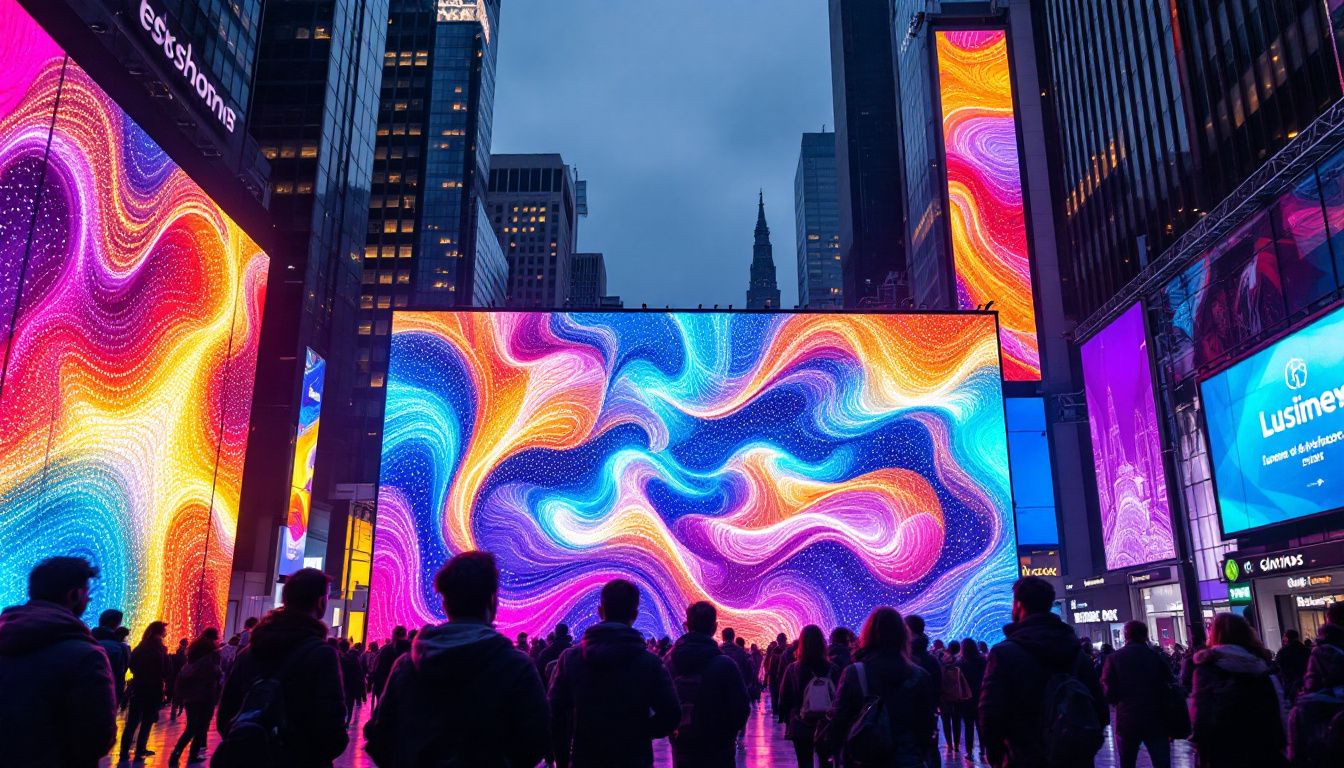
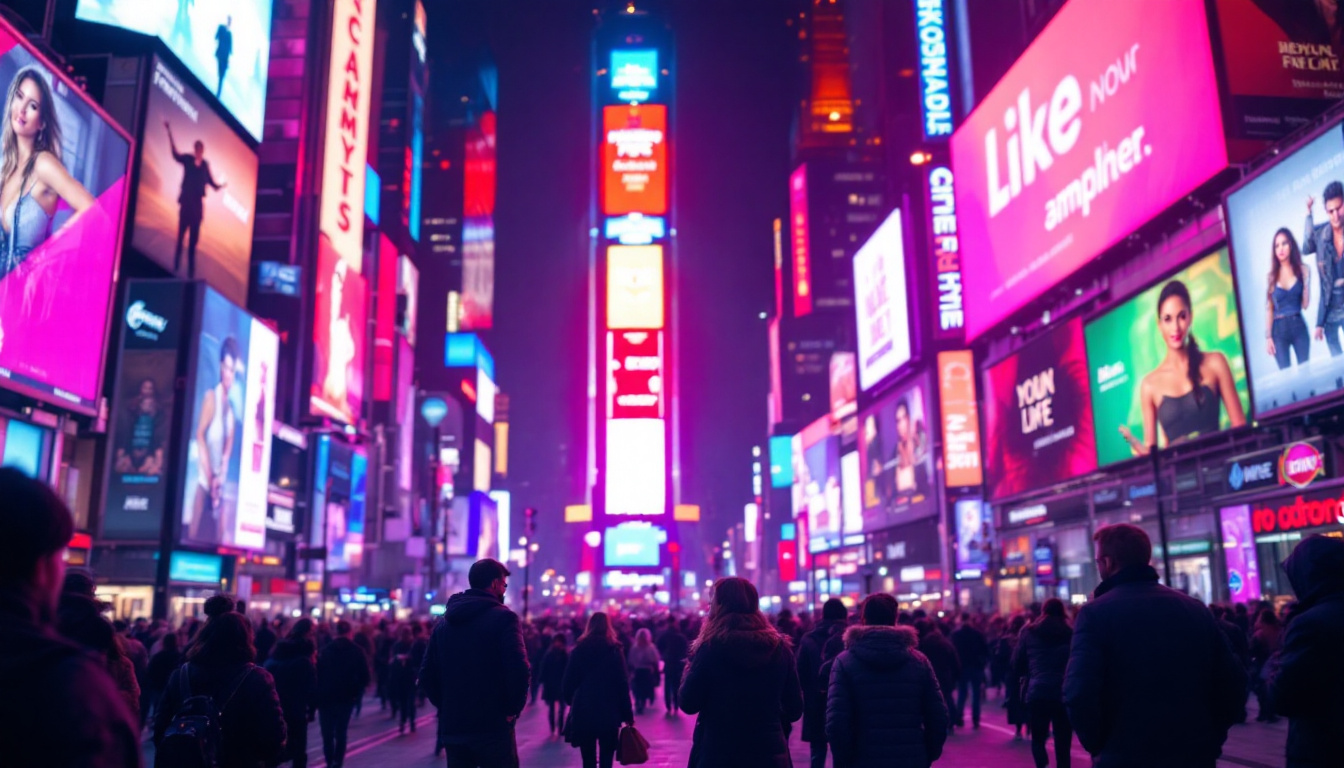
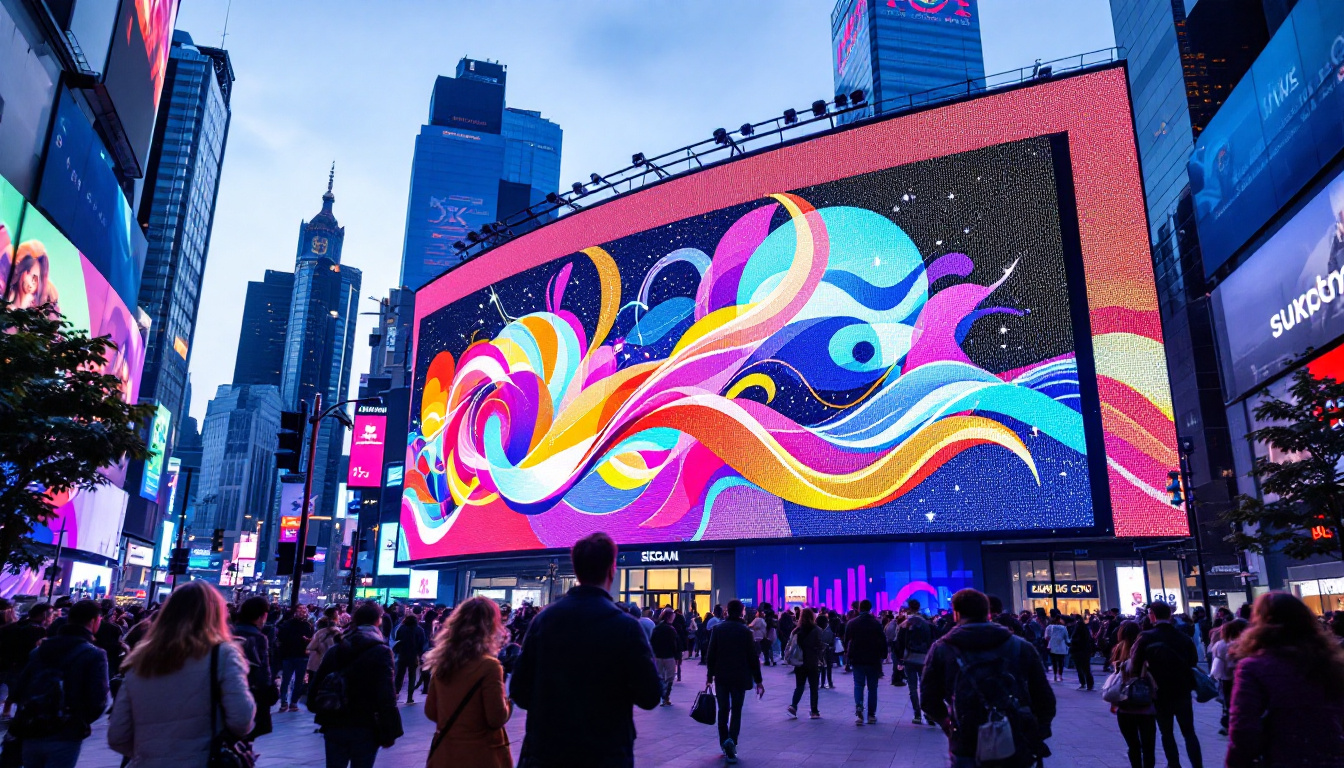
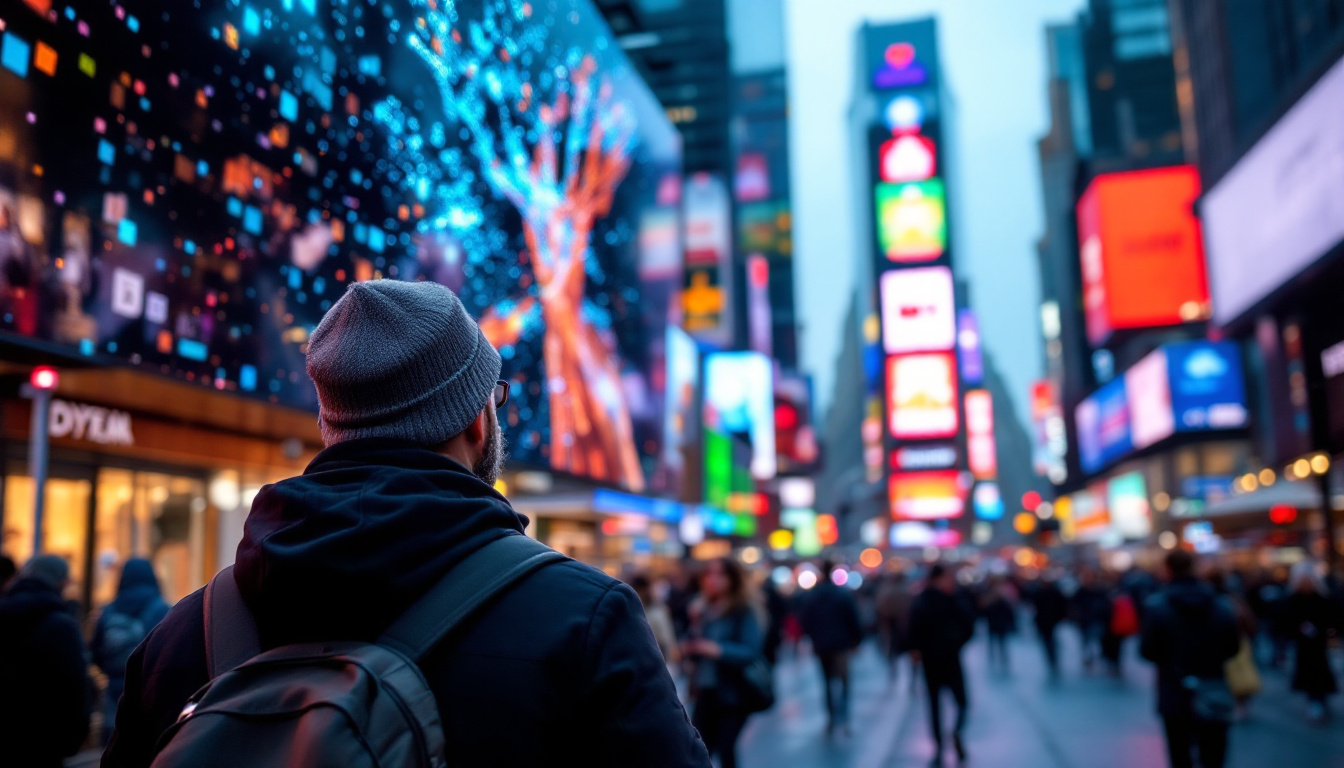
In addition to their technical specifications, LED panels are increasingly being utilized in a variety of applications, from advertising and entertainment to information dissemination and artistic installations. For instance, large-scale outdoor LED billboards have become a staple in urban environments, captivating audiences with dynamic advertisements that can be updated in real-time. Meanwhile, indoor LED screens are frequently employed in concert venues and theaters, providing immersive experiences that enhance performances through synchronized visuals and lighting.
Moreover, the energy efficiency of LED technology cannot be overlooked. Compared to traditional lighting methods, LED panels consume significantly less power while delivering superior brightness and longevity. This not only reduces operational costs but also minimizes the environmental impact, making LED panels a sustainable choice for businesses and organizations looking to modernize their displays. As technology continues to advance, we can expect even more innovative uses and improvements in LED panel design, further solidifying their place in the visual communication landscape.
Types of LED Display Panels
LED display panels come in various forms, each optimized for specific environments and purposes. Understanding the differences helps businesses and event organizers select the right solution for their needs.
Indoor LED Panels
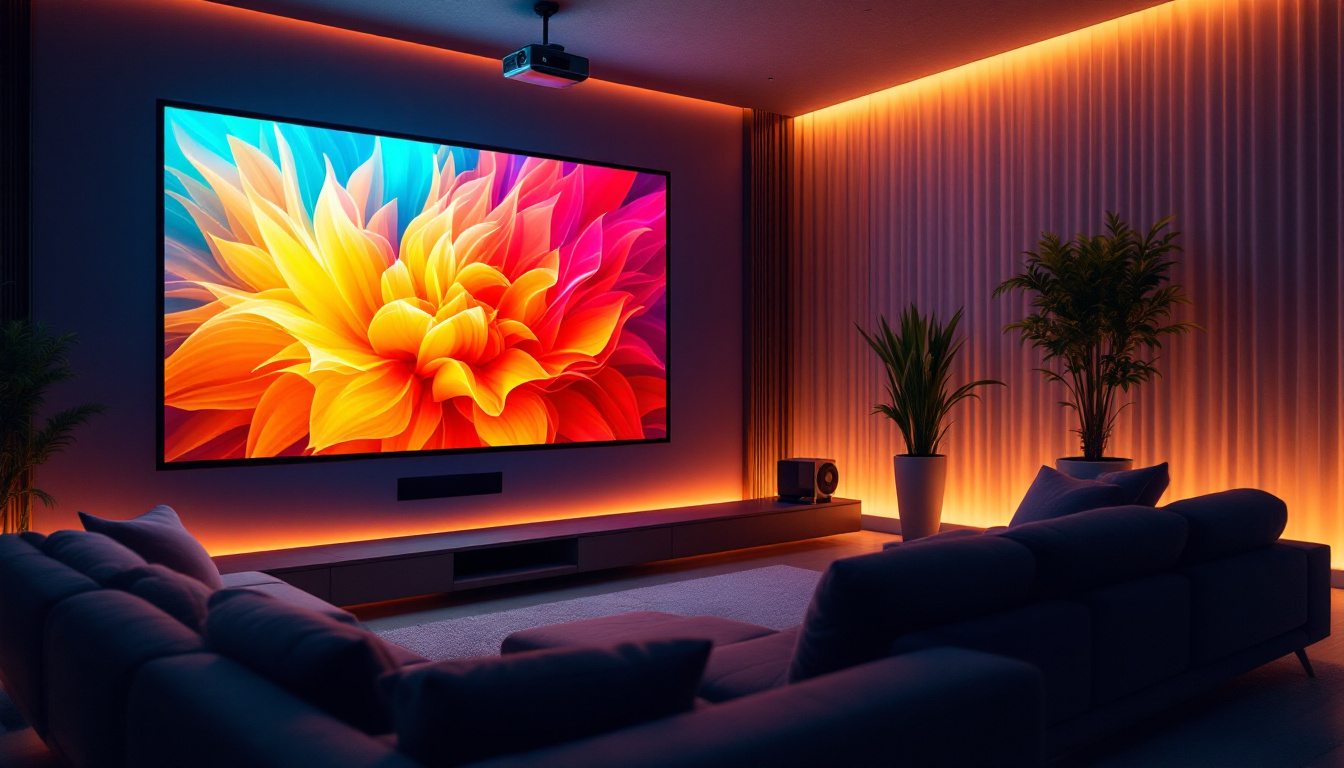
Indoor LED panels typically have a fine pixel pitch ranging from 0.9mm to 4mm, providing high-resolution images suitable for close-range viewing. These panels are widely used in conference rooms, retail stores, airports, and control centers. Their brightness levels are lower compared to outdoor panels, usually between 800 to 1,200 nits, as indoor environments require less intense illumination.
One advantage of indoor LED panels is their modular design, allowing for custom sizes and shapes. They also offer excellent color uniformity and wide viewing angles, ensuring consistent image quality from different perspectives within a room.
Outdoor LED Panels
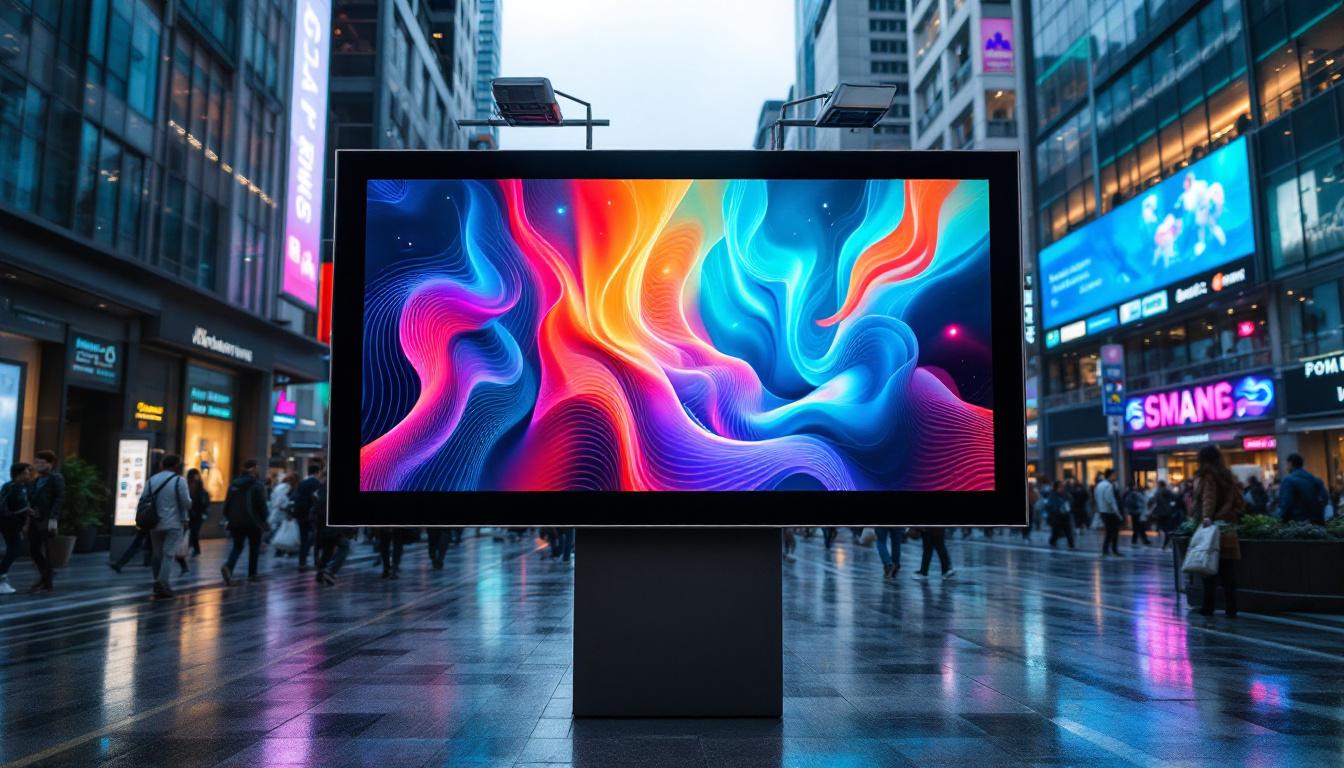
Outdoor LED displays are engineered to withstand harsh weather conditions such as rain, wind, and extreme temperatures. They feature higher brightness levels, often exceeding 5,000 nits, to remain visible even in direct sunlight. The pixel pitch for outdoor panels is larger, typically between 4mm and 20mm, as viewers usually observe these displays from greater distances.
Common applications include digital billboards, stadium screens, transportation signage, and public information displays. Outdoor panels also incorporate protective coatings and enclosures to prevent damage from dust and moisture, ensuring durability and longevity.
Transparent and Flexible LED Panels
Innovations in LED technology have introduced transparent and flexible LED panels, expanding the possibilities for creative installations. Transparent LED panels allow light to pass through, making them ideal for glass facades and shop windows where visibility both inside and outside is desired. They maintain high brightness and image quality without obstructing natural light.
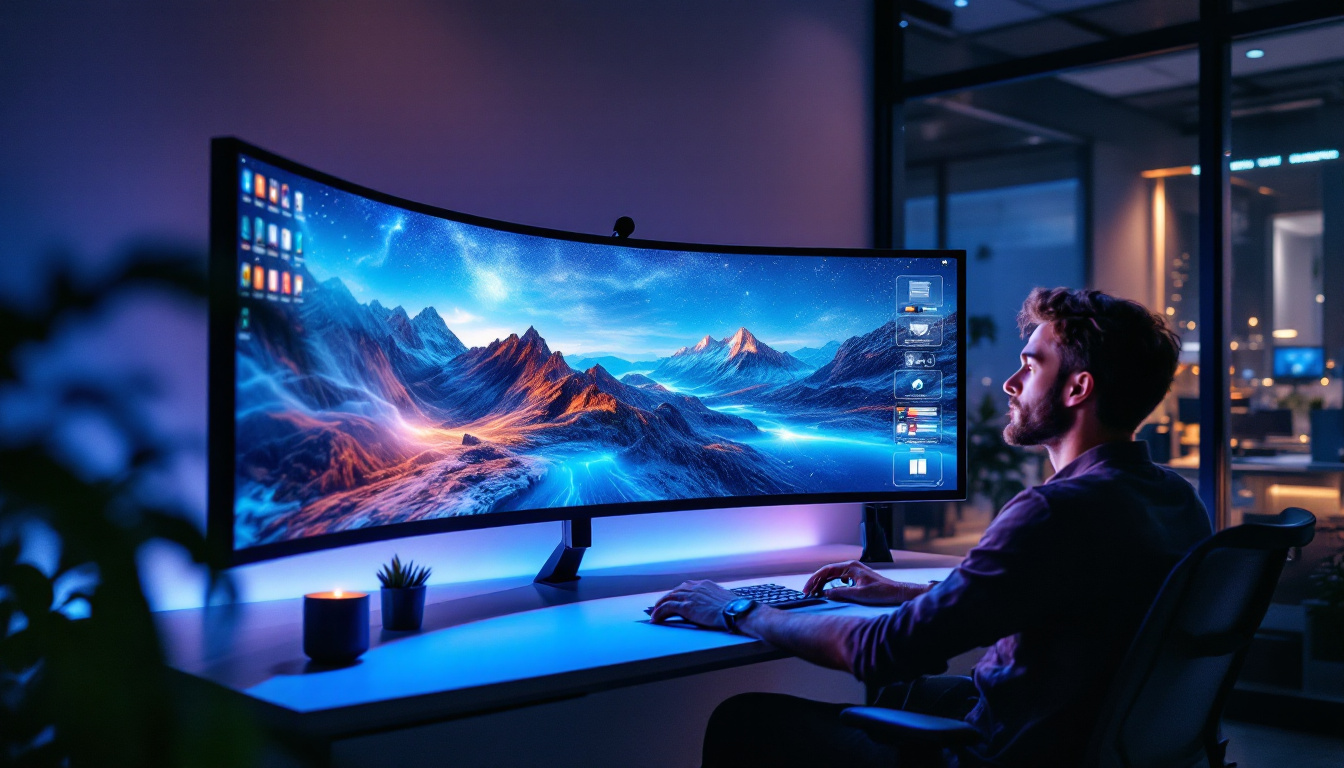
Flexible LED panels can be bent or curved to fit unique architectural designs or stage setups. This adaptability enables immersive visual experiences in museums, concerts, and advertising campaigns, where traditional flat panels would be limiting.
Key Advantages of LED Light Board Panels
LED display technology offers numerous benefits that have driven its widespread adoption across industries. These advantages include:
Energy Efficiency and Longevity
LEDs consume significantly less power compared to traditional display technologies such as LCD or plasma screens. This energy efficiency translates into lower operational costs, especially for large-scale installations that operate continuously. Additionally, LED panels boast a long lifespan, often exceeding 100,000 hours, reducing the need for frequent replacements and maintenance.
Superior Brightness and Contrast
One of the standout features of LED displays is their ability to produce bright, vivid images with excellent contrast ratios. This makes them highly effective for outdoor advertising and environments with challenging lighting conditions. The high brightness ensures content remains visible and engaging even under direct sunlight.
Scalability and Customization
LED panels are modular, allowing for seamless scaling to virtually any size. Whether it’s a small retail sign or a massive stadium screen, LED technology can be tailored to fit the specific spatial and visual requirements. Custom shapes and resolutions enable creative freedom for designers and advertisers alike.
Fast Refresh Rates and Smooth Motion
High refresh rates minimize flickering and motion blur, which is critical for displaying video content and dynamic graphics. This feature enhances viewer experience, especially in sports broadcasting, live events, and digital signage where smooth motion is essential.
Applications of LED Display Panels
LED light board panels have found applications across a broad spectrum of sectors, each leveraging the technology’s unique strengths.
Advertising and Marketing
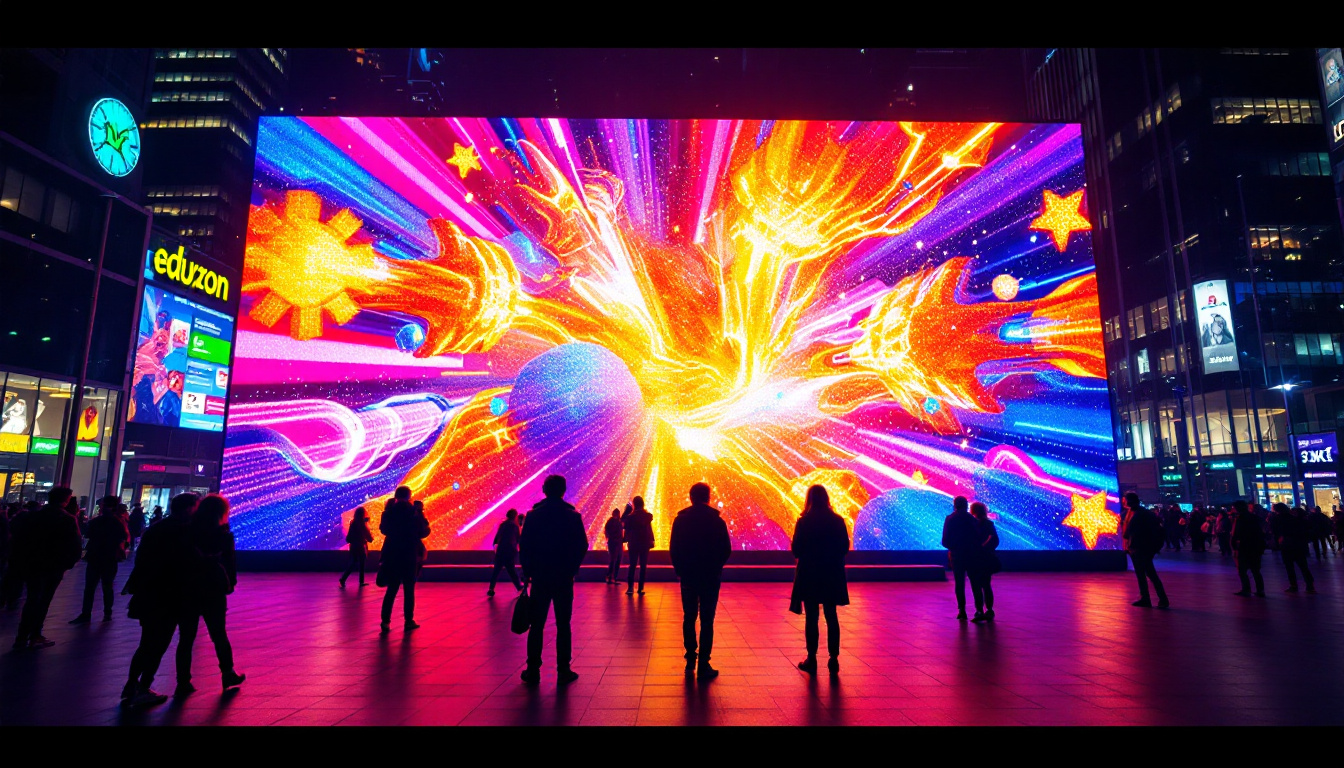
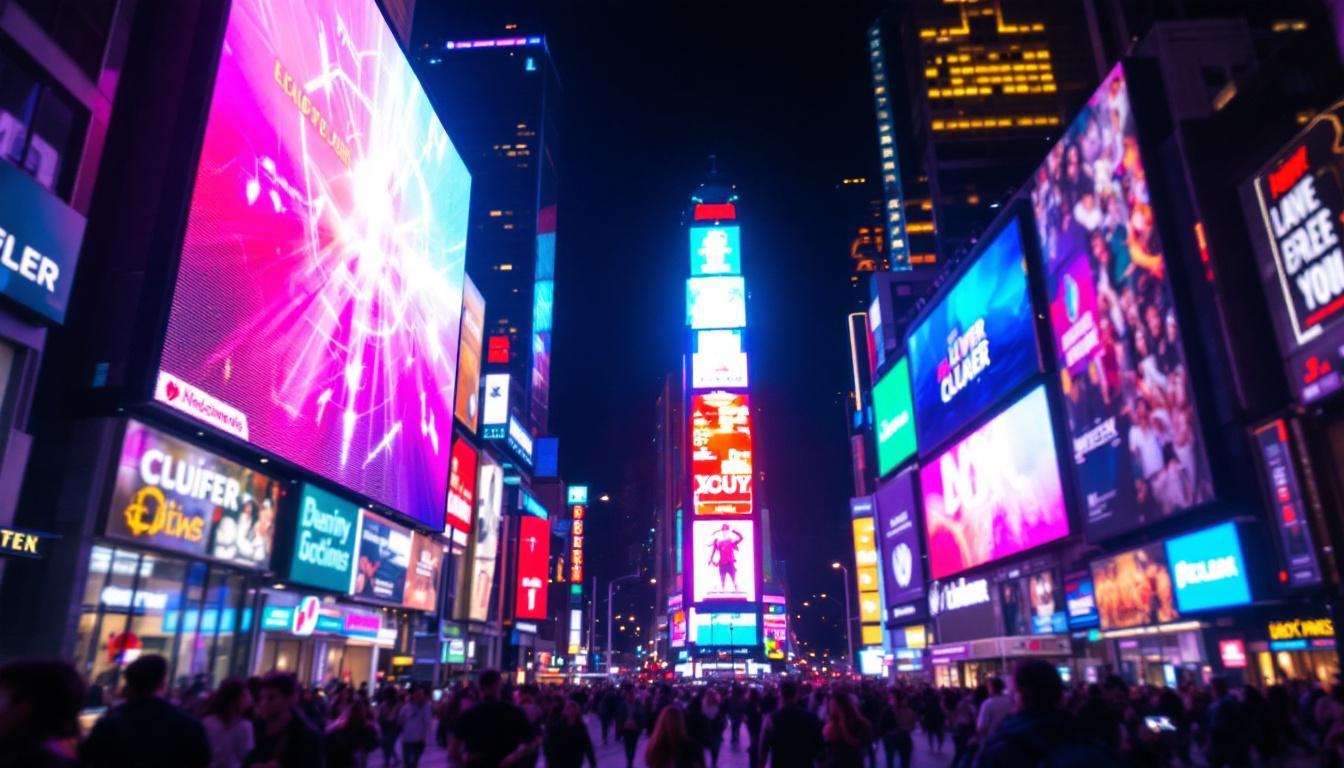
Digital billboards and retail signage have become more impactful with LED displays. Their ability to display dynamic content, update messages in real-time, and attract attention with brightness and color makes them invaluable tools for marketers. According to a 2023 report by the Digital Signage Federation, LED-based digital signage has increased consumer engagement by up to 30% compared to static signs.
Entertainment and Events
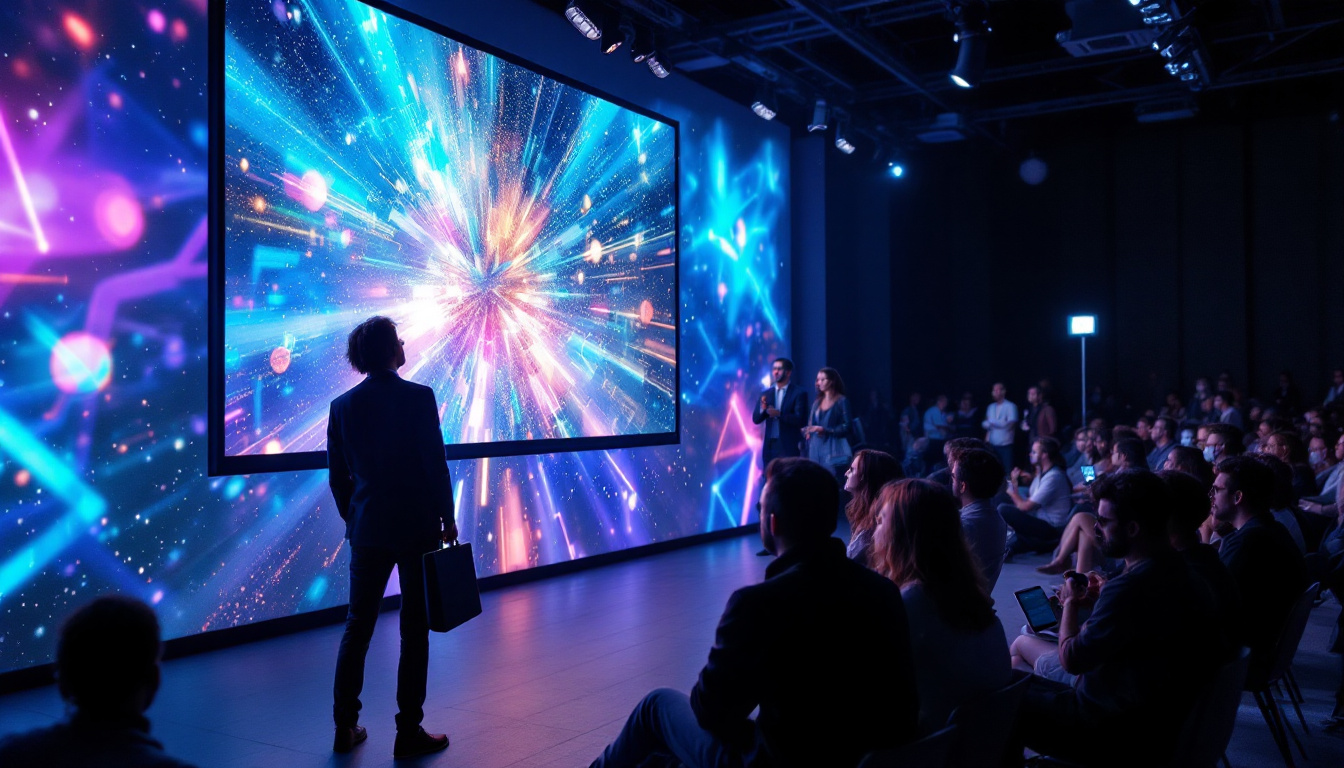
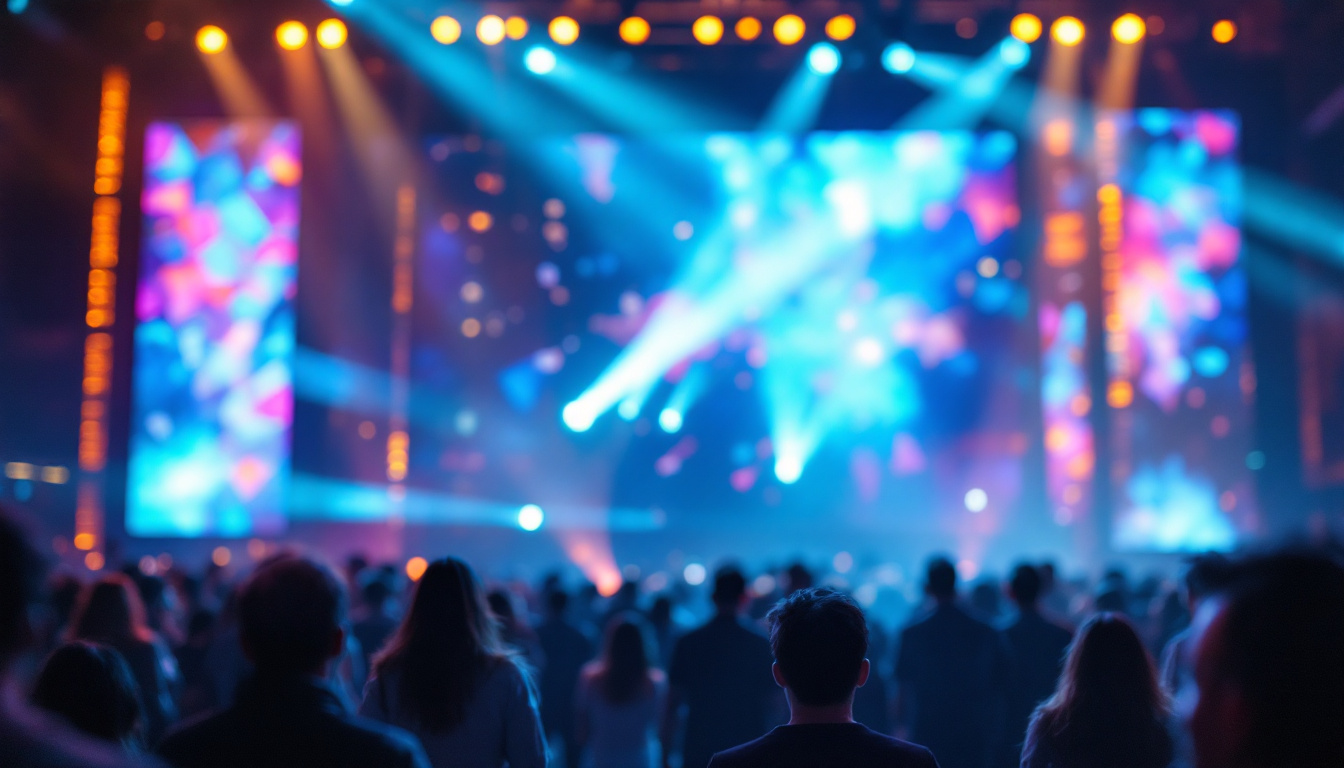
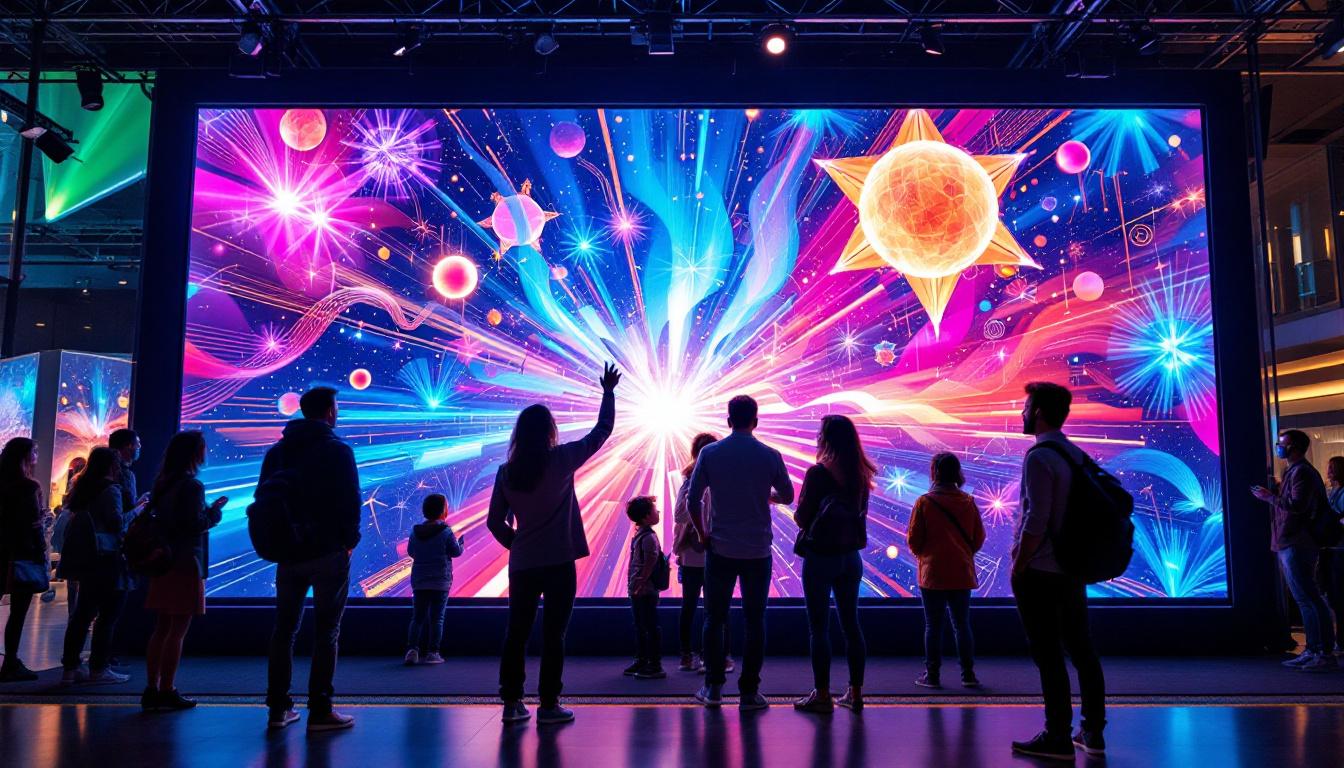
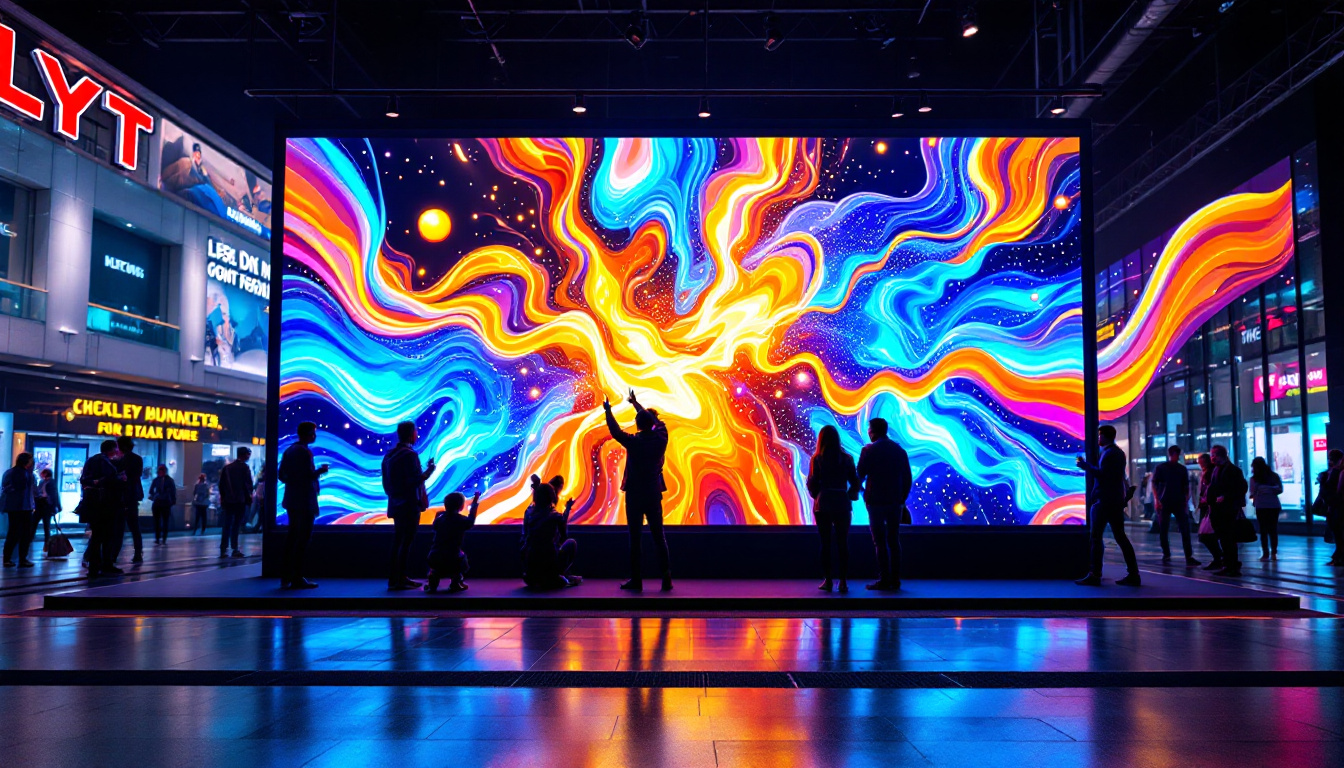
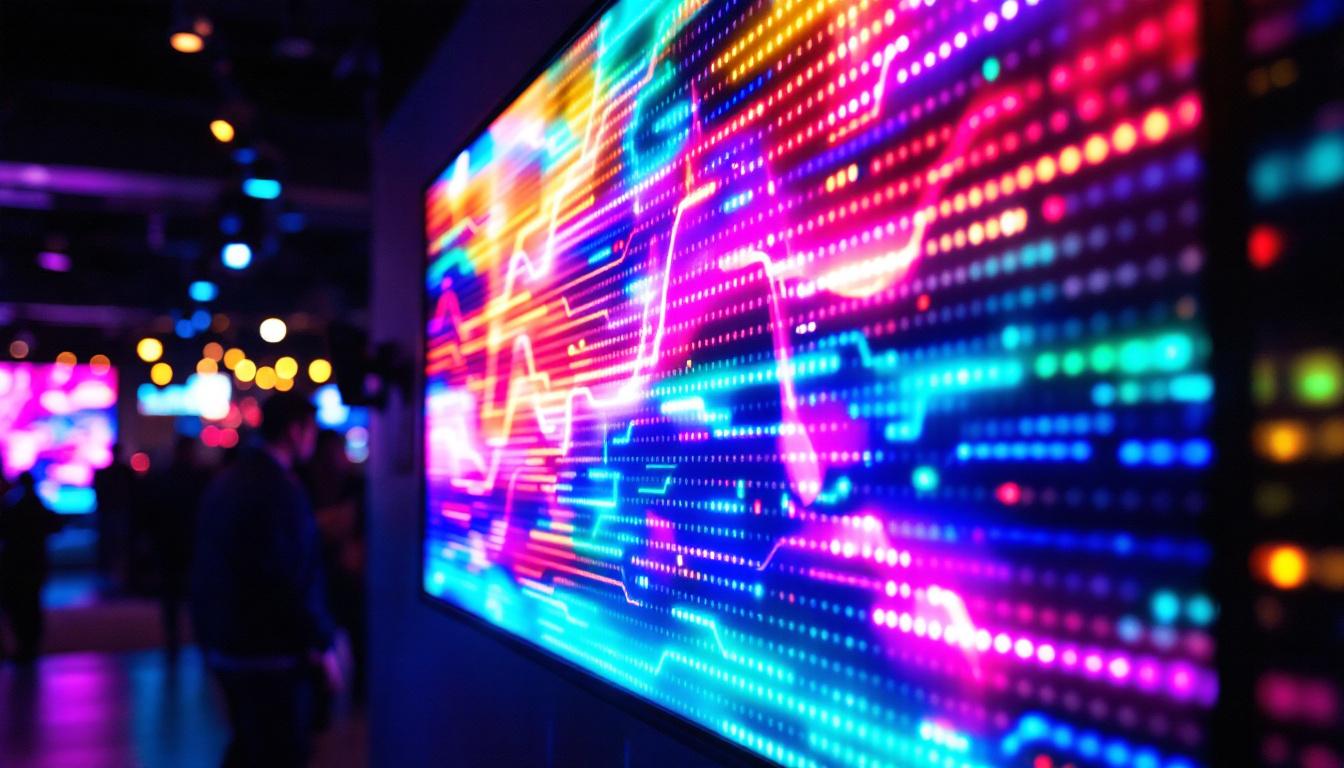
Concerts, sports arenas, and theaters utilize LED panels for immersive visual effects. Large-scale video walls enhance audience engagement by displaying live feeds, animations, and interactive content. The flexibility of LED panels allows for creative stage designs that can transform the ambiance of any event.
Transportation and Public Information
Airports, train stations, and bus terminals use LED displays to provide real-time schedules, alerts, and wayfinding information. The high visibility and reliability of LED panels ensure travelers receive timely updates, improving overall efficiency and safety.
Corporate and Control Rooms
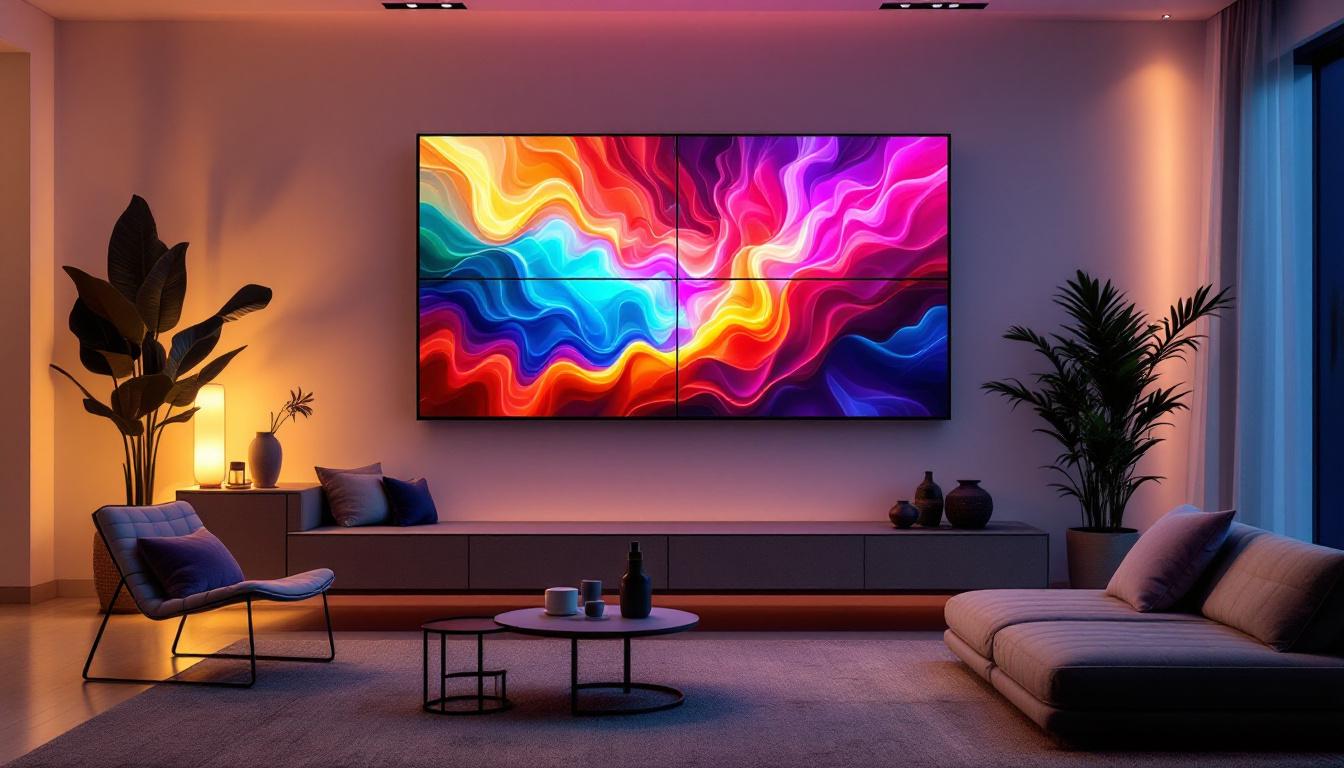
In corporate environments, LED video walls serve as communication hubs for presentations, video conferencing, and data visualization. Control rooms for utilities, security, and traffic management rely on high-resolution LED panels to monitor critical information continuously.
Latest Trends and Innovations in LED Display Technology
The LED display industry continues to evolve rapidly, driven by advancements in materials, manufacturing, and software integration.
Mini and Micro LED Technology
Mini and Micro LEDs represent the next generation of LED displays, featuring LEDs that are significantly smaller than traditional ones. This reduction allows for even finer pixel pitches, resulting in ultra-high-definition displays with exceptional color accuracy and contrast. Micro LED technology is poised to challenge OLED and LCD panels in premium consumer electronics and professional displays.
AI and Smart Content Management
Artificial intelligence (AI) is increasingly integrated into LED display systems to optimize content delivery based on audience demographics, environmental conditions, and engagement metrics. Smart content management platforms can automatically adjust brightness, switch content based on time of day, or personalize advertisements, enhancing effectiveness and reducing manual intervention.
Energy Harvesting and Sustainability
With growing emphasis on sustainability, manufacturers are exploring energy-harvesting techniques and eco-friendly materials to reduce the environmental impact of LED displays. Solar-powered LED billboards and recyclable components are gaining traction, aligning with global efforts to minimize carbon footprints.
Choosing the Right LED Light Board Panel
Selecting the appropriate LED display panel involves considering several factors to ensure optimal performance and return on investment.
Assess Viewing Distance and Environment
Understanding the typical viewing distance is crucial for determining the pixel pitch and resolution required. Indoor environments demand higher resolution for close-up viewing, whereas outdoor displays prioritize brightness and durability.
Evaluate Brightness and Weather Resistance
For outdoor applications, brightness levels must be sufficient to combat sunlight glare. Additionally, panels should have appropriate ingress protection (IP) ratings to resist dust and moisture. IP65 or higher is commonly recommended for outdoor installations.
Consider Installation and Maintenance
Modular designs facilitate easier installation and future upgrades. Accessibility for maintenance and repair is also important to minimize downtime. Some LED panels offer front-serviceability, allowing technicians to perform repairs without dismantling the entire structure.
Budget and Total Cost of Ownership
While initial costs vary widely based on size, resolution, and features, it is essential to consider the total cost of ownership, including energy consumption, maintenance, and potential upgrades. Investing in high-quality LED panels with proven reliability often results in better long-term value.
Conclusion
LED light board panels have revolutionized visual communication by offering bright, energy-efficient, and versatile display solutions. Their adaptability across indoor and outdoor environments, combined with ongoing technological advancements, ensures they remain at the forefront of digital signage and entertainment. Whether for advertising, public information, or immersive experiences, understanding the fundamentals of LED display technology empowers businesses and organizations to make informed decisions that maximize impact and engagement.
Discover LumenMatrix’s Innovative LED Display Solutions
Ready to elevate your visual communication strategy with cutting-edge LED display technology? LumenMatrix is at the forefront of innovation, offering a diverse range of LED display modules designed to captivate audiences and amplify your brand’s presence. From vibrant Indoor and Outdoor LED Wall Displays to dynamic Vehicle and Sports LED Displays, our solutions are tailored to create immersive experiences in any setting. Explore our LED Poster Displays, Floor LED Displays, Custom LED Displays, and All-in-One LED solutions, including the transformative LED Transparent Display. Embrace the future of digital signage with LumenMatrix and check out our LED Display Solutions today to share your message with unparalleled impact and clarity.