Television technology has evolved rapidly over the past two decades, with LED displays becoming the dominant standard in home entertainment. Despite their durability and advanced design, LED TV panels can sometimes fail or suffer damage, leading to the need for a panel replacement. Understanding the intricacies of LED displays and the process of replacing TV panels is essential for anyone looking to maintain or repair their television effectively.
Understanding LED TV Panels: The Heart of Modern Displays
LED TVs, despite their name, are essentially LCD (Liquid Crystal Display) televisions that use Light Emitting Diodes (LEDs) for backlighting. This combination allows for thinner, brighter, and more energy-efficient screens compared to older LCD models that used fluorescent backlights. The transition to LED technology has revolutionized the television industry, making high-definition viewing accessible to a broader audience while also enhancing the aesthetic appeal of living spaces with sleek, modern designs.
The LED panel itself consists of several layers, including the liquid crystal layer, color filters, and the LED backlight array. The panel controls how light passes through the crystals to create images, while the LEDs provide the illumination necessary for visibility. The quality and technology of these components directly impact picture clarity, contrast, color accuracy, and overall viewing experience. Additionally, advancements in panel technology, such as quantum dot and OLED (Organic Light Emitting Diode) displays, are pushing the boundaries of what consumers can expect from their viewing experience, offering richer colors and deeper blacks.
Types of LED Backlighting
There are primarily two types of LED backlighting used in TVs: edge-lit and direct-lit (or full-array). Edge-lit LED TVs place LEDs around the edges of the screen, which allows for thinner panels but sometimes results in uneven brightness. Direct-lit or full-array LED TVs have LEDs distributed evenly behind the screen, offering better brightness uniformity and improved contrast, especially when combined with local dimming technology. This technology enhances the viewing experience by allowing certain areas of the screen to dim or brighten independently, resulting in more lifelike images and a greater sense of depth.
Understanding these distinctions is crucial when considering panel replacement, as the backlighting type influences the panel’s design and compatibility with replacement parts. Furthermore, the choice between edge-lit and full-array can significantly affect not just the visual quality but also the longevity and energy consumption of the television. As consumers become more environmentally conscious, the energy efficiency of LED TVs becomes a vital factor in purchasing decisions. Many modern models now come equipped with energy-saving features that further reduce power usage without compromising on performance, making them an attractive option for eco-friendly households.
Common Causes of LED TV Panel Damage
Despite their robust construction, LED TV panels can suffer damage from a variety of sources. Recognizing these causes helps in diagnosing issues and deciding whether a panel replacement is necessary.
Physical Damage
One of the most straightforward causes of panel failure is physical damage. This can occur from accidental drops, impacts, or pressure applied to the screen. Even minor cracks or pressure spots can cause permanent damage to the liquid crystal layer, resulting in dead pixels, discoloration, or complete blackouts in sections of the screen. It is essential to handle LED TVs with care, especially during installation or relocation, as the screens are sensitive to sudden jolts. Using protective covers or cases during transport can help mitigate the risk of such damage.
Electrical Failures
Electrical issues such as power surges, faulty capacitors, or damaged circuit boards can affect the panel’s operation. While some electrical problems can be repaired by servicing the power supply or control boards, severe damage can render the panel unusable and necessitate replacement. Additionally, using surge protectors can help safeguard against unexpected spikes in voltage that could lead to such failures. Regular maintenance checks can also help identify potential electrical issues before they escalate, ensuring the longevity of the TV.
Manufacturing Defects and Aging
Though less common, manufacturing defects can cause premature panel failure. Additionally, over time, LED backlights can dim or fail, reducing picture quality. While backlight replacement is sometimes possible, in many cases, the entire panel may need to be replaced to restore optimal performance. It’s worth noting that the lifespan of an LED TV can vary significantly depending on usage patterns and environmental factors. For instance, TVs used in bright rooms may experience faster degradation of components due to increased heat exposure, while those in darker environments may last longer. Regularly adjusting settings to optimize brightness and contrast can help prolong the life of the panel.
The Process of TV Panel Replacement
Replacing an LED TV panel is a complex procedure that requires technical expertise and precision. It is generally recommended to seek professional service, but understanding the process can help consumers make informed decisions.
Diagnosing the Issue
Before proceeding with a panel replacement, technicians perform comprehensive diagnostics to confirm that the panel is the root cause of the problem. This involves testing power supplies, control boards, and other components to rule out less costly repairs.
Finding the Right Replacement Panel
One of the biggest challenges in panel replacement is sourcing a compatible panel. Each TV model has specific panel specifications, including size, resolution, connector types, and backlighting technology. Using an incompatible panel can lead to further issues or incompatibility with the TV’s electronics.
Manufacturers often do not sell panels directly to consumers, so repair shops rely on third-party suppliers or salvaged parts. It is essential to verify the authenticity and quality of replacement panels to ensure longevity and performance.
Disassembly and Installation
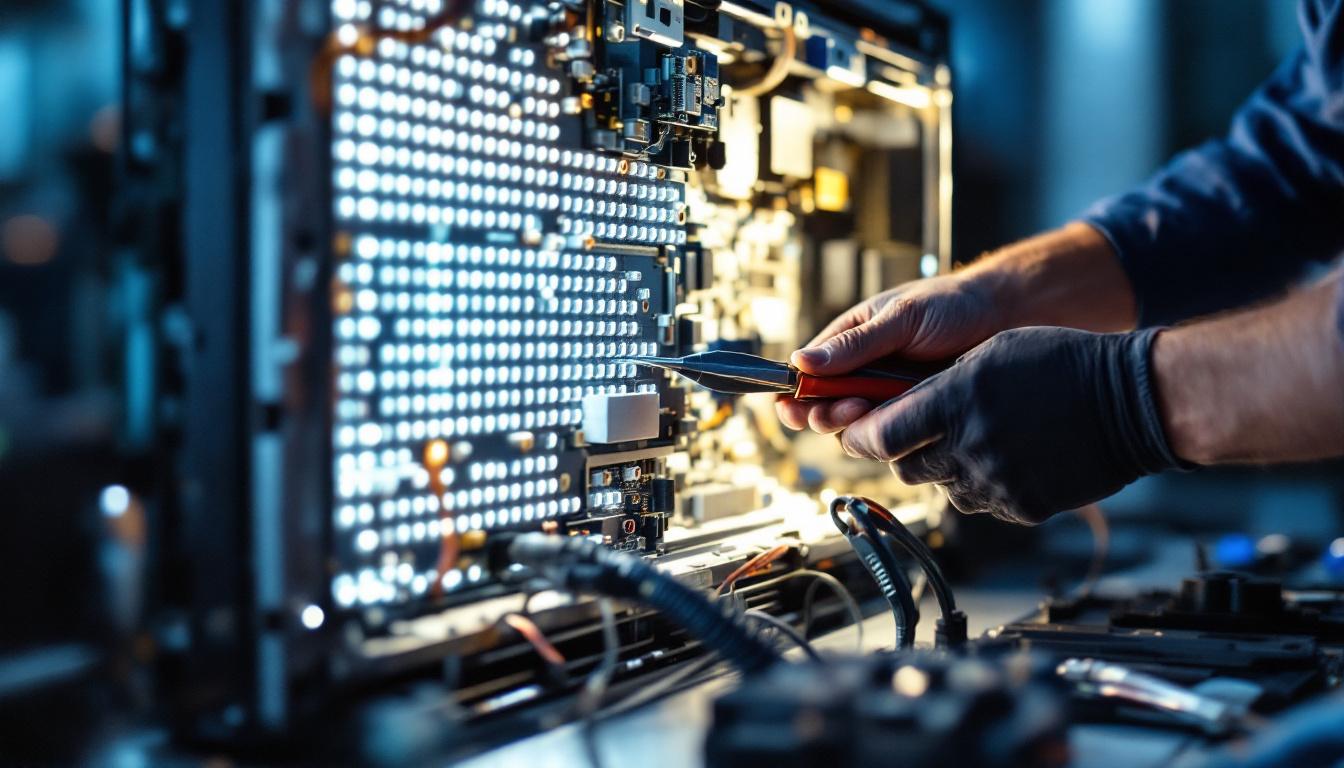
The replacement process involves carefully disassembling the TV, which includes removing the back cover, disconnecting cables, and detaching the damaged panel. Due to the delicate nature of the panel and internal components, this step requires specialized tools and experience.
Once the faulty panel is removed, the new panel is installed, connected, and tested before reassembling the TV. Proper calibration may also be necessary to optimize picture quality after replacement.
Cost Considerations: When Does Replacement Make Sense?
TV panel replacement can be expensive, often constituting the majority of the repair cost. For many consumers, the decision to replace a panel versus purchasing a new TV depends on several factors.
Comparing Repair and Replacement Costs
On average, panel replacement costs range from $200 to $600 or more, depending on the TV size and model. In contrast, new LED TVs with comparable specifications can sometimes be found at competitive prices, especially during sales or promotions.
For older TVs or models with limited features, investing in a new television may offer better value, improved technology, and warranty coverage. However, for high-end or large-screen TVs, panel replacement may be more cost-effective than purchasing a new unit.
Warranty and Service Availability
Many manufacturers’ warranties do not cover accidental damage or panel failure due to wear and tear. Extended warranties or service plans might cover panel replacement, reducing out-of-pocket expenses. Consumers should review their warranty terms before deciding on repairs.
Advancements in LED Display Technology
As LED technology continues to evolve, newer display types like OLED and QLED have emerged, offering enhanced picture quality and energy efficiency. Understanding these advancements helps consumers appreciate the value of their current LED TVs and consider future upgrades.
OLED vs. LED: A Brief Comparison
OLED (Organic Light Emitting Diode) displays differ fundamentally from LED LCDs by emitting light at the pixel level, allowing for perfect blacks and superior contrast. However, OLED panels are generally more expensive and can be more susceptible to burn-in.
LED TVs remain popular due to their affordability, brightness, and longevity. For users prioritizing cost-effectiveness and durability, LED panel replacement remains a practical solution.
QLED and Mini-LED Innovations
QLED (Quantum Dot LED) technology enhances color accuracy and brightness by using quantum dots in the backlighting system. Mini-LED technology further refines backlighting by using thousands of tiny LEDs, improving contrast and reducing halo effects.
These innovations are gradually becoming mainstream, but many existing LED TVs continue to deliver excellent performance, making panel replacement a viable option for extending their lifespan.
Tips for Maintaining Your LED TV Panel
Proper care and maintenance can prolong the life of an LED TV panel and reduce the likelihood of needing a replacement.
Avoid Physical Stress
Handle your TV carefully during cleaning or moving. Avoid pressing on the screen or placing heavy objects against it. Using a sturdy wall mount or stand can prevent accidental falls and impacts.
Protect Against Electrical Surges
Using surge protectors can safeguard your TV’s internal electronics from voltage spikes, which can damage the panel and other components.
Regular Cleaning and Environment Control
Dust and dirt can accumulate on and inside the TV, potentially affecting performance. Clean the screen gently with a microfiber cloth and keep the TV in a well-ventilated, dry environment to prevent overheating and moisture damage.
Conclusion
LED TV panel replacement is a specialized repair that can restore the functionality and image quality of a damaged television. Understanding the technology behind LED displays, the causes of panel failure, and the intricacies of the replacement process empowers consumers to make informed decisions about repairs and maintenance.
While replacement costs can be significant, weighing these against the benefits of extending the life of a high-quality TV is essential. Advances in display technology continue to offer exciting options, but LED TVs remain a reliable and cost-effective choice for many households.
Ultimately, proper care, timely repairs, and informed choices can ensure that an LED TV continues to provide vibrant and enjoyable viewing experiences for years to come.
Explore Cutting-Edge LED Display Solutions with LumenMatrix
Ready to elevate your viewing experience or enhance your brand’s visibility with the latest in LED display technology? Discover LumenMatrix’s comprehensive range of innovative solutions, from Indoor and Outdoor LED Wall Displays to specialized options like Vehicle LED Displays and LED Sports Displays. Whether you’re looking to create immersive visual experiences with a Floor LED Display or seeking the versatility of an All-in-One LED Display, LumenMatrix has the state-of-the-art modules to meet your needs. Embrace the future of visual communication and captivate your audience with clarity and impact. Check out LumenMatrix LED Display Solutions today and see the difference cutting-edge technology can make.