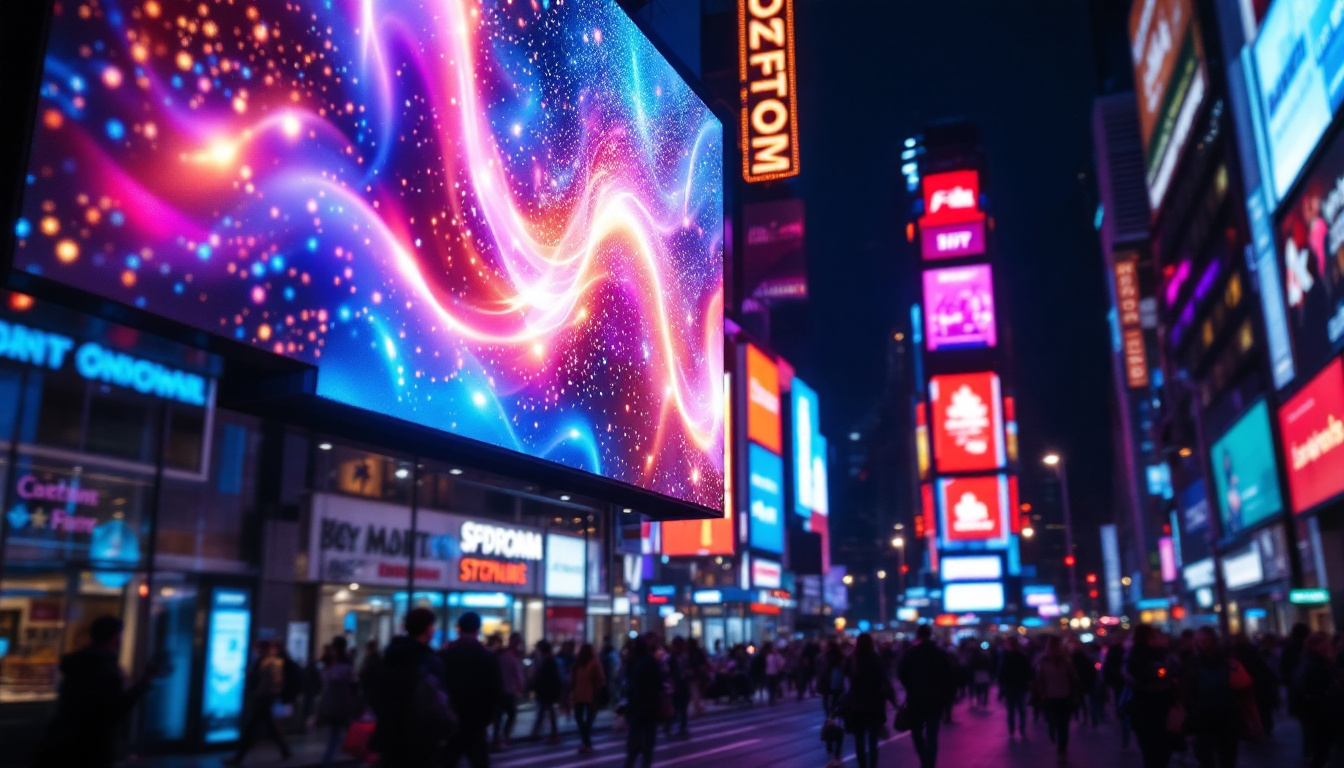
In today’s fast-paced digital landscape, LED displays have become a cornerstone technology for advertising, entertainment, and information dissemination. Whether it’s a massive billboard in Times Square or a sleek digital menu board in a local café, LED displays captivate audiences with vibrant visuals and dynamic content. This article delves into the world of LED displays, explaining their technology, applications, advantages, and what to consider when purchasing one for video sales and marketing purposes.
Understanding LED Display Technology
What is an LED Display?
LED stands for Light Emitting Diode, a semiconductor device that emits light when an electric current passes through it. An LED display is a flat panel that uses an array of these tiny diodes to produce images, videos, or text. Unlike traditional LCD or plasma screens, LED displays generate their own light, resulting in brighter and more vivid images.
Modern LED displays are composed of thousands, sometimes millions, of individual LEDs arranged in a grid. Each LED can be controlled independently to display different colors and brightness levels, allowing for high-resolution, full-color images. This modular construction enables displays to be scaled from small indoor screens to enormous outdoor billboards. The technology behind LED displays has evolved significantly, with advancements in energy efficiency and color accuracy, making them a popular choice for a wide range of applications, from advertising to entertainment and information dissemination.
Types of LED Displays
LED displays come in various forms, each suited for specific environments and purposes. The two primary categories are:
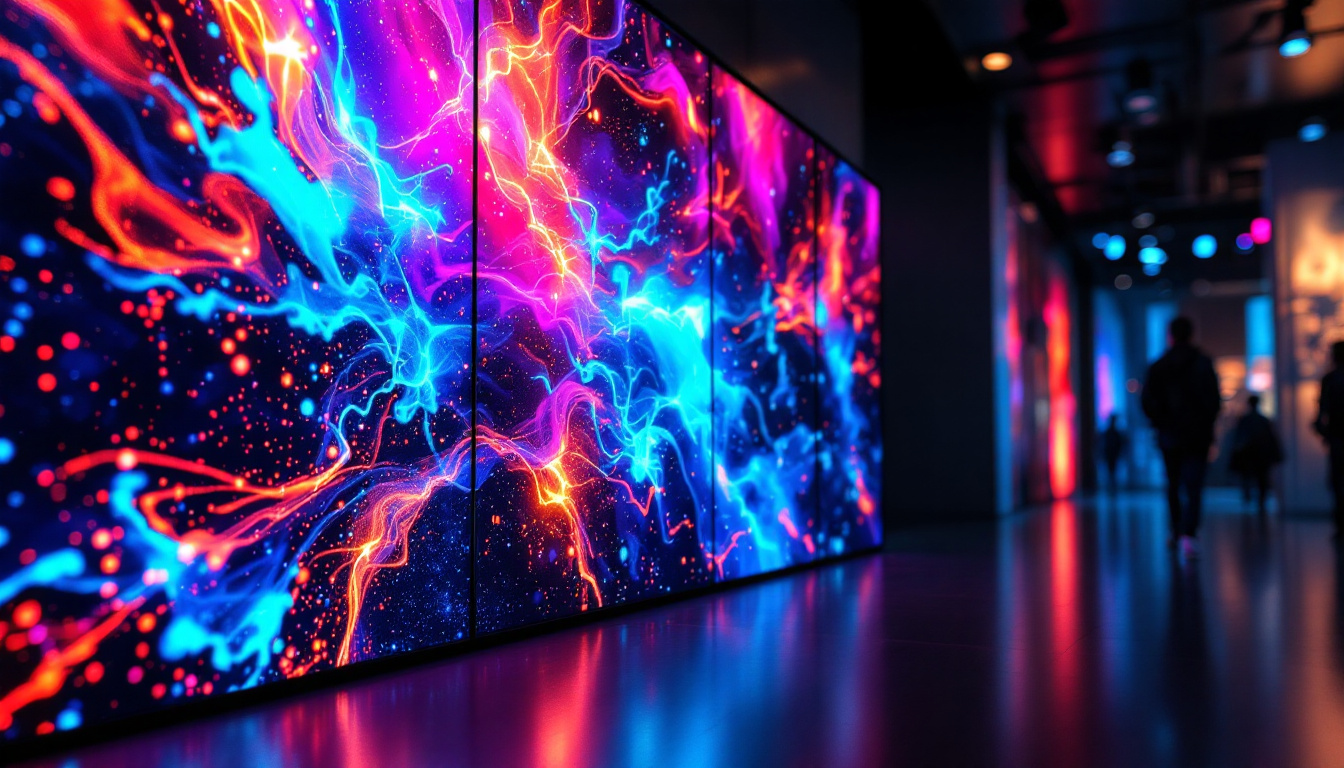
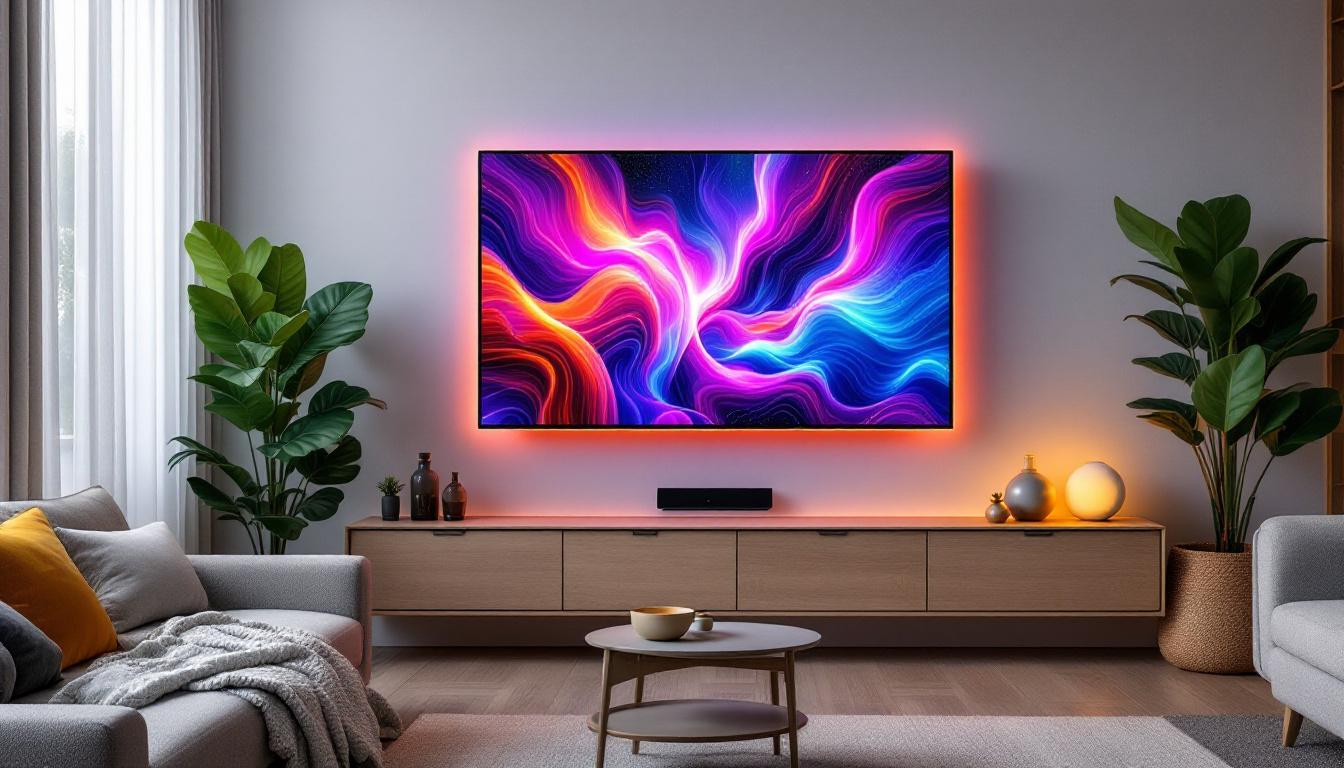
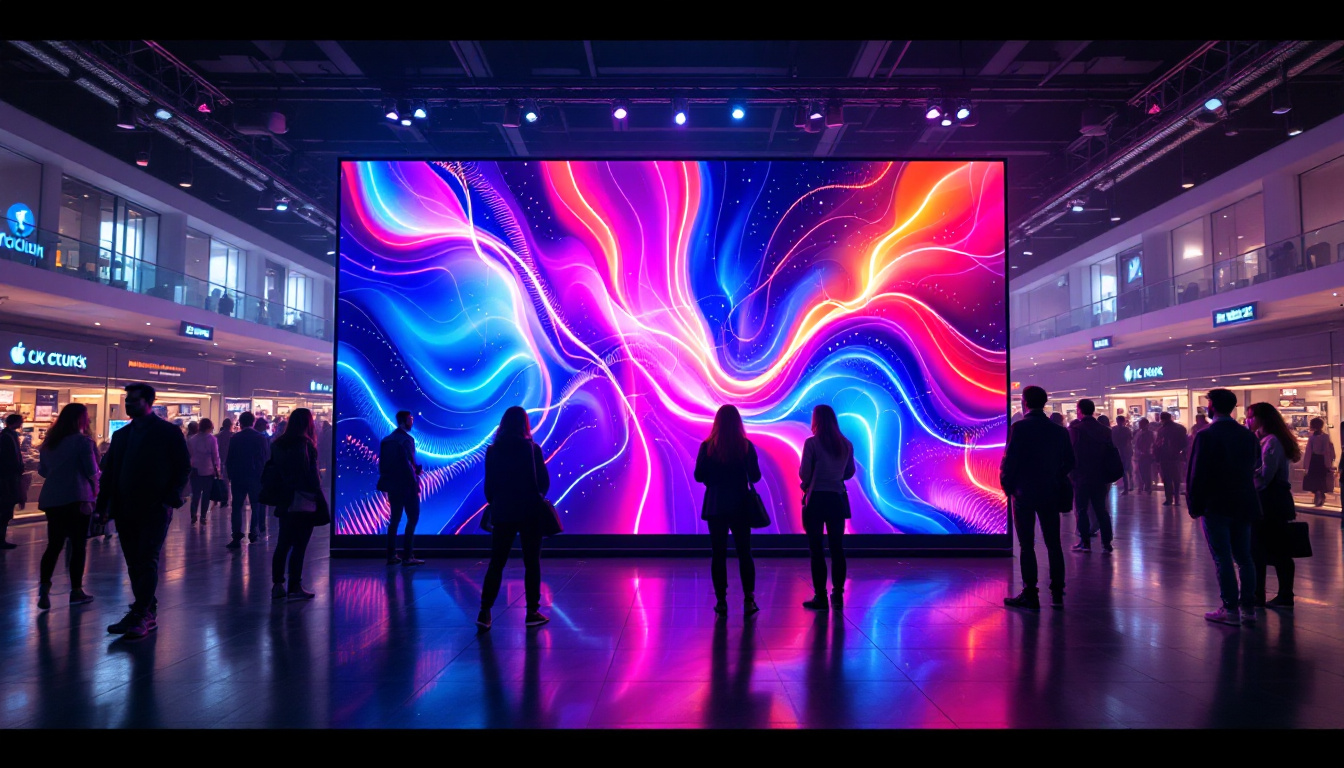
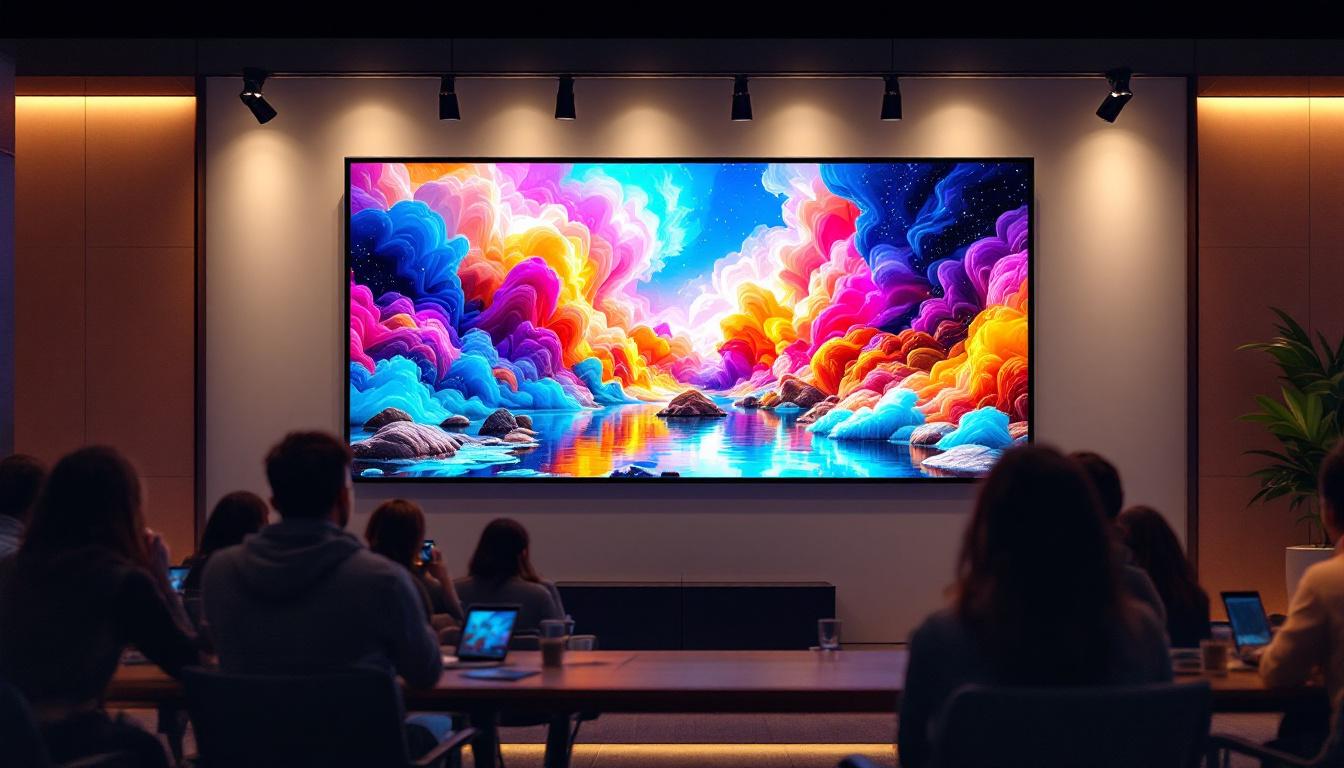
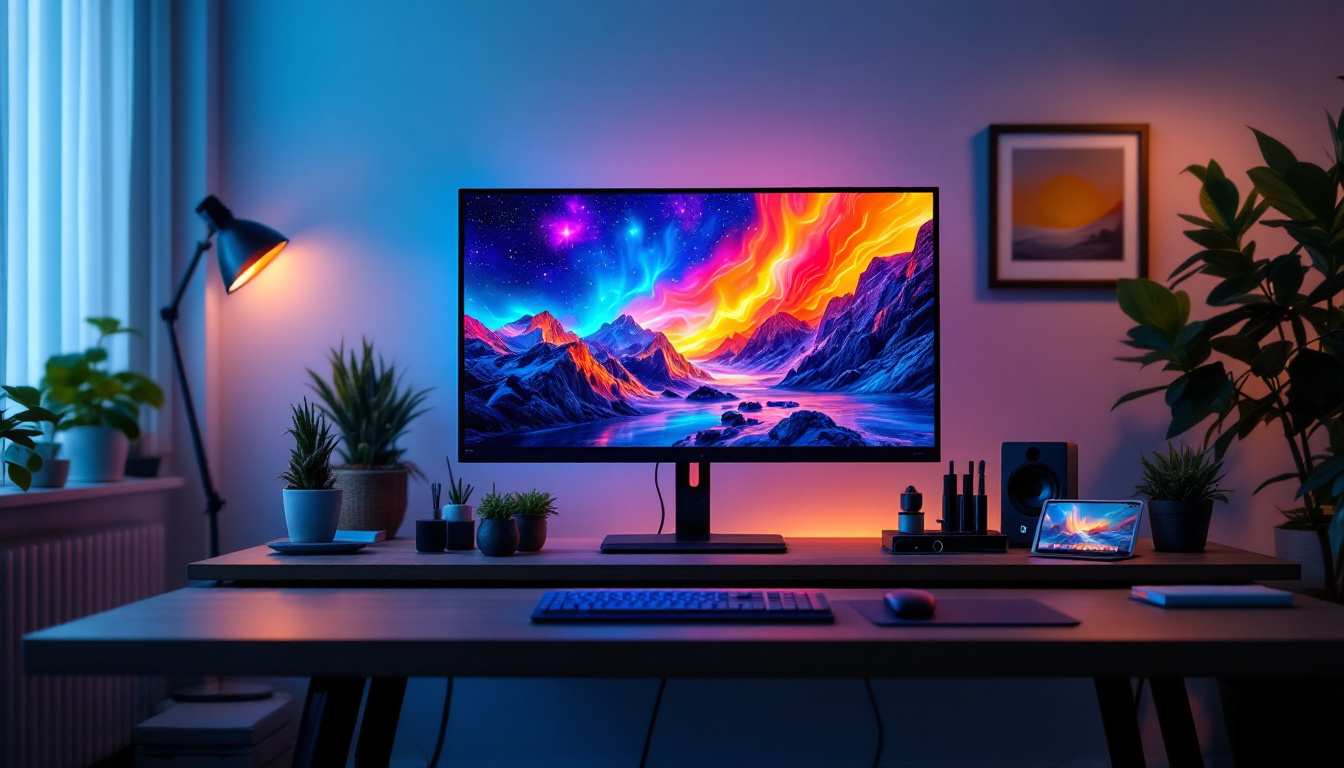
- Indoor LED Displays: Designed for close viewing distances, these displays have a high pixel density (small pixel pitch) to ensure sharp images. They are commonly used in retail stores, conference rooms, and event venues. The versatility of indoor LED displays allows them to be used in creative ways, such as video walls that create immersive environments or interactive displays that engage customers in unique experiences.
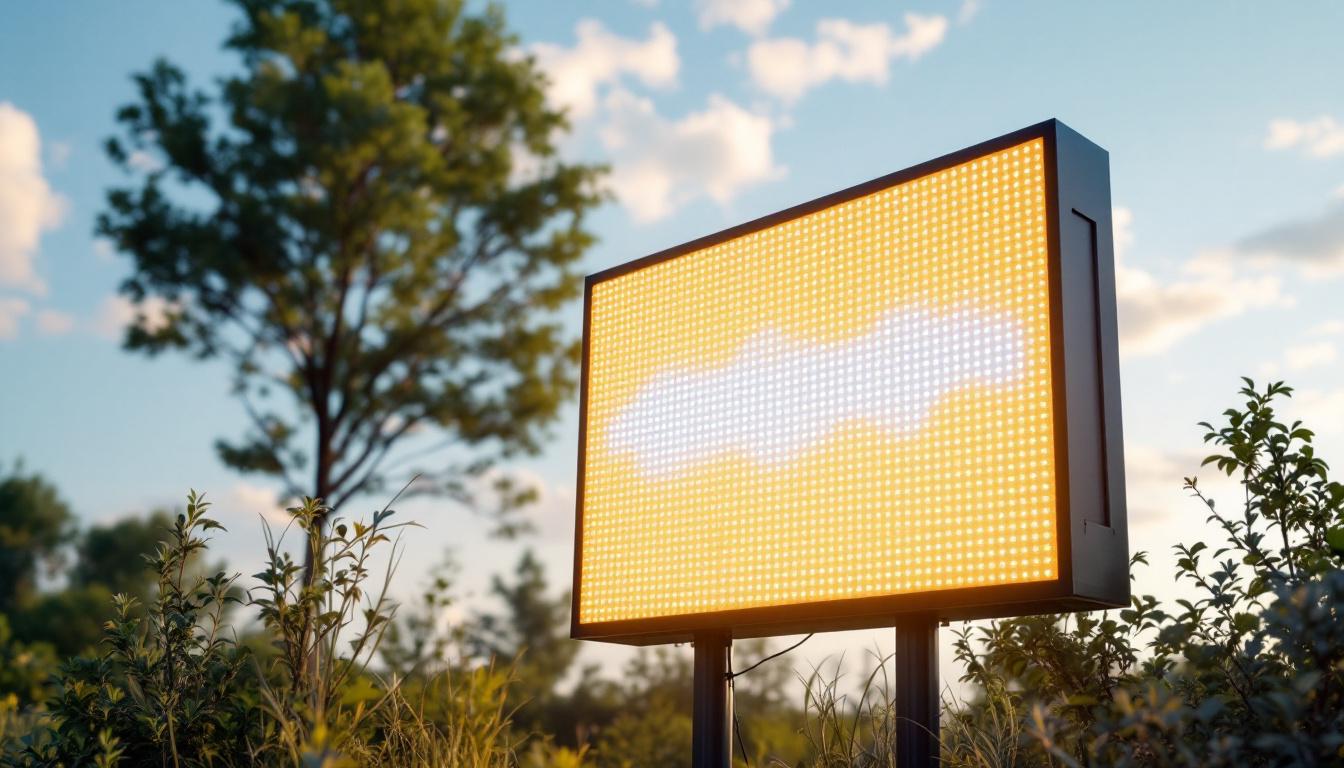
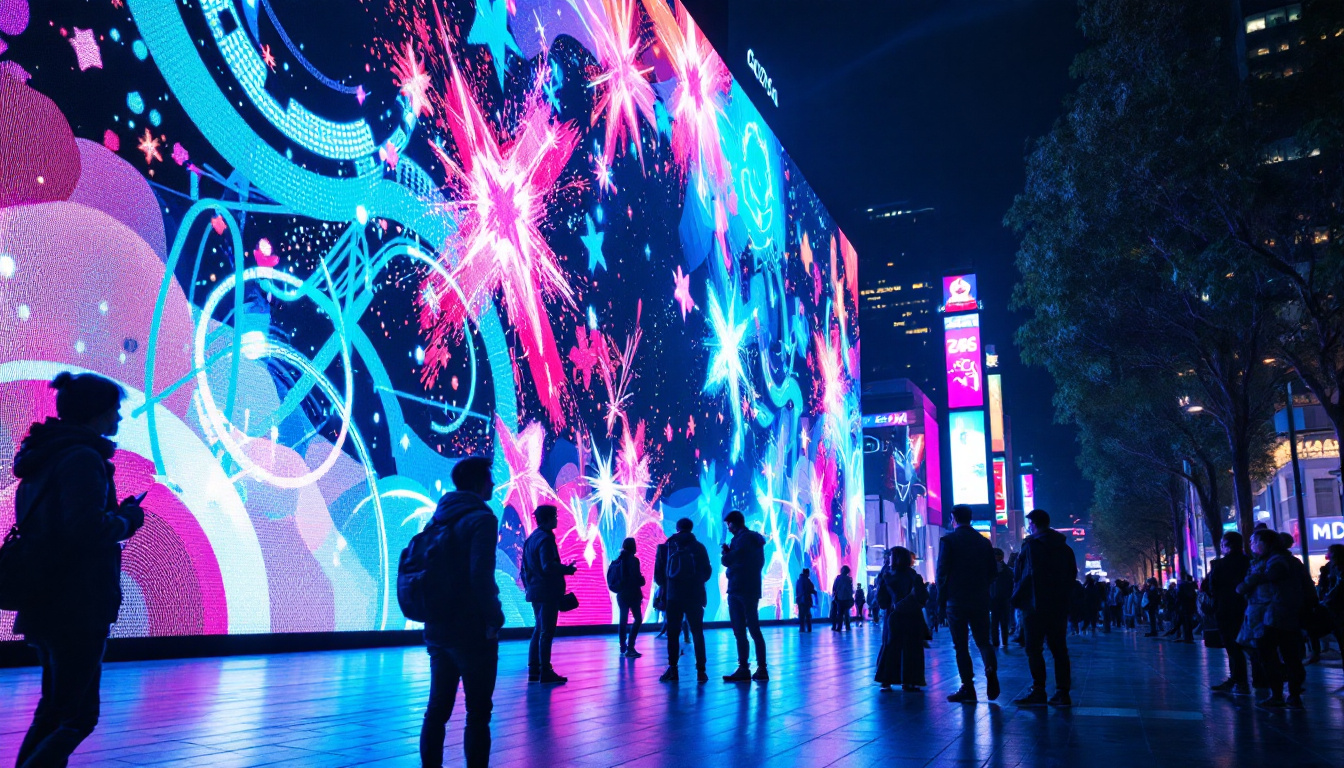
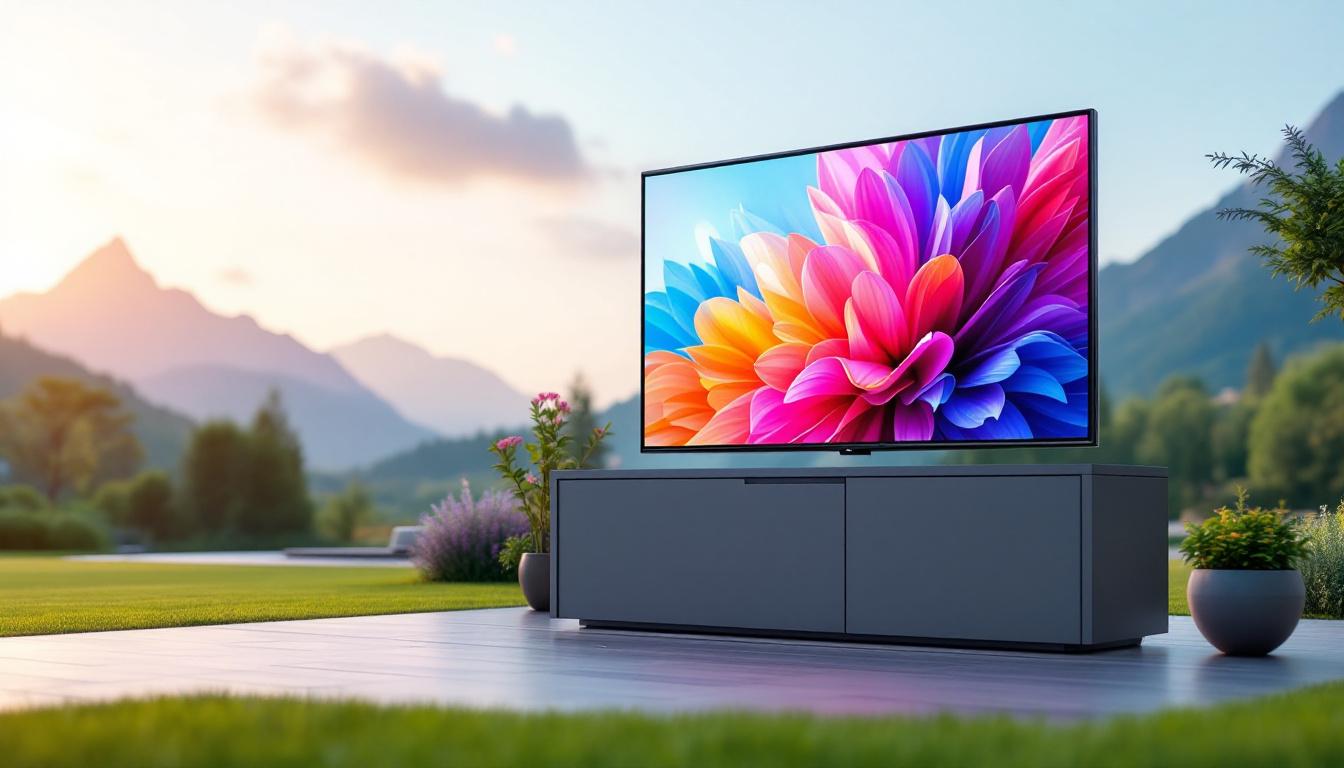
- Outdoor LED Displays: Built to withstand weather conditions, these displays feature higher brightness levels to combat sunlight glare and have a larger pixel pitch since viewers are usually farther away. Examples include stadium screens and roadside billboards. Outdoor LED technology also incorporates features such as water resistance and UV protection, ensuring longevity and durability in harsh conditions.
Additionally, LED displays can be categorized by their configuration, such as fixed installations, rental displays for events, and flexible or transparent LED panels for innovative architectural applications. Flexible LED displays, in particular, are revolutionizing the industry by allowing for curved or uniquely shaped installations that can fit into unconventional spaces. This adaptability opens up new possibilities for creative design in both commercial and artistic settings, enabling architects and designers to push the boundaries of traditional display technology.
Why LED Displays Are Ideal for Video Sales
High Visibility and Brightness
One of the most compelling reasons LED displays dominate video sales and advertising is their exceptional brightness. Outdoor LED screens can reach brightness levels exceeding 5,000 nits, ensuring content remains visible even in direct sunlight. This high luminance grabs attention effectively, making LED displays ideal for promotional campaigns and public announcements. In addition to their impressive brightness, LED displays also feature advanced technology that allows for dynamic brightness adjustments based on ambient light conditions. This ensures that the content is always displayed at optimal visibility, regardless of the time of day or weather conditions. As a result, businesses can maintain a consistent and engaging presence, drawing in potential customers even in the most challenging environments.
Vibrant Colors and Contrast
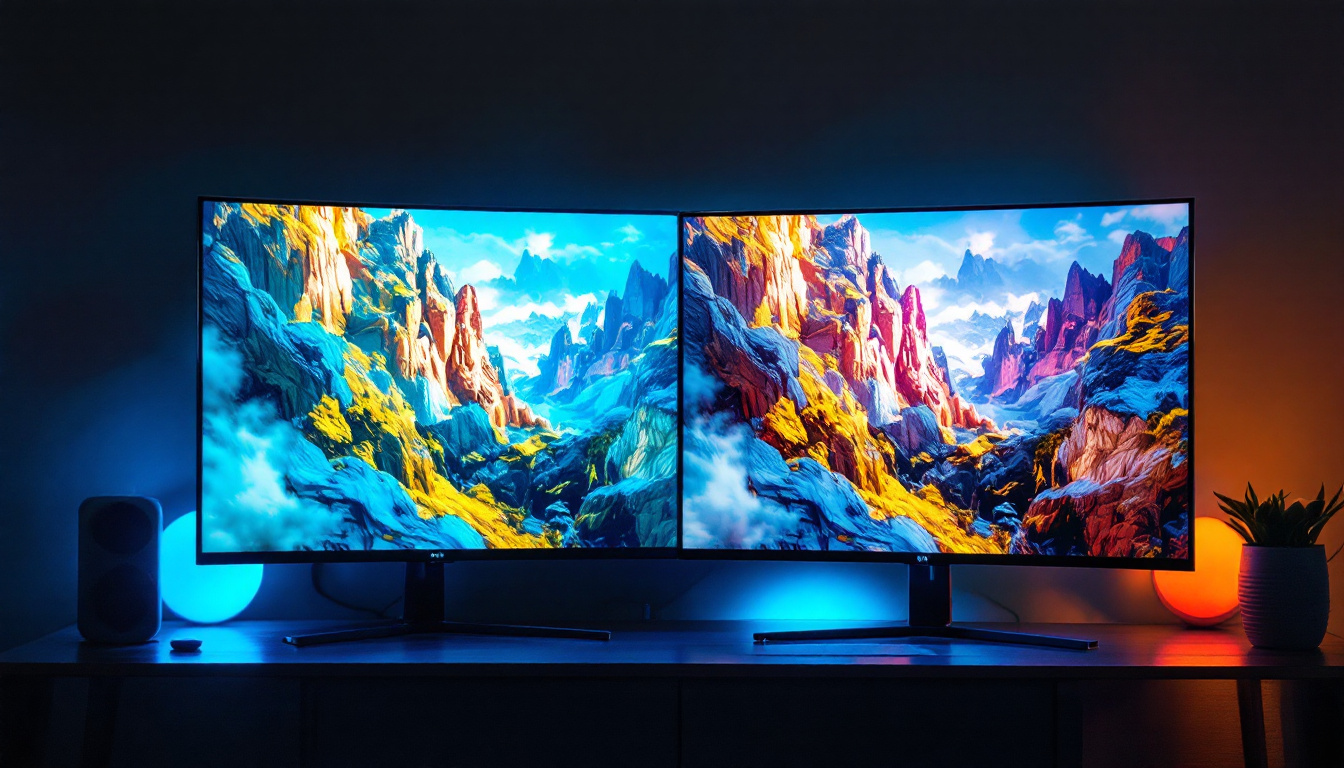
LED technology offers a wide color gamut and superior contrast ratios compared to other display types. This means videos and images appear more lifelike and engaging, which is crucial for marketing efforts aiming to evoke emotional responses and brand recognition. The ability to reproduce vivid colors and deep blacks enhances the overall viewing experience, making it easier for brands to convey their messages effectively. Furthermore, the advancements in LED technology, such as HDR (High Dynamic Range), allow for even greater detail in both shadows and highlights, ensuring that every visual element is presented with stunning clarity. This level of detail not only captivates audiences but also reinforces brand identity, making it a powerful tool in video sales strategies.
Energy Efficiency and Longevity
Despite their brightness, LEDs are energy-efficient compared to traditional lighting and display technologies. They consume less power, reducing operational costs over time. Additionally, LEDs have a long lifespan—often rated between 50,000 to 100,000 hours—making them a cost-effective investment for businesses focused on long-term video sales strategies. This longevity means that companies can allocate resources to other areas of their marketing efforts rather than frequently replacing outdated display technology. Moreover, the reduced energy consumption aligns with sustainability goals, allowing businesses to promote their commitment to eco-friendly practices while enjoying the benefits of cutting-edge technology.
Flexibility in Size and Shape
LED displays can be customized to fit various sizes and shapes, from small digital signage to massive video walls. This adaptability allows marketers to tailor their visual presentations to specific venues and audiences, enhancing the overall impact of their video sales campaigns. The modular nature of LED panels means that they can be easily arranged to create unique configurations, whether it’s a curved display for an immersive experience or a segmented screen for multi-channel advertising. Additionally, this flexibility extends to installation options, allowing for both indoor and outdoor setups that can be integrated seamlessly into any environment. As a result, businesses can leverage the full potential of LED technology to create captivating displays that resonate with their target audience, driving engagement and boosting sales.
Applications of LED Displays in Video Sales
Retail and Point of Sale
Retailers increasingly use LED displays to showcase promotional videos, product demonstrations, and dynamic pricing updates. These displays can be strategically placed at entrances, checkout counters, or product aisles to influence customer behavior and increase sales conversions.
For example, a study by the Digital Signage Federation found that 80% of consumers have entered a store because of a digital sign, and 68% made a purchase as a direct result of seeing content on an LED display. This highlights the tangible impact LED video displays have on retail sales.
Outdoor Advertising and Billboards
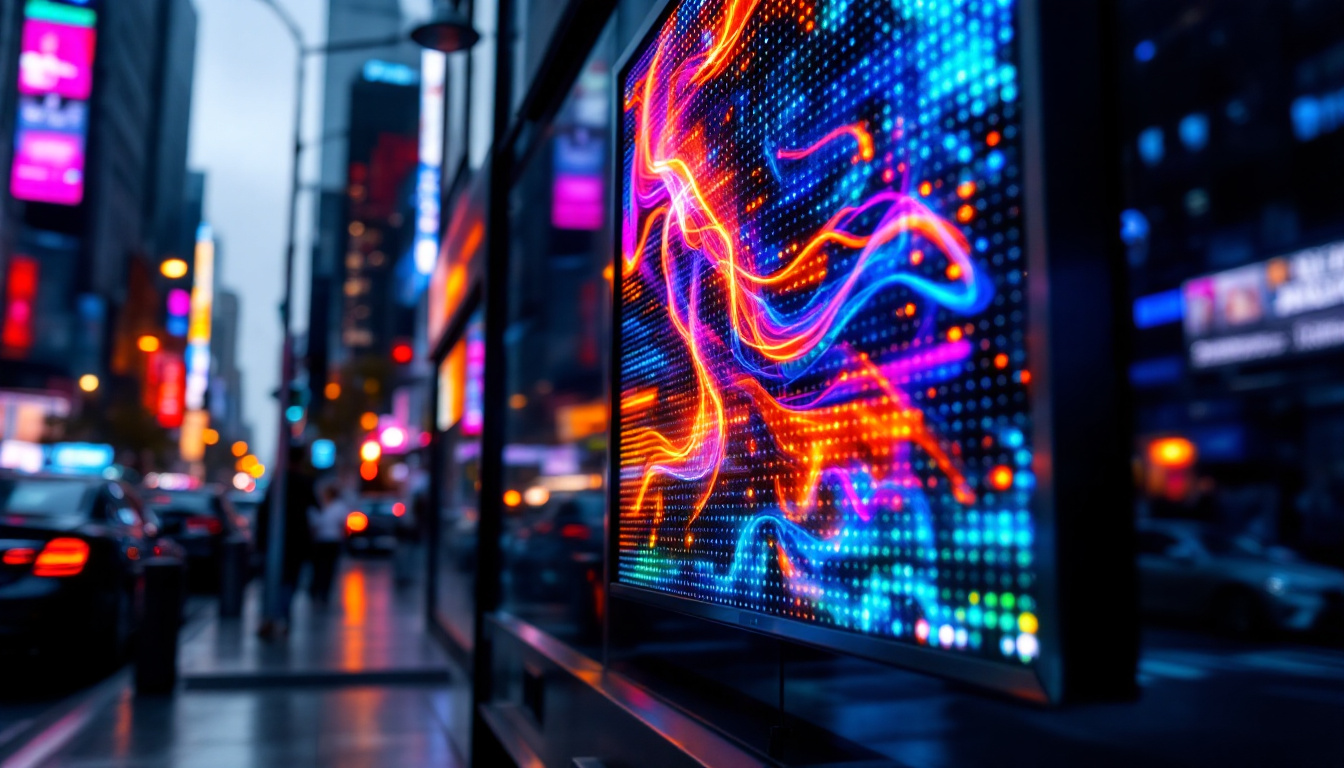
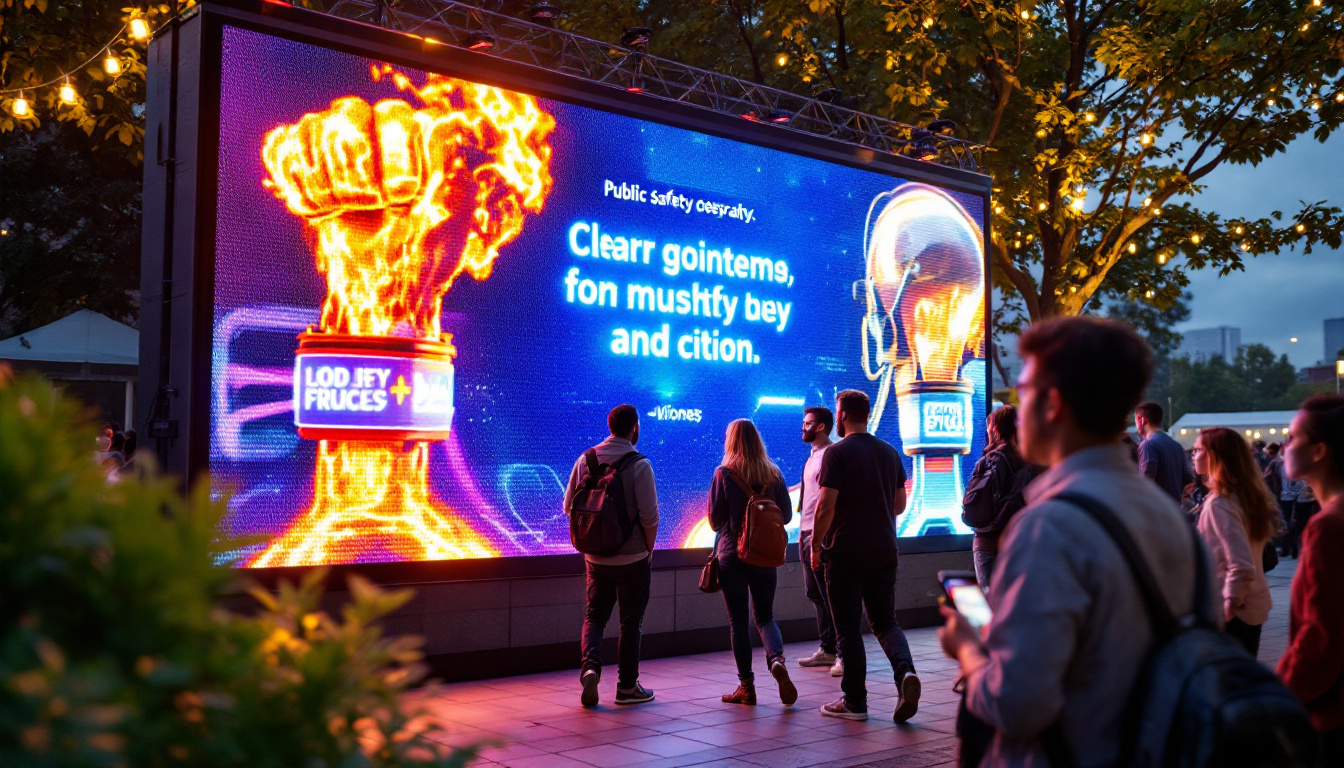
Outdoor LED billboards are among the most visible forms of advertising worldwide. Their ability to display high-definition videos and rotate multiple advertisements throughout the day maximizes revenue opportunities for advertisers and media companies.
Major cities like New York, London, and Tokyo feature iconic LED billboards that not only serve commercial purposes but also enhance urban aesthetics. The dynamic nature of LED advertising allows brands to deliver timely messages, such as flash sales or event promotions, with immediate effect.
Events and Entertainment
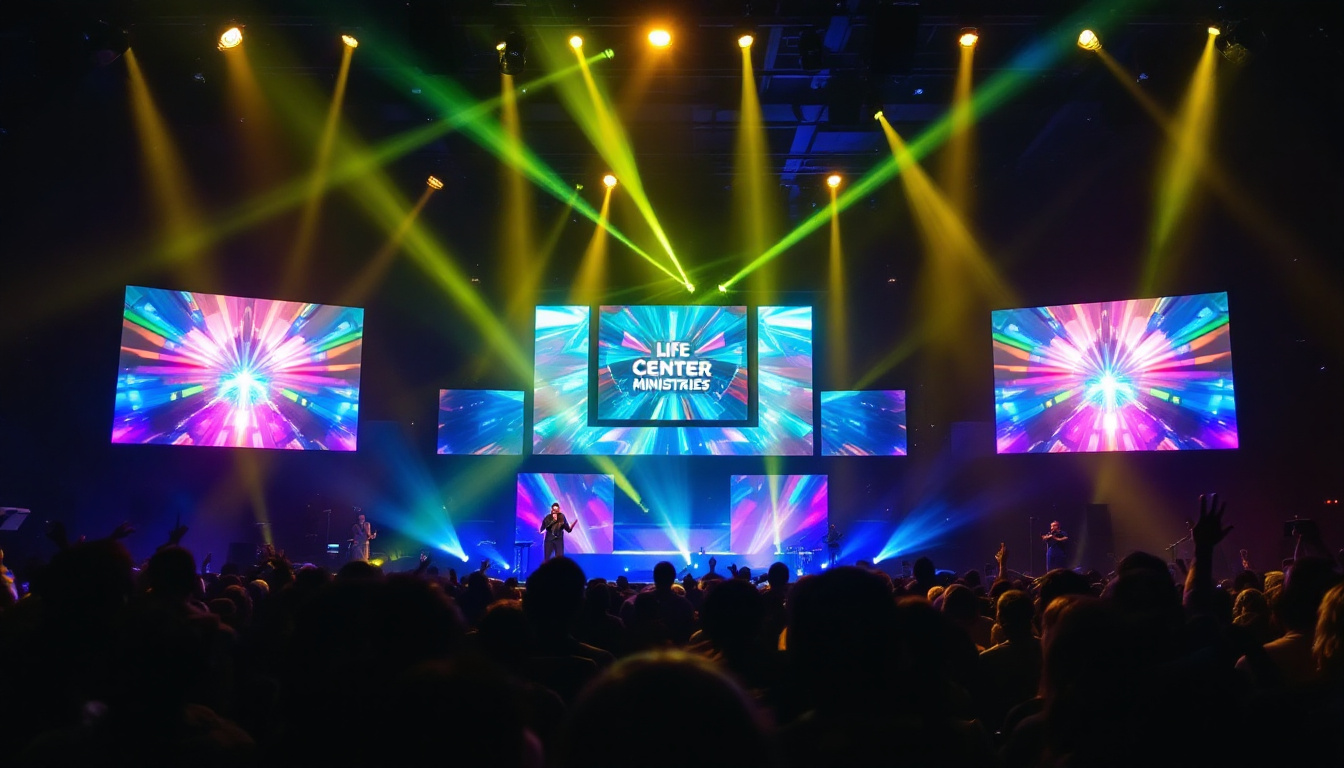
Concerts, sports arenas, and festivals rely heavily on LED video walls to engage audiences. These displays provide real-time video feeds, replays, and interactive content that enhance the spectator experience. For event organizers, LED displays are essential tools for sponsorship visibility and fan engagement, directly impacting ticket sales and brand partnerships.
Corporate and Educational Use
Businesses and educational institutions utilize LED displays for presentations, training, and communication. High-quality video content delivered via LED screens helps maintain audience attention and improves information retention, which is critical in sales meetings, product launches, and classroom settings.
Key Considerations When Purchasing an LED Display for Video Sales
Pixel Pitch and Resolution
Pixel pitch refers to the distance between the centers of two adjacent LEDs. It directly affects the display’s resolution and viewing distance. Smaller pixel pitches (e.g., 1.2mm to 2.5mm) are suitable for indoor environments where viewers are close, while larger pitches (e.g., 10mm to 20mm) work well for outdoor displays viewed from afar.
Choosing the right pixel pitch ensures that video content appears crisp and clear, which is vital for maintaining viewer engagement and conveying professional brand messaging.
Brightness and Contrast Ratio
Brightness is measured in nits, and higher values are necessary for outdoor displays to remain visible under sunlight. For indoor environments, moderate brightness levels suffice to prevent eye strain while maintaining image quality.
The contrast ratio, which compares the luminance of the brightest white to the darkest black, influences the depth and realism of video content. Higher contrast ratios enhance the viewing experience, making content more appealing and effective in video sales.
Viewing Angle
A wide viewing angle ensures that the display’s content is visible and consistent from various positions. This is especially important in public spaces and retail environments where audiences move around and view the screen from different perspectives.
Durability and Weather Resistance
For outdoor LED displays, durability is paramount. Look for features such as IP65 or higher ratings, which indicate protection against dust and water. Additionally, displays should be resistant to temperature extremes and UV radiation to maintain performance and longevity.
Content Management and Connectivity
Modern LED displays often come with integrated content management systems (CMS) that allow users to schedule, update, and monitor video content remotely. Connectivity options such as Wi-Fi, Ethernet, and USB support seamless content delivery and real-time updates, which are critical for dynamic video sales campaigns.
Cost and Return on Investment (ROI)
While LED displays can represent a significant upfront investment, their potential to boost sales and brand visibility often justifies the expense. Businesses should analyze expected ROI by considering factors like increased customer engagement, advertising revenue, and operational savings from energy efficiency.
Future Trends in LED Display Technology
MicroLED and MiniLED Innovations
Emerging technologies such as MicroLED and MiniLED promise even higher resolution, improved brightness, and better energy efficiency. MicroLED displays use microscopic LEDs to achieve superior image quality and flexibility, potentially revolutionizing video sales displays in the coming years.
Interactive and Smart LED Displays
Interactive LED screens equipped with touch capabilities and AI-driven content personalization are gaining traction. These smart displays enable businesses to engage customers more effectively by delivering tailored video content based on user behavior and preferences.
Transparent and Flexible LED Panels
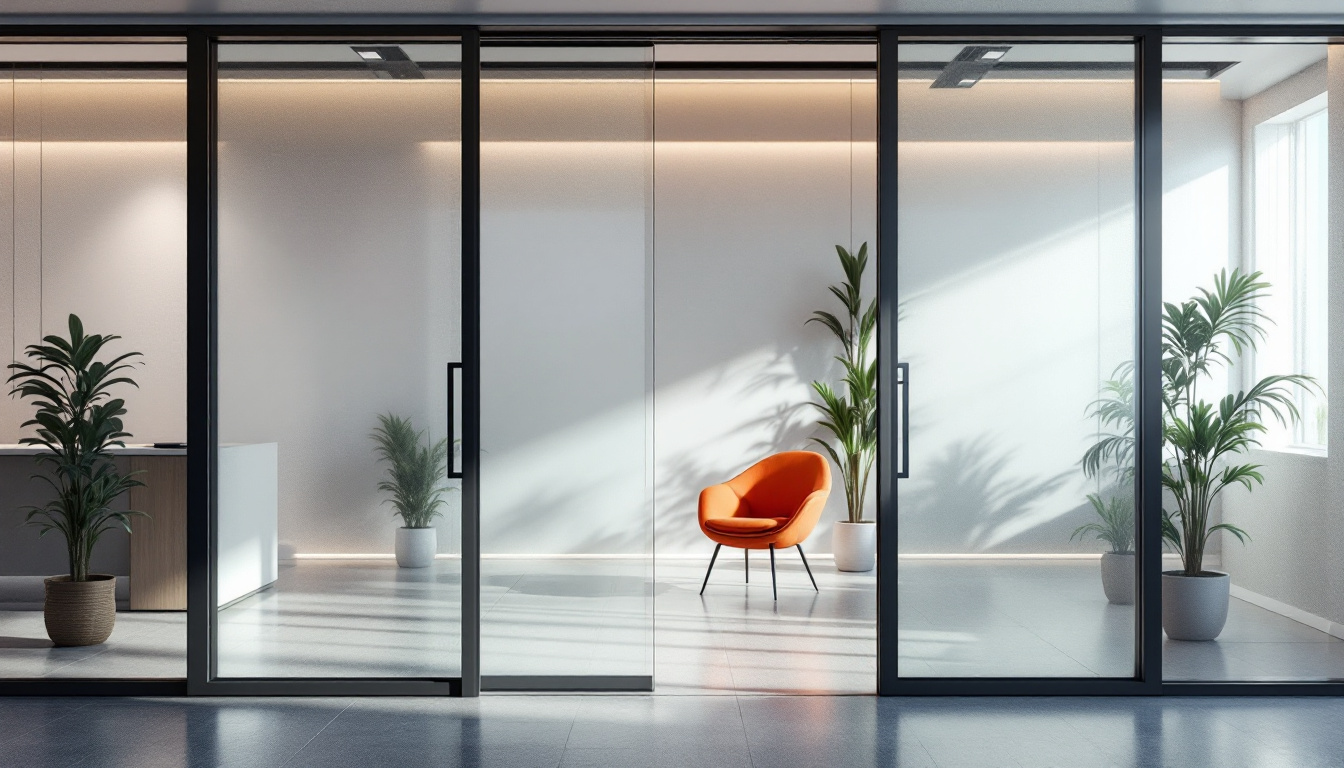
Transparent LED displays allow light to pass through, making them ideal for storefront windows and architectural applications without obstructing views. Flexible LED panels can be curved or shaped to fit unique surfaces, opening new creative possibilities for video sales presentations.
Conclusion
LED displays have transformed the way businesses communicate and sell through video content. Their brightness, color quality, flexibility, and durability make them indispensable tools in retail, advertising, events, and corporate environments. Understanding the technology behind LED displays and key purchasing considerations enables businesses to select the right solutions that maximize engagement and return on investment.
As LED technology continues to evolve with innovations like MicroLED and smart interactivity, the future of video sales displays looks brighter and more dynamic than ever. Investing in the right LED display today can position businesses at the forefront of visual communication and marketing success.
Discover LumenMatrix’s Innovative LED Display Solutions
Ready to elevate your video sales strategy with the latest in LED display technology? LumenMatrix is at the forefront of creating immersive visual experiences that captivate and engage. From vibrant Indoor and Outdoor LED Wall Displays to versatile Vehicle and Sports LED Displays, our extensive range of solutions is designed to meet your unique needs. Experience the future of digital signage with our Custom, All-in-One, and Transparent LED Displays, and see how our commitment to innovation can transform your brand’s visibility. Check out LumenMatrix LED Display Solutions today and lead the way in dynamic visual communication.