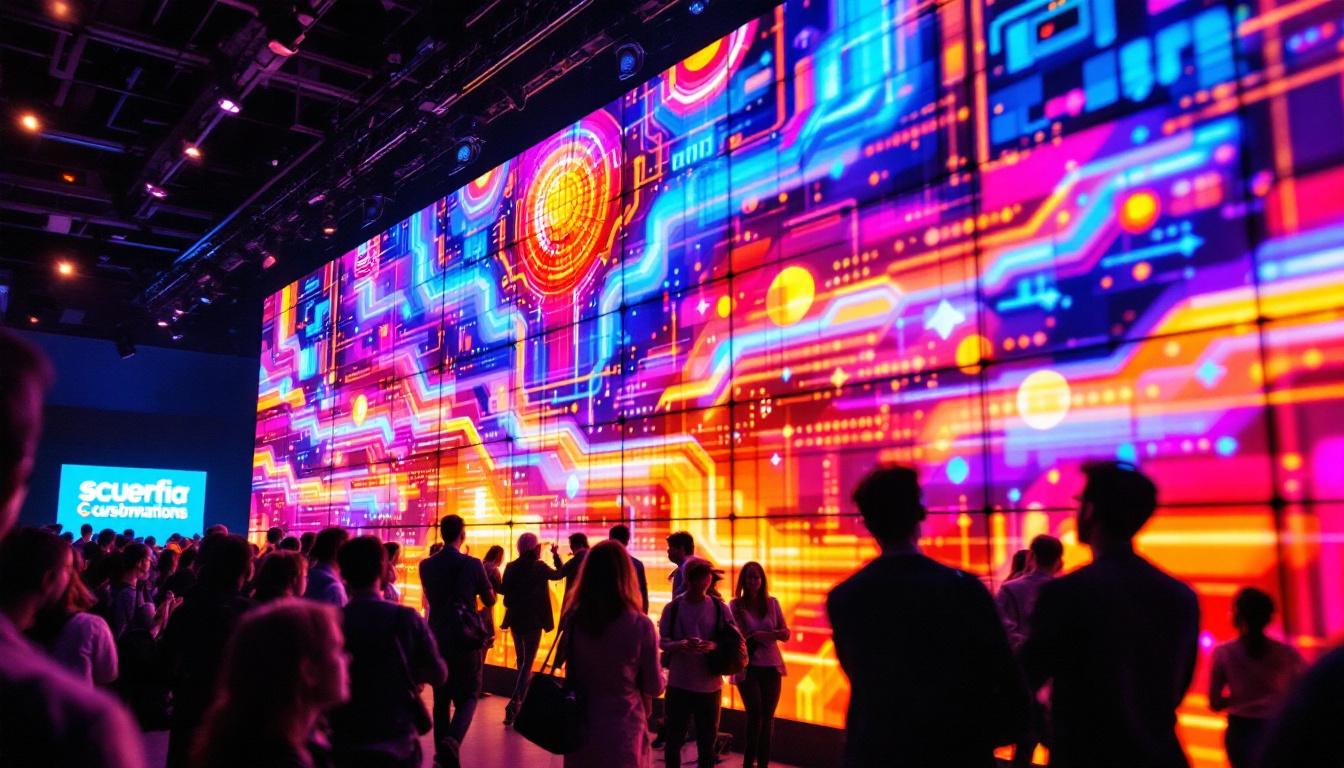
In the rapidly evolving world of audio visual (AV) technology, LED displays have emerged as a cornerstone for businesses seeking impactful visual communication. Whether used in advertising, events, retail environments, or corporate settings, LED displays offer unparalleled versatility and performance. This article delves into the fundamentals of LED display technology, explores its applications in the AV industry, and highlights why it has become an indispensable tool for businesses worldwide.
Understanding LED Display Technology
What is an LED Display?
LED stands for Light Emitting Diode, a semiconductor device that emits light when an electric current passes through it. An LED display is a flat panel that uses an array of these diodes to produce images, videos, and text. Unlike traditional LCD or projection screens, LED displays generate their own light, which results in brighter images, better contrast, and wider viewing angles.
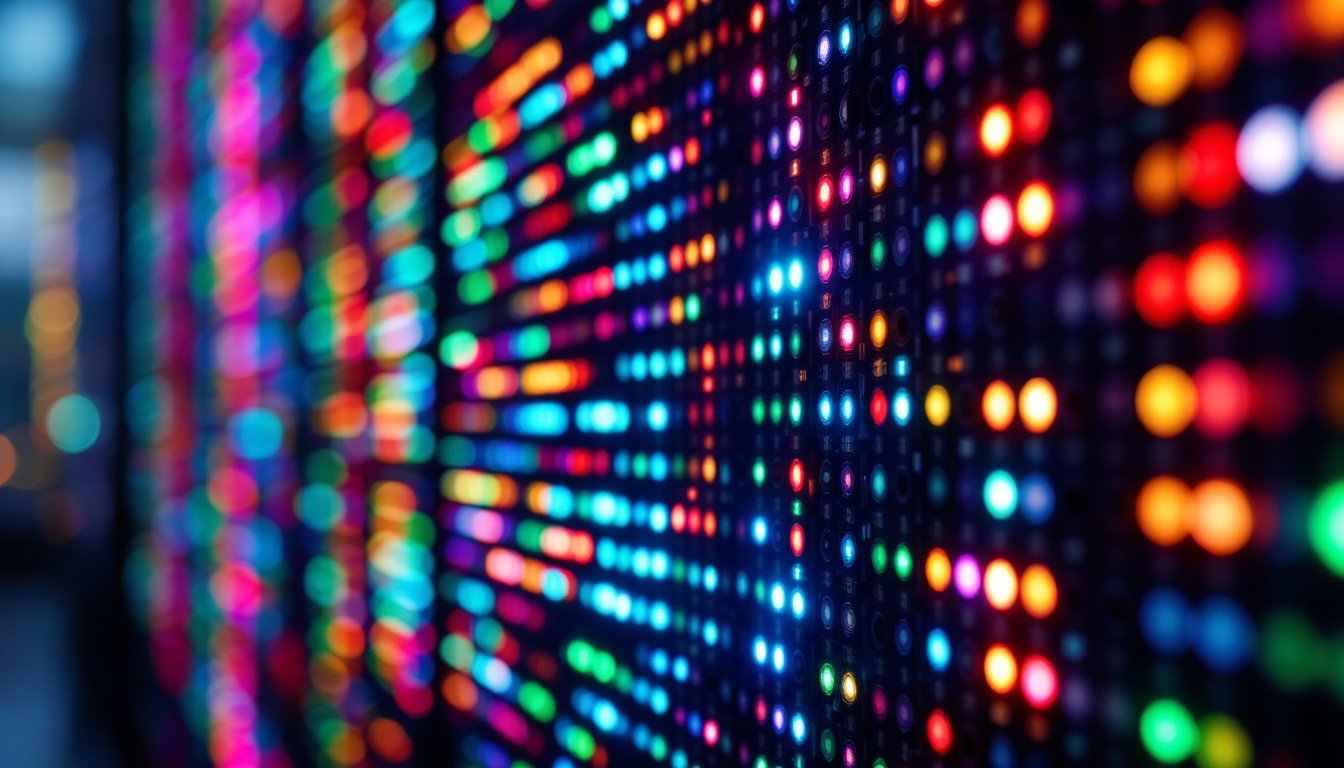
Modern LED displays are composed of thousands to millions of tiny LEDs arranged in a matrix. These LEDs can be red, green, and blue (RGB), and by varying the intensity of each color, they create a full spectrum of colors. This technology allows for vivid, high-resolution visuals that can be seen clearly even in bright ambient light conditions. The ability to produce deep blacks and vibrant colors makes LED displays particularly popular in settings such as cinemas, sports arenas, and advertising billboards, where visual impact is paramount.
Types of LED Displays
LED displays come in various forms, each suited to different applications:
- Indoor LED Displays: Designed for controlled lighting environments such as conference rooms, retail stores, and broadcast studios. They feature smaller pixel pitches (distance between LEDs) for higher resolution and closer viewing distances. These displays are often used for presentations and advertisements, providing a dynamic way to engage audiences.
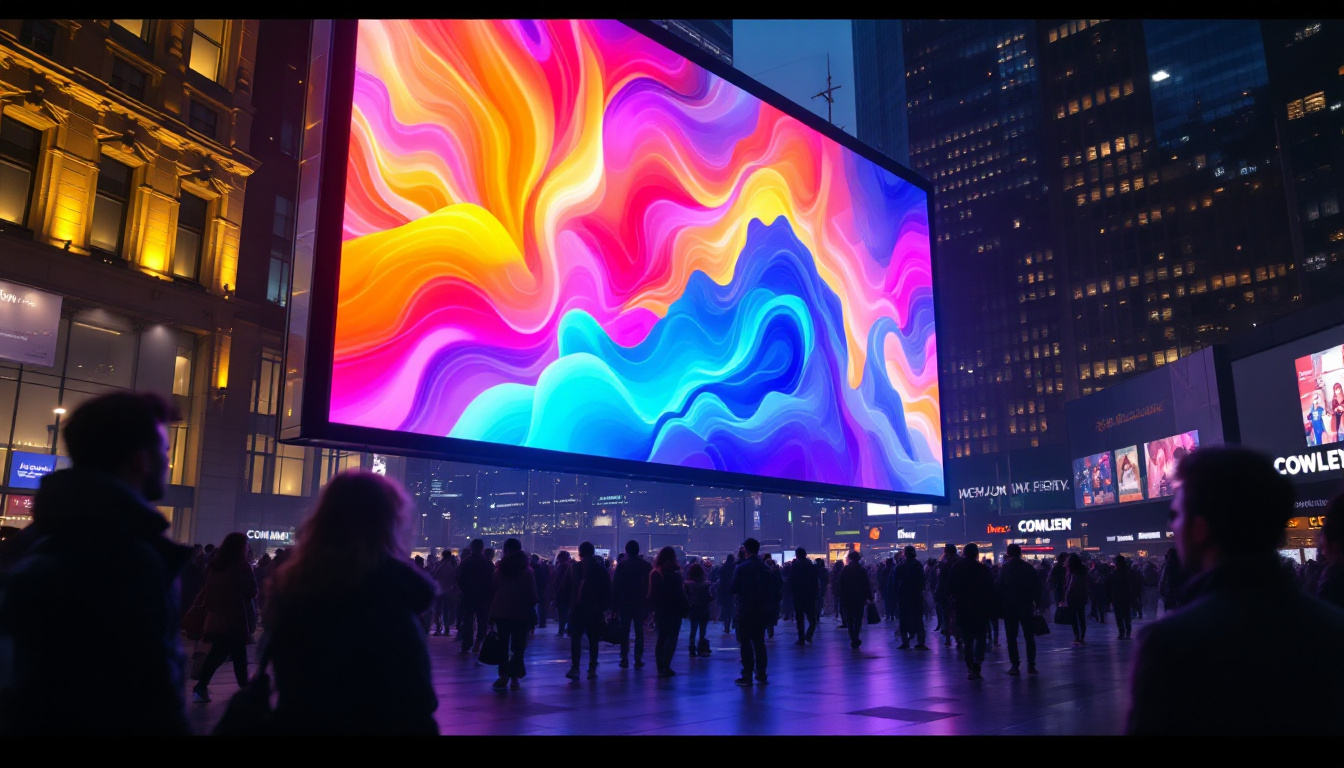
- Outdoor LED Displays: Built to withstand weather elements and direct sunlight. These displays have larger pixel pitches and higher brightness levels, often exceeding 5,000 nits, to ensure visibility even in daylight. They are commonly found in public spaces, such as stadiums and city squares, where they can convey important information or entertain large crowds.
- Flexible and Transparent LED Displays: Innovative types that can bend or allow light to pass through, enabling creative installations on curved surfaces or glass facades. These displays open up new possibilities for architectural design and advertising, allowing for seamless integration into buildings and interactive installations that captivate viewers.
Key Technical Specifications
When evaluating LED displays, several technical parameters are critical:
- Pixel Pitch: Measured in millimeters, pixel pitch defines the distance between the centers of two adjacent pixels. Smaller pixel pitches mean higher resolution and sharper images, ideal for close viewing. This is particularly important in environments where viewers are close to the screen, such as in retail displays or control rooms.
- Brightness: Expressed in nits (candelas per square meter), brightness determines how well the display performs in various lighting conditions. Outdoor displays typically require higher brightness levels. Additionally, advancements in LED technology have led to displays that can automatically adjust their brightness based on ambient light, enhancing user experience and energy efficiency.
- Refresh Rate: The number of times per second the display updates its image. Higher refresh rates reduce flicker and improve the quality of video playback. This is especially crucial for applications involving fast-moving content, such as sports broadcasts or gaming, where smooth visuals are essential.
- Contrast Ratio: The difference between the darkest black and the brightest white the display can produce. A higher contrast ratio enhances image depth and clarity. This characteristic is vital for creating immersive experiences in cinema and virtual reality applications, where visual fidelity can significantly impact user engagement.
Applications of LED Displays in the Audio Visual Business
Advertising and Digital Signage
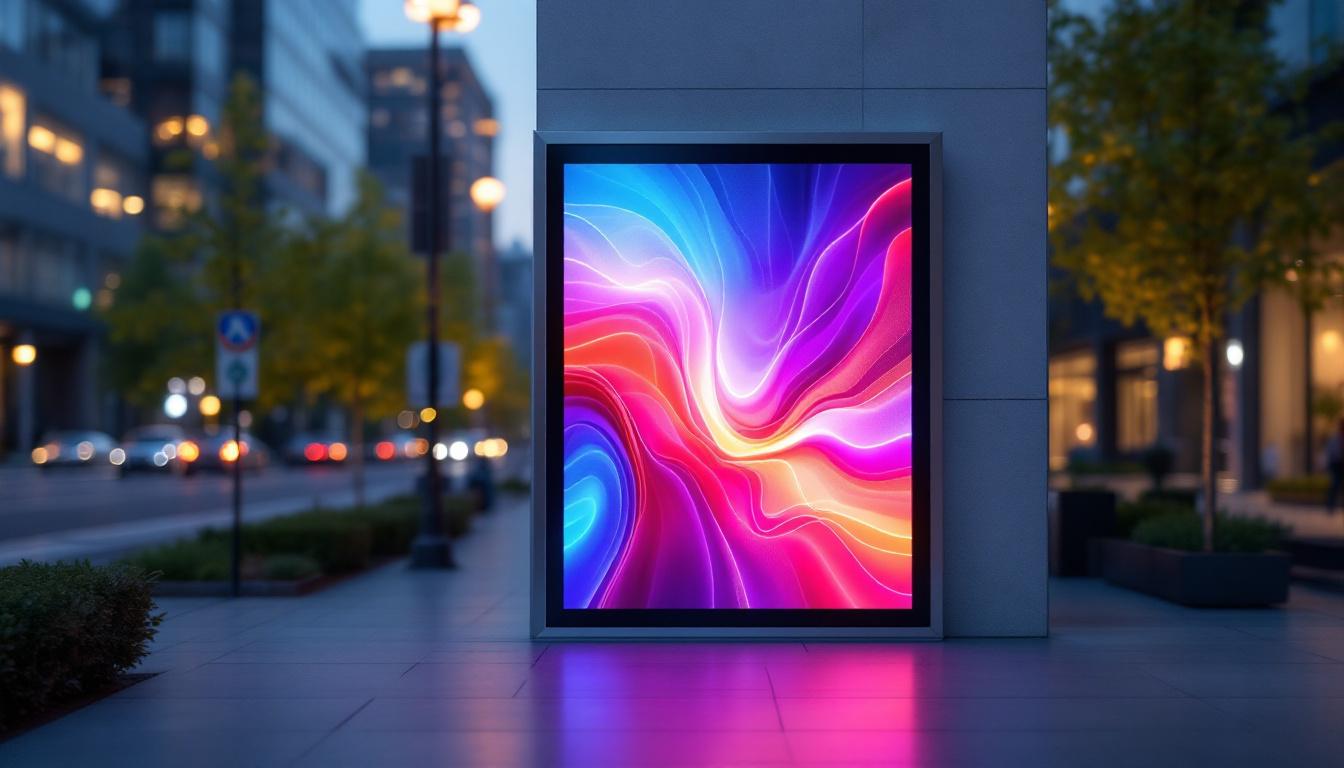
One of the most prominent uses of LED displays is in advertising and digital signage. According to a 2023 report by Grand View Research, the global digital signage market is expected to reach $32.84 billion by 2028, growing at a compound annual growth rate (CAGR) of 7.5%. LED displays are at the forefront of this growth due to their ability to deliver dynamic, eye-catching content that captures consumer attention.
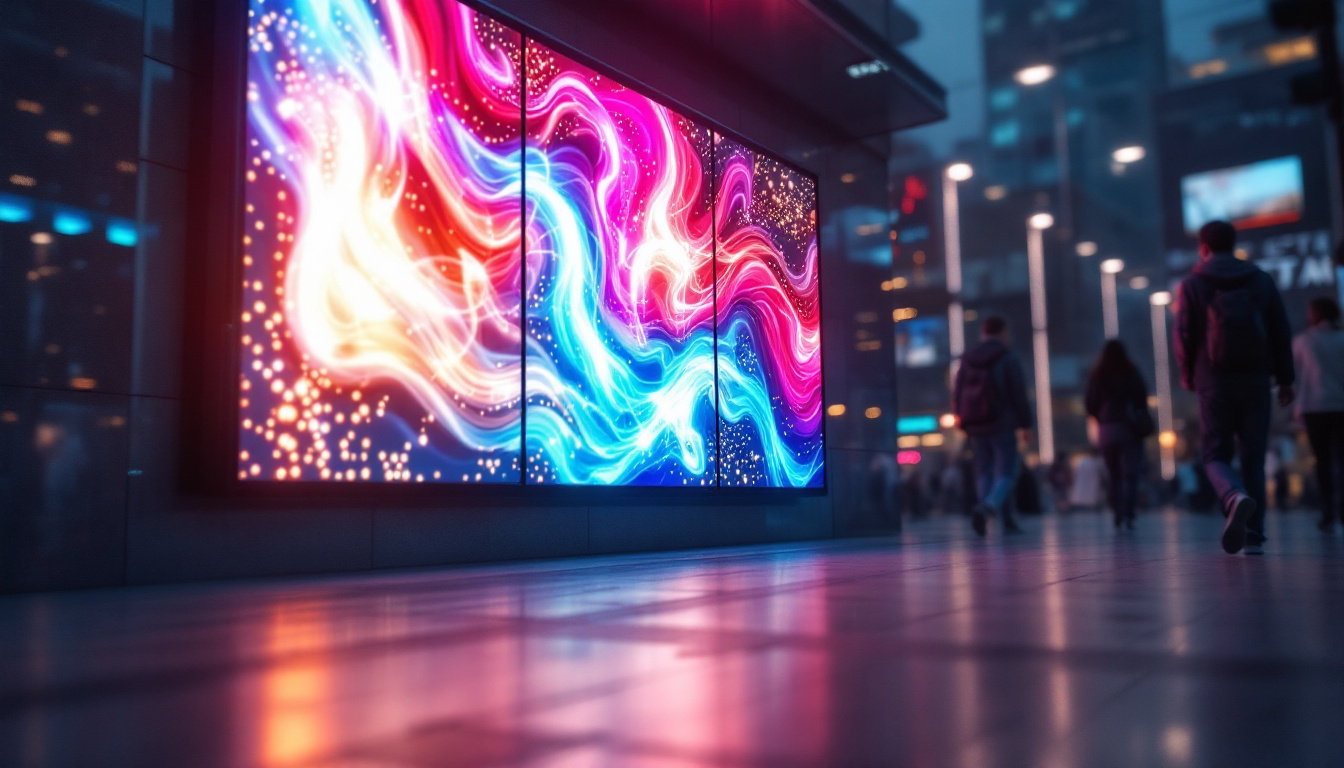
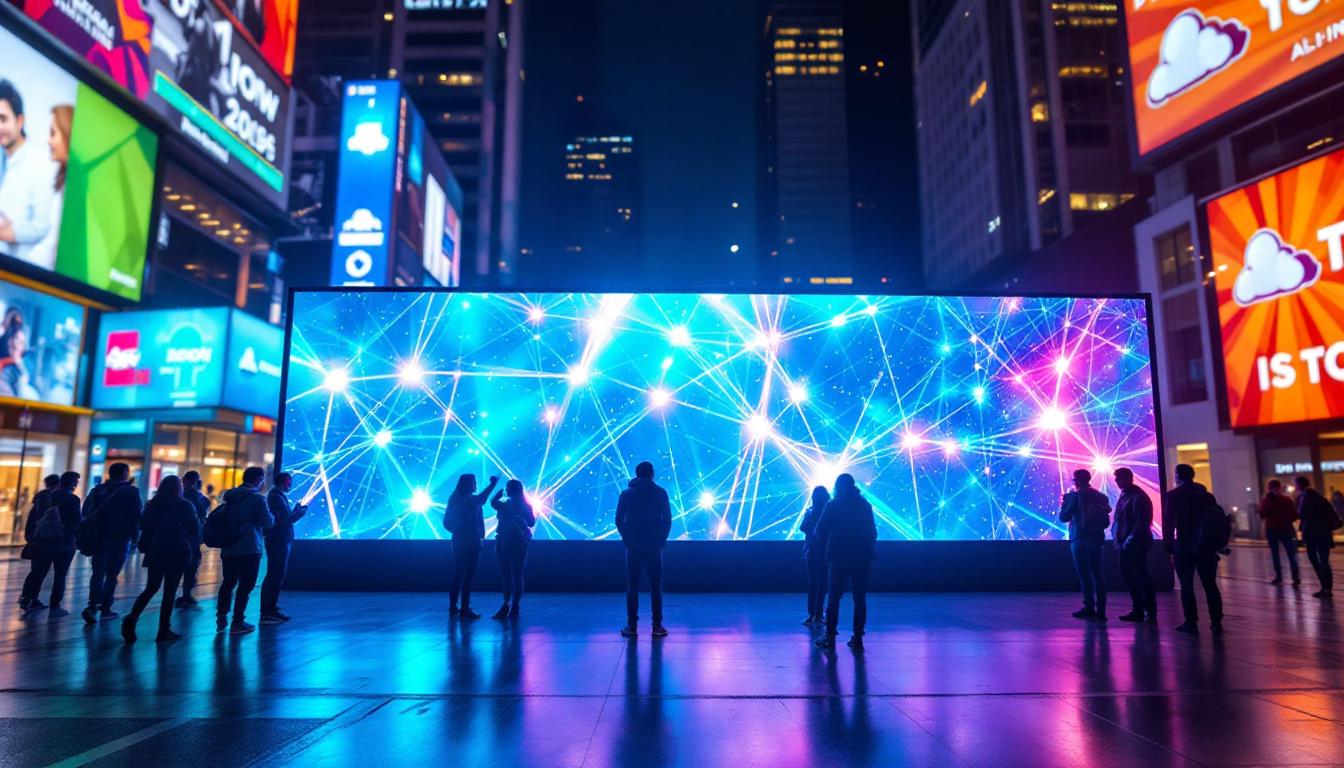
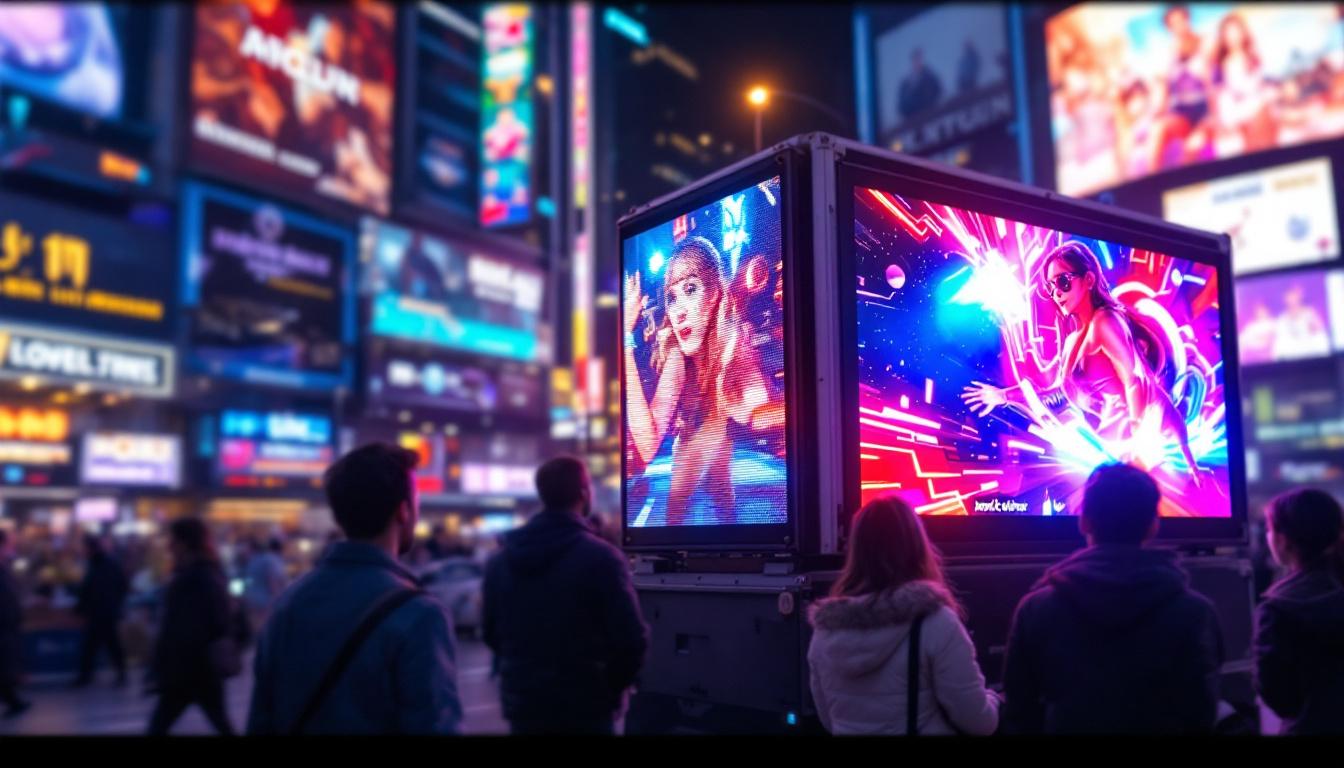
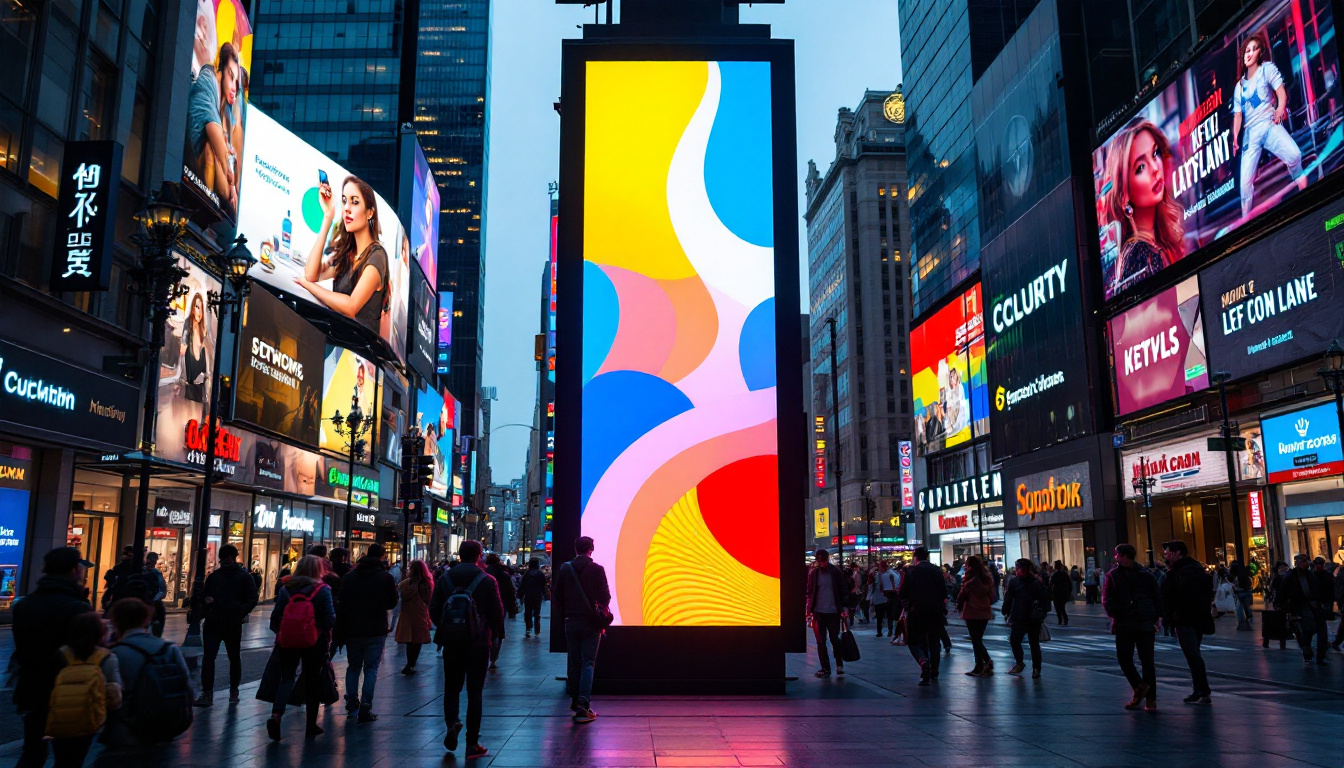
From Times Square to shopping malls, LED billboards and signage provide businesses with a powerful medium to communicate promotions, brand messages, and real-time information. The flexibility to update content remotely and instantly is a game-changer for marketing campaigns, enabling timely and targeted messaging. Moreover, LED displays can incorporate various multimedia elements, including videos, animations, and interactive content, which further enhances viewer engagement. This versatility allows brands to experiment with creative storytelling, making their advertisements not just informative but also entertaining.
Events and Entertainment
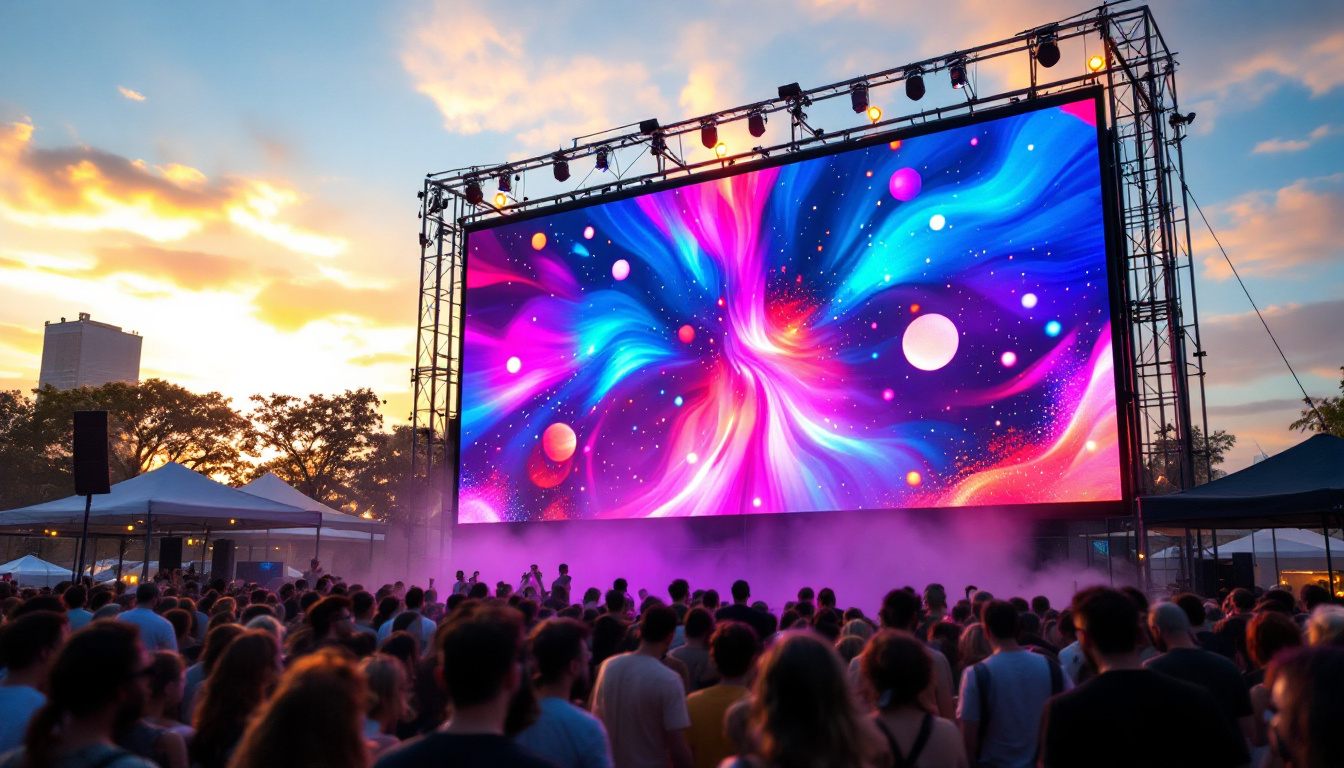
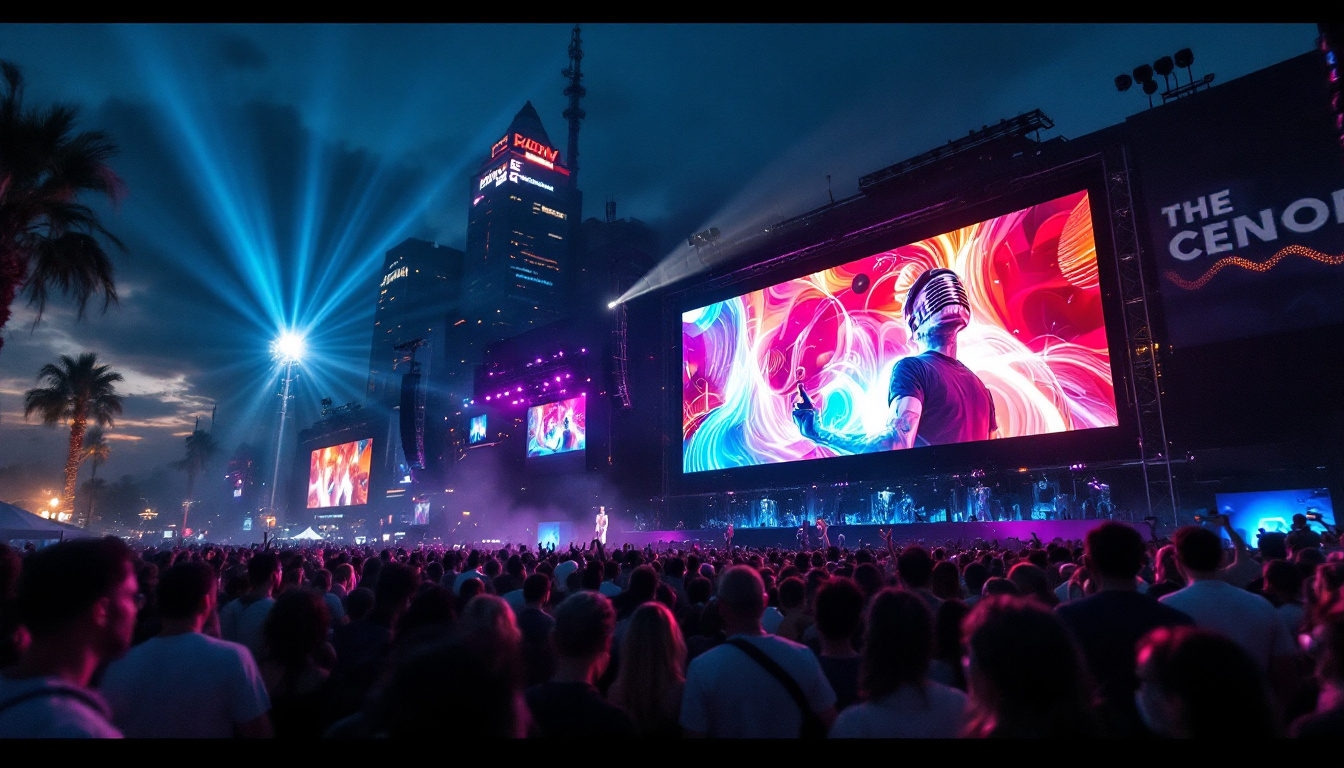
The events industry heavily relies on LED displays to create immersive experiences. Concerts, sports arenas, trade shows, and conferences use large-scale LED walls to engage audiences with stunning visuals and live feeds. The ability to customize the size and shape of LED screens allows event organizers to design unique stage backdrops and interactive displays. In addition to enhancing the aesthetic appeal, these displays can also provide essential information, such as schedules, speaker bios, and social media feeds, thereby enriching the attendee experience.
For example, the 2022 FIFA World Cup utilized massive LED screens in stadiums and fan zones worldwide, enhancing the viewing experience for millions. The high brightness and refresh rates ensured clear visibility even in outdoor daylight conditions, demonstrating the technology’s robustness. Furthermore, the integration of augmented reality (AR) with LED displays is on the rise, allowing fans to engage with the event in innovative ways, such as viewing player statistics or replays in real-time through their mobile devices, creating a more interactive atmosphere.
Corporate and Retail Environments
In corporate settings, LED displays are used for video conferencing, digital whiteboards, and information dashboards. Their high resolution and clarity improve communication and collaboration among teams, especially in hybrid work environments. The use of LED technology in corporate offices not only enhances presentations but also fosters a culture of innovation, as teams can visualize complex data and ideas more effectively. This trend is increasingly important as businesses adapt to remote work, where visual communication plays a crucial role in maintaining engagement and productivity.
Retailers deploy LED displays to attract customers, showcase products, and create engaging in-store experiences. Interactive LED walls and digital mirrors are becoming increasingly popular, blending technology with customer engagement strategies to drive sales. These displays can provide personalized recommendations based on customer interactions, creating a tailored shopping experience that resonates with consumers. Additionally, the integration of QR codes and NFC technology with LED displays allows customers to seamlessly access more information or promotions, bridging the gap between physical and digital shopping environments. This innovative approach not only enhances customer satisfaction but also encourages repeat visits and brand loyalty.
Advantages of LED Displays Over Other Technologies
Superior Image Quality and Brightness
Compared to LCD and projection systems, LED displays offer superior brightness and contrast. This makes them ideal for environments with high ambient light, such as outdoor advertising or brightly lit retail spaces. The self-emissive nature of LEDs means each pixel can be turned on or off independently, resulting in true blacks and vibrant colors.
Energy Efficiency and Longevity
LED technology is known for its energy efficiency. LEDs consume significantly less power than traditional lighting and display technologies. This not only reduces operational costs but also aligns with sustainability goals, an increasingly important consideration for businesses.
Moreover, LED displays have a long lifespan, often exceeding 100,000 hours of operation. This durability minimizes maintenance and replacement costs, offering a better return on investment over time.
Flexibility and Customization
LED displays can be manufactured in virtually any size and shape, from small indoor panels to gigantic outdoor billboards. This flexibility allows businesses to tailor their visual solutions precisely to their needs. Curved, flexible, and transparent LED displays open new creative possibilities, enabling innovative architectural integrations and experiential marketing.
Challenges and Considerations for Businesses
Initial Investment and Installation
While LED displays offer long-term benefits, the upfront cost can be substantial, especially for large, high-resolution installations. Businesses must carefully assess their budget and expected ROI before committing to an LED solution. Installation complexity and the need for specialized technical expertise can also add to the initial investment.
Content Management and Software Integration
Effective use of LED displays requires robust content management systems (CMS) that allow for easy scheduling, updating, and customization of displayed content. Integration with other AV systems and data sources can enhance functionality but may require additional software and technical support.
Environmental and Regulatory Factors
Outdoor LED displays must comply with local regulations regarding brightness, light pollution, and safety. Additionally, environmental factors such as weather, temperature fluctuations, and humidity can impact performance and durability. Selecting the right type of LED display and protective enclosures is crucial for long-term reliability.
The Future of LED Displays in the Audio Visual Industry
Emerging Technologies and Trends
The LED display market continues to innovate with advances in microLED and miniLED technologies, which offer even higher resolution and improved energy efficiency. These developments are expected to drive new applications in consumer electronics, automotive displays, and augmented reality.
Artificial intelligence (AI) and data analytics are also being integrated into LED display systems, enabling smarter content delivery based on audience demographics, behavior, and environmental conditions. This level of personalization enhances engagement and effectiveness.
Sustainability and Eco-Friendly Innovations
As sustainability becomes a priority, manufacturers are focusing on eco-friendly materials and recycling programs for LED components. Energy-efficient designs and longer-lasting products contribute to reducing the environmental footprint of AV installations.
Expanding Market Opportunities
The demand for LED displays is expected to grow across diverse sectors, including healthcare, education, transportation, and hospitality. For example, hospitals use LED displays for patient information and wayfinding, while airports employ them for real-time flight updates and advertising.
Businesses that invest in LED display technology today position themselves to leverage these expanding opportunities and stay competitive in a visually driven marketplace.
Conclusion
LED displays have revolutionized the audio visual business by providing dynamic, high-quality visual solutions that meet the demands of modern communication. Their versatility, brightness, and energy efficiency make them ideal for a wide range of applications, from outdoor advertising to corporate collaboration.
Understanding the technical aspects, benefits, and challenges of LED displays empowers businesses to make informed decisions and maximize the impact of their AV investments. As technology advances and new trends emerge, LED displays will continue to play a pivotal role in shaping the future of visual communication.
Discover LumenMatrix’s Innovative LED Solutions
Ready to elevate your visual communication strategy with cutting-edge LED technology? Explore LumenMatrix’s comprehensive range of LED display solutions, designed to captivate your audience and amplify your brand’s message. From vibrant Indoor and Outdoor LED Wall Displays to versatile Vehicle and Sports LED Displays, our offerings cater to every need. Experience the future of digital signage with our Custom, All-in-One, and Transparent LED Displays. Visit LumenMatrix LED Display Solutions today and see how we can transform your visual presence with clarity and impact.