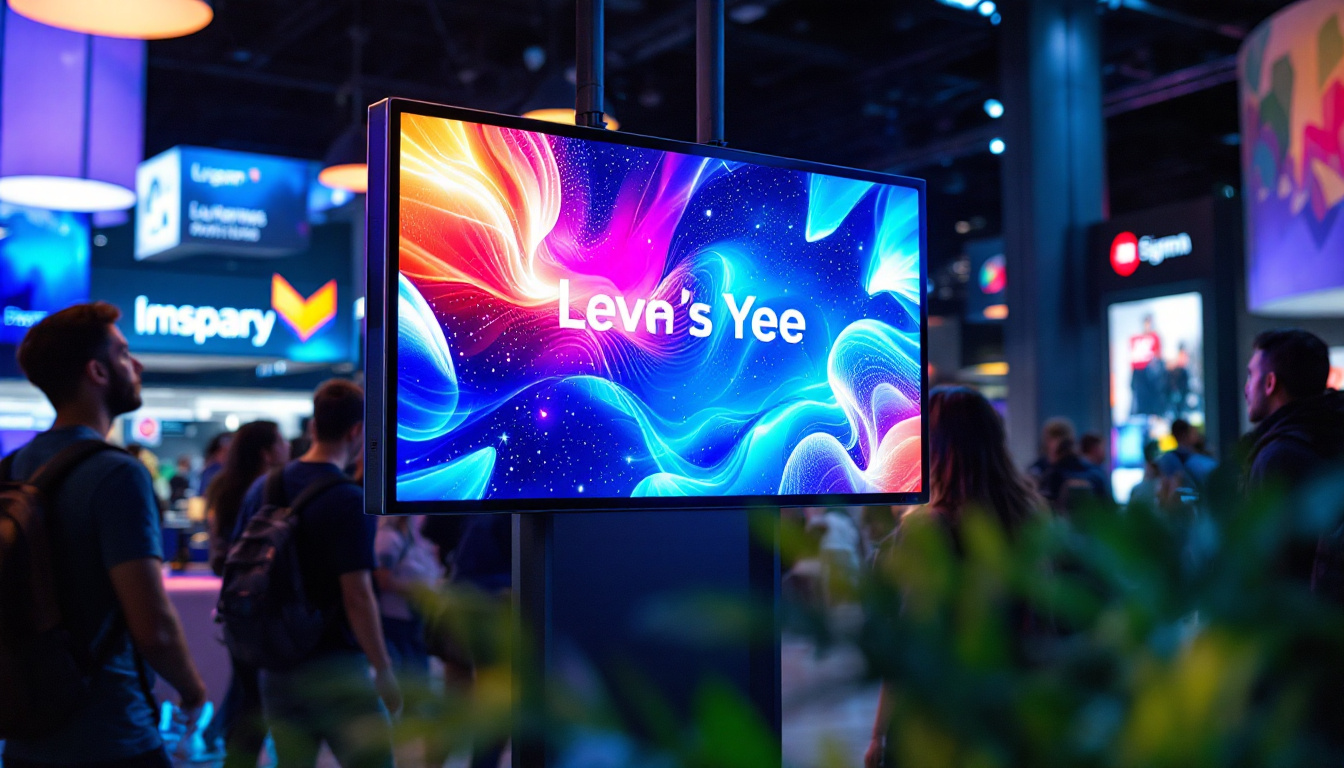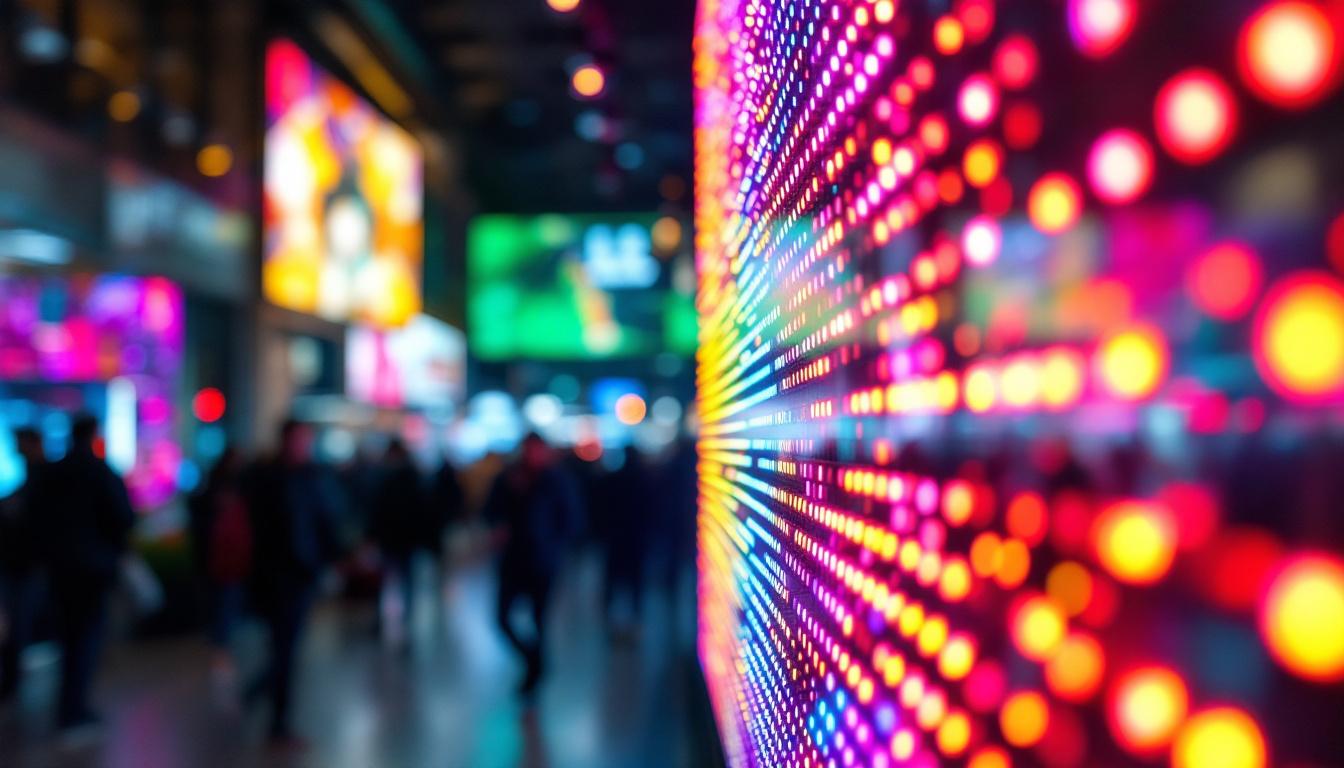
In the rapidly evolving world of audiovisual (AV) technology, LED displays have become a cornerstone for delivering vibrant, high-impact visual experiences. Whether used in corporate events, retail environments, sports arenas, or digital signage, LED displays offer unparalleled brightness, flexibility, and durability. For AV suppliers and integrators, understanding the intricacies of LED display technology is essential to meeting client needs and staying ahead in a competitive market.
What is an LED Display?
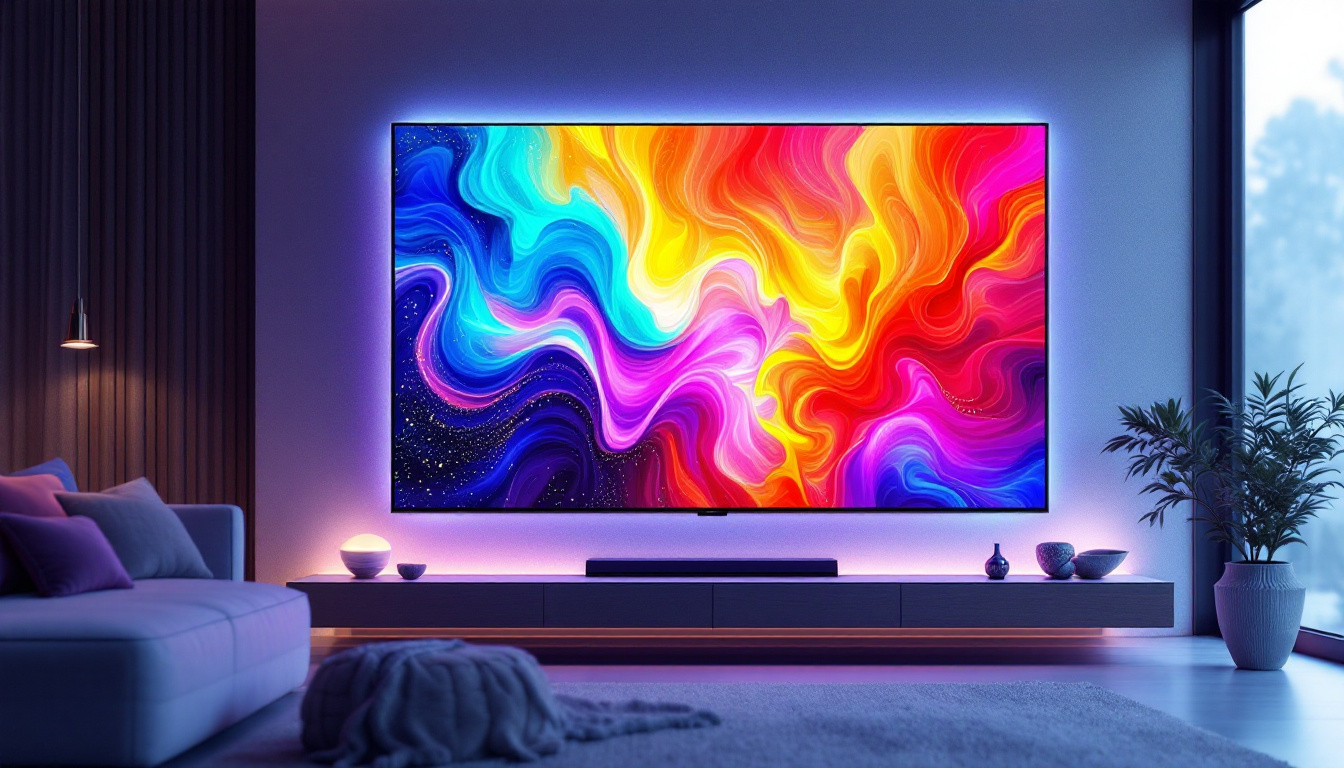
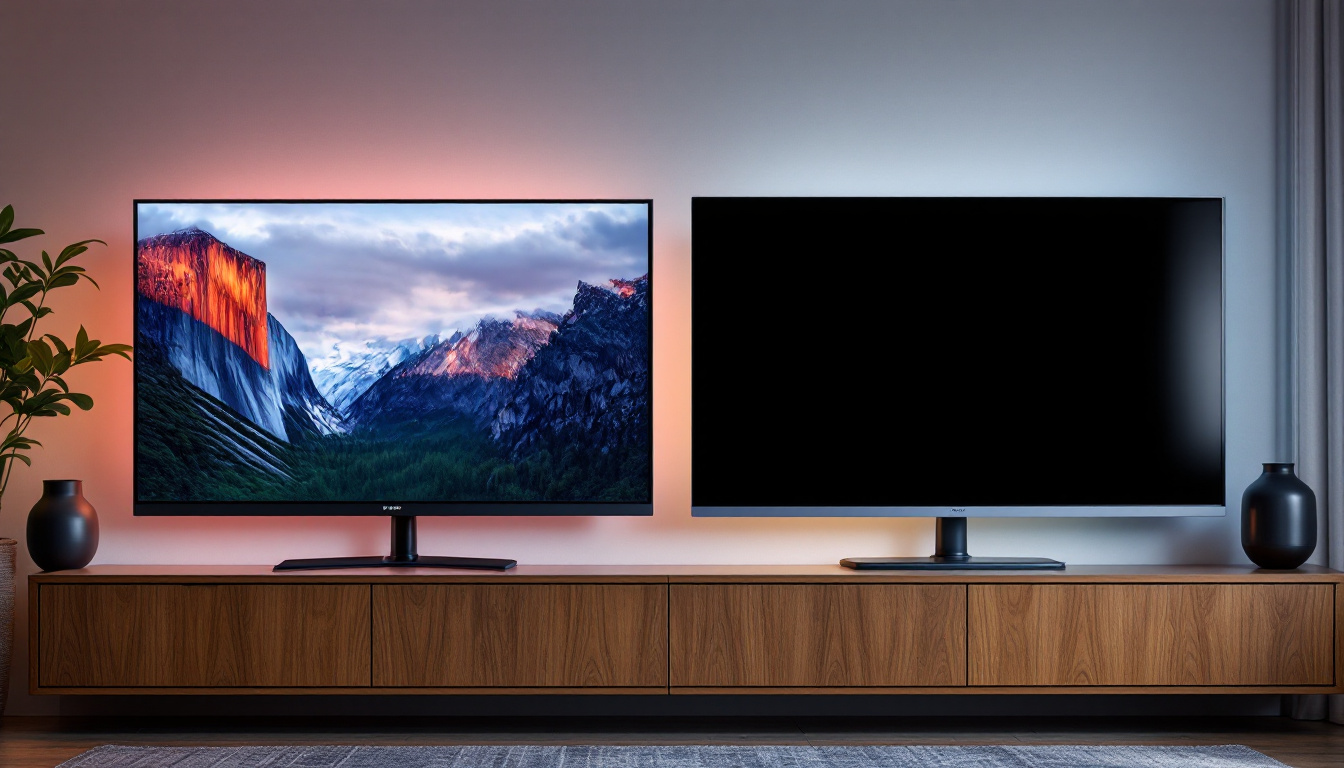
LED stands for Light Emitting Diode, a semiconductor device that emits light when an electric current passes through it. An LED display is a flat panel display that uses an array of tiny LEDs as pixels to create images and videos. Unlike traditional LCD or projection screens, LED displays produce their own light, which results in superior brightness and contrast. This self-illuminating feature not only enhances visibility in brightly lit environments but also contributes to energy efficiency, making LED displays a popular choice for both commercial and residential applications.
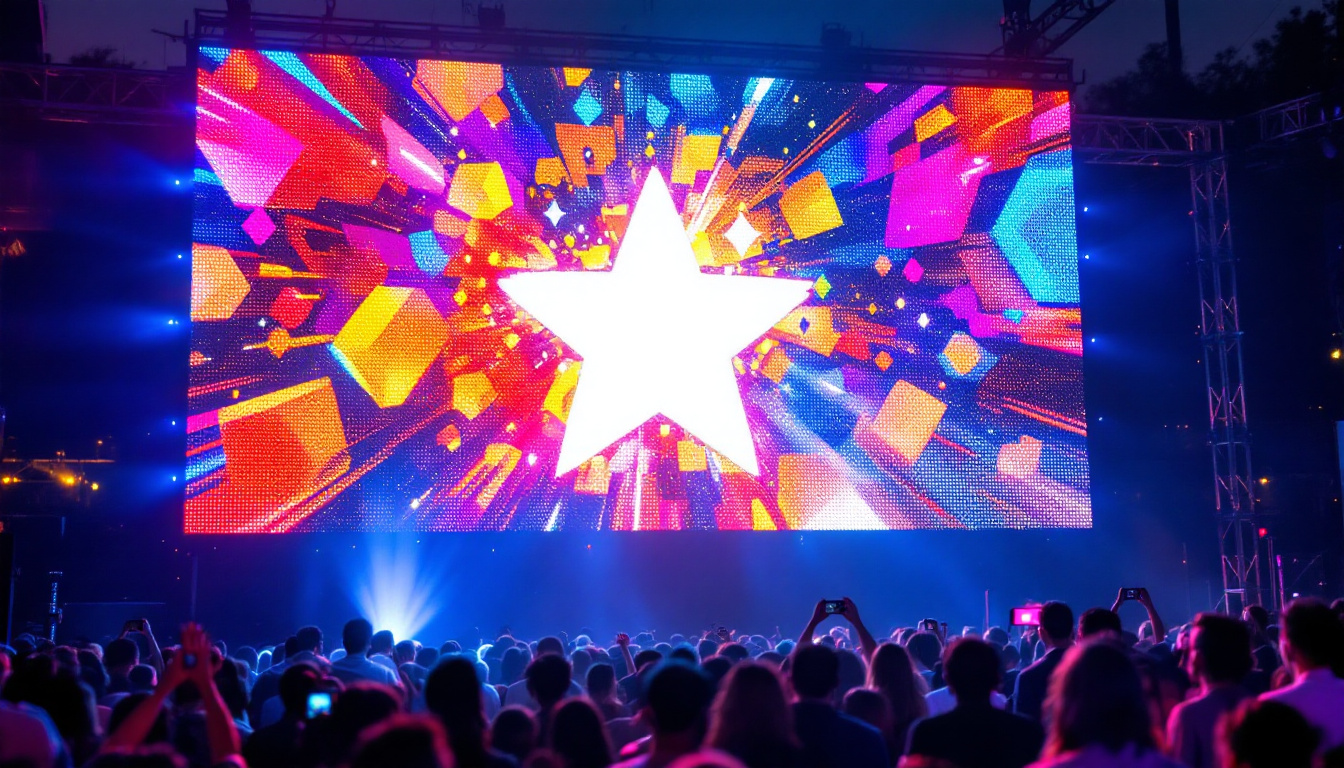
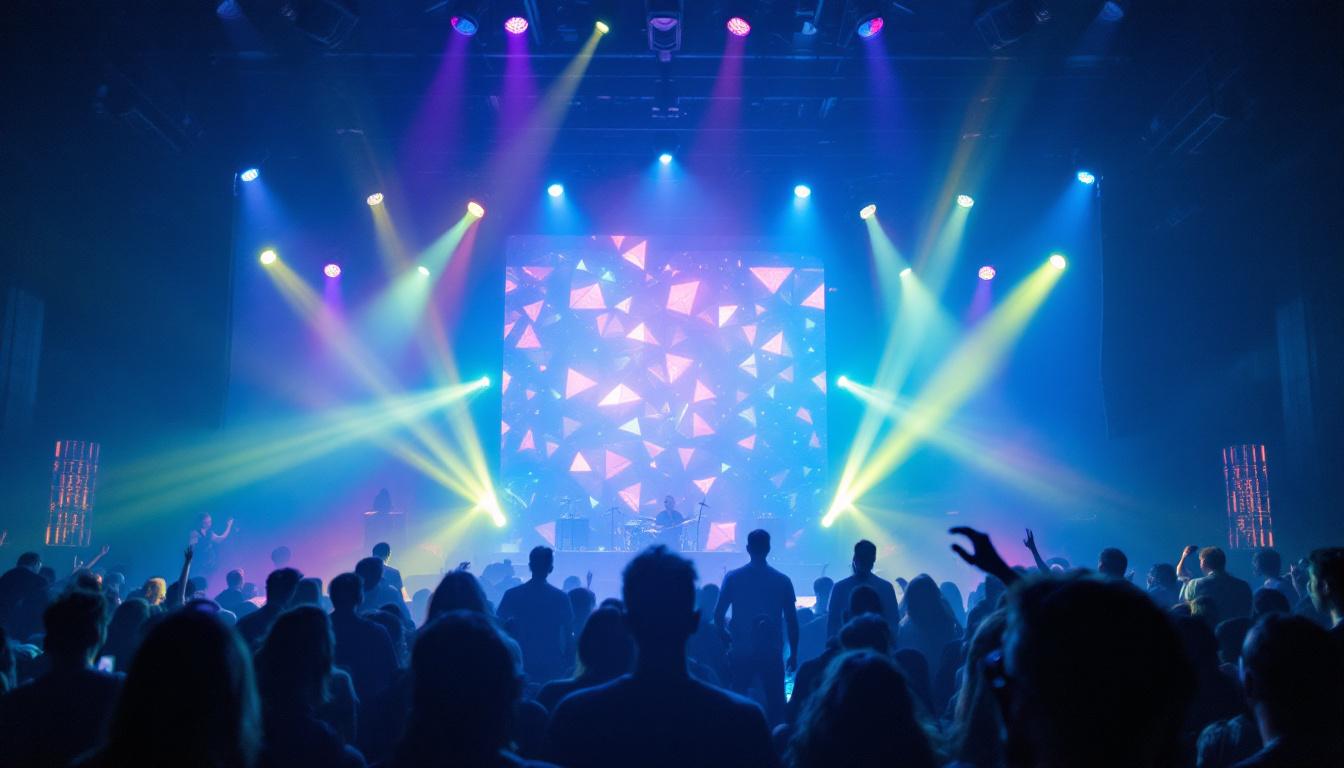
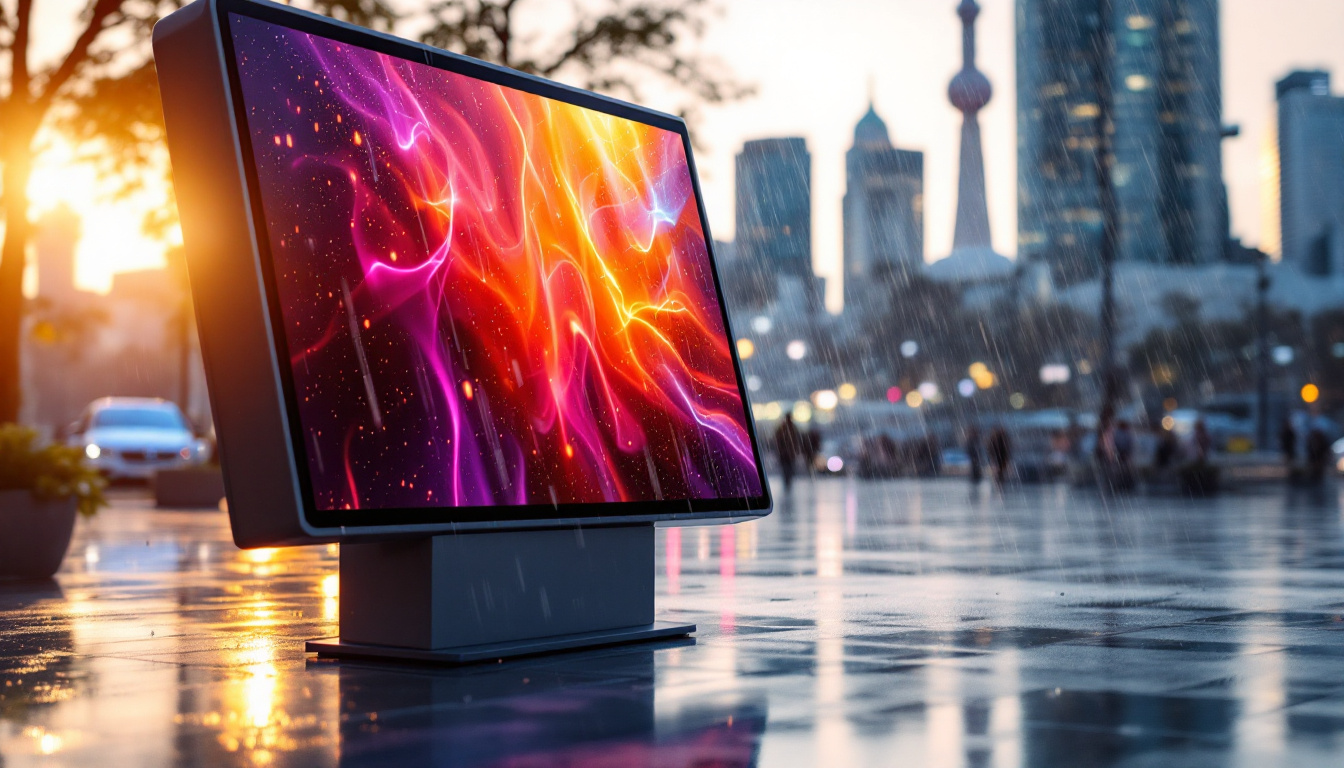
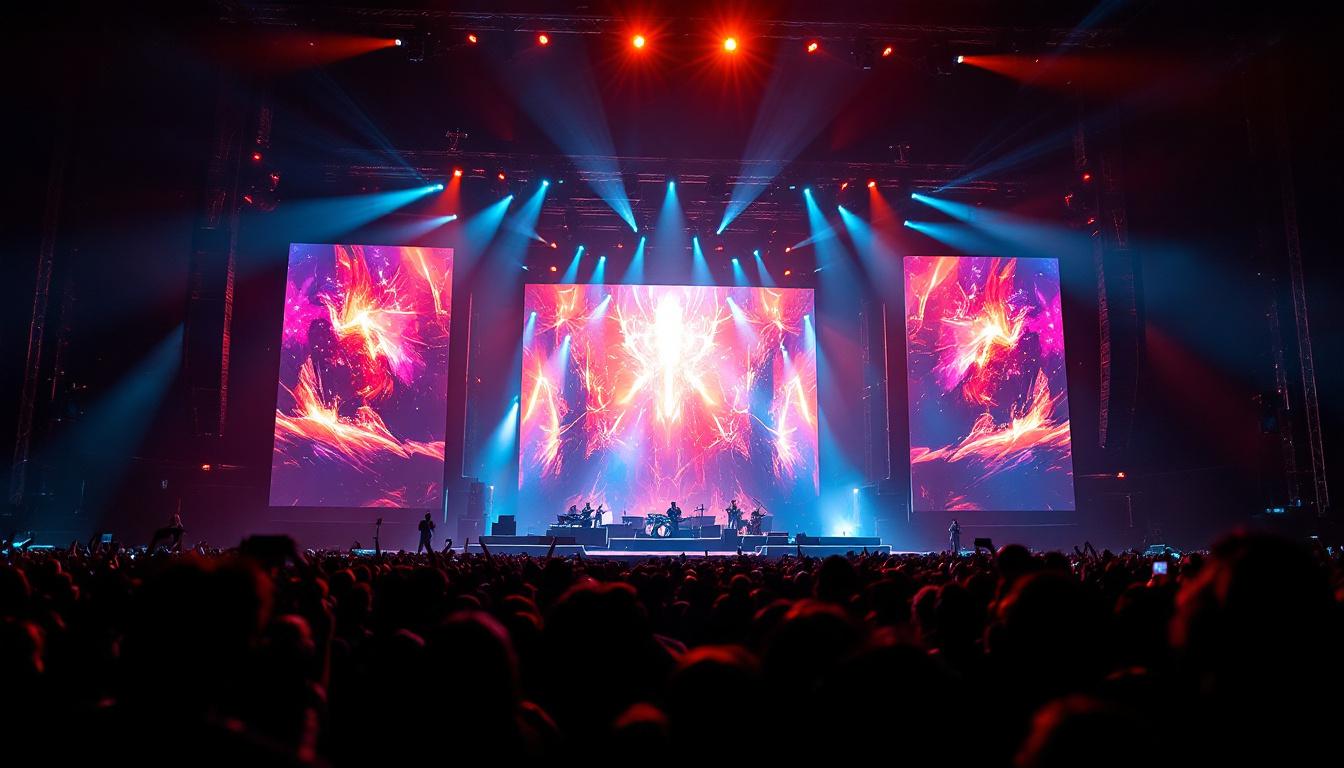
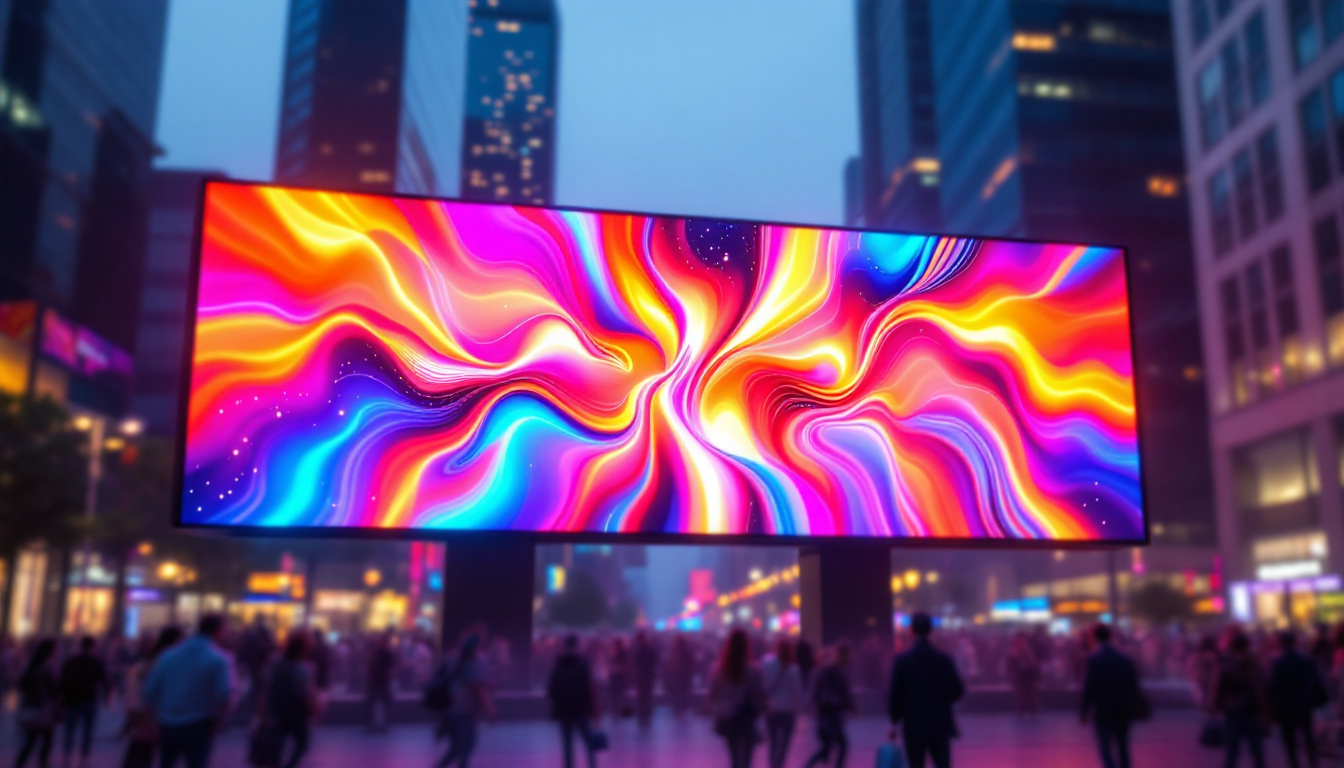
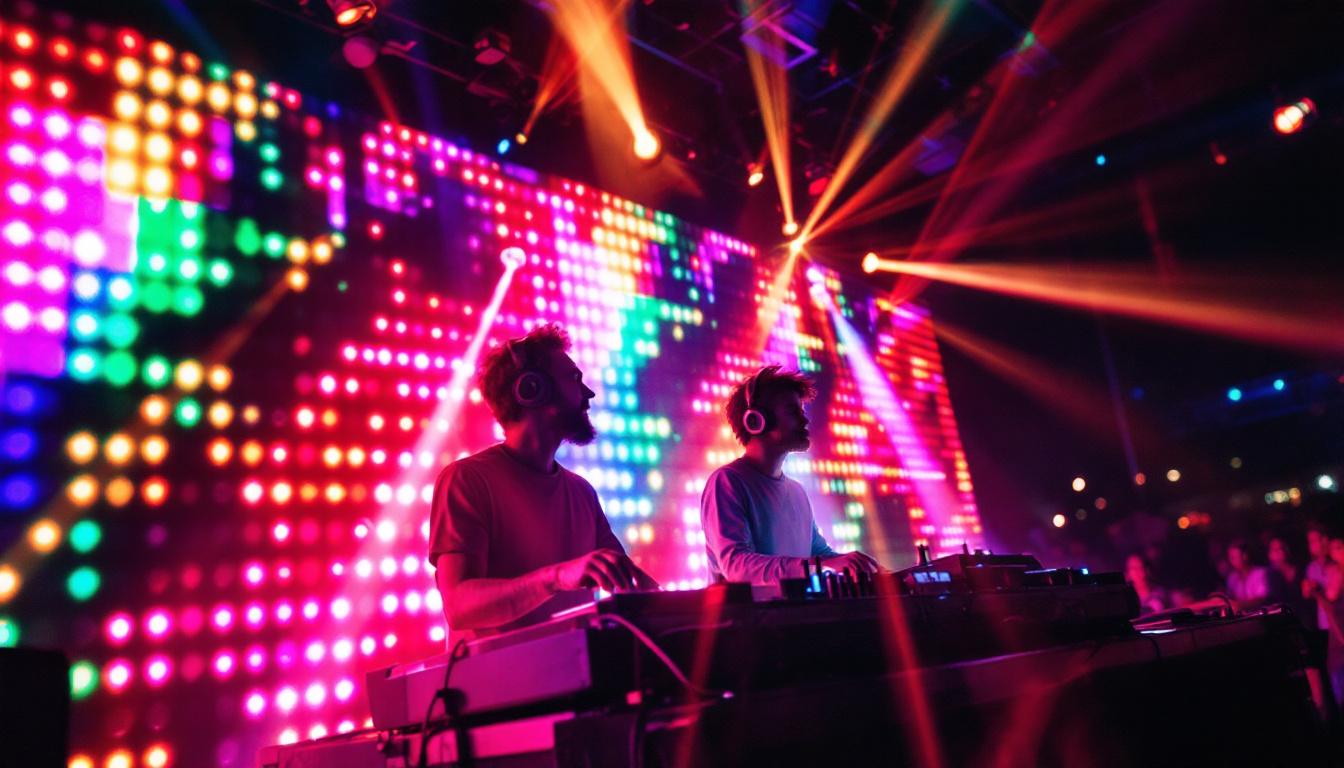
These displays can vary in size from small indoor panels to massive outdoor video walls spanning hundreds of square meters. The modular nature of LED technology allows for custom configurations, making it ideal for diverse applications ranging from advertising billboards to immersive stage backdrops. Furthermore, the durability of LED displays, which can withstand harsh weather conditions, makes them particularly suitable for outdoor settings, where they can deliver high-quality visuals regardless of the time of day or atmospheric conditions.
How LED Displays Work
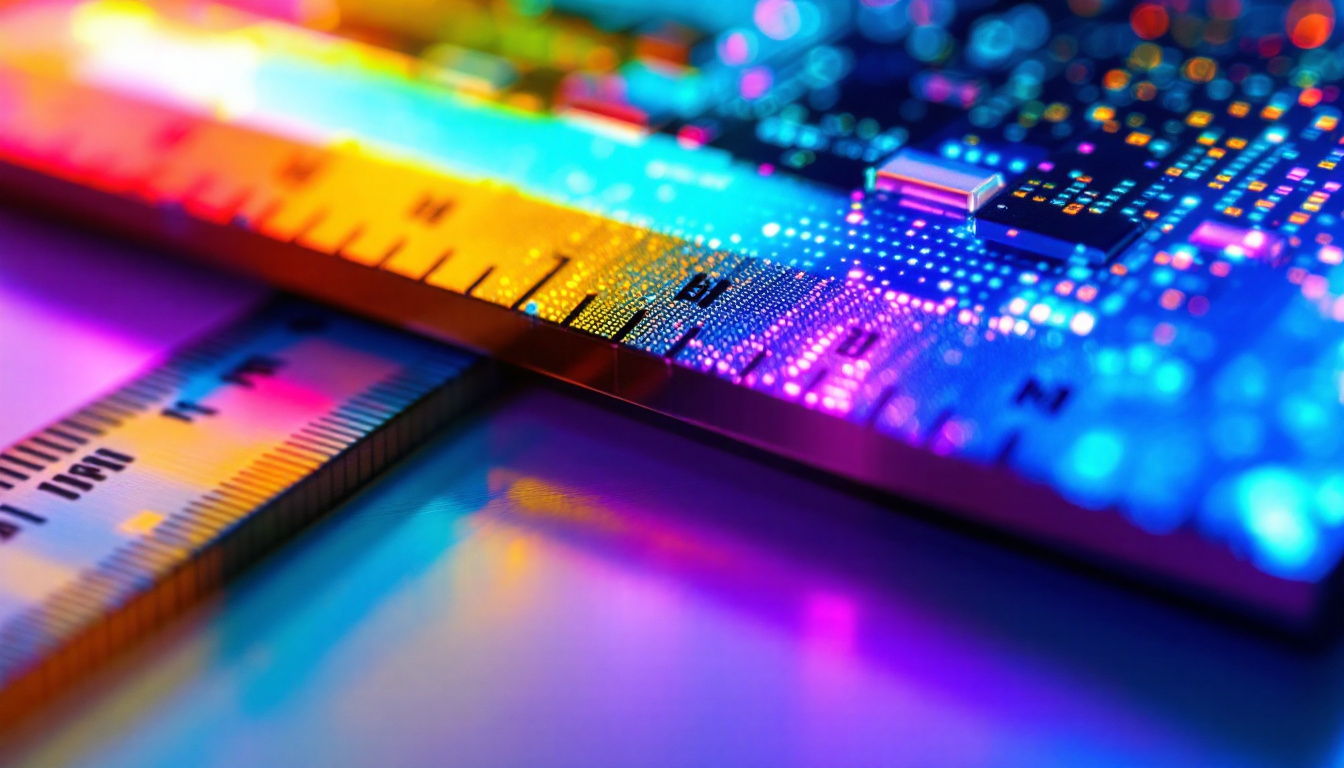
Each pixel in an LED display consists of one or more LEDs, typically red, green, and blue (RGB). By varying the intensity of these three colors, the display can produce a full spectrum of colors. The LEDs are controlled by a driver circuit that receives video signals and translates them into light patterns. This intricate process allows for the display of dynamic content, such as videos and animations, which can capture the attention of viewers and convey messages effectively.
Modern LED displays use surface-mounted device (SMD) technology, where the LEDs are mounted directly onto the circuit board. This allows for higher pixel density and improved image quality, especially for indoor use where viewers are closer to the screen. Additionally, advancements in LED technology have led to the development of features such as HDR (High Dynamic Range) and wide color gamut, which further enhance the viewing experience by providing richer colors and more detailed images. As a result, LED displays are increasingly being adopted in various sectors, including retail, entertainment, and education, where visual impact is paramount.
Key Technical Specifications to Understand
For AV suppliers, grasping the technical specifications of LED displays is critical to selecting the right product for each project. The following are some of the most important factors to consider:
Pixel Pitch
Pixel pitch refers to the distance between the centers of two adjacent pixels, usually measured in millimeters. It is a primary determinant of image resolution and viewing distance. Smaller pixel pitches (e.g., 1.2mm to 2.5mm) are used for indoor displays where viewers are close, delivering crisp, detailed images. Larger pixel pitches (e.g., 6mm to 20mm) are suitable for outdoor applications where the audience is farther away.
Choosing the correct pixel pitch balances image quality with cost, as smaller pitches require more LEDs and higher manufacturing precision, increasing the price.
Brightness and Contrast Ratio
Brightness is measured in nits (candelas per square meter) and indicates how luminous the display is. Outdoor LED displays often exceed 5,000 nits to remain visible under direct sunlight, while indoor displays typically range from 800 to 1,500 nits to avoid eye strain in controlled lighting environments.
Contrast ratio, the difference between the brightest white and the darkest black, impacts image depth and clarity. LED displays generally offer excellent contrast ratios compared to LCDs because LEDs can be turned off completely to produce true blacks.
Refresh Rate and Color Accuracy
The refresh rate, measured in Hertz (Hz), defines how many times per second the image is updated. Higher refresh rates (above 3,000 Hz) reduce flicker, which is especially important for live broadcasts and video recording.
Color accuracy ensures that the displayed images match the intended hues and tones. High-quality LED displays use advanced calibration techniques and color management systems to maintain consistent and vibrant colors.
Types of LED Displays
LED displays come in various forms, each tailored to specific environments and use cases. Understanding these types helps AV suppliers recommend the optimal solution for their clients.
Indoor LED Displays
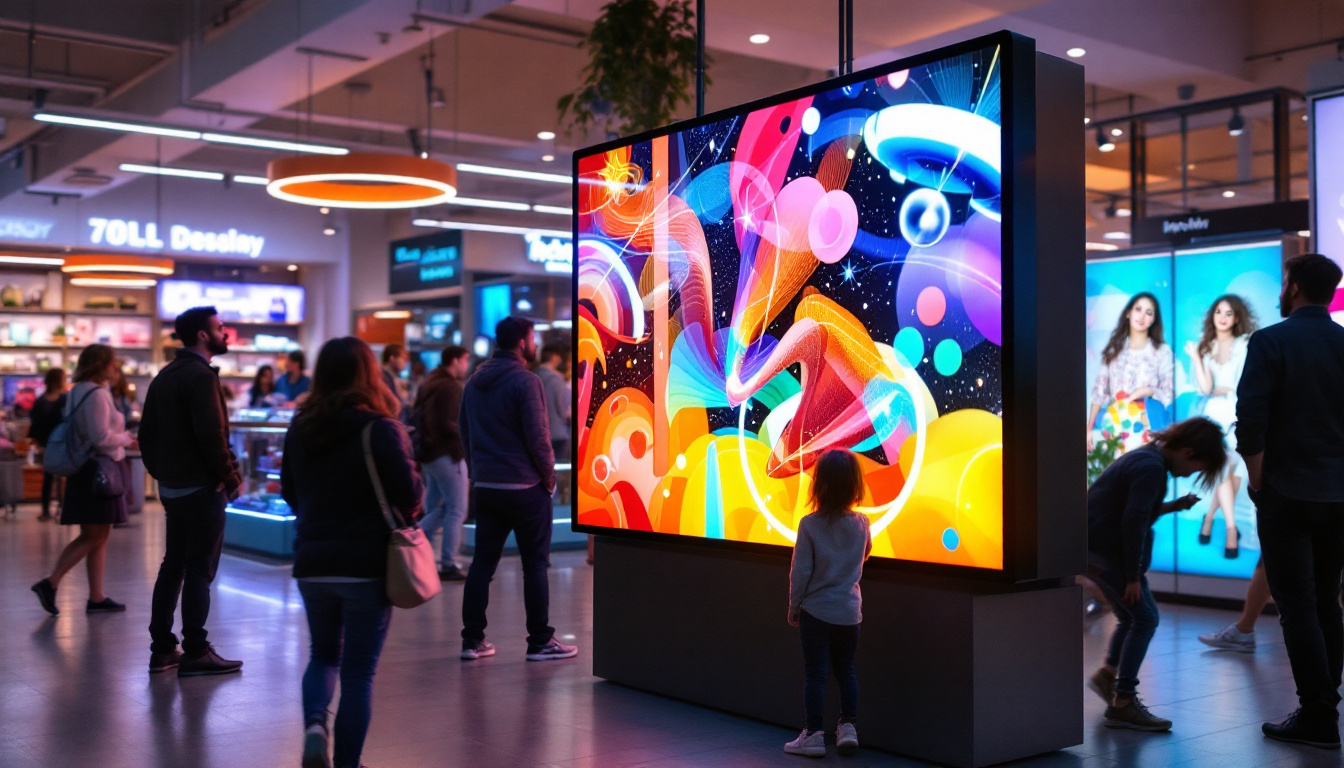
Indoor LED displays are designed for environments with controlled lighting and closer viewing distances. They feature small pixel pitches, high resolution, and often lightweight, slim cabinets for easy installation.
Common applications include conference rooms, retail stores, museums, and broadcast studios. Their ability to deliver sharp, bright images makes them ideal for detailed presentations and interactive displays.
Outdoor LED Displays
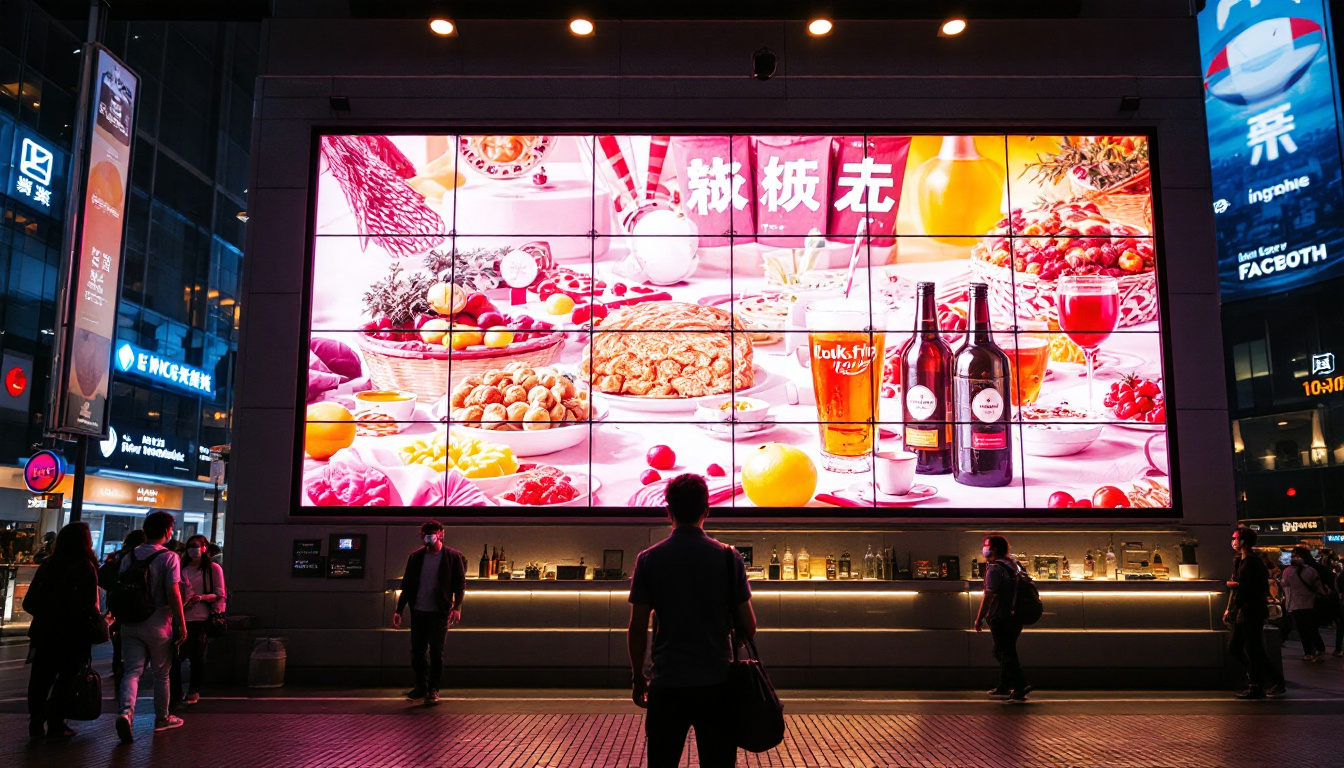
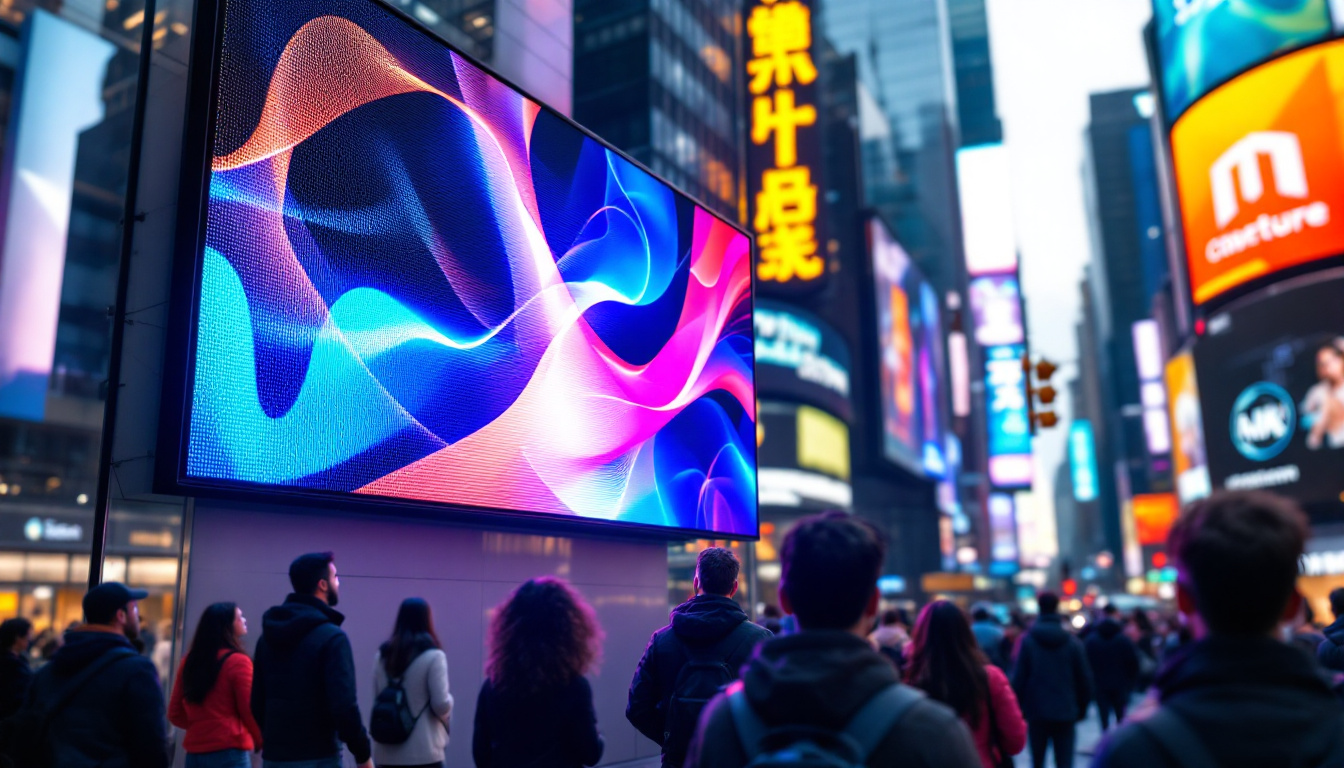
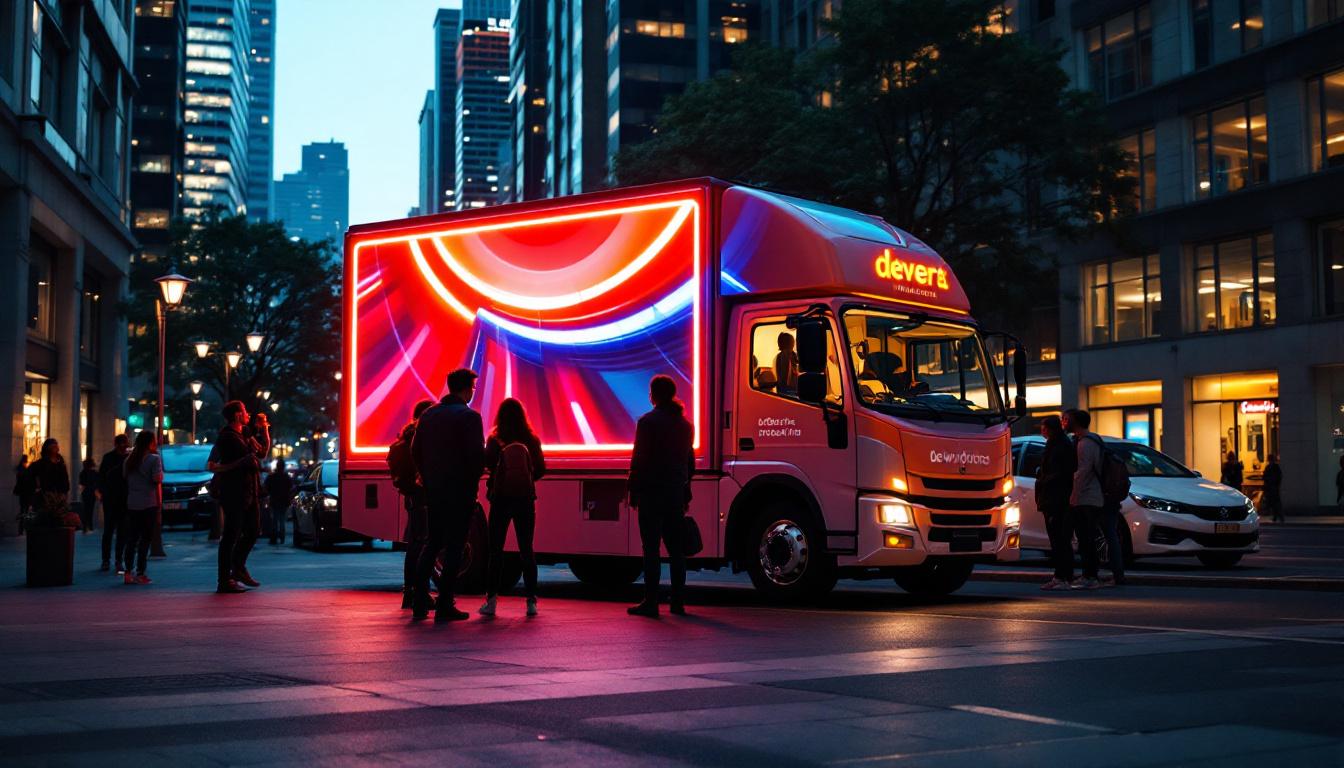
Outdoor LED displays are built to withstand harsh weather conditions such as rain, wind, dust, and extreme temperatures. They have higher brightness levels to combat sunlight glare and are typically housed in rugged, weatherproof enclosures.
These displays are widely used for digital billboards, sports stadiums, transportation hubs, and public information systems. Their durability and visibility are paramount, often requiring IP65 or higher ratings for protection.
Transparent LED Displays
Transparent LED displays are a relatively new innovation that allows light to pass through the screen, making them ideal for glass windows and storefronts. They combine advertising with architectural aesthetics without obstructing natural light or visibility.
Retailers and commercial buildings use transparent LED displays to create eye-catching visuals that engage passersby while maintaining an open, airy feel inside the space.
Flexible and Curved LED Displays
Flexible LED panels can be bent or curved to fit unique architectural features or creative installations. This flexibility opens new possibilities for immersive environments, such as curved video walls, cylindrical displays, or sculptural digital art.
AV suppliers working with event planners, museums, or experiential marketing agencies often specify flexible LED displays to deliver standout visual experiences.
Benefits of LED Displays for AV Suppliers and Clients
LED displays offer a range of advantages that make them a preferred choice for many AV projects. Understanding these benefits helps suppliers articulate value propositions and tailor solutions effectively.
Superior Visual Quality
LED displays provide vibrant colors, deep blacks, and high brightness levels that outperform many other display technologies. This results in eye-catching visuals that capture audience attention and enhance message delivery.
Scalability and Customization
The modular nature of LED panels allows for virtually unlimited screen sizes and shapes. AV suppliers can design custom configurations to fit any space or creative vision, from small indoor signage to massive outdoor video walls.
Energy Efficiency and Longevity
Compared to traditional lighting and projection systems, LED displays consume less power and generate less heat. High-quality LEDs can last upwards of 100,000 hours, reducing maintenance costs and downtime.
Durability and Reliability
LED displays are highly durable, especially those designed for outdoor use. Their solid-state construction makes them resistant to shock and vibration, and weatherproof enclosures protect against environmental damage.
Dynamic Content and Interactivity
LED displays support a wide range of content formats, including video, animations, and live feeds. Many systems integrate with interactive technologies such as touch sensors or motion detectors, enabling engaging user experiences.
Challenges and Considerations When Choosing LED Displays
While LED displays offer many benefits, AV suppliers must also navigate certain challenges to ensure successful deployments.
Initial Cost and Budgeting
High-quality LED displays can represent a significant upfront investment. The cost depends on factors like pixel pitch, screen size, brightness, and additional features. Suppliers should work closely with clients to balance performance requirements with budget constraints.
Installation and Maintenance
Proper installation is critical for optimal performance and longevity. This includes structural support, electrical wiring, and environmental protection. Maintenance plans should be established to address potential issues such as dead pixels or power supply failures.
Content Management
Effective content management systems (CMS) are essential for scheduling, updating, and monitoring display content. AV suppliers should ensure that the chosen LED system integrates seamlessly with user-friendly CMS platforms.
Viewing Environment and Audience
Understanding the viewing distance, ambient lighting, and audience behavior is crucial for selecting the appropriate pixel pitch, brightness, and screen placement. For example, a display intended for a busy highway billboard will have different specifications than one used in a retail window.
Future Trends in LED Display Technology
The LED display industry continues to innovate, driven by advances in materials science, electronics, and software integration. Staying informed about emerging trends allows AV suppliers to offer cutting-edge solutions.
MicroLED and MiniLED
MicroLED technology features even smaller LEDs than traditional SMDs, enabling ultra-high resolution and improved energy efficiency. MiniLEDs serve as backlighting for LCDs but also enhance contrast and brightness. Both technologies promise to push image quality boundaries further.
Higher Refresh Rates and HDR Support
Increasing refresh rates improve motion clarity, which is critical for sports and live events. High Dynamic Range (HDR) support enhances color depth and contrast, delivering more lifelike images.
Integration with IoT and Smart Systems
LED displays are becoming more connected, integrating with Internet of Things (IoT) platforms to enable real-time data display, remote diagnostics, and adaptive content based on environmental sensors.
Eco-Friendly Materials and Manufacturing
As sustainability gains importance, manufacturers are developing LED displays with recyclable materials and energy-saving designs, aligning with corporate social responsibility goals.
Conclusion
For AV suppliers, mastering the nuances of LED display technology is essential to providing clients with tailored, high-performance visual solutions. From understanding pixel pitch and brightness to navigating installation challenges and future trends, a comprehensive grasp of LED displays empowers suppliers to deliver impactful, reliable, and innovative products.
As LED technology continues to advance, its applications will expand, making it an indispensable tool in the AV industry’s arsenal. By staying informed and adaptable, AV suppliers can confidently guide their clients through the complex landscape of LED displays, ensuring successful projects that captivate audiences and drive engagement.
Discover LumenMatrix’s Innovative LED Display Solutions
Ready to elevate your visual displays with cutting-edge technology? Look no further than LumenMatrix, a leader in LED display innovation. Our comprehensive range of products, from Indoor and Outdoor LED Wall Displays to specialized solutions like Vehicle LED Displays, LED Sports Displays, and Custom LED Displays, are designed to make your brand shine. Experience the future of visual communication with our All-in-One and Transparent LED Displays, crafted to captivate your audience and amplify your message. Don’t miss the opportunity to transform your space. Check out LumenMatrix LED Display Solutions today and see the difference for yourself.