Building a wall inside a home is a common renovation project that can dramatically change the functionality and aesthetics of living spaces. Whether it’s to create a new room, add privacy, or enhance interior design, understanding the costs involved is crucial for budgeting and planning. In recent years, integrating technology such as LED displays into walls has become a popular trend, blending construction with cutting-edge digital innovation.
This article delves into the costs associated with building an interior wall in a house, with a special focus on incorporating LED displays. From materials and labor to the technical aspects of LED installation, this comprehensive guide will help homeowners and builders make informed decisions.
Understanding the Basics: Types of Interior Walls
Before exploring costs, it’s important to understand the different types of interior walls and their typical construction methods. The type of wall you choose directly impacts the price and complexity of the project.
Non-Load Bearing Walls
Non-load bearing walls are partitions that do not support the weight of the structure above them. They are primarily used to divide rooms or create privacy. These walls are generally easier and less expensive to build because they don’t require heavy-duty framing or foundation work.
Materials commonly used for non-load bearing walls include drywall (gypsum board), wood or metal studs, and insulation. These walls can also be customized with finishes like paint, wallpaper, or integrated technology such as LED panels. Additionally, non-load bearing walls can be designed to accommodate various aesthetic styles, from sleek modern looks to more traditional finishes, allowing homeowners to express their personal taste while also enhancing the functionality of their space.
Furthermore, non-load bearing walls can also serve as excellent sound barriers, especially when insulated properly. This is particularly beneficial in multi-family homes or shared living spaces where privacy is a concern. The flexibility in design and construction of non-load bearing walls makes them a popular choice for renovations and new builds alike, as they can be easily modified or removed without significant structural implications.
Load-Bearing Walls
Load-bearing walls support the weight of the roof, floors, or other structural elements. Altering or building these walls requires careful planning, permits, and often the involvement of structural engineers. Because of their critical role, load-bearing walls tend to be more expensive to build or modify.
When considering LED displays, load-bearing walls may pose additional challenges due to the need to maintain structural integrity while integrating electrical components. The installation process for such technology must be meticulously planned to ensure that the wall can still perform its primary function without compromising safety. Additionally, load-bearing walls often utilize materials like concrete or masonry, which can provide both durability and sound insulation, making them ideal for areas that require additional strength and noise reduction.
Moreover, the design of load-bearing walls can significantly influence the overall layout of a home. Homeowners may find that the placement of these walls dictates the flow of space, impacting everything from furniture arrangement to natural light distribution. This necessity for careful consideration often leads to innovative architectural solutions, such as open floor plans that creatively incorporate load-bearing elements while maximizing usable space. In this way, load-bearing walls not only serve a functional purpose but can also become a defining feature of a home’s design aesthetic.
Cost Breakdown: Building a Wall in a House
The cost of building an interior wall varies widely depending on factors such as wall type, materials, labor, location, and any additional features like LED displays. Below is a detailed breakdown of typical costs involved.
Materials
The primary materials for a standard interior wall include framing (wood or metal studs), drywall, insulation, joint compound, screws, and paint or finish. Here’s a rough estimate of material costs for a 10-foot by 8-foot wall:
- Wood or Metal Studs: $50 – $150
- Drywall Sheets: $30 – $60
- Insulation: $20 – $50
- Joint Compound and Tape: $10 – $25
- Paint or Finish: $20 – $50
Overall, materials typically range from $130 to $335 for a standard wall, but prices can fluctuate based on quality and regional availability.
Labor
Labor costs depend on the complexity of the job, local labor rates, and whether additional services like electrical work or finishing are required. On average, labor for building a non-load bearing interior wall can range from $300 to $800.
For load-bearing walls, labor costs may be higher due to the need for structural assessments and reinforcement, potentially adding $500 to $1,500 or more to the project.
Permits and Inspections
Many municipalities require permits for building or altering walls, especially load-bearing ones. Permit fees vary but generally range from $50 to $300. Inspections may also add to the overall cost but are essential for safety and compliance.
Incorporating LED Displays into Walls: What You Need to Know
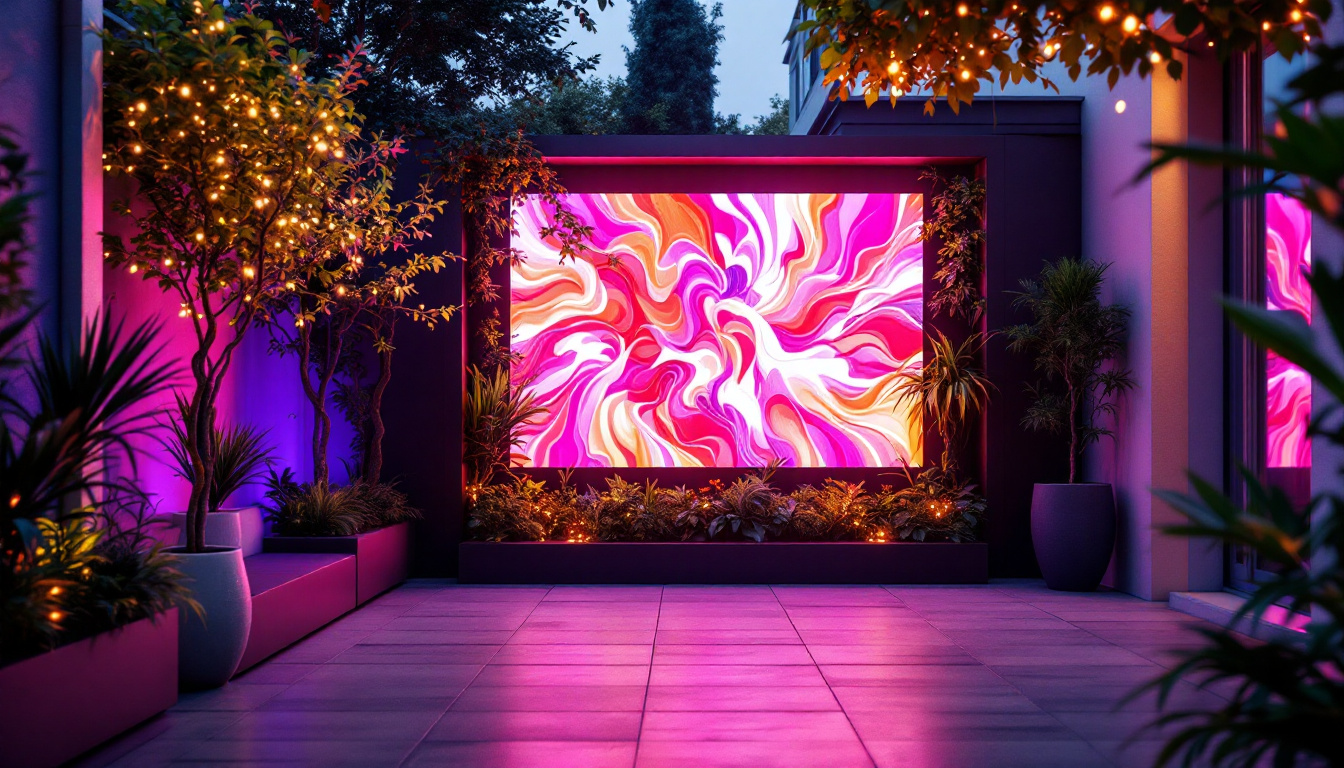
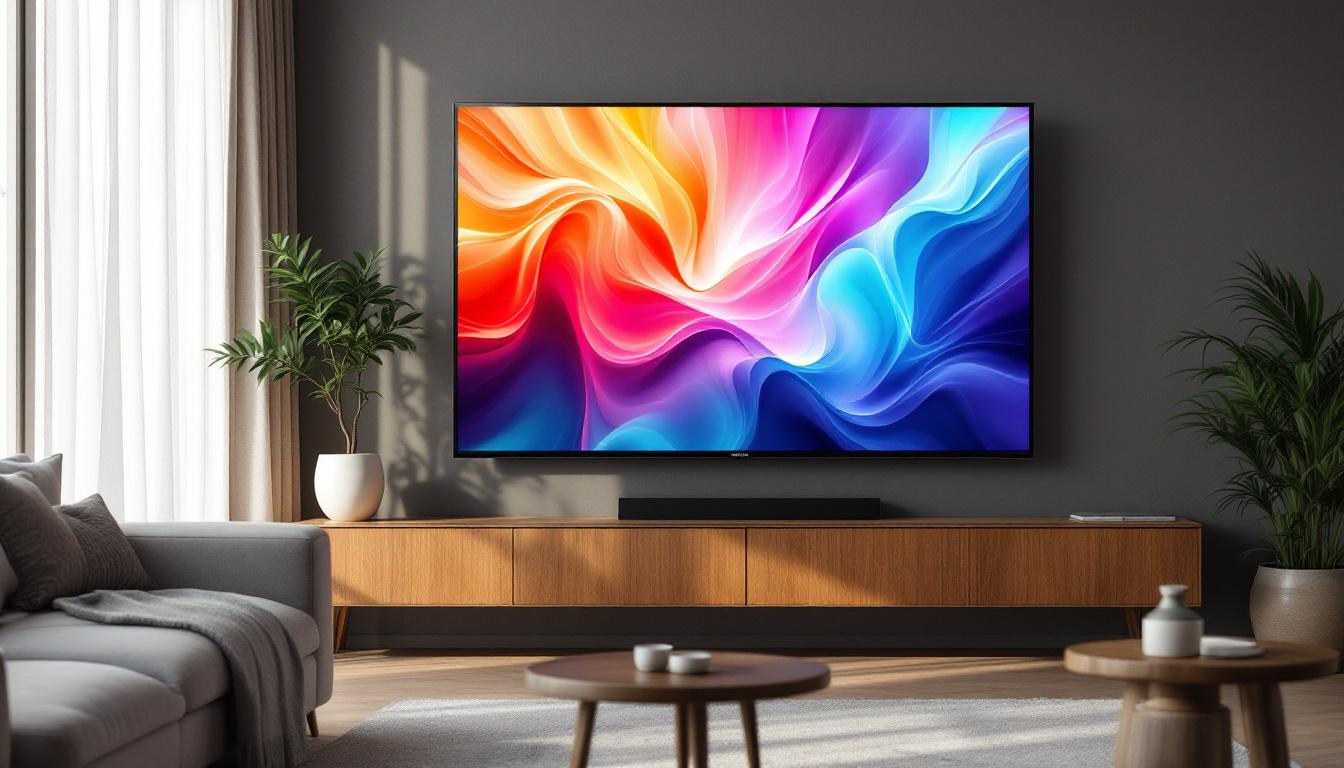
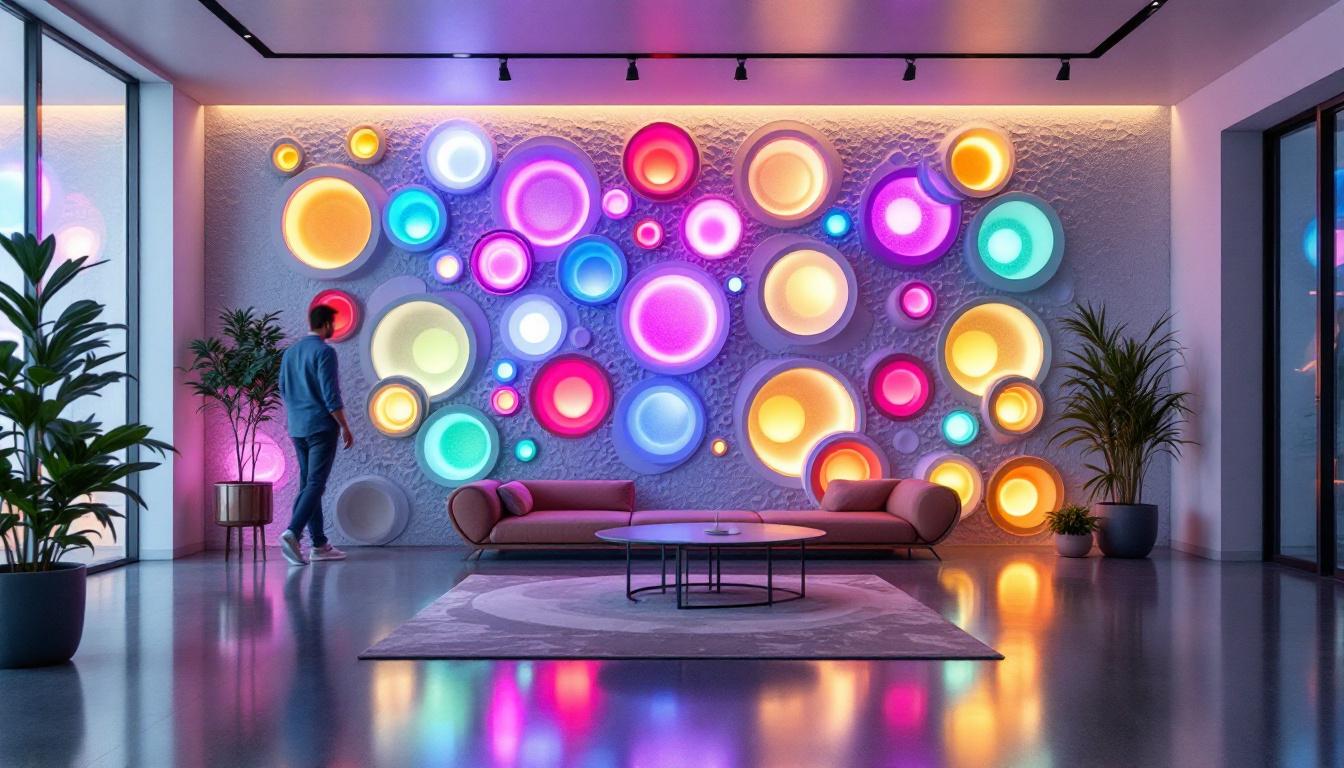
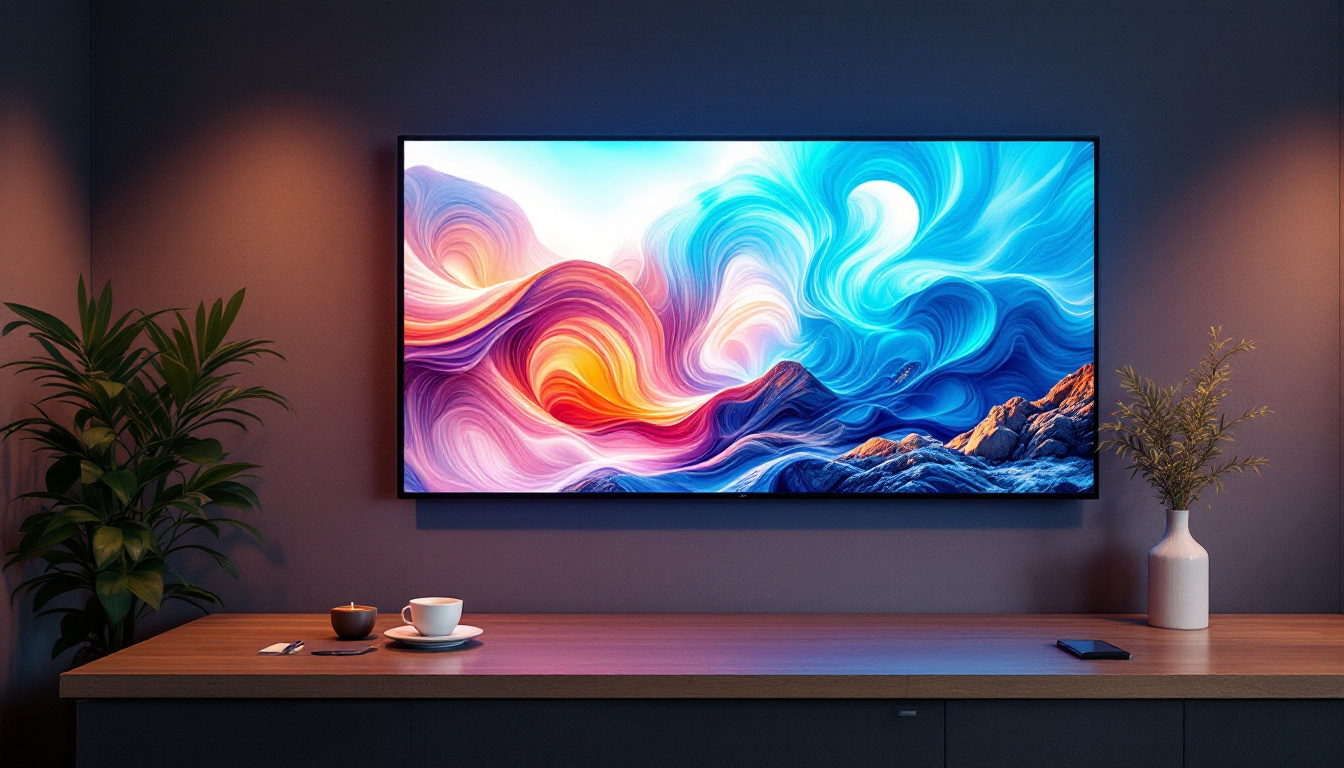
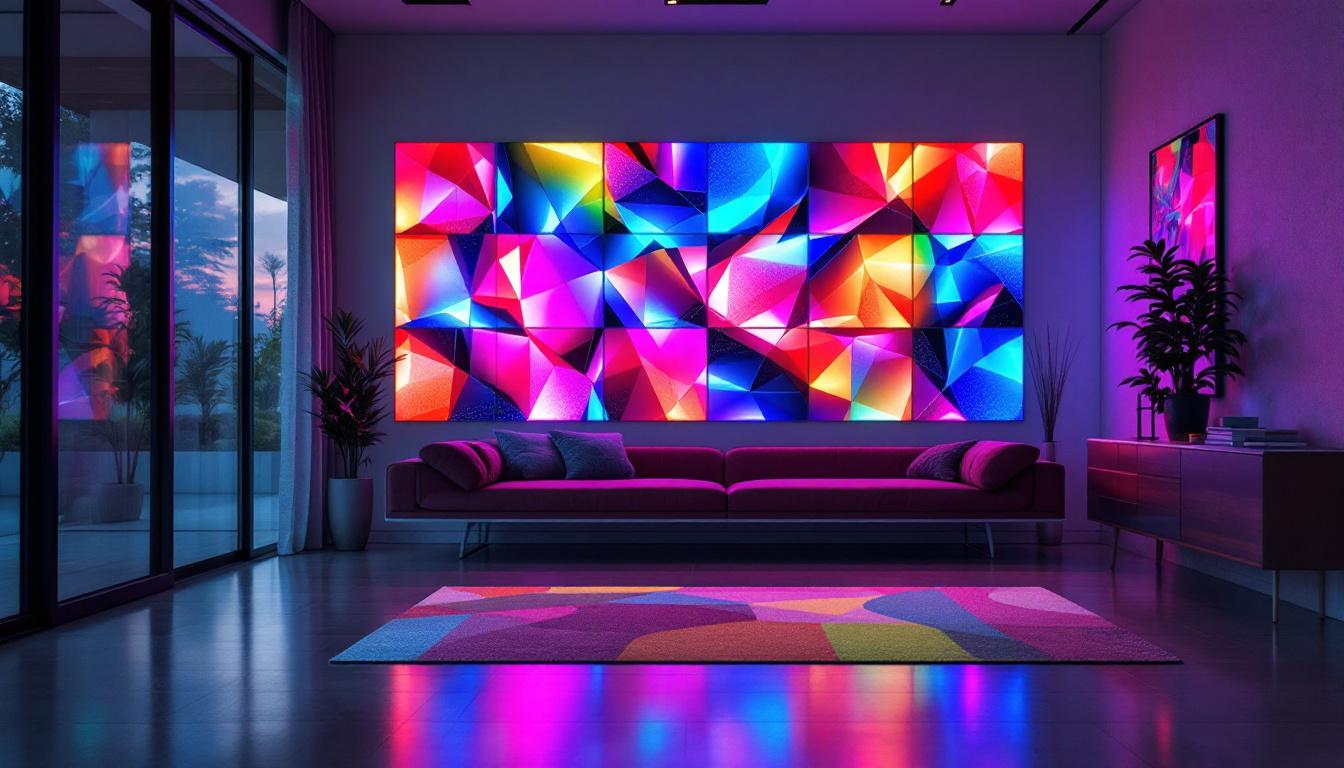
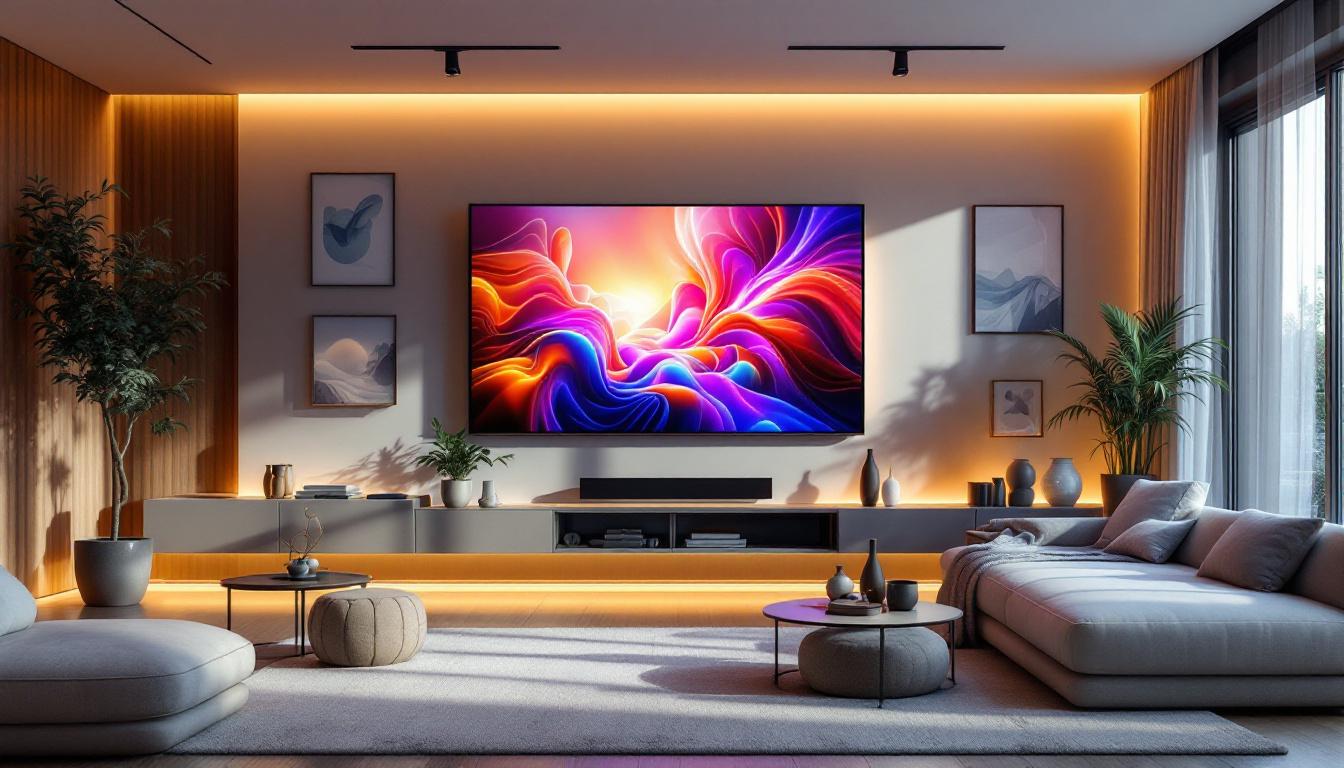
Integrating LED displays into interior walls is an innovative way to enhance home environments with dynamic lighting, digital art, or functional information displays. However, this technology adds layers of complexity and cost to a standard wall build.
Types of LED Displays for Interior Walls
LED displays come in various forms suitable for residential use:
- LED Panels: Thin, flat panels that can be mounted flush with the wall surface.
- LED Strips: Flexible strips used for accent lighting or creating patterns within wall recesses.
- Transparent LED Screens: High-tech options that allow light and images to pass through, ideal for decorative partitions.
Choosing the right type depends on the intended use, design preferences, and budget.
Additional Costs Associated with LED Integration
Adding LED displays to a wall involves several extra expenses beyond traditional construction:
- LED Hardware: High-quality LED panels or strips can cost anywhere from $100 to over $1,000 depending on size and resolution.
- Electrical Work: Professional installation is necessary for wiring, power supply, and control systems, often costing $200 to $600 or more.
- Control Systems: Smart home integration or remote controls may require additional devices and setup fees.
- Structural Modifications: Walls may need reinforcement or custom framing to accommodate LED components safely.
Altogether, LED integration can add $500 to several thousand dollars to the overall project cost.
Step-by-Step Process of Building a Wall with LED Display
Understanding the workflow helps anticipate costs and timelines. Here’s a typical sequence for constructing a wall equipped with an LED display:
1. Planning and Design
Define the purpose of the wall and LED display. This includes deciding on wall placement, dimensions, LED type, and control features. Collaboration with architects, designers, and electricians is recommended at this stage.
2. Obtaining Permits
Submit plans to local authorities to secure necessary permits. This step ensures compliance with building codes and electrical regulations.
3. Framing the Wall
Construct the wall frame using wood or metal studs. If the wall is load-bearing, additional reinforcements or beams may be installed.
4. Installing Electrical Infrastructure
Run wiring and install power supplies required for the LED display. This step must be performed by licensed electricians to guarantee safety and code compliance.
5. Mounting the LED Display
Attach the LED panels or strips securely within or on the wall surface. Ensure proper ventilation and access for maintenance.
6. Drywall and Finishing
Install drywall around the LED components, applying joint compound, sanding, and painting as needed. Special cutouts or transparent materials may be used to showcase the display.
7. Testing and Calibration
Power on the LED display and test its functionality. Calibrate colors, brightness, and control settings to achieve the desired effect.
Benefits of Adding LED Displays to Interior Walls
While the upfront cost is higher, integrating LED technology into walls offers several advantages that can enhance home value and lifestyle.
Enhanced Aesthetics and Ambiance
LED displays can transform a plain wall into a dynamic art piece or mood lighting source. Homeowners can customize colors, patterns, and animations to suit occasions or personal tastes.
Functional Information Display
LED walls can serve practical purposes such as displaying calendars, weather updates, news feeds, or smart home controls, making living spaces more interactive and efficient.
Energy Efficiency
Modern LED technology is energy-efficient compared to traditional lighting, reducing electricity consumption while providing vibrant illumination.
Factors Influencing the Final Cost
Several variables can affect the total cost of building a wall with an LED display:
- Wall Size and Complexity: Larger or irregularly shaped walls require more materials and labor.
- Type and Quality of LED Display: Higher resolution and advanced features increase price.
- Labor Rates: Geographic location and contractor experience impact hourly rates.
- Integration with Smart Home Systems: Additional programming and devices add to costs.
- Structural Requirements: Load-bearing walls or walls needing reinforcement will be pricier.
Real-World Examples and Cost Estimates
To provide a clearer picture, here are some example scenarios illustrating potential costs:
Example 1: Basic Non-Load Bearing Wall with LED Accent Lighting
A homeowner wants to build a 10-foot by 8-foot partition wall with LED strip lighting recessed into a cove along the ceiling edge.
- Materials: $250
- Labor: $500
- LED Strips and Power Supply: $150
- Electrical Installation: $300
- Total Estimated Cost: $1,200
Example 2: Load-Bearing Wall with Integrated LED Display Panel
For a more ambitious project, a 12-foot by 9-foot load-bearing wall with a flush-mounted high-resolution LED panel for digital art display is planned.
- Materials and Structural Reinforcement: $800
- Labor: $1,200
- LED Panel (custom size): $3,000
- Electrical and Smart Home Integration: $1,000
- Permits and Inspection: $200
- Total Estimated Cost: $6,200
Tips for Managing Costs and Ensuring Quality
To get the best value and avoid surprises, consider the following advice:
- Obtain Multiple Quotes: Compare bids from several contractors and electricians.
- Choose Quality Materials: Investing in durable materials and reputable LED products reduces maintenance costs.
- Plan Thoroughly: Detailed planning minimizes changes during construction, which can be costly.
- Work with Experienced Professionals: Skilled builders and electricians ensure safety and proper installation.
- Consider Future Needs: Design wiring and infrastructure to accommodate upgrades or expansions.
Conclusion
Building an interior wall in a house is a significant project that requires careful budgeting and planning. When combined with the integration of LED displays, the complexity and cost increase but so do the potential benefits in terms of aesthetics, functionality, and home value.
Understanding the types of walls, material and labor costs, and the technical requirements of LED technology is essential for homeowners and builders alike. By considering all factors and working with qualified professionals, it is possible to create stunning, innovative interior walls that enhance living spaces for years to come.
Explore Cutting-Edge LED Display Solutions with LumenMatrix
Ready to elevate your home with the latest in LED display technology? LumenMatrix offers a diverse range of innovative LED display solutions tailored to your needs. From Indoor LED Wall Displays that transform your living space to Custom LED Displays that make a statement, we have the expertise to bring your vision to life. Enhance your home’s aesthetics and functionality with our state-of-the-art LED displays. Check out LumenMatrix LED Display Solutions today and start your journey towards a more dynamic and engaging environment.