In recent years, the entertainment and media industries have witnessed a transformative shift in how visual content is created and captured. Virtual production, a cutting-edge technique that blends physical and digital filmmaking elements, has emerged as a game-changer. Central to this revolution is the use of LED displays, which provide immersive, dynamic backgrounds and environments that replace traditional green screens. This article delves into the world of virtual production services, focusing on LED display technology—how it works, why it matters, and what it means for the future of content creation.
Understanding Virtual Production and Its Evolution
Virtual production is a filmmaking method that integrates real-time computer graphics with live-action footage. Unlike conventional post-production workflows where visual effects are added after filming, virtual production allows filmmakers to see and interact with digital environments during shooting. This approach enhances creativity, reduces costs, and accelerates timelines.
The evolution of virtual production is closely tied to advances in LED display technology. Early virtual sets relied heavily on green screens, which required extensive post-production compositing. However, green screens have limitations, such as lighting inconsistencies, reflections, and actor immersion challenges. LED displays address many of these issues by providing vibrant, high-resolution backgrounds that respond dynamically to camera movements.
The Role of Real-Time Rendering Engines
At the heart of virtual production is real-time rendering software like Unreal Engine or Unity. These engines generate photorealistic 3D environments that can be displayed on LED walls. The content on the LED screens adjusts in real time based on camera position and lens settings, a process known as “camera tracking.” This synchronization ensures that perspective and parallax shift naturally, creating a convincing illusion of depth and space.
Moreover, the integration of real-time rendering engines has opened up new avenues for creative storytelling. Filmmakers can now experiment with lighting, textures, and even weather conditions on the fly, allowing for a more dynamic and responsive shooting environment. This flexibility not only enhances the visual quality of the production but also empowers directors and cinematographers to make on-the-spot decisions that can significantly alter the narrative’s tone or mood. As a result, the collaborative process between departments—such as art, cinematography, and visual effects—becomes more fluid, fostering a creative synergy that was previously difficult to achieve.
In addition to improving the filmmaking process, virtual production has also democratized access to high-quality visual effects. Independent filmmakers and smaller production companies can now utilize these advanced technologies without the need for extensive budgets typically associated with traditional visual effects. This shift is enabling a new wave of innovative storytelling, where unique and imaginative concepts can be brought to life without the constraints of expensive post-production work. As the technology continues to evolve, we can expect to see even more groundbreaking applications of virtual production across various genres and formats, from feature films to television series and even live events.
What Are LED Displays in Virtual Production?
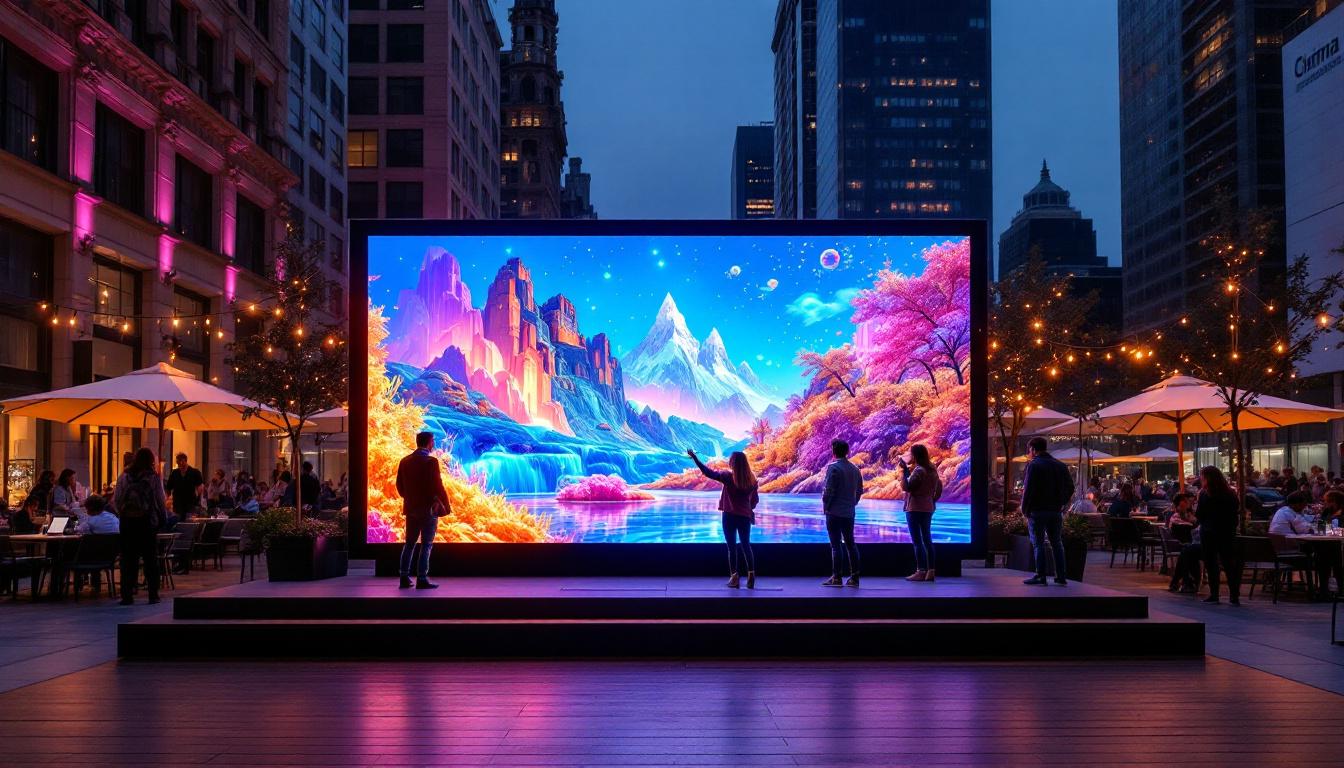
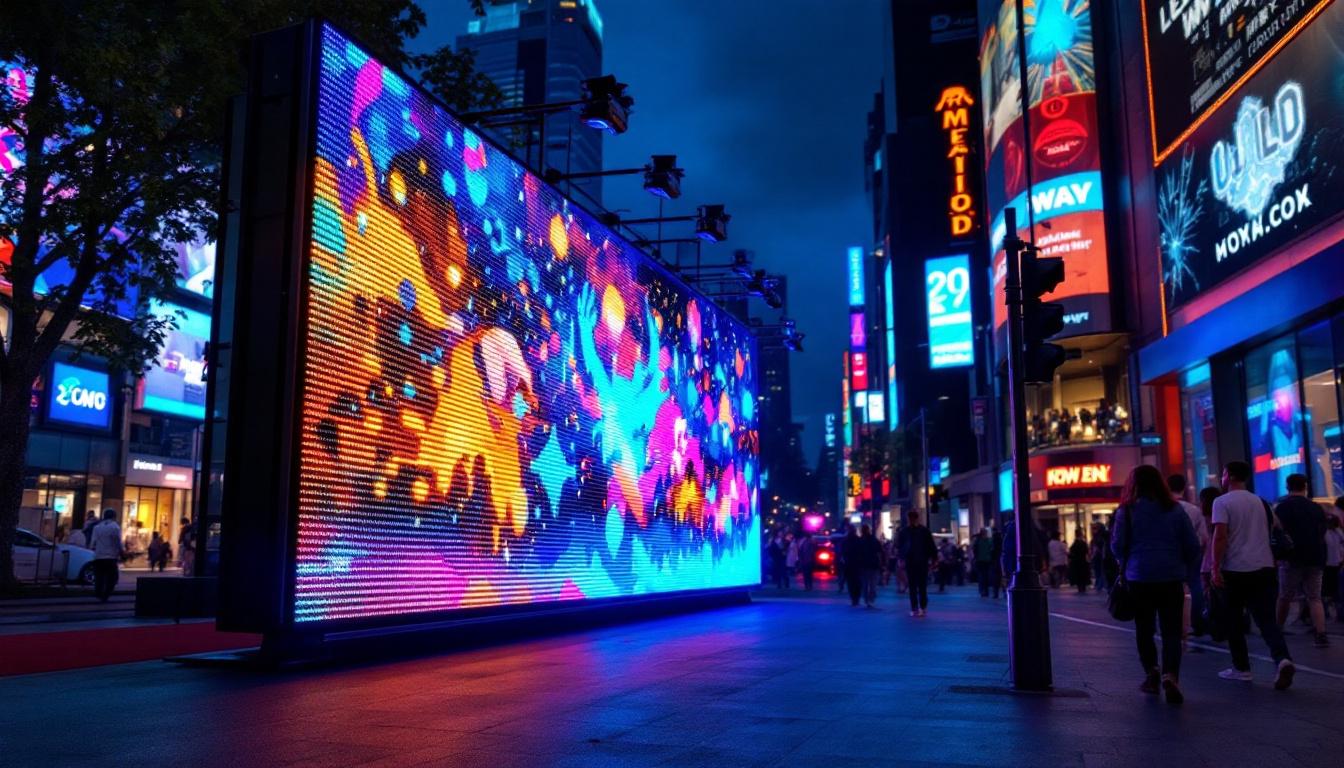
LED displays used in virtual production are large-scale video walls composed of numerous light-emitting diode panels. These panels are modular, allowing for flexible configuration to fit various set sizes and shapes. Unlike traditional projection systems, LED walls emit their own light, offering superior brightness and color accuracy.
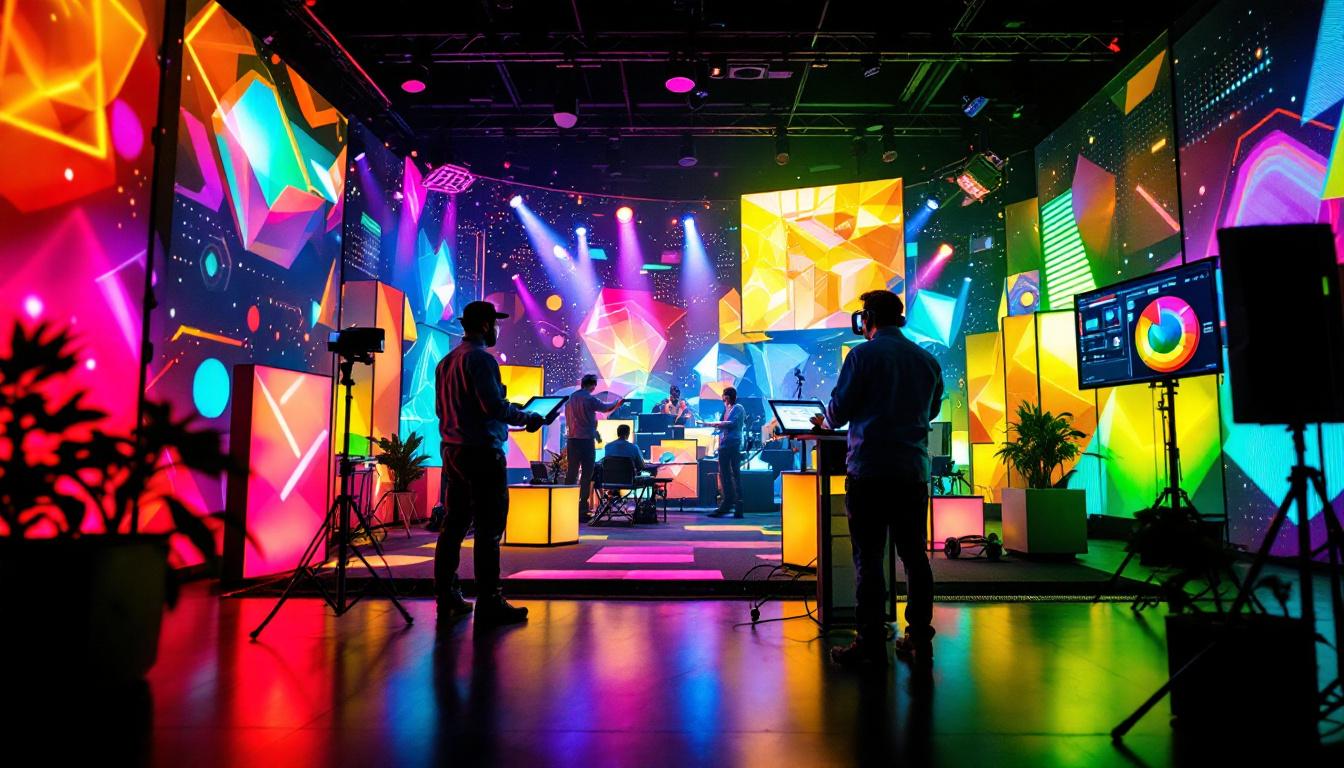
Typically, these LED walls are arranged in a semicircular or fully enclosed stage environment, often referred to as a “volume.” Actors perform in front of these screens, which display the virtual environment, effectively immersing talent and crew in the scene. This immersive setup not only enhances the performance of the actors but also allows for real-time adjustments to the backgrounds, enabling directors to experiment with different visuals without the need for extensive reshoots.
Technical Specifications and Capabilities
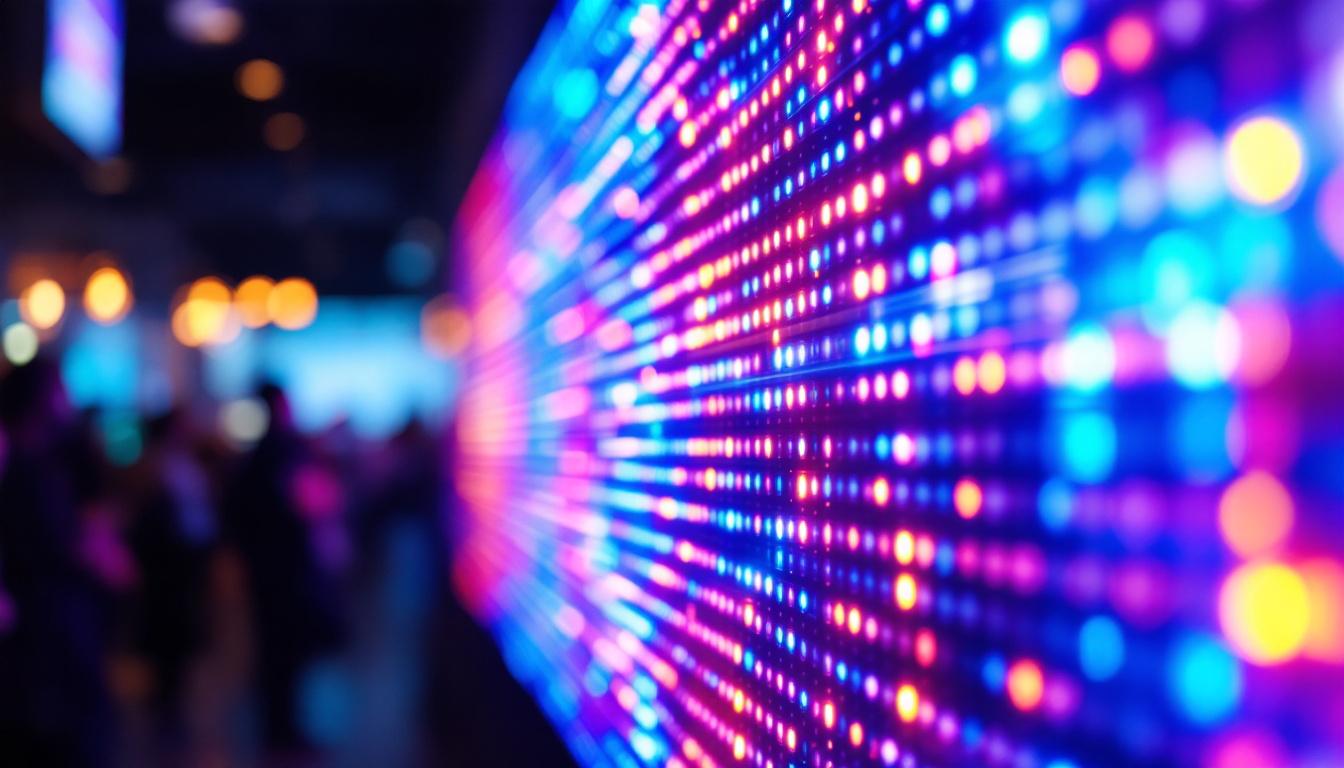
Modern LED displays boast pixel pitches as fine as 1.2mm, enabling razor-sharp images even at close distances. High refresh rates (120Hz or higher) minimize flicker and motion blur, which is crucial when filming at various frame rates. Additionally, the color gamut and contrast ratios of LED panels have improved significantly, allowing for vivid, lifelike visuals that match or exceed traditional on-location shooting.
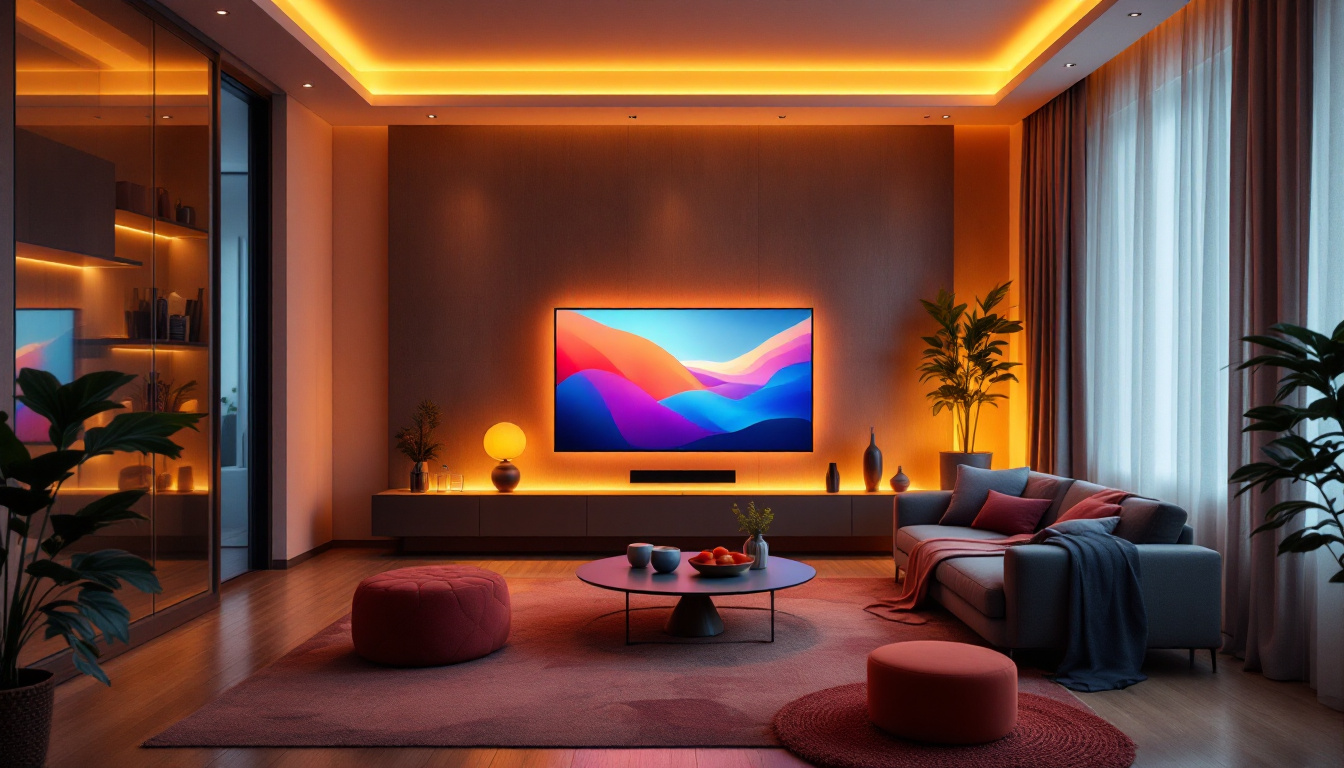
Another critical feature is the ability of LED walls to produce accurate lighting on subjects. Because the screens emit light consistent with the displayed environment, actors and physical props receive natural reflections and color casts, enhancing realism and reducing the need for extensive lighting setups. This capability is particularly beneficial in scenes that require dynamic lighting changes, as the LED displays can adapt in real-time to match the mood and tone of the narrative. Furthermore, the integration of advanced software allows for seamless blending of live-action and digital elements, creating a cohesive visual experience that captivates audiences.
In addition to their technical advantages, LED displays in virtual production also promote greater efficiency in the filmmaking process. With the ability to create complex backgrounds and environments digitally, filmmakers can significantly reduce the time and resources typically required for location scouting and set construction. This not only streamlines production schedules but also opens up creative possibilities, allowing filmmakers to explore imaginative worlds that may be logistically impossible to recreate in real life. As technology continues to evolve, the potential applications of LED displays in virtual production are expanding, paving the way for innovative storytelling techniques that push the boundaries of visual media.
Advantages of Using LED Displays in Virtual Production
The integration of LED displays into virtual production workflows offers numerous benefits over traditional methods. These advantages impact every stage of the production process, from pre-production planning to post-production finishing.
Enhanced Creative Control and Flexibility
One of the most significant benefits is the ability to visualize and modify digital environments in real time. Directors and cinematographers can experiment with lighting, backgrounds, and camera angles on set, enabling immediate creative decisions without waiting for post-production renders.
This flexibility also extends to location simulation. Instead of traveling to remote or costly locations, productions can recreate complex settings within a controlled studio environment. This not only saves time and money but also mitigates risks related to weather, permits, and logistics.
Improved Actor Performance and Engagement
Actors often find it challenging to perform convincingly against green screens, as they must imagine their surroundings. LED displays provide immersive backdrops that help actors engage more naturally with the scene, improving performance authenticity. The dynamic lighting from the screens also ensures that actors are lit consistently with the environment, enhancing visual coherence.
Cost and Time Efficiency
Virtual production with LED walls can significantly reduce post-production costs and timelines. Since many visual effects are captured in-camera, the need for extensive compositing and corrections is minimized. This efficiency is particularly valuable for high-budget productions where time is money.
Moreover, the ability to shoot multiple scenes or angles within the same physical space reduces the need for set builds and location changes, further optimizing budgets.
Challenges and Considerations in LED Virtual Production
Despite its many benefits, LED virtual production presents unique challenges that require careful planning and expertise.
Technical Complexity and Setup Costs
Installing and calibrating large LED volumes demands significant upfront investment. The panels, control systems, and tracking hardware are expensive, and the setup process involves precise alignment and color calibration to ensure seamless visuals. Additionally, integrating real-time rendering engines with camera tracking systems requires specialized technical knowledge.
Content Creation and Asset Management
Creating high-quality 3D environments suitable for LED display is resource-intensive. Digital assets must be optimized for real-time rendering without sacrificing detail or realism. This often involves collaboration between VFX artists, game engine developers, and production teams to achieve the desired look and performance.
Lighting and Exposure Challenges
While LED walls provide natural lighting for subjects, balancing exposure between the LED background and physical elements can be tricky. Overexposure of the screens or underexposure of actors can compromise image quality. Skilled lighting technicians and camera operators must work closely to achieve the optimal balance.
Real-World Applications and Case Studies
Virtual production with LED displays has been adopted across various sectors, from blockbuster films to television series and commercials.
Blockbuster Films
One of the most notable examples is the production of the Disney+ series The Mandalorian. Utilizing a massive LED volume known as “The Volume,” the production team was able to create expansive alien landscapes and dynamic environments in real time. This approach allowed for greater creative freedom and reduced reliance on location shoots, setting a new industry standard.
Television and Commercials
Television productions have also embraced LED virtual production to enhance visual storytelling. For instance, live broadcasts and commercials benefit from the ability to quickly change backgrounds and effects without physical set changes. This adaptability improves production speed and viewer engagement.
Corporate and Event Productions
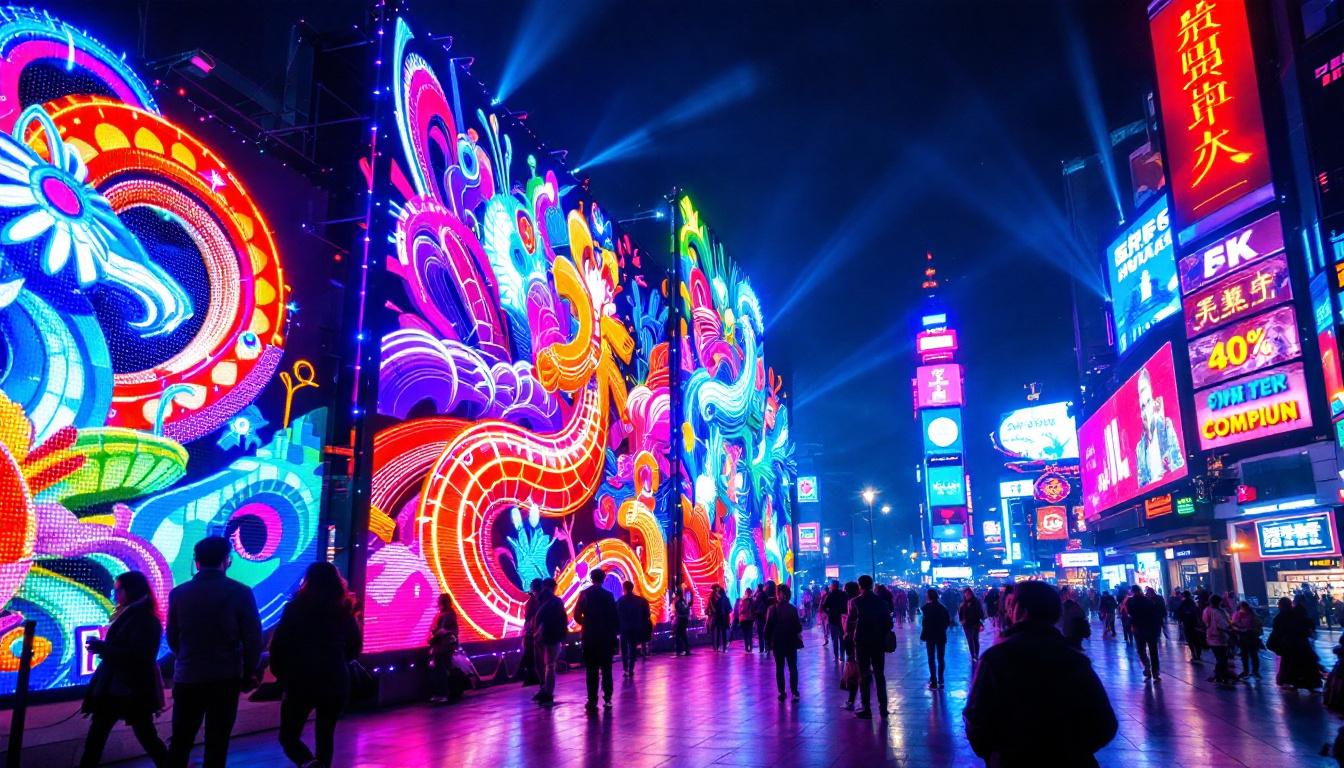
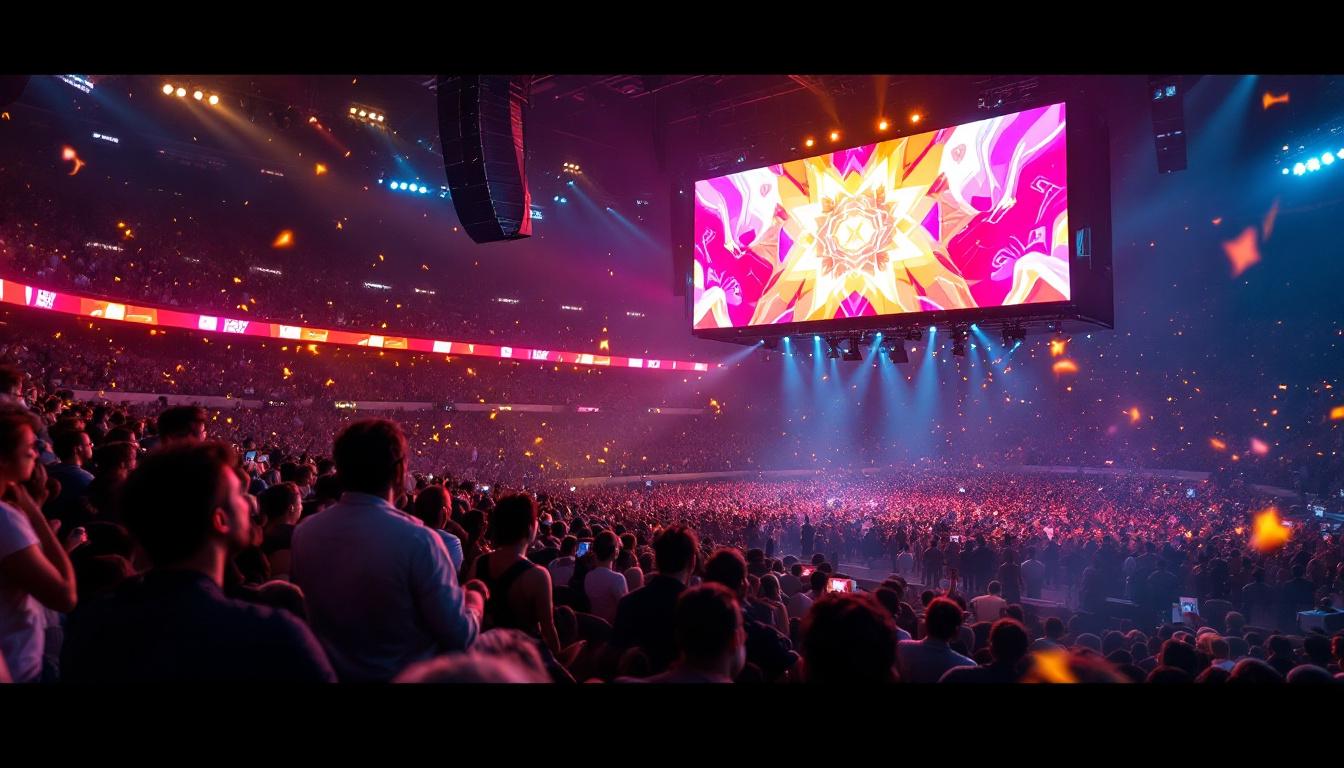
Beyond entertainment, virtual production services using LED displays are increasingly popular in corporate events, product launches, and experiential marketing. These applications leverage immersive visuals to captivate audiences and create memorable experiences.
The Future of LED Displays in Virtual Production
As technology continues to advance, the role of LED displays in virtual production is poised to expand further. Innovations in microLED technology promise even higher resolution and brightness with lower power consumption. Additionally, improvements in AI-driven content generation and camera tracking will streamline workflows and reduce technical barriers.
Hybrid production models that combine LED volumes with augmented reality (AR) and mixed reality (MR) elements are also on the horizon, offering unprecedented creative possibilities. These developments will democratize virtual production, making it accessible to smaller studios and independent creators.
Environmental Impact and Sustainability
Virtual production with LED displays can contribute to more sustainable filmmaking by reducing the need for physical travel and large-scale set construction. This shift aligns with the industry’s growing commitment to environmental responsibility and carbon footprint reduction.
Conclusion
LED display technology has revolutionized virtual production by enabling filmmakers to create immersive, photorealistic environments in real time. This innovation enhances creative control, improves actor engagement, and offers significant cost and time savings. While challenges remain in terms of technical complexity and content creation, the benefits far outweigh the hurdles.
As LED technology evolves and becomes more accessible, virtual production will continue to reshape the landscape of visual storytelling across film, television, advertising, and beyond. Understanding the capabilities and considerations of LED displays is essential for industry professionals aiming to harness the full potential of this transformative approach.
Explore the Future of Visual Storytelling with LumenMatrix
Ready to take your productions to the next level with cutting-edge LED display technology? LumenMatrix is at the forefront of innovation, offering a wide array of LED display solutions that bring your creative visions to life. From Indoor and Outdoor LED Wall Displays to specialized options like Vehicle, Sports, and Floor LED Displays, our products are designed to captivate your audience and amplify your message. Whether you’re looking to create immersive virtual environments or enhance brand visibility, our Custom, All-in-One, and Transparent LED Displays are tailored to meet your needs. Experience the revolution in visual communication and Check out LumenMatrix LED Display Solutions today to empower your business with unparalleled impact and clarity.