The rapid advancement of display technologies has brought about a variety of challenges and innovations in the way cameras capture images from screens. Among these, the phenomenon of moiré patterns when photographing LED displays has become a significant topic of discussion in both consumer electronics and professional imaging fields. Understanding the interaction between cameras and LED displays is crucial for photographers, videographers, display manufacturers, and even everyday users who want the best possible image quality.
What is a Moiré Pattern?
Moiré patterns are interference patterns that occur when two repetitive grids or patterns overlap, creating a new pattern that appears to ripple or wave. These patterns are not present in the original objects but emerge due to the interaction of the two patterns, often causing visual distortions. The term “moiré” is derived from the French word for “watered,” which reflects the fluid, wavy appearance of these patterns. They can be seen in various contexts, from textiles to digital imaging, and even in nature, where overlapping textures can create similar effects.
In the context of digital imaging, moiré arises when the pixel grid of a camera sensor interacts with the pixel or subpixel structure of a display screen. The result is often a distracting, wavy pattern that can degrade the quality of the captured image or video. This phenomenon is particularly problematic in high-resolution photography or videography, where detail is paramount. Photographers and videographers must be mindful of moiré effects, as they can detract from the overall aesthetic and clarity of their work.
How Moiré Patterns Occur in LED Displays
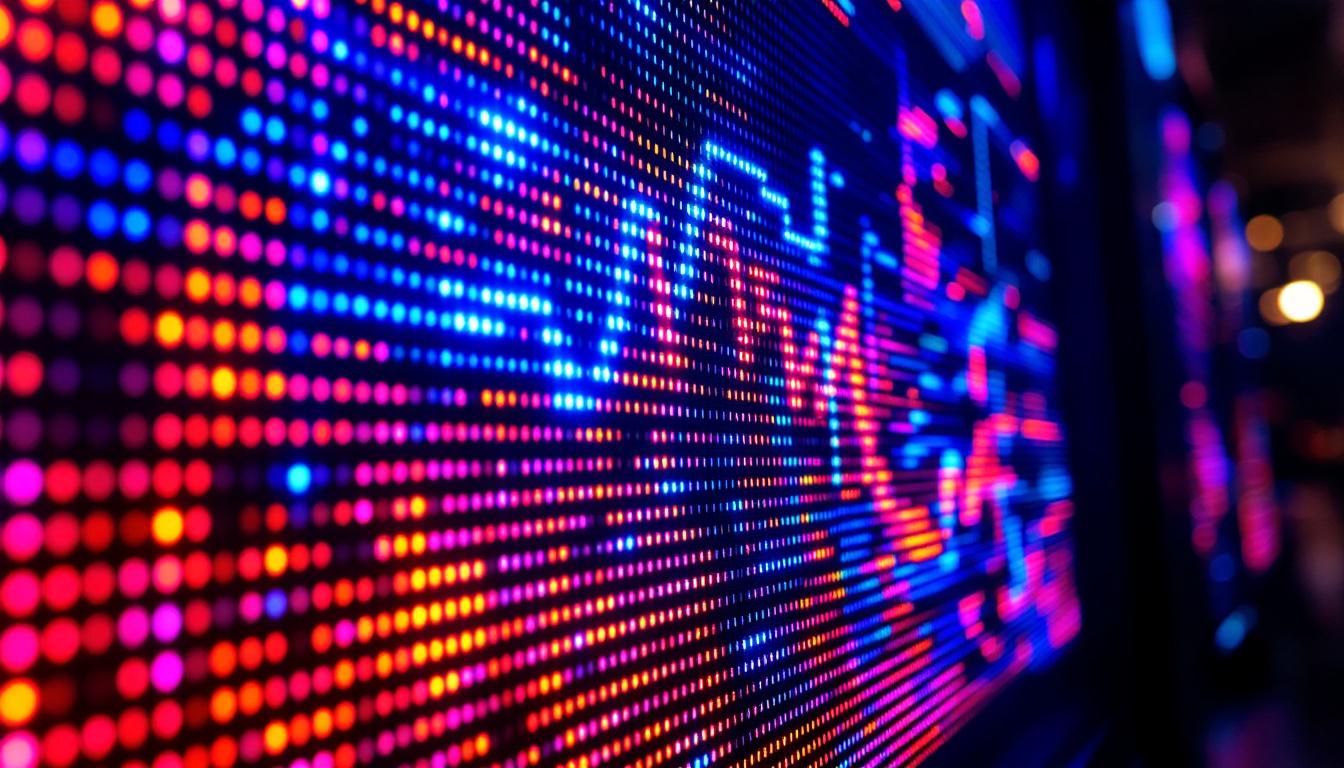
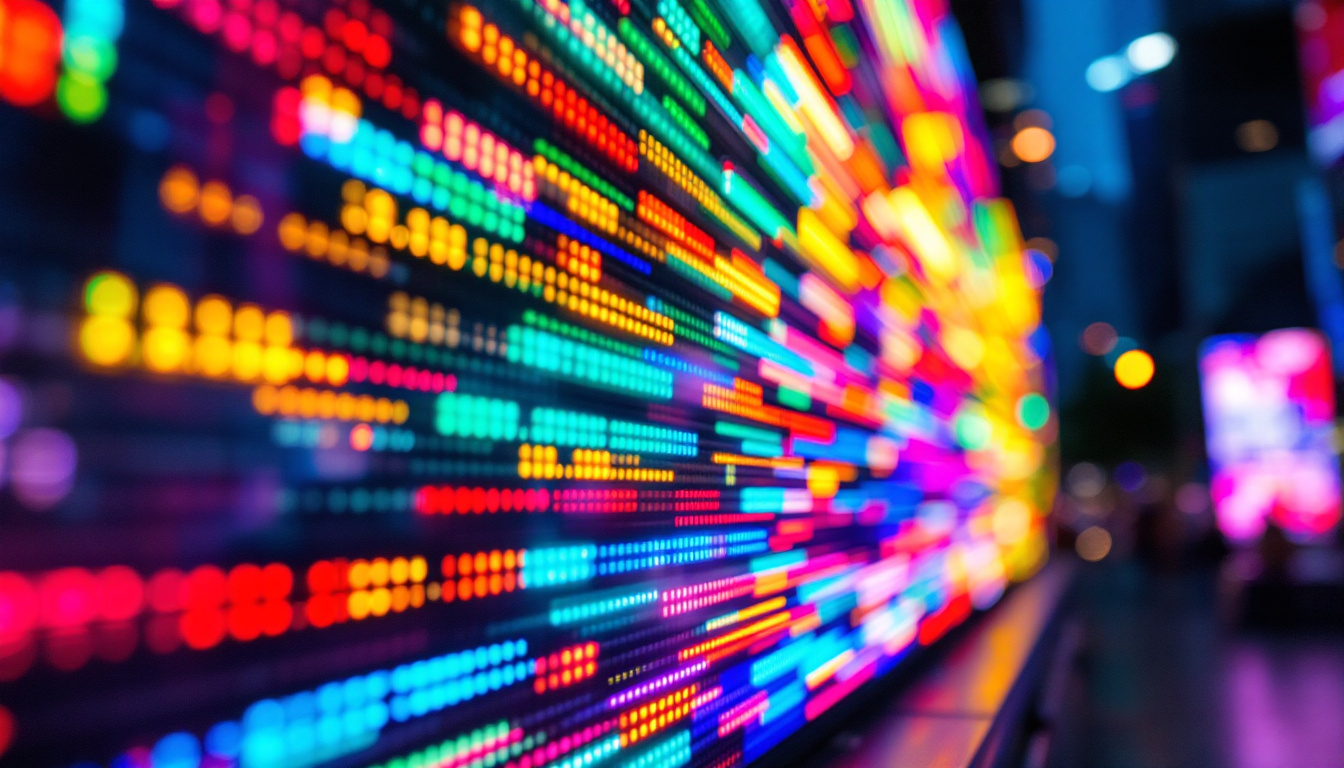
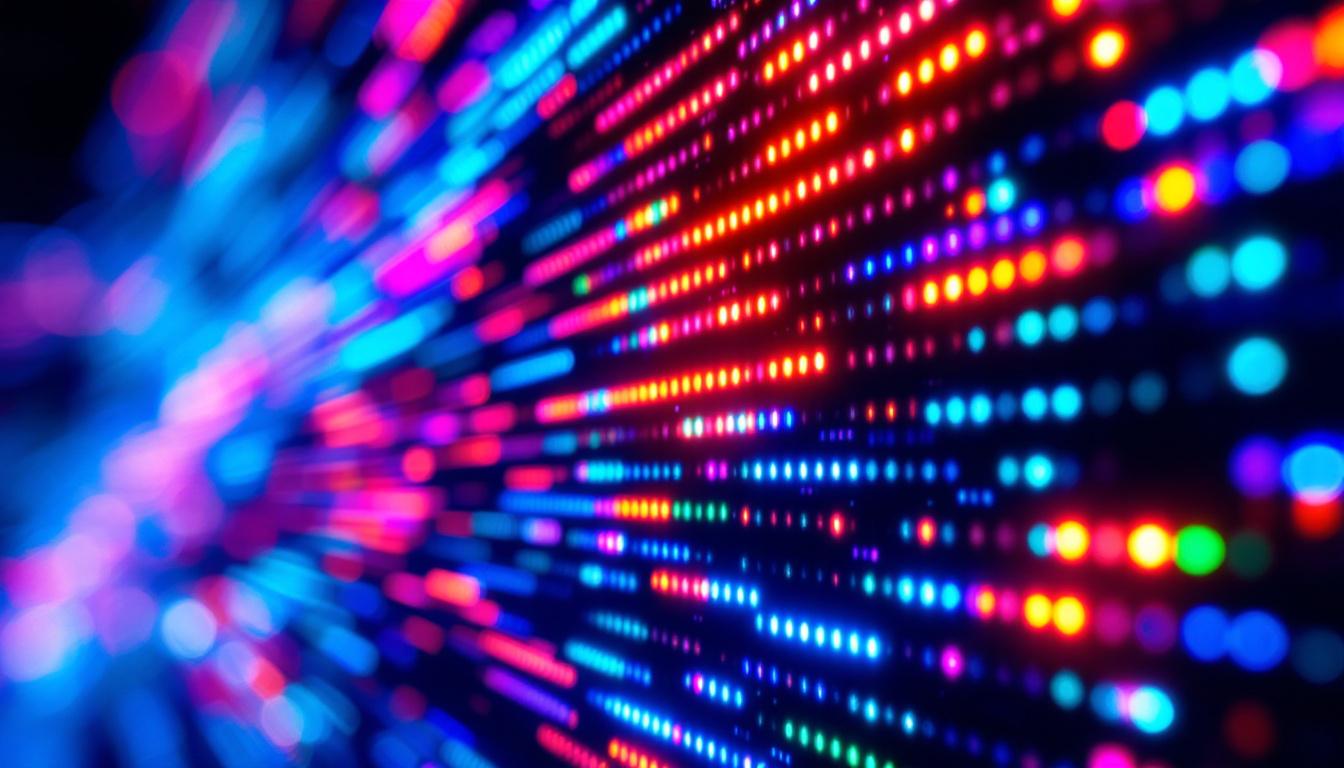
LED displays are composed of tiny light-emitting diodes arranged in a matrix. Each LED or group of LEDs corresponds to a pixel or subpixel. When a camera captures an image of an LED screen, the sensor’s pixel array can interfere with the LED matrix pattern, especially if the camera resolution or the display resolution is not sufficiently high or if the camera is at a certain angle or distance. This interaction can lead to unexpected visual artifacts that can confuse viewers and detract from the intended message of the display.
This interference creates moiré patterns, which can appear as stripes, waves, or other repetitive distortions. The severity of moiré depends on several factors including the resolution of the camera sensor, the pitch of the LED display, the distance between the camera and the display, and the angle of capture. Additionally, the color and brightness of the LEDs can influence the visibility of moiré patterns. For instance, brighter displays may exacerbate the effect, making it more noticeable. Understanding these variables is crucial for professionals in fields such as graphic design, photography, and videography, as they navigate the challenges posed by moiré patterns in their work. Moreover, techniques such as adjusting the camera angle, changing the distance from the display, or using anti-aliasing filters can help mitigate the occurrence of these patterns, allowing for clearer and more visually appealing images.
LED Display Technology and Its Impact on Moiré
LED displays come in various forms, such as direct-view LED panels, LED-backlit LCDs, and microLED displays. Each type has a different pixel structure and density, which influences how moiré patterns manifest when photographed.
Direct-View LED Displays
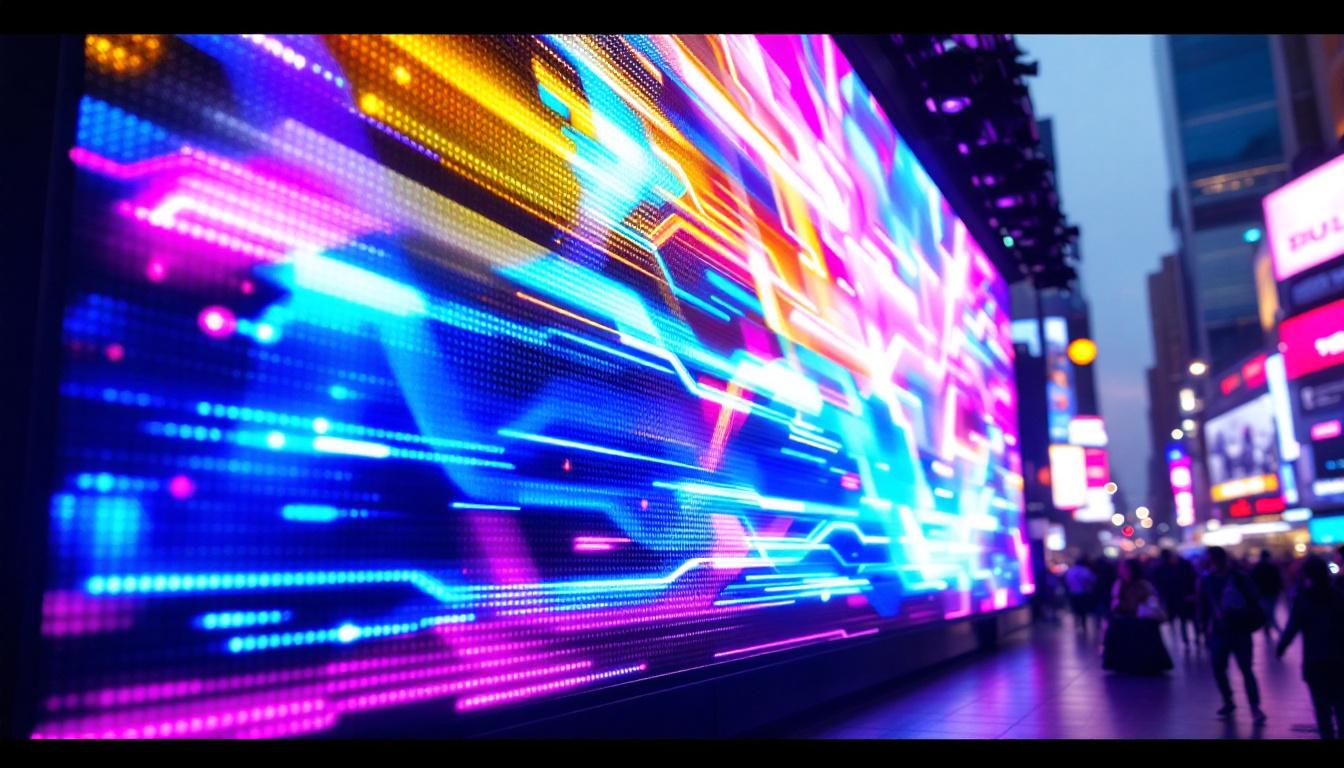
Direct-view LED displays consist of individual LEDs that emit light directly to form the image. These displays are common in large outdoor billboards, stadium screens, and increasingly in indoor video walls. The pixel pitch—the distance between the centers of two adjacent LEDs—varies from a few millimeters in large-scale displays to less than a millimeter in high-resolution indoor panels.
Displays with larger pixel pitches are more prone to moiré patterns when captured by cameras because the LED grid is more easily resolved by the camera sensor. Conversely, high-density LED displays with a smaller pixel pitch reduce the likelihood of moiré by making the LED structure less discernible to the camera sensor.
LED-Backlit LCD Displays
In LED-backlit LCDs, the LED lights serve as the backlight source, while the liquid crystal layer modulates the light to create images. Since the camera captures the LCD pixels rather than the LED backlight directly, moiré patterns are less common but can still occur due to the pixel grid of the LCD panel itself.
These displays typically have higher pixel densities than direct-view LEDs, which helps minimize moiré effects. However, certain shooting conditions, such as close-up shots or specific angles, can still cause moiré to appear.
MicroLED Displays
MicroLED technology represents the cutting edge of LED display development, featuring microscopic LEDs that serve as individual pixels. This technology promises higher brightness, better contrast, and improved energy efficiency compared to traditional LED and OLED displays.
The extremely high pixel density of microLED panels significantly reduces the chance of moiré patterns when photographed. However, due to their novelty and cost, microLED displays are currently limited to premium applications, such as luxury TVs and specialized commercial displays.
Camera Sensor Resolution and Its Role in Moiré Formation
The resolution of the camera sensor plays a pivotal role in whether moiré patterns appear when photographing LED displays. The sensor’s pixel grid can either align with or conflict against the display’s pixel structure, creating or avoiding interference patterns.
High-Resolution Sensors
Modern cameras often feature sensors with resolutions exceeding 20 megapixels, which provide finer detail capture. Higher resolution sensors can resolve smaller details and thus are more likely to pick up the LED pixel structure, potentially increasing the risk of moiré if the display’s pixel pitch is not sufficiently small.
However, advanced cameras also incorporate anti-aliasing filters or computational algorithms designed to reduce moiré effects by blurring or digitally suppressing repetitive patterns that cause interference.
Anti-Aliasing Filters and Computational Solutions
Anti-aliasing (AA) filters, also known as optical low-pass filters, are placed over camera sensors to slightly blur the image at the pixel level, reducing the chance of moiré patterns. While effective, these filters can also reduce overall image sharpness, which is why some modern cameras opt to omit them and rely on software corrections instead.
Computational photography techniques, including machine learning algorithms, have become increasingly effective at detecting and removing moiré patterns in post-processing. These methods analyze the image for repetitive interference patterns and selectively smooth or adjust affected areas without compromising overall image clarity.
Practical Tips for Minimizing Moiré When Photographing LED Displays
For photographers and videographers, understanding how to minimize moiré is essential to producing clean, professional-looking images of LED displays. Several practical techniques can help reduce or eliminate moiré patterns during capture.
Adjusting Camera Distance and Angle
Changing the distance between the camera and the LED display can alter how the sensor’s pixel grid interacts with the display’s pixel matrix. Moving closer or farther away can help avoid the specific alignment that causes moiré.
Similarly, adjusting the angle of the camera relative to the display can break up the repetitive pattern alignment. Shooting at a slight tilt or off-center angle often reduces the visibility of moiré patterns.
Using a Lower Resolution or Cropping Later
In some cases, reducing the camera’s resolution or shooting at a lower megapixel setting can help prevent the sensor from resolving the LED pixel structure too sharply, thereby reducing moiré. Cropping the image later allows for retaining composition without increasing moiré risk during capture.
Employing Polarizing Filters and Diffusers
While polarizing filters are primarily used to reduce reflections and glare, they can sometimes help mitigate moiré by altering the light polarization and reducing contrast between the LED pixels and their surroundings.
Diffusers or softening filters placed in front of the lens can also blur fine repetitive patterns, though this method may reduce overall image sharpness and is typically a last resort.
Post-Processing Techniques
When moiré patterns do appear, post-processing software such as Adobe Photoshop, Lightroom, or specialized plugins can be used to selectively reduce or remove moiré. These tools often include moiré removal brushes or frequency separation techniques that target the interference patterns without affecting other image details.
Industry Applications and Importance of Moiré Understanding
Beyond photography enthusiasts, understanding moiré and LED display interactions is vital in several professional domains.
Broadcast and Live Event Production
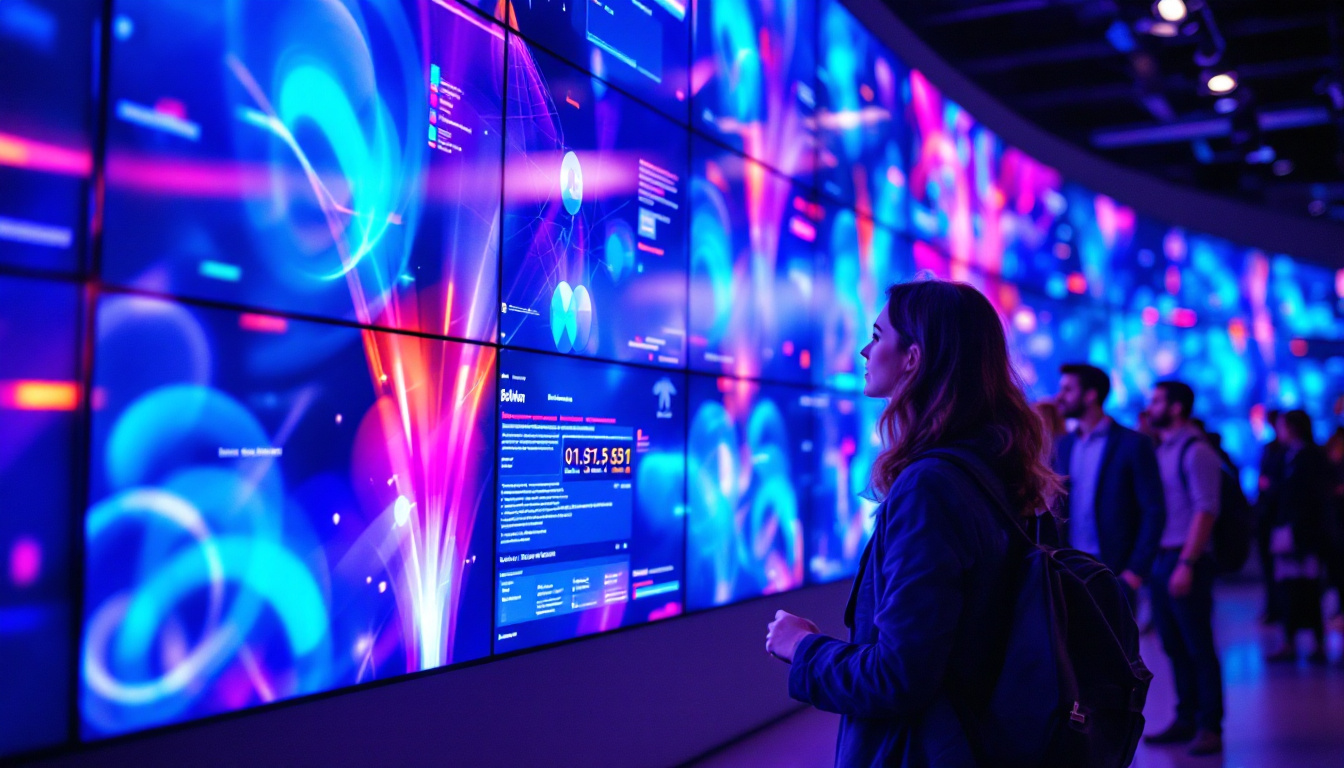
LED video walls are increasingly common in live events, concerts, and broadcast studios. Cameras capturing these displays must manage moiré patterns to ensure clean video feeds. Production teams often use specialized cameras and settings to minimize moiré, ensuring high-quality broadcast images.
Display Manufacturing and Quality Control
Display manufacturers must consider moiré effects when designing LED panels, particularly for applications involving frequent photography or videography. Optimizing pixel pitch, subpixel arrangements, and display coatings can reduce moiré visibility both to the human eye and to camera sensors.
Augmented Reality (AR) and Virtual Reality (VR)
In AR and VR systems that incorporate LED or microLED displays, moiré can interfere with user experience by creating distracting patterns. Developers and hardware designers work to minimize these effects through display design and software correction.
The Future of Moiré Reduction in LED Displays and Cameras
As both camera and display technologies advance, the challenge of moiré patterns is being addressed through a combination of hardware innovation and software intelligence.
Higher Pixel Density Displays
The trend toward ultra-high-definition displays with increasingly smaller pixel pitches naturally reduces the visibility of LED structures to camera sensors, thereby minimizing moiré. MicroLED and OLED technologies are leading this charge.
Smart Camera Sensors and AI Algorithms
Next-generation camera sensors are being designed with integrated AI capabilities that can detect and suppress moiré patterns in real-time during image capture. These smart sensors adjust exposure, focus, and processing dynamically to optimize image quality.
Collaborative Design Between Camera and Display Manufacturers
Industry collaborations are emerging to standardize pixel arrangements and resolutions that minimize moiré across devices. By aligning camera sensor designs with display technologies, manufacturers aim to create ecosystems where moiré is no longer a significant concern.
Conclusion
Moiré patterns are a fascinating yet challenging artifact that arises from the complex interaction between camera sensors and LED display pixel structures. Understanding the causes and variables involved is essential for anyone working with digital imaging and display technologies.
By considering factors such as display type, pixel pitch, camera resolution, and shooting techniques, moiré can be effectively managed or eliminated. As technology continues to evolve, the combination of higher resolution displays, smarter cameras, and advanced software promises a future where moiré is a minor footnote rather than a persistent problem.
For professionals and enthusiasts alike, staying informed about these developments ensures the best possible image quality when capturing LED displays, whether for commercial production, creative projects, or everyday use.
Explore Cutting-Edge LED Display Solutions with LumenMatrix
As you navigate the complexities of moiré patterns in LED displays, partner with a leader in display innovation. LumenMatrix offers a wide array of LED display modules designed to minimize moiré effects and maximize visual impact. From captivating Indoor LED Wall Displays to dynamic Outdoor LED Wall Displays and beyond, our solutions are engineered to deliver unparalleled clarity and engagement. Elevate your visual communication and create experiences that resonate with your audience. Check out LumenMatrix LED Display Solutions today and see the difference cutting-edge technology can make.