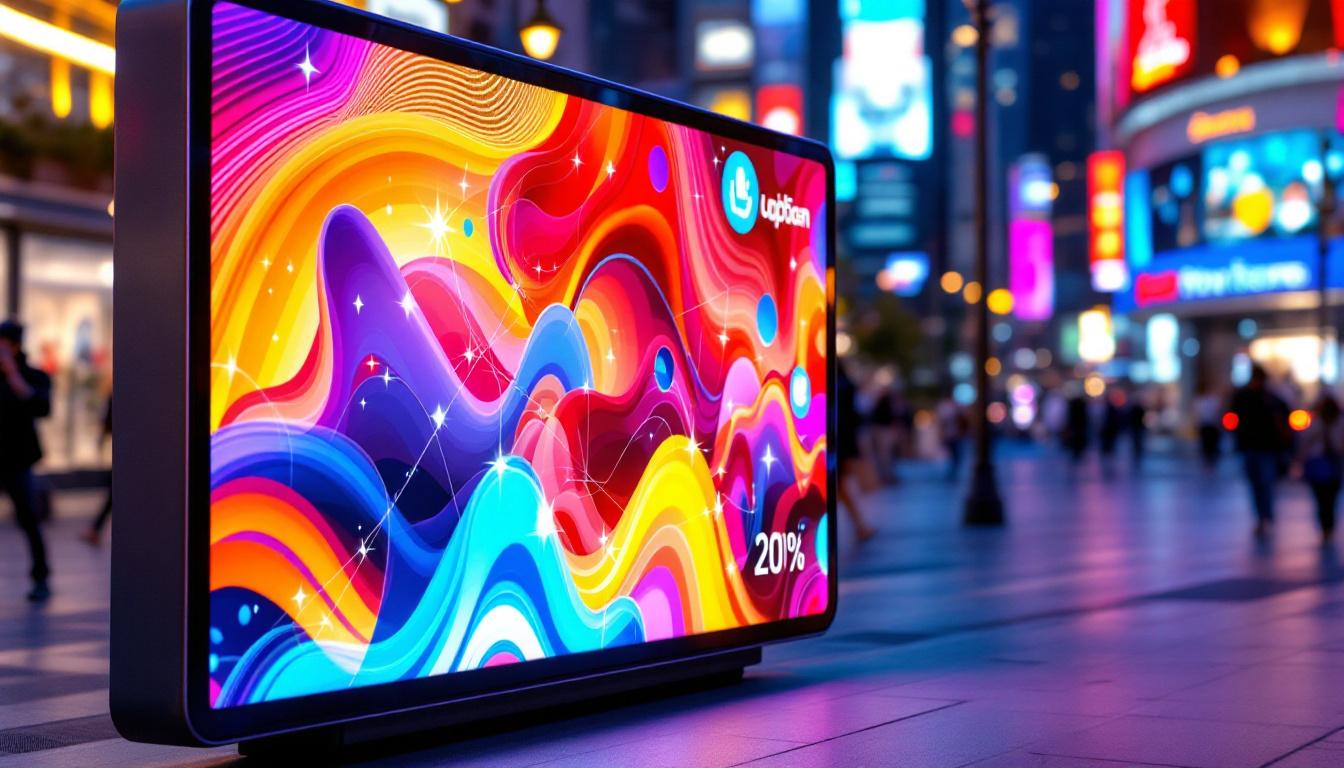
In an era where digital innovation shapes every facet of marketing, car advertising screens have emerged as a dynamic and impactful medium. LED displays mounted on vehicles are revolutionizing how brands communicate with audiences on the move. This article delves deeply into the world of car advertising screens, focusing on LED technology, its benefits, applications, and future trends.
Understanding Car Advertising Screens
Car advertising screens refer to digital displays installed on vehicles, commonly used for promotional purposes. Unlike static billboards or traditional car wraps, these screens utilize LED technology to broadcast vibrant, animated content that captures attention in real time.
These mobile digital billboards can be found on taxis, buses, delivery vans, and even private vehicles, offering advertisers a versatile platform to reach diverse urban and suburban audiences. The mobility factor allows campaigns to target specific locations and demographics with precision. For example, during major events or festivals, advertisers can strategically position their vehicles in high-traffic areas, ensuring maximum visibility and engagement with potential customers. This adaptability is one of the key reasons why brands are increasingly turning to car advertising screens as part of their marketing strategies.
The Rise of Digital Out-of-Home Advertising
Digital out-of-home (DOOH) advertising has witnessed exponential growth over the past decade, with LED car displays playing a significant role. According to a 2023 report by the Outdoor Advertising Association of America (OAAA), DOOH ad spending increased by 18% year-over-year, reaching $5.4 billion in the United States alone.
This surge is driven by the flexibility, interactivity, and high visibility of digital formats compared to static ads. Car advertising screens, in particular, offer a unique blend of mobility and digital engagement, making them a preferred choice for brands aiming to maximize reach and impact. Furthermore, the integration of technology such as geolocation services allows advertisers to tailor their messages based on the audience’s location and preferences, enhancing the relevance of the content displayed. This level of customization not only improves engagement rates but also provides valuable data analytics for advertisers to refine their campaigns and measure effectiveness in real time.
How LED Displays Work on Vehicles
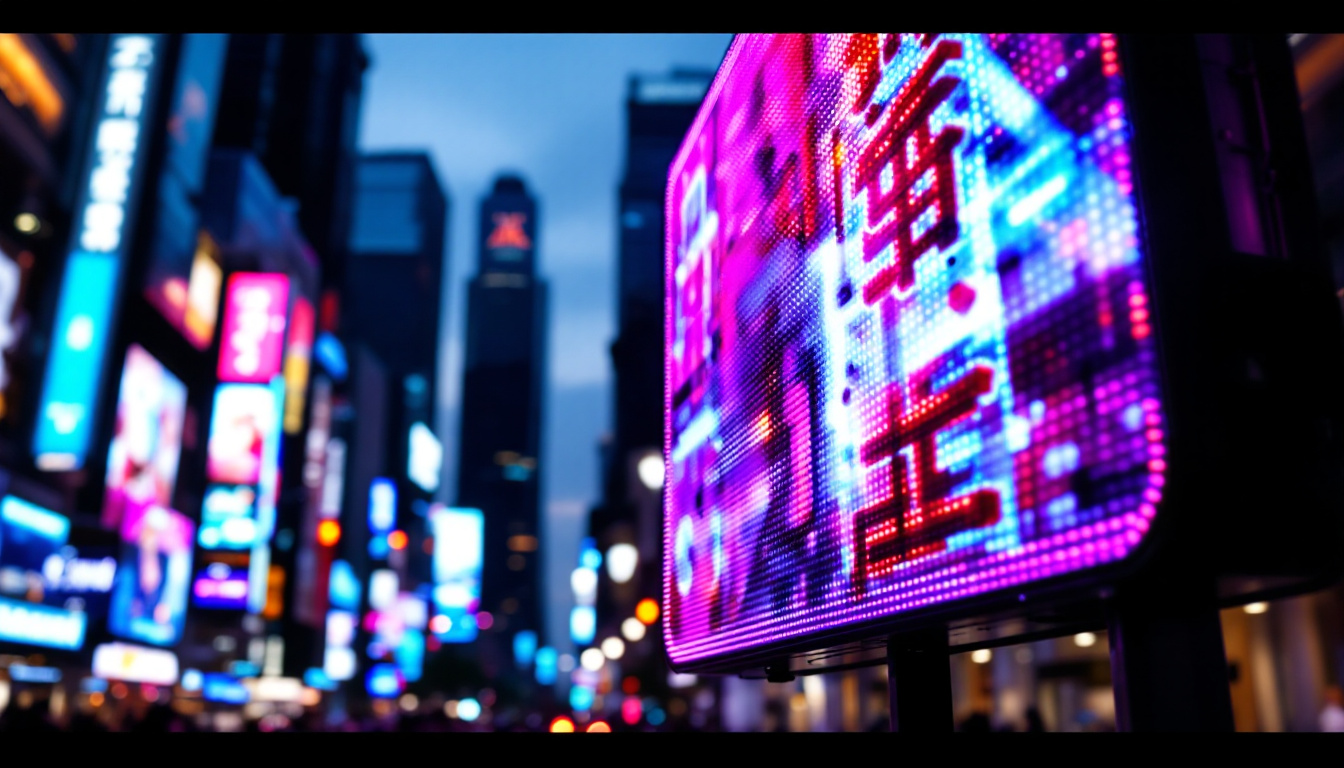
LED (Light Emitting Diode) technology is at the heart of modern car advertising screens. These displays consist of thousands of tiny LEDs that emit light when electrically charged, creating bright, colorful images and videos visible even in direct sunlight. The versatility of LED technology has revolutionized the way brands communicate on the move, allowing for dynamic and eye-catching advertisements that can be updated in real-time to reflect changing promotions or events.
Technical Components and Design
Typically, car LED displays are modular panels mounted securely on vehicle surfaces. The modular design allows for scalability, enabling advertisers to customize screen size according to vehicle dimensions and campaign requirements. This adaptability is crucial for maximizing advertising impact, as it allows for tailored messaging that can resonate with specific audiences in different locations.
Key components include:
- LED Modules: The fundamental units that emit light, arranged in grids to form images.
- Control Systems: Hardware and software that manage content playback, brightness, and synchronization.
- Power Supply: Often integrated with the vehicle’s electrical system or supplemented by rechargeable batteries.
- Protective Enclosures: Weatherproof casings that safeguard the display from environmental elements like rain, dust, and vibration.
In addition to these components, advancements in wireless technology have allowed for remote content management. Advertisers can update their messages from anywhere, ensuring that the content remains fresh and relevant. This capability not only enhances the effectiveness of campaigns but also allows for the integration of real-time data, such as weather updates or traffic conditions, into the displayed content.
Brightness and Visibility
One of the defining advantages of LED displays is their exceptional brightness. Modern car advertising screens can reach brightness levels exceeding 5,000 nits, ensuring clear visibility during daytime and nighttime conditions. This high level of brightness is particularly beneficial in urban environments, where competing visual stimuli can easily distract potential viewers.
Adaptive brightness sensors further enhance visibility by automatically adjusting light intensity based on ambient conditions, optimizing energy consumption and viewer experience. This technology not only improves the readability of the advertisements but also contributes to energy efficiency, allowing vehicles to operate sustainably while still delivering impactful messages. Moreover, the longevity of LED technology means that these displays can maintain their brightness and color accuracy over time, reducing the need for frequent replacements and maintenance.
Benefits of Using LED Car Advertising Screens
LED car advertising screens offer numerous advantages over traditional advertising methods, making them an increasingly popular choice for marketers.
High Engagement and Attention-Grabbing
Moving vehicles equipped with vibrant LED displays naturally draw the eye. Animated visuals and dynamic content outperform static ads by capturing attention more effectively, leading to higher recall rates. Studies suggest that digital ads can increase brand recall by up to 47% compared to static advertisements. The combination of movement and color creates a sensory experience that resonates with viewers, making it easier for brands to leave a lasting impression. This heightened engagement is particularly beneficial in urban environments, where consumers are bombarded with visual stimuli and need something that stands out to catch their attention.
Flexibility and Real-Time Content Updates
Unlike printed ads, LED screens allow instant content changes. Advertisers can update messages based on time of day, location, or campaign phase, enabling highly targeted marketing strategies. For example, a restaurant could promote lunch specials during midday and dinner offers in the evening, all through the same vehicle. This adaptability not only maximizes the relevance of the advertisements but also allows brands to respond quickly to current events or trends, ensuring that their messaging remains fresh and engaging. Moreover, the ability to incorporate social media feeds or live updates can create a more interactive experience for viewers, further enhancing engagement.
Cost-Effectiveness and ROI
While initial investment in LED car screens may be higher than traditional wraps, the ability to run multiple campaigns without reprinting costs improves return on investment (ROI) over time. Additionally, the mobility factor expands reach without the need for multiple static billboards. By utilizing the same screen for various promotions, businesses can diversify their advertising efforts without incurring significant additional costs. This not only optimizes budget allocation but also allows for more creative freedom in campaign design, as advertisers can experiment with different messages and visuals without the constraints of physical materials.
Eco-Friendly Advertising Option
Car LED displays reduce the need for paper-based advertising materials, contributing to sustainability efforts. Furthermore, energy-efficient LED technology consumes less power compared to other digital display types, aligning with green marketing initiatives. This eco-conscious approach not only appeals to environmentally aware consumers but also enhances a brand’s reputation as a socially responsible entity. As more companies strive to align their practices with sustainability goals, incorporating LED advertising screens can be a strategic move that reflects a commitment to innovation and environmental stewardship. Additionally, the longevity of LED technology means fewer replacements and waste, further supporting a greener advertising landscape.
Applications and Use Cases
The versatility of car advertising screens allows them to serve a wide array of industries and marketing objectives.
Urban and Event Marketing
In bustling cities, LED-equipped taxis and rideshare vehicles serve as moving billboards that reach thousands daily. During major events such as concerts, sports games, or festivals, fleets of LED-adorned vehicles can create immersive brand experiences, amplifying event visibility.
Retail and Restaurant Promotions
Local businesses leverage car advertising screens to promote flash sales, new product launches, or limited-time offers. The ability to geo-target neighborhoods or shopping districts enhances campaign precision and effectiveness.
Political Campaigns and Public Awareness
Political candidates and advocacy groups utilize mobile LED displays to disseminate messages, slogans, and calls to action. The mobility ensures presence across multiple precincts and community areas, increasing voter engagement and awareness.
Transportation and Logistics Branding
Delivery and logistics companies often brand their fleets with LED screens to advertise services or partnerships. This dual-purpose approach combines operational utility with marketing, maximizing asset value.
Challenges and Considerations
Despite their advantages, deploying LED car advertising screens requires careful planning and consideration of potential challenges.
Regulatory Compliance
Many municipalities regulate digital signage, especially on moving vehicles, to prevent driver distraction and ensure public safety. Advertisers must navigate local laws regarding brightness limits, content restrictions, and permitted locations.
Technical Maintenance and Durability
LED displays exposed to vibrations, weather, and road debris require robust construction and regular maintenance. Ensuring waterproofing, shock resistance, and secure mounting is essential to prolong lifespan and prevent malfunctions.
Power Management
Integrating LED screens with vehicle power systems demands efficient energy management to avoid draining batteries or interfering with vehicle operation. Some setups incorporate dedicated power sources or solar panels to supplement energy needs.
Cost and Installation Complexity
Initial setup costs, including hardware, installation, and software integration, can be significant. Additionally, professional installation is often necessary to ensure safety and compliance, which may extend deployment timelines.
Future Trends in Car Advertising Screens
The landscape of car advertising screens continues to evolve rapidly, driven by technological advancements and shifting consumer behaviors.
Integration with Artificial Intelligence and Data Analytics
Emerging systems incorporate AI to analyze audience demographics and adjust content dynamically for maximum relevance. Real-time data from GPS and traffic sensors enable hyper-localized advertising, increasing campaign efficiency.
Interactive and Augmented Reality Features
Future LED car displays may include interactive elements, such as QR codes or gesture recognition, encouraging direct consumer engagement. Augmented reality overlays could enhance visual storytelling, creating immersive brand experiences.
Enhanced Energy Solutions
Advances in battery technology and renewable energy integration, such as solar-powered displays, will improve operational autonomy and reduce environmental impact.
Smaller, Flexible, and Transparent Displays
Innovations in flexible LED panels and transparent screens will allow more creative placement on vehicles, including curved surfaces and windows, expanding design possibilities.
Conclusion
Car advertising screens utilizing LED technology represent a powerful and versatile tool in modern marketing. Their ability to deliver bright, dynamic content on the move offers unparalleled reach and engagement. While challenges such as regulatory compliance and technical maintenance exist, the benefits in flexibility, cost-effectiveness, and environmental impact make LED car displays an attractive option for brands across industries.
As technology advances, integrating AI, interactivity, and sustainable energy solutions will further enhance the effectiveness and appeal of these mobile digital billboards. For marketers seeking innovative ways to capture attention in a crowded advertising landscape, LED car advertising screens offer a compelling solution that combines visibility, mobility, and creativity.
Discover LumenMatrix LED Display Solutions
Ready to elevate your marketing strategy with the latest in LED display technology? Look no further than LumenMatrix, a pioneer in creating visually stunning and technologically advanced LED solutions. From mobile vehicle displays that captivate on-the-go audiences to immersive indoor and outdoor environments, our extensive range of products, including custom and transparent displays, is designed to meet your unique advertising needs. Experience the future of visual communication with LumenMatrix and transform how your brand connects with the world. Check out LumenMatrix LED Display Solutions today and start making a lasting impression.