In the rapidly evolving world of digital signage and display technology, clear LED screens have emerged as a revolutionary solution for both indoor and outdoor applications. As businesses and advertisers seek more dynamic, eye-catching ways to communicate with audiences, understanding the technology behind LED displays becomes essential. This article delves into what clear LED screens are, how they work, their advantages, and the latest trends shaping their future.
What Is a Clear LED Screen?
A clear LED screen, often referred to as a transparent LED display, is a type of digital screen that allows light to pass through it, creating a see-through effect while simultaneously displaying vivid images and videos. Unlike traditional LED screens that are opaque and block the view behind them, clear LED screens maintain transparency, making them ideal for applications where visibility and aesthetics are both critical.
These screens are constructed using a matrix of LED lights embedded within a transparent substrate, such as glass or acrylic. The LEDs are arranged in a way that maintains a high level of transparency—often between 40% and 90%—depending on the design and pixel pitch. This unique configuration allows the screen to blend seamlessly into its environment, making it popular for storefronts, museums, retail displays, and architectural installations.
In addition to their aesthetic appeal, clear LED screens are also highly versatile. They can be used in a variety of settings, from high-end retail environments showcasing products without obstructing the view to art installations that create immersive experiences. Their ability to display dynamic content while allowing visibility through the screen opens up new possibilities for creative advertising and storytelling, enabling brands to engage customers in innovative ways.
How Do Clear LED Screens Work?
Clear LED screens operate by combining LED technology with transparent materials. The LEDs are mounted on a transparent panel or mesh, which is then installed onto glass surfaces or other transparent structures. When the LEDs light up, they form images or videos, but because the panel itself is see-through, viewers can still see what’s behind the screen.
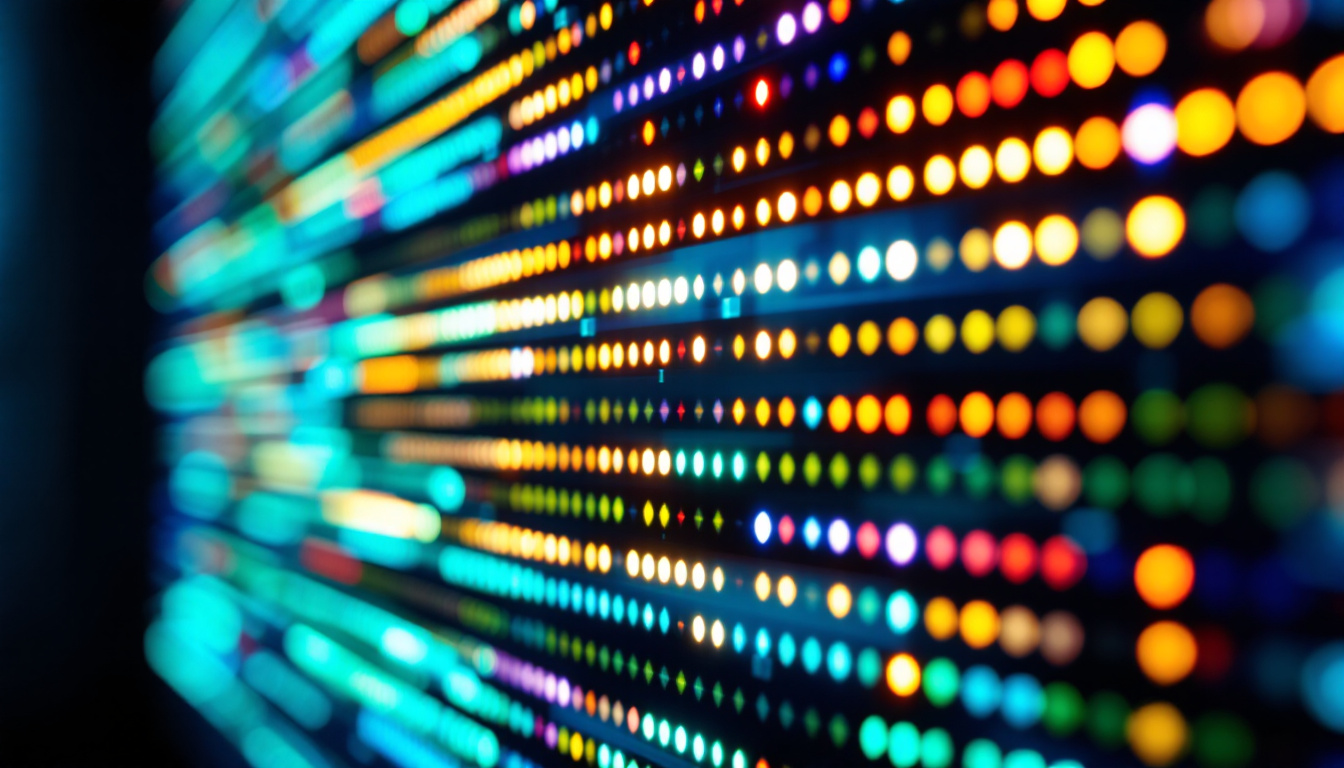
The key to this technology lies in the pixel pitch—the distance between individual LED pixels. A wider pixel pitch increases transparency but reduces image resolution, while a narrower pitch improves image quality but decreases transparency. Manufacturers carefully balance these factors to meet the needs of different applications. Furthermore, advancements in technology have led to the development of high-definition transparent displays that can produce stunning visuals without compromising on see-through capabilities, making them even more appealing for modern architectural designs.
Moreover, clear LED screens are often equipped with smart features such as touch interactivity and sensor integration, allowing for a more engaging user experience. For instance, in retail environments, customers can interact with the display to learn more about products or promotions, creating a more immersive shopping experience. This interactivity not only enhances customer engagement but also provides valuable data to retailers about consumer behavior and preferences, further driving the evolution of digital displays in commercial spaces.
Applications of Clear LED Screens
Clear LED screens have found widespread use across various industries due to their versatility and aesthetic appeal. Their ability to deliver high-impact visuals without obstructing views has transformed how businesses approach advertising and interior design.
Retail and Advertising
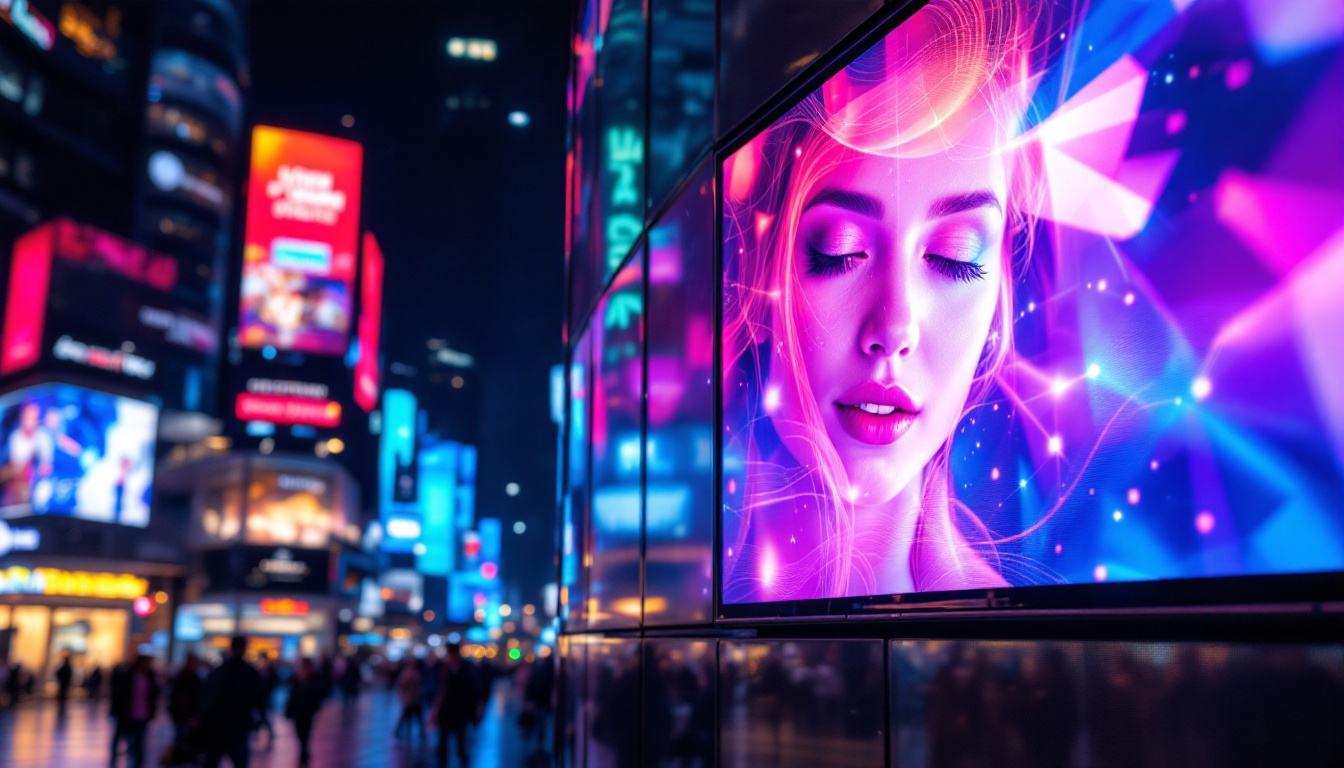
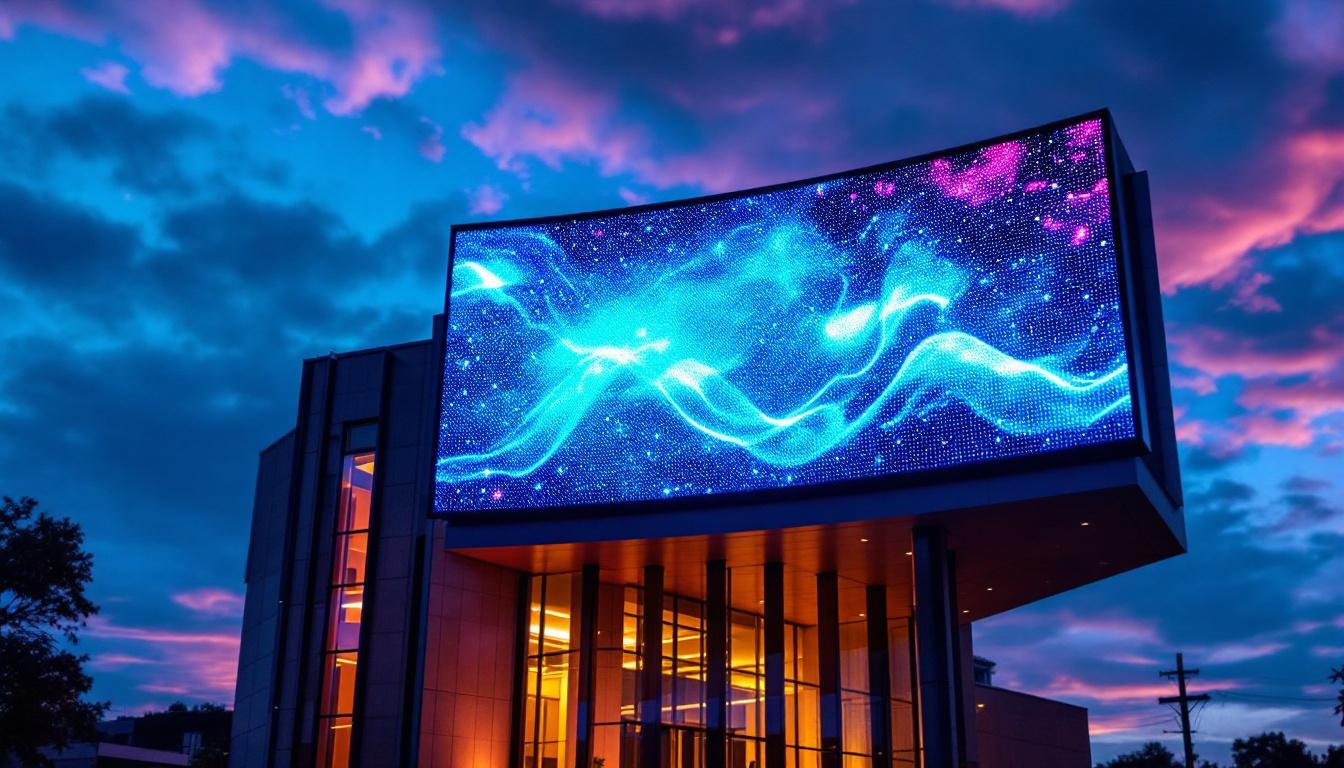
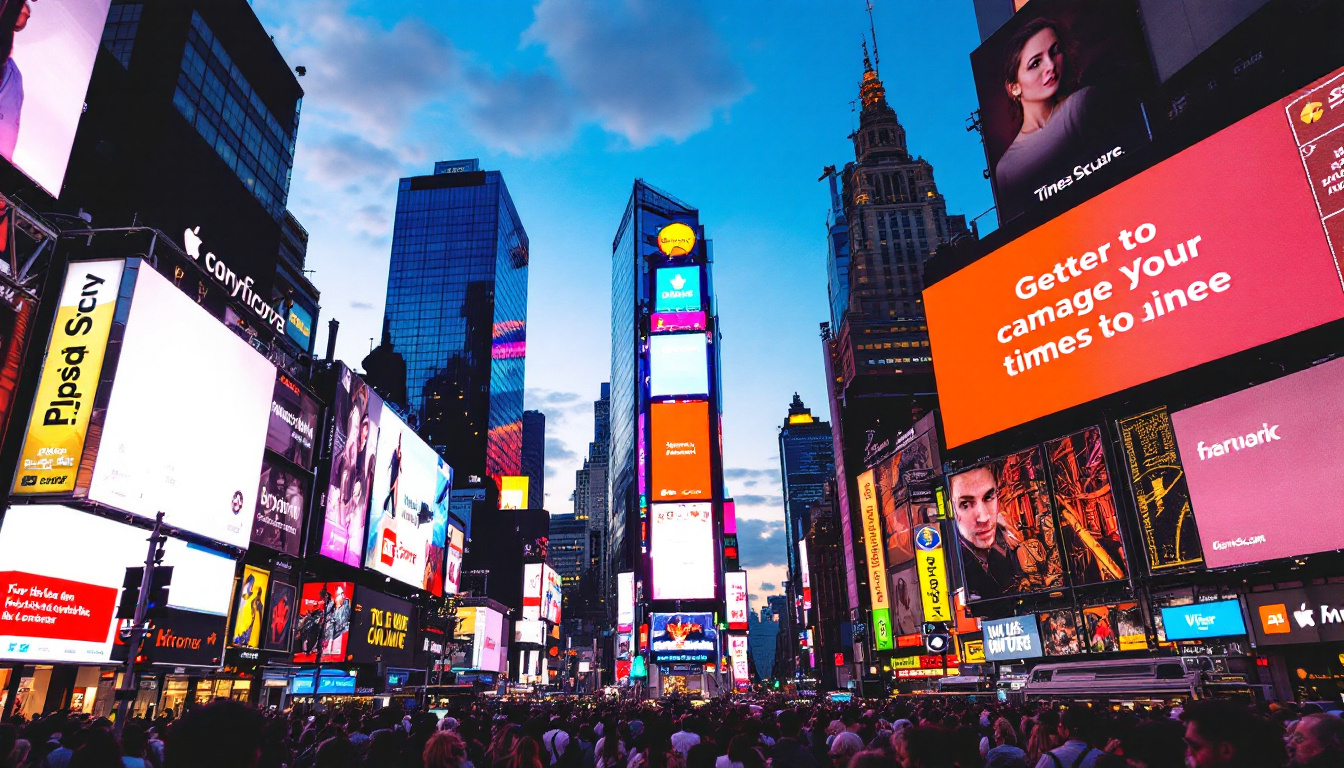
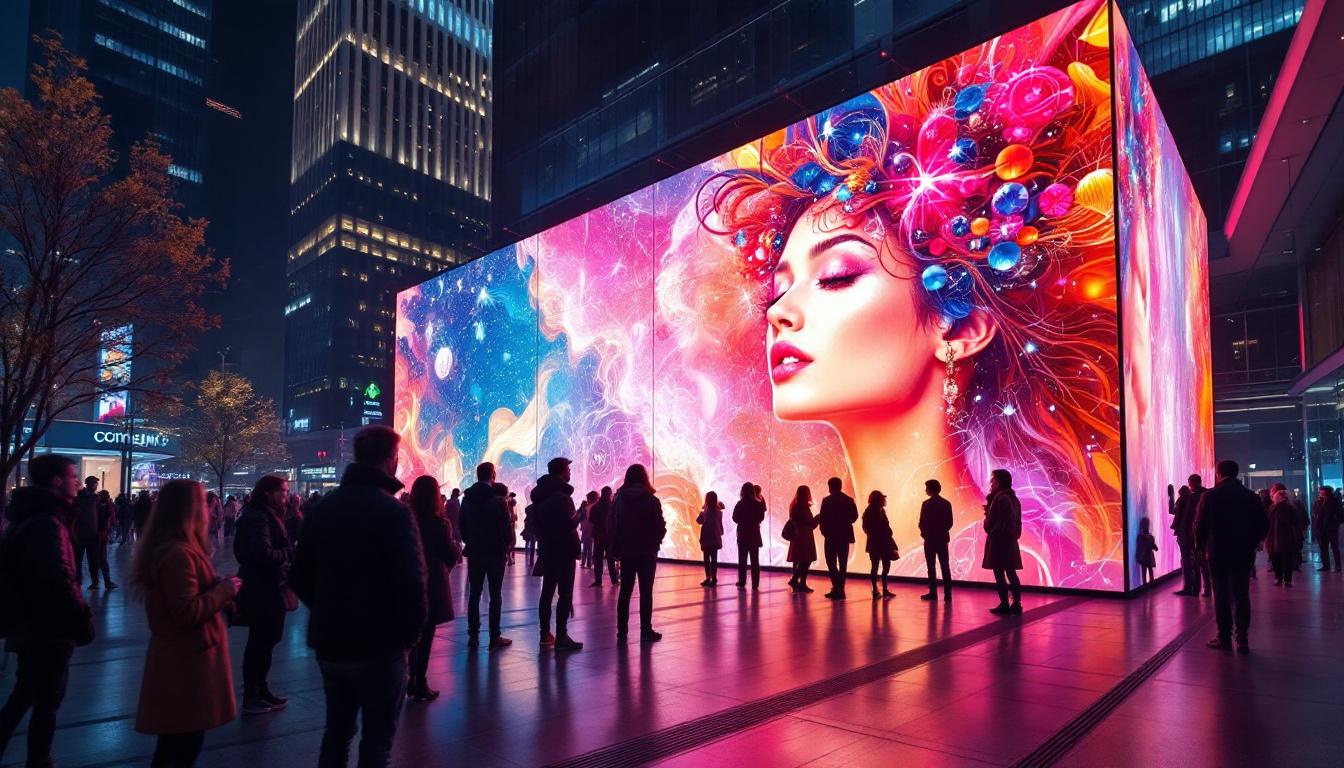
One of the most prominent uses of clear LED screens is in retail environments. Storefronts utilize these displays to showcase promotional content, product launches, and brand messaging without blocking the view into the store. This creates an engaging experience for passersby while maintaining the openness of the storefront.
For example, luxury brands in high-end shopping districts often use clear LED screens to display dynamic advertisements that complement the store’s architecture. This approach not only attracts attention but also enhances the overall shopping experience by integrating technology with design. Additionally, retailers can update their content in real-time, allowing them to respond swiftly to market trends or seasonal promotions, ensuring their messaging remains relevant and compelling.
Architectural and Interior Design
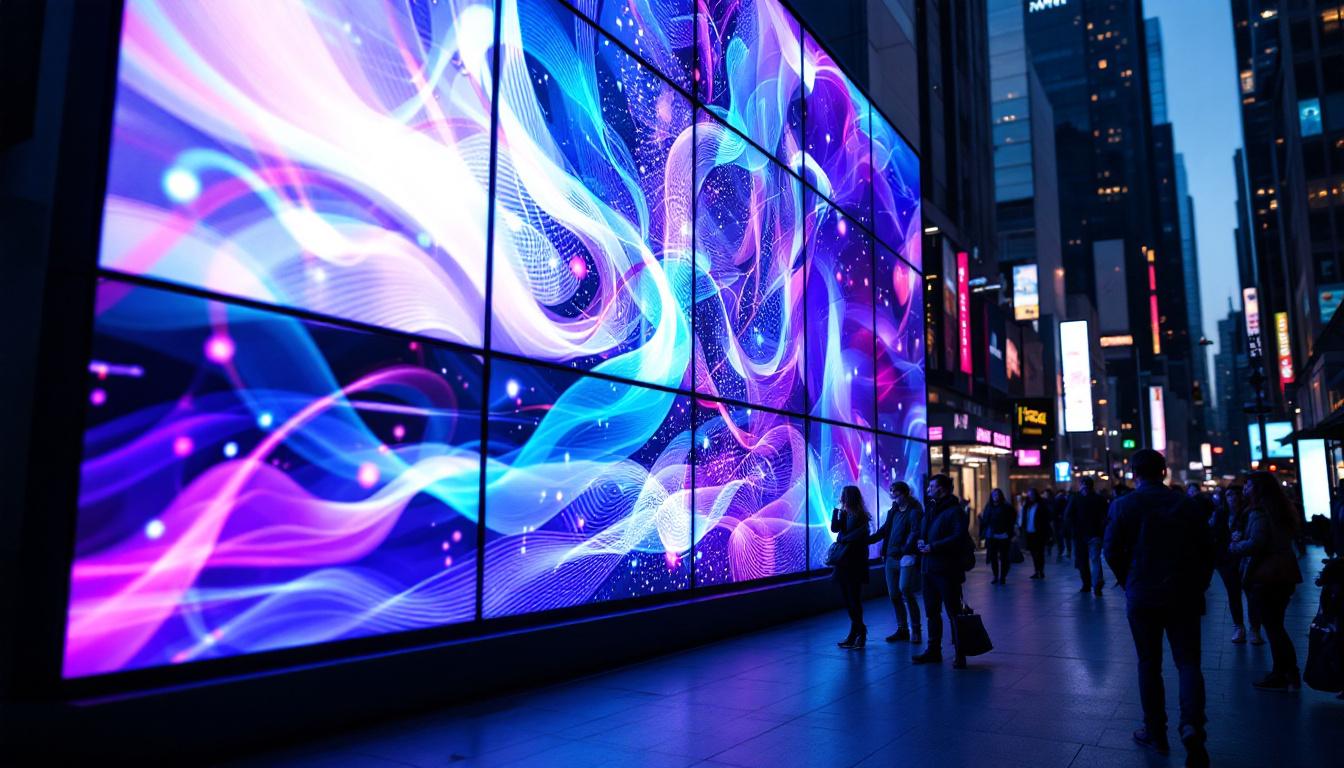
Architects and interior designers incorporate clear LED screens into building facades, glass walls, and partitions to add a digital dimension to physical spaces. These screens can display art, information, or branding while preserving natural light and visibility.
In offices and public spaces, clear LED partitions serve as both functional dividers and digital canvases, enabling flexible use of space without sacrificing openness. Museums and galleries also use transparent LED displays to provide interactive exhibits that don’t detract from the artifacts themselves. Moreover, these installations can be programmed to change based on the time of day or specific events, creating a dynamic environment that evolves with the audience’s experience and enhancing the overall atmosphere of the space.
Events and Entertainment
Clear LED screens are increasingly popular in live events, concerts, and exhibitions. Their transparency allows for creative staging effects, such as layering visuals over performers or scenery without blocking the audience’s view. This capability enhances the immersive experience and opens new possibilities for event production.
In addition to concerts, these screens are also utilized in corporate events and trade shows, where they can serve as backdrops for presentations or as interactive displays that engage attendees. The ability to project high-definition visuals while maintaining a sense of openness allows event planners to create stunning visual narratives that captivate audiences. Furthermore, the lightweight nature of clear LED screens facilitates easy installation and repositioning, making them an ideal choice for dynamic event environments where adaptability is key.
Advantages of Clear LED Screens
Compared to traditional LED displays, clear LED screens offer several distinct benefits that make them an attractive choice for various applications.
High Transparency and Aesthetic Appeal
The most obvious advantage is their transparency, which enables natural light to pass through and maintains the visibility of objects behind the screen. This feature is crucial for applications where preserving the architectural integrity or natural ambiance is important.
Clear LED screens also contribute to a modern, sleek aesthetic that aligns with contemporary design trends. Their minimalistic appearance ensures they complement rather than dominate their surroundings.
Energy Efficiency and Lightweight Design
Because clear LED screens use fewer LEDs per square meter than traditional displays, they tend to consume less power. This energy efficiency is beneficial for large installations where operational costs can be significant.
Additionally, the lightweight construction of transparent LED panels simplifies installation and reduces structural load on buildings, which is particularly important for retrofitting existing glass facades or interior partitions.
Durability and Weather Resistance
Modern clear LED screens are designed to withstand a range of environmental conditions. Outdoor models are typically weatherproof, dust-resistant, and capable of operating in extreme temperatures, making them suitable for year-round use in various climates.
This durability ensures that investments in clear LED technology provide long-term value with minimal maintenance requirements.
Technical Considerations When Choosing a Clear LED Screen
Selecting the right clear LED screen involves evaluating several technical factors to ensure the display meets the specific needs of the application.
Pixel Pitch and Resolution
As mentioned earlier, pixel pitch directly affects both image quality and transparency. For applications requiring detailed visuals, such as video playback or fine text, a smaller pixel pitch is preferable. However, this comes at the cost of reduced transparency.
Conversely, for installations prioritizing see-through capability, a larger pixel pitch may be acceptable, especially if the content is simple or viewed from a distance.
Brightness and Contrast
Brightness is critical for visibility, especially in outdoor or brightly lit environments. Clear LED screens typically offer brightness levels ranging from 1,000 to 5,000 nits, with higher values ensuring readability even in direct sunlight.
Contrast ratio also influences image clarity, particularly for darker scenes or text. High contrast improves the overall viewing experience and makes content stand out more vividly.
Installation and Maintenance
Installation requirements vary depending on the screen’s size, weight, and mounting method. Transparent LED panels are often modular, allowing for flexible configurations and easier replacement of individual sections.
Maintenance considerations include accessibility for cleaning and repairs, as well as the availability of technical support from the manufacturer or installer. Choosing a reputable supplier with a strong service network can significantly reduce downtime and operational challenges.
Emerging Trends and Future Outlook
The clear LED screen market continues to innovate, driven by advances in materials science, LED technology, and digital content creation.
Improved Transparency and Pixel Density
Recent developments have pushed the boundaries of transparency while enhancing resolution. New manufacturing techniques enable pixel pitches below 3mm with transparency levels exceeding 70%, opening up possibilities for ultra-high-definition transparent displays.
These improvements are making clear LED screens viable for even more demanding applications, such as augmented reality windows and interactive retail experiences.
Integration with Smart Building Technologies
Clear LED screens are increasingly integrated into smart building ecosystems, connecting with sensors, lighting controls, and IoT devices. This integration allows dynamic adjustment of display content based on environmental conditions, time of day, or audience demographics.
For example, a transparent LED facade could display advertising during business hours and switch to decorative lighting or informational content after hours, optimizing energy use and engagement.
Sustainability and Eco-Friendly Materials
As sustainability becomes a priority across industries, manufacturers are exploring eco-friendly materials and production methods for clear LED screens. This includes using recyclable components, reducing hazardous substances, and improving energy efficiency.
Such initiatives align with corporate social responsibility goals and appeal to environmentally conscious consumers and businesses.
Conclusion
Clear LED screens represent a significant advancement in display technology, offering a unique combination of transparency, high-quality visuals, and design versatility. Their applications span retail, architecture, events, and beyond, providing innovative solutions that enhance both functionality and aesthetics.
When selecting a clear LED screen, understanding the technical aspects such as pixel pitch, brightness, and installation requirements is crucial to achieving the desired outcome. With ongoing technological progress and increasing adoption, clear LED displays are poised to become a staple in modern digital communication and design.
For businesses and designers looking to make a lasting impression while maintaining openness and natural light, clear LED screens offer an exciting and effective option worth considering.
Discover the Future of Visual Engagement with LumenMatrix
Ready to elevate your space with the cutting-edge transparency and dynamic visual quality of clear LED screens? LumenMatrix is at the forefront of LED display innovation, offering a diverse range of solutions from Indoor and Outdoor LED Wall Displays to specialized options like Vehicle, Sports, and Floor LED Displays. Embrace the future of digital signage with our Custom, All-in-One, and LED Transparent Displays designed to captivate your audience and amplify your message. Check out LumenMatrix LED Display Solutions today and transform your visual communication into an unforgettable experience.