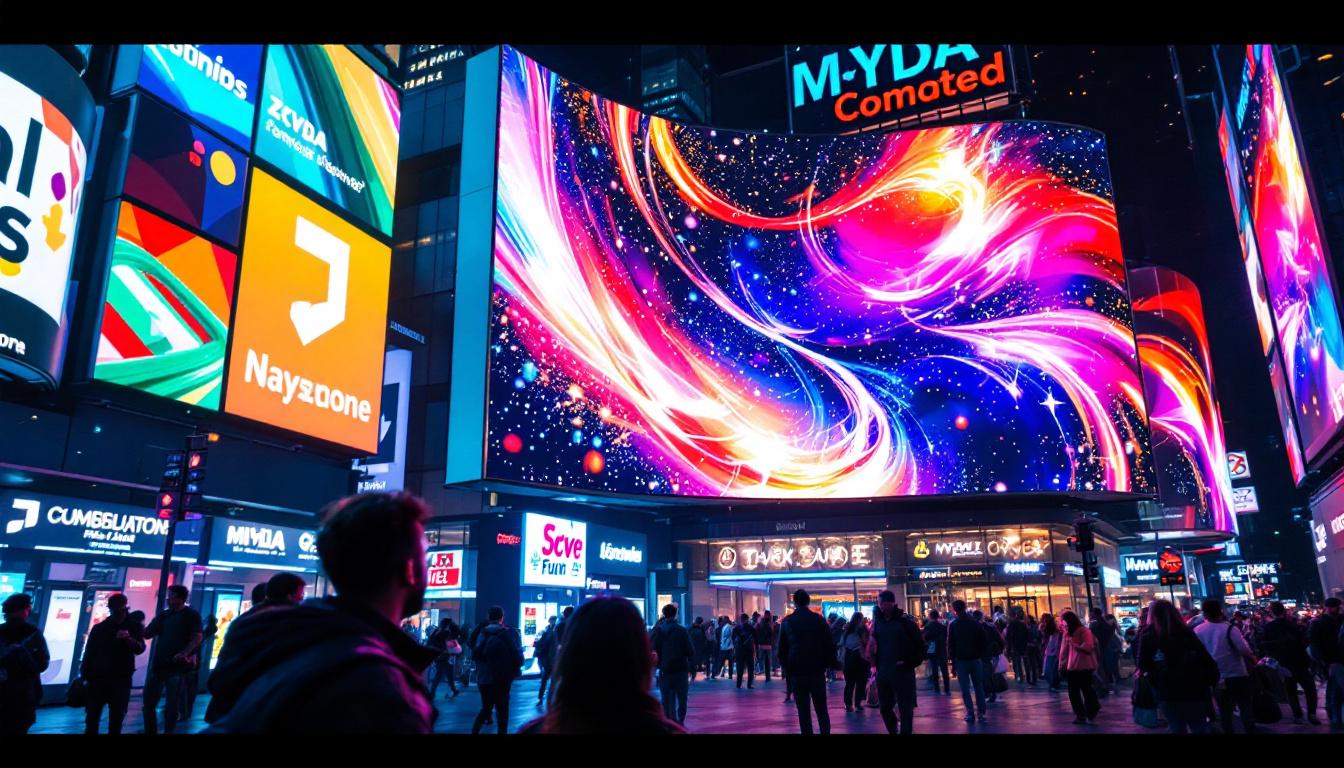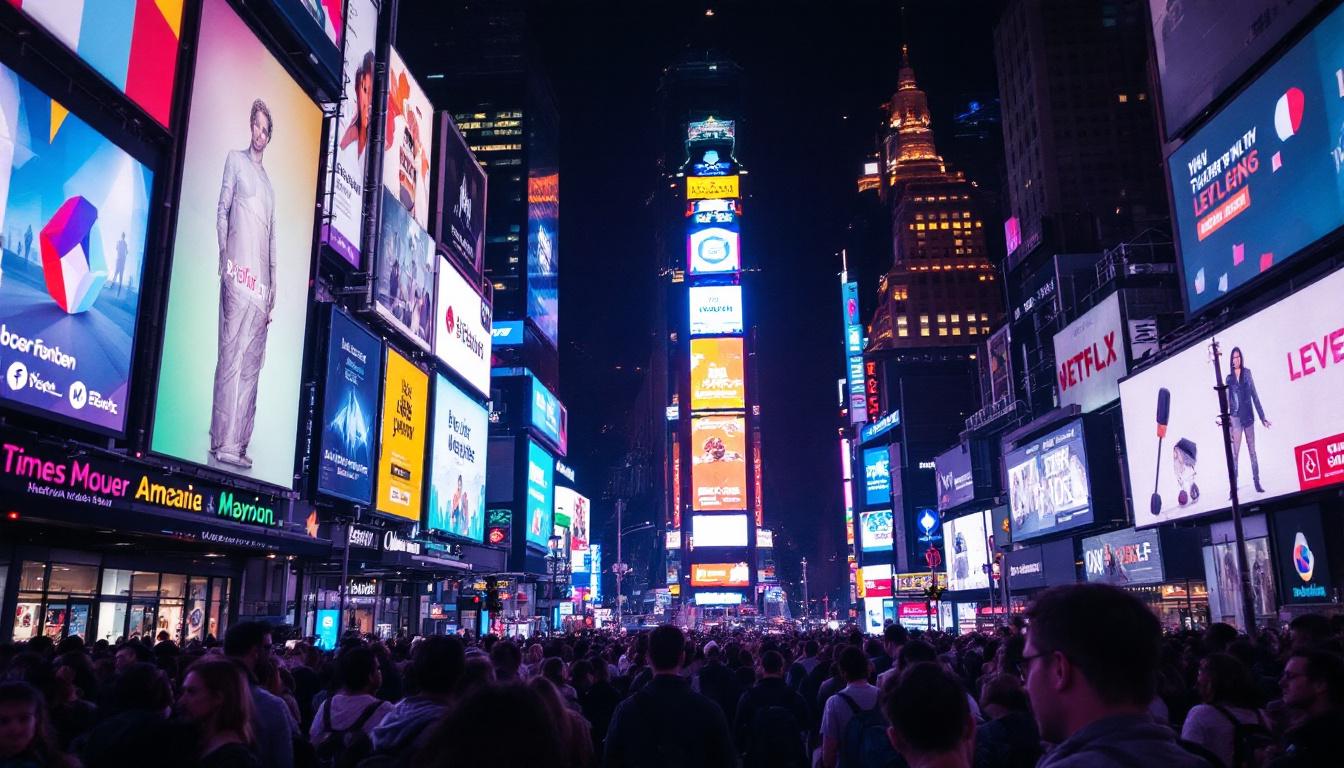
Times Square in New York City is globally recognized as a dazzling epicenter of advertising innovation and visual spectacle. At the heart of this vibrant commercial hub are the massive LED displays that light up the area day and night, captivating millions of visitors annually. These LED screens have revolutionized outdoor advertising, transforming static billboards into dynamic, interactive experiences that engage audiences in unprecedented ways.
This article explores the technology behind Times Square’s iconic LED displays, their impact on advertising strategies, and why they remain a critical tool for brands seeking maximum visibility in one of the world’s busiest pedestrian intersections.
The Evolution of Advertising in Times Square
Times Square’s advertising history dates back over a century, beginning with traditional painted billboards and neon signs. The transition to LED technology marked a significant turning point, enabling advertisers to deliver vibrant, animated content that could be updated instantly.
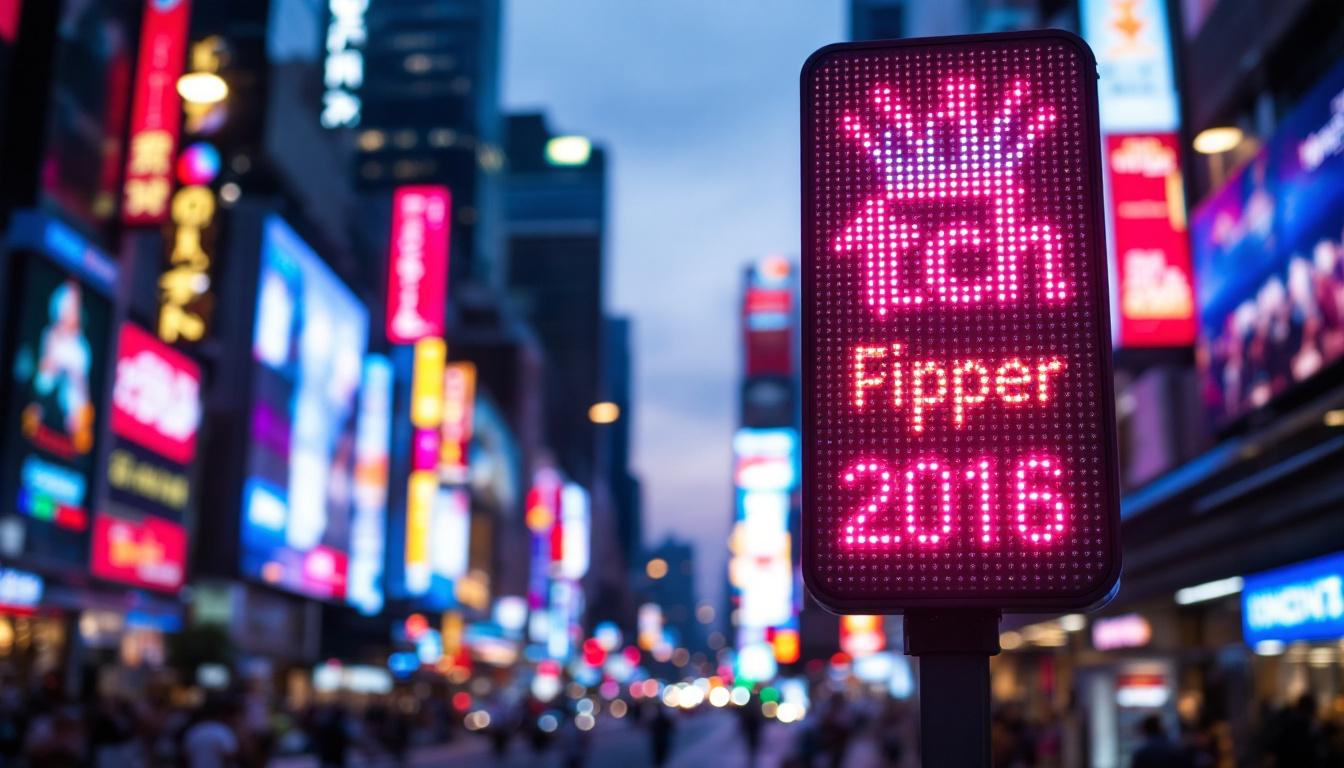
In the early 2000s, LED displays began replacing older signage, driven by advancements in light-emitting diode technology that offered brighter illumination, longer lifespan, and greater energy efficiency. Today, the district boasts some of the largest and most sophisticated LED installations worldwide, including the famous Nasdaq MarketSite and the Reuters sign. These installations not only capture the attention of passersby but also serve as a canvas for creative storytelling, allowing brands to engage audiences in ways that were previously unimaginable.
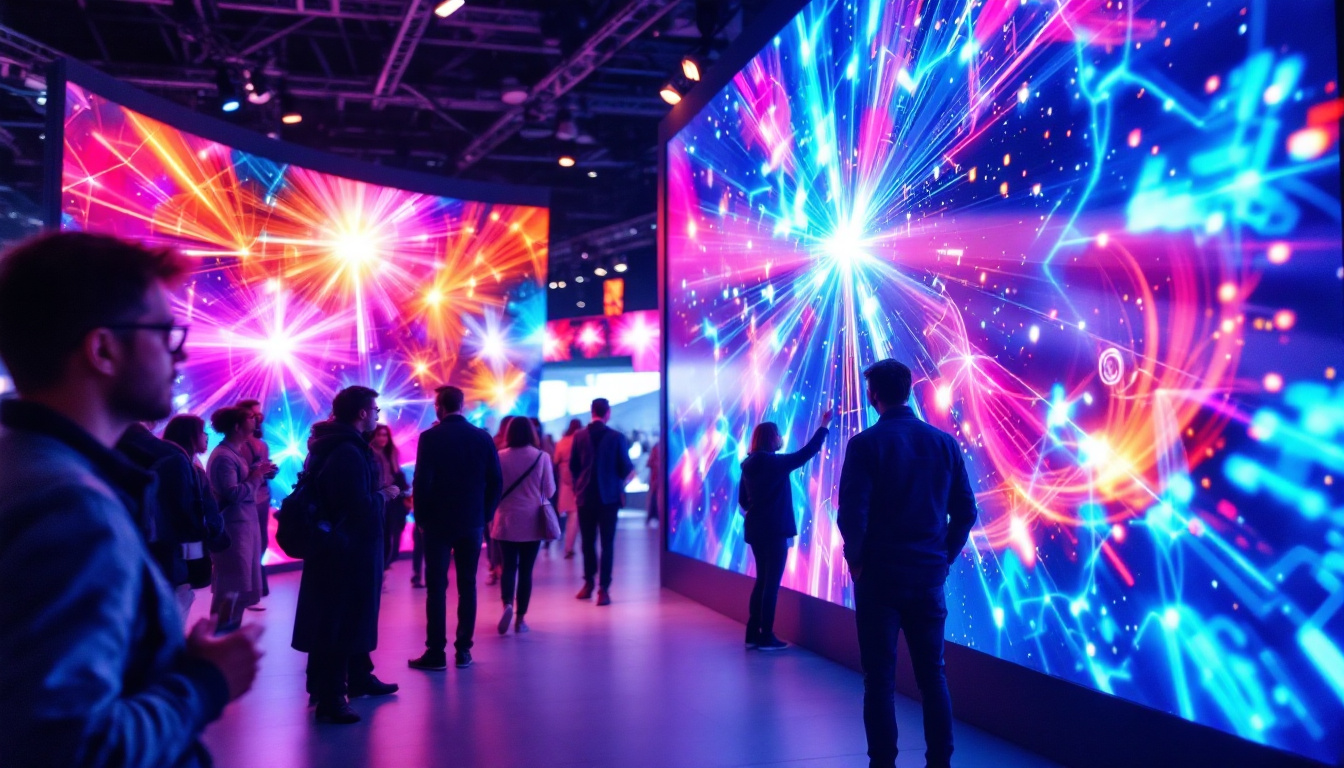
As technology continues to evolve, the integration of interactive elements into advertising has become increasingly prevalent. Many displays now feature touchscreens or augmented reality components, inviting viewers to interact with the content directly. This shift has transformed passive observers into active participants, fostering a deeper connection between brands and consumers. The ability to tailor messages in real-time based on audience engagement has also opened new avenues for targeted advertising, making Times Square a living laboratory for marketing innovation.
From Neon to LEDs: A Technological Leap
Neon signs were once the symbol of Times Square’s advertising scene, known for their glowing tubes and artistic flair. However, neon’s limitations in brightness, flexibility, and maintenance costs paved the way for LEDs. LEDs provide superior brightness and color accuracy, allowing for high-resolution images and videos that can be seen clearly even in direct sunlight.
Moreover, LEDs consume significantly less energy than neon and incandescent bulbs, aligning with growing environmental concerns and operational cost considerations for advertisers. This shift has allowed Times Square to maintain its reputation as a cutting-edge advertising venue while embracing sustainability. As a result, many brands are now opting for eco-friendly practices, such as using solar panels to power their displays, further enhancing the district’s commitment to a greener future. This evolution reflects a broader trend in advertising where sustainability is not just an afterthought but a core component of brand identity, resonating with increasingly eco-conscious consumers.
Understanding LED Display Technology
LED, or Light Emitting Diode, displays are composed of thousands of tiny diodes that emit light when an electric current passes through them. These diodes can be arranged in various configurations to create images, videos, and animations with remarkable clarity and brightness. The technology has evolved significantly over the years, leading to innovations that enhance not only the visual experience but also energy efficiency, making LED displays a popular choice for both commercial and residential applications.
How LED Displays Work
Each LED pixel consists of three sub-pixels: red, green, and blue. By varying the intensity of these sub-pixels, the display can produce a full spectrum of colors. The pixels are controlled by a digital processor that synchronizes the content to create seamless visuals. This precision allows for dynamic content that can change rapidly, making LED displays ideal for advertising and entertainment. Furthermore, advancements in technology have enabled the integration of smart features, allowing for real-time content updates and interactivity.
In large-scale outdoor displays like those in Times Square, the LEDs are typically mounted on modular panels that can be combined to form massive screens. These panels are weatherproof and designed to withstand harsh environmental conditions, including rain, snow, and extreme temperatures. The durability of these displays is crucial, as they operate continuously and must maintain high performance regardless of the weather. Additionally, many displays are equipped with sensors that adjust brightness based on ambient light, ensuring optimal visibility at all times.
Types of LEDs Used in Times Square
Times Square primarily utilizes surface-mounted device (SMD) LEDs, which integrate all three color diodes into a single package. This configuration provides a wide viewing angle and high pixel density, essential for detailed images on large displays. The choice of SMD technology not only enhances the visual experience but also contributes to a more compact design, allowing for thinner screens that can fit into various architectural spaces.
Additionally, the pixel pitch — the distance between individual pixels — varies depending on the screen size and intended viewing distance. For example, closer-viewing screens have smaller pixel pitches for sharper images, while larger screens intended to be seen from afar use wider pitches to optimize cost and visibility. This careful consideration of pixel pitch ensures that viewers, whether standing close or far away, can appreciate the vivid colors and intricate details of the content displayed. Moreover, the flexibility in pixel pitch allows for customized solutions tailored to specific locations and audience needs, further enhancing the effectiveness of advertising campaigns and public announcements.
The Impact of LED Displays on Advertising Strategies
LED technology has transformed how brands approach advertising in Times Square. The ability to display dynamic, real-time content enables advertisers to create more engaging and timely campaigns that resonate with diverse audiences.
Dynamic Content and Real-Time Updates
Unlike traditional static billboards, LED displays allow for rapid content changes. Advertisers can update messages instantly to reflect current events, promotions, or social media trends. For instance, during major events like the Super Bowl or New Year’s Eve celebrations, brands can tailor their messaging in real time to maximize relevance and impact.
This flexibility also supports interactive campaigns, where content can respond to environmental data or audience participation, creating immersive experiences that deepen brand engagement. Imagine a scenario where a fashion brand showcases its latest collection and invites passersby to vote for their favorite outfit via their smartphones, with the results displayed live on the screen. This not only captures attention but also fosters a sense of community and involvement among the audience, making them feel like active participants in the brand’s narrative.
Measuring Effectiveness and ROI
Digital LED advertising facilitates more precise measurement of campaign performance. Technologies such as facial recognition analytics and pedestrian traffic monitoring help advertisers understand audience demographics and engagement levels.
These insights enable brands to optimize their messaging and scheduling, ensuring that their investment in Times Square advertising yields measurable returns. According to a study by the Outdoor Advertising Association of America (OAAA), digital billboards can increase brand recall by up to 47% compared to static signs. Furthermore, the ability to analyze data in real time allows advertisers to pivot their strategies quickly, ensuring that they can respond to shifts in consumer behavior or preferences. For example, if a particular ad is performing exceptionally well, brands can choose to extend its display duration or increase its frequency, maximizing exposure during peak foot traffic times.
Moreover, the integration of augmented reality (AR) with LED displays is paving the way for even more innovative advertising strategies. Brands can create captivating AR experiences that blend the physical and digital worlds, encouraging viewers to engage with their products in novel ways. This not only enhances the visual appeal of the advertisement but also encourages sharing on social media platforms, further amplifying the brand’s reach and impact. The combination of LED technology and AR represents a frontier in advertising that is set to redefine how brands connect with consumers in urban landscapes.
Challenges and Considerations for LED Advertising in Times Square
While LED displays offer numerous advantages, advertisers must navigate several challenges to maximize their effectiveness in Times Square’s unique environment.
High Costs and Competition
Advertising space in Times Square commands premium prices due to the location’s unparalleled foot traffic and media exposure. The cost of producing and running high-quality LED campaigns can be substantial, often requiring significant budgets and strategic planning.
Moreover, the sheer volume of competing advertisements means that brands must craft visually striking and memorable content to stand out. This often involves collaboration with creative agencies specializing in digital media and experiential marketing.
Technical and Regulatory Constraints
Maintaining LED displays in a busy urban setting involves technical complexities, including ensuring consistent brightness, color calibration, and hardware durability. Regular maintenance and upgrades are essential to prevent downtime and preserve image quality.
Additionally, advertisers must comply with New York City’s regulations governing digital signage, which include restrictions on brightness levels and content appropriateness to minimize distractions and maintain public safety.
The Future of LED Displays in Times Square
As technology continues to evolve, the future of LED advertising in Times Square promises even greater innovation and interactivity.
Integration with Augmented Reality and AI
Emerging technologies like augmented reality (AR) and artificial intelligence (AI) are beginning to merge with LED displays, enabling personalized and context-aware advertising experiences. For example, AI-powered analytics can tailor content based on real-time audience demographics, while AR can create immersive visual effects that extend beyond the screen.
These advancements are expected to further enhance audience engagement and provide brands with new ways to connect with consumers in the bustling environment of Times Square.
Sustainability and Energy Efficiency
Environmental concerns are driving innovation in LED technology, with a focus on reducing energy consumption and minimizing light pollution. Newer LED systems incorporate smarter controls that adjust brightness based on ambient light and pedestrian activity, optimizing energy use without compromising visibility.
As Times Square continues to prioritize sustainability, advertisers will benefit from technologies that align with eco-friendly practices while maintaining the vibrancy and impact of their campaigns.
Conclusion
Times Square’s LED displays represent a pinnacle of outdoor advertising technology, combining advanced engineering with creative storytelling to captivate a global audience. Understanding the technology behind these luminous billboards provides valuable insight into how brands leverage innovation to achieve visibility in one of the world’s most iconic locations.
For advertisers, embracing LED technology in Times Square is not just about bright lights and bold colors; it’s about crafting dynamic, engaging experiences that resonate with millions and drive meaningful business results. As LED technology continues to advance, the future of advertising in Times Square will undoubtedly shine even brighter.
Illuminate Your Brand with LumenMatrix
Ready to make your brand shine in the heart of Times Square and beyond? LumenMatrix is at the forefront of LED display innovation, offering a diverse range of solutions tailored to your unique advertising needs. From the immersive Indoor LED Wall Display to the dynamic Outdoor LED Wall Display, and from the mobile flexibility of Vehicle LED Displays to the interactive possibilities of Floor LED Displays, our technology is designed to captivate and engage. Elevate your visual communication with our Custom LED Displays or explore the sleek design of our All-in-One LED Display. Experience the future of advertising with our LED Transparent Display and see how we’re redefining the landscape of digital signage. Don’t just add to the spectacle; be the spectacle. Check out LumenMatrix LED Display Solutions and transform your message into a visual masterpiece.