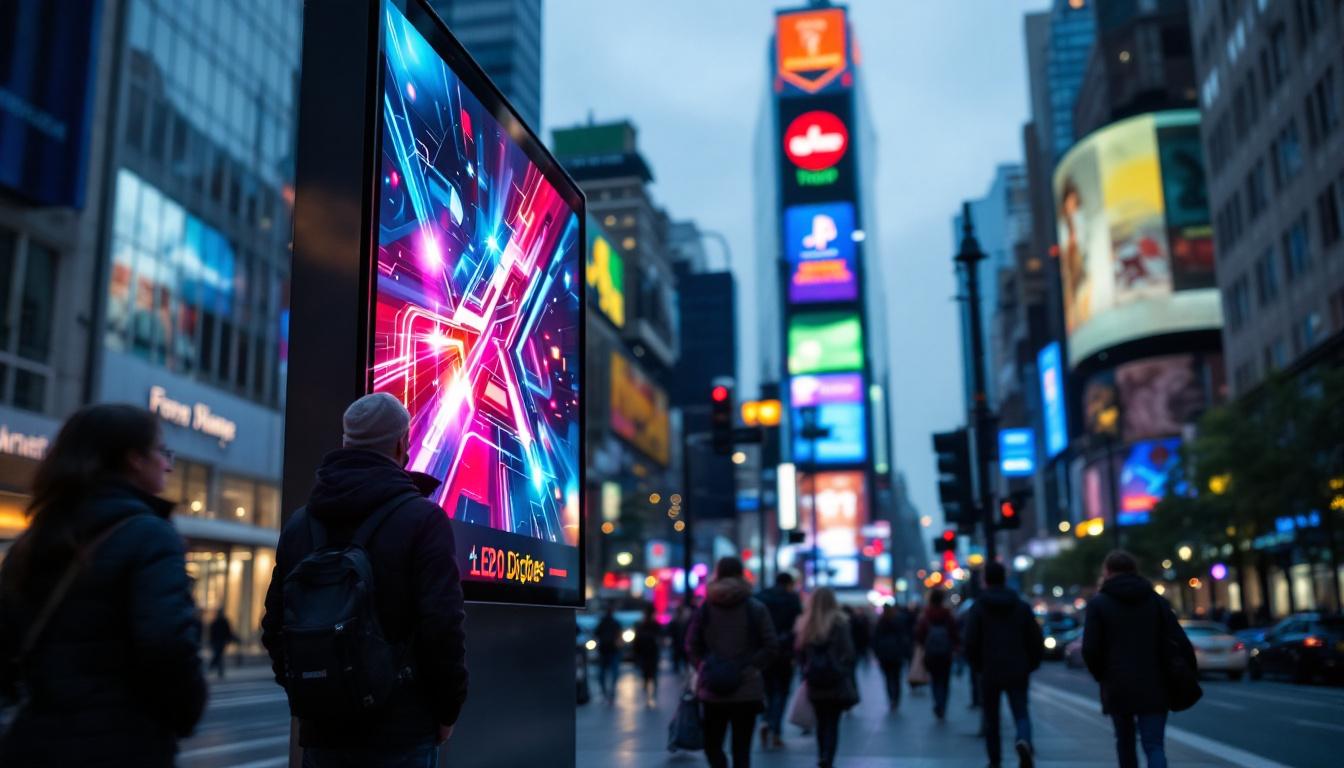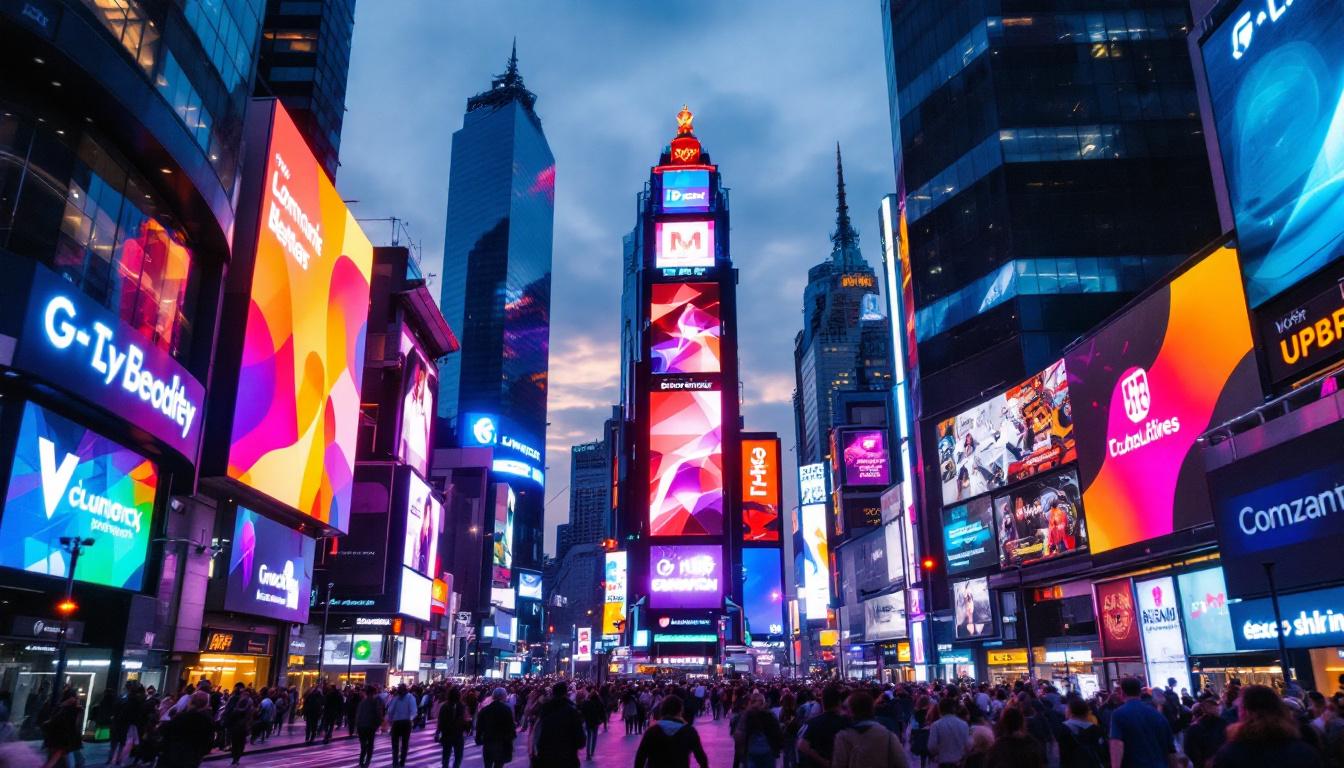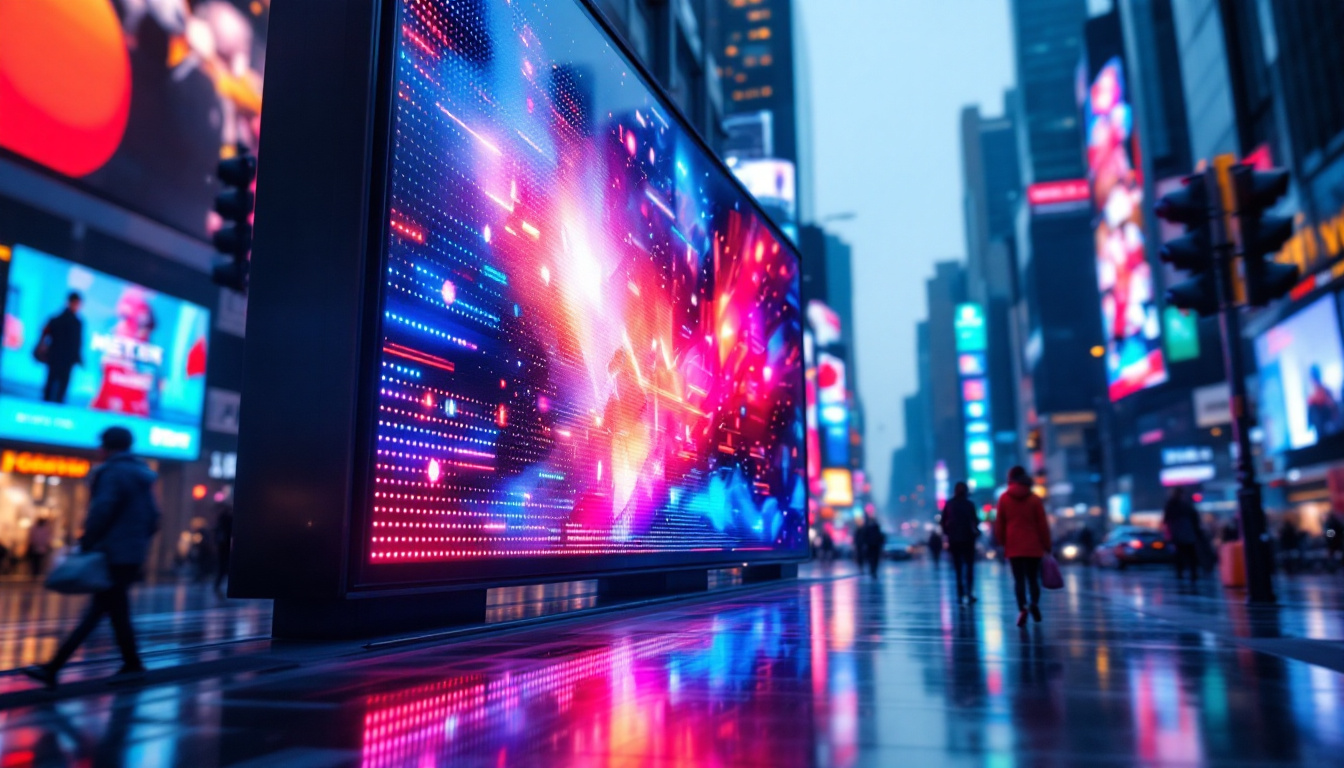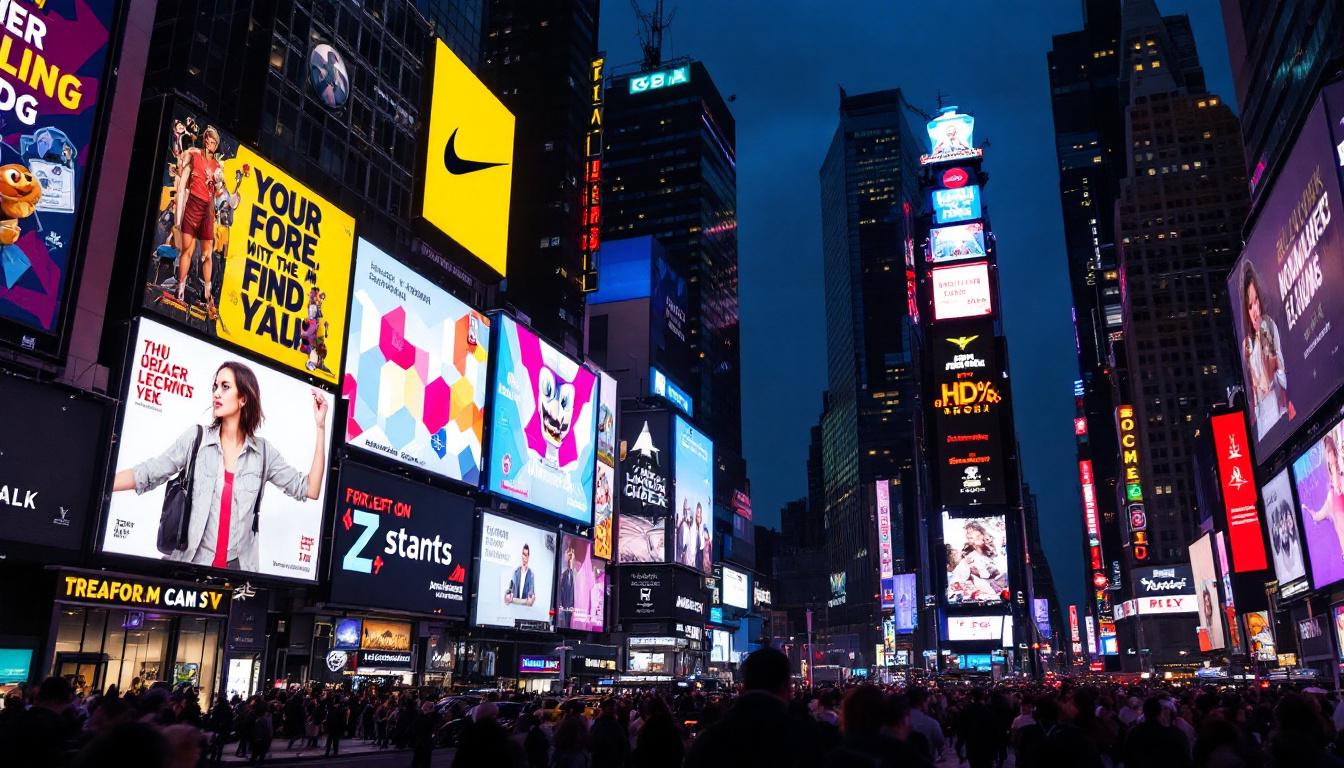
Times Square in New York City is often called “The Crossroads of the World,” and for good reason. It’s one of the most iconic and busiest commercial intersections globally, attracting over 330,000 pedestrians daily. This bustling hub is renowned for its dazzling LED billboards that light up the skyline 24/7, making it a prime location for advertisers looking to capture the attention of millions. However, advertising in Times Square, especially on LED displays, comes with a unique set of pricing structures and considerations that can be complex to navigate.
This article delves into the intricacies of Times Square advertising prices, focusing on LED displays. It will explain how pricing works, what factors influence costs, and why investing in Times Square advertising can be a game-changer for brands. Whether you’re a marketing professional, a business owner, or simply curious about the economics behind these bright lights, this comprehensive guide will illuminate the subject.
Understanding the Appeal of Times Square LED Advertising
Why Times Square?
Times Square is more than just a tourist attraction; it is a global advertising powerhouse. The area’s LED billboards are visible to millions of people every day, including locals, tourists, and commuters. This high foot traffic combined with the area’s cultural significance makes it a coveted advertising spot.
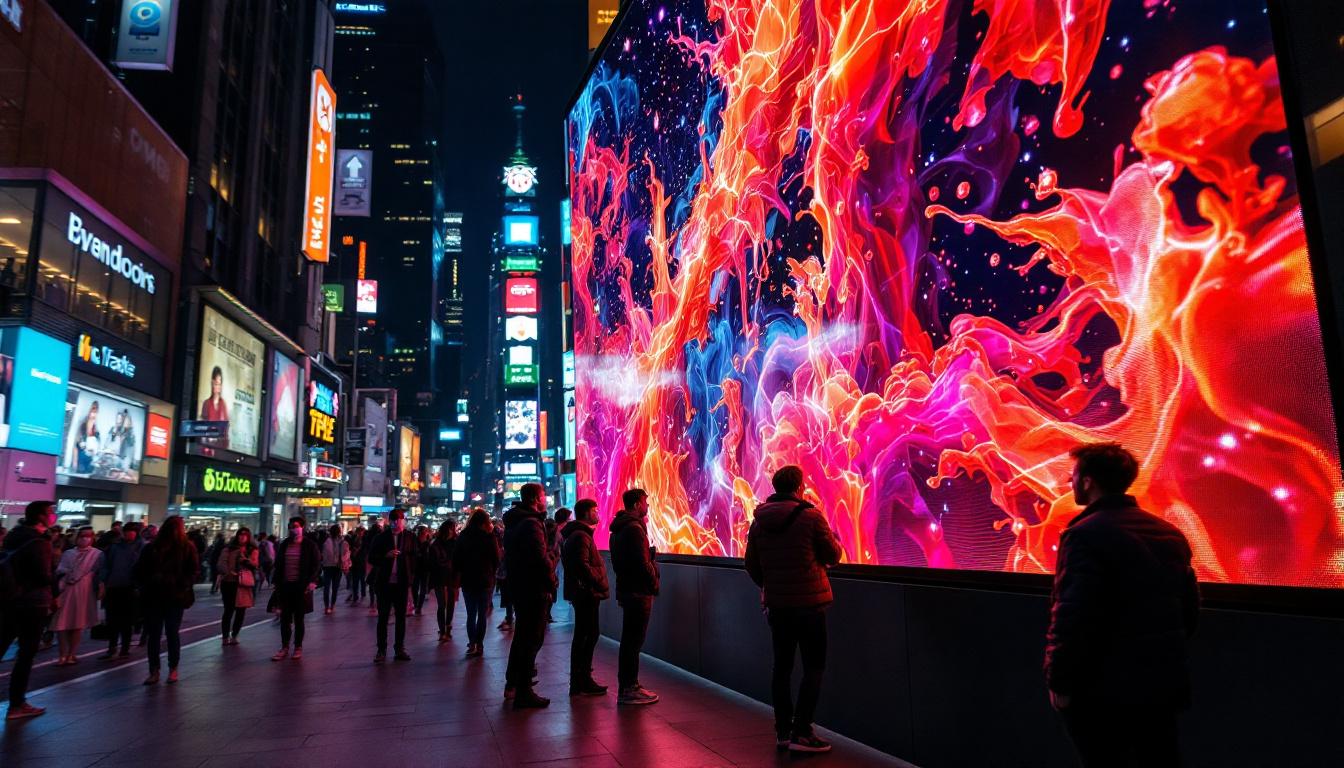
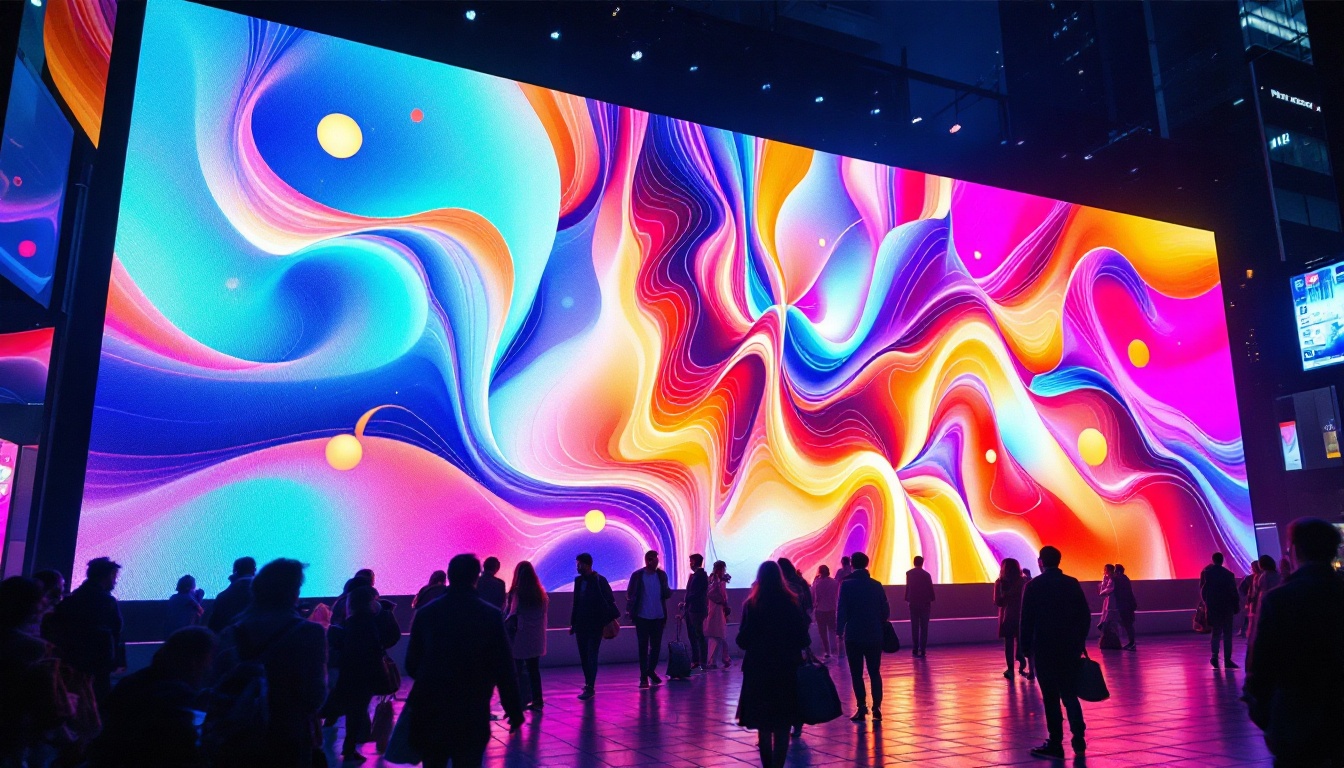
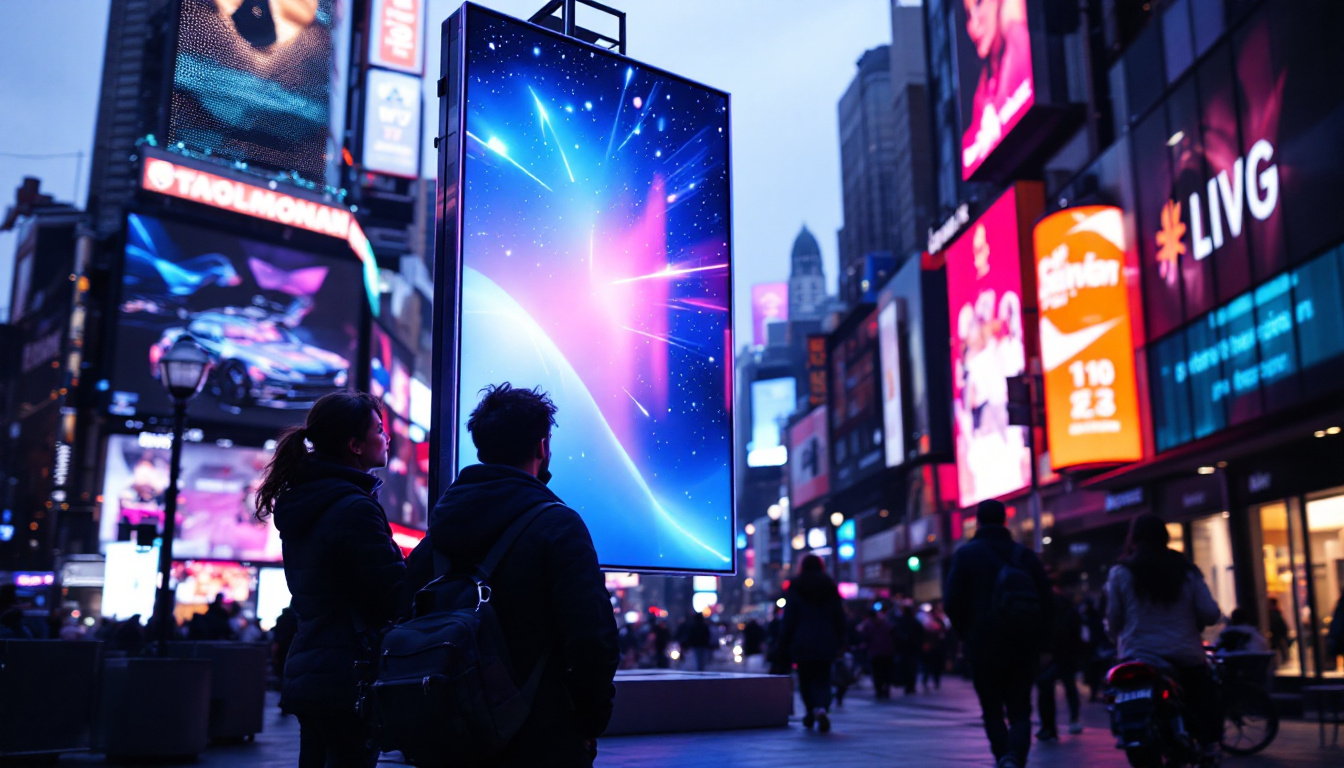
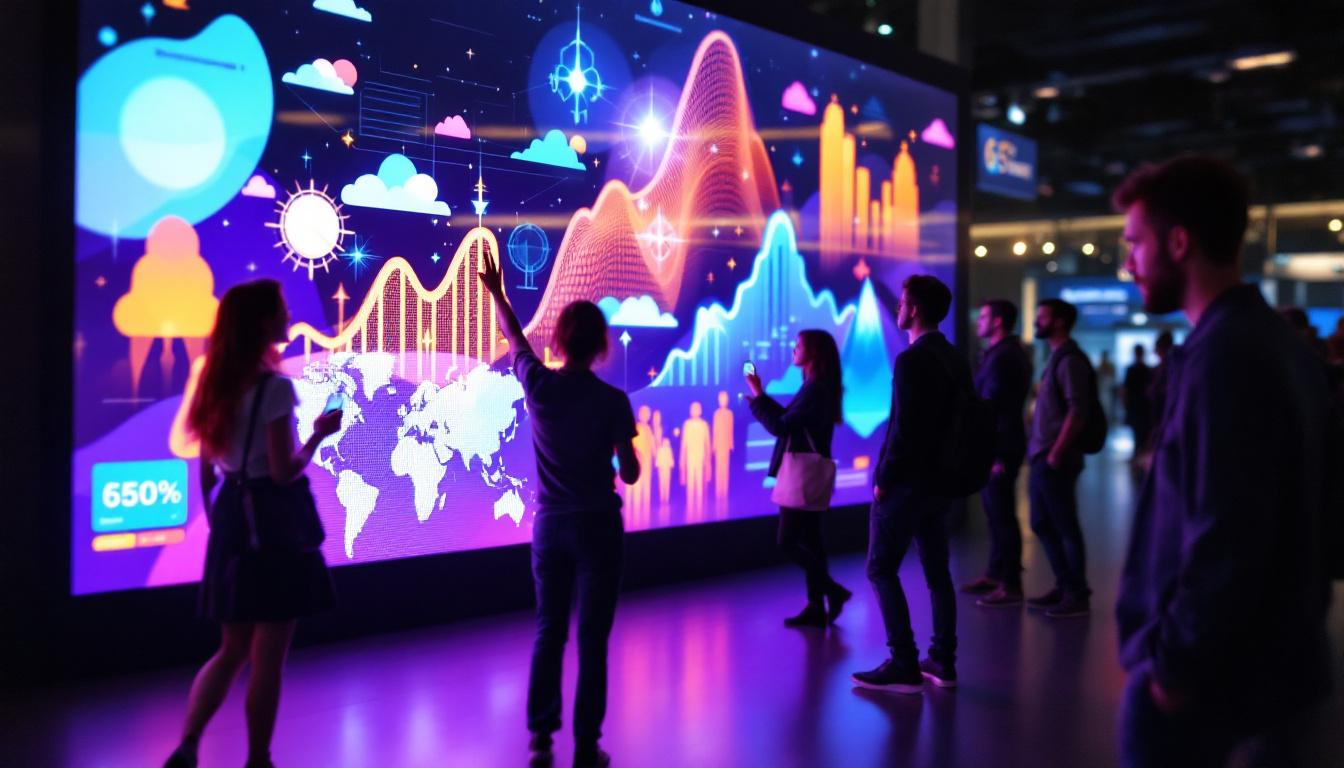
Furthermore, Times Square’s LED displays are not just static billboards—they are dynamic, vibrant, and often interactive. This allows brands to create memorable campaigns that stand out in a sea of advertisements. The sheer scale of these displays, some of which are among the largest in the world, means that ads here can have a monumental visual impact. The iconic nature of Times Square also lends an air of prestige to any brand that chooses to advertise there, as it is often seen as a rite of passage for companies looking to make a significant mark in the marketplace.
Additionally, the unique atmosphere of Times Square, with its bustling crowds and constant activity, creates an unparalleled backdrop for advertising. The area is a melting pot of cultures, drawing people from all walks of life, which means that ads here can reach a diverse audience. This diversity not only enhances the potential for engagement but also allows brands to tailor their messages to resonate with a wide range of demographics, making their campaigns even more effective.
The Power of LED Technology
LED (Light Emitting Diode) technology is central to Times Square’s advertising success. LEDs offer several advantages over traditional advertising mediums:
- Brightness and Visibility: LED displays are bright enough to be seen clearly even in daylight, ensuring that ads remain visible 24/7.
- Dynamic Content: Unlike static billboards, LED screens can display videos, animations, and multiple ads in rotation, increasing engagement.
- Energy Efficiency: LEDs consume less power compared to older neon or incandescent lighting, making them more sustainable.
- Durability: LED panels are weather-resistant and designed to operate continuously with minimal maintenance.
These features make LED advertising a premium option, justifying the higher costs associated with Times Square placements. Moreover, the technology allows for real-time updates, enabling brands to respond quickly to current events or trends, thus keeping their messaging relevant and timely. This adaptability is particularly valuable in an ever-changing advertising landscape where consumer preferences can shift rapidly.
Moreover, the integration of advanced analytics and tracking capabilities with LED advertising means that brands can measure the effectiveness of their campaigns more accurately. By analyzing viewer engagement and interaction rates, advertisers can refine their strategies, ensuring that their messages are not only seen but also resonate with their target audience. This data-driven approach enhances the overall impact of advertising in Times Square, making it a strategic choice for brands looking to maximize their reach and influence.
Breaking Down Times Square Advertising Prices
Base Costs and Pricing Models
Advertising prices in Times Square vary widely based on several factors, including location, screen size, duration, and time of day. On average, renting a 10-second spot on a Times Square LED billboard can range anywhere from $5,000 to $50,000 per day. For some of the largest and most prominent displays, prices can exceed $1 million for a month-long campaign.
There are generally two pricing models:
- Flat Rate: Advertisers pay a fixed price for a specific time slot or duration, often negotiated based on demand and screen prominence.
- Cost Per Impression (CPM): Some advertisers pay based on the estimated number of viewers, which can be beneficial for campaigns focused on reach and frequency.
Factors Influencing Pricing
Several elements influence the final cost of Times Square LED advertising:
1. Location and Screen Size
Not all LED screens in Times Square are created equal. Prime locations—such as those facing major pedestrian thoroughfares or near landmarks like the TKTS booth—command higher prices. Larger screens with higher resolution also cost more due to their greater impact and visibility.
2. Duration and Frequency
The length of the campaign and how often the ad is displayed affect pricing. Longer campaigns typically benefit from discounted daily rates, while ads shown during peak hours (e.g., evenings and weekends) are more expensive due to higher viewership.
3. Time of Year
Seasonality plays a significant role. The holiday season, especially December, is the most expensive time to advertise in Times Square due to increased tourist traffic and festive events. Conversely, prices may be lower during off-peak months.
4. Production and Creative Costs
Creating content for LED displays requires high-resolution, dynamic visuals optimized for large-scale screens. Production costs can vary widely depending on the complexity of the campaign, including animation, video production, and technical specifications.
5. Agency and Management Fees
Many advertisers work with media agencies specializing in Times Square placements. These agencies charge fees for negotiating, scheduling, and managing the campaign, which adds to the overall budget.
Example Pricing Scenarios
To provide a clearer picture, here are a few hypothetical examples based on current market trends:
- Small Screen, Short Duration: A 10-second ad on a smaller LED screen for one day might cost around $5,000 to $10,000.
- Mid-Size Screen, One Week: A mid-sized billboard with 15-second spots running multiple times an hour could cost $100,000 to $250,000 for a week.
- Large Screen, Month-Long Campaign: A premium location with a large LED display, running a 30-second ad multiple times per hour for a month, can easily exceed $1 million.
Maximizing ROI from Times Square LED Advertising
Targeting the Right Audience
Given the premium cost of Times Square advertising, it’s crucial to ensure the campaign reaches the intended audience effectively. Brands targeting tourists, entertainment seekers, or urban professionals can benefit greatly from the diverse demographic that passes through Times Square daily.
Advertisers should leverage data analytics and audience insights to schedule ads during peak times for their target market. For example, luxury brands might focus on evening hours when affluent shoppers are more likely to be present.
Creative Strategies for Impact
Times Square’s LED billboards offer unique creative opportunities. Dynamic visuals, animations, and interactive elements can capture attention more effectively than static ads. Some brands have incorporated real-time social media feeds, augmented reality, or live event tie-ins to enhance engagement.
Additionally, storytelling through sequential ads or synchronized campaigns across multiple screens can create a memorable brand experience. The key is to design content that leverages the scale and vibrancy of LED technology while resonating emotionally with viewers.
Measuring Success
Measuring the return on investment (ROI) for Times Square advertising can be challenging but is essential. Common metrics include:
- Impressions: Estimated number of viewers based on foot traffic and screen visibility.
- Engagement: Social media mentions, hashtag usage, and online interactions linked to the campaign.
- Sales Impact: Tracking sales lift or website traffic during and after the campaign period.
Using QR codes, custom URLs, or unique promotional codes embedded in the ad can help track direct responses. Combining these with broader brand awareness studies provides a holistic view of campaign effectiveness.
Challenges and Considerations
High Costs and Budget Constraints
The most obvious challenge is the high cost of advertising in Times Square. Smaller businesses or startups may find these prices prohibitive. However, some companies opt for shorter bursts or less prominent screens to balance costs and exposure.
Regulatory and Technical Limitations
Times Square advertising is subject to strict city regulations regarding brightness, content, and safety. Advertisers must comply with these rules, which can limit creative freedom. Additionally, technical specifications for LED content are rigorous, requiring professional production expertise.
Competition and Clutter
Times Square is saturated with advertisements, which means standing out can be difficult. Brands must compete not only with other LED billboards but also with street-level signage, performers, and the general sensory overload of the area.
Conclusion: Is Times Square LED Advertising Worth the Investment?
Advertising on LED displays in Times Square is undoubtedly expensive, but it offers unparalleled visibility and brand prestige. For companies seeking to make a bold statement and reach a diverse, global audience, the investment can yield significant returns.
Understanding the pricing structure and factors influencing costs is essential for planning an effective campaign. By combining strategic timing, compelling creative content, and precise targeting, brands can maximize the impact of their Times Square presence.
Ultimately, Times Square advertising is more than just a billboard—it’s a cultural landmark and a symbol of marketing excellence. For those with the budget and vision, it remains one of the most powerful advertising platforms in the world.
Illuminate Your Brand with LumenMatrix
Ready to shine in the heart of New York City? LumenMatrix is at the forefront of LED display innovation, offering a wide array of solutions to make your brand a beacon in Times Square. From Indoor and Outdoor LED Wall Displays to specialized options like Vehicle and Sports Displays, our technology is designed to captivate and engage. Embrace the power of visual storytelling with our Custom, All-in-One, and Transparent LED Displays, and see how our commitment to revolutionizing visual communication can transform your advertising efforts. Don’t just be part of the landscape—dominate it. Check out LumenMatrix LED Display Solutions and elevate your brand’s presence where it matters most.