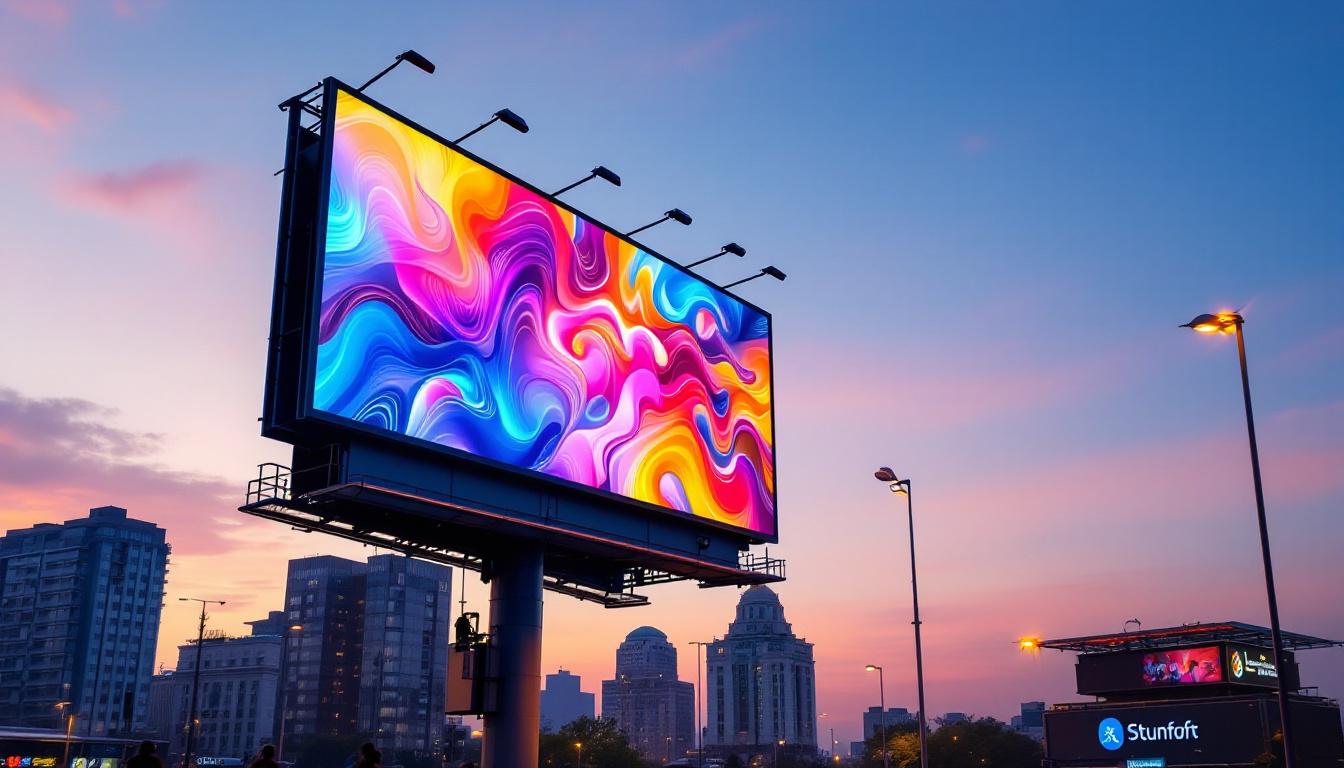
In today’s fast-paced world, advertising has evolved dramatically from static print billboards to dynamic digital displays. Among the most revolutionary advancements in outdoor advertising is the LED display billboard. These vibrant, eye-catching billboards have transformed the way brands communicate with audiences, offering unparalleled visibility and flexibility. This article delves into the technology behind LED display billboards, their advantages, and why they have become a staple in modern advertising.
Understanding LED Display Technology
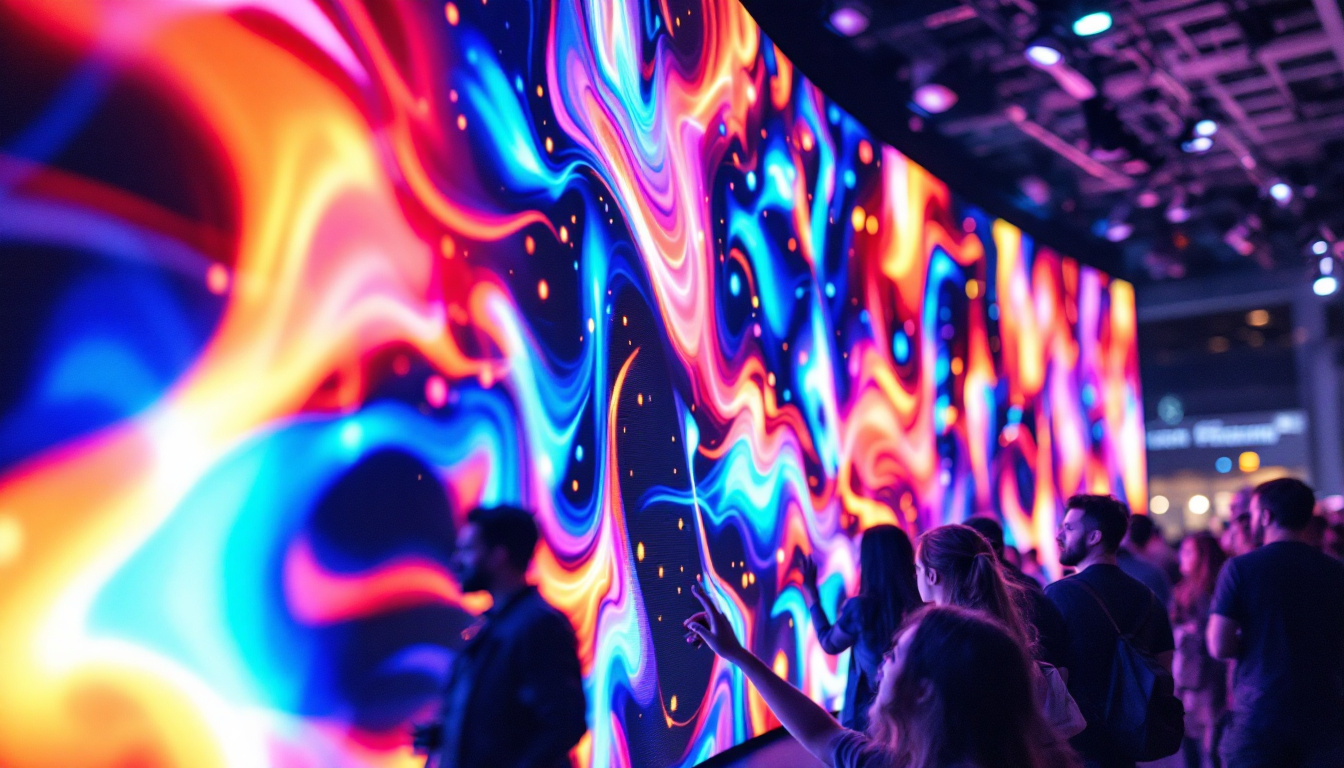
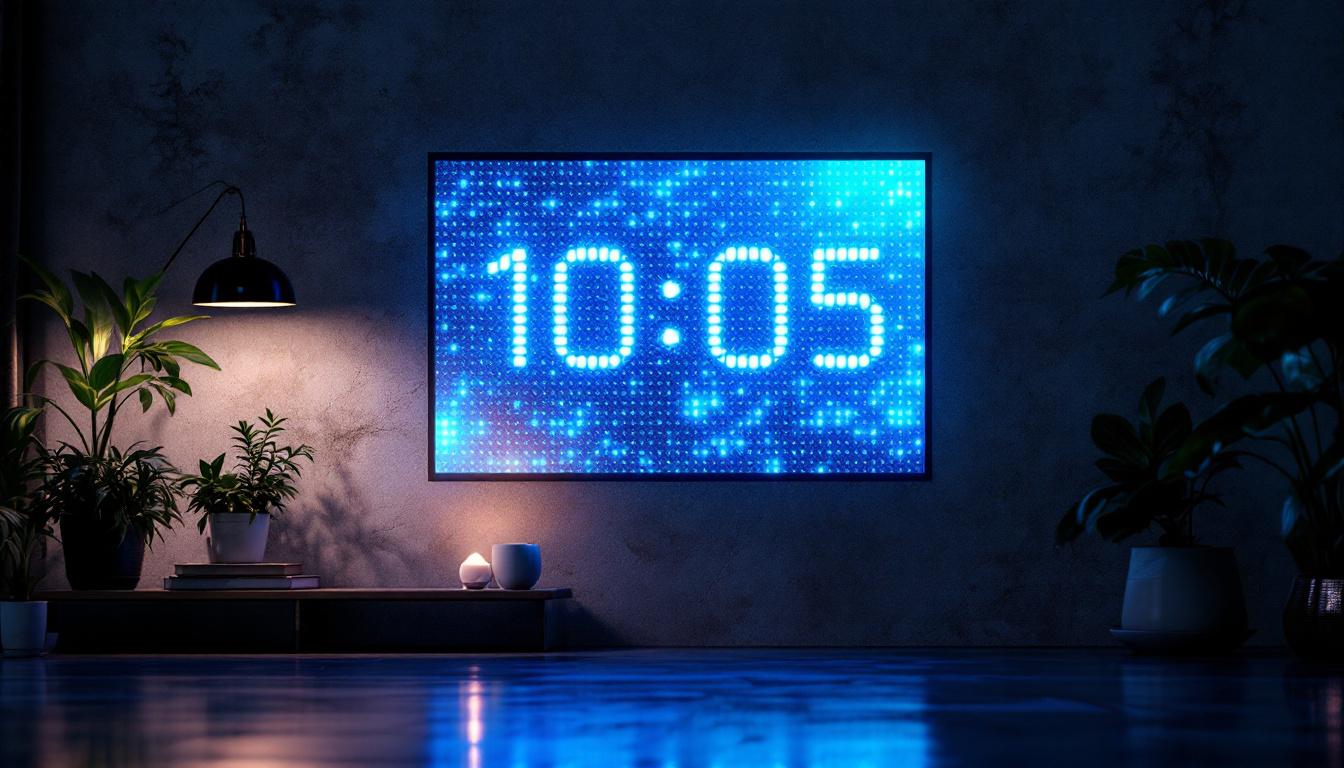
LED, or Light Emitting Diode, technology forms the backbone of modern digital billboards. Unlike traditional billboards that rely on printed materials, LED displays use thousands of tiny diodes that emit light when an electric current passes through them. These diodes are arranged in a matrix to create images, videos, and animations that can be seen clearly from great distances. The ability to display vibrant colors and dynamic content has revolutionized advertising, allowing brands to capture the attention of passersby in ways that static images simply cannot.
How LED Displays Work
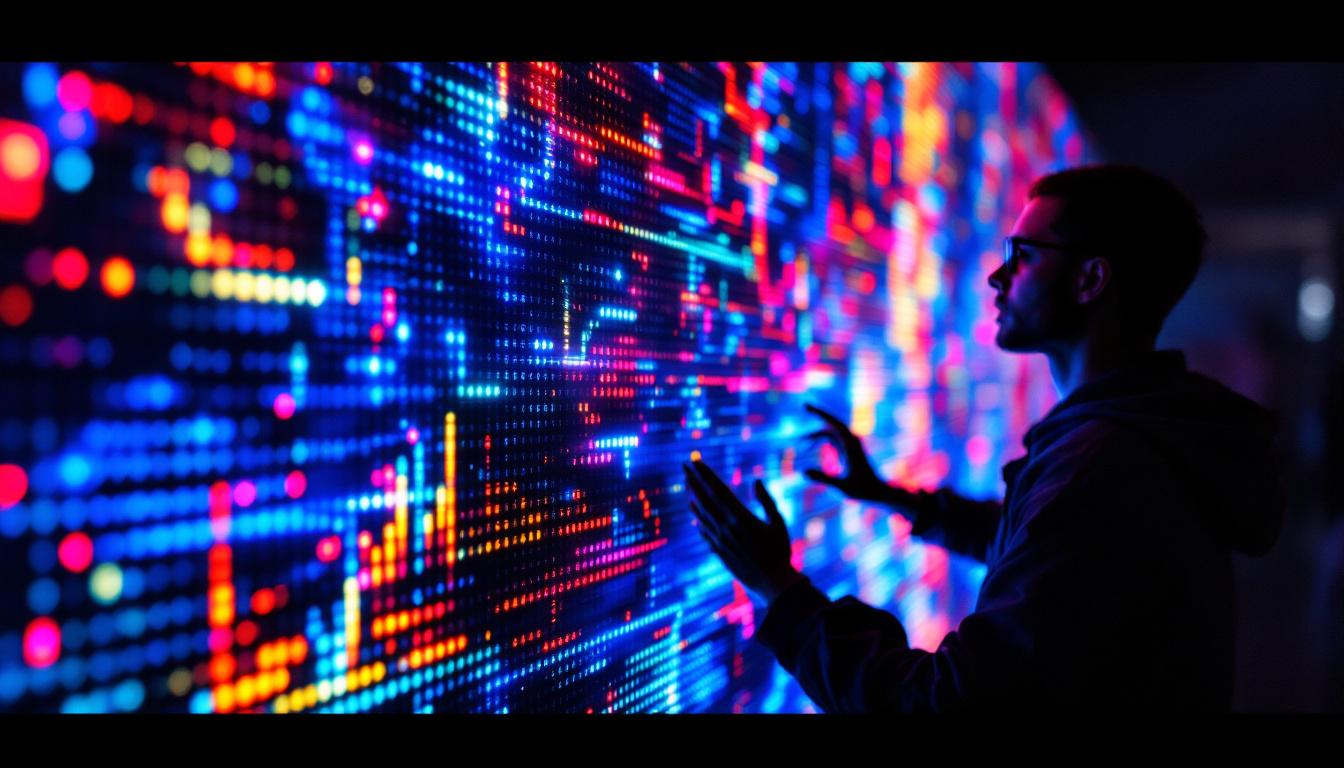
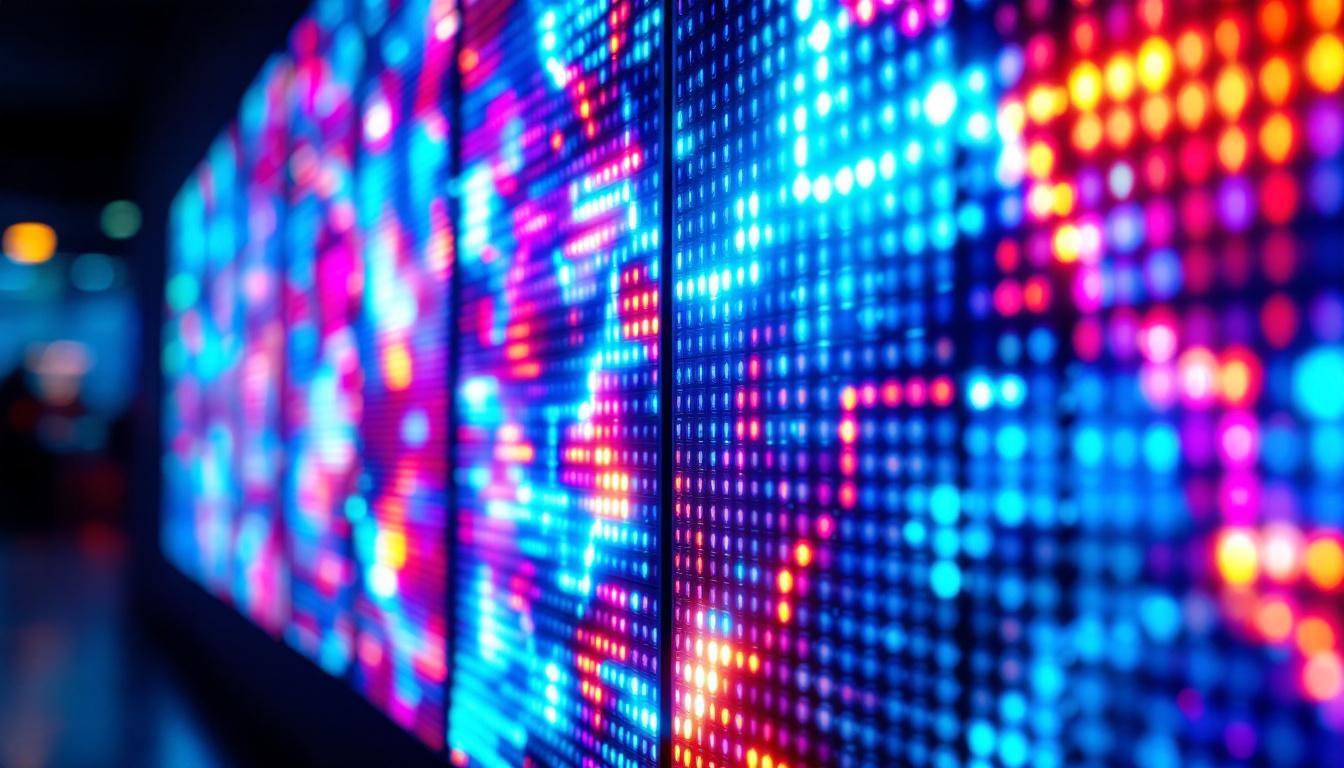
Each LED pixel consists of red, green, and blue diodes, which combine in various intensities to produce a full spectrum of colors. By controlling the brightness of each diode, the display can render detailed images and smooth video content. The resolution of an LED billboard depends on the pixel pitch — the distance between the centers of two adjacent pixels. Smaller pixel pitches yield higher resolution and sharper images, making them suitable for close viewing, while larger pitches are more cost-effective for billboards viewed from afar. This flexibility in design allows advertisers to strategically place their messages in a way that maximizes visibility and impact.
Modern LED billboards are controlled by sophisticated software that allows advertisers to schedule content, adjust brightness based on ambient light, and even integrate real-time data such as weather updates or social media feeds. This dynamic capability is a key factor in their growing popularity. Moreover, advancements in technology have led to the development of energy-efficient LED systems that not only reduce operational costs but also minimize environmental impact, making them a sustainable choice for outdoor advertising.
Types of LED Displays Used in Billboards
LED billboards come in various forms, including:
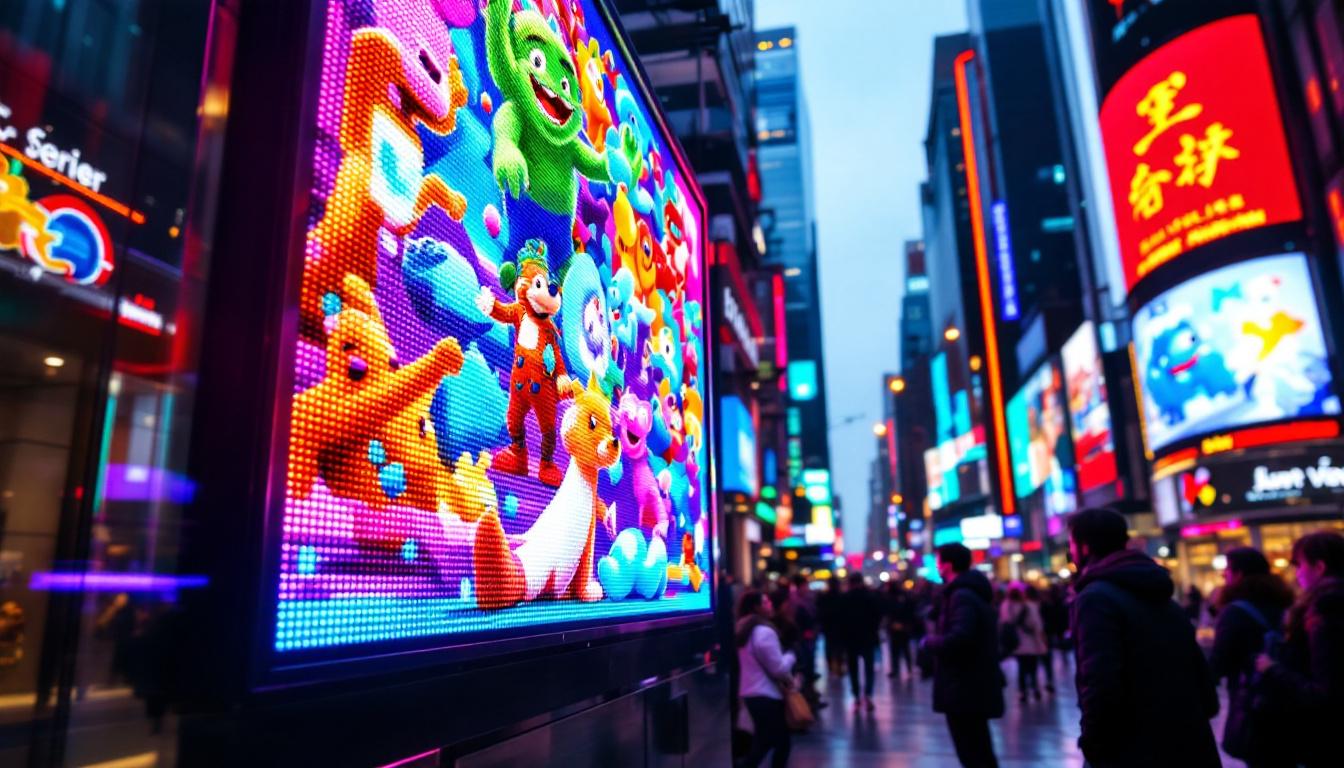
- Outdoor LED Displays: Designed to withstand harsh weather conditions, these are typically waterproof, dustproof, and UV-resistant. They are built with robust materials to ensure longevity and consistent performance. These displays are often seen along highways and in urban settings, where they can effectively communicate messages to a wide audience.
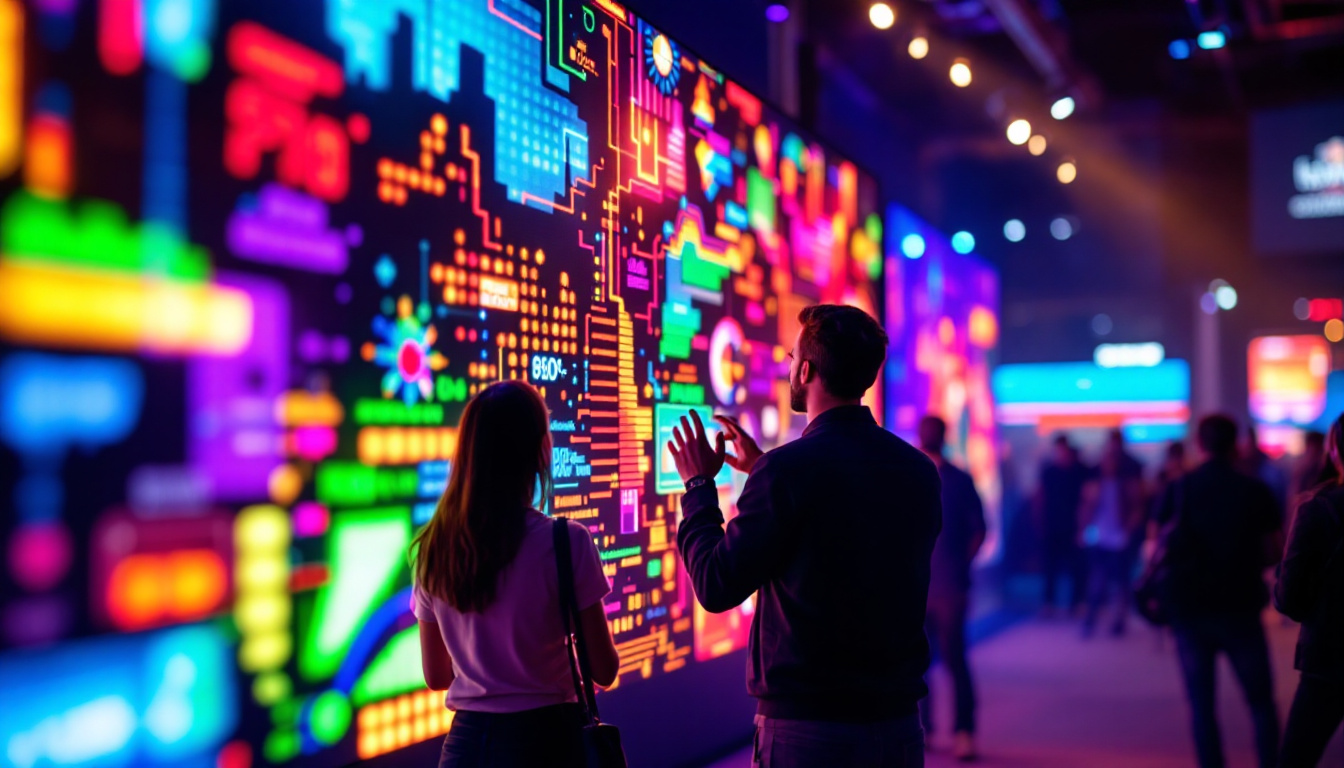
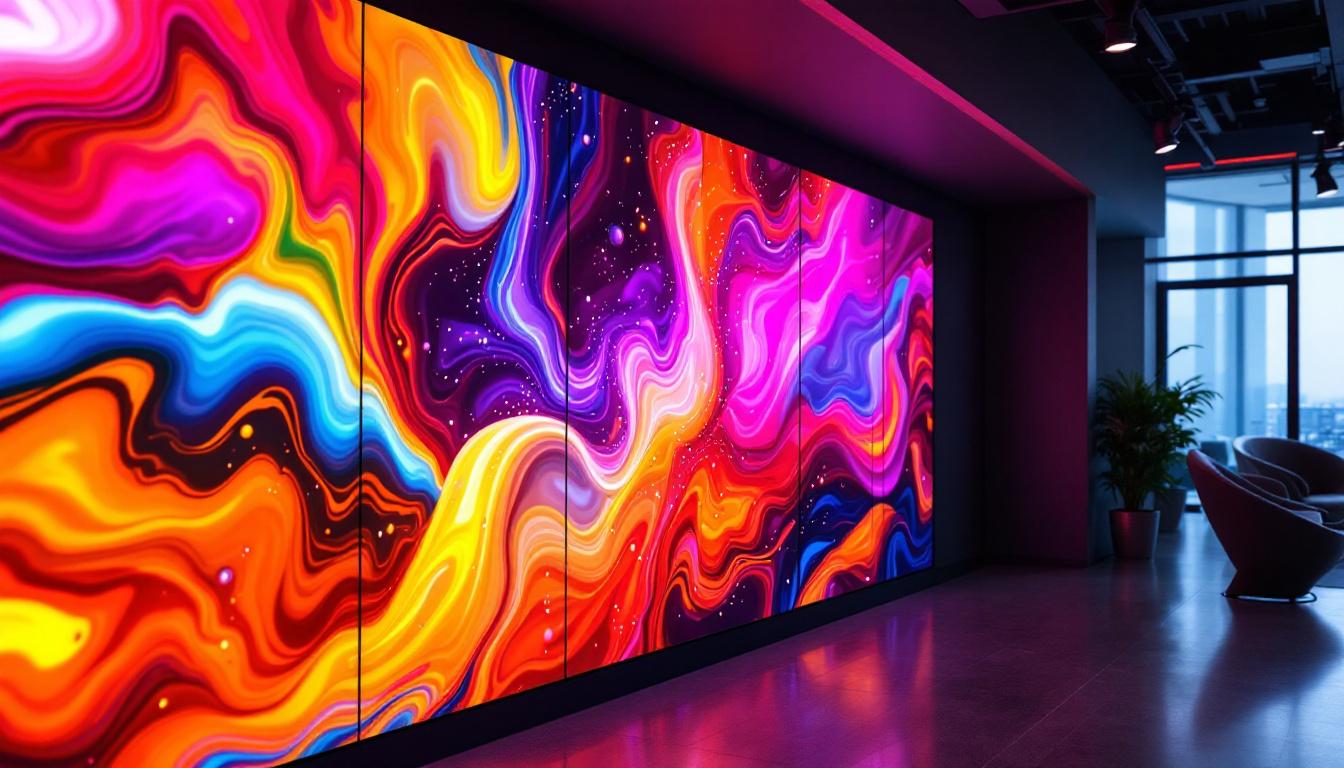
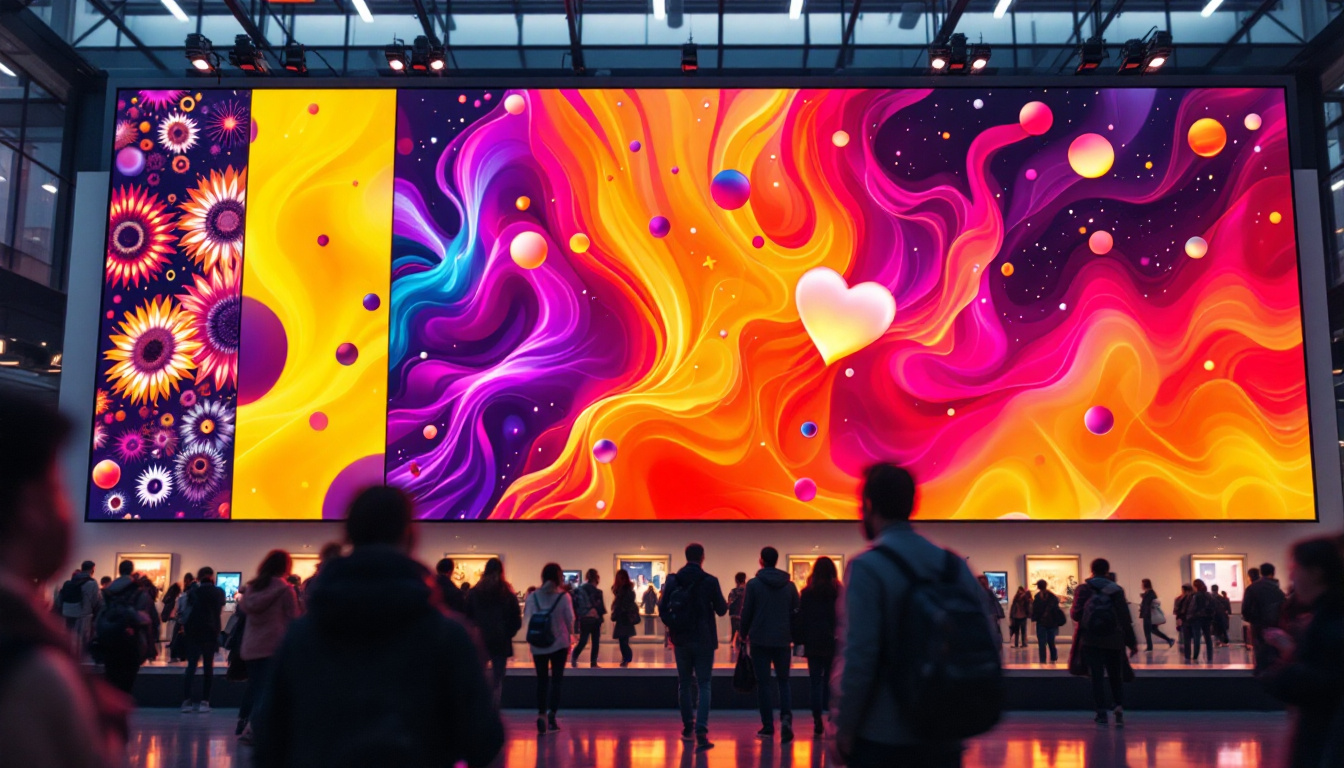
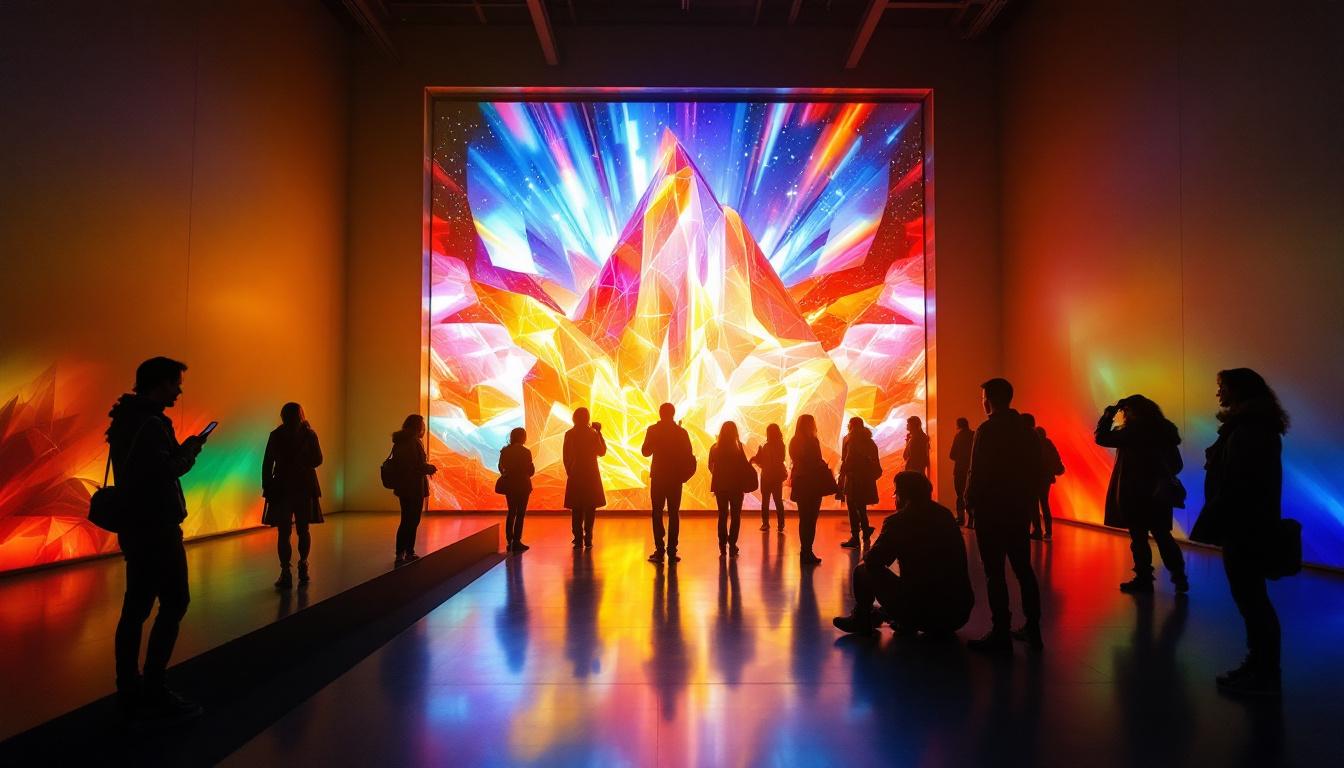
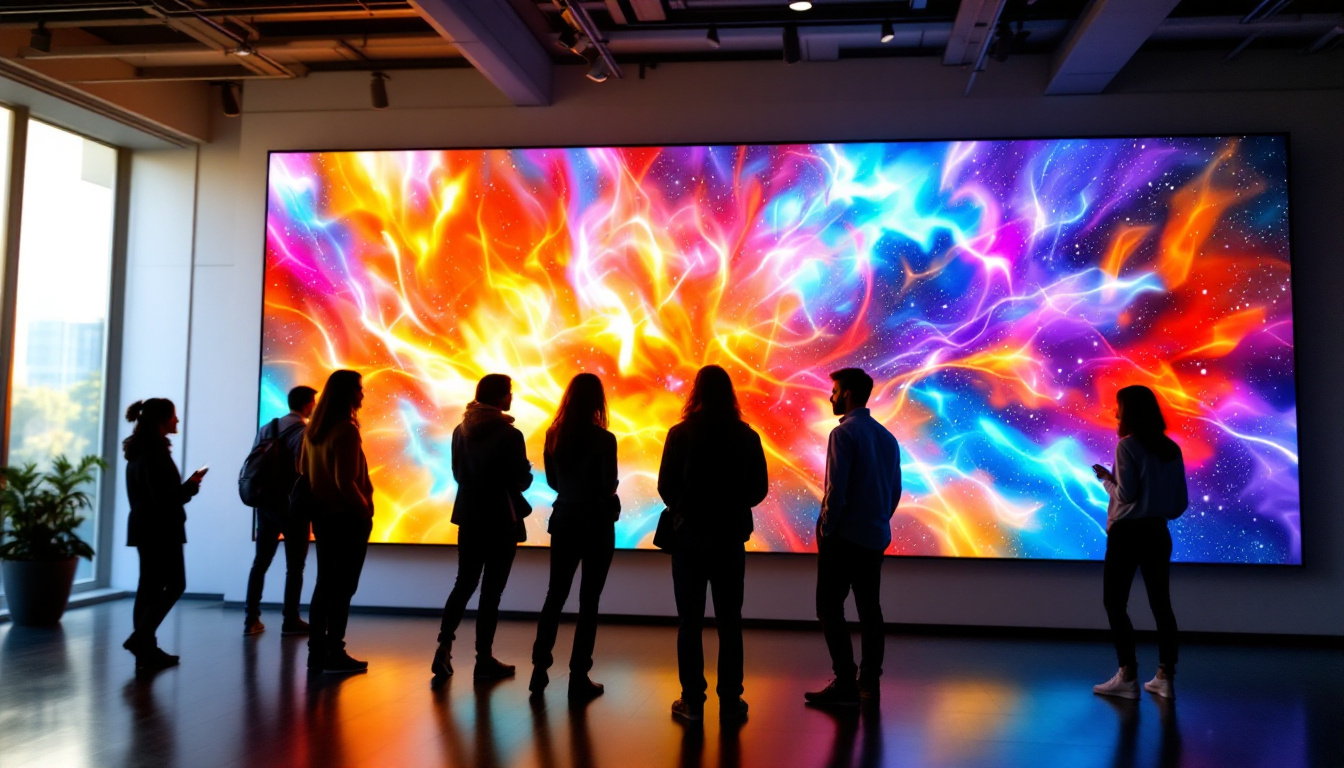
- Indoor LED Displays: Used in malls, airports, and indoor arenas, these have higher resolution and brightness tailored for indoor lighting environments. Their ability to display high-definition content makes them ideal for engaging audiences in commercial spaces and entertainment venues.
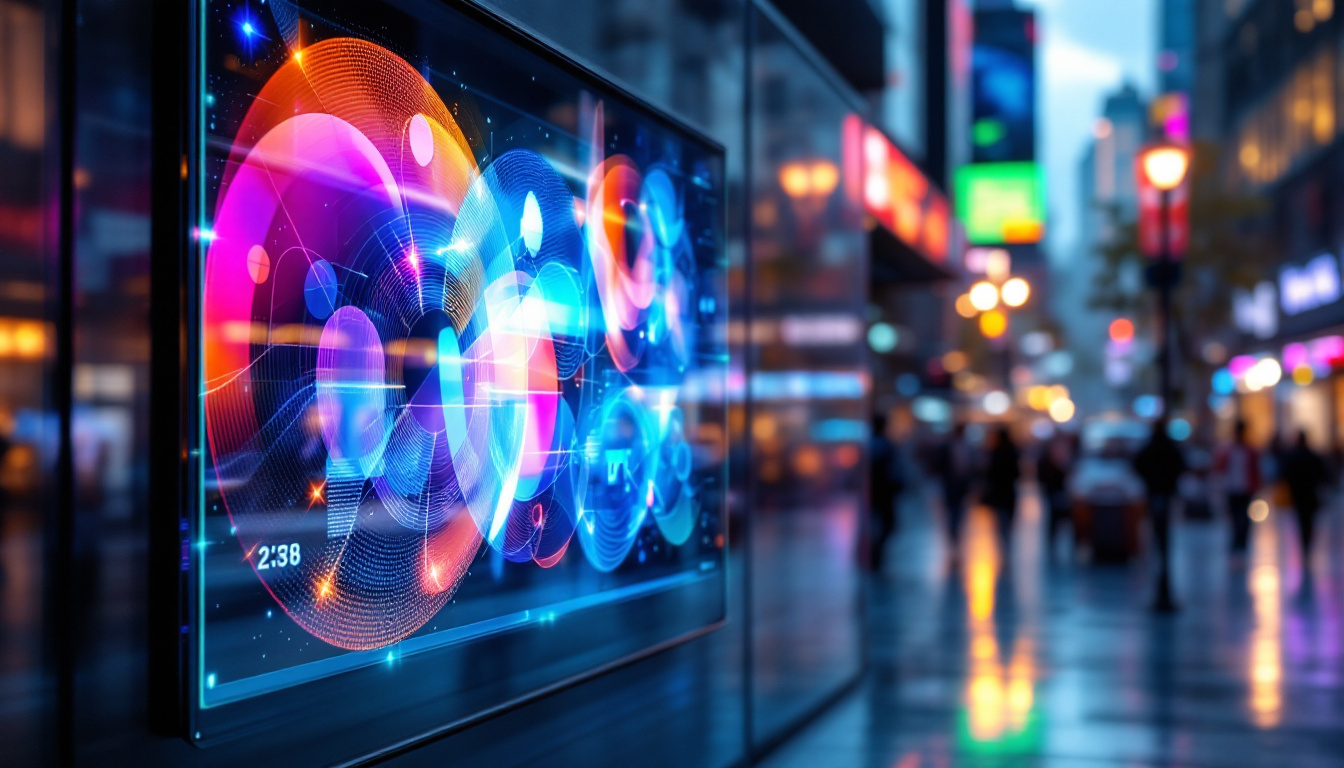
- Transparent LED Displays: These innovative displays allow light to pass through, making them ideal for glass windows or storefronts without obstructing views. This unique feature enables businesses to showcase their products while maintaining an open and inviting atmosphere.
In addition to these types, there are also flexible LED displays that can be curved or shaped to fit unconventional spaces, allowing for creative advertising solutions. These displays can adapt to various architectural designs, making them a popular choice for modern installations. Furthermore, as technology continues to evolve, we can expect to see even more innovative applications of LED technology in advertising and beyond, pushing the boundaries of what is possible in visual communication.
Advantages of LED Billboards Over Traditional Advertising
The shift from static to digital billboards is driven by the numerous benefits LED displays offer to advertisers and audiences alike. Understanding these advantages helps explain why LED billboards dominate urban landscapes worldwide.
Enhanced Visual Impact and Engagement
LED billboards deliver bright, vivid colors and dynamic content that captures attention more effectively than static images. Studies indicate that digital billboards can increase brand recall by up to 47% compared to traditional billboards. The ability to display moving images, animations, and video content creates a more engaging experience, encouraging viewers to spend more time absorbing the message.
Moreover, the strategic placement of LED billboards in high-traffic areas maximizes exposure. Their ability to rotate multiple advertisements within a short timeframe means that a single billboard can serve various clients throughout the day, effectively multiplying advertising opportunities. This not only enhances engagement but also allows for targeted messaging tailored to specific demographics at different times, further optimizing the advertising strategy.
Flexibility and Real-Time Content Updates
One of the most significant benefits of LED billboards is their flexibility. Advertisers can change content instantly without the need for physical replacements, saving time and costs associated with printing and installation. This capability enables campaigns to be more timely and relevant, such as promoting flash sales, event announcements, or emergency alerts.
For example, during major events like the Super Bowl or the Olympics, brands use LED billboards to showcase live updates, interactive content, or synchronized advertisements, creating a sense of immediacy and excitement. This real-time adaptability also allows advertisers to respond to current events or trending topics, making their messages more relatable and engaging to the audience. Additionally, the integration of social media feeds can further enhance interaction, inviting viewers to participate in campaigns or share their experiences online, thus amplifying the reach and impact of the advertisement.
Cost Efficiency Over Time
While the initial investment in LED billboards can be higher than traditional billboards, the long-term cost savings are substantial. The elimination of printing, labor, and material costs for each campaign reduces operational expenses. Additionally, LED displays have a lifespan of approximately 100,000 hours, translating to many years of use before replacement is necessary.
Furthermore, the energy efficiency of LED technology contributes to lower utility bills, making them an environmentally friendly choice. As cities increasingly prioritize sustainability, LED billboards align with green initiatives by consuming less power and reducing waste associated with traditional advertising methods. This eco-conscious aspect not only appeals to environmentally aware consumers but also enhances the brand image of companies that choose to advertise on LED billboards, showcasing their commitment to sustainable practices in a competitive marketplace.
Famous LED Billboard Examples Around the World
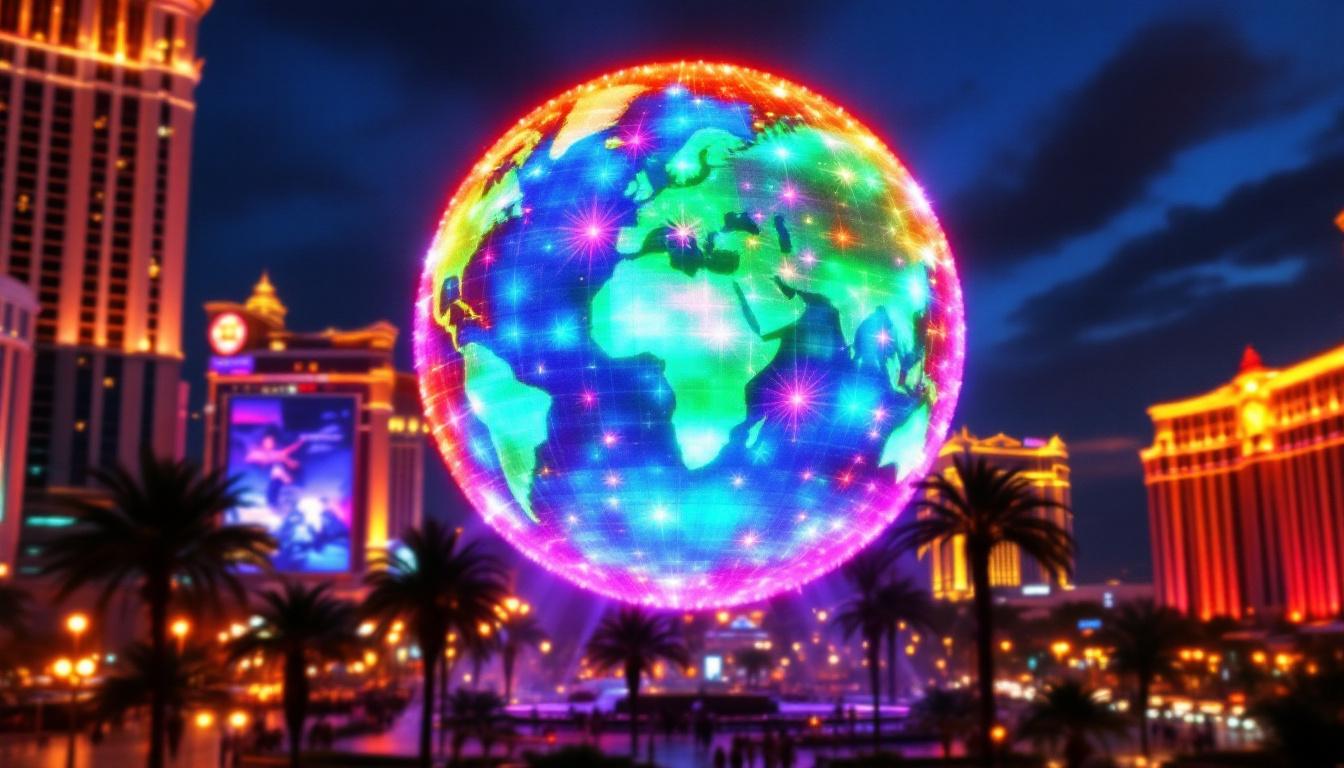
Iconic LED billboards have become landmarks in their own right, contributing to the identity of cities and commercial districts. These installations demonstrate the power and versatility of LED technology in advertising.
Times Square, New York City
Perhaps the most famous example is the LED billboards in Times Square. This bustling commercial intersection features some of the largest and most technologically advanced LED displays globally. The billboards here are not only advertising platforms but also cultural symbols, lighting up the city with vibrant content 24/7.
One notable installation is the Nasdaq MarketSite LED display, which wraps around the building’s facade and provides real-time financial data alongside advertisements. The ability to blend information and marketing in a visually stunning format exemplifies the capabilities of LED technology.
Piccadilly Circus, London
Another landmark is the LED advertising screen at Piccadilly Circus. This curved, high-resolution display has been a centerpiece for advertisers since its digital upgrade. It offers a panoramic view that engages pedestrians and motorists alike, showcasing everything from luxury brands to public service announcements.
Shibuya Crossing, Tokyo
Tokyo’s Shibuya Crossing is famous for its massive LED billboards that light up one of the busiest pedestrian intersections in the world. The displays here combine cutting-edge LED technology with artistic creativity, often featuring interactive and immersive campaigns that resonate with a tech-savvy audience.
Technical Considerations for Installing LED Billboards
Behind the dazzling visuals of LED billboards lies a complex set of technical requirements and considerations. Understanding these factors is crucial for advertisers, city planners, and installation companies to ensure optimal performance and compliance.
Brightness and Visibility
Brightness is measured in nits, with outdoor LED billboards typically ranging from 5,000 to 10,000 nits to remain visible even in direct sunlight. Adaptive brightness sensors adjust the display’s intensity based on ambient light conditions, preventing glare at night and ensuring clarity during the day.
Energy Consumption and Sustainability
LED technology is energy-efficient compared to other lighting methods, but large-scale billboards can still consume significant power. Modern installations often incorporate energy-saving features such as motion sensors, scheduled dimming, and solar power integration to reduce environmental impact.
Regulatory Compliance and Safety
Municipal regulations govern the placement, brightness, and content of LED billboards to minimize distractions for drivers and avoid light pollution. Compliance with these rules is essential to avoid fines and ensure public safety. Additionally, structural integrity and electrical safety standards must be rigorously followed during installation.
The Future of LED Billboard Advertising
As technology advances, LED billboards continue to evolve, integrating new features that enhance their effectiveness and interactivity.
Integration with AI and Data Analytics
Artificial intelligence is increasingly used to tailor billboard content based on audience demographics, weather, and traffic patterns. For instance, an AI-powered billboard might display different ads during rush hour versus midday or adjust messaging based on the age group predominant in the area.
Interactive and Augmented Reality Experiences
Future LED billboards are expected to incorporate interactive elements, allowing passersby to engage via smartphones or gesture recognition. Augmented reality (AR) can create immersive advertising experiences that blend the physical environment with digital content, making campaigns more memorable and impactful.
Smarter Energy Solutions
Advancements in energy storage and renewable energy integration will make LED billboards more sustainable. Solar-powered billboards with battery backups are already being tested in various cities, reducing reliance on the electrical grid and lowering carbon footprints.
Conclusion
LED display billboards represent a significant leap forward in outdoor advertising, combining technology, creativity, and strategic communication to capture audience attention effectively. Their vibrant visuals, flexibility, and cost-efficiency have made them a preferred choice for advertisers worldwide. As innovations continue to emerge, LED billboards will likely become even more interactive, intelligent, and sustainable, shaping the future landscape of urban advertising.
For brands seeking to make a lasting impression, understanding the capabilities and potential of LED billboards is essential. These luminous giants not only brighten cityscapes but also illuminate the path to more engaging and adaptive advertising strategies.
Illuminate Your Brand with LumenMatrix
Ready to elevate your advertising to new heights? LumenMatrix is at the forefront of LED display innovation, offering a wide array of solutions tailored to your unique branding needs. From the bustling streets to the heart of your business, our Indoor and Outdoor LED Wall Displays, Vehicle LED Displays, and specialized options like LED Sports and Floor Displays, are designed to captivate and engage. Experience the future of visual communication with our Custom, All-in-One, and Transparent LED Displays. Don’t just get noticed—be unforgettable. Check out LumenMatrix LED Display Solutions today and transform your message into a visual spectacle that commands attention.