In the world of modern display technology, the terms LED and LCD are often used interchangeably, leading to confusion among consumers and professionals alike. Understanding the fundamental differences between LED and LCD displays is essential for making informed decisions when purchasing televisions, monitors, or other digital screens. This article delves into the technical distinctions, advantages, and practical implications of LED and LCD technologies, helping readers grasp what truly sets these displays apart.
Understanding the Basics: What is LCD?
LCD stands for Liquid Crystal Display, a technology that has been the backbone of flat-panel screens for decades. LCD screens use a layer of liquid crystals sandwiched between two sheets of polarized glass or plastic. When an electric current passes through these crystals, they align to either block or allow light to pass through, creating images.
One critical aspect of LCD technology is that it does not produce light on its own. Instead, it relies on a backlight to illuminate the pixels. Early LCDs used Cold Cathode Fluorescent Lamps (CCFLs) as backlights, which contributed to bulkier designs and higher energy consumption.
The Role of Backlighting in LCDs
The backlight in an LCD is crucial because liquid crystals cannot emit light independently. The quality, type, and placement of the backlight significantly affect the display’s brightness, contrast, and color accuracy. Traditional CCFL backlights provided uniform lighting but had limitations in terms of energy efficiency and thickness.
Modern LCDs have largely transitioned to LED backlighting, which offers better energy efficiency and allows for thinner, lighter designs. This transition blurs the line between LCD and LED displays, as many so-called “LED TVs” are actually LCD panels with LED backlighting.
In addition to the advancements in backlighting, the development of various LCD technologies has further enhanced display performance. For instance, In-Plane Switching (IPS) technology improves color reproduction and viewing angles, making it a popular choice for professional monitors and smartphones. Meanwhile, Twisted Nematic (TN) panels, while generally offering faster response times, often sacrifice color accuracy and viewing angles, making them more suited for gaming applications where speed is paramount.
Furthermore, the evolution of LCD technology has also led to the introduction of features such as high dynamic range (HDR) and 4K resolution, which significantly enhance the visual experience. HDR allows for a broader range of colors and contrasts, making images appear more lifelike, while 4K resolution provides four times the pixel density of standard HD, resulting in sharper and more detailed visuals. These advancements have made LCDs not only a staple in televisions and computer monitors but also in mobile devices, ensuring that they remain relevant in an ever-evolving technological landscape.
What is LED? Clarifying the Terminology
LED stands for Light Emitting Diode, a semiconductor device that emits light when an electric current passes through it. In the context of displays, LED refers to the type of backlighting used in an LCD panel or to an entirely different display technology known as OLED (Organic LED).
It is important to distinguish between two common usages of LED in displays:
- LED-backlit LCDs: These are LCD screens that use LEDs as the backlight source instead of CCFLs.
- LED displays: Sometimes refers to direct LED displays, where each pixel is an individual LED, such as in large outdoor screens or OLED panels.
LED-Backlit LCDs: The Modern Standard
Most consumer LCD TVs and monitors today use LED backlighting. This approach combines the liquid crystal panel with LED light sources, offering improved energy efficiency, better brightness control, and thinner designs compared to CCFL-backlit LCDs.
LED backlights can be arranged in different ways, such as edge-lit or full-array, affecting the display’s contrast and uniformity. Full-array LED backlighting, especially with local dimming, allows for better contrast ratios by dimming specific zones of the screen independently. This technology enhances the viewing experience by providing deeper blacks and more vibrant colors, making it ideal for watching movies or playing video games where visual detail is crucial.
Moreover, the advancements in LED technology have led to the development of HDR (High Dynamic Range) displays that utilize these backlighting techniques to produce a wider range of colors and brightness levels. HDR content can take full advantage of these capabilities, resulting in images that are not only more realistic but also more immersive, drawing viewers into the action.
Direct LED and OLED Displays
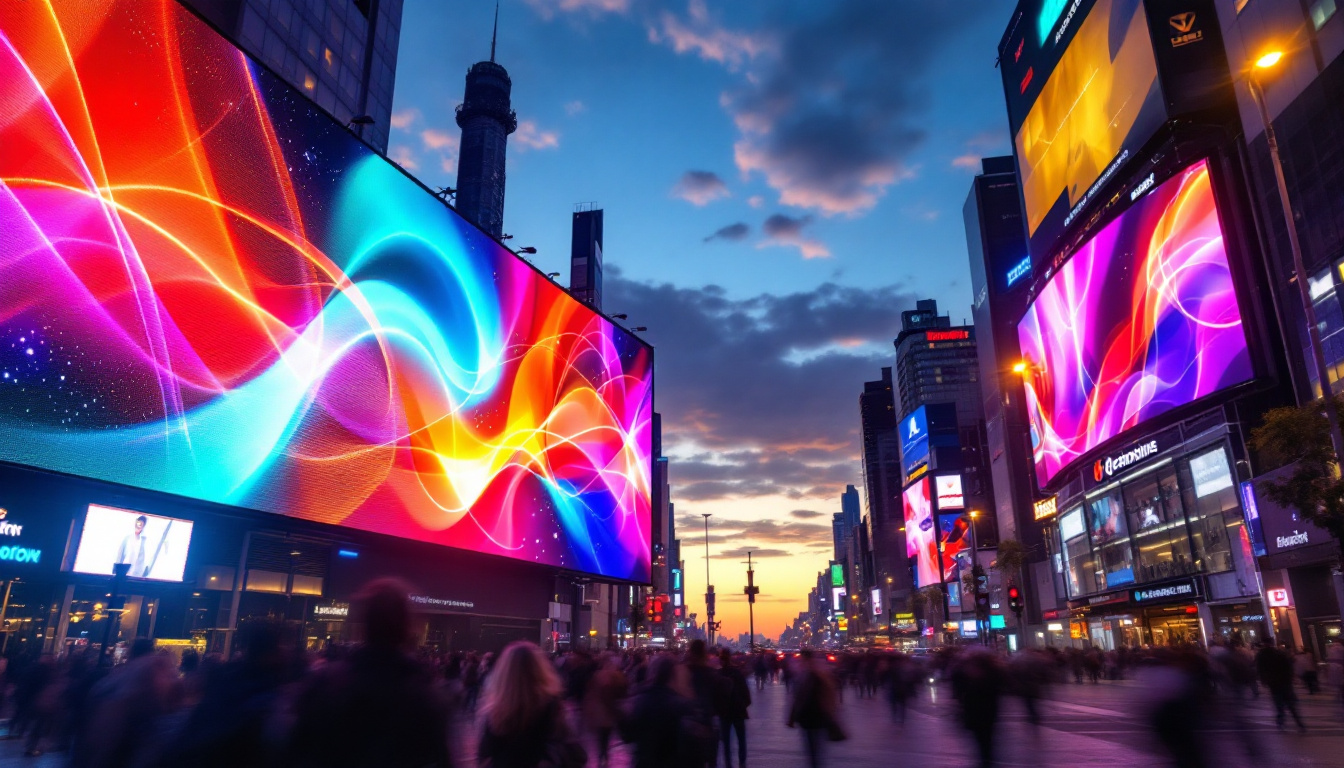
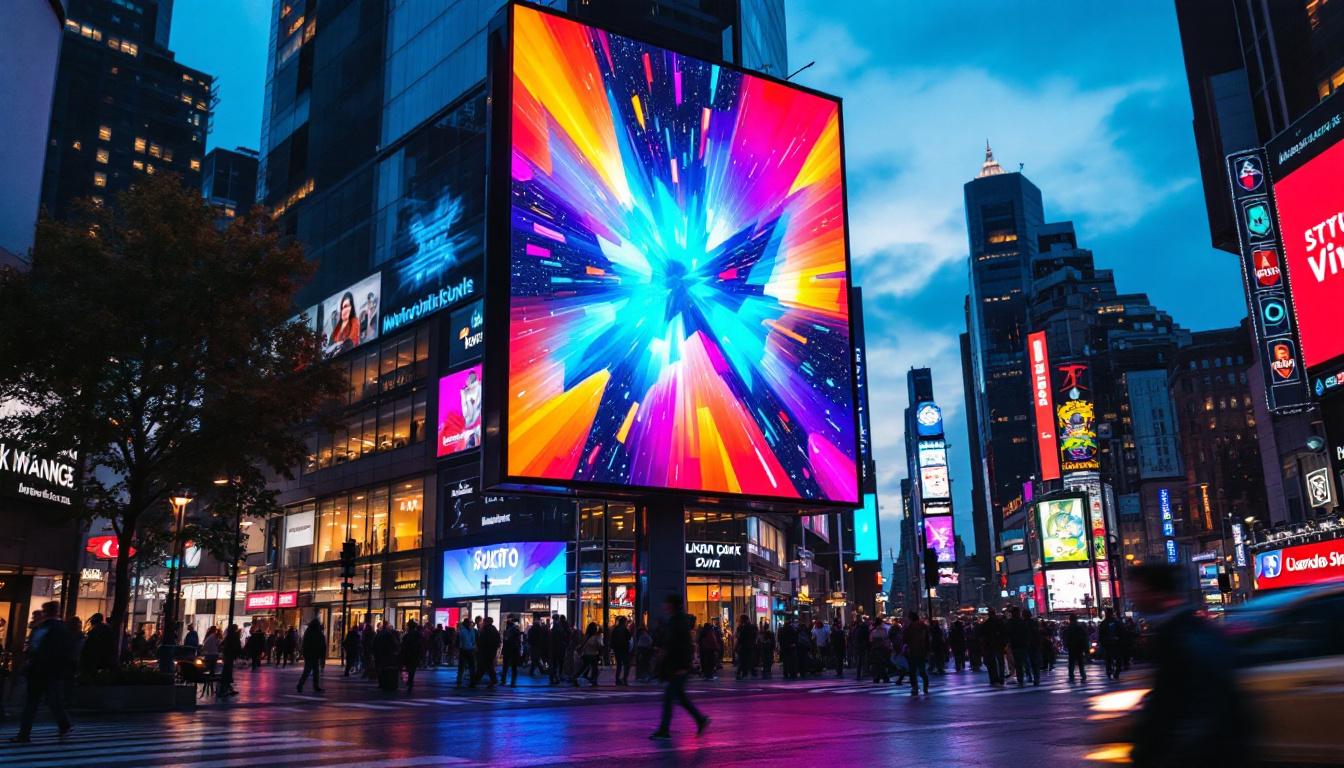
In some contexts, “LED display” refers to screens composed entirely of LEDs, where each pixel is a tiny LED light. This technology is common in large-scale digital billboards and stadium screens but is not typical for consumer TVs or monitors.
OLED, or Organic Light Emitting Diode, represents a different technology where organic compounds emit light when an electric current is applied. Unlike LCDs, OLED pixels produce their own light, enabling true blacks, superior contrast, and faster response times. This self-emissive characteristic allows OLED displays to achieve stunning visual fidelity, making them particularly popular among professionals in graphic design and photography who require precise color accuracy.
Additionally, OLED technology has been praised for its flexibility, allowing manufacturers to create curved and even rollable screens. This innovation opens up new possibilities for design and functionality in consumer electronics, as well as in automotive and architectural applications. As the technology continues to evolve, we can expect to see even more creative uses of OLED displays in the future, pushing the boundaries of how we interact with visual media.
Key Differences Between LED and LCD Displays
To clarify the confusion, it is helpful to compare LED and LCD displays across several important parameters:
1. Light Source and Technology
LCDs require an external light source because liquid crystals do not emit light. Traditional LCDs used CCFL backlights, while modern LCDs use LED backlights. Therefore, an LED display in the consumer market is usually an LCD panel with LED backlighting.
In contrast, true LED displays (such as OLEDs or direct LED panels) have pixels that emit light independently, eliminating the need for a backlight.
2. Picture Quality and Contrast
LED-backlit LCDs can achieve good brightness levels and improved contrast compared to CCFL-backlit LCDs, especially when using full-array local dimming. However, because the liquid crystals block or allow light to pass through, achieving perfect black levels is challenging.
OLED displays excel in contrast because each pixel can be turned off completely, producing true blacks and vibrant colors. This results in a more dynamic and immersive viewing experience.
3. Thickness and Design
LED backlighting allows LCD panels to be thinner and lighter than their CCFL predecessors. Edge-lit LED designs enable ultra-slim TVs that can be mounted flush against walls.
OLED displays are even thinner because they do not require a separate backlight layer, allowing for flexible and innovative form factors.
4. Energy Efficiency
LED-backlit LCDs consume less power than CCFL-backlit LCDs due to the efficiency of LEDs. However, the energy consumption varies depending on screen brightness and backlight type.
OLED displays can be more energy-efficient when displaying darker images since pixels are turned off individually, but bright scenes may consume more power than LED-backlit LCDs.
5. Lifespan and Burn-in Risks
LED-backlit LCDs generally have a longer lifespan and are less susceptible to image retention or burn-in issues.
OLED displays, while offering superior picture quality, can suffer from burn-in if static images are displayed for extended periods, although manufacturers have implemented various mitigation techniques.
Practical Implications for Consumers
Understanding these differences is crucial for consumers deciding which display technology best suits their needs. Here are some practical considerations:
Choosing Between LED-Backlit LCD and OLED
If budget and longevity are primary concerns, LED-backlit LCD TVs and monitors offer excellent performance at competitive prices. They are well-suited for general use, gaming, and bright-room viewing.
For users prioritizing picture quality, especially for cinematic content in dark environments, OLED displays provide unmatched contrast and color accuracy. However, they tend to be more expensive and require careful usage to avoid burn-in.
Use Cases and Environment
LED-backlit LCDs perform well in brightly lit rooms due to their high brightness capabilities. Their resistance to burn-in also makes them ideal for static content such as computer monitors or digital signage.
OLEDs are preferred for home theaters and environments where deep blacks and wide viewing angles enhance the viewing experience.
Future Trends and Innovations
Display technology continues to evolve rapidly. Mini-LED and Micro-LED technologies represent the next generation of LED backlighting and direct LED displays, respectively, promising improved contrast, brightness, and energy efficiency.
Micro-LED displays, which use microscopic LEDs as individual pixels, aim to combine the best features of OLED and LED-backlit LCDs without the drawbacks of burn-in or limited brightness.
Conclusion: Making an Informed Choice
The difference between LED and LCD displays largely hinges on the backlighting technology and pixel illumination method. While LCD refers to the liquid crystal panel itself, LED typically describes the light source used to illuminate that panel or, in some cases, an entirely different display technology.
For most consumers, “LED TV” means an LCD TV with LED backlighting, offering a balance of performance, design, and cost. OLED and emerging technologies like Micro-LED provide superior picture quality but at a premium price and with specific usage considerations.
Ultimately, the best choice depends on individual priorities such as budget, viewing environment, and desired picture quality. By understanding the distinctions outlined here, consumers can confidently navigate the marketplace and select the display technology that best fits their needs.
Explore Cutting-Edge LED Displays with LumenMatrix
Now that you’re equipped with the knowledge to distinguish between LED and LCD technologies, why not experience the future of visual display firsthand? LumenMatrix, a pioneer in LED display innovation, offers an extensive array of LED display solutions tailored to your unique needs. From Indoor and Outdoor LED Walls to specialized Vehicle and Sports Displays, our products are designed to captivate and engage. Discover how LumenMatrix can transform your visual communication and enhance your brand’s presence. Check out LumenMatrix LED Display Solutions today and step into a world of vivid imagery and unparalleled clarity.